Support

Sentani

About

Sentani is a captivating town located in the Papua province, serving as a vital gateway to the easternmost region of the archipelago. Known for its stunning natural landscapes and vibrant local culture, it offers a unique atmosphere that differs significantly from the western parts of the country. As the home of the main airport serving the provincial capital, Jayapura, it is often the first point of contact for travelers venturing into this wild and beautiful land.
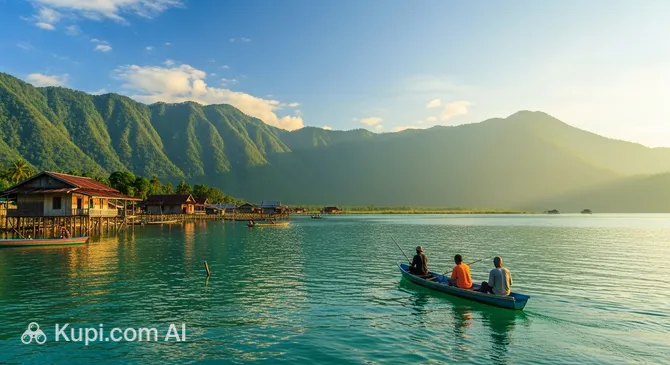
Sentani. Source: Kupi.Binoculars

Geographically, the city is nestled between the imposing Cyclops Mountains and the shores of a massive freshwater lake. Situated in eastern Indonesia, Sentani enjoys a tropical climate with lush greenery year-round. With a population of approximately 75,000 residents, it is a bustling hub that balances modern activity with traditional lifestyles.

The area holds a deep strategic and cultural significance. Those interested in the history of Sentani will discover its pivotal role during World War II, where it served as a major headquarters for General Douglas MacArthur. Beyond its wartime past, the region is rich in indigenous heritage, with local communities maintaining age-old traditions that are deeply connected to the surrounding environment.

Travelers are primarily drawn here by the magnificent Lake Sentani. This undulating body of water is dotted with small islands and traditional villages built on stilts, offering a picturesque setting for boat tours and cultural exploration. The backdrop of the Cyclops Nature Reserve adds to the scenic beauty, providing a dramatic contrast of misty peaks against the calm waters. Whether you are visiting for the famous Lake Sentani Festival or simply to admire the views from MacArthur Hill, Sentani promises an unforgettable experience for every adventurer.

Weather Overview

The climate in Sentani is characteristically tropical, defined by steady warmth and high consistency throughout the year. Travelers can expect daily average temperatures to hover comfortably around 26°C, with daytime highs reaching up to 28.8°C and nights settling near 24°C. Because the temperature variation is minimal between months, the atmosphere remains warm and humid regardless of when you choose to visit.

Rainfall is a constant feature of the region, so it is wise to come prepared for wet conditions. The area experiences precipitation almost daily, with the number of wet days ranging from 26 to 30 days per month year-round. Before packing your bags, you may want to check the current weather in Sentani to plan accordingly. Generally, expect warm days accompanied by frequent showers and very little fluctuation in the seasons.

Interesting Facts

Beyond the scenic beauty of the lake and mountains, Sentani holds intriguing stories that add depth to any visit. From its pivotal role in global history to unique artistic expressions found nowhere else, the town is full of surprises.

  • General MacArthur's Headquarters: During World War II, the legendary General Douglas MacArthur established his headquarters on Ifar Gunung hill. It is said that he planned his strategic moves across the Pacific and the liberation of the Philippines while overlooking the vast expanse of Lake Sentani from this high vantage point, where a monument now stands.

  • Bark Painting Heritage: The indigenous people of Asei Island, located within the lake, are renowned for their traditional Khombow art. Local artisans create intricate paintings on flattened tree bark, depicting tribal motifs, myths, and daily life, preserving a craft that has been passed down for generations.

  • Teletubbies Hill: Just a short distance from the main town, visitors can find Bukit Tungku Wiri, affectionately known by locals and tourists as "Teletubbies Hill." Its smooth, rolling green mounds bear a striking resemblance to the landscape from the famous children's television show, offering a surreal and photogenic panorama.

  • A Lake of Islands: Lake Sentani is not merely a body of water but a sprawling community containing 21 distinct small islands. Many of these islands are inhabited by families living in traditional wooden stilt houses, maintaining a lifestyle deeply connected to the water and isolated from the bustle of the mainland.

How to Get There

Reaching this captivating destination in Papua is the first step of your adventure. For a detailed breakdown of routes and transport modes, you can read more about how to get to Sentani. The town is well-connected to the rest of the Indonesian archipelago primarily by air, serving as a key entry point for the region.

The most convenient and significant hub for travelers is Sentani Airport (DJJ). Although administratively located in the city of Jayapura, this busy international airport is situated just 1.8 km from the center of Sentani, effectively serving as the town's local airport. It handles a large volume of passengers annually, ensuring frequent connections. A taxi or shuttle from the terminal to the town center is very quick, typically taking only about 5 to 10 minutes depending on traffic.

Alternative options include Vanimo Airport (VAI), located in the city of Vanimo approximately 89.6 km away. This is a smaller airport, and the overland journey to Sentani typically takes roughly 2.5 hours. Another regional hub is Wamena Airport (WMX) in Wamena, which is about 241.9 km from Sentani, serving the highland areas.

For clarity, here is a summary of the main airports:

Airport Name City Passenger Traffic Km from City
Sentani Airport Jayapura Large 1.8
Vanimo Airport Vanimo Small 89.6
Wamena Airport Wamena 241.9

Main Attractions

The charm of Sentani lies in its harmonious blend of breathtaking nature and rich history. While the town is a gateway to the highlands, it possesses its own set of wonders that encourage travelers to linger. From the shimmering expanse of its massive lake to the rolling green hills that frame the horizon, the attractions here offer a peaceful retreat into the heart of Papua's landscape.

Lake Sentani is undoubtedly the crown jewel of the region and the primary reason many tourists visit. Spanning a vast area with the Cyclops Mountains as a dramatic backdrop, the lake is best explored by renting a local boat. Visitors can weave through the calm waters, observing traditional stilt villages where life has remained largely unchanged for decades. If you are lucky enough to visit in June, you might catch the vibrant Lake Sentani Festival, a cultural extravaganza featuring tribal dances, boat parades, and local crafts that bring the water to life.

For a mix of history and panoramic vistas, a trip to the MacArthur Monument is essential. Located on Ifar Gunung, a hill overlooking the town, this site commemorates General Douglas MacArthur's presence during World War II. While the historical monument is interesting, the real reward is the view. From this vantage point, you can see the entirety of the lake stretching out to the horizon and watch planes take off and land at the airport below, making it a favorite spot for photographers and history buffs alike.

Nature lovers and social media enthusiasts often flock to Bukit Tungku Wiri, famously known as Teletubbies Hill. The name comes from the smooth, undulating green mounds that resemble the setting of the popular children's show. The landscape here is lush and open, offering unobstructed views of the lake's many islands. It is particularly magical at sunset, when the golden light casts soft shadows over the grassy slopes, creating a surreal and serene atmosphere perfect for a relaxing hike.

To deeply understand the local artistic heritage, a visit to Asei Island is highly recommended. Located within the lake, this island is the center of the region's unique bark painting tradition. Skilled artisans use flattened tree bark as a canvas to depict intricate local motifs and legends. Watching the artists at work and purchasing a piece of this authentic Khombow art provides a meaningful connection to the local culture and supports the community's ancient craftsmanship.

Local Cuisine

The culinary landscape of Sentani offers a distinct and authentic taste of Eastern Indonesia, differing significantly from the rice-centric diet found in the western parts of the archipelago. The staple food here is sago, a starch extracted from the pith of sago palm stems. The most iconic dish you must try is Papeda, a thick, translucent porridge with a glue-like texture. While it has a neutral taste on its own, it serves as the perfect canvas for the rich, savory flavors of local side dishes. It is traditionally swallowed rather than chewed and is a unique gastronomic experience for any traveler.

Papeda is almost always paired with Ikan Kuah Kuning, a yellow fish soup known for its refreshing and zesty flavor profile. The soup gets its vibrant color from turmeric and its tangy kick from lime and lemongrass, which perfectly balances the blandness of the sago. The fish used is typically fresh from Lake Sentani or the nearby ocean, such as tuna, red snapper, or cork fish (gabus). Another local favorite is Ikan Bakar (grilled fish), often served with dabu-dabu, a spicy condiment made from chopped chilies, shallots, and tomatoes.

To complement the main protein, meals are often served with unique vegetable dishes. Sautéed papaya flowers and cassava leaves are common sides, cooked with spices to reduce bitterness and add depth to the meal. For dessert or a snack, look for Matoa, a fruit native to Papua. It has a unique flavor that is often described as a mix between lychee, rambutan, and durian, offering a sweet and juicy treat that is hard to find elsewhere.

The dining culture in Sentani is relaxed and deeply connected to nature. Many of the best places to eat are simple, open-air restaurants or warungs located right on the edge of Lake Sentani. Here, you can enjoy your meal while taking in the serene views of the water and the Cyclops Mountains. For a more immersive local experience, visiting the traditional markets allows you to see the fresh ingredients firsthand, from the massive blocks of raw sago to the daily catch brought in by local fishermen.

Travel Tips

Preparing for a trip to Sentani requires a bit of specific planning to ensure you can fully enjoy this unique gateway to Eastern Indonesia. To help you navigate the local culture and tropical environment of Papua with ease, here is a set of practical tips for your journey.

  1. Clothing and Gear: Due to the tropical climate and high humidity, pack loose, breathable clothing made of cotton or linen. Since rain is frequent throughout the year, a lightweight raincoat or poncho is essential gear. Comfortable, sturdy walking shoes are recommended if you plan to hike up Teletubbies Hill or explore the uneven paths of the lake islands.
  2. Transportation: Public transport mainly consists of angkots (minivans) that follow specific routes and ojeks (motorcycle taxis) for shorter distances. While ride-hailing apps may be available near the airport, they can be unreliable further out. For the most flexibility, especially when visiting scattered attractions like the MacArthur Monument, renting a car with a local driver is the safest and most convenient option.
  3. Finances: The official currency is the Indonesian Rupiah (IDR). While credit cards are accepted at the airport and large hotels, cash is absolute king in Sentani. You will need small denominations for boat transfers to the islands, local markets, and warungs. ATMs are readily available in the town center, so withdraw cash before heading to more remote areas.
  4. Health and Safety: Papua is known to be a malaria-prone region, so taking precautions is vital. Bring high-quality insect repellent, wear long sleeves in the evenings, and consider consulting a doctor about prophylaxis before your trip. Always drink bottled or boiled water to avoid stomach issues, and locate a local pharmacy (Apotek) in the town center for any basic medical needs.
  5. Communication: Bahasa Indonesia is the primary language spoken here. English is generally understood at the airport and by tour guides, but less so by the general public and in traditional villages. Downloading an offline translation app and learning basic phrases like "Terima kasih" (Thank you) will be very helpful. For mobile data, Telkomsel usually offers the widest coverage in this region.
  6. Local Etiquette: The people of Sentani are warm and welcoming, but they value respect. Always ask for permission before taking photographs of locals, especially those in traditional dress, as some may expect a small tip or simply prefer privacy. It is also customary to remove your footwear before entering someone's home or certain traditional buildings.
  7. What to Avoid: Avoid using your left hand to give or receive objects, money, or food, as it is considered impolite in Indonesian culture. Also, refrain from drinking tap water or using ice cubes in street stalls unless you are sure they are made from purified water.
  8. Sunday Observance: Unlike the western parts of Indonesia which are predominantly Muslim, Papua has a large Christian population. Consequently, Sundays are strictly observed as a day of rest and worship. Expect many shops, markets, and services to be closed or have very limited operating hours on this day.

By keeping these practicalities in mind, you will be well-equipped to embrace the adventure that awaits in this fascinating region. Enjoy the warm hospitality of the locals and the breathtaking natural beauty of Sentani with confidence and peace of mind.

Entertainment & Nightlife

Sentani offers a distinctively relaxed alternative to the bustling energy of nearby Jayapura. The nightlife scene here is less about thumping bass and neon lights and more about laid-back evenings, acoustic music, and enjoying the cool tropical breeze. While the town is not a hub for high-energy partying, it provides several charming spots where travelers can unwind after a day of exploring the lake and mountains. The atmosphere is generally casual and friendly, reflecting the warm hospitality of the Papuan people.

For those seeking a sophisticated setting with a view, the **Kurulu Sky Lounge** at the Horison Sentani Hotel is a top choice. Located on the upper levels, this venue offers a panoramic perspective of the airport runway and the majestic Cyclops Mountains. It is an ideal spot for a sunset cocktail or a cold beer, often accompanied by live acoustic performances on weekends. Another excellent hotel-based option is the bar at the **Suni Garden Lake Hotel**, where you can enjoy a quiet drink by the pool in a serene, resort-like environment.

If you prefer a more local and vibrant atmosphere, **Sanice Suhun** in the Hinekombe district is a popular gathering spot. Known for its welcoming vibe, it attracts a mix of locals and visitors looking to socialize. The venue often plays a variety of music and offers a selection of beverages that provide a taste of the local social scene. For a non-alcoholic evening, the town has a thriving coffee culture. Places like **Pilo's Coffee & Tea** are bustling with young locals enjoying Papua's famous coffee blends well into the night.

Travelers craving a more intense nightlife experience with nightclubs and karaoke rooms should head to the city of **Jayapura**, particularly the Entrop district, which is about a 30 to 45-minute drive away. In Sentani itself, the main action is concentrated along **Jalan Raya Kemiri**, the central thoroughfare. Here, you will find street food stalls (warungs) open late, serving grilled corn and fresh fish, creating a lively culinary "night market" atmosphere where you can mingle with residents.

When planning your evening, keep in mind that public transport (angkots) becomes scarce after sunset. It is highly recommended to arrange a rental car with a driver or use ojeks (motorcycle taxis) for short distances. While Sentani is generally safe, street lighting can be inconsistent away from the main road, so it is best to stick to well-populated areas or use taxi services to move between venues. Most places are casual, so there is no need for a strict dress code; comfortable tropical attire is perfectly acceptable.

During the day, the entertainment focus shifts to nature and culture. Visitors can take a boat tour around **Lake Sentani** to see the stilt villages or visit **Asei Island** to watch artists create traditional bark paintings. For history enthusiasts, the **MacArthur Monument** on Ifar Gunung offers a small museum and breathtaking views of the lake, while **Teletubbies Hill** provides a photogenic landscape of rolling green mounds perfect for a morning hike.

Parks & Museums

While Sentani is primarily defined by its magnificent lake, the town and its surroundings offer a selection of green spaces and cultural repositories that allow visitors to deepen their understanding of Papua. From the lush slopes of protected nature reserves to institutions preserving the region's complex history and artistic heritage, these sites provide a meaningful complement to the area's scenic beauty.

Cyclops Mountains Nature Reserve (Cagar Alam Pegunungan Cyclops) is the most significant natural landmark in the area, forming a dramatic green backdrop to the town. This protected rainforest is a biodiversity hotspot, home to unique flora and fauna including tree kangaroos and varying species of birds of paradise. While the terrain is rugged and challenging, the foothills offer accessible trails for nature enthusiasts to admire the dense tropical vegetation and fresh mountain streams that supply water to the communities below. It serves as a vital ecological lung for the region and a place of reverence for the local indigenous people.

For a more open and breezy natural experience, Bukit Tungku Wiri, widely known as Teletubbies Hill, serves as a fantastic natural park area. Unlike the dense forests of the Cyclops Mountains, this area features rolling savannah-like hills covered in smooth grass. It is an excellent spot for a light trek or a picnic, offering unobstructed panoramic views of the lake's archipelago. The lack of tall trees on the hilltops allows for a cooling breeze and perfect visibility, making it a favorite location for locals to relax and enjoy the sunset.

In terms of cultural history, the MacArthur Monument functions as a small open-air museum dedicated to the World War II era. Located within a military complex on Ifar Gunung, the site preserves the history of the Allied Forces' campaign in the Pacific. Visitors can see the actual bunker used by General Douglas MacArthur and view maps and historical markers that explain the strategic importance of Sentani during the war. The combination of military history and the commanding view over the airport and lake makes it a poignant stop for history buffs.

Although located a short drive away in the neighboring district of Abepura, the Museum Loka Budaya (Museum of Cenderawasih University) is the premier cultural institution accessible to travelers staying in Sentani. This museum houses an impressive collection of Papuan artifacts, including Asmat wood carvings, traditional weapons, musical instruments, and ceremonial attire from various tribes across the province. It provides an essential educational experience, offering context to the diverse cultures and artistic traditions you may encounter during your trip.

For an authentic insider experience, consider visiting the Gedung Wanita area or local community centers during cultural rehearsals. While not a formal museum, these spaces often host practice sessions for traditional dance troupes preparing for festivals. Observing a rehearsal offers a raw and unfiltered look at how the vibrant stories and rhythms of Lake Sentani are passed down to the younger generation.

Getting Around

Navigating Sentani differs significantly from moving around major metropolitan areas, as the town does not possess a formal mass transit network like a metro, tram, or train system. Instead, the public transport infrastructure is informal, road-based, and deeply integrated into the local way of life. For visitors, getting around requires a bit of adaptation, but it offers an authentic glimpse into the daily rhythm of the region.

The backbone of local transportation is the minibus, locally referred to as "Taksi" or angkot. These shared vans ply specific routes connecting the town center, the airport, and outlying neighborhoods. They are typically color-coded or marked with route numbers on the windshield. Unlike standard taxis, these vehicles follow a set path but can be flagged down anywhere along the road. To disembark, you simply alert the driver by saying "Kiri" (left) or tapping on the roof. They are an affordable way to travel, though they can get crowded and may not be suitable for travelers with large luggage.

For shorter distances or reaching destinations off the main roads, ojeks (motorcycle taxis) are the most convenient option. You will find ojek drivers waiting at street corners, markets, and near the airport entrance. They are faster than minibuses and can navigate narrow lanes with ease. However, safety standards can vary, so it is advisable to ask for a helmet if one is not immediately offered. Negotiating the fare before hopping on is standard practice to avoid misunderstandings upon arrival.

Regarding payment, cash is the absolute rule for public transport in Sentani. There are no travel cards, passes, or electronic ticketing systems for minibuses or traditional ojeks. Fares are generally very low, often just a few thousand Rupiahs for a short trip. It is essential to carry small denominations of cash, as drivers frequently do not have change for large bills. You pay the driver directly at the end of your journey.

Since Sentani is home to the region's major airport, there is a specific bus service known as DAMRI. These buses provide a reliable and comfortable connection between Sentani Airport and the nearby city of Jayapura. They are air-conditioned and have fixed prices, making them a more structured alternative for travelers heading out of the town center towards the provincial capital. Tickets for these buses are purchased on board or at the designated shelter at the airport.

Modern alternatives such as ride-hailing apps like Grab and Gojek have a presence in the area, offering both car and motorcycle services. These apps provide the convenience of fixed pricing and cashless payment options via the app, which can be a relief for tourists unfamiliar with haggling. However, availability can be inconsistent, especially late at night or in areas further away from the airport and main commercial strips.

For tourists planning to explore scenic spots like Teletubbies Hill or the various distinct points around the lake, relying solely on public transport can be challenging due to infrequent schedules. Renting a car with a driver is widely considered the best option for a stress-free experience. This allows you to explore at your own pace without worrying about route connections or operating hours, which for public transport tend to dwindle significantly after sunset.

Accommodation

Accommodation in Sentani caters primarily to two distinct types of travelers: those seeking a convenient stopover near the transit hub and those looking to immerse themselves in the region's natural beauty. The town offers a modest but growing range of lodging options, spanning from simple budget guesthouses (known locally as penginapan) to comfortable mid-range hotels and resort-style properties. While you will not find ultra-luxury international chains here, the standard of hospitality is generally warm and welcoming, with many establishments providing essential amenities for a pleasant stay.

For most visitors, the most strategic area to stay is along Jalan Raya Kemiri and the main thoroughfares surrounding the airport. This area is bustling with activity and offers the easiest access to dining, shops, and transport. Staying here is particularly recommended for travelers with early morning flights to the highlands or those arriving late. Alternatively, for a more serene experience, look for properties located along the shores of Lake Sentani or on the hillsides. These locations often feature stunning views of the water and the Cyclops Mountains, providing a peaceful retreat away from the noise of the main road.

In terms of amenities, the larger hotels in Sentani are well-equipped to serve both business and leisure travelers. Many of the top-rated establishments in the area feature swimming pools, on-site restaurants serving local and Indonesian cuisine, and reliable Wi-Fi, which can be a luxury in more remote parts of Papua. These hotels often provide shuttle services to and from the airport, adding a layer of convenience for guests. On the budget end, smaller homestays offer a no-frills experience that is perfect for backpackers, often providing a clean bed and a fan at a very affordable rate.

Booking Tips and Prices:

The price range for accommodation in Sentani is generally affordable. Budget rooms can often be found for under $25 USD per night, while comfortable mid-range hotels typically cost between $30 and $70 USD. It is highly advisable to book in advance if you plan to visit during the Lake Sentani Festival (usually in June), as rooms fill up quickly with domestic tourists and dignitaries. While major booking platforms work well for the larger hotels, smaller guesthouses may require direct contact or cash payment upon arrival.

Nearby Cities

For those looking to explore the surroundings, Sentani serves as an excellent base for day trips to several interesting nearby locations:

City Population Distance (km)
Jayapura 413,283 36
Manokwari 136,000 741
Biak 103,610 531
Nabire 99,848 563
Wamena 64,967 242

These nearby destinations offer a glimpse into the diverse culture and landscapes of the region. Jayapura is the most accessible option for a quick day trip, offering vibrant city markets, historical sites, and the beautiful Base-G Beach just a short drive away. For those willing to take a short flight, Wamena in the Baliem Valley presents a completely different atmosphere with its cool highland climate, stunning trekking routes, and unique traditional villages.

Shopping & Souvenirs

Shopping in Sentani offers a distinctively authentic experience that focuses more on cultural immersion and local necessities than on high-end retail therapy. As a transit town and a gateway to the highlands, the commercial scene here is humble yet vibrant, catering primarily to the daily needs of residents and the souvenir-hunting instincts of travelers. Visitors will not find the sprawling luxury complexes common in major cities across Indonesia, but rather a collection of colorful markets, roadside stalls, and modest shopping centers that provide a genuine glimpse into the livelihood of the Papuan people.

The primary commercial artery of the town is Jalan Raya Kemiri. This main road stretches from the airport area through the heart of Sentani and is lined with a variety of shophouses (ruko). Here, tourists can find everything from small grocery stores and pharmacies to shops selling electronics and clothing. Walking along this street offers a convenient way to pick up travel essentials or browse through local goods while observing the bustling daily activity of the town.

For a more modern shopping experience, Saga Sentani is the most prominent destination. While it functions more as a large supermarket and department store combination than a traditional western-style mall, it is the go-to spot for air-conditioned comfort and a wide range of products. Travelers can find imported snacks, toiletries, clothing, and even a selection of souvenirs here. It serves as a reliable one-stop shop for restocking supplies before heading into more remote areas of Papua.

The heart and soul of Sentani's trade can be found at Pasar Pharaa (Pharaa Market). This traditional market is a sensory explosion and a must-visit for anyone wanting to see local produce firsthand. The stalls are piled high with fresh agricultural goods, including massive blocks of raw sago, exotic fruits like matoa, and fresh fish caught daily from Lake Sentani. It is also a great place to see the traditional "mama-mama" (Papuan women) selling their garden harvests, offering a warm and authentic interaction with the local community.

When it comes to souvenirs, Sentani is famous for its unique artistic heritage. The most prized item to bring home is a Khombow, or bark painting. These are traditionally made by artisans from Asei Island on Lake Sentani, who paint intricate local motifs on flattened tree bark. Another essential keepsake is the Noken, a multifunctional knotted or woven bag native to Papua, which is recognized as a UNESCO Intangible Cultural Heritage object. You can also look for Batik Papua, which features distinct patterns depicting birds of paradise and traditional musical instruments.

Regarding logistics, cash is king in Sentani. While places like Saga Sentani and some hotels accept credit cards, the traditional markets, roadside stalls, and smaller souvenir shops operate exclusively with the Indonesian Rupiah (IDR). It is highly recommended to carry small denominations for easier transactions. Store hours typically run from around 8:00 AM to 9:00 PM for modern shops, while traditional markets are busiest in the very early morning, often starting as early as 5:00 AM.

Travelers should be aware that tax-free shopping or VAT refund schemes are generally not available in Sentani. The tax refund facilities in the country are primarily located at major international airports in Jakarta and Bali. Therefore, the price you see on the tag or the price you negotiate at the market is the final price you will pay.

Nearby cities

Reached the end of the page?

That means the route is fully explored