Support

Manokwari

About

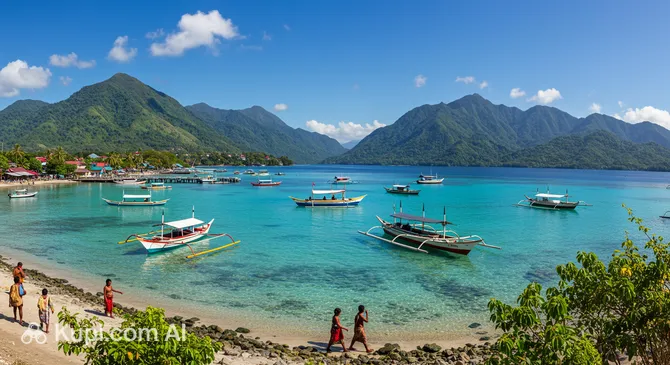
Manokwari is a captivating coastal city located on the northeastern tip of the Bird's Head Peninsula. As the capital of the West Papua province in Indonesia, it serves as a vital gateway to some of the region's most pristine natural environments. The city is framed by lush, rolling hills and the deep blue waters of the Pacific Ocean, offering a scenic atmosphere that blends urban life with the tranquility of nature. With a population of approximately 136,000 people, it maintains a welcoming community vibe while providing essential amenities for travelers.

Manokwari. Source: Kupi.Binoculars

The city holds a unique significance in the region's cultural heritage. Visitors exploring the history of Manokwari will discover that it is often referred to as the "Gospel City." This title honors the arrival of the first Christian missionaries on nearby Mansinam Island in the mid-19th century. Today, the island is a short boat ride away and serves as both a historical landmark and a popular spot for snorkeling among vibrant coral reefs.

Beyond its historical roots, Manokwari is a paradise for nature enthusiasts. The majestic Arfak Mountains rise in the background, offering opportunities for hiking and birdwatching, particularly for those hoping to glimpse the famous Birds of Paradise. For a more relaxing experience, Pasir Putih Beach is a favorite local destination known for its soft white sands and calm, clear waters. Whether you are seeking cultural insights or outdoor adventures, Manokwari invites you to discover the untouched beauty of West Papua.

Weather Overview

Manokwari experiences a consistent tropical climate characterized by stable warmth and high humidity throughout the year. Because of its location near the equator, there is very little seasonal variation, making it a destination where summer-like conditions prevail indefinitely. Travelers interested in the specific forecast should consult the detailed guide to the weather in Manokwari before packing.

Temperatures in the city are remarkably steady, with monthly averages hovering around 25°C. You can expect daytime highs to reach approximately 26°C to 27°C, while nighttime lows rarely drop below 23°C. May is typically the warmest month, seeing averages up to 25.5°C, while July and August are slightly cooler, though the difference is minimal.

Rainfall is a constant companion in this region, keeping the surrounding landscapes lush and green. The area records a high number of wet days, ranging from 26 to 30 days per month, meaning showers are likely during any visit. Despite the frequency of rain, the precipitation often comes in bursts, allowing for periods of sunshine in between.

Interesting Facts

Beyond the main attractions, Manokwari holds many fascinating secrets that reveal its deep historical and natural complexity. From hidden underwater relics to unique local origins, there is much to uncover for the curious traveler.

  • A Historical Capital: Long before other cities in the region rose to prominence, Manokwari served as the first administrative capital of Dutch New Guinea. Its long-standing role as a center of government and mission work has left a legacy of colonial architecture and historical depth that predates many other provincial hubs.

  • Underwater WWII Relics: The calm waters of Dore Bay hide a turbulent past from World War II. Divers can explore a "ghost fleet" of submerged vessels, including the well-known "Cross Wreck," a Japanese patrol boat that sits upright on the seabed and is now teeming with marine life.

  • The Meaning of the Name: The name "Manokwari" is derived from the Biak-Numfor language, specifically the phrase "Mnukwar," which translates to "Old Village." This reflects the city's status as one of the earliest and most significant settlements in the territory's history.

  • Surfing on Black Sand: While the region is famous for white sandy beaches and coral reefs, Amban Beach on the north coast offers a striking contrast. It features expansive stretches of fine black sand and strong swells, making it one of the few spots in the area suitable for surfing enthusiasts.

How to Get There

Reaching this scenic coastal capital is an adventure that brings you to the heart of West Papua. While the region is remote, it is well-connected by air to other major Indonesian cities. For a detailed overview of all transport options and routes, you can read more about how to get to Manokwari.

The most convenient way to arrive is via Rendani Airport (MKW), which serves as the primary entry point for the city. It is located directly in Manokwari, just 3.7 km from the city center. Due to this close proximity, the journey into town is quick and easy; a trip by taxi or local transport typically takes about 25 minutes. The airport handles a steady flow of domestic traffic, linking travelers to major hubs like Jakarta and Makassar.

Travelers exploring the wider region might also encounter Mokmer Airport (BIK). However, it is important to note that this airport is located in the city of Biak, approximately 230 km away from Manokwari on a neighboring island. While it is a significant regional hub, using it as an entry point to Manokwari would require arranging a connecting flight or sea transport to cross the distance between the islands.

For clarity, here is a summary of the main airports:

Airport Name City Passenger Traffic Km from City
Mokmer Airport Biak Medium 230.6
Rendani Airport Manokwari Medium 3.7

Main Attractions

Attractions:

Manokwari offers a variety of points of interest that highlight its natural beauty and local culture. While the city is famous for its nearby islands and beaches, the mainland also holds charm for visitors. A notable natural site is the Gunung Meja Nature Park, a protected forest area located close to the city center. This "Table Mountain" is a favorite among locals for its fresh air, tropical vegetation, and the opportunity to experience the region's biodiversity without traveling far.

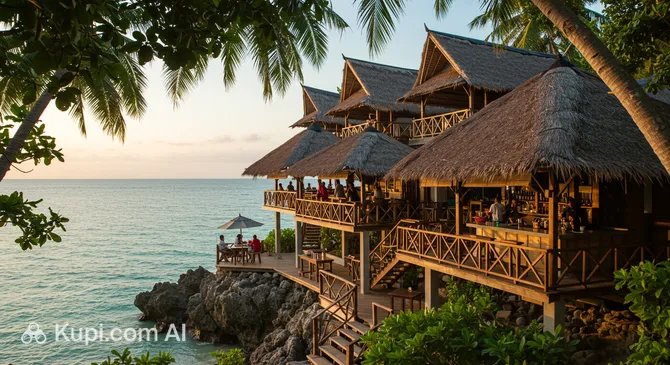
For those looking to enjoy the coastal atmosphere, the city offers inviting spots to relax by the water. One such destination is Inggandi Beach Resto & Cafe. Situated directly on the seafront, this venue is appreciated for its scenic location, where visitors can dine while taking in expansive views of the ocean and the gentle sea breeze.

Inggandi Beach Resto & Cafe. Source: Kupi.Binoculars

Local Cuisine

The culinary scene in Manokwari offers a distinct taste of West Papua, heavily influenced by the abundance of fresh seafood from the Pacific Ocean and the region's staple crop, sago. Food here is simple, hearty, and relies on natural flavors, often enhanced with fresh spices like turmeric, lemongrass, and chili. For travelers, dining in this coastal city is an opportunity to experience authentic Papuan traditions that are quite different from the rice-centric cuisine found in western Indonesia.

The most iconic dish you must try is Papeda combined with Ikan Kuah Kuning (Yellow Fish Soup). Papeda is a thick, translucent porridge made from sago starch, which serves as the main carbohydrate instead of rice. It has a glue-like texture and a neutral taste, making it the perfect vessel for the savory, sour, and spicy flavors of the yellow fish soup. The soup gets its vibrant color from turmeric and is typically cooked with fresh tuna, red snapper, or mackerel, seasoned with lime and basil to create a refreshing and aromatic meal.

Another local favorite is Ikan Bakar Manokwari, a style of grilled fish unique to the area. Unlike the sweet soy sauce marinades common elsewhere, the fish here is often grilled with a spicy marinade made from raw chili and citrus, highlighting the freshness of the catch. This is frequently served with a side of sautéed papaya flowers or water spinach, adding a pleasant bitterness and crunch to the plate. For a sweet finish, look for Kue Lontar, a custard pie similar to a milk tart, which is a delicious legacy of the region's Dutch colonial history.

To quench your thirst, the drink of choice is almost always Es Kelapa Muda (young coconut ice). Given the city's coastal location, coconuts are abundant and served fresh, often right out of the shell. It is the perfect way to cool down in the tropical humidity. You might also encounter locally grown coffee, but fresh fruit juices, particularly those made from native fruits like the sweet and lychee-like Matoa, are a special treat when in season.

The dining culture in Manokwari is relaxed and informal. Locals love to eat at open-air stalls and night markets where fresh fish is grilled to order. For a more established dining experience with a view, you can visit Inggandi Beach Resto & Cafe. Places like this allow you to enjoy traditional seafood dishes while overlooking the ocean, combining the city's best flavors with its stunning natural scenery.

Travel Tips

Welcome to Manokwari! Visiting this scenic capital of West Papua is a rewarding experience, but it requires a bit more preparation than a trip to a typical tourist hub. To help you navigate the local customs and logistics smoothly, here are some practical tips to ensure your journey is as enjoyable and hassle-free as possible.

  1. Clothing and Gear: Given the consistent tropical heat and high humidity, pack lightweight, breathable fabrics like cotton or linen. Since rain is frequent, a durable raincoat or poncho is essential. If you plan to visit villages or religious sites, dress modestly by covering your shoulders and knees. Don't forget sturdy reef shoes if you intend to explore the coral beaches, as the terrain can be rocky.
  2. Transportation: Public transport in the city mainly consists of Angkots (yellow minibuses) that follow specific routes, which can be confusing for newcomers. The most convenient way to get around for short distances is by Ojek (motorcycle taxi). For day trips to the Arfak Mountains or distant beaches, it is highly recommended to rent a car with a local driver, as road conditions vary and navigation can be tricky.
  3. Finances: The official currency is the Indonesian Rupiah (IDR). While there are ATMs in the city center, they can occasionally be out of service, so it is wise to carry sufficient cash. Credit cards are rarely accepted outside of major hotels and large supermarkets. Be sure to stock up on small denominations for tipping drivers or buying snacks at local markets.
  4. Health and Safety: West Papua is a region where malaria is present, so taking precautions is vital. Bring strong insect repellent containing DEET and consider consulting your doctor about prophylaxis before traveling. Pharmacies (Apotek) are available in the town center but may close early; always carry a basic first-aid kit. Stick to drinking sealed bottled water to avoid stomach issues.
  5. Communication: Bahasa Indonesia is the primary language, and English is not widely spoken outside of the airport and high-end hotels. It is extremely helpful to learn a few basic phrases or download an offline translation app. For mobile data, Telkomsel is generally the most reliable provider in this region; you can purchase a SIM card at the airport or local counters in town.
  6. Local Etiquette: The people of Manokwari are friendly and welcoming. A smile and a greeting like "Selamat Pagi" (Good morning) go a long way. As a predominantly Christian city known as the "Gospel City," Sundays are taken quite seriously. Expect a slower pace, and dress respectfully if you attend any church services or visit religious landmarks.
  7. What to Avoid: Avoid public displays of anger or shouting, as this causes a "loss of face" and is considered very rude in Indonesian culture. Also, never touch someone on the head, even children, as the head is considered the most sacred part of the body.
  8. Sunday Closures: Be aware that on Sundays, the city virtually shuts down. Most shops, markets, and even some restaurants will be closed until the afternoon or for the entire day due to church observances. Plan your supplies and meals accordingly if your trip falls over the weekend.

By keeping these practical tips in mind, you will be well-equipped to embrace the unique rhythm of life in Manokwari. With your logistics sorted, you can focus entirely on soaking up the stunning natural beauty and warm hospitality that this corner of Indonesia has to offer.

Entertainment & Nightlife

Entertainment in Manokwari is defined by a relaxed and communal atmosphere rather than a high-energy clubbing scene. The city’s nightlife reflects the local culture of "nongkrong" (hanging out), where friends and families gather to enjoy good food, live music, and conversation. Visitors will not find sprawling nightclub districts here; instead, the evening entertainment focuses on cozy cafes, karaoke lounges, and vibrant night markets that come alive after sunset.

For a pleasant evening by the water, Inggandi Beach Resto & Cafe is a standout venue. It transforms from a daytime dining spot into a lively place to enjoy the evening breeze, often featuring live acoustic music that adds to the laid-back coastal vibe. It is an excellent location to unwind with a cold drink while listening to the sounds of the ocean mixed with local tunes.

The heart of the local nightlife can be found in the bustling districts of Wosi and Sanggeng. Here, the streets light up with Pasar Malam (night markets) where vendors sell everything from clothes to electronics, but the real draw is the food. The aroma of grilled seafood fills the air as open-air stalls, known as warungs, serve fresh Ikan Bakar (grilled fish) late into the night. These areas are bustling with locals and offer an authentic glimpse into the city's social life.

Karaoke is a favorite pastime in Manokwari, and you will find several family karaoke venues scattered along Jalan Merdeka and the main commercial streets. These establishments are modern, air-conditioned, and safe, offering private rooms where groups can sing their hearts out. They typically stay open until around midnight or 1:00 AM and serve snacks and soft drinks, making them a popular choice for evening entertainment.

When planning a night out, dress casually; shorts and t-shirts are acceptable almost everywhere, though a smart-casual look is appreciated in nicer cafes. Prices are generally very affordable, with a hearty meal and drinks costing a fraction of what you would pay in larger tourist hubs. For transportation, Ojeks (motorcycle taxis) are the most common way to get around, but at night, it is safer and more comfortable to arrange a car taxi or a private driver through your hotel.

Regarding safety, Manokwari is generally welcoming, but it is wise to exercise caution after dark. Stick to well-lit and populated areas like the city center and the port area. Avoid walking alone on quiet streets or beaches late at night. If you need to travel between districts, relying on pre-arranged transport is the safest option.

During the daylight hours, entertainment shifts towards nature and culture. While the city lacks large amusement parks or grand theaters, visitors can explore the Mansinam Island religious sites or visit the local traditional markets. The daytime is best spent enjoying the natural splendor of the region, from hiking in the nearby forests to swimming at the local beaches, before settling in for a relaxing evening.

Parks & Museums

Some cities keep their history behind glass cases, but Manokwari displays its heritage in the open air, amidst lush rainforests and coastal landscapes. The city offers a unique blend of protected natural reserves and historical landmarks that tell the story of its colonial past and spiritual significance. While you won't find many large, conventional indoor museums here, the region itself serves as a living gallery of culture and biodiversity.

One of the most accessible and refreshing natural areas is the Gunung Meja Nature Park (Taman Wisata Alam Gunung Meja). Located just a few kilometers from the city center, this protected forest sits on a flat-topped hill that resembles a table, hence its name. It acts as the "lungs of the city," offering a cool retreat from the coastal heat. Visitors can hike along shaded trails surrounded by towering tropical trees, wild orchids, and diverse bird species. It is a favorite spot for locals to jog or simply enjoy the tranquility of the rainforest without leaving the urban area.

For those who prefer the sea breeze over the forest canopy, Pasir Putih Beach serves as a natural recreational park. Famous for its soft, powdery white sand and crystal-clear waters, it is more than just a place to swim; it is a communal gathering space where the rhythm of local life unfolds. The beach is backed by greenery and offers excellent snorkeling opportunities right off the shore, allowing visitors to explore the underwater gardens that are part of the Coral Triangle's rich ecosystem.

Since Manokwari lacks extensive indoor museum facilities, its history is best experienced at its landmark sites. Mansinam Island is arguably the most significant cultural and historical destination in the region. Known as the cradle of Christianity in Papua, the island features the massive Jesus Christ Statue and the historic Cross Monument, which commemorate the arrival of German missionaries in 1855. Walking around the island feels like stepping back in time, with ruins of old colonial churches and a sacred well that holds deep spiritual meaning for the local community.

Another poignant site is the Japanese War Monument (Tugu Jepang), located in the hills of Manokwari. This memorial honors the soldiers who fell during World War II, as the city was a significant Japanese stronghold during the conflict. The site is not only historically important but also offers one of the best panoramic views of the city and Dore Bay below. It provides a quiet space for reflection and a chance to understand the strategic role this coastal city played in Pacific history.

For a glimpse into the living culture of the region, skip the formal tours and visit the Sanggeng Traditional Market. While not a museum, it is a vibrant showcase of Papuan daily life, where you can see traditional woven noken bags, local crafts, and the unique produce of the West Papuan highlands. Additionally, birdwatching enthusiasts should consider a trip to the foothills of the Arfak Mountains just outside the city; seeing the magnificent Birds of Paradise in their natural habitat is a cultural and natural experience that defines the identity of this region.

Getting Around

Public transport in Manokwari is quite different from the structured systems found in major global capitals. There are no metros, trams, or large municipal bus networks here. Instead, the city relies on a flexible and informal system of road transport that serves the local population well. For tourists, navigating this system can be an adventure in itself, offering a genuine glimpse into the daily rhythm of life in West Papua.

The backbone of local transportation is the Angkot (public minibus), often referred to locally as "Taxi" even though it is a shared vehicle. These are typically yellow or blue minivans that follow specific routes through the city and to surrounding districts. They do not have fixed timetables or designated bus stops; instead, you can flag one down from the side of the road by simply raising your hand. To get off, you just tell the driver to stop when you reach your destination. They are an extremely affordable way to travel, though they can be crowded and may wait until they are full before departing from terminals.

For a faster and more direct option, Ojeks (motorcycle taxis) are the most popular alternative. You will see ojek drivers waiting at street corners, markets, and near the airport, often wearing helmets or jackets indicating their service. This mode of transport is ideal for short distances or for navigating narrow streets where cars might struggle. It is customary to agree on the price before the journey begins, as meters are not used. While ride-hailing apps are becoming more common in parts of Indonesia, their availability and reliability in Manokwari can vary, so relying on traditional street-side ojeks is often necessary.

Payment for both angkots and ojeks is made exclusively in cash using Indonesian Rupiah (IDR). There are no travel cards, electronic passes, or ticket machines. When taking an angkot, you pay the driver directly upon exiting the vehicle. It is highly recommended to carry small denominations (such as 2,000, 5,000, or 10,000 notes), as drivers often do not have change for large bills. Fares are generally very low, making it easy to get around the city on a budget.

For those seeking more comfort or traveling in groups, renting a car is a viable option, though it operates differently than in Western countries. In Manokwari, car rentals almost always come with a driver. This is actually a significant advantage, as local drivers are familiar with the road conditions, driving habits, and the best routes to attractions outside the city center. Traditional private taxis are less common on the streets and are best arranged through your hotel reception or at the airport.

Public transport generally operates from early morning until early evening. After sunset, the frequency of angkots drops significantly, and finding one can be difficult. If you plan to be out late, it is wise to arrange transportation in advance or ensure you have the contact number of a reliable ojek or car driver. By understanding these simple local customs, you can navigate Manokwari effectively and experience the city just as the locals do.

Accommodation

Accommodation in Manokwari caters primarily to business travelers, government officials, and adventurous tourists seeking to explore West Papua. While the city does not feature the extensive array of luxury resorts found in Bali or Jakarta, it offers a decent selection of functional and comfortable places to stay. The options generally range from simple guesthouses (known locally as losmen) and budget hostels to mid-range hotels that provide modern amenities such as air conditioning, Wi-Fi, and hot water.

For most visitors, the most convenient area to stay is the city center, particularly around the port and the main commercial streets. Staying here places you within walking distance of markets, restaurants, and public transport terminals. Another popular area is the Rendani district, located near the airport. This area is ideal for travelers with early morning flights or those who prefer a quieter environment slightly removed from the bustle of the downtown core. For a more scenic experience, there are a few properties located along the coastline, offering views of the ocean and easier access to beach areas like Pasir Putih.

Since Manokwari is not a mass tourism hub, the supply of high-standard accommodation is somewhat limited. It is highly recommended to book your room in advance, especially if you are visiting during government events or religious holidays when hotels can fill up quickly. While walk-ins are possible at smaller guesthouses, securing a reservation ensures you get the comfort level you expect.

In terms of pricing, accommodation in Manokwari is generally affordable. Budget travelers can find basic rooms for very low rates, while mid-range hotels offer good value for money. Booking methods vary; larger hotels are often listed on major international booking platforms, making them easy to reserve online. However, smaller guesthouses and homestays may not have a digital presence and might require a direct phone call or arrangement upon arrival. Note that while major hotels accept credit cards, smaller establishments often require payment in cash.

Nearby Cities

For those looking to explore the surroundings, Manokwari serves as an excellent base for day trips or short excursions to several interesting nearby locations. While the vast and rugged terrain of West Papua often requires travel by air or sea rather than a simple drive, these neighboring regional hubs offer distinct experiences that complement a visit to the provincial capital.

Sorong is the bustling gateway to the world-renowned Raja Ampat islands. Located to the west, it is a dynamic port city where industry meets tourism. Visitors often stop here to witness the busy harbor life or to visit the Doom Island heritage site, which features old colonial architecture. It serves as the primary jumping-off point for those seeking some of the best diving and marine biodiversity on the planet.

To the east lies Biak, situated on its own island. This destination is steeped in history, particularly from World War II, with sites like the Japanese Cave (Goa Jepang) attracting history buffs. Beyond its past, Biak is known for its relaxed atmosphere, stunning coral beaches, and the unique culture of the Biak people, making it a refreshing contrast to the mainland.

Another notable neighbor is Nabire, famous as the entry point to Cenderawasih Bay National Park. This town attracts nature lovers hoping to swim with the gentle whale sharks that frequent the bay's waters. Like Manokwari, it offers a glimpse into the coastal life of Papua but with its own specific natural attractions that are well worth the journey.

City Population Distance (km)
Sorong 272349 312
Biak 103610 214
Nabire 99848 321
Fakfak 84846 301
Tual 82955 547

These nearby destinations offer a glimpse into the diverse culture and landscapes of the region, allowing travelers to experience the broader beauty of West Papua beyond the city limits.

Shopping & Souvenirs

Shopping in Manokwari offers a distinct blend of modern convenience and traditional Papuan culture. While the city is not a sprawling retail hub like Jakarta, it provides a genuine experience where travelers can find daily necessities alongside unique local handicrafts. The shopping scene here is functional and community-focused, ranging from air-conditioned department stores to vibrant open-air markets that serve as the heartbeat of the local economy.

The primary commercial activity is concentrated along the main arteries of the city, particularly around Jalan Merdeka and Jalan Trikora. These streets are lined with a variety of shophouses selling electronics, clothing, and household goods. A stroll down these avenues offers a glimpse into the daily commerce of the capital, with small boutiques and local businesses catering to the needs of residents and visitors alike.

For a more modern retail experience, Manokwari City Mall (MCM) is the newest and largest shopping destination in the area. It features a cinema, a food court, and a selection of national chain stores, providing a cool respite from the tropical heat. Another well-established spot is Hadi Supermarket, which functions as a department store and is a go-to location for locals seeking groceries, apparel, and general supplies in a comfortable, modern setting.

To truly understand the local way of life, a visit to the traditional markets is essential. Pasar Wosi is the busiest and most expansive market in the city, serving as a major transit hub and trading center. Here, you can find fresh agricultural produce from the Arfak Mountains, fresh fish, and daily wares. Pasar Sanggeng is another central market known for its unique multi-story architecture, offering everything from spices to textiles in a bustling, authentic atmosphere.

When it comes to souvenirs, Manokwari has several unique treasures. The most iconic item to bring home is the Noken, a traditional knotted net bag made from wood fiber, recognized by UNESCO as a tangible cultural heritage. Batik Papua is another popular choice, featuring bright colors and motifs of the Bird of Paradise (Cendrawasih) or traditional carvings. For a culinary treat, do not miss Abon Gulung, a savory rolled bread filled with meat floss that is a famous specialty of Manokwari bakeries.

Most shops and malls typically open around 9:00 AM and close by 9:00 PM or 10:00 PM. Traditional markets start much earlier, often at sunrise, and are busiest in the morning. While modern malls and supermarkets accept major credit and debit cards, cash is essential for transactions at traditional markets, small warungs, and souvenir stalls. It is advisable to carry smaller denominations of Indonesian Rupiah when exploring these local spots.

Regarding tax-free shopping, tourists should be aware that the VAT refund scheme in Indonesia is generally limited to registered retailers in major international tourist hubs like Jakarta and Bali. It is highly unlikely that you will find stores offering tax-free refund services in Manokwari. Therefore, it is best to assume that the price you see is the final price.
Nearby cities

Reached the end of the page?

That means the route is fully explored
