Support

Fakfak

About

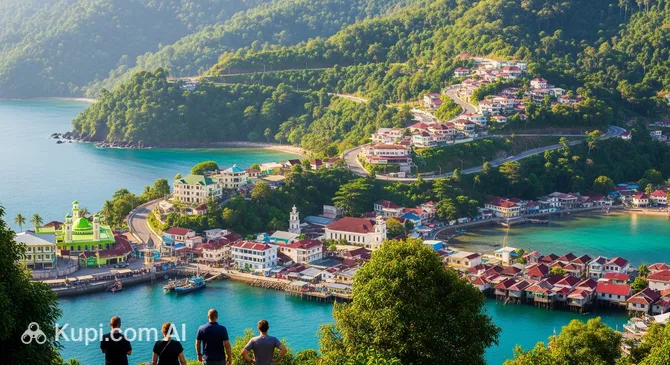
Fakfak is a captivating town located on the Bomberai Peninsula in the province of West Papua. Known for its lush landscapes and rich cultural heritage, this destination offers a unique glimpse into the diverse beauty of Indonesia. The city is often referred to as the "City of Nutmeg" due to its long-standing tradition of cultivating this valuable spice, which permeates the local atmosphere.

Fakfak. Source: Kupi.Binoculars

With a population of approximately 84,846 residents, Fakfak is one of the oldest towns in the region. Its geography is characterized by rolling hills and a stunning coastline, creating a picturesque setting where the mountains meet the sea. The climate is typically tropical, ensuring a lush and green environment throughout the year that appeals to nature lovers.

Visitors interested in the past will find the history of Fakfak fascinating, particularly its role in the ancient spice trade and its unique blend of cultural influences. Beyond its heritage, the area is famous for natural wonders like the spectacular Kitikiti Waterfall, which cascades directly into the ocean, and the serene beauty of the surrounding islands.

Whether you are looking to explore pristine nature, taste the famous local durian, or immerse yourself in a welcoming community, Fakfak is a destination that promises an unforgettable adventure for every traveler.

Weather Overview

Travelers to this part of West Papua can expect a steady tropical climate with very little fluctuation in temperature. The weather in Fakfak is warm and humid year-round, with average temperatures consistently sitting at approximately 25°C. Daily highs generally peak around 26.7°C, while evening lows rarely drop below 23.5°C, making for pleasant, albeit humid, conditions.

Precipitation is a defining feature of the local weather pattern. You should expect frequent rainfall, as the data indicates a high number of wet days, ranging from 25 to 30 days each month. While the rainfall is frequent, it sustains the region's lush landscapes, so carrying an umbrella or raincoat is highly recommended for any visit.

Interesting Facts

Beyond the main attractions, Fakfak holds many fascinating secrets that reveal its deep historical roots and unique cultural fabric. This town is not just a gateway to nature but a place where ancient traditions and mysteries are woven into everyday life.

  • The Philosophy of Harmony: The local community lives by the motto "Satu Tungku Tiga Batu" (One Furnace, Three Stones). This powerful philosophy symbolizes religious tolerance, representing how families often consist of members from different faiths—Muslim, Catholic, and Protestant—living together in harmony and supporting one another like stones holding up a single cooking pot.

  • Ancient Rock Art: In the nearby Kokas district, you can witness the mysterious Tapurarang archaeological site. The steep limestone cliffs here are adorned with ancient, blood-red rock paintings depicting handprints and animals. Local legends surround these prehistoric artworks, known as "blood paintings," which have survived the elements for centuries.

  • Unique Nutmeg Variety: While it is famously called the "City of Nutmeg," the fruit grown here is distinct from the common variety found elsewhere in Indonesia. Fakfak is home to the Papuan nutmeg (Myristica argentea), or "Tomandin," which is characterized by its unique oval shape and has been a highly valued commodity since the era of the spice trade.

  • Oldest Administrative Town: Fakfak is often cited as one of the oldest towns in Papua. Its history dates back well before the colonial era, having established strong ties with the Sultanate of Tidore, which influenced the region's culture, religion, and early administrative structure long before modern borders were drawn.

How to Get There

Reaching this scenic destination in West Papua requires a bit of planning, as it is tucked away from the country's busiest travel routes. Most visitors arrive by air, often connecting through major hubs in the region. For a comprehensive guide on routes and travel tips, you can read more about how to get to Fakfak to help plan your journey.

The most convenient entry point is Fak Fak Airport (FKQ), also known as Torea Airport. It is located directly in the municipality, just 4.1 km from the city center. Upon arrival, a taxi or local transport can get you to the downtown area in approximately 25 minutes. This airport handles a moderate amount of regional traffic, connecting the town with other key locations in Papua.

Another significant option for travelers is Sorong Airport (SOQ), situated in the city of Sorong. Although it is about 252 km away from Fakfak, it is a much larger facility serving over 1.6 million passengers annually. Due to the distance and the rugged terrain of West Papua, Sorong usually acts as a transit hub where tourists land before taking a connecting flight or a sea ferry to reach Fakfak.

For clarity, here is a summary of the main airports:

Airport Name City Passenger Traffic Km from City
Sorong Airport Sorong High 252.0
Rendani Airport Manokwari Medium 297.6
Fak Fak Airport Fakfak Medium 4.1

There are no railway services available in Fakfak or the surrounding province of West Papua. The region's challenging geography has made air and sea travel the primary modes of transportation. Visitors typically rely on flights to the local airport or ferries docking at the Port of Fakfak to arrive, and then use taxis, motorcycles (ojeks), or rented vehicles to move around the town and its vicinity.

Main Attractions

Exploring Fakfak offers a journey through time and nature, where ancient history blends seamlessly with breathtaking landscapes. The region is home to unique natural wonders and historical sites that are rarely found elsewhere, making it a rewarding destination for intrepid travelers seeking authentic experiences.

Kitikiti Waterfall is undoubtedly one of the most spectacular sights in the region. This rare natural phenomenon features a waterfall that cascades directly from the lush jungle cliffs into the open sea. Visitors can enjoy the unique experience of swimming in the pristine waters below the falls or snorkeling in the surrounding coral reefs, which are teeming with marine life. Accessible by boat, the journey to the waterfall itself offers stunning views of the rugged coastline.

For those interested in history and architecture, the Patimburak Old Mosque is a significant landmark. Built in 1870, it is recognized as the oldest mosque in Papua. The building is renowned for its unique architectural style, which blends European colonial influences with traditional local design elements. Standing by the riverbank in the Kokas District, it serves as a testament to the region's long history of religious harmony and cultural exchange.

Adventure seekers should not miss the Tapurarang Archaeological Site in the Kokas District. Often referred to as the site of the "blood paintings," this location features ancient red rock art depicted on steep limestone cliffs. These mysterious handprints and animal figures date back to prehistoric times and have withstood the elements for centuries. The site is best explored by longboat, allowing visitors to get close to the cliffs and marvel at these enigmatic symbols of the past.

Just a short distance from the main harbor lies Tubir Seram Island, a popular spot for both locals and tourists. The island offers panoramic views of Fakfak city against the backdrop of mountains, especially beautiful during sunset. It is also a site of historical interest, featuring a monument dedicated to the struggles of the past, surrounded by peaceful gardens and clear waters ideal for a relaxing afternoon.

Local Cuisine

The culinary scene in Fakfak is deeply influenced by its reputation as the "City of Nutmeg" and its coastal location. The abundance of spices and fresh seafood from the surrounding waters creates a flavor profile that is both savory and refreshing. Visitors will find that local dishes often rely on fresh, natural ingredients, prepared with traditional methods that have been passed down through generations.

A trip to this region would not be complete without trying Papeda, the staple food of West Papua. This sticky porridge made from sago starch is typically served with Ikan Kuah Kuning, a yellow fish soup seasoned with turmeric, lime, and other aromatic herbs. The combination of the neutral, smooth sago and the zesty, savory fish broth offers a unique gastronomic experience that defines the local palate. Freshly caught Ikan Bakar (grilled fish), served with spicy sambal, is another must-try for seafood lovers.

Given the town's primary commodity, nutmeg-based delicacies are the signature snacks of Fakfak. You should definitely taste Manisan Pala, a candied nutmeg fruit that balances sweet, sour, and spicy notes. It is widely available in local shops and makes for a perfect souvenir. Another popular treat is Kue Lontar, a rich milk custard pie with a crust, which is believed to be an adaptation of Dutch tarts from the colonial era.

To quench your thirst, the most iconic local beverage is Sirup Pala (Nutmeg Syrup). Often served ice-cold, this drink is refreshing, sweet, and carries the distinct aromatic fragrance of fresh nutmeg flesh. It is not only delicious but also believed by locals to have warming properties and health benefits. It is a common welcome drink in many households and eateries.

The dining culture here is laid-back and communal. While you won't find many high-end luxury dining establishments, the town is dotted with small restaurants and traditional warungs that offer authentic home-cooked meals. For the freshest produce, including the region's highly praised durians when in season, a visit to the local traditional markets is highly recommended. Here, tourists can mingle with friendly locals and discover an array of tropical fruits and snacks.

Travel Tips

Visiting Fakfak is a rewarding experience that takes you off the beaten path in Indonesia, but traveling to this remote part of West Papua requires some specific preparation. To help you navigate the "City of Nutmeg" with ease and respect for the local culture, here are some practical tips to keep in mind for your journey.

  1. Clothing and Gear: Given the tropical and humid climate, pack lightweight, breathable fabrics like cotton or linen. Since Fakfak experiences frequent rainfall throughout the year, a sturdy umbrella or a high-quality raincoat is an absolute essential. Comfortable walking shoes with good grip are necessary, as the town is built on hills and the terrain can be steep. If you plan to visit mosques or traditional villages, ensure you have modest clothing that covers your shoulders and knees.
  2. Transportation: The most common way to get around the town is by ojek (motorcycle taxi). They are affordable and can navigate the winding, hilly roads better than larger vehicles. For longer excursions, such as visiting the Kokas District, it is highly recommended to rent a car with a local driver. Public transportation options like angkots (minibans) exist but can be confusing for first-time visitors. Ride-hailing apps are not as widely established here as in Jakarta or Bali, so rely on arranged transport or standard taxis.
  3. Finances: The local currency is the Indonesian Rupiah (IDR). While there are ATMs available in the town center, they can be unreliable or run out of cash, especially on weekends. Credit cards are rarely accepted outside of major hotels or large offices. It is crucial to carry sufficient cash for daily expenses, meals at local warungs, and transport. Tipping is not strictly mandatory but rounding up the fare or leaving small change is a kind gesture.
  4. Health and Safety: As with many tropical regions, protecting yourself from mosquito bites is important to prevent illnesses; bring strong insect repellent and consider wearing long sleeves in the evenings. Always drink bottled or boiled water, never tap water. Pharmacies (known as Apotek) are available in the main town area, but it is wise to bring a personal kit with basic first aid and any prescription medications you need, as specific brands may not be in stock.
  5. Communication: Bahasa Indonesia is the primary language spoken. English proficiency is generally limited to hotel staff and tour guides, so learning a few basic phrases like "Selamat pagi" (Good morning) and "Terima Kasih" (Thank you) will differ greatly in your interactions. For mobile data, Telkomsel is typically the provider with the widest coverage in West Papua; purchasing a SIM card upon arrival is highly recommended for staying connected.
  6. Local Etiquette: Fakfak is famous for its philosophy of religious tolerance, "Satu Tungku Tiga Batu." Locals are friendly and welcoming, but they also value politeness. Always greet people with a smile. When entering a local home or a mosque, remember to remove your shoes. Use your right hand for eating, giving, or receiving items, as the left hand is considered impolite in local culture.
  7. What to Avoid: Avoid public displays of affection, as the local culture is conservative. Do not take photographs of people, especially elders or children, without asking for their permission first. Additionally, avoid walking alone in unlit or deserted areas at night, simply as a general safety precaution common to any travel destination.
  8. Local Insight: If you are looking for authentic souvenirs, look for products made from the local nutmeg. Nutmeg syrup and candied nutmeg are specialties of Fakfak that you won't easily find elsewhere. Also, be prepared for "siesta" time; some smaller shops may close briefly during the hottest part of the day or for midday prayers.

By following these tips, you will be well-prepared to embrace the unique charm and natural beauty of Fakfak. The town's warm hospitality and stunning landscapes are sure to make your adventure in West Papua a memorable one.

Entertainment & Nightlife

Nightlife in Fakfak is defined by its relaxed, communal atmosphere rather than high-energy clubs or parties. As a small and somewhat conservative town in West Papua, the evening entertainment focuses on socializing, dining, and enjoying the cool sea breeze. The local culture of "nongkrong" (hanging out) is vibrant here, with residents gathering in open spaces and coffee shops to chat until late in the evening.

The heart of the town's evening activity is undoubtedly Taman Satu Tungku Tiga Batu (One Furnace Three Stones Park). Located along the waterfront on Jalan Dr. Salasa Namudat, this public park comes alive after sunset. It is the perfect place to mingle with friendly locals, enjoy the view of the illuminated monument against the dark ocean, and sample affordable street food from nearby vendors. The atmosphere is family-friendly and safe, making it an ideal spot for a casual night walk.

For those seeking music and entertainment, karaoke is a popular pastime in the region. TIFO Family Karaoke is a well-known venue where visitors can rent private rooms to sing their hearts out. It offers a lively yet comfortable environment suitable for groups of friends or families. Another excellent option is the Fajar Resto Outdoor located at the Hotel Grand Papua Fakfak. This venue often features live acoustic music, particularly on Saturday nights, providing a pleasant dining experience with a view of the city lights.

Coffee lovers will find a growing café culture in the town. Places like Kopi Ruang Resah on Jalan Ahmad Yani offer a cozy ambiance for evening relaxation. These local coffee shops are where the town's youth and creative minds gather, often staying open late. The dress code across all these venues is casual and modest; comfortable jeans and t-shirts are perfectly acceptable everywhere.

Practical advice for enjoying your night out includes carrying cash, as most small vendors and cafes do not accept credit cards. The best time to head out is around 7:00 PM, after the evening prayers, when the streets are most lively. For transportation, ojeks (motorcycle taxis) are the primary way to get around. They are readily available and cheap, but be sure to agree on a price before hopping on. While Fakfak is generally very safe, the streets can be dimly lit, so it is advisable to stick to the main roads or use a taxi when returning to your accommodation late at night.

During the day, entertainment shifts towards exploring the region's incredible natural and historical assets. While you won't find large amusement parks or modern theaters, the Tapurarang Archaeological Site in the Kokas District offers a fascinating look at ancient rock art. Nature enthusiasts can take a boat trip to the breathtaking Kitikiti Waterfall or explore the colonial history at the Patimburak Old Mosque. These excursions provide a rich cultural context that complements the town's laid-back evening vibe.

Parks & Museums

Parks & Museums:

While Fakfak may not feature large, modern museum complexes, the region itself acts as an expansive open-air museum and natural park. The town's deep historical roots are etched into its limestone cliffs and colonial architecture, while its public spaces offer a window into the local philosophy of life. Visitors looking for cultural insight and recreational green spaces will find several key locations to explore.

Taman Satu Tungku Tiga Batu

Located along the waterfront, this park is the central landmark of the town and a source of local pride. Its name, translating to "One Furnace, Three Stones," refers to the cultural philosophy of religious tolerance and harmony that defines Fakfak. The park features a prominent monument symbolizing this unity. During the day, it serves as a breezy promenade offering panoramic views of the ocean, making it an ideal spot for a relaxing walk or for families to gather and enjoy the coastal atmosphere.

Tapurarang: An Ancient Gallery

For a museum-like experience unlike any other, travelers should head to the Kokas District to view the Tapurarang archaeological site. Often described as a "gallery of the ancestors," these steep cliffs display prehistoric blood-red rock paintings. The ancient artwork depicts human hands, animals, and abstract symbols, preserved by nature for centuries. It offers a rare and fascinating glimpse into the early human history of Indonesia, serving as an invaluable heritage site under the open sky.

Tubir Seram Island

Situated directly opposite the Fakfak harbor, Tubir Seram Island functions as a historical and recreational park. The island is home to a monument commemorating the region's history, surrounded by well-kept gardens and natural vegetation. It provides a peaceful escape from the town center, where visitors can reflect on the past while enjoying the scenic beauty of the surrounding waters and hills.

Patimburak Old Mosque

Although it is a place of worship, the Patimburak Old Mosque stands as a living museum of architecture. Built in 1870, it is the oldest mosque in Papua and showcases a unique fusion of European colonial, Papuan, and Islamic design elements. A visit here offers deep insight into the architectural evolution and the long-standing tradition of diversity in the region.

Getting Around

The public transport system in Fakfak is simple and informal, designed to navigate the town's unique, hilly terrain. Unlike larger metropolises, there are no metros, trams, or large city buses here. Instead, the city relies on road-based transport that is practical for the winding streets and steep inclines. For tourists, getting around is an authentic experience that often involves interacting with friendly locals.

The most common form of shared transport is the Angkot (public minivan). These minibuses ply specific routes connecting the harbor, the central market, and residential areas. They are usually color-coded or have their destination written on the windshield. There are no fixed schedules or designated stops; you simply hail one from the side of the road by waving your hand. To get off, just say "Kiri" (which means "left" or "pull over") to the driver.

Due to the steep geography, Ojeks (motorcycle taxis) are the most efficient and popular way to travel. They are agile enough to climb the sharp hills that larger vehicles might struggle with. You can find ojek drivers waiting at street corners, near the market, or at the port. They offer a faster, door-to-door service that is ideal for solo travelers or those looking to reach specific viewpoints and attractions quickly.

The payment system is entirely cash-based. There are no travel cards, electronic passes, or mobile apps for ticketing. Fares for angkots are fixed and very affordable, usually requiring small change. For ojeks, the price is often negotiable. It is highly recommended to agree on the fare before hopping on, although standard rates usually apply for short trips within the town center. Always carry small denominations of the local currency, as drivers rarely have change for large bills.

Public transport typically operates from early morning, around 06:00, until late afternoon. Angkots tend to stop running after sunset, while ojeks may be available a bit later but become scarcer at night. If you plan to be out late, it is wise to arrange your return transport in advance. When using a motorcycle taxi, always prioritize safety and ensure the driver provides you with a helmet.

For those traveling in groups or preferring more comfort, car rental with a driver is the best alternative. Self-driving is not common due to the challenging road conditions, so hiring a local driver for a half-day or full-day is a practical solution for visiting distant sites like the Kokas District. Conventional taxis are rare, so most private car arrangements are made through hotels or local tour operators.

Accommodation

Accommodation options in Fakfak are generally modest and practical, reflecting the town's status as an off-the-beaten-path destination in West Papua. Travelers should not expect international luxury chains or sprawling resorts. Instead, the city offers a selection of mid-range hotels, budget inns, and traditional guesthouses (known locally as penginapan). These establishments are typically family-run, offering clean and comfortable amenities suitable for a short stay.

The most convenient area for tourists to base themselves is the town center, particularly near the harbor and the main commercial streets like Jalan Izak Telussa. Staying in this vicinity places you within walking distance of the central market, the waterfront parks, and various local eateries. The hilly terrain of the city means that choosing a central location can save you from long, steep walks or the need for constant transport.

For those seeking the most comfortable facilities available, the Hotel Grand Papua Fakfak is widely considered the premier choice in town. It sits on a hill overlooking the bay, offering travelers reliable amenities such as air conditioning, Wi-Fi, and an on-site restaurant with scenic views. Other options in the city center cater to budget-conscious travelers, providing basic rooms that are often used by business travelers and backpackers exploring the region.

Booking Tip: Digital infrastructure is still developing in this part of Indonesia. While a few larger hotels may be listed on major online travel platforms, many smaller guesthouses do not have an online presence. It is often effective to book via telephone or WhatsApp if you can find contact details, or simply arrange accommodation upon arrival, as vacancies are usually available outside of major holidays.

Prices in Fakfak are generally affordable. Budget rooms can often be found for under IDR 300,000 per night, while mid-range options typically range between IDR 400,000 and IDR 800,000. Be prepared to pay in cash (Indonesian Rupiah), as credit card machines are rare at reception desks, especially in smaller establishments.

Nearby Cities

For those looking to explore the surroundings, Fakfak serves as a quiet starting point before moving on to the bustling hubs of Eastern Indonesia. While the rugged terrain of West Papua often makes overland travel challenging, these regional cities are accessible by air or sea and offer unique experiences that complement a trip to the "City of Nutmeg."

Sorong is the most prominent nearby city and serves as the primary logistical hub for the region. Known globally as the gateway to the Raja Ampat islands, it offers a busy, industrial atmosphere that contrasts with the slow pace of Fakfak. Visitors here can explore the "Tembok" culinary area for fresh seafood or use the city as a launching pad for diving adventures in some of the world's most biodiverse waters.

Another significant destination is Manokwari, the capital of the province. Situated on the picturesque Doreri Bay, it holds deep historical importance as the site where Christianity first arrived in Papua. The city is flanked by the Arfak Mountains, providing excellent opportunities for nature trekking and bird watching, particularly for those hoping to spot the magnificent Bird of Paradise.

Although located further away across the Banda Sea, Ambon is a culturally rich destination worth the journey. Known as "Ambon Manise" (Sweet Ambon), it is famous for its deep musical heritage and historical forts dating back to the height of the spice trade. The city offers stunning beaches like Natsepa and Liang, providing a perfect mix of colonial history and tropical relaxation.

City Population Distance (km)
Ambon 372,249 466
Sorong 272,349 255
Manokwari 136,000 301
Biak 103,610 460
Nabire 99,848 359

These nearby destinations offer a glimpse into the diverse culture and landscapes of the region, allowing travelers to appreciate the broader beauty of eastern Indonesia beyond the Bomberai Peninsula.

Shopping & Souvenirs

Shopping in Fakfak offers a distinctively local experience that contrasts sharply with the glitzy malls of Indonesia's major metropolises. Instead of high-end fashion brands and sprawling commercial complexes, visitors will find a charming array of traditional markets, family-owned kiosks, and small shops. The town is known as the "City of Nutmeg," and this identity is reflected in the goods available, making it a fantastic place to hunt for authentic regional products and culinary specialties.

The main commercial activity is concentrated in the heart of the town, particularly along Jalan Izak Telussa and the streets surrounding the harbor. This bustling downtown area serves as the primary shopping district where travelers can find everything from daily necessities and clothing to electronics and souvenirs. Walking down these streets provides a lively atmosphere, with local vendors displaying their wares on sidewalks and small "tokos" (shops) lining the road.

Travelers should be aware that there are no large, modern shopping malls in Fakfak. The retail scene is dominated by smaller department stores and supermarkets that cater to local needs. While you won't find international luxury chains or cinema complexes, these establishments are sufficient for purchasing toiletries, snacks, and basic travel supplies. For a more immersive experience, the charm lies in exploring the independent stores rather than seeking out branded retail outlets.

The soul of the city's commerce is found in its traditional markets. The central market area is a vibrant hub of activity, especially in the mornings. Here, the aroma of fresh spices blends with the salty sea breeze. It is the best place to observe daily life, as locals bargain for fresh fish caught in the Banda Sea, piles of tropical fruits, and locally grown vegetables. The market is also a treasure trove for those looking to buy bulk spices, particularly the region's famous nutmeg and mace, directly from the source.

When it comes to souvenirs, Fakfak offers unique items that are hard to find elsewhere. The top recommendation is undoubtedly Nutmeg Syrup (Sirup Pala), a refreshing and aromatic drink that is the town's signature product. Candied Nutmeg (Manisan Pala) is another popular edible gift, offering a sweet and spicy flavor profile. Beyond food, visitors can look for Batik Papua, a traditional cloth featuring distinctive motifs that depict the flora, fauna, and culture of West Papua, which makes for a beautiful and lightweight keepsake.

Most shops and markets operate from around 8:00 AM to 5:00 PM, although some smaller stalls and food vendors may stay open into the evening. It is important to note that cash is king in Fakfak. While a few larger stores might accept debit cards, the vast majority of vendors in markets and small shops only deal in Indonesian Rupiah. Tourists are advised to carry sufficient small change, as breaking large bills can sometimes be difficult in smaller transactions.

Tax-free shopping and VAT refund schemes are generally not available in Fakfak, as these are typically reserved for major international tourist hubs and airports. Prices are already quite reasonable, and in traditional markets, polite bargaining is a common and expected practice to secure a fair price.
Nearby cities

Reached the end of the page?

That means the route is fully explored