Support

Sorong

About

Welcome to Sorong, a vibrant coastal city that serves as the primary gateway to the world-renowned Raja Ampat Islands. Located on the western tip of the Bird's Head Peninsula in the province of Southwest Papua, this bustling port city offers a unique blend of industrial energy and tropical charm, acting as a bridge between urban life and untouched nature.
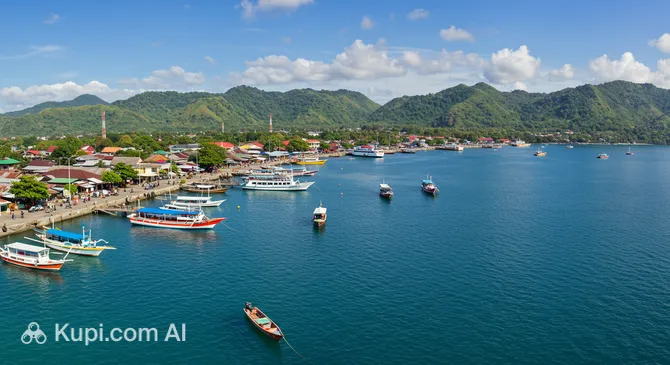
Sorong. Source: Kupi.Binoculars

As a crucial logistics hub in eastern Indonesia, Sorong connects travelers to some of the most biodiverse marine environments on the planet. With a population of approximately 272,000 residents, it is a lively urban center where diverse cultures meet. The city enjoys a tropical rainforest climate, ensuring warm and humid weather year-round, which is perfect for ocean adventures and exploring the coast.

While the city is modernizing rapidly, the history of Sorong is deeply rooted in the oil and gas industry, which originally spurred its development in the early 20th century. Today, however, it is best known for its tourism potential. Visitors often pause here to explore local landmarks like the Berlin Wall—a famous sea wall popular for sunset views—or the striking Sapta Ratna Pagoda, before embarking on their journey to the pristine coral reefs nearby.

Whether you are passing through on your way to a diving expedition or staying to experience the local Papuan culture and fresh seafood markets, Sorong provides a welcoming atmosphere. It is an essential stop for anyone looking to explore the magnificent natural wonders of the region.
Weather Overview

Sorong experiences a consistent tropical climate characterized by steady warmth and high humidity throughout the year. The temperature remains remarkably stable, with average daily highs typically reaching around 29°C and nighttime lows hovering between 24°C and 25°C. This uniformity makes the city a warm destination regardless of the season.

Travelers should be prepared for frequent precipitation, as the region does not have a distinct dry season. Rain is recorded on approximately 24 to 28 days each month, meaning showers are a common occurrence. For a more detailed breakdown of what to expect during your specific travel dates, you can consult the weather in Sorong page.

Given the pattern of warm days mixed with regular rainfall, it is advisable to pack lightweight, breathable clothing along with reliable rain gear. The consistent cloud cover and frequent showers often help moderate the tropical heat, keeping the environment lush and green.

Interesting Facts

Beyond the main attractions, Sorong holds many fascinating secrets and local legends that add depth to its industrial exterior. From curious name origins to unique historical remnants, there is much to discover in this coastal hub.
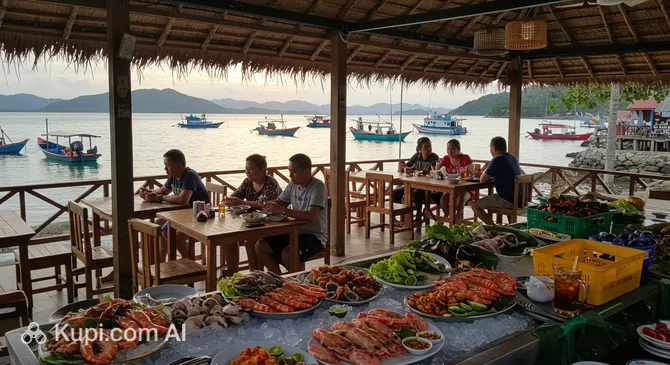
Marina Star Seafood Restaurant. Source: Kupi.Binoculars
  • The origin of the city's name is a subject of debate and local lore. While it is linguistically traced to the Biak word "Soren," meaning "deep and wavy ocean," a popular urban legend claims it is actually an acronym from the Dutch colonial era standing for "Seismic Oil Remnance of New Guinea," referencing the region's rich history of oil exploration.

  • Sorong has its very own "Berlin Wall," though it is quite different from its German namesake. The Tembok Berlin is a 1.5-meter high stone wall separating the coastal road from the beach; it serves as a favorite social hub where locals gather to enjoy street food and watch spectacular sunsets.

  • Just a short boat ride away lies Doom Island (Pulau Doom), which was the original administrative center of the region during the Dutch colonial period. Because mainland Sorong was considered too swampy at the time, the Dutch built their offices and settlements on this small island, which still features distinct colonial architecture and is free of cars.

  • The city is a paradise for seafood lovers, renowned across the region for its exceptionally fresh catches. Visitors can enjoy this culinary abundance at popular waterfront spots like the Marina Star Seafood Restaurant, which offers a dining experience directly overlooking the sea.

How to Get There

Reaching this gateway to Southwest Papua is relatively straightforward, with air travel being the most convenient and popular option for international and domestic tourists alike. As the main transit point for the famous Raja Ampat islands, the city is well-connected to major Indonesian hubs. For a complete overview of routes and tips, you can read more about how to get to Sorong.

The primary entry point is Sorong Airport (IATA: SOQ), officially known as Domine Eduard Osok Airport. Located directly in the city of Sorong, it sits just 3.8 km from the downtown area. This close proximity ensures a quick transfer; a taxi or car ride to the city center usually takes about 25 minutes. As a key regional hub with high annual passenger traffic, it offers frequent flights and essential services for travelers.

Another facility in the wider region is Fak Fak Airport (IATA: FKQ), situated in the city of Fakfak. However, please note that this airport is approximately 252.5 km away from Sorong. Due to the significant distance and the challenging terrain of the island, it is not a practical landing spot for those intending to visit Sorong directly, but it serves as a connection point for other parts of the province.

For clarity, here is a summary of the main airports:

Airport Name City Passenger Traffic Km from City
Sorong Airport Sorong High 3.8
Fak Fak Airport Fakfak Medium 252.5

There are currently no railway networks operating in Sorong or the surrounding Southwest Papua region. Consequently, trains are not an option for reaching the city. Apart from flying, the most common alternative is arriving by sea. Sorong has a major seaport that accommodates large passenger ships (PELNI) connecting to cities like Makassar, Ambon, and Jakarta, making it accessible for those who prefer a maritime journey.

Main Attractions

While Sorong is primarily known as a transit point, the city possesses several destinations worth visiting before or after an island adventure. From essential shopping hubs to serene nature spots, there are distinct locations that offer a deeper look into the lifestyle and geography of Southwest Papua.

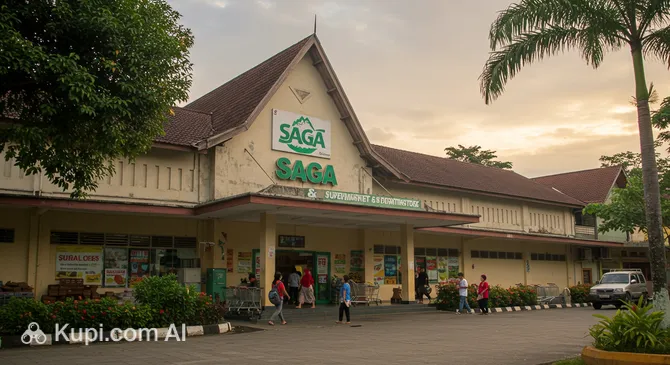
Travelers preparing for an expedition often make the Saga Supermarket and Department Store their first priority. As the largest commercial center in the city, it is the designated place to stock up on supplies, toiletries, and snacks before heading to the remote islands of Raja Ampat. It also serves as a central hub where visitors can find a wide range of local and imported goods in modern comfort.

Saga Supermarket and Department Store. Source: Kupi.Binoculars

Nature enthusiasts should not miss the Sorong Mangrove Forest (Taman Wisata Mangrove Klawalu). Recognized as the first mangrove tourism park in the region, it features a network of colorful boardwalks that weave through the dense greenery. This protected area offers a refreshing escape from the urban heat and provides a perfect setting for a quiet walk, bird watching, and photography.

For a relaxing day by the sea without leaving the mainland, Tanjung Kasuari Beach is a favorite local retreat. Located a short drive from the city center, this beach is known for its soft sands and shade-giving trees, contrasting with the industrial feel of the main port. It is an excellent spot to enjoy a picnic, take a swim, or simply appreciate the coastal breeze in a tranquil atmosphere.

To conclude the day, the city's dining scene offers fresh flavors by the ocean. Establishments like the Marina Star Seafood Restaurant provide a classic waterfront dining experience, allowing guests to unwind with local seafood dishes while enjoying the sea view.

Local Cuisine

The culinary landscape of Sorong is deeply intertwined with its coastal geography, making it a true paradise for seafood enthusiasts. The waters surrounding Southwest Papua are teeming with marine life, ensuring that the fish, crabs, and prawns served here are exceptionally fresh. While the city offers various Indonesian staples, the local cuisine is distinctively Papuan, characterized by the use of sago, fresh spices, and rich, savory broths.

The most iconic dish you must try is Papeda, a gelatinous porridge made from sago starch. While it has a neutral taste on its own, it is traditionally served with Ikan Kuah Kuning, a yellow fish soup cooked with turmeric, lime, and basil. The combination of the smooth texture of the Papeda and the zesty, aromatic flavor of the soup creates a unique gastronomic experience that defines the region's food culture. Another favorite is Ikan Bakar (grilled fish), often served with dabu-dabu, a spicy condiment made from chopped chilies, tomatoes, and shallots.

For those with a sweet tooth, Kue Lontar is a local delicacy that reflects the region's colonial past. Resembling a milk pie or egg tart, this dessert has a crusty outer layer and a soft, sweet custard center, making it a popular souvenir or snack. When it comes to beverages, Sorong is famous for its coffee culture. Kopi Senang is the legendary local coffee brand, known for its robust aroma and distinct flavor, often enjoyed by locals in the morning or during late-night gatherings.

The dining scene in Sorong ranges from vibrant street food stalls to comfortable waterfront establishments. In the evenings, the area known as the "Berlin Wall" comes alive with vendors selling roasted corn and fresh coconut drinks, offering a casual atmosphere to mingle with residents. For a more formal dining experience, visitors often head to places like the Marina Star Seafood Restaurant. Here, you can enjoy an extensive menu of freshly caught seafood while taking in the sea breeze, perfectly capturing the relaxed and flavorful essence of the city.

Travel Tips

Planning a trip to Sorong requires a bit of preparation to ensure a smooth journey, especially since it serves as the logistical hub for further adventures into Southwest Papua. To help you navigate the city and prepare for the remote islands, here are some practical tips to keep in mind.

  1. Clothing and Gear: Due to the hot and humid tropical climate, pack lightweight, breathable fabrics like cotton or linen. Since rain can occur at any time, a durable raincoat or poncho is essential. While swimwear is fine for the islands, dress modestly when exploring the city of Sorong; cover your shoulders and knees to respect local customs. Don't forget high-SPF sunscreen and a hat, as the equatorial sun is very strong.

  2. Transportation: The most common way to get around the city is by using yellow minivans known as angkot (angkuan kota). They follow specific routes and are very affordable. For shorter distances or more direct routes, ojek (motorcycle taxis) are widely available; simply negotiate the price before hopping on. Taxis and ride-hailing apps are present, but availability can sometimes be inconsistent compared to Jakarta or Bali.

  3. Finances: The local currency is the Indonesian Rupiah (IDR). While major hotels and the large Saga Supermarket accept credit cards, cash is king in Sorong, especially for street food, local transport, and small shops. ATMs are plentiful in the city center, so it is highly advisable to withdraw enough cash here before heading to the remote Raja Ampat islands, where ATMs are scarce or non-existent.

  4. Health and Safety: Papua is known to be a malaria-prone region. It is strongly recommended to consult your doctor about prophylaxis before traveling and to use strong mosquito repellent containing DEET, especially in the evenings. Drink only bottled or filtered water; never drink tap water. Pharmacies (called Apotek) are available in the city for basic supplies, but carry any specific prescription medications you need.

  5. Communication: The main language is Bahasa Indonesia. English is spoken at the airport and by staff in major dive resorts, but it is less common among local shopkeepers and drivers. Learning a few basic phrases like "Terima kasih" (Thank you) and "Berapa?" (How much?) will go a long way. For mobile data, Telkomsel is the most reliable provider in this region, offering the best coverage both in Sorong and on the islands.

  6. Local Etiquette: Papuans are generally very friendly and welcoming. A smile is the best icebreaker. When handing something to someone or eating without cutlery, always use your right hand, as the left is considered unclean. If you are invited into a local home, remember to remove your shoes at the door unless told otherwise.

  7. What to Avoid: Avoid public displays of anger or raising your voice, as this causes a "loss of face" and is considered very rude. Also, refrain from taking photos of locals, especially in traditional markets, without asking for permission first; a simple gesture and a smile usually suffice to get approval.

  8. Shopping Tip: If you are heading to Raja Ampat, use your time in Sorong to stock up on essentials. The city has large supermarkets where you can buy snacks, toiletries, batteries, and other supplies at standard prices. Buying these items on the remote islands can be significantly more expensive or impossible.

By keeping these practicalities in mind, you can focus less on logistics and more on the incredible experiences that await you. Sorong is a friendly and bustling starting point, and with the right preparation, your transition to the natural wonders of Indonesia will be seamless and enjoyable.

Entertainment & Nightlife

Nightlife in Sorong is relatively laid-back compared to Indonesia's bustling party capitals, yet it offers a distinct charm centered around social dining, live music, and a vibrant street food culture. The city comes alive after sunset, transitioning from a busy industrial hub to a relaxed urban center where locals and travelers gather to unwind. While you won't find massive nightclubs, the evening scene is characterized by a friendly, community-focused atmosphere.

The most iconic spot for evening entertainment is the area locally known as the "Berlin Wall" (Tembok Berlin). This coastal promenade serves as the heartbeat of the city's night scene. As the sun goes down, the wall fills with vendors selling roasted corn, fresh coconuts, and local snacks. It is a casual, open-air zone perfect for mingling with friendly residents, enjoying the cool sea breeze, and watching the city lights reflect on the water. The crowd here is diverse, ranging from families to groups of young friends, creating a safe and lively environment.

For those seeking a more comfortable atmosphere with excellent food and views, the city's waterfront establishments are the top choice. A standout venue is the Marina Star Seafood Restaurant. While primarily a dining destination, its spacious open-air deck and proximity to the ocean make it a popular spot to linger late into the evening. Many visitors choose to start their night here with a feast of fresh crab or fish before moving on to other venues.

Karaoke is a favorite pastime in this region, and it forms a significant part of the local nightlife. You will find several modern "Karaoke Keluarga" (family karaoke) venues scattered throughout the city center. These establishments offer private rooms, air conditioning, and state-of-the-art sound systems. They typically stay open until 1:00 or 2:00 AM and are a great way to experience how locals have fun. additionally, several major hotels in Sorong feature bars and lounges that host live bands playing everything from Indonesian pop to Western classics.

During the day, entertainment options are quieter and more focused on nature and culture. Before the nightlife begins, visitors can explore local markets or visit the mangrove parks. While the city lacks large amusement parks or theaters, the natural beauty of the surrounding coast provides plenty of daytime diversion.

From a practical standpoint, getting around at night requires a bit of planning. Public minivans (angkots) usually stop operating around sunset. Therefore, it is best to rely on taxis or motorcycle taxis (ojeks) to return to your accommodation. The main areas are generally safe for walking in the early evening, but it is advisable to avoid unlit streets late at night and to use arranged transport when moving between districts.

Parks & Museums

While Sorong is primarily celebrated as a gateway to marine adventures, the city itself offers a selection of green spaces and cultural landmarks that provide insight into the region's geography and history. Unlike major metropolitan areas filled with indoor galleries, Sorong's "museums" are largely open-air, found in its colonial architecture and religious sites, while its parks highlight the rich biodiversity of the Papuan rainforest.

For nature lovers, the Sorong Nature Recreation Park (Taman Wisata Alam Sorong) is a must-visit destination. Located just outside the city center, this protected forest area serves as a sanctuary for local flora and fauna. It is an excellent spot for light trekking and bird watching, offering visitors a chance to spot exotic species amidst towering trees. The park provides a refreshing, cool climate distinct from the coastal heat, making it a favorite weekend escape for locals seeking tranquility and fresh air.

Another significant ecological site is the Klawalu Mangrove Park. As the first designated mangrove tourism park in the region, it plays a crucial role in coastal conservation. Visitors can explore the dense mangrove forest via colorful wooden boardwalks that wind through the trees. It is an educational experience where you can observe the complex root systems and the diverse marine life that thrives in this tidal ecosystem, all while enjoying a scenic walk.

In terms of culture and history, Sorong does not have large conventional museums, but Doom Island (Pulau Doom) acts as a living historical gallery. Once the administrative center during the Dutch colonial era, the island is dotted with old European-style houses and government buildings that have stood the test of time. Walking through its car-free streets offers a nostalgic glimpse into the past, where the colonial architecture contrasts sharply with the tropical surroundings.

Architectural enthusiasts should also visit the Sapta Ratna Pagoda, located on a hill within the city. This Buddhist temple is not only a place of worship but also an architectural landmark featuring intricate designs and Chinese-influenced aesthetics. Its elevated position offers one of the best panoramic views of Sorong and the harbor, making it a perfect spot to appreciate the city's layout and cultural diversity.

For a truly authentic experience, try visiting the Nature Park early in the morning. This is when the forest comes alive with the sounds of nature, and you have the highest chance of spotting diverse bird species before the midday heat sets in.

Getting Around

Public transport in Sorong is quite different from the extensive rail and bus networks found in major global capitals. The city does not have a metro, tram, or train system. Instead, the local transportation network relies entirely on road-based vehicles, offering a raw and authentic experience of Indonesian daily life. The system is informal but effective, consisting primarily of minivans and motorcycle taxis that cover the city's main arteries and residential areas.

The backbone of public transit in Sorong is the fleet of yellow minivans known locally as Angkots (Angkutan Kota). These microbuses follow specific routes designated by letters (such as Line A or Line B) displayed on their windshields. There are no fixed stops; you simply stand on the side of the road and wave your hand to flag one down. When you want to get off, just say "Kiri" (meaning "left" or "pull over") to the driver. They are the most affordable way to move around, costing only a few thousand Indonesian Rupiah per ride.

For a faster and more direct option, Ojeks (motorcycle taxis) are ubiquitous. You will see drivers waiting at street corners, often wearing helmets or jackets indicating their service. Ojeks are perfect for navigating through traffic or reaching destinations not covered by Angkot routes. Unlike the minivans, these operate as a door-to-door service. While they are convenient, safety standards vary, so always ask for a helmet if one is not immediately offered.

Regarding payment, Sorong's public transport operates exclusively on a cash-only basis. There are no travel cards, passes, or digital ticketing systems for Angkots or street-hailed Ojeks. You pay the driver directly upon reaching your destination. It is crucial to carry small denominations of Indonesian Rupiah (IDR 2,000, 5,000, and 10,000 notes), as drivers often do not have change for large bills. Prices for Angkots are generally fixed and very cheap, while traditional Ojek fares must be negotiated before you hop on.

Modern alternatives are slowly gaining ground in the city. Ride-hailing apps like Grab and Gojek are available and provide a more comfortable experience for tourists who may be hesitant to negotiate prices. Through these apps, you can book both car taxis and motorcycle rides with fixed prices and the option to pay via the app or cash. Conventional car taxis are also available, predominantly at the airport and major hotels, but they are significantly more expensive than the other options.

Travelers should be aware of the operating hours. Angkots typically run from early morning until sunset (around 6:00 PM to 7:00 PM). After dark, they become scarce, and you will need to rely on taxis or ride-hailing apps to get around. Additionally, traffic in Sorong can be surprisingly congested during peak hours, so plan your movements with a little extra time buffer.

Accommodation

Accommodation:

Accommodation in Sorong is designed primarily to cater to travelers in transit, bridging the gap between long international flights and the boat journeys to the Raja Ampat islands. As a logistics hub, the city does not typically offer ultra-luxury resorts—those are found on the islands themselves—but it does provide a solid selection of functional, comfortable, and clean options. The range generally spans from simple budget guesthouses and homestays to modern mid-range business hotels that offer essential amenities like air conditioning, Wi-Fi, and breakfast.

When choosing where to stay, location is the most critical factor. Most tourists prefer hotels located near Domine Eduard Osok Airport, especially if they have an early morning flight or a late arrival. These properties are often just a few minutes' drive from the terminal. Alternatively, staying near the harbor area or the city center is convenient for those catching the morning ferry to Waisai or those who wish to visit local supermarkets and restaurants before heading off the grid.

Because Sorong is a busy transit point, hotels can fill up quickly, particularly during the peak diving season (October to April). It is highly recommended to book your room in advance rather than relying on walk-in availability. While there are many options, the best-rated hotels with reliable service are often the first to sell out.

In terms of pricing, staying in Sorong is significantly more affordable than the exclusive resorts of Raja Ampat. Budget travelers can find basic rooms for a very low cost, while mid-range hotels offer excellent value with higher standards of comfort. Booking is easily done through major online travel platforms, which is the most reliable method to secure your stay and compare prices.

Nearby Cities

For those looking to explore the surroundings, Sorong serves as an excellent base for day trips to several interesting nearby locations:

While the immediate vicinity of Sorong offers its own charms, the wider region presents opportunities for short visits to some of Papua's most historically and naturally significant towns. Manokwari, situated along the northern coast, is a key destination known for its stunning natural harbor and proximity to the Arfak Mountains. It holds deep historical significance and offers a more relaxed coastal atmosphere compared to the bustling port of Sorong, making it a worthwhile stop for those interested in the region's heritage.

Another intriguing option for a regional excursion is Fakfak, often referred to as the "City of Nutmeg." Famous for its winding streets and steep terrain, this town is one of the oldest in Papua and boasts a rich history tied to the spice trade. Visitors are drawn to its unique blend of cultures, historical mosques, and the scenic beauty of its coastal limestone cliffs. Although these destinations typically require a short flight or boat journey rather than a quick drive, they provide a deeper understanding of the area's diversity.

City Population Distance (km)
Ambon 372249 460
Ternate 204215 471
Manokwari 136000 312
Soasio 103171 458
Fakfak 84846 255

These nearby destinations offer a glimpse into the diverse culture and landscapes of the region.

Shopping & Souvenirs

Shopping in Sorong is a practical and culturally immersive experience, primarily catering to the needs of travelers heading to the remote islands and locals going about their daily lives. While the city does not feature high-end luxury boutiques or sprawling fashion complexes, it serves as the most important logistical hub in the region. Visitors will find well-stocked supermarkets for essential supplies, alongside vibrant traditional markets that offer a glimpse into the rich textures and flavors of Papuan culture.

For a modern shopping experience, the city's main commercial activity centers around Jalan Jenderal Ahmad Yani. This busy thoroughfare is lined with various shops, pharmacies, and electronics stores. The standout destination here is the Saga Supermarket and Department Store. As the largest retail complex in Sorong, it is the go-to place for tourists to purchase imported snacks, toiletries, beach gear, and other necessities before embarking on a boat to Raja Ampat. It offers the comfort of air conditioning and a wide variety of goods that are difficult to find elsewhere in the province.

To truly understand the local way of life, a visit to the traditional markets is essential. Pasar Sentral Remu is the bustling heart of the city's trade, where the sights and smells of fresh produce create a lively atmosphere. Here, you can find an abundance of tropical fruits, aromatic spices, and the region's famous fresh seafood, including massive tuna and crabs caught just hours before. It is a raw, authentic experience where bargaining is part of the interaction and cash is the only way to pay.

When searching for unique keepsakes to bring home, Sorong offers distinct Papuan souvenirs that support local artisans. Batik Papua is a popular choice, distinguishing itself from Javanese styles with bright colors and motifs featuring the Cendrawasih (Bird of Paradise) and traditional tribal patterns. Another cultural treasure is the Noken, a traditional woven bag made from wood fiber, which is recognized by UNESCO as intangible cultural heritage. Additionally, packs of Kopi Senang, the celebrated local coffee, make for an aromatic and authentic gift.

Most shops and supermarkets in Sorong typically open around 9:00 AM and close by 9:00 PM or 10:00 PM. While modern establishments like Saga accept credit and debit cards, the majority of smaller shops, souvenir stalls, and traditional markets operate exclusively with cash. It is highly advisable to carry sufficient Indonesian Rupiah (IDR) in smaller denominations. Tax-free shopping facilities or VAT refund counters for tourists are generally not available in Sorong, so visitors should not expect to claim taxes back on their purchases.

Nearby cities

Reached the end of the page?

That means the route is fully explored