Support

Ambon

About

Welcome to Ambon, the vibrant capital of the Maluku province and a key destination in the eastern archipelago. Often referred to as "Ambon Manise," which translates to "Sweet Ambon," the city is renowned for its friendly inhabitants, scenic beauty, and rich cultural tapestry. As a historic hub in Indonesia, it offers a fascinating mix of urban energy and tropical tranquility.
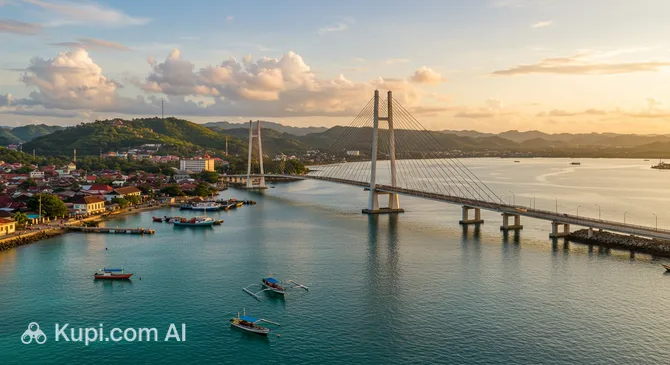
Ambon. Source: Kupi.Binoculars

Geographically, the city is situated on Ambon Island, wrapping around a deep natural bay that provides spectacular waterfront views. With a population of approximately 370,000 residents, it serves as the economic and administrative center of the region. The tropical climate ensures warm weather year-round, making it an inviting destination for sun-seekers. Exploring the history of Ambon reveals its pivotal role in the global spice trade, a legacy that has shaped its unique identity and diverse heritage.

Visitors are spoiled for choice when it comes to attractions. The city has been recognized as a UNESCO City of Music, and melodies seem to float through the air in every corner of the town. Nature enthusiasts should not miss the crystal-clear waters of Natsepa Beach or the striking rock archway known as Pintu Kota. Additionally, historical sites like Fort Victoria provide a tangible connection to the colonial era, offering insight into the strategic importance this island once held.

Whether you are looking to dive into pristine coral reefs, savor fresh seafood and spicy local dishes, or simply soak up the relaxed island vibe, Ambon is a destination that captivates the heart. It is the perfect gateway to the wonders of the Moluccas and a place where lasting memories are made.
Weather Overview

Travelers to Ambon can expect a consistent tropical climate with warm temperatures throughout the year. The average daily temperature remains remarkably stable, generally hovering between 25.0°C and 27.0°C. December and January tend to be slightly warmer, while July and August are typically the coolest months, though the difference is subtle and the weather remains comfortable for outdoor activities.

Rainfall is a frequent occurrence in the region, with precipitation recorded on the majority of days in any given month. The middle of the year, particularly June and July, sees the highest frequency of rain, with up to 29 wet days per month, while October is usually the driest period with around 19 wet days. For a comprehensive look at what to expect during your specific travel dates, you can consult the guide on the weather in Ambon.

Interesting Facts

Beyond its scenic bays and musical heritage, Ambon holds several fascinating secrets and cultural oddities that surprise many visitors. Digging a little deeper into the local lore reveals a city rich in mysticism and unique traditions.

  • One of the most intriguing local legends involves the "Bambu Gila" or Crazy Bamboo, a mystical performance where a group of strong men struggles to hold a single bamboo pole that reportedly becomes incredibly heavy and moves erratically after being charmed by a handler.

  • In the nearby village of Waai, visitors can encounter the sacred "Morea" eels living in crystal-clear spring water; these giant freshwater eels are considered ancestral spirits, and locals often summon them from their underwater caves using raw eggs.

  • The city center features a massive World Peace Gong, which is the 35th of its kind in the world, standing as a prominent symbol of harmony and the resilient spirit of the Moluccan people.

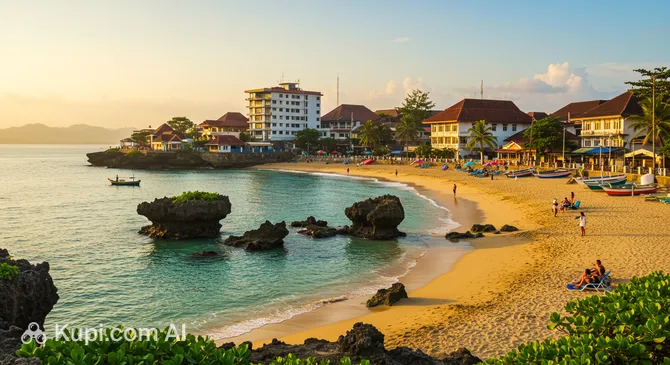
  • Despite its location in the Maluku islands, one of the popular local hangouts is named Kota Jawa Beach, which literally translates to "Java City Beach," a scenic spot known for its calm waters and vibrant sunsets.

Kota Jawa Beach. Source: Kupi.Binoculars

How to Get There

Reaching this captivating island city is relatively straightforward, with air travel being the most popular and efficient method for the majority of international and domestic tourists. While the journey often involves a transit through major Indonesian hubs, the destination is well-connected to the rest of the archipelago. For a detailed breakdown of all available routes and transportation tips, you can read more about how to get to Ambon.

The primary gateway for visitors is Pattimura Airport (AMQ). Situated within the city limits, it is located approximately 12 km from the center of Ambon. This airport serves as a vital link for the region, handling regular flights from cities like Jakarta, Makassar, and Surabaya. Upon arrival, travelers can reach the downtown area by taxi or rented car in about 40 minutes, enjoying scenic views of the bay along the way.

For clarity, here is a summary of the main airport:

Airport Name City Passenger Traffic Km from City
Pattimura Airport Ambon Medium 11.9

Since Ambon is an island destination without a railway infrastructure, trains are not an option for arrival. However, sea transport remains a significant mode of entry, particularly for those traveling between nearby islands or looking for a more immersive experience. The Port of Ambon is a major harbor served by PELNI passenger ships, which connect the city to various other ports across eastern Indonesia.

Main Attractions

Exploring Ambon offers a delightful mix of natural wonders and culinary experiences. The city and its surroundings are dotted with pristine beaches, historical landmarks, and spots that showcase the rich biodiversity of the Maluku region. Whether you are seeking relaxation by the sea or looking to indulge in the island's famous seafood, there is something here for every traveler.

One of the unique spots to visit is Kota Jawa Beach. Despite its name, which translates to "Java City Beach," this destination is thoroughly Ambonese in character. It is a favorite among locals for its calm waters and scenic views of the bay, making it an excellent location for a leisurely afternoon walk or watching the sunset. The beach offers a glimpse into the everyday life of the islanders and provides a peaceful atmosphere away from the busier city center.

For those who want to experience the iconic natural beauty of the island, Pintu Kota Beach is a must-see. Famous for its massive rock formation with a natural archway that resembles a gate opening to the sea, this site is a photographer's dream. The underwater scenery here is equally impressive, attracting snorkelers and divers eager to explore the vibrant coral reefs teeming with marine life just off the shore.

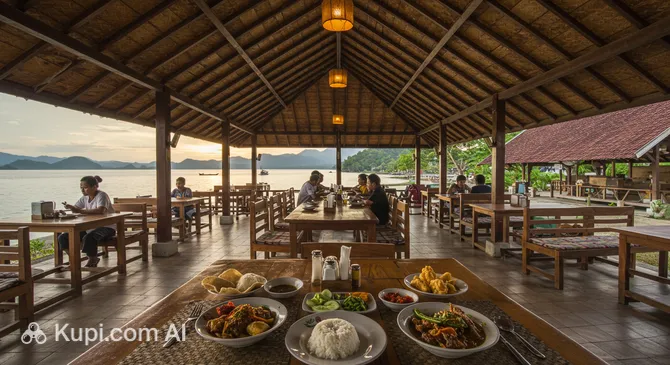
Apong Seafood Restaurant Ambon. Source: Kupi.Binoculars

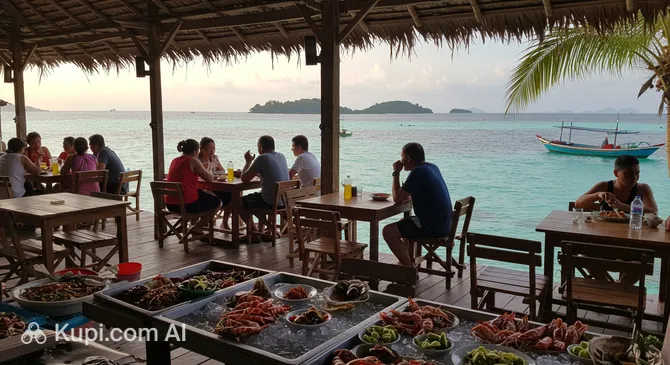
No trip to this maritime city is complete without savoring its culinary delights. Seafood lovers should make their way to Apong Seafood Restaurant Ambon. This establishment is renowned for serving fresh catches prepared with the signature spices of the Moluccas. It is a perfect place to enjoy grilled fish, calamari, and other local specialties in a dining setting that reflects the island's rich gastronomic culture.

Another gem located slightly further from the city center is Liang Beach, also known as Hunimua Beach. Often cited as one of the most beautiful beaches in Indonesia, it boasts powdery white sand and mesmerizing turquoise waters. It is an idyllic spot for swimming and picnicking, offering a quintessential tropical paradise experience that captures the heart of every visitor.

Local Cuisine

The culinary landscape of Ambon is a direct reflection of its history as the heart of the Spice Islands. The food here is characterized by the generous use of fresh seafood, aromatic spices like cloves and nutmeg, and bold flavors that range from savory to spicy. For any visitor, diving into the local gastronomy is an essential part of the travel experience, offering a true taste of the region's rich cultural heritage.

One cannot talk about Ambonese food without mentioning Papeda. This staple dish, made from sago flour, has a unique glue-like texture and is neutral in flavor. However, it is traditionally served with Kuah Kuning (Yellow Fish Soup), a rich and turmeric-infused broth that transforms the meal into a savory delight. It is often accompanied by colo-colo, a fiery condiment made from chopped chilies, tomatoes, shallots, lime juice, and sweet soy sauce, which adds a refreshing kick to any seafood dish.

Another must-try delicacy is Kohu-Kohu, often described as the Ambonese version of a raw salad. Unlike similar dishes elsewhere in Indonesia, this version uses shredded smoked fish—usually tuna or skipjack—mixed with grated coconut, long beans, bean sprouts, and lime juice. It is fresh, healthy, and bursting with zest. For those seeking a hearty meal, the local dining scene also embraces rich, savory soups. You can visit Coto Makassar Nusantara Wayame to enjoy a warm bowl of spiced meat broth, a comfort food that has found a special place in the hearts of the locals.

Coto Makassar Nusantara Wayame. Source: Kupi.Binoculars

When it comes to beverages, Ambon offers some distinct and memorable options. Coffee lovers should not miss Kopi Rarobang. This traditional coffee is brewed with a mixture of spices including ginger, cloves, and cinnamon, and is uniquely topped with walnut kernels. It offers a warming sensation that makes it perfect for a relaxing evening. On the stronger side, Sopi is a traditional alcoholic drink made from fermented palm tree sap, deeply rooted in local social customs and often shared during gatherings.

The food culture in the city is laid-back and communal. While there are plenty of standard restaurants, many locals prefer eating at open-air stalls or small "warungs." As the sun sets, the streets often come alive with vendors selling grilled corn, fresh fruit rujak, and fried bananas, which are interestingly served with sambal in this region—a unique sweet and spicy combination that surprises many first-time visitors.

Travel Tips

Preparing for a trip to Ambon involves more than just packing swimwear; understanding the local rhythm ensures a truly immersive experience in the Moluccas. Here are some practical tips to help you navigate the city with ease and respect for its rich cultural fabric.

  1. Clothing and Gear: Ambon is warm and humid year-round, so pack lightweight, breathable fabrics like cotton or linen to stay comfortable. Since tropical showers can occur unexpectedly, especially in the afternoons, a compact umbrella or a light raincoat is essential. If you plan to visit religious sites, remember to dress modestly by covering your shoulders and knees.
  2. Transportation: The most common way to get around the city is by Angkot (public minivans), which are color-coded based on their routes and are very affordable. For more direct travel, motorcycle taxis known as Ojeks are widely available, and ride-hailing apps often operate within the city limits. However, for exploring the wider island comfortably, renting a car with a local driver is highly recommended.
  3. Finances: The currency is the Indonesian Rupiah (IDR). While credit cards are accepted in major hotels and upscale restaurants, cash is absolute king in local markets, street food stalls, and smaller shops. ATMs are plentiful in the city center, but it is wise to carry sufficient cash when heading to remote beaches like Liang or Natsepa where card machines are non-existent.
  4. Health and Safety: Pharmacies, known locally as Apotek, are easy to find in the city center, with major chains like Kimia Farma often open late. Tap water is not safe for drinking; always stick to sealed bottled water to avoid stomach issues. As a tropical destination, mosquitoes can be a nuisance, so bringing a strong insect repellent is necessary for comfort, especially during the evenings.
  5. Communication: Bahasa Indonesia is the primary language spoken. While staff at major hotels may speak English, it is not widely spoken by the general public or public transport drivers. Downloading an offline translation app and learning a few basic phrases like Terima Kasih (Thank you) and Selamat Pagi (Good morning) will go a long way. Telkomsel SIM cards generally offer the most reliable coverage in this region.
  6. Local Etiquette: Ambonese people are famous for their warmth, so a smile and a polite greeting are always appreciated. When handing money or objects to someone, always use your right hand, as using the left is considered impolite. It is also customary to remove your footwear when entering a local home or a place of worship.
  7. What to Avoid: Avoid public displays of affection, as the local culture is generally conservative. Additionally, refrain from wearing swimwear anywhere other than the beach or pool areas; walking around the city shirtless or in a bikini is frowned upon and viewed as disrespectful.
  8. Musical Atmosphere: As a UNESCO City of Music, do not be surprised if you encounter spontaneous singing or guitar playing in public spaces, cafes, or even on public transport. This is a core part of Ambon's identity; enjoying the performance and showing appreciation is the best way to bond with the community.

By keeping these practicalities in mind, you will be well-equipped to embrace the "Sweet Ambon" lifestyle without worry. Enjoy the harmonious blend of nature, culture, and hospitality that makes this island city so unforgettable.

Entertainment & Nightlife

As the sun sets over the bay, Ambon transforms into a lively hub of melody and culinary delights. True to its reputation as a UNESCO City of Music, the nightlife here is less about thumping electronic beats and more about soulful live performances. You will find that music is the heartbeat of the city after dark, with local bands performing everything from traditional ballads to pop and jazz in various cafes, hotel lounges, and open-air venues throughout the town.

The atmosphere is generally casual and welcoming, reflecting the friendly nature of the Ambonese people. For a vibrant evening scene, head to the Tapal Kuda (Horseshoe) area in Air Salobar or the bustling streets around Jalan Sam Ratulangi. These districts are popular hangouts where locals gather to enjoy coffee, sing karaoke, and savor late-night snacks. The dress code is relaxed; a smart-casual outfit is perfect for most bars and restaurants, while shorts and t-shirts are acceptable for street-side dining.

To experience the local evening vibe, you might start by watching the sunset at Kota Jawa Beach. As dusk falls, the area around the beach often becomes a social spot where young people hang out at nearby cafes to enjoy the cool sea breeze. For a substantial dinner before heading out to enjoy the music, Apong Seafood Restaurant Ambon is an excellent choice, offering fresh catches that can be shared among friends in a lively setting.

If your night extends into the late hours and you find yourself craving a warm, comforting meal, Coto Makassar Nusantara Wayame is a go-to spot. It is common in Indonesia to end a night out with a savory bowl of soup, and this venue provides a delicious way to wind down. While Ambon does not have a massive clubbing scene comparable to Jakarta, the numerous karaoke lounges (KTV) offer a fun alternative where you can rent a private room and sing the night away.

From a practical standpoint, nightlife in Ambon usually peaks between 9:00 PM and midnight. Public transportation (Angkot) tends to stop running around 8:00 PM or 9:00 PM, so it is advisable to use ride-hailing apps or arrange for a taxi to get around safely at night. The city is generally safe for evening walks in main commercial areas, but it is always wise to stay in well-lit zones and avoid deserted streets. Prices are very affordable compared to western standards, with a night out costing a fraction of what you would pay in Bali.

During the daylight hours, the entertainment focus shifts to cultural and historical exploration. Visitors can explore the Siwalima Museum to learn about the region's maritime history and indigenous cultures, or visit the bustling Mardika Market to see the daily trade of spices and goods. For nature lovers, a daytime trip to the lush hills surrounding the city offers panoramic views that are just as entertaining as the city's musical nights.

Parks & Museums

While Ambon is primarily celebrated for its stunning coastline and musical heritage, the city also offers a selection of green spaces and cultural institutions that provide a deeper understanding of its identity. Visitors looking to explore beyond the beaches will find well-maintained parks and museums that narrate the region's complex history, from the spice trade era to World War II, all set against a backdrop of tropical lushness.

For those interested in the rich cultural tapestry of the Moluccas, the Siwalima Museum is the premier destination. Perched on a hill in the Taman Makmur area, roughly 5 kilometers from the city center, this museum offers not only educational exhibits but also breathtaking panoramic views of Ambon Bay. The complex is divided into two main buildings: one dedicated to maritime history, featuring skeletons of marine mammals and traditional boats, and the other focusing on ethnography. Here, you can admire traditional textiles, ceremonial artifacts, and tools that highlight the diverse heritage of the Maluku people.

In terms of green spaces, the Ambon War Cemetery (often referred to as the Commonwealth War Cemetery) in Tantui serves as a serene and beautifully landscaped garden. While it is a site of remembrance for the Allied soldiers who perished during World War II, its immaculate lawns and rows of flowering plants make it one of the most peaceful spots in the city. It provides a quiet refuge for reflection and a stark, moving contrast to the bustling city streets, maintained with a level of care that impresses every visitor.

Another central gathering point is Pattimura Park, located in the heart of the city near the governor's office. Dominated by a towering statue of Thomas Matulessy (Captain Pattimura), the national hero who fought against colonial rule, this park is a hub of local activity. It is a favorite spot for residents to exercise, play sports, or simply sit and chat in the evenings. The park captures the energetic spirit of the city and offers tourists a chance to observe the daily life of the Ambonese people.

For a natural escape that blends a park-like atmosphere with coastal beauty, Kota Jawa Beach remains a top choice. Although it is a beach, its calm waters and the surrounding greenery create a relaxing environment suitable for picnics and leisurely strolls, functioning much like a natural recreational park for the locals.

History enthusiasts should also look out for Fort Victoria. As the oldest Dutch fort in Ambon, it stands as a testament to the city's strategic importance during the spice trade era. Although parts of it are restricted due to military use, the exterior and the surrounding old town area offer a glimpse into the colonial architecture that once defined the city's skyline.

For a truly authentic experience, try visiting the World Peace Gong area in the city center. It is not just a monument but a public space where locals gather, symbolizing the resilience and harmony of the community. It is an excellent place to take a walk in the late afternoon when the heat subsides and the city begins to light up.

Getting Around

Navigating Ambon is an adventure in itself, as the city does not rely on a modern metro or train system. Instead, the backbone of public transportation is the fleet of bright red or multi-colored minivans known locally as Angkots (Mikrolet). These vehicles serve specific routes across the city and suburbs, easily identifiable by the color of the van or the route number displayed on the windshield. They are the most authentic way to travel alongside locals and get a feel for the daily rhythm of the city.

A unique feature of the transport system here is the "musical" experience. True to its reputation as a City of Music, many Angkot drivers equip their vehicles with powerful sound systems, blasting local pop, reggae, or ballads at high volume. It is not just a ride; it is often a moving concert. If you prefer a quieter journey, this might be overwhelming, but it is an undeniable part of the local charm.

Given the city's geography around a large bay, water transport is another essential mode of travel. Speedboats and ferries connect different sides of the bay, such as the popular route between Galala and Poka. Taking a speedboat is often much faster than driving around the perimeter of the bay and offers scenic views of the coastline. Tickets for these boats are purchased at small counters near the jetties or paid directly to the operator.

For payment, cash is the only accepted method for Angkots, speedboats, and traditional motorcycle taxis. There are no electronic travel cards or passes. Fares are very affordable, typically costing a few thousand Rupiahs for a trip within the city. It is highly recommended to carry small denominations of cash, as drivers may not always have change for large bills. You pay the driver only when you arrive at your destination and exit the vehicle.

If you prefer more comfort or direct routes, ride-hailing apps like Gojek and Grab are active in the city. These apps allow you to book cars or motorcycle taxis (Ojeks) with fixed prices, eliminating the need to haggle. This is often the most convenient option for tourists who may not know the Angkot routes. Conventional taxis are also available but are less common than in larger metropolitan areas; they can usually be found at the airport or major hotels.

Tourists should be aware that public transport operating hours are somewhat limited. Angkots generally run from early morning until around 8:00 PM or 9:00 PM. After this time, finding a minivan becomes difficult, and you will likely need to rely on a ride-hailing app or a private taxi. To stop an Angkot, simply wave your hand from the roadside, and to get off, say "Kiri" (meaning "left") to signal the driver to pull over.

Accommodation

Finding a place to stay in Ambon is relatively easy, though the options differ slightly from heavily touristed destinations like Bali. The city primarily offers a range of functional mid-range hotels and budget-friendly guesthouses, catering largely to business travelers and local tourists. While you will not find an abundance of ultra-luxury international chains, there are several comfortable establishments that provide modern amenities, air conditioning, and warm Moluccan hospitality.

For most visitors, the most convenient area to stay is the City Center (Pusat Kota). Staying here places you within walking distance of key landmarks, local markets, and culinary hotspots. It is the hub of activity where public transport is easily accessible, making it a strategic base for exploring the island. Alternatively, if you prefer a quieter atmosphere closer to nature, there are a few resort-style accommodations located on the outskirts near the bay or towards the popular beach areas, offering scenic waterfront views and a more relaxed pace.

When planning your trip, it is advisable to book your accommodation in advance, especially if you are visiting during major holidays or local festivals when the city sees an influx of visitors. While many established hotels are listed on major international booking platforms, some smaller guesthouses or traditional "penginapan" may still rely on direct phone bookings or require the use of Indonesian travel apps.

Price-wise, Ambon is generally very affordable. Budget travelers can find clean and basic rooms for a low rate, while mid-range options offer excellent value for money with included breakfasts and Wi-Fi. Payment is typically done in Indonesian Rupiah, and while larger hotels accept credit cards, it is always a good idea to have some cash on hand for incidental expenses or deposits at smaller establishments.

Nearby Cities

For those looking to explore the surroundings, Ambon serves as an excellent base for day trips to several interesting nearby locations:

One of the most popular excursions is to Saparua, located in the Lease Islands just a short speedboat ride to the east. This island is steeped in history, famous for the well-preserved Fort Duurstede and as the birthplace of the national hero Pattimura. It offers a quieter, more traditional atmosphere compared to the main city, with charming villages and clear waters perfect for a relaxing day out.

Another worthwhile destination is Masohi, the capital of the Central Maluku Regency situated on the neighboring Seram Island. Reached by a scenic ferry ride, it acts as a gateway to the island's vast wilderness, including the Manusela National Park. Visitors often head this way to experience the dramatic landscapes and the distinct culture of the Alifuru people indigenous to the area.

City Population Distance (km)
Sorong 272349 460
Ternate 204215 499
Saumlaki 149790 593
Soasio 103171 482
Fakfak 84846 466

These nearby destinations offer a glimpse into the diverse culture and landscapes of the region.

Shopping & Souvenirs

Shopping in Ambon offers a delightful blend of modern convenience and traditional charm, providing a unique window into the local culture. While the city may not be a high-end fashion destination comparable to Jakarta, it excels in offering authentic local products, from aromatic spices to handcrafted jewelry. Visitors will find that the shopping experience here is less about luxury brands and more about discovering the rich natural resources and craftsmanship of the Maluku region.

The heartbeat of the city's commercial activity can be found along Jalan A.Y. Patty and Jalan Sam Ratulangi. These bustling main streets are lined with a variety of shops, pharmacies, banks, and souvenir stores. Walking down these avenues, you can find everything from electronics and clothing to local snacks. It is a lively area where locals go about their daily business, making it a great spot to soak in the urban atmosphere while browsing for goods.

For a more modern retail experience, the city has a few key shopping centers. Ambon Plaza, affectionately known by locals as "Amplaz," is the oldest and most established mall in the city center. It houses a department store, a supermarket, and various fast-food outlets. Another popular option is Maluku City Mall (MCM), located near the bridge in the Tantui area. These malls provide a comfortable, air-conditioned environment where you can buy necessities, clothes, and electronics at fixed prices.

To truly experience the soul of the city, a visit to Mardika Market is essential. This sprawling traditional market is a sensory explosion of sights, smells, and sounds. Here, vendors sell fresh tropical fruits, vegetables, and the region's famous fresh seafood. It is also the best place to find local spices like nutmeg and cloves, which historically put this island on the map. The market is chaotic but friendly, offering a genuine glimpse into the daily life of the Ambonese people.

When it comes to souvenirs, Ambon has several signature items that make for perfect gifts. The island is famous for Minyak Kayu Putih (Cajuput or Eucalyptus oil), which is renowned for its high quality and therapeutic properties. Another unique local craft is Besi Putih (White Iron) jewelry; these non-tarnishing metal accessories are crafted into beautiful rings, necklaces, and bracelets. Foodies should look for Kue Bagea, a traditional cookie made from sago and nuts, or Roti Kenari, a delicious walnut bread that pairs perfectly with coffee.

Standard opening hours for shopping malls are typically from 10:00 AM to 10:00 PM daily. Traditional markets operate much earlier, often starting at dawn and winding down by the afternoon, though some stalls remain open later. While shopping malls and larger souvenir shops generally accept credit cards, cash is absolutely necessary when visiting traditional markets like Mardika or smaller street-side stalls. ATMs are widely available in the city center for withdrawing Indonesian Rupiah.

Tax-free shopping is generally not a feature available for tourists in Ambon. The VAT refund scheme in Indonesia is typically limited to specific luxury retailers in major international gateways like Jakarta or Bali. Therefore, visitors should not expect to claim tax refunds on purchases made within the city and should budget accordingly.

Nearby cities

Reached the end of the page?

That means the route is fully explored