Support

Saumlaki

About

Saumlaki serves as the vibrant gateway to the Tanimbar Islands, offering travelers a unique glimpse into the diverse culture of the Maluku province. As the administrative center and main port of the region, this coastal town sits on the southern tip of Yamdena Island. It is a perfect starting point for exploring the remote beauty of eastern Indonesia, where traditional customs blend seamlessly with a laid-back tropical atmosphere.
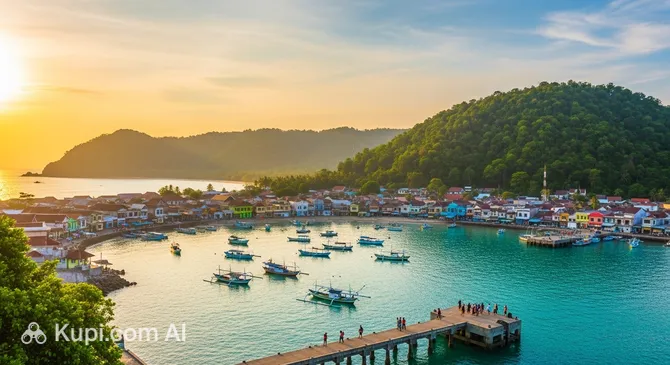
Saumlaki. Source: Kupi.Binoculars

Geographically, the town is positioned between the Banda Sea and the Arafura Sea, providing it with stunning coastal views and a warm, tropical climate year-round. While the town itself is relatively compact, it serves as the commercial hub for the regency's population. Those interested in how this strategic port developed over the years can delve into the history of Saumlaki, which reveals a fascinating tapestry of maritime trade and local heritage.

Visitors are often drawn to the area's natural charms and cultural treasures. Weluan Beach is a standout attraction, known for its crystal-clear waters, soft sands, and serene ambiance, making it a favorite spot for both locals and tourists. The region is also renowned for its exquisite Tanimbar Ikat weaving, a traditional craft that produces intricate and colorful textiles that are culturally significant and make for beautiful souvenirs.

Whether you are planning to explore the surrounding islands, dive into the pristine waters, or simply admire the local craftsmanship, Saumlaki offers a warm and authentic welcome. It is an ideal destination for those seeking an off-the-beaten-path adventure in the magnificent Indonesian archipelago.

Weather Overview

Saumlaki experiences a tropical climate characterized by consistent warmth throughout the year, making it a welcoming destination for travelers at any time. The average temperatures remain relatively stable, typically ranging from lows of around 25°C to highs reaching nearly 30°C. November is generally the warmest month, while July offers slightly cooler conditions with an average temperature of approximately 25.7°C.

When planning your activities, it is important to consider the local rainfall patterns. The region sees a significant number of wet days from December through March, with January recording precipitation on up to 29 days. Conversely, the period from August to October is much drier, with rain occurring on only about 8 or 9 days per month. For a more detailed breakdown of the seasons to help you pack accordingly, you can consult the guide to the weather in Saumlaki.

Interesting Facts

Beyond the scenic beaches and bustling port, Saumlaki holds fascinating secrets that reveal the deep historical and cultural layers of the Tanimbar Islands. This coastal town is not just a transit point but a place where ancient legends and distinct traditions converge in surprising ways.

  • The Guardian of the Bay: One of the most striking yet often unexpected landmarks is the towering statue of Christ the King (Kristus Raja) that stands overlooking the harbor. This massive monument highlights a distinct cultural feature: unlike the Muslim majority in most of the country, Saumlaki and the surrounding islands are predominantly Christian, which significantly influences the local architecture and festivals.

  • Gateway to Ancient Megaliths: Saumlaki serves as the primary access point to one of the archipelago's most mysterious archaeological sites. Just a short journey from the city, visitors can find the "Stone Boat" of Sangliat Dol, an ancient megalithic structure that local legends claim is the actual petrified vessel that brought the ancestors of the Tanimbar people to Yamdena Island.

  • A Strategic WWII History: Due to its position between the Banda and Arafura Seas, the town played a strategic role during World War II. The bay was occupied by Japanese forces and became a target for Allied air raids, meaning the serene waters viewed by tourists today once witnessed significant historical turbulence.

How to Get There

Reaching Saumlaki is the first step of your adventure in the Tanimbar Islands. The town is primarily accessible by air and sea, serving as a vital hub for the region. For detailed information on routes and transportation options, you can read more about how to get to Saumlaki.

Most travelers arrive directly at Saumlaki's own Mathilda Batlayeri Airport. However, when planning a trip through the wider Maluku province, you may encounter Langgur Airport (LUV) in the city of Langgur. It is located approximately 294 km from Saumlaki. It is important to note that since Saumlaki and Langgur are on different islands, you cannot travel between them by taxi or bus alone; the journey requires a connecting flight or a sea voyage. Langgur Airport serves a moderate number of passengers annually and acts as a regional transit point for the Kai Islands.

For clarity, here is a summary of the regional airport mentioned:

Airport Name City Passenger Traffic Km from City
Langgur Airport Langgur Medium 294.1

The Tanimbar Islands, like much of the Maluku archipelago, do not have a railway infrastructure. Therefore, Saumlaki does not have a railway station. Transportation within the islands relies on roads, while inter-island travel is conducted by ferries, speedboats, and aircraft.

Main Attractions

Weluan Beach is widely considered the most popular recreational spot in Saumlaki, attracting both locals and tourists with its serene atmosphere. Located just a short drive from the city center, this beach features soft white sands and calm, turquoise waters that are perfect for swimming and relaxation. It is an ideal place to unwind, enjoy fresh coconut from local vendors, and witness a breathtaking tropical sunset over the horizon.

For a panoramic view of the city and the harbor, a visit to the Christ the King Statue (Monumen Kristus Raja) is a must. Standing tall at the edge of the main port area, this iconic monument is not only a symbol of the local faith but also a fantastic vantage point. Visitors can walk around the landscaped Blessing Park (Taman Syukur) at the statue's base to enjoy the cool sea breeze and take memorable photos of the coastline and the bustling maritime activity below.

Travelers looking for an island-hopping adventure should take a boat to Matakus Island. Situated just off the coast of Saumlaki, this small, slender island is famous for its crystal-clear waters and vibrant coral reefs, making it a haven for snorkeling enthusiasts. The island offers a tranquil escape from the town, where you can picnic on pristine beaches and explore the underwater beauty of the Tanimbar seas.

History buffs and cultural explorers should venture to the village of Sangliat Dol to see the ancient megalithic stone boat. Although it requires a drive from Saumlaki, it is one of the region's most significant archaeological treasures. The massive stone structure, resembling a ship, is central to local ancestral legends and offers a fascinating insight into the deep-rooted traditions and history of the Tanimbar people.

Local Cuisine

The culinary scene in Saumlaki is a delightful reflection of its coastal geography and the rich traditions of the Tanimbar Islands. As you might expect from a port town, seafood is the undisputed star of the local diet. The waters surrounding Yamdena Island are teeming with marine life, ensuring that the fish served in local eateries is incredibly fresh, often caught just hours before it reaches your plate.

One of the must-try dishes is Ikan Bakar (grilled fish), which is typically marinated in simple spices to let the natural sweetness of the meat shine through. It is almost always served with a side of Colo-colo, a signature Maluku condiment made from chopped chili peppers, tomatoes, shallots, and calamansi lime juice mixed with sweet soy sauce. For a truly authentic experience, try Papeda, a glue-like porridge made from sago flour. While it has a unique texture that may surprise first-time visitors, it is the perfect vessel for soaking up the savory, turmeric-infused broth of Ikan Kuah Kuning (yellow fish soup).

Unlike many other parts of Indonesia where rice is the primary staple, the people of Saumlaki often consume tubers such as cassava (known locally as Kasbi) and sweet potatoes. These are frequently boiled or steamed and served alongside main courses. When it comes to beverages, adventurous travelers might encounter Sopi, a traditional alcoholic drink made from fermented palm sap. It is potent and holds significant cultural value in local ceremonies and social gatherings. For a refreshing non-alcoholic option, nothing beats a chilled Kelapa Muda (young coconut) enjoyed right by the beach.

Dining in Saumlaki is generally a casual and laid-back affair. You won't find many high-end luxury restaurants; instead, the town is dotted with small, family-run establishments known as Rumah Makan or Warung. These spots offer the most authentic flavors and a chance to interact with friendly locals. In the evenings, the area around the port and the markets comes alive with street food vendors, making it a great place to sample freshly grilled seafood in a vibrant, open-air atmosphere.

Travel Tips

Welcome to the heart of the Tanimbar Islands! While Saumlaki is a gateway to paradise, its relatively remote location means that a little extra preparation goes a long way toward ensuring a smooth and enjoyable journey.

  1. Clothing and Gear: The climate is hot and humid year-round, so pack lightweight, breathable fabrics like cotton or linen. A hat, sunglasses, and high-SPF sunscreen are essentials. While beachwear is fine at the resort or on the sand, dress modestly when entering town or visiting villages. If you plan to attend a Sunday service or visit a church, smart casual attire is expected.
  2. Transportation: Getting around the town center is easy using local ojeks (motorcycle taxis) or bemos (minibuses). However, public transport does not reliably reach distant attractions like the stone boat in Sangliat Dol. For exploring the wider Yamdena Island, your best option is to hire a car with a driver or rent a scooter for the day.
  3. Finances: Saumlaki is very much a cash-based economy. While there are ATMs in town, they can occasionally be offline or out of cash, and international card acceptance is rare outside of major hotels. It is highly advisable to withdraw sufficient Indonesian Rupiah (IDR) before leaving major hubs like Ambon or Makassar, or stock up at a reliable ATM upon arrival.
  4. Health and Safety: Medical facilities are available but basic, so bring a well-stocked personal first-aid kit and any necessary prescription medications. Mosquitoes can be a nuisance and carry tropical diseases; always use strong insect repellent, especially around dusk. Stick to bottled water for drinking and brushing your teeth to avoid stomach upsets.
  5. Communication: English is not widely spoken among the general population, though hotel staff may speak it. Having an offline translation app or a phrasebook for Bahasa Indonesia will be incredibly helpful for daily interactions. For mobile data, Telkomsel typically offers the strongest and most reliable signal coverage in this region.
  6. Local Etiquette: The Tanimbar people are known for their friendliness. A smile and a greeting of "Selamat Pagi" (Good Morning) or "Selamat Siang" (Good Day) are always appreciated. If you are invited into a local home, it is customary to remove your shoes before entering.
  7. What to Avoid: Avoid showing frustration or anger if things happen slowly. The local concept of time is relaxed (often called "rubber time"), and getting impatient will not speed things up but might cause embarrassment. Embrace the slower pace of island life.
  8. Sunday Closures: Saumlaki is predominantly Christian, and Sunday is strictly observed as a day of worship and rest. Expect many shops, markets, and businesses to be closed or operate on very limited hours. It is best to plan your shopping or logistical needs for other days.

By keeping these practical tips in mind, you will be well-equipped to navigate the charming nuances of Saumlaki. Embrace the laid-back atmosphere and the genuine hospitality of the locals, and you are sure to have an unforgettable adventure in this unique corner of Indonesia.

Entertainment & Nightlife

Nightlife in Saumlaki offers a distinct departure from the bustling party scenes found in Indonesia's larger metropolitan areas. Instead of thumping nightclubs and neon-lit strips, the evening entertainment here is defined by a relaxed, small-town atmosphere where socializing revolves around food, live music, and the beloved local pastime of karaoke. The vibe is incredibly authentic, allowing visitors to mingle with friendly locals who gather to unwind after a day's work.

The heart of the evening activity is concentrated around the Saumlaki Port area and along the main thoroughfare, Jalan Ir. Soekarno. As the sun sets, this district comes alive with small eateries and warungs opening their doors. For those seeking a place to sit back with a cold drink and perhaps a song, the town is dotted with karaoke lounges and hotel bars which serve as the primary nightlife venues. Hotel Harapan Indah is often a central spot where travelers and locals converge for dining and drinks in a comfortable setting. Additionally, the area around Taman Kota Saumlaki (the City Park) frequently buzzes with energy in the evenings, hosting street food vendors and families enjoying the cool night breeze.

The atmosphere in Saumlaki's night spots is casual and unpretentious. There is no strict dress code; shorts and t-shirts are the norm, though modest attire is always appreciated. Most venues operate from the early evening until around midnight, with peak activity occurring between 8:00 PM and 10:00 PM. Prices are generally very affordable compared to Bali or Jakarta, making it easy to enjoy a night out without breaking the bank. Whether you are sipping on a local coffee or trying Sopi (the traditional palm wine) at a roadside stall, the experience is warm and welcoming.

Safety is generally not a major concern in Saumlaki, as the crime rate is low and the community is tight-knit. However, the streets can be poorly lit away from the main road, so it is advisable to stick to populated areas during night walks. For transportation, ojeks (motorcycle taxis) are the most convenient way to get around, though they may become scarcer late at night. It is a good idea to arrange a ride back in advance if you plan to stay out late, or simply ask your hotel or venue staff to help you call a trusted driver.

While the nights are laid-back, daytime entertainment in Saumlaki offers its own charm. Visitors can explore local markets to see the daily trade of fresh produce and Tanimbar textiles, or visit the few small museums and cultural centers that showcase the region's history. For a more leisurely day, the town's proximity to the coast allows for pleasant walks along the waterfront, watching the ships dock and depart in this vital maritime hub.

Parks & Museums

Saumlaki may not be known for sprawling botanical gardens or massive national museums, but it offers a distinct charm where cultural heritage is lived rather than just displayed, and green spaces are seamlessly integrated with the coastal landscape. The city's open-air sites and community-centered gathering spots provide visitors with an intimate look at the traditions of the Tanimbar Islands.

Taman Kota Saumlaki (City Park) serves as the social heart of the town, particularly coming alive in the late afternoon and evening. Located centrally, this park is less of a botanical reserve and more of a vibrant community hub where locals gather to socialize, exercise, and enjoy the cool sea breeze. It offers a genuine slice of local life, often surrounded by street food vendors selling fresh snacks, making it a perfect spot for tourists to observe the friendly laid-back culture of the island.

For those seeking panoramic views mixed with spiritual serenity, Blessing Park (Taman Syukur) is a must-visit green space. Situated at the base of the iconic Christ the King statue, this landscaped area offers a peaceful environment with well-maintained paths and gardens. It is arguably the best vantage point in the city, providing sweeping vistas of the harbor and the Banda Sea, especially during sunset when the sky transforms into a canvas of vibrant colors.

While Saumlaki does not possess large formal museums, the Sangliat Dol Megalithic Site acts as a remarkable open-air museum that preserves the ancient history of the region. Located in a nearby village, this site features the famous "Stone Boat" (Perahu Batu), a massive stone structure that represents the ancestral vessel of the Tanimbar people. It is a profound historical landmark that offers a tangible connection to the island's migration legends and pre-colonial past, serving as a vital educational site for those interested in anthropology and archaeology.

Instead of traditional galleries, the village of Tumbur functions as a "living museum" dedicated to the arts of woodcarving and weaving. Famous for its skilled artisans, this village allows visitors to step directly into the creative process of the Tanimbar culture. Here, you can watch master carvers create intricate ebony statues and weavers produce the renowned Tanimbar Ikat textiles on backstrap looms. It is an immersive cultural experience where the entire village showcases the artistic heritage that has been passed down through generations.

For a truly authentic insight, try to visit a local Ikat weaving workshop within Saumlaki town or the surrounding villages. Unlike a static museum display, these workshops invite you to interact with the weavers, understand the complex dyeing processes using natural materials, and hear the stories behind the specific motifs of the cloth. Buying a piece of cloth directly from the maker not only provides you with a beautiful souvenir but also supports the preservation of this unique intangible cultural heritage.

Getting Around

Navigating Saumlaki is a straightforward and authentic experience, distinct from the complex transit networks found in major metropolitan areas. The city does not have a metro, tram, or large bus system. Instead, public transportation relies heavily on informal, road-based options that are affordable and offer a genuine slice of local life. The town center is relatively compact, making it easy to combine short walks with vehicular transport.

The backbone of the local public transport system is the mikrolet (often referred to as an angkot or bemo). These are modified minivans that follow specific routes through the city and to nearby suburbs. They are typically color-coded to indicate their destination, though asking the driver is always the safest way to ensure you are heading in the right direction. Mikrolets do not have fixed stops; you can hail one from the side of the road by simply waving your hand, and ask the driver to stop anywhere along the route when you wish to disembark.

For a faster and more direct option, ojeks (motorcycle taxis) are ubiquitous throughout the city. They are the most convenient way to travel door-to-door, especially for short distances or for reaching areas not covered by mikrolet routes. You will easily spot ojek drivers waiting at street corners, near markets, and outside the port. While ride-hailing apps are becoming common in larger regions, in smaller towns like this, traditional street-hailing remains the norm.

Payment for all forms of public transport is exclusively in cash. There are no travel cards, passes, or electronic payment systems. For mikrolets, the fare is fixed and very inexpensive; you simply hand the money to the driver when you exit the vehicle. For ojeks, it is essential to negotiate the price before you get on the bike. Prices are generally reasonable, but clarifying the cost upfront avoids misunderstandings. It is highly recommended to carry small denominations of the local currency, as drivers often do not have change for large bills.

Operating hours are somewhat flexible but generally follow the rhythm of the day. Mikrolets and ojeks are plentiful from early morning until sunset. However, public transport options decrease significantly after dark, around 8:00 PM or 9:00 PM. If you plan to be out late dining or socializing, it is wise to arrange a return ride in advance or ask restaurant staff to help you find a driver.

For tourists wishing to visit attractions further afield, such as the megalithic sites in Sangliat Dol or distant beaches, standard public transport is not the most practical choice. In these cases, renting a car with a driver is the best alternative. This service offers the flexibility to explore at your own pace and provides the benefit of a local guide who knows the road conditions. Rental agencies are not formal; arrangements are usually made through your hotel or by negotiating with a private car owner.

Upon arrival at Mathilda Batlayeri Airport, be aware that regular mikrolets do not typically serve the terminal building directly. Travelers usually rely on airport taxis or pre-arranged hotel transfers to reach the city center. The journey is short, but having a transfer booked can save time and effort after your flight.

Accommodation

Accommodation in Saumlaki reflects the town's character as a growing regional hub: practical, welcoming, and unpretentious. Travelers should not expect international luxury chains or sprawling five-star resorts here. Instead, the hospitality scene is dominated by small, locally-run hotels, guesthouses (known as penginapan), and functional mid-range establishments that cater to government officials, business travelers, and adventurous tourists.

The most convenient area to stay is undoubtedly the town center, particularly along the main roads leading to the port, such as Jalan Ir. Soekarno. Staying in this vicinity places you within walking distance of the harbor, local markets, and the best dining spots. It also makes it easier to find ojeks (motorcycle taxis) for exploring further afield. Some newer properties have also sprung up slightly away from the bustle, offering quieter surroundings while remaining accessible by a short ride.

For those planning a trip, it is important to manage expectations regarding amenities. Most hotels provide essential comforts such as air conditioning and private bathrooms, but hot water showers and high-speed Wi-Fi can be hit-or-miss in budget accommodations. Mid-range hotels generally offer more reliable facilities, including on-site restaurants and breakfast services, which can be very convenient given the limited early-morning food options in town.

Booking Tip: While some of the larger hotels in Saumlaki are listed on major international booking platforms or Indonesian travel apps, many smaller guesthouses still operate offline. It is often effective to book your first night in advance online if possible, or contact the hotel directly via phone or WhatsApp. During major religious holidays like Christmas or Easter, rooms can fill up quickly due to local celebrations, so reserving ahead is highly recommended during these periods.

In terms of pricing, Saumlaki is generally affordable. Budget travelers can find basic rooms for very reasonable rates, while mid-range options are still quite economical compared to Bali or Jakarta. Be prepared to pay in cash (Indonesian Rupiah) upon arrival, as credit card machines are not available at every front desk, and smaller establishments almost exclusively accept cash.

Nearby Cities

For those looking to explore the surroundings, Saumlaki serves as an excellent base for day trips or short visits to several interesting nearby locations. While the Tanimbar Islands are relatively remote, they are part of the wider Maluku archipelago, which is dotted with fascinating destinations that showcase the region's diversity.

Tual is the closest city on the list and serves as the gateway to the enchanting Kei Islands. Famous for having some of the finest beaches in Indonesia, such as Ngurbloat Beach with its flour-like white sand, Tual offers a spectacular coastal escape. It is a fantastic spot for travelers who wish to compare the distinct landscapes and cultures of the different island groups within the province.

Further to the north lies Ambon, the provincial capital and a historical heavyweight in the region. Known as "Ambon Manise" (Sweet Ambon), this city is a vibrant mix of history, music, and spice trade heritage. Visitors can explore colonial-era forts, bustling markets, and enjoy the rich culinary traditions that define the central Maluku area. It acts as the primary hub connecting the southern islands to the rest of the country.

Another unique destination is Fakfak, located on the Bomberai Peninsula of West Papua. Known for its nutmeg plantations and historical old town, it offers a glimpse into the cultural transition between Maluku and Papua. The town is built on limestone hills with winding streets, providing a scenic and distinct atmosphere compared to the flat coastal plains of other port cities.

City Population Distance (km)
Ambon 372,249 593
Nabire 99,848 690
Fakfak 84,846 570
Tual 82,955 306
Atambua 82,196 716

These nearby destinations offer a glimpse into the diverse culture and landscapes of the region, making them worthy additions to any itinerary focused on Eastern Indonesia.

Shopping & Souvenirs

Shopping in Saumlaki offers a distinct experience that contrasts with the glitzy malls of Indonesia's larger metropolitan areas. Here, retail therapy is less about high-end fashion brands and more about discovering authentic local culture and daily life. The city provides a modest selection of modern conveniences mixed with traditional commerce, making it an excellent place to hunt for unique regional crafts and observe the bustling trade of the Tanimbar Islands.

The commercial heartbeat of the city is centered along Jalan Ir. Soekarno and the streets surrounding the port area. This district serves as the main thoroughfare where travelers can find a variety of small shops, pharmacies, and convenience stores. It is a lively area perfect for a casual stroll, where you can pick up travel essentials, snacks, and basic electronics while soaking in the atmosphere of this coastal town.

For a more modern shopping experience, Saumlaki Town Square (SATOS) is the primary destination. As the largest modern retail complex in the city, it offers a welcome escape from the tropical heat with its air-conditioned environment. Inside, visitors will find a well-stocked supermarket for groceries and toiletries, a department store selling clothing and shoes, and a selection of smaller tenants. It is the go-to spot for locals and tourists alike who need fixed-price goods and a comfortable shopping environment.

To truly understand the local way of life, a visit to the traditional markets is essential. Pasar Omele is the main market in Saumlaki and a hub of daily activity. Located a bit further from the port, this sprawling market is where farmers and fishermen bring their fresh produce. Wandering through the stalls, you will see an abundance of fresh seafood, colorful spices, tropical fruits, and vegetables. It is a vibrant, sensory-rich environment that offers great photo opportunities and a chance to interact with friendly local vendors.

When it comes to souvenirs, Saumlaki is famous for its exquisite Tanimbar Ikat (woven fabric). These textiles are renowned for their intricate motifs and deep cultural significance, often used in traditional ceremonies. You can purchase these directly from weavers in nearby villages or at specialized souvenir shops in town. Another popular keepsake is the intricate wood carving work, particularly statues made from ebony or other hardwoods, which reflect the region's ancestral heritage and artistic skills.

Store opening hours in Saumlaki generally run from around 8:00 AM to 9:00 PM. Traditional markets start much earlier, often at sunrise, and are busiest in the morning. Payment methods are predominantly cash-based. While Saumlaki Town Square and some hotels may accept credit cards, the vast majority of smaller shops, market stalls, and souvenir vendors only accept Indonesian Rupiah (IDR) in cash. Travelers are strongly advised to carry sufficient small notes.

Tax-free shopping and VAT refund services are not available in Saumlaki. The tax refund scheme for tourists in Indonesia is typically limited to specific registered retailers in major international gateways like Jakarta and Bali. Therefore, visitors should not expect to claim back taxes on purchases made within the Tanimbar Islands.

Reached the end of the page?

That means the route is fully explored