Support

Nabire

About

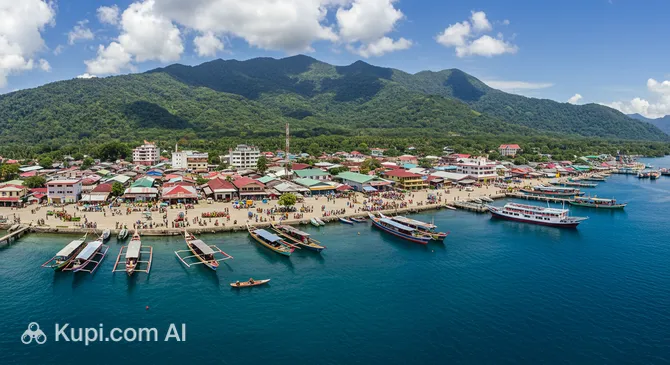
Nabire is a vibrant coastal city located in the Central Papua province of Indonesia. Situated along the stunning shores of Cenderawasih Bay, this city serves as a crucial gateway to some of the most spectacular marine environments in the archipelago. It sits on the "neck" of the bird-shaped island of Papua, offering a unique blend of urban activity and raw natural beauty that draws adventurers from around the globe.

Nabire. Source: Kupi.Binoculars

Home to a growing population of approximately 100,000 residents, the city balances its role as an administrative hub with a laid-back tropical atmosphere. While it is a modernizing regional center, the history of Nabire has shaped it into a diverse melting pot of cultures and a vital transit point. The climate here is typically tropical, characterized by warm temperatures and high humidity, which supports the lush rainforests surrounding the urban area.

The city is world-renowned as the primary starting point for expeditions to Teluk Cenderawasih National Park, a marine paradise famous for its resident whale sharks. Unlike many other locations, these gentle giants can often be spotted here year-round, frequently interacting with local fishing platforms known as bagans. Beyond its underwater wonders, the area features scenic coastal spots such as Monalisa Beach, where visitors can enjoy tranquil sunsets and calm waters.

Whether you are an avid diver seeking an unforgettable encounter with marine megafauna or a traveler looking to experience the unique charm of Papua, Nabire offers a warm welcome. It is an essential stop for anyone wishing to explore the hidden natural treasures of eastern Indonesia.

Weather Overview

Nabire experiences a consistent tropical climate, offering warm and stable conditions throughout the year. Regardless of the season, visitors can expect steady temperatures, with daily averages hovering comfortably around 25°C to 26°C. Daytime highs typically reach up to 28°C, while nights remain mild with minimum temperatures rarely dropping below 23°C.

A defining feature of the local weather is the high frequency of rainfall. The region sees a significant number of wet days, ranging from 26 to 29 days per month, meaning rain is a near-daily occurrence. Although the precipitation volume may vary, the consistency of wet weather suggests that packing waterproof gear is essential for any trip. For a more detailed breakdown of seasonal patterns and forecasts, you can view the full weather in Nabire report.

Interesting Facts

Beyond the main attractions and marine wonders, Nabire holds fascinating stories and geographical significance that often go unnoticed by casual travelers.

  • The Lost "City of Oranges": Historically, Nabire was widely known across Indonesia as "Kota Jeruk" (City of Oranges) due to its production of exceptionally sweet mandarins. While a plant disease devastated the plantations in the late 20th century, the nickname persists as a nostalgic reminder of the city's agricultural heritage.

  • Traditional Gold Rush: In the nearby Topo District, visitors can often observe a unique local livelihood: traditional gold panning. Residents use simple manual tools to sift through river sediments, a practice that highlights the mineral-rich geology of this part of Central Papua.

  • Gateway to the Highlands: While it is a coastal city, Nabire serves as the essential "base camp" for the Meepago customary region. It is the primary logistical hub and starting point for overland journeys into the isolated mountainous regencies, connecting the sea to the ancient lakes of Paniai, Deiyai, and Dogiyai.

How to Get There

Reaching this part of Central Papua is an adventure in itself, with air travel being the most practical and common method. Visitors typically connect through major Indonesian hubs before landing directly in the city. For a complete guide on transport options and routes, you can read more about how to get to Nabire.

The most convenient gateway is Nabire (NBX), which is situated directly in the city of Nabire. Because it is located just 0.7 km from the city center, the transfer is incredibly quick; a taxi or car ride typically takes only a few minutes. This airport handles a steady stream of travelers, serving as the primary access point for those heading to the marine park.

Alternatively, travelers might transit through Timika Airport (TIM) in the city of Tembagapura, located approximately 200 km away. While it is a significant regional hub with considerable passenger traffic, the overland journey to Nabire is extremely difficult due to the rugged terrain. It is generally not a viable option for tourists to drive, so a connecting flight is strongly recommended. Another option in the region is Mokmer Airport (BIK) in Biak, about 250 km away, though this usually requires a connecting flight or sea transport to reach the mainland.

For clarity, here is a summary of the main airports:

Airport Name City Passenger Traffic Km from City
Mokmer AirportBiakMedium250.5
Timika AirportTembagapuraMedium200.0
NabireNabireMedium0.7

Main Attractions

Nabire offers a fascinating mix of coastal charm and raw natural beauty, serving as the primary gateway to some of Indonesia's most spectacular marine environments. From swimming with gentle giants to relaxing on scenic shores, the city and its surroundings provide unforgettable experiences for nature lovers.

Teluk Cenderawasih National Park is undoubtedly the crown jewel of the region and the main reason many travelers venture this far east. As the largest marine national park in Indonesia, it is world-famous for its resident population of whale sharks. In the waters near Kwatisore, these massive but harmless creatures frequently gather around traditional fishing platforms known as bagans, offering visitors the rare and magical opportunity to swim or snorkel alongside them year-round. Beyond the sharks, the park is a diver's paradise, boasting extensive coral reefs and a rich diversity of marine life.

For a more relaxing day closer to the city center, Monalisa Beach is a favorite local getaway. Located in the Teluk Kimi district, this beach is easily recognizable by its picturesque wooden bridges that extend over the water, connecting small gazebos perfect for lounging. It is an excellent spot to enjoy the sea breeze, take beautiful photos, and watch the sunset in a tranquil atmosphere, surrounded by lush tropical vegetation.

Another popular coastal destination is Gedo Beach (Pantai Gedo), situated in the Sanoba area. Known for its recreational facilities, this beach is a hub of activity on weekends where families and friends gather to swim and unwind. The site offers a refreshing escape with clear waters and a wide horizon, making it a perfect location to witness the vibrant colors of the Papuan twilight.

Travelers looking for an island-hopping adventure should visit Pepaya Island. Located within the marine park's vicinity, this small, uninhabited island is a sanctuary for snorkeling and diving enthusiasts. Its crystal-clear waters teem with colorful fish and untouched coral gardens, providing a serene contrast to the mainland's busier coastal spots.

Local Cuisine

The culinary scene in Nabire is a delightful reflection of its coastal geography, offering a gastronomic adventure heavily centered around fresh seafood and traditional Papuan staples. Due to its location on Cenderawasih Bay, the city is a haven for seafood lovers, where the catch of the day is often served just hours after being pulled from the ocean. The food culture here is unpretentious and community-oriented, with a mix of humble street stalls and casual eateries known as warungs defining the local dining experience.

A visit to Nabire would not be complete without trying Papeda, the quintessential dish of Eastern Indonesia. This gelatinous porridge made from sago starch serves as the primary carbohydrate, replacing rice in traditional meals. It has a neutral taste on its own but is transformed when paired with Ikan Kuah Kuning (Yellow Fish Soup). The soup is a vibrant, savory, and slightly sour broth seasoned with turmeric, lime, and lemongrass, usually featuring fresh tuna or snapper. The combination of the smooth papeda and the zesty fish soup creates a unique texture and flavor profile that is beloved by locals.

Another highlight is the abundance of Ikan Bakar (grilled fish). Unlike in many other places, the fish here requires very little seasoning before grilling because of its exceptional freshness. It is typically served with Sambal Colo-colo, a spicy and refreshing condiment made from chopped chilies, shallots, tomatoes, and a generous squeeze of local lime (jeruk nipis) or calamansi. For a snack, look for Keladi Tumbuk, a dish made from mashed taro, often enjoyed with spicy side dishes.

In the evenings, the food scene comes alive along the waterfront areas, such as MAF Beach or the promenade near the city center. Here, locals and tourists gather to enjoy the sea breeze while snacking on Jagung Bakar (roasted corn) brushed with spicy butter sauces. It is also the perfect spot to sip on a fresh Kelapa Muda (young coconut), which provides a cooling respite from the tropical humidity.

While Nabire is on the coast, it is also the gateway to the central highlands, meaning high-quality Papuan Coffee is often available in local coffee shops. Grown in the nearby mountainous regions like Moanemani, this coffee is known for its rich, earthy aroma and low acidity. It serves as a warm, comforting end to a meal, grounding travelers before their next adventure into the interior or out to sea.

Travel Tips

Visiting Nabire offers a unique opportunity to explore the raw beauty of Central Papua in Indonesia, but traveling to this remote coastal city requires a bit more preparation than the typical tourist trail. To help you navigate the local customs and logistics smoothly, here are some practical tips for your journey.

  1. Clothing and Gear: Given the tropical climate and high frequency of rainfall, a lightweight, high-quality raincoat or poncho is absolutely essential. Pack quick-drying, breathable clothes to handle the humidity. While swimwear is fine for the islands, dress modestly when exploring the city center; cover your shoulders and knees to respect local norms. Don't forget reef-safe sunscreen and a dry bag to protect your electronics during boat trips to the marine park.
  2. Transportation: Public transport options are limited to local minivans known as bemos or taxis (yellow plate), but routes can be confusing for visitors. The most efficient way to get around town is by Ojek (motorcycle taxi). For longer excursions or airport transfers, it is highly recommended to rent a car with a local driver, which can usually be arranged through your hotel. Ride-hailing apps are not as reliable or widespread here as they are in Java or Bali.
  3. Finances: The official currency is the Indonesian Rupiah (IDR). Cash is king in Nabire. While there are ATMs (mainly Mandiri, BNI, and BRI) in the city center along Jalan Jenderal Sudirman, they can occasionally be out of service. Credit cards are rarely accepted outside of major hotels. Ensure you withdraw enough cash before heading to remote areas or paying for boat charters to the whale sharks.
  4. Health and Safety: Papua is a region where malaria is present, so rigorous mosquito protection is necessary; bring strong repellent, long-sleeved clothing for evenings, and consider taking prophylaxis after consulting a doctor. Pharmacies, known as Apotek, are available in the town center, but carry your own basic medical kit. Strictly avoid drinking tap water; stick to sealed bottled water.
  5. Communication: English is not widely spoken outside of airport staff and specialized tour guides. Learning a few basic phrases in Bahasa Indonesia, such as "Terima kasih" (Thank you) and "Selamat pagi" (Good morning), will go a long way. For mobile data, buy a Telkomsel SIM card upon arrival, as other providers often have poor or no signal in this region.
  6. Local Etiquette: Papuans are generally warm and welcoming. A smile and a handshake are the standard greeting. If you wish to take photos of locals, especially at traditional markets, always ask for permission first ("Boleh foto?"). It is polite to remove your shoes before entering someone's home or certain accommodation spaces.
  7. What to Avoid: Avoid planning a tight itinerary with immediate connecting flights on the same day as your departure from Nabire. Weather conditions in Papua change rapidly and can frequently delay flights. Also, avoid wearing revealing clothing like bikinis or shirtless attire while walking around the town or visiting markets, as this is considered disrespectful.
  8. Additional Tip: Be aware that Sunday is a strictly observed day of rest and worship for the majority Christian population in Nabire. Most shops, markets, and services will be closed or have very limited hours. Plan your supplies and activities accordingly, and enjoy the peaceful atmosphere of the city on this day.

By keeping these practicalities in mind, you can focus on the incredible experiences Nabire has to offer, from swimming with whale sharks to enjoying the warm hospitality of its people. A little preparation ensures your adventure in this hidden gem of Indonesia is both safe and unforgettable.

Entertainment & Nightlife

Nightlife in Nabire is distinctively laid-back and centers more on community socializing than on high-energy clubbing. Unlike the bustling party scenes found in Jakarta or Bali, the evening atmosphere here is tranquil and friendly, reflecting the city's role as a quiet coastal gateway. The "nightlife" is defined by relaxing at open-air cafes, singing your heart out at local karaoke joints, or enjoying the cool sea breeze along the waterfront.

The most vibrant area after dark is undoubtedly the Pantai Nabire (Nabire Beach) waterfront and the surrounding streets in the Oyehe district. As the sun sets, this area transforms into a social hub where locals gather to unwind. The promenade is lined with small stalls and food carts, creating a night market atmosphere where you can sit on plastic chairs, eat roasted corn (jagung bakar), and watch the city lights reflect off Cenderawasih Bay. It is the perfect place to mingle with residents and experience the authentic, slow-paced rhythm of Papuan life.

For those seeking a more enclosed venue to enjoy music and drinks, Karaoke Bar Mahkota is one of the few established nightlife spots in town. Karaoke is a favorite pastime in the region, and this venue offers a lively setting where visitors can rent private rooms or sing in the main hall. It attracts a mix of locals and travelers passing through, offering a fun, unpretentious environment to enjoy a cold drink and some classic tunes. Another popular hangout is Terrace Cafe, which provides a comfortable setting for evening coffee or light meals, often serving as a meeting point for younger crowds.

When planning a night out, keep in mind that venues in Nabire close relatively early compared to major cities, with most places winding down by 10:00 PM or 11:00 PM. The dress code is casual and modest; shorts and t-shirts are acceptable, but overly revealing attire is not common. Prices are generally affordable, though alcohol can be slightly more expensive due to logistics.

Safety in Nabire is generally good, but the streets can be poorly lit away from the main roads. It is advisable to avoid walking alone in quiet or dark alleys late at night. The best way to get around is by Ojek (motorcycle taxi), which can be found at designated corners or arranged through your accommodation. Always agree on the price before hopping on, especially at night.

While the nights are quiet, the daytime entertainment in Nabire is world-class. The city is the primary jumping-off point for Teluk Cenderawasih National Park, where you can swim with whale sharks, or you can explore the local culture at the Monalisa Beach during the afternoon.

Parks & Museums

While Nabire is primarily known as a transit point for marine adventures, the city offers several green spaces and cultural landmarks that provide a glimpse into the daily life of its residents. Unlike major metropolitan areas filled with manicured botanical gardens or sprawling museum complexes, Nabire's charm lies in its modest, community-focused public areas and the raw, natural beauty that frames the urban landscape.

Taman Gizi is one of the most well-known public parks located in the heart of the city. It serves as a central gathering spot for locals, especially in the late afternoons and weekends. The park is simple but lively, offering a green refuge amidst the town's activity where families come to relax and children play. For tourists, it is an excellent place to engage in "people watching" and experience the friendly, laid-back atmosphere of the community.

Another significant recreational area is the Nabire Beach Waterfront (Pantai Nabire). While often categorized as a beach, the promenade functions effectively as a linear park. Lined with trees and paved walkways, it is the city's favorite venue for jogging, evening strolls, and social gatherings. The area combines the fresh sea breeze with the shade of tropical vegetation, making it a refreshing stop after a day of exploring the hotter inland districts.

In terms of museums and galleries, Nabire does not currently host large formal institutions dedicated to history or art. Travelers looking for a traditional museum experience might find the options limited. However, the city itself acts as a living museum of Papuan diversity. The cultural heritage is best experienced not behind glass cases, but through the vibrant interactions at local markets and the traditional architecture seen in the surrounding villages. The blend of indigenous Papuan traditions and migrant influences creates a unique cultural tapestry that is visible in the daily rhythm of the streets.

Despite the lack of formal museums, there are architectural landmarks worth noting. The places of worship in Nabire stand as significant architectural and cultural sites. The city is home to several grand churches and mosques that reflect the religious diversity and harmony of the region. These structures often serve as community landmarks and are usually the most imposing and well-maintained buildings in town, showcasing distinct design elements that adapt traditional forms to the tropical climate.

For an authentic local experience, visitors should head to the Pasar Kalibobo or other traditional markets. While not a park or museum, this bustling marketplace offers a sensory immersion into the region's culture. Here, you can see the unique agricultural produce of Central Papua, observe traditional trading practices, and perhaps spot local handicrafts being sold, providing a genuine connection to the land and its people.

Getting Around

Navigating Nabire is a relatively straightforward experience, though the city lacks the complex mass transit systems found in larger metropolitan areas. There are no subways, trams, or large municipal buses operating here. Instead, the public transport network is informal and road-based, relying primarily on a fleet of minivans and motorcycles that connect the city center with residential districts and key facilities like the airport and harbor.

The most common form of public transportation is the minibus, known locally as "Taksi" (not to be confused with private taxi sedans). These vehicles, typically identifiable by their yellow license plates, operate on fixed routes throughout the city. While they do not have numbered lines or digital displays, the destination is usually shouted by the driver or written on the windshield. They are an affordable way to move between major markets and government buildings, though they can be cramped and often wait until they are full before departing.

For more direct and flexible travel, Ojeks (motorcycle taxis) are the quickest solution. You will find drivers waiting at nearly every street corner, market entrance, and near the airport. They are ideal for short distances or for navigating smaller streets where minivans do not venture. Unlike the fixed-route vans, Ojeks offer door-to-door service, making them convenient for tourists carrying light luggage or heading to specific hotels.

The payment system in Nabire is entirely cash-based. There are no travel cards, passes, or tap-to-pay systems for public transport. Passengers pay the driver directly upon reaching their destination. It is crucial to carry small denominations of the local currency, as drivers often struggle to provide change for large bills. Fares for the "Taksi" minivans are generally fixed and low, while Ojek fares must be negotiated before you hop on. It is advisable to ask a local or your hotel receptionist for the standard rate to a specific destination to avoid being overcharged.

Operating hours for public transport are somewhat limited compared to 24-hour cities. Minivans typically run from early morning until sunset, around 6:00 PM or 7:00 PM. After dark, finding a public minibus becomes significantly harder. Ojeks operate later into the night, but availability decreases, and prices tend to rise after the sun goes down. If you plan to be out late, ensure you have a reliable way to return to your accommodation.

For tourists who prefer comfort or are traveling in groups, alternatives such as car rentals with a driver are highly recommended. Self-drive car rentals are rare and generally discouraged due to local road conditions and driving habits. Renting a car with a local driver provides safety and the flexibility to visit outlying attractions like the beaches or the national park harbor. While ride-hailing apps are becoming more common in the region, their reliability in Nabire can vary, so it is best not to rely on them exclusively.

Accommodation

Accommodation in Nabire is primarily functional and practical, designed to serve travelers who are passing through on their way to Teluk Cenderawasih National Park or visiting for business. Unlike the luxury resort hubs found in Bali or Jakarta, the options here are more modest, consisting mainly of budget guesthouses (known locally as penginapan), homestays, and mid-range hotels. Visitors should expect clean, comfortable, and basic amenities rather than high-end luxury services.

The most convenient area to stay is the City Center (Pusat Kota), particularly along the main thoroughfares like Jalan Jenderal Sudirman and Jalan Merdeka. Staying in this area places you within walking distance of local eateries, markets, and essential services. Since the city is relatively compact and the airport is located just minutes away, a central hotel offers easy access to both urban conveniences and transport links. For those strictly focused on marine adventures, there are a few specialized dive resorts and eco-lodges located further out along the coast or on nearby islands, offering direct access to the whale shark sites but with more isolated surroundings.

Booking Tip: If your main goal is to swim with the whale sharks, plan your stay around the new moon phase, as this is often cited as the best time for sightings. During these peak periods, accommodation—especially the specialized dive resorts—can fill up quickly, so it is highly advisable to book your room and tours several weeks in advance.

In terms of pricing, Nabire is generally affordable. Budget options and homestays typically range from IDR 250,000 to IDR 400,000 per night, offering a simple bed and fan or basic air conditioning. Mid-range hotels, which usually provide hot water, Wi-Fi, and breakfast, generally cost between IDR 500,000 and IDR 900,000. While some larger hotels appear on major online booking platforms, many smaller guesthouses still rely on direct phone bookings or walk-ins. It is recommended to have cash on hand, as card payment facilities may not be available at smaller establishments.

Nearby Cities

For those looking to explore the surroundings, Nabire serves as an excellent base for day trips to several interesting nearby locations. While the vast and rugged terrain of Papua often makes overland travel challenging, the city acts as a strategic hub for reaching some of the region's most captivating urban and natural destinations through short flights or sea voyages.

One of the most notable nearby destinations is Biak, an island cluster located to the north across Cenderawasih Bay. Biak is steeped in history, particularly from World War II, with sites like the Japanese Cave offering a glimpse into the past. Beyond its history, the island is famous for its stunning atolls, crystal-clear waters, and relaxed atmosphere, making it a perfect spot for diving enthusiasts and history buffs alike who wish to extend their journey from Nabire.

Another significant neighbor is Manokwari, situated to the northwest. As a major administrative and historical center, it sits beautifully along a sheltered bay backed by the lush Arfak Mountains. Manokwari offers a mix of urban conveniences and access to incredible highland trekking and birdwatching opportunities. It provides a different perspective on coastal life in Papua compared to the quieter nature of Nabire.

City Population Distance (km)
Sorong 272,349 547
Manokwari 136,000 321
Biak 103,610 264
Fakfak 84,846 359
Tual 82,955 394

These nearby destinations offer a glimpse into the diverse culture and landscapes of the region, allowing travelers to experience the broader beauty of Eastern Indonesia beyond the immediate shores of Nabire.

Shopping & Souvenirs

Shopping in Nabire offers a distinctively local experience that contrasts sharply with the glitzy consumerism of Indonesia's larger metropolitan areas. As a functional transit city and regional hub, the retail scene here is geared primarily towards the daily needs of residents and the logistical requirements of travelers heading into the remote highlands or out to sea. Visitors will not find high-end luxury boutiques or sprawling international shopping complexes; instead, the city provides a genuine glimpse into Papuan commerce through its bustling traditional markets, small family-run stores, and modest department centers.

The commercial heartbeat of the city is concentrated in the Oyehe district and along the main thoroughfare, Jalan Jenderal Sudirman. This area serves as the primary downtown zone where the density of shops is highest. Here, travelers can find a variety of standalone stores selling electronics, clothing, trekking gear, and basic supplies. It is the best place to stock up on essentials before an expedition, with numerous pharmacies, banks, and grocery stores lining the streets. The atmosphere is busy and functional, with motorcycles weaving through traffic and music often blaring from storefront speakers.

Travelers looking for a modern shopping experience should manage their expectations, as Nabire does not have large-scale shopping malls or cinema complexes found in Java or Bali. The retail landscape is dominated by local "supermarkets" and multi-story department stores that function as one-stop shops for groceries, homeware, and apparel. These establishments provide a comfortable, air-conditioned environment to purchase toiletries, snacks, and bottled water, but they generally stock practical mass-market goods rather than branded fashion or souvenirs.

The true soul of shopping in Nabire lies in its traditional markets, with Pasar Kalibobo being the most prominent and vibrant. Located near the harbor, this market is a sensory explosion of sights and smells, serving as the central trading point for fresh produce from the hinterlands and seafood from Cenderawasih Bay. It is an excellent place to observe local life, where vendors display massive fresh tuna, exotic tropical fruits, and mounds of spices. For a more relaxed experience, the evening markets along the waterfront offer grilled snacks and a chance to buy small local items in a cooler, open-air setting.

When searching for authentic keepsakes to take home, visitors should look for Noken, the traditional knotted net bag of Papua. Recognized by UNESCO as a piece of Intangible Cultural Heritage, these durable bags are handmade from wood fiber or leaves and are a symbol of Papuan identity. Another unique souvenir from this specific region is Batu Akik (gemstones). Nabire is famous for its geological richness, and you can find polished river stones and colorful quartz set into rings or pendants at small specialist stalls. Additionally, bags of Moanemani coffee, grown in the nearby highlands, make for a fragrant and practical gift for coffee lovers.

Business hours in Nabire generally follow a standard tropical schedule. Most shops and department stores open around 9:00 AM and close by 9:00 PM. Traditional markets are busiest in the early morning, often starting as early as 5:00 AM, and wind down by midday, though some sections reopen in the late afternoon. On Sundays, the city is noticeably quieter as the majority of the population observes the Sabbath, meaning many shops and markets will be closed or have reduced hours.

Cash is the absolute rule for almost all transactions in Nabire. While a few larger supermarkets and hotels in the city center may accept credit cards, the vast majority of shops, markets, and souvenir stalls only take Indonesian Rupiah (IDR) in cash. ATMs are available in the Oyehe district and along the main roads, but it is highly advisable to carry sufficient small denominations, as vendors often struggle to provide change for large banknotes.

Tax-free shopping and VAT refund schemes for tourists are not available in Nabire. The tax refund system in Indonesia is generally limited to specific registered retailers in major international gateways like Jakarta and Bali. In Nabire, the price you see is the final price, though polite bargaining is common and expected in traditional markets and at roadside souvenir stalls.
Reached the end of the page?

That means the route is fully explored