Support

Tembagapura

About

Tembagapura is a fascinating settlement tucked away in the rugged highlands of the Sudirman Range. Located in the easternmost province of Papua, this town offers a striking contrast between modern infrastructure and the wild, untouched nature that surrounds it. It is widely known as a residential area supporting one of the world's largest mining operations, creating a unique community atmosphere in Indonesia.

Sitting at an altitude of approximately 2,000 meters above sea level, the town enjoys a cool, temperate climate that differs significantly from the tropical heat found in the rest of the archipelago. Often shrouded in mist and clouds, Tembagapura provides breathtaking views of deep valleys and towering peaks. With a population of around 23,000 residents, it functions as a fully equipped modern enclave amidst dense rainforests and steep mountains.
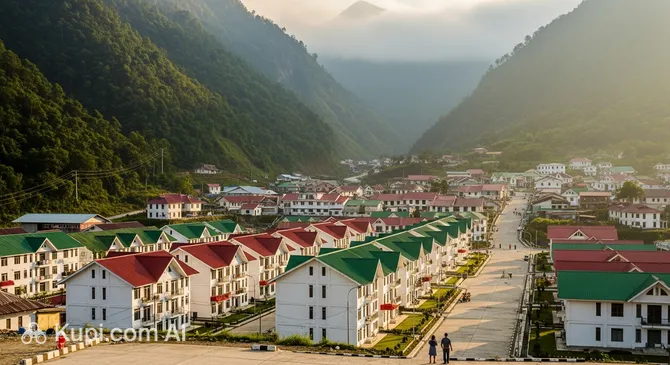
Tembagapura. Source: Kupi.Binoculars

The history of Tembagapura is relatively recent, as the town was established specifically to support the workforce of the nearby operations. Despite its industrial origins, the area is geographically significant as a gateway to some of the most spectacular natural wonders in the region. It lies in the shadow of Puncak Jaya (Carstensz Pyramid), the highest island peak in the world and one of the few equatorial places with glaciers, making the region a point of interest for elite mountaineers.

While access to the town is generally restricted and typically requires special permits due to its status as a private mining community, Tembagapura remains a testament to engineering and human resilience in remote environments. For those with the rare opportunity to visit or pass through on an expedition to the glaciers of Papua, it offers a truly memorable glimpse into life "above the clouds."

Weather Overview

Due to its high elevation in the Sudirman Range, Tembagapura experiences a cool highland climate that remains remarkably consistent throughout the year. Unlike the tropical heat typical of the Indonesian lowlands, the weather in Tembagapura is characterized by mild daytime highs and crisp, chilly evenings.

Temperatures are stable, with daily averages fluctuating only slightly between 14°C and 15°C regardless of the month. During the day, the thermometer typically rises to a comfortable range of 16°C to 18°C, while nights can feel quite cold as temperatures dip to approximately 12°C. Travelers should be prepared for this cooler atmosphere, which often feels like an eternal spring rather than a tropical summer.

Precipitation is a constant companion in this region, with the town experiencing rainfall almost every single day of the year. Data indicates between 28 and 31 wet days per month, meaning clear, dry days are a rarity. Expect cool temperatures year-round with frequent light rain, mist, and consistently cloudy skies that keep the surrounding vegetation lush and green.

Interesting Facts

Beyond the main industrial focus, Tembagapura holds many fascinating secrets that distinguish it from any other settlement in the region. This remote highland enclave is defined by its unique status, extreme geography, and a lifestyle that stands in stark contrast to the surrounding wilderness.
  • A Literal "Copper City": The name Tembagapura is derived from the Indonesian words tembaga, meaning copper, and pura, meaning city or town. This moniker was officially adopted in 1973 to reflect the town's primary function as the residential hub for one of the world's largest copper and gold mining operations.

  • Exclusive Access: Unlike typical destinations, this town functions as a private community with strictly controlled entry. It is not open to general tourism; visitors and non-residents typically require special security permits or sponsorship to pass the checkpoints, making it one of the most restricted residential areas in the country.

  • Modernity in Isolation: Despite its location in the heart of a rugged jungle, Tembagapura was designed to resemble a modern Western suburb. It boasts facilities that are rare for such a remote area, including an international school, a shopping center with imported goods, and advanced medical services, creating a "bubble" of modern comfort amidst the wild highlands.

  • The City of Perpetual Mist: The town is famous for its incredibly high rainfall and persistent fog. It is considered one of the wettest inhabited places on Earth, where the sun is often hidden by thick clouds that roll through the valley, giving residents the sensation of living permanently inside a cloud.

How to Get There

Reaching this remote highland settlement requires careful planning due to its isolated location and restricted access status. The primary gateway for all travelers is the nearby city of Timika, from which the journey continues into the mountains. For detailed information on logistics and entry requirements, you can read more about how to get to Tembagapura.

The most convenient and common way to arrive is via Timika Airport (IATA: TIM), also known as Mozes Kilangin Airport. Although the data indicates it is associated with the Tembagapura area, it is physically located approximately 48 km away in the lowlands. This airport serves as the essential hub for the region, handling a significant volume of passengers annually. From here, the journey to the highland town typically takes about 1.5 hours by road, involving a steep ascent through rugged terrain. Access to this road is strictly controlled, often requiring specific permits or company sponsorship.

For those exploring the wider region of Papua, other airports exist but are significantly further away. You can fly into Nabire (IATA: NBX), located in the city of Nabire, which is about 197 km from Tembagapura. Another option is Wamena Airport (IATA: WMX) in Wamena, situated roughly 207 km away. However, due to the extremely difficult mountainous terrain and lack of connecting highways, ground transport from these distant airports is not practical for reaching Tembagapura directly; they are listed here primarily for geographical context.

For clarity, here is a summary of the main airports:

Airport Name City Passenger Traffic Km from City
Timika Airport Tembagapura Medium 48.2
Nabire Nabire Medium 196.7
Wamena Airport Wamena Small 206.8

There are no railway stations in Tembagapura or the surrounding Papua province, as the challenging topography has prevented the development of train infrastructure. Travelers rely entirely on air travel to reach the nearest hubs, followed by specialized bus or private vehicle transport to navigate the steep mining roads leading up to the town.

Main Attractions

Although Tembagapura is primarily a private residential zone for mining operations and requires special permits for entry, it is situated amidst some of the most spectacular landscapes on Earth. The main points of interest here are a mix of colossal industrial engineering and raw, untouched wilderness, offering a unique experience for the few travelers and professionals who visit this remote highland enclave.

Dominating the landscape just above the town is the Grasberg Mine, one of the largest gold and copper excavations in the world. For those with authorized access to the site, the sheer scale of the open pit is awe-inspiring. It sits high in the mountain clouds, resembling a giant terraced amphitheater carved into the earth. The dramatic contrast between the massive high-tech machinery and the rugged alpine environment makes it a fascinating, albeit industrial, landmark that defines the region's existence.

Looming over the area is Puncak Jaya, also known as the Carstensz Pyramid. Standing at 4,884 meters, it is the highest summit in Oceania and a prestigious destination for elite mountaineers aiming to complete the Seven Summits. This peak is geologically significant as one of the very few places near the equator that still features permanent glaciers. The sight of snow and ice in a tropical country is a surreal natural wonder that draws expeditions from around the globe to this specific coordinate.

The town is also a gateway to the edges of Lorentz National Park, a UNESCO World Heritage site recognized for its incredible biodiversity and geological history. The park covers a continuous ecological transect from snow-capped peaks down to tropical marine environments. While deep exploration requires organized expeditions, the town's location offers a front-row seat to this ecological treasure, where unique flora and fauna thrive in the dense, misty rainforests that wall in the settlement.

Connecting the residential areas to the higher work sites is an impressive Aerial Tramway. This heavy-duty cable car system is an engineering feat designed to transport personnel and equipment up sheer vertical cliffs. For those who ride it, the tramway offers vertigo-inducing views of the deep valleys below and the waterfalls cascading down the Sudirman Range, providing a breathtaking perspective of the terrain that is impossible to see from the ground.

Local Cuisine

The culinary scene in Tembagapura is as unique as its location, offering a blend of authentic Papuan traditions, diverse Indonesian regional cuisines, and Western comforts. Due to its status as a mining community with a multinational workforce, the town functions as a gastronomic melting pot. While access to dining venues is often centered around community facilities and clubs, the food culture here is vibrant, serving everything from hearty steaks for expatriates to spicy archipelago favorites for workers from across Indonesia.

For a taste of the true local culture, you must try Papeda served with Ikan Kuah Kuning. Papeda is a glue-like congee made from sago starch, which is the staple carbohydrate of the Papuan lowlands. It has a neutral taste on its own but is transformed when paired with Ikan Kuah Kuning, a savory yellow fish soup cooked with turmeric, lime, and lemongrass. This dish is not just food; it is a symbol of togetherness often shared communally. Another regional favorite is Ikan Bakar Manokwari, grilled fish topped with a raw, spicy chili relish that reflects the bold flavors preferred in Eastern Indonesia.

No culinary description of this highland town would be complete without mentioning its signature beverage: Amungme Gold Coffee. This high-quality Arabica coffee is grown by the indigenous Amungme tribe in the cool, misty highlands surrounding the town, such as the Tsinga and Opitawak valleys. The high altitude and fertile soil produce beans with a distinct, rich flavor profile. Enjoying a cup of this locally sourced coffee is a must for any visitor, connecting the modern town with the ancient agricultural traditions of the mountains.

Dining in Tembagapura often revolves around social hubs known as "mess halls" and community clubs, such as the Lupa Lelah Club or various recreational centers. These venues are more than just places to eat; they are the heart of social life in the mist-covered mountains. Here, you can find a wide array of options ranging from international buffets to specific Indonesian stations offering Javanese noodles or spicy Padang dishes, ensuring that despite the isolation, residents and visitors never lack variety.

Travel Tips

Visiting Tembagapura is a unique experience that requires careful preparation, as this highland settlement operates differently from typical tourist destinations in Indonesia. Whether you are visiting for business, an expedition, or as a guest of the community, these practical tips will help you navigate the distinct climate and regulations of this "city in the clouds."

  1. Clothing and Gear: Forget the tropical beachwear typically associated with the archipelago; here, you need to pack for a cool, alpine climate. Bring a high-quality waterproof jacket and warm layers like fleece, as it rains almost daily and temperatures hover around 14°C. Sturdy, water-resistant hiking boots are essential for navigating the wet terrain, and since the town is at high altitude, sunscreen is still necessary despite the clouds.

  2. Transportation: You will not find standard public taxis or ride-hailing apps operating within the town. Transportation is strictly controlled and primarily consists of company-operated buses that run on fixed schedules to transport residents and workers. Walking is feasible within residential zones, but for travel between sectors or down to the lowlands, you must rely on the official shuttle services provided.

  3. Finances: The official currency is the Indonesian Rupiah (IDR). While the town is a modern enclave with facilities that accept credit cards, it is wise to carry some cash for smaller transactions or local markets. ATMs are available within the community centers and shopping areas, usually dispensing IDR 50,000 or 100,000 notes.

  4. Health and Safety: Tembagapura boasts excellent medical facilities, often exceeding the standards found in other remote regions, to support its workforce. However, be aware of altitude sickness; at 2,000 meters, the air is thinner, so take it easy for the first day. While the town itself is malaria-free due to the cold, the transit city of Timika in the lowlands is a high-risk zone, so consult your doctor about prophylaxis before traveling.

  5. Communication: Bahasa Indonesia is the national language, but due to the multinational nature of the mining community, English is widely spoken and understood. For mobile connectivity, major national providers offer reliable coverage in this remote region. Wi-Fi is generally available in guest houses and community buildings, but speeds can vary due to the satellite connections.

  6. Local Etiquette: This is a tight-knit working community, so respecting privacy and community guidelines is paramount. A friendly "Selamat Pagi" (Good Morning) is the standard greeting. If you interact with the indigenous Amungme or Kamoro people in the surrounding areas, always ask for permission before taking photographs, as it is considered a sign of respect.

  7. What to Avoid: Do not attempt to enter restricted operational zones or the mine site without an explicit permit and a safety escort; these are hazardous industrial areas. Additionally, avoid taking photographs of security checkpoints or specific industrial infrastructure unless you have clearance, as security protocols are strictly enforced.

  8. Additional Tip: Be prepared for the "fog schedule." The weather can change rapidly from clear skies to zero visibility due to thick mist. This often delays transport, especially helicopters or travel down the mountain road, so always build a buffer into your travel itinerary to account for weather-related delays.

By keeping these practicalities in mind, you can ensure a smooth and comfortable stay in one of the most geographically fascinating settlements in the world. Tembagapura offers a rare glimpse into life at the edge of the wilderness, and being well-prepared allows you to fully appreciate its misty, mountainous charm.

Entertainment & Nightlife

Tembagapura offers a nightlife experience that is vastly different from the bustling tourist hubs of Bali or Jakarta. As a high-security mining town located in the remote highlands, there are no commercial nightclubs, neon-lit party strips, or chaotic night markets here. Instead, the evening entertainment is exclusive, community-driven, and centered around social clubs and recreational facilities designed for the residents and workforce of the mining operations.

The atmosphere after dark is distinctively relaxed and intimate, resembling a small countryside town where "everyone knows everyone." Due to the high altitude and frequent rain, the evenings are chilly, so the dress code is almost always casual and warm—think fleece jackets and jeans rather than party attire. The social scene is a place to unwind after a long shift, characterized by camaraderie, live sports screenings, and private gatherings rather than wild partying.

The primary hub for evening socializing is the Lupa Lelah Club, affectionately known by locals and expatriates as "The Lupe." This venue serves as the town's main restaurant, bar, and function center. It is the go-to spot for a cold drink, a game of billiards, or a hearty meal in a warm, welcoming environment. On weekends, it often hosts themed nights, community dinners, or live band performances, making it the heartbeat of Tembagapura's social life.

Another key area for evening activity is Ridge Camp, located slightly away from the main town center. This area houses a large portion of the workforce and features its own recreational facilities and mess halls. While access might be more restricted depending on your status in the town, it is often the site for larger concerts and entertainment events organized by the company to boost morale, occasionally featuring famous Indonesian bands like Tipe-X.

For a more low-key evening, residents often gather at the Community Hall or the local sports facilities. These venues frequently stay open late for indoor sports like badminton, basketball, or bowling, offering a healthy alternative to the bar scene. Additionally, coffee culture is strong here; places like Maxx Coffee provide a cozy refuge where people can enjoy hot beverages and conversation while the mist rolls in outside.

Practical advice for enjoying the night here revolves around the town's unique infrastructure. There are no public taxis or ride-hailing apps. Transport is entirely reliant on the company bus system, which runs on fixed routes and schedules, or private company vehicles. Walking is safe within the residential zones due to the high level of security, but be cautious of the steep, often slippery roads and the thick fog that can descend rapidly at night.

Safety is rarely a concern in terms of crime, as Tembagapura is one of the most secure settlements in Indonesia. However, visitors should always carry their identification badges and adhere to the strict curfew or visitation rules set by the town administration. Prices for food and drinks in the community clubs are generally reasonable and subsidized, catering to the diverse workforce living in this "city above the clouds."

Parks & Museums

Tembagapura is not a typical tourist destination with manicured city parks or grand national museums; rather, it is a town carved out of the wild, where the entire settlement feels like a living exhibit of engineering amidst a pristine cloud forest. The "parks" here are the surrounding jungle valleys, and the "museums" are the industrial marvels and cultural centers that tell the story of this unique highland community.

The most famous green space and residential enclave is Hidden Valley. Located just a short distance from the main town center, this area is often described as having a distinct "European alpine" atmosphere due to its chalet-style architecture and cool, misty climate. It is a favorite spot for residents to walk and unwind, offering stunning views of the surrounding cliffs and waterfalls that cascade down the Sudirman Range. The valley is frequently shrouded in thick fog, creating a mystical ambiance that makes you feel as though you are walking above the clouds. A small cafe in the area provides a perfect vantage point to admire the lush greenery while sipping warm local coffee.

While not a park in the traditional sense, the slopes of Mount Zaagkam serve as the town's natural backyard. The town is built into these steep slopes, and almost every street offers a direct connection to the wild, untouched nature of Papua. Residents often enjoy walking along the designated paths that wind through the residential areas, where the air is crisp and filled with the scent of pine and wet earth. The proximity to the Lorentz National Park means that the biodiversity here is exceptional, with rare orchids and unique bird species often spotted right at the edge of the town.

For those interested in the history and industrial significance of the region, the Museum Tambang (Mining Museum) is a key facility. Managed by the operating company, this museum offers a deep dive into the history of the Grasberg mine, one of the world's most ambitious engineering projects. Visitors can explore exhibits detailing the geological formation of the region, the technological evolution of mining methods from open-pit to underground block caving, and the challenges of building a city in such a remote, rugged environment. It stands as a testament to human ingenuity in the face of extreme geographical obstacles.

Cultural appreciation in Tembagapura is deeply intertwined with the indigenous heritage of the Amungme and Kamoro tribes. While there may not be a large public art gallery, the Community Hall and various social clubs often feature displays of traditional Papuan art, such as intricate wood carvings (known as asmat style) and noken (woven bags). These venues frequently host cultural performances and exhibitions that celebrate the rich traditions of the local people, serving as a living cultural bridge between the modern mining community and the ancient heritage of the land.

For a truly authentic experience, keep an eye out for the "fog schedule." The weather here is a natural spectacle in itself; a sunny afternoon can transform into a white-out of thick mist in minutes. Locals know to pause and appreciate these shifts, which turn the entire town into a quiet, ethereal landscape. It is a reminder that in Tembagapura, nature is always in charge.

Getting Around

Navigating Tembagapura is a unique experience that differs significantly from standard cities, as the transport system is designed to serve a private industrial community rather than general public tourism. There is no municipal public transit network like a metro or city tram; instead, the town relies on a highly organized and efficient system of company-operated shuttle buses. These heavy-duty buses are the lifeline of the settlement, connecting residential zones such as Hidden Valley and the main townsite with accommodation hubs like Ridge Camp and various work sectors.

Regarding payment and tickets, the concept of a "fare" does not apply here in the traditional sense. The transport system is generally provided as a service for residents, employees, and authorized visitors. You will not need to purchase travel cards, download payment apps, or carry small change for the driver. Instead, access is strictly controlled through identification badges. Your official ID card acts as your pass, and you may be required to scan it or show it to security personnel when boarding specific routes, particularly those heading toward operational mining areas.

For those used to the convenience of on-demand transport, it is important to note that commercial alternatives are non-existent. You will not find taxis, car rentals, or ride-hailing services like Grab or Gojek operating within the town limits. Private vehicles are available, but they are typically company-issued to specific personnel. Consequently, walking is the primary alternative for getting around the compact residential centers, where well-maintained footpaths offer scenic routes through the cool, misty air.

A standout feature of the local transport infrastructure is the industrial Aerial Tramway. While not a tourist attraction in the conventional sense, this massive cable car system is a marvel of engineering used to transport personnel and heavy equipment up the sheer cliffs to the higher altitude mine sites. It offers vertigo-inducing views of the waterfalls and valleys below, though riding it is strictly reserved for those with specific work authorization or clearance.

Practical advice for visitors revolves around punctuality and weather awareness. The bus schedules are fixed and adhered to strictly, so arriving at the designated shelter a few minutes early is recommended. Be prepared for the region's unpredictable weather; the "fog schedule" is a real phenomenon here. Thick mist can descend rapidly, reducing visibility to near zero and occasionally causing delays or temporary suspensions of transport services on the steep mountain roads. Always carry your ID badge and a warm jacket, even for short trips.

Accommodation

Finding accommodation in Tembagapura is fundamentally different from any other destination in Indonesia. As a privately managed mining community, the town does not have commercial hotels, hostels, or vacation rentals available to the general public. There are no properties listed on standard booking platforms like Booking.com or Airbnb. Instead, all accommodation is owned and operated by the company and is strictly reserved for employees, contractors, and authorized guests with official sponsorship.

For those granted access, the type of lodging depends entirely on the nature of the visit and one's status within the community. Guest Houses are the primary option for business visitors and VIPs. These facilities are comparable to mid-range to upscale hotels, offering comfortable, private rooms with en-suite bathrooms, housekeeping, and access to communal dining areas. They are designed to provide a restful environment amidst the cool, misty climate of the highlands.

A significant portion of the workforce resides in Ridge Camp, a high-density accommodation sector located apart from the main townsite. Here, the living arrangements are more utilitarian, consisting of dormitory-style barracks and modern apartment blocks. While less scenic than the main town, Ridge Camp is a bustling hub with its own recreational facilities, cafeterias, and direct transport links to the mine, functioning almost like a self-contained city within the city.

For long-term residents and senior staff, the most coveted area is Hidden Valley. This residential zone features chalet-style houses that evoke a European alpine village feel. While not available for short-term tourist stays, this area represents the pinnacle of comfort in the region, offering stunning views of the surrounding cliffs and waterfalls.

Booking Tip: You cannot book accommodation here independently. Your stay must be arranged and confirmed by your sponsor or the company department inviting you well before your arrival. Without this official clearance, you will not be permitted to board the transport from Timika to the highlands.

Since Tembagapura is not a commercial market, standard price ranges do not apply; costs are typically covered internally or billed to the sponsoring department. Travelers without sponsorship must stay in the lowland city of Timika, where standard commercial hotels are available, before attempting to secure entry or transport to the mountains.

Nearby Cities

Nearby Cities:

Due to its isolated location high in the Sudirman Range of the Papua province, Tembagapura is far removed from other major urban centers. The rugged mountainous terrain and dense jungle mean that "nearby" is a relative term here; there are no convenient highways connecting these cities. Travel between them almost exclusively requires air transport, typically routing through the lowlands.

The following table lists the closest major cities and towns, providing a sense of the regional geography and the distances involved:

City Population Distance (km)
Nabire 99,848 196
Biak 103,610 365
Sentani 75,742 418
Jayapura 413,283 443
Manokwari 136,000 495

Nabire is geographically the closest significant town on this list, situated on the northern coast of Papua. It serves as a key gateway to the Cenderawasih Bay National Park, a marine paradise famous for its resident whale sharks. Despite being the nearest neighbor by distance, the massive mountain range separating it from Tembagapura makes direct ground access impossible, preserving Nabire's laid-back coastal atmosphere.

Further to the east lies Jayapura, the bustling provincial capital and the largest city in the Indonesian half of New Guinea. It is the administrative and commercial heart of the region. Just a short distance from the capital is Sentani, known for its sprawling lake and the major airport that connects Papua to the rest of the archipelago. Travelers often pass through Sentani when exploring the wider region.

To the northwest, Manokwari serves as a historical and administrative center, often cited as one of the first places where mission settlements were established in Papua. Meanwhile, Biak is located on an island of the same name in Cenderawasih Bay. It is known for its World War II history and excellent diving spots, offering a distinct island vibe that contrasts sharply with the misty highlands of Tembagapura.

Shopping & Souvenirs

Shopping in Tembagapura is a unique experience shaped entirely by its status as a remote, private mining community. Unlike typical tourist destinations in Indonesia filled with sprawling malls and street vendors, the retail scene here is strictly functional and designed to sustain the town's residents. Visitors will not find fashion boutiques or large department stores; instead, the focus is on providing high-quality daily necessities, imported comforts for the expatriate workforce, and essential goods for life in the highlands.

The primary retail hub is the town's main Shopping Center (often referred to simply as the Supermarket). This facility serves as the commercial heart of the community, offering a surprising variety of products that rival high-end grocery stores in major cities. Because the town hosts a multinational workforce, the shelves are stocked with a mix of Indonesian staples and Western favorites, ranging from fresh dairy and premium meats to specific international snacks that are hard to find elsewhere in the province.

There are no traditional shopping malls in Tembagapura. The retail infrastructure is concentrated within the community facilities, which are designed to be practical rather than recreational. In addition to the main supermarket, you may find smaller convenience outlets or "px" style stores in areas like Ridge Camp, catering to the specific needs of the workers living in the barracks and dormitories.

For a taste of local culture, look for small pop-up markets or community stalls that occasionally operate near the residential areas. Here, you might find fresh produce brought up from the lowlands or grown in the local hydroponic gardens. These spots offer a more traditional atmosphere compared to the modern, air-conditioned environment of the main shopping complex.

When it comes to souvenirs, the options are limited but meaningful. The best item to bring home is a bag of Amungme Gold Coffee. Grown by the indigenous farmers in the surrounding valleys, this high-altitude Arabica coffee is a local pride and makes for an excellent gift. You might also find authentic Noken bags—traditional knotted net bags made from wood fiber, which are a UNESCO-recognized symbol of Papuan heritage. These are sometimes sold at community craft fairs or cultural events within the town.

Opening hours for the main shopping facilities generally follow standard business schedules, typically opening around 8:00 AM and closing by 8:00 PM. Payment methods are modern, with the main supermarket accepting major credit cards and debit cards. However, it is always advisable to carry some cash in Indonesian Rupiah (IDR), especially for smaller transactions or if you are buying handicrafts directly from local artisans.

Tax-free shopping is not available in Tembagapura. As a residential mining town rather than a tourism zone, the tax refund schemes found in international airports or major tourist cities do not apply here. Prices are generally fixed, and bargaining is not a common practice in the company-run stores, though it may be acceptable if you are purchasing informal crafts from a local vendor.

Nearby cities

Reached the end of the page?

That means the route is fully explored