Support

Dobo

About

Welcome to Dobo, the bustling capital of the Aru Islands Regency and a fascinating destination for those seeking to explore the remote corners of the archipelago. Located in the Maluku province of Indonesia, this vibrant port town serves as the primary gateway to a cluster of islands renowned for their biodiversity and maritime culture. With a population of approximately 22,000 residents, Dobo offers a lively yet authentic atmosphere where traditional island life meets the energy of a busy trading hub.

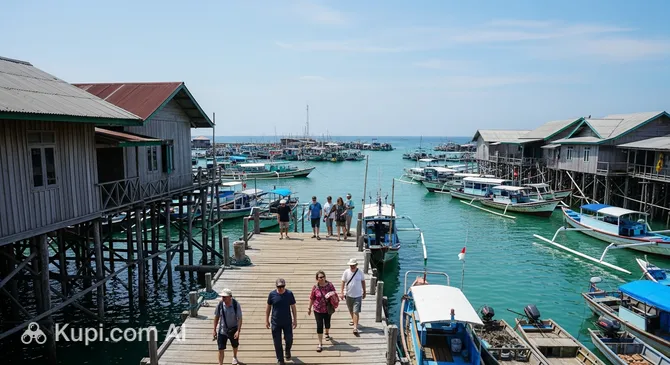
Dobo. Source: Kupi.Binoculars

The town has a distinct character shaped by its connection to the sea. The history of Dobo is deeply intertwined with the maritime trade, having long established itself as a significant center for the collection and distribution of sea products. Today, it remains famous for its high-quality pearls, which are a major draw for visitors and a cornerstone of the local economy. Travelers can explore the local markets to see these treasures up close or soak in the unique vibe of the waterfront.

Beyond its commercial appeal, Dobo is the perfect starting point for eco-adventures into the surrounding Aru Islands. It is often the base for expeditions to spot the magnificent Cendrawasih (Bird of Paradise) in its natural habitat or to discover pristine, untouched beaches. For those looking to experience a destination off the beaten path, Dobo provides a warm welcome and a memorable glimpse into the rich natural and cultural heritage of Eastern Indonesia.

Weather Overview

The climate in this part of Maluku is tropical and generally warm, making it a destination that can be visited year-round. Temperatures remain remarkably consistent, with monthly averages fluctuating only slightly between 25.8°C in July and 27.6°C in November. The days are typically hot, with maximum temperatures reaching up to 29.4°C, while nights stay pleasant with minimums rarely dropping below 24°C.

Rainfall is a constant companion here, characterized by a high frequency of wet days rather than intense downpours. For detailed forecasts, you can check the weather in Dobo before your trip, but generally, you should be prepared for frequent precipitation. March is historically the wettest month with rain occurring on up to 30 days, while August offers the driest conditions with about 17 wet days. Expect warm, humid conditions year-round with frequent, likely light, showers throughout most of the calendar.

Interesting Facts

Beyond its reputation as a busy port, Dobo holds many fascinating secrets that highlight its unique place in maritime history and natural science. Here are a few intriguing facts about this remote island capital:
  • A Naturalist's Haven: The famous British naturalist Alfred Russel Wallace lived in Dobo for several months in 1857. He was captivated by the town's vibrant mix of cultures and described it vividly in his classic scientific work, The Malay Archipelago, while collecting specimens in the surrounding jungles.

  • The "Footless" Bird Legend: Dobo was the historical trading hub for the Greater Bird of Paradise. Early preserved skins sent to Europe from here often had their legs removed by local hunters, leading European scientists to name the species Paradisaea apoda (meaning "footless") and mistakenly believe the birds flew eternally without ever touching the ground.

  • The Pearl Capital: The town is widely known as a major center for the production of high-quality South Sea pearls. This lucrative industry is so central to the local identity that Dobo is frequently referred to as the "City of Pearls," attracting traders and buyers from across the globe.

  • A Historic Melting Pot: Despite its remote location, Dobo has been a cosmopolitan meeting point for centuries. Long before modern travel, it served as a bustling seasonal market where Bugis, Chinese, Arab, and Dutch traders converged to exchange goods, creating a diverse cultural heritage that persists today.

How to Get There

Reaching the remote and beautiful Aru Islands requires a bit of planning, as Dobo is located off the main tourist trails of Indonesia. For a comprehensive guide on the best routes and transport modes, you can read more about how to get to Dobo. The journey itself is often part of the adventure, offering glimpses of the stunning archipelago from the air or sea.

While Dobo is an island destination, travelers often connect through major regional hubs in the Maluku and Papua provinces. One of the closest significant transport nodes is Langgur Airport (IATA: LUV), located in the city of Langgur. It is situated approximately 161 km from Dobo. Since Langgur is on the neighboring Kei Islands, you cannot take a taxi or bus directly to Dobo; instead, this airport serves as a transit point for connecting flights or ferries. Another regional option is Nabire (IATA: NBX), located in Nabire on the island of Papua, about 300 km away. Both airports handle a moderate volume of regional traffic and are essential gateways for exploring Eastern Indonesia.

For clarity, here is a summary of the main airports in the wider region:

Airport Name City Passenger Traffic Km from City
Langgur Airport Langgur 150,000 161.6
Nabire Nabire 287,000 299.8

As Dobo is situated on an archipelago with no land connection to other major islands, there are no railway services available. The most common way to arrive is by sea using PELNI passenger ships or by smaller connecting flights that service the local area.

Main Attractions

While Dobo is primarily known as a commercial port and transit hub, it possesses a distinct charm and several points of interest that offer travelers a glimpse into the history and culture of the Aru Islands. The town is compact and easily explorable on foot or by local transport, revealing a mix of colonial remnants, bustling markets, and scenic coastal spots.

One of the most significant landmarks in the city is the Yos Sudarso Monument. Standing proudly near the waterfront, this statue commemorates Commodore Yos Sudarso, an Indonesian national hero involved in the naval history of the region. For tourists, it serves as an important historical marker and a central gathering point. The area around the monument offers sweeping views of the harbor, making it an excellent spot to watch the sunset and observe the daily maritime activities that define the town's rhythm.

No visit to Dobo is complete without exploring its reputation as the "City of Pearls." The local pearl markets and jewelry shops are a major attraction for visitors. The Aru Islands are famous for producing high-quality South Sea pearls, and in Dobo, travelers can find them in various shapes, sizes, and colors at competitive prices. Browsing these shops provides not just an opportunity to purchase exquisite souvenirs but also to learn about the pearl farming industry that has sustained the local economy for generations.

For a relaxing escape from the town center, Belakang Wamar Beach is a favorite among locals and visitors alike. Located on the opposite side of Wamar Island from the main port, this stretch of coastline offers a quieter atmosphere with calm waters and soft sands. It is a perfect location for a leisurely afternoon stroll, a picnic, or simply enjoying the sea breeze away from the hustle of the commercial docks.

Finally, Dobo serves as the essential gateway for Bird of Paradise exhibitions. While the birds themselves inhabit the dense rainforests of the surrounding islands rather than the city center, Dobo is where all eco-tours begin. In the town, you can arrange guides and boats to venture into the habitat of the Greater Bird of Paradise (Paradisaea apoda). For nature enthusiasts, the town is the starting line for one of the most spectacular wildlife experiences in Indonesia.

Local Cuisine

The culinary scene in Dobo is deeply rooted in its identity as a maritime hub, offering seafood lovers a true feast of fresh flavors. As a port town in the Aru Islands, the daily catch dictates the menu, with grilled fish (ikan bakar) being the undisputed star. Local warungs typically serve freshly caught snapper, baronang, or tuna, grilled over coconut shells and accompanied by colo-colo—a signature Maluku condiment made from chopped chilies, shallots, tomatoes, and calamansi lime juice giving a spicy and sour kick that perfectly complements the smoky fish.

For a truly authentic taste of the region, travelers should try Papeda. This glue-like porridge made from sago starch is the staple carbohydrate of the islands, revered for its cooling properties and distinct texture. It is traditionally swallowed rather than chewed and is almost always paired with Ikan Kuah Kuning, a savory fish soup rich in turmeric, lime, and basil. Another delicacy worth seeking out is the local shellfish, including the highly prized Aru lobster and various types of crabs, which are often prepared simply to highlight their natural sweetness.

When it comes to beverages, the coffee culture in Dobo is surprisingly vibrant. The town is dotted with traditional warung kopi (coffee houses) where locals gather to socialize over a glass of strong, sweet coffee or coffee milk. For those interested in traditional alcoholic drinks, Sopi is the local palm wine produced in the Maluku region. It is a potent spirit distilled from the sugar palm tree and is often consumed during social gatherings or traditional ceremonies, though it is potent and should be tried with caution.

Dining in Dobo is a casual and communal affair, often centered around the bustling activity of the port and markets. You won't find fine dining establishments here; instead, the best food is found in open-air stalls and small family-run eateries known as warungs. A visit to the Pasar Jargaria (the main market) offers a glimpse into the local food source, while the night market areas come alive with vendors selling fried snacks, fresh seafood, and nasi kuning (yellow rice), providing a warm and authentic atmosphere for dinner.

Travel Tips

Visiting Dobo is a unique adventure that takes you off the beaten path and into the heart of the Aru Islands. To ensure your journey to this remote maritime hub is as smooth and enjoyable as possible, we have compiled a list of essential practical tips to help you prepare.

  1. Clothing and Gear: Given the tropical and humid climate, lightweight and breathable fabrics like cotton or linen are your best friends. Since rain is frequent throughout the year, packing a sturdy umbrella or a high-quality raincoat is essential. If you plan to visit local villages or religious sites, remember to dress modestly by covering your shoulders and knees. Don't forget comfortable, non-slip shoes for walking around the wet port areas and sturdy sandals for beach excursions.

  2. Transportation: Dobo is a compact town, and there are no metros, trams, or large bus networks. The most common way to get around is by ojek (motorcycle taxi). You can easily find them at the port and market areas; be sure to agree on the fare before starting your ride, as meters are not used. For exploring the surrounding islands or visiting the Bird of Paradise habitats, you will need to charter a speedboat or a traditional longboat from the harbor.

  3. Finances: Cash is king in Dobo. While there are a few ATMs (typically Bank BRI, BNI, or Mandiri) in the town center, they can occasionally run out of cash or experience network issues. It is highly advisable to bring a sufficient supply of Indonesian Rupiah (IDR) with you, ideally exchanged in a major city like Ambon or Jakarta before arrival. Credit cards are rarely accepted outside of perhaps the largest pearl shops or hotels.

  4. Health and Safety: The Aru Islands are in a region where malaria can be a concern, so bringing strong insect repellent and consulting your doctor about prophylaxis before the trip is crucial. Pharmacies (apotek) are available in town but may not be open 24/7. Stick to drinking sealed bottled water and avoid tap water. The town is generally safe, but as with any busy port, keep a close eye on your belongings in crowded markets.

  5. Communication: English is not widely spoken in Dobo, except perhaps by some tour guides or pearl traders. Learning a few basic phrases in Bahasa Indonesia such as "Terima kasih" (Thank you) and "Berapa harganya?" (How much is this?) will go a long way. For mobile data, Telkomsel is the most reliable provider in this remote region; you can purchase a SIM card at local kiosks in the town center.

  6. Local Etiquette: The people of Dobo are friendly and welcoming. A smile and a nod are universal greetings here. When handing money, food, or shaking hands, always use your right hand, as the left hand is considered unclean in local culture. If you are invited into a local home, it is customary to remove your footwear at the door unless told otherwise.

  7. What to Avoid: Avoid public displays of affection, as the local culture is socially conservative. Also, refrain from taking photos of locals, especially children or elders, without asking for their permission first. It is polite to ask "Boleh foto?" (May I take a photo?) to show respect.

  8. Power Supply: Be prepared for occasional power outages, which can happen in remote island towns. Bringing a high-capacity power bank and a universal adapter (Indonesia uses the two-pin Type C and F sockets) will ensure your devices stay charged, especially if you are using your phone for navigation or photos.

By keeping these practical tips in mind, you will be well-equipped to navigate the charming streets of Dobo and immerse yourself in the local culture without worry. Embrace the slower pace of island life, connect with the friendly locals, and enjoy the authentic experience that this pearl of the Aru Islands has to offer.

Entertainment & Nightlife

Nightlife in Dobo is a reflection of its identity as a busy maritime hub. Unlike the polished tourist strips found in other parts of the archipelago, the evening scene here is raw, authentic, and deeply connected to the sea. As the sun sets, the town shifts gears from a commercial trading port to a lively playground for locals, traders, and sailors returning from weeks at sea. The atmosphere is unpretentious and energetic, centered largely around music, late-night dining, and socializing in open-air venues.

The heart of the action is undoubtedly the waterfront area and the streets surrounding the main port. This district comes alive after dark, pulsing with the sound of music spilling out from various establishments. The crowd is a mix of local residents and a transient population of seafarers from across Indonesia, creating a unique, rough-around-the-edges vibe. Dress codes are virtually non-existent; shorts, t-shirts, and flip-flops are the standard attire, even in the most popular nightspots.

For those looking to experience the local party culture, karaoke is the main attraction. Singing is a favorite pastime in Maluku, and Dobo is dotted with karaoke lounges and parlors that stay open late. Rather than specific high-end clubs, you will find numerous local venues where the energy is high and the drinks flow freely. It is a communal activity where locals and visitors alike belt out ballads and pop songs, offering a fascinating window into the social dynamics of this island community.

If you prefer a more relaxed evening with a view, the harbor area is lined with small, casual cafes and warungs. These venues typically offer a laid-back environment where you can enjoy a cold beer or a glass of fresh juice while listening to the waves lapping against the docks. For foodies, the night market scene along the waterfront is an essential stop. Here, the air is thick with the aroma of grilled seafood and clove cigarettes. It is the perfect place to grab a cheap, delicious meal of fresh fish or fried rice while soaking in the bustling harbor atmosphere.

Practical advice for a night out in Dobo includes bringing plenty of cash, as card machines are rare in night venues. Prices are generally affordable, though alcohol in entertainment venues can be priced higher than in local shops. Getting around at night is best done by ojek (motorcycle taxi). They are usually easy to find near the port and market areas, but be sure to agree on a price before you hop on. While the town is generally safe, it is wise to stay in well-lit areas and be cautious around groups of intoxicated sailors late at night.

Regarding daytime entertainment, travelers should manage their expectations. Dobo does not have theaters, amusement parks, or large museums. The "entertainment" here is organic and outdoor-focused. Days are best spent exploring the Pasar Jargaria to see the pearl trade in action or taking boat trips to nearby islands for birdwatching and beach picnics. The town's charm lies in its lack of commercial distractions, offering a pure and unfiltered experience of island life.

Parks & Museums

Dobo is a destination where the boundaries between urban life and the untamed wilderness are beautifully blurred. While the town does not boast manicured botanical gardens or grand national museums in the traditional sense, it offers a wealth of natural areas and living cultural exhibits that rival any formal institution. The entire island of Wamar serves as an open-air gallery of maritime history, while the surrounding landscapes provide a lush, green escape for nature lovers.

Key Parks and Green Spaces

For those seeking a refreshing retreat into nature, Batu Kora Beach is a standout location situated just a few kilometers from the town center in the village of Wangel. This scenic spot is defined by its massive, towering rock formations that rise dramatically from the sea and sand. It is not just a place to swim; it is a natural park where locals gather to watch breathtaking sunsets over the Arafura Sea. The combination of white sand, unique geological features, and the shade of coconut trees makes it an ideal spot for a relaxing afternoon picnic.

Surrounding the town limits are the extensive Mangrove Forests, which function as Dobo's most vital "green lung." These dense, verdant wetlands are accessible by small boats and offer a starkly beautiful contrast to the busy port. Exploring these waterways allows visitors to immerse themselves in a tranquil world teeming with life, from mudskippers and crabs to various coastal bird species. It is a raw, unmanicured natural garden that showcases the rich biodiversity of the Aru Islands.

Museums and Cultural Venues

In Dobo, culture is not kept behind glass cases; it is lived and breathed in the streets and markets. The Pearl Markets act as the town's premier "gallery," showcasing the gems that have made Aru famous for centuries. Visitors can browse through collections of South Sea pearls that rival the displays of major international jewelry houses. These markets offer more than just shopping; they provide a deep dive into the craftsmanship and trade history that define the local identity, allowing you to speak directly with traders whose families have been in the business for generations.

The Old Town District near the waterfront serves as an architectural museum of sorts. Here, you can observe the rows of traditional Chinese trading houses and the unique stilt settlements that extend over the water. Walking through these neighborhoods offers a glimpse into the multicultural heritage of the town, where Bugis, Chinese, and Arab influences have blended with local customs. The enduring architecture and the bustling daily life of the residents tell the story of Dobo's past as a pivotal spice and pearl trading hub.

Historical and Architectural Sites

One of the most prominent landmarks in the city is the Masjid Raya Dobo (Great Mosque). This architectural gem stands out with its striking design, said to be inspired by the famous Baiturrahman Grand Mosque in Banda Aceh. Its grand domes and minarets dominate the skyline, symbolizing the strong community spirit and religious devotion of the local population. It is a peaceful and photogenic site that reflects the artistic sensibilities of the island's inhabitants.

Another significant site is the Bird of Paradise Monument, a colorful statue located at a key junction in the town. It pays homage to the Cendrawasih, the magnificent bird that brought naturalists like Alfred Russel Wallace to these shores in the 19th century. While it is a modern structure, it serves as a constant reminder of the region's unique ecological importance and is a popular waypoint for travelers navigating the island.

Authentic Experiences

For a truly authentic experience, take a short trip to the nearby Village of Durjela. Unlike the commercial center of Dobo, this village offers a quieter, more traditional atmosphere where you can observe the daily rhythms of coastal life. It is an excellent place to see traditional boat-building skills in action or to simply sit by the shore and chat with friendly locals, gaining insights into the Aru way of life that you won't find in any guidebook.

Getting Around

Public transport in Dobo is characterized by its informality and simplicity, reflecting the laid-back nature of life in the Aru Islands. Tourists should adjust their expectations immediately: there are no metros, trams, trains, or large city buses here. Instead, the local transport system relies heavily on small, flexible vehicles and maritime connections that are well-suited to the town's compact geography and archipelagic setting. Getting around is generally inexpensive and offers a chance to interact directly with local residents.

The most ubiquitous form of land transport is the Ojek (motorcycle taxi). You will see these everywhere in the town center and around the port area. They effectively function as the city's primary taxi service, able to weave through narrow streets and deliver passengers directly to their destination. There is no need to look for a designated stand or use an app; simply standing by the roadside and waving at a passing rider is usually enough to hail a ride. Drivers often wear helmets or vests that distinguish them, though in a small town like this, many operate quite informally.

For slightly longer distances on Wamar Island, such as the trip to the airport or to villages on the outskirts like Durjela, you may encounter Mikrolets (public minibuses). These vans follow specific routes rather than a set timetable, typically departing only when they are full of passengers. They are color-coded or marked with their destination, but the system can be confusing for newcomers. It is best to ask a local or your accommodation host which van to take. They are the most budget-friendly option for land travel, though they lack air conditioning and can be crowded.

Given Dobo's status as a port city, water transport is an integral part of the public transit network. Speedboats and traditional longboats act as "water buses" connecting the main town to neighboring islands and coastal villages that are inaccessible by road. These boats congregate at the main harbor, and like the land-based mikrolets, they often wait for a sufficient number of passengers before setting off. For a tourist, chartering a private boat is often necessary for specific sightseeing trips, but hopping on a public boat is a viable way to reach nearby settlements.

The payment system across all modes of transport is strictly cash-based. There are no travel cards, electronic passes, or mobile ticketing apps. You must pay the driver directly in Indonesian Rupiah (IDR). For mikrolets, the fare is fixed and very cheap; you simply hand the money to the driver when you exit. For ojeks, however, the price is often negotiable. It is highly recommended to agree on the fare before you get on the bike to avoid misunderstandings later. Carrying small bills is essential, as drivers frequently do not have change for large denominations.

Walking is a genuine and pleasant alternative for exploring the town center. Dobo is compact, and key areas like the Pearl Market, the waterfront, and the Yos Sudarso Monument are all within easy walking distance of each other. There are no official bike-sharing schemes or car rental agencies in the international sense. If you wish to drive yourself, you might be able to negotiate a private motorbike rental from a local or through your guesthouse, but this is an informal arrangement rather than a standardized service.

Travelers should be aware that public transport operates largely during daylight hours. Ojeks are available into the evening, especially around the harbor and night market areas, but their frequency drops significantly late at night. Mikrolets and public boats typically stop running after sunset. If you plan to be out late or have an early morning departure, it is wise to pre-arrange your transport with a trusted driver or through your hotel to ensure you are not left stranded.

Accommodation

Accommodation in Dobo reflects the town's character as a remote maritime outpost rather than a mainstream tourist resort. Travelers should manage their expectations before arrival; you will not find international luxury chains, sprawling resorts, or high-end boutique hotels here. Instead, the hospitality scene is dominated by small, locally-owned hotels and penginapan (guesthouses) that offer basic but comfortable lodging suitable for the adventurous spirit of visitors to the Aru Islands.

The available accommodation can generally be divided into two categories: standard hotels and budget guesthouses. The "top-tier" options in town, such as the well-known Hotel Grand Aru or similar establishments near the government offices, typically provide air-conditioned rooms, private bathrooms with western-style toilets, and occasionally television sets. While these amenities might seem standard elsewhere, in Dobo, they represent the height of comfort. It is worth noting that hot water showers are a rarity; in this tropical climate, cool water is the norm and often refreshing.

For budget-conscious travelers, penginapan are the most common choice. These family-run establishments offer a more authentic experience and are often located within residential buildings. Facilities here are modest, frequently featuring rooms with fans rather than air conditioning and shared bathrooms. In many of these smaller lodgings, you may encounter the traditional Indonesian mandi—a tiled water tank with a plastic scoop used for bathing—instead of a showerhead. These places are known for their warm hospitality, with owners often eager to help guests organize transport or boat charters.

Location-wise, most accommodation is clustered around the bustling Port of Dobo and the main commercial streets like Jalan Yos Sudarso. staying in this area is highly practical, as it places you within walking distance of the markets, ferry terminals, and eateries. However, the convenience comes with the vibrant noise of port activity and morning markets. For a quieter night's sleep, you may need to look for guesthouses located slightly further inland, away from the immediate waterfront.

Booking accommodation in Dobo requires a different approach than in major cities. Very few local properties are listed on international booking platforms or have their own websites. Reservations are typically made via telephone or instant messaging apps like WhatsApp, often requiring a bit of patience and perhaps a local contact to assist with the language barrier. Walk-ins are common and generally acceptable, though availability can be tight during major government events or festivals. Crucially, payment is almost exclusively in cash (Indonesian Rupiah), so ensure you have sufficient funds on hand to cover your stay upon arrival.

Nearby Cities

For those looking to explore the surroundings, Dobo serves as an excellent base for day trips to several interesting nearby locations. While the Aru Islands are relatively isolated, the surrounding region offers unique destinations for travelers willing to venture a bit further for a short visit or to continue their island-hopping adventure.

Nabire, located approximately 300 km away on the coast of Papua, is a fantastic destination for nature enthusiasts. It serves as the primary gateway to the magnificent Teluk Cendrawasih National Park, a marine protected area famous globally for offering the rare opportunity to swim alongside gentle whale sharks in their natural habitat. The town also offers access to pristine diving spots and lush tropical landscapes that contrast with the low-lying geography of Aru.

Another intriguing option is Fakfak, often referred to as the "City of Nutmeg." Situated on the Bomberai Peninsula, this historic town is renowned for its ancient spice trade heritage and dramatic limestone cliffs. Visitors can explore the charming colonial-era architecture, visit the old mosques that reflect the region's deep Islamic history, or simply enjoy the stunning views of the coastline where the mountains meet the sea.

To the southwest lies Saumlaki, the main hub of the Tanimbar Islands. It is a cultural treasure trove known for its exquisite traditional ikat weaving (Tenun Ikat Tanimbar) and woodcarving. The town offers a different cultural vibe compared to Dobo, with beautiful beaches like Weluan Beach and a strong spiritual heritage, making it a rewarding stop for those interested in the diverse arts and traditions of the Maluku province.

City Population Distance (km)
Saumlaki 149,790 406
Manokwari 136,000 541
Biak 103,610 557
Nabire 99,848 300
Fakfak 84,846 378

These nearby destinations offer a glimpse into the diverse culture and landscapes of the region, providing memorable experiences for those eager to explore the wider beauty of Eastern Indonesia.

Shopping & Souvenirs

Shopping in Dobo offers a distinct experience that contrasts sharply with the glitzy malls of Jakarta or Bali. As a remote port town, the retail scene here is traditional, authentic, and deeply connected to the ocean. The city does not offer high-end fashion boutiques or sprawling commercial centers; instead, it is a place where trade feels personal and historic. The primary allure for visitors lies in the town's reputation as the "City of Pearls," making it one of the best places in Indonesia to purchase high-quality sea gems directly from the source.

The main commercial activity is concentrated along the waterfront, particularly on Jalan Yos Sudarso and the streets immediately surrounding the port. This area serves as the town's economic artery, lined with rows of small shophouses (ruko) that sell everything from daily necessities and electronics to maritime equipment. For tourists, this is the best place to stroll and soak in the atmosphere, as the shops here are often family-owned businesses that have been operating for decades, offering a glimpse into the daily life of the Aru people.

Travelers should be aware that there are no shopping malls in Dobo. You will not find department stores, branded franchises, or cinema complexes. The retail environment is strictly local. If you need specific toiletries, pharmaceutical items, or specialized gear, it is best to bring them with you from a larger city, as the selection in local convenience stores can be limited to basic brands.

The heartbeat of the local shopping scene is undoubtedly Pasar Jargaria. This bustling market is the central hub for fresh produce and local commodities. While it is primarily a wet market selling freshly caught fish, vegetables, and spices, it is also a fascinating place to explore for visitors. In the early mornings, the energy is infectious as traders haggle over the night's catch. Adjacent to the food sections, you can often find stalls selling simple clothing, textiles, and household goods, providing a colorful backdrop for photography and cultural immersion.

When it comes to souvenirs, pearls are the undisputed highlight. The Aru Islands are famous for producing some of the finest South Sea pearls in the world. In Dobo, you can find specialty shops and authorized traders selling pearls in various forms—from loose gems to elaborate necklaces and rings. The prices here are often significantly lower than in major jewelry stores elsewhere, but it helps to have a discerning eye. Apart from pearls, visitors often buy dried seafood or local snacks made from sago, such as sagu lempeng, which make for unique, edible gifts.

Store hours in Dobo generally follow a standard tropical schedule. Most shops open around 8:00 AM and close by 9:00 PM, though smaller stalls may operate until later in the evening. It is important to note that many businesses may close briefly for midday prayers, especially on Fridays. Regarding payment, cash is king. Credit cards are rarely accepted outside of perhaps the largest pearl traders or the main hotel. ATMs are available but can be unreliable, so carrying a sufficient amount of Indonesian Rupiah (IDR) is essential for all your shopping needs.

Tax-free shopping and VAT refund schemes are not available in Dobo. The tax refund system for tourists in Indonesia is generally limited to specific retailers in major international airports and large cities like Jakarta and Denpasar. In Dobo, the price you see (or the price you negotiate) is the final price, and no tax refund forms will be issued.
Reached the end of the page?

That means the route is fully explored