Support

Langgur

About

Welcome to Langgur, a serene and inviting town located in the Maluku province of Indonesia. Serving as the capital of the Southeast Maluku Regency, this town is widely recognized as the primary gateway to the breathtaking Kei Islands. With its laid-back atmosphere and friendly local community, Langgur offers travelers a perfect blend of modern convenience and tropical tranquility.
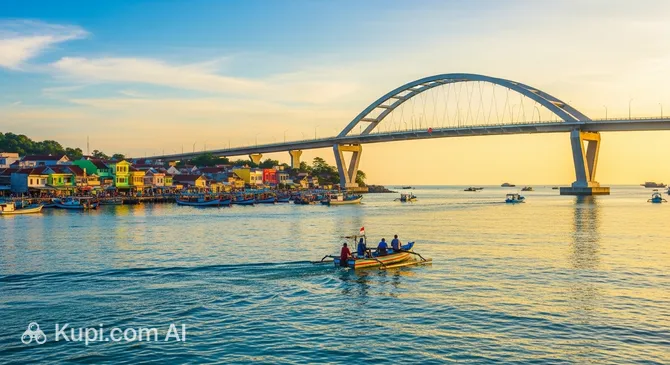
Langgur. Source: Kupi.Binoculars

Geographically situated on the island of Kei Kecil, the town enjoys a warm tropical climate year-round, making it an ideal destination for sun-seekers. It is closely connected to the neighboring city of Tual by a bridge, creating a unique twin-city dynamic in the region. With a population of approximately 27,000 residents, Langgur maintains a cozy, small-town feel while providing essential amenities for visitors embarking on island adventures.

While it stands today as a bustling administrative hub, the history of Langgur is deeply rooted in the development of the Kei archipelago. The town has evolved over the decades to become a focal point for commerce and governance, all while preserving the traditional warmth and hospitality that the local culture is known for.

The true magic of the area lies in its proximity to some of the world's most spectacular natural wonders. A highlight for any visitor is the famous Ngurbloat Beach (Pasir Panjang), which is renowned for having some of the softest white sand on the planet. The crystal-clear turquoise waters surrounding the island are perfect for swimming and snorkeling, offering a glimpse into the vibrant marine life of the region.

Whether you are looking to relax on pristine beaches, explore hidden caves, or simply enjoy the peaceful island pace, Langgur is a destination that promises unforgettable memories. We invite you to pack your bags and discover this hidden gem of the Indonesian archipelago.


Weather Overview

Langgur enjoys a warm, tropical climate throughout the year, making it a reliable destination for travelers seeking heat and sun. The temperatures are remarkably consistent, with monthly averages generally hovering between 26°C and 28°C. The warmest days are typically observed around November, with average highs reaching up to 28.7°C, while August tends to be the coolest month, though still pleasantly warm with average lows around 25.3°C.

Rainfall is a frequent occurrence in the region, characterized by a high number of wet days rather than extreme accumulation. The first half of the year is notably wetter, with May experiencing precipitation on up to 28 days. Conversely, the period from August to October offers a slightly drier window, with August recording the fewest wet days of the year. To help plan your activities around the rain, you can consult the detailed forecast for the weather in Langgur.

Interesting Facts

Beyond the main attractions, Langgur holds many fascinating secrets that reveal the unique character of the Kei Islands and their distinct culture.

  • A Tale of Two Cities: Although often mentioned in the same breath as its neighbor Tual, Langgur is administratively distinct. It serves as the capital of the Southeast Maluku Regency, while Tual is an independent city. The two are connected by the Watdek Bridge and are famous for their social harmony, with Langgur being predominantly Catholic and Tual predominantly Muslim, living side-by-side in peace.

  • The Phenomenon of Meti Kei: The area is renowned for a unique natural event known as "Meti Kei," typically occurring around October. During this period, the sea tide recedes drastically, sometimes for kilometers, allowing locals and visitors to walk across the dry seabed between islands that are usually separated by deep water.

  • A Toxic Culinary Staple: One of the most interesting local foods is "embal," a carbohydrate source made from a specific type of poisonous cassava. The locals utilize a traditional processing method to remove the toxins effectively, creating a safe and durable food that often replaces rice at the dinner table.

  • Australian Visitors: Langgur and the surrounding Kei Islands serve as a surprising seasonal stopover for Australian Pelicans. These large birds migrate from Australia during the winter months, creating a unique spectacle as they gather in the tropical waters of the archipelago.

How to Get There

Reaching this remote and beautiful part of the Maluku archipelago is an adventure in itself. While the journey may involve transit through major Indonesian hubs, the destination is well worth the effort. You can find all ways to reach the city and plan your route to the Kei Islands with ease.

The primary gateway for visitors is Langgur Airport (LUV), also known as Karel Sadsuitubun Airport. It is a regional hub located approximately 11.4 km from the town center. Flights here typically connect via Ambon, making it accessible from other parts of Indonesia. Upon arrival, a taxi or local transport can take you to the city center in about 37 minutes. The airport handles a steady flow of travelers, serving as the essential link for tourism and commerce in the region.

For clarity, here is a summary of the main airports:

Airport Name City Passenger Traffic Km from City
Langgur Airport Langgur Small 11.4

Since there are no railway networks on the Kei Islands, air travel remains the fastest method of entry. However, for those with more time or looking for a scenic maritime experience, sea transport is a popular alternative. PELNI passenger ships frequently dock at the nearby port in Tual, connecting the region to Ambon, Banda, and Papua.

Main Attractions

Langgur is the perfect jumping-off point for exploring the Kei Islands, a region celebrated for its untouched natural beauty and crystal-clear waters. While the town itself serves as an administrative center, its surroundings offer some of the most spectacular landscapes in Eastern Indonesia. Here are the main attractions you should not miss during your visit.

Undoubtedly the most famous destination in the area is Ngurbloat Beach, also known as Pasir Panjang. Located just a short drive from Langgur, this beach is legendary for having what is widely considered the softest sand in the world, often compared to flour. The shoreline stretches for kilometers, lined with swaying coconut palms and facing the tranquil blue sea. It is an idyllic spot for swimming, sunbathing, and witnessing breathtaking sunsets that paint the sky in vibrant hues.

For a touch of adventure and mystery, a visit to Hawang Cave (Gua Hawang) is essential. Hidden within a lush forest, this freshwater cave pool is connected to the sea via underground channels. The water is incredibly clear, shimmering with a cool blue tint when sunlight filters through the cave entrance. Local legends surround the cave, adding a mystical atmosphere to a refreshing swim in its stony depths.

Another natural marvel is Ngurtavur Beach, a spectacular sandbar that extends over two kilometers into the middle of the ocean. Accessible by boat, this unique formation allows you to walk with the sea on both sides. It is also a habitat for migrating Australian Pelicans, which can often be seen resting on the sands, making it a fantastic spot for wildlife photography and drone enthusiasts.

Gota Supermarket. Source: Kupi.Binoculars

While nature dominates the itinerary, visitors needing to restock on supplies or experience the local commercial pulse can visit Gota Supermarket. As one of the primary shopping venues in the town, it offers a range of goods from daily necessities to local snacks. It provides a convenient stop for travelers preparing for day trips to the more remote islands or beaches.

Finally, for a panoramic view of Langgur, Tual, and the surrounding islands, a trip to Masbait Hill is highly recommended. As the highest point on Kei Kecil, it serves as a pilgrimage site featuring the Stations of the Cross and a statue of Jesus at the summit. Regardless of faith, the hilltop offers the best vantage point for watching the sunrise, providing a serene and spiritual start to the day.

Local Cuisine

The culinary landscape of Langgur is a delightful reflection of its coastal location and the rich traditions of the Kei Islands. Seafood plays a central role in the daily diet, with fresh catch arriving daily from the surrounding pristine waters. Visitors can expect bold flavors, often characterized by the use of fresh spices, coconut, and chili, creating a gastronomic experience that is both rustic and memorable.

One cannot visit this region without trying Embal, the staple food of the Kei people. Made from cassava, it serves as the primary source of carbohydrates, often replacing rice. It comes in various forms, from the hard, biscuit-like embal love enjoyed with tea to steamed versions served with savory dishes. It is perfectly paired with Ikan Bakar (grilled fish), which is typically served with colo-colo, a spicy and tangy condiment made from chopped chilies, tomatoes, shallots, and lime juice. Another unique local delicacy is Lat, a type of seaweed salad often referred to as sea grapes, mixed with grated coconut and lime for a refreshing crunch.

For beverages, the tropical climate calls for refreshing options like fresh young coconut water, often enjoyed right on the beach. On the warmer side, Kopi Rarobang is a must-try for coffee lovers; this traditional Maluku coffee is infused with warming spices like ginger and cloves, and sometimes sprinkled with walnuts. In terms of local spirits, Sopi is a traditional palm wine produced in the region, reflecting the local social customs and often consumed during gatherings or celebrations.

Dining in Langgur offers a relaxed atmosphere, ranging from simple roadside warungs to casual restaurants serving family-style meals. The local eateries are the best places to experience authentic home cooking. If you are looking to purchase local snacks, drinks, or ingredients to take with you, Gota Supermarket is a convenient stop to explore the variety of packaged local goods and daily necessities available to residents.

Travel Tips

Preparing for a trip to Langgur requires a bit of foresight due to its remote location in the breathtaking Kei archipelago. To help you navigate local customs and logistics for a hassle-free adventure, we have compiled a list of essential practical advice.

  1. Clothing and Gear: Pack lightweight, breathable fabrics to stay comfortable in the humid tropical climate. Since Langgur is a fairly conservative town, bring clothing that covers your shoulders and knees for walking around the center or visiting villages. Don't forget reef shoes to protect your feet from coral when swimming and a universal travel adapter (Type C or F) for your electronics.

  2. Getting Around: There is no formal public transport system like buses or trains. The most common way to travel short distances is by ojek (motorcycle taxi) or by renting a scooter if you are a confident rider. For day trips to beaches like Ngurbloat, hiring a car with a local driver is the safest and most comfortable option.

  3. Cash and Currency: The Indonesian Rupiah (IDR) is the only currency used. While there are ATMs in Langgur and neighboring Tual (look for BNI, BRI, or Mandiri), they can occasionally be out of service. It is crucial to carry sufficient cash, as credit cards are almost never accepted at local warungs, markets, or smaller guesthouses.

  4. Health and Safety: Pharmacies (*Apotek*) are available in town but may not stock specific international brands, so bring a personal medical kit with your prescriptions. Mosquito repellent is a must to prevent bites, especially in the evenings. Always drink bottled or filtered water and avoid tap water to prevent stomach issues.

  5. Language and Connectivity: English is not widely spoken outside of the main tourist accommodations. downloading an offline translation app or learning basic Bahasa Indonesia phrases like Terima kasih (Thank you) is highly recommended. For mobile internet, Telkomsel provides the best coverage in the Maluku region; you can buy a SIM card in the town center.

  6. Local Etiquette: The people of Langgur are known for their warmth and friendliness. It is polite to smile and nod when passing locals on the street. Always use your right hand when eating, shaking hands, or giving money, as the left hand is culturally considered unclean. If entering a home or certain shops, remember to remove your shoes.

  7. What to Avoid: Avoid wearing swimwear or revealing clothing anywhere other than the beach, as this is considered disrespectful in the town and residential areas. Public displays of affection should also be kept to a minimum to respect local social norms.

  8. Island Hopping Essentials: If you plan to visit the outer islands or sandbars like Ngurtavur, bring a waterproof dry bag for your camera and phone. Small boat journeys can be wet due to waves or sudden tropical showers, and protecting your electronics is a simple precaution that can save your trip.

With these tips in mind, you are well-prepared to embrace the warm hospitality and stunning natural beauty of Langgur. Enjoy the pristine white sands and the relaxed island pace that make this destination a truly unforgettable escape.

Entertainment & Nightlife

Entertainment and nightlife in Langgur are defined by a relaxed, small-town atmosphere rather than a bustling club scene. Travelers looking for neon lights and thumping bass might be surprised to find that the evening culture here revolves around casual socializing, acoustic music, and culinary exploration. The vibe is incredibly laid-back, with locals and visitors alike gathering to enjoy the cool tropical breeze after the sun goes down.

The epicenter of evening activity is often found around the Watdek Bridge, which connects Langgur to its twin city, Tual. As dusk falls, this area comes alive with street food vendors and small stalls. It is a fantastic place to mingle with residents, try local snacks, and soak in the view of the fishing boats bobbing in the water. The crowd here is diverse and friendly, consisting of families, young people, and travelers enjoying the "nongkrong" (hanging out) culture that is central to Indonesian social life.

For a more structured evening out, karaoke is the most popular form of entertainment in the region. Several venues offer private rooms or open lounges where you can sing your heart out. The Grand Vilia Hotel is one of the more prominent spots in town, often featuring a restaurant and lounge area where you can enjoy a cold drink and occasional live music in a comfortable, air-conditioned setting. It provides a safer and more upscale environment compared to smaller roadside bars.

If you prefer a quiet night in or an impromptu beach gathering, you can stock up on supplies at Gota Supermarket. Since dedicated liquor stores are rare, this is a reliable place to purchase snacks, soft drinks, and sometimes local refreshments to enjoy from the balcony of your guesthouse while watching the stars.

Practicality is key when navigating the night. Most venues close relatively early, often by 10:00 PM or 11:00 PM, though karaoke spots may stay open later. Transportation can be scarce late at night, so it is advisable to arrange a ride with an ojek (motorcycle taxi) driver beforehand or ask your hotel to call a taxi. The town is generally safe for evening walks, particularly on main roads, but it is always wise to stay in well-lit areas.

Regarding daytime entertainment, Langgur does not feature large amusement parks, cinemas, or shopping malls. The "entertainment" here is deeply connected to nature and culture, such as visiting traditional villages or exploring the coastline. For those seeking indoor activities during the day, visiting local markets or small cultural galleries in the administrative buildings are the primary options.

Parks & Museums

In Langgur and the surrounding Kei Islands, the concept of a "park" or "museum" differs significantly from the typical urban definition. Instead of manicured city gardens or enclosed exhibition halls, the region offers expansive natural playgrounds and "living museums" where history is etched into the cliffs and culture is practiced daily in the villages. Visitors will find that the great outdoors serves as the primary venue for both recreation and historical discovery.

Ohoi Evu (Evu Village Spring) acts as one of the area's most beloved natural recreational parks. Located a short drive from Langgur, this site features a massive freshwater spring that feeds into a man-made pool before flowing out to the sea. Surrounded by large, shady trees and lush vegetation, it is a favorite spot for locals to picnic and swim in the cool, refreshing water. The atmosphere here is lively and communal, offering a genuine glimpse into how residents enjoy their leisure time amidst nature.

For a more spiritual green space, Bukit Masbait (Masbait Hill) offers a serene environment that combines nature with religious reflection. While it serves as a pilgrimage site for Catholics, featuring the Stations of the Cross leading up to a statue of Christ the King, it is also the highest point on Kei Kecil. The climb through the wooded path provides a peaceful escape, culminating in panoramic views of the lush island canopy and the glittering ocean, making it a perfect spot for meditation or simply enjoying the breeze.

Although Langgur does not possess formal history museums, the Prehistoric Rock Art of Ohoidertawun serves as a spectacular open-air gallery. Located on the cliffs near the village of Ohoidertawun, these ancient ochre paintings depict boats, animals, and human figures, believed to be thousands of years old. Accessible by foot at low tide or by boat, this site offers a direct connection to the region's ancestral past, effectively functioning as an archaeological museum without walls.

Architecturally, the Langgur Cathedral stands as a significant historical landmark. As the center of the Catholic mission in the Kei Islands, the church is not only a place of worship but also a monument to the arrival of missionaries who shaped the town's identity. The structure is grand yet welcoming, and the surrounding complex often displays statues and reliefs that narrate the religious history of the area.

For an authentic insider experience, try to visit the cliffs of Ohoidertawun during the golden hour before sunset. The fading light illuminates the ancient rock paintings in a way that makes them stand out vividly against the limestone, creating a magical atmosphere that feels like stepping back in time.

Getting Around

The public transport system in Langgur differs significantly from what you might find in major metropolitan areas. As a relatively small town in the Kei Islands, there are no metros, trams, trains, or large city buses. instead, the local transportation network is informal, relying primarily on minivans and motorcycles. This simplicity is part of the island's charm, though it requires travelers to adjust their expectations and carry cash.

The backbone of local transit is the Angkot (public minivan). These vehicles follow specific routes, connecting Langgur with the neighboring city of Tual and nearby villages. They are easily recognizable, often painted in bright colors like blue or yellow depending on their destination. Angkots do not have fixed schedules; they leave the terminal when full and can be flagged down anywhere along their route. They are an incredibly affordable way to move between the town center and residential areas.

Regarding payment, the system is entirely cash-based. There are no travel cards, passes, or mobile ticketing apps available for public transport in Langgur. Passengers pay the driver directly upon exiting the vehicle. The fares are fixed and very low, typically costing just a few thousand Indonesian Rupiah for a ride within the town or across the bridge to Tual. It is essential to carry small denominations, as drivers may not always have change for large bills.

For destinations not served by angkots, or for a faster trip, Ojek (motorcycle taxis) are the most popular alternative. You can find ojek drivers waiting at street corners, markets, and the harbor. Unlike ride-hailing apps in big cities, these rides are negotiated in person. You must agree on a price with the driver before hopping on. This mode of transport offers the flexibility to reach narrow alleys or specific locations that minivans cannot access.

For tourists planning to explore the famous beaches like Ngurbloat or more remote attractions, relying solely on public transport can be limiting. Renting a scooter is a widely favored option, giving you the freedom to explore the island at your own pace. Alternatively, you can hire a private car with a driver for the day. This is often arranged through your accommodation and is the most comfortable way to navigate the island's roads, especially if you are traveling in a group or carrying beach gear.

A few practical tips will help you navigate smoothly: public transport generally operates during daylight hours and becomes very scarce after sunset. If you plan to stay out late, ensure you have a reliable way to return to your hotel. Additionally, while some drivers may know basic English words, it is helpful to have your destination written down or saved on a map to show them, ensuring you end up exactly where you intend to go.

Accommodation

Accommodation in Langgur primarily caters to travelers seeking authenticity and practicality rather than high-end luxury. The hospitality landscape is dominated by small, family-run guesthouses (known locally as penginapan) and mid-range hotels that offer clean, comfortable, and essential amenities. While you will not find sprawling international resort chains within the town center, the warmth of the local hosts and the cozy atmosphere of the lodgings more than make up for the lack of five-star opulence.

When choosing where to stay, location plays a key role in the type of experience you will have. The town center is the most convenient area for transit travelers and those who prefer easy access to banks, markets, and dining options. Staying here places you close to the bridge connecting to Tual and ensures a short drive to the airport. Alternatively, many visitors choose to base themselves slightly outside the main town, near the famous Ngurbloat Beach. Although this requires a short commute to reach city amenities, it offers the unparalleled experience of waking up just steps away from the softest white sand in the world.

For those planning a trip, it is important to note that the booking infrastructure is still developing. While a few of the larger establishments are listed on major online travel platforms, many smaller homestays and guesthouses rely on direct communication via phone or messaging apps. It is highly recommended to book in advance, especially if you are visiting during the peak dry season (October to December) or during the Meti Kei festival, as the limited number of rooms can fill up quickly.

In terms of cost, Langgur is a generally affordable destination. Prices range from budget-friendly options for backpackers to mid-range rates for air-conditioned rooms with private bathrooms and breakfast included. Be prepared to pay in cash for your stay at smaller establishments, as credit card facilities are not universally available. Regardless of where you choose to rest, the accommodation here serves as a comfortable base camp for your adventures across the Kei Islands.

Nearby Cities

For those looking to explore the surroundings, Langgur serves as an excellent base for day trips or short visits to several interesting nearby locations. While the Kei Islands themselves are a treasure trove of natural beauty, the broader region offers distinct urban and cultural experiences that are accessible via regional transport.

Ambon, the provincial capital, is a bustling city rich in history and culture. Known as the "City of Music," it offers visitors a chance to explore colonial forts like Fort Victoria and enjoy a vibrant culinary scene. Closer to the south lies Saumlaki, the gateway to the Tanimbar Islands. It is renowned for its intricate ikat weaving traditions and offers a quieter, more traditional atmosphere compared to the larger cities. For those willing to travel a bit further, Sorong serves as the primary entry point to the majestic Raja Ampat islands, offering world-class diving and stunning marine biodiversity.

City Population Distance (km)
Ambon 372,249 553
Sorong 272,349 554
Saumlaki 149,790 302
Manokwari 136,000 551
Nabire 99,848 398

These nearby destinations offer a glimpse into the diverse culture and landscapes of the region, making them perfect additions to your Indonesian itinerary.

Shopping & Souvenirs

Shopping in Langgur offers a distinctively local experience, far removed from the glitz of sprawling international shopping complexes. Instead of high-end fashion boutiques and luxury brands, visitors will find a humble yet vibrant commercial scene focused on daily necessities, traditional crafts, and unique regional snacks. The town provides an authentic glimpse into the daily lives of the Kei people, where trade is conducted with a friendly smile and a personal touch.

The commercial heart of the town is concentrated along the main thoroughfares, particularly Jalan Jenderal Sudirman. This area, along with the streets leading toward the Watdek Bridge that connects Langgur to Tual, is lined with small shophouses known as ruko. Here, travelers can find everything from clothing and electronics to pharmacies and small grocery stores. It is a bustling strip where locals go about their daily errands, offering a lively atmosphere for a casual stroll.

While you will not find mega-malls in the Kei Islands, the town does host modern retail facilities that cater to most traveler needs. The most prominent of these is Gota Supermarket. Functioning as a department store and supermarket combined, it is the go-to spot for air-conditioned shopping. It stocks a wide variety of goods, including toiletries, bottled water, snacks, and even some clothing and homeware, making it a convenient stop for resupplying during your trip.

For a deeper dive into local culture, the traditional markets are the place to be. Pasar Langgur is the primary traditional market in the town. It is a sensory experience filled with the aroma of fresh spices, the vibrant colors of tropical fruits, and the chatter of bargaining. This is where fishermen bring their daily catch and farmers sell fresh vegetables like cassava and sweet potatoes. It is an excellent place to observe local life and perhaps buy some fresh fruits like mangoes or papayas to enjoy back at your accommodation.

When it comes to souvenirs, Langgur and the surrounding region are famous for several unique items. The top recommendation is Embal, a traditional cassava-based snack that is unique to the Kei Islands. It comes in various forms, from plain and savory to sweet versions mixed with cheese or chocolate, making for a perfect, lightweight gift. Additionally, the Maluku region is renowned for Cajeput Oil (Minyak Kayu Putih), a high-quality herbal oil used for health and wellness. You may also find locally cultivated pearls, which are often sold at more affordable prices than in major cities.

Shops in Langgur typically open around 8:00 AM or 9:00 AM and stay open until approximately 9:00 PM. Traditional markets are busiest in the early morning, often starting as early as 6:00 AM. In terms of payment, cash is king. While Gota Supermarket and a few larger establishments may accept debit cards, the vast majority of shops, market stalls, and souvenir vendors only accept Indonesian Rupiah (IDR). It is highly advisable to withdraw sufficient cash from ATMs in the town center before heading out to shop.

Tourists should note that tax-free shopping or VAT refund schemes are not available in Langgur. The town operates on a local economy scale, and the administrative infrastructure for tourist tax refunds found in Jakarta or Bali does not exist here.

Nearby cities

Reached the end of the page?

That means the route is fully explored