Support

Atambua

About

Atambua is a vibrant and strategic city located in the East Nusa Tenggara province of Indonesia. As the capital of the Belu Regency, it serves as the primary gateway for overland travel between West Timor and the neighboring nation of Timor-Leste. This unique position gives the city a bustling, cross-border atmosphere where diverse cultures meet, making it a fascinating stop for travelers exploring the lesser-known corners of the archipelago.

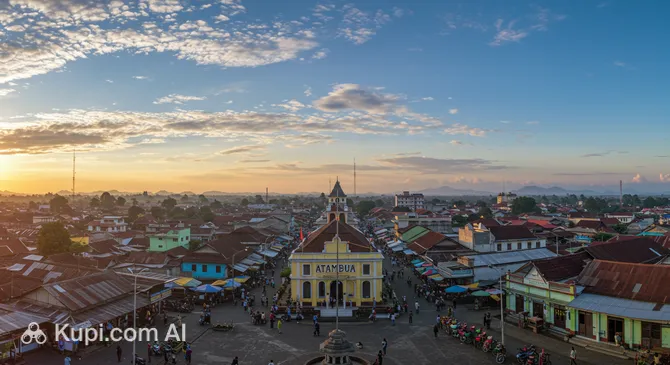
Atambua. Source: Kupi.com Binoculars

Geographically, the city is nestled among rolling hills and enjoys a tropical climate that shapes its lush surroundings. With a population of approximately 82,000 people, Atambua is the second-largest city on the Indonesian side of Timor Island. Despite its growing importance as an economic hub, it retains a welcoming, small-town charm characterized by friendly locals and a relaxed pace of life.

The region is deeply rooted in tradition, particularly renowned for its intricate ikat weaving, which tells the stories of the local communities. Delving into the history of Atambua reveals its evolution from a quiet settlement into a pivotal border town. This heritage is evident in the blend of colonial influences and indigenous customs that permeate the city's daily rhythm.

Visitors to Atambua can explore several captivating attractions nearby. The stunning Fulan Fehan valley, located at the foot of Mount Lakaan, offers breathtaking views of open savannas often dotted with grazing horses and cacti. For those seeking coastal beauty, Teluk Gurita provides a serene seaside escape, while the modern Motaain Border Post stands as an architectural landmark symbolizing friendship between nations.

Whether you are transiting across the border or seeking to uncover the hidden gems of West Timor, Atambua invites you to experience its warm hospitality. It is a destination where natural beauty and cultural resilience come together, offering a memorable experience for every adventurer.

Weather Overview

Atambua experiences a consistent tropical climate, ensuring warm weather for visitors throughout the year. Average temperatures generally hover between 24°C and 27°C, creating a comfortable environment for exploring the outdoors. The warmest period typically occurs in October and November, where daily maximums can reach nearly 30°C, while July tends to be the coolest month with minimums dipping to around 21.6°C.

The year is divided into distinct wet and dry seasons. The rainy season usually spans from December to March, characterized by a very high frequency of precipitation; January, for example, often records rain on almost every day of the month. In contrast, the dry season from May to October offers clear skies and minimal rainfall, with August historically seeing as few as one wet day. For the most up-to-date information to help you pack, you can view the detailed report on the weather in Atambua.

Interesting Facts

Beyond the main attractions, Atambua holds many fascinating secrets that reflect its rich cultural tapestry and unique geography. From ancient legends to modern marvels, the city offers curious details that often escape the casual observer.

  • The Field of the Moon: The famous Fulan Fehan valley derives its name from the local Tetun language, translating to "Moon Plain" or "Field of the Moon." This highland wonder evokes a sense of awe not only for its poetic name but also for a rare natural phenomenon: it is one of the few places in the tropics where cacti grow abundantly alongside wild horses in a cool, mist-covered savanna.

  • A Dance of Ancient Warriors: The region's signature Likurai dance was historically a war ritual performed by women to welcome men returning from battle, often carrying the severed heads of enemies. Today, it has evolved into a vibrant welcoming ceremony for guests, where female dancers rhythmically beat small drums called tihar tucked under their arms—a unique style rarely seen in other traditional dances.

  • A Photogenic Border: The Motaain Border Post, which separates Indonesia from Timor-Leste, is more than just an administrative checkpoint; it is a celebrated architectural landmark. Designed with a blend of modern aesthetics and traditional Belu roof styles, the grand structure has become a popular tourist spot where travelers stop specifically to take selfies.

  • The Legend of the Melus: Local folklore speaks of the Melus people, the original indigenous inhabitants of the region who are said to have mysteriously disappeared or been assimilated long ago. Traces of their existence are believed to remain at the Makes Fort (Benteng Lapis Tujuh), a natural fortress that served as a defensive stronghold in ancient times.

  • Bamboo Grove Origins: The name "Atambua" itself is believed by many to mean "Bamboo Grove" or "Slave of the Bamboo" in the local dialect, hinting at the lush vegetation that once dominated the area. This connection to nature is still evident in the verdant hills that surround the city today.

How to Get There

Reaching this border city is an adventure that often involves a mix of air and overland travel. For a comprehensive guide on planning your route, you can read more about how to get to Atambua. The most convenient way to arrive is by flying, although options vary depending on your starting point and willingness to travel overland.

The city is served directly by Haliwen Airport (ABU), which is located just 3.6 km from the city center. It is a small regional facility, so flight frequency may be limited compared to major hubs. A taxi or car ride from here to the downtown area is very quick, taking approximately 10 to 15 minutes.

Many travelers choose to fly into the larger El Tari Airport (KOE) in the city of Kupang, which acts as the main gateway to West Timor. Although it is about 179 km away from Atambua, it offers better connectivity with major Indonesian cities like Jakarta and Bali. The overland journey from Kupang to Atambua is scenic but long, taking around 6 to 7 hours by taxi or bus due to the winding nature of the Trans-Timor road.

Alternatively, you can consider Comoro Airport (DIL) located in Dili, Timor-Leste. It is situated roughly 93 km from Atambua. While geographically closer than Kupang, traveling from here involves an international border crossing. The drive typically takes about 2 hours and 40 minutes, excluding the time required for customs and immigration procedures.

For clarity, here is a summary of the main airports:

Airport Name City Passenger Traffic Km from City
El Tari Airport Kupang Large 179.0
Wai Oti Airport Maumere Medium 297.1
Comoro Airport Dili Medium 92.6
Haliwen Airport Atambua Small 3.6

Atambua does not have a railway station, and there is no train network on Timor Island. Travelers relying on public transport typically use buses or shared travel cars to navigate between cities.

Main Attractions

While the surrounding landscapes of the Belu Regency are breathtaking, the city of Atambua itself and its immediate vicinity offer a variety of compelling sites that showcase the region's natural beauty and cultural depth. From legendary pools to bustling markets, here are some of the top attractions to add to your itinerary.

One of the most famous spots in the region is Kolam Susuk, located just a short drive from the city center. Immortalized in a classic Indonesian song by the legendary band Koes Plus, this natural pool is steeped in local folklore. Legend says that seven angels once bathed here, but were disturbed by mosquitoes sent by a king, giving the site its name, which translates to "Mosquito Pool." The water often takes on a milky white hue due to the white soil at the bottom, creating a unique and photogenic landscape surrounded by mangroves and fish ponds.

For nature lovers, a visit to Mauhalek Waterfall is a must. Situated in the Lasiolat district, this multi-tiered waterfall is formed by the convergence of two springs, Siata and Mauhalek. The water cascades gently over mossy rocks into clear, refreshing pools, making it a perfect spot for a cooling dip. The journey there offers scenic views of the countryside, and the site itself is well-maintained with gazebos and photo spots that highlight the lush, green environment.

At the heart of the city's spiritual life stands the Santa Maria Imakulata Cathedral. As the seat of the Diocese of Atambua, this grand church is not only a place of worship but also a symbol of the strong Catholic heritage in West Timor. Its architecture is imposing yet welcoming, often serving as a community hub. Visitors are welcome to admire the serene interior and the peaceful grounds, which offer a quiet respite from the bustling city streets.

To truly experience the local pulse, spend a morning at Pasar Baru Atambua. This central market is a hive of activity where the cultures of Indonesia and neighboring Timor-Leste merge. Traders from both sides of the border gather here to sell fresh produce, spices, and traditional goods. It is also an excellent place to look for Tais, the traditional hand-woven cloth of the region, and to sample local snacks while observing the friendly daily interactions of the border community.

Local Cuisine

The culinary landscape of Atambua offers a distinct taste of West Timor, characterized by hearty flavors, smoked meats, and a heavy reliance on corn rather than just rice. The food culture here is a reflection of the dry, rugged terrain and the shared heritage with neighboring Timor-Leste, resulting in dishes that are simple yet deeply flavorful. Exploring the local cuisine is an essential part of the visit, offering an authentic connection to the daily life of the Belu people.

The most iconic dish you must try is Se'i, a traditional smoked meat that is famous throughout the Nusa Tenggara Timur province. While it is commonly made with pork, halal versions using beef are also widely available. The meat is thinly sliced and smoked for hours using the wood of the Kosambi (Schleichera oleosa) tree, which imparts a unique aroma and a distinct red color. It is typically served with sautéed papaya flowers or cassava leaves and a side of spicy Sambal Lu'at, a fermented chili paste mixed with citrus zest and basil that packs a fiery punch.

Unlike many other parts of Indonesia where rice is king, corn is a staple in Atambua. A comforting local favorite is Jagung Bose, a savory porridge made from corn kernels softened overnight and cooked with red beans and coconut milk. It is often eaten as a substitute for plain rice and pairs perfectly with the salty and smoky flavors of the region's side dishes. Another popular corn preparation is Jagung Katemak, a stew that includes pumpkin and green vegetables.

For those with a sweet tooth, look for Kue Rambut (also known as Jawada). This traditional snack looks like a triangle of golden-brown hair, made from a batter of rice flour and palm sugar that is deep-fried to crispy perfection. It is a common sight in traditional markets and is often bought as a souvenir. To wash it all down, try a cup of Timor Coffee, known for its strong, organic profile. On the stronger side, Sopi is the traditional alcoholic palm wine of the region, often consumed during social gatherings and customary ceremonies.

Dining in Atambua is a laid-back affair. You won't find many fancy fine-dining establishments; instead, the best food is found in modest warungs (small family-owned eateries) and at the bustling night markets. As the sun sets, street food vendors set up near the town square and the central market, grilling fresh fish and corn. It is here that locals gather to eat, chat, and enjoy the cool evening air, making it the perfect spot for tourists to immerse themselves in the friendly local atmosphere.

Travel Tips

Visiting Atambua offers a unique opportunity to experience the cross-cultural charm of the Indonesia–Timor-Leste border, but being prepared for its specific conditions will make your trip much smoother. To help you navigate this friendly yet rugged region with ease, here are some practical tips to keep in mind before you pack your bags.

  1. Dress Modestly and Lightly: Given the tropical heat, breathable fabrics like cotton and linen are essential for staying comfortable. However, Atambua is a fairly conservative and deeply religious area with a strong Catholic heritage. When visiting villages, markets, or the Cathedral, ensure your shoulders and knees are covered. Bring sturdy, comfortable shoes if you plan to trek in the Fulan Fehan valley.

  2. Transport Options: Public transportation within the city mainly consists of ojeks (motorcycle taxis) and bemos (public minibuses). Ride-hailing apps are not as prevalent or reliable here as they are in Jakarta or Bali. For exploring attractions outside the city center, such as the waterfalls or the border post, the most convenient option is to rent a car with a local driver.

  3. Cash is Essential: The official currency is the Indonesian Rupiah (IDR). While there are ATMs belonging to major national banks (like BRI, BNI, and Mandiri) in the city center, they can occasionally run out of cash or be offline. Credit cards are rarely accepted outside of major hotels or large supermarkets, so always carry sufficient cash, especially small denominations for warungs and traditional markets.

  4. Health and Hydration: As in many parts of Nusa Tenggara Timur, the sun can be intense, so high-SPF sunscreen and a hat are mandatory. Be mindful that this is a tropical region where mosquito-borne ailments can occur; bring strong insect repellent and wear long sleeves in the evenings. Pharmacies (known as Apotek) are available in the town center for basic supplies, but carry personal prescriptions with you.

  5. Communication and Connectivity: English is not widely spoken outside of the airport and government offices. Learning a few basic phrases in Bahasa Indonesia, such as "Terima kasih" (Thank you) and "Pagi" (Morning), will go a long way in connecting with the friendly locals. For internet access, purchase a Telkomsel SIM card, as it offers the most reliable coverage in this border region.

  6. Respect Local Etiquette: The people of Belu are known for their hospitality. It is polite to smile and nod when passing strangers. Always use your right hand for eating, giving, or receiving items, as the left hand is considered unclean. If you visit a traditional village, follow the lead of your guide regarding where to sit and how to greet the elders.

  7. What to Avoid: Avoid drinking tap water; stick to sealed bottled water to prevent stomach issues. Additionally, refrain from public displays of anger or raising your voice, as this causes a "loss of face" and is considered very rude in local culture. Patience and a smile will resolve most misunderstandings.

  8. Timing Your Adventures: If you plan to visit the famous Fulan Fehan savanna, aim to leave the city very early in the morning, around 5:00 AM or 6:00 AM. The weather is cooler, and you have a better chance of seeing the wild horses and the landscape before the midday mist or heavy afternoon rains roll in.

By keeping these practicalities in mind, you can focus on soaking up the stunning landscapes and the warm culture of the Belu people. Atambua is a place that rewards the prepared traveler with genuine smiles and unforgettable borderland adventures.

Entertainment & Nightlife

Nightlife in Atambua offers a distinctively relaxed and authentic experience compared to the bustling party hubs of larger Indonesian cities. As a border town with a strong sense of community, the evening entertainment here revolves around the local culture of "nongkrong"—hanging out with friends over coffee, food, and music. Instead of large nightclubs or raucous discos, you will find a welcoming atmosphere where the night is best enjoyed at open-air food courts, cozy cafes, and karaoke venues that stay open late.

The heart of the city's evening activity is often centered around Simpang Lima Atambua and the area near Atambua City Park (Taman Kota) on Basuki Rahmat Street. As the sun sets, these districts transform into lively social hubs. The City Park, in particular, lights up at night and fills with families and young people enjoying the cool evening air. It is a fantastic place to observe local life, where the vibe is casual, safe, and friendly. Street food vendors line the perimeter, offering grilled corn and local snacks, making it a perfect spot for a budget-friendly night out.

For those seeking a more energetic atmosphere or a place to showcase their singing skills, Symphoni Karaoke & Cafe is a popular destination. Karaoke is a favorite pastime in Indonesia, and this venue offers a fun environment where you can rent a private room or enjoy the public lounge area. It serves as a go-to spot for locals to unwind after work, offering a selection of drinks and light bites in a cheerful setting.

If you prefer a modern and trendy ambiance, Puang Amo Coffee & Eatery is one of the city's highlights. While it functions as a cafe during the day, in the evening it becomes a vibrant hangout spot for the city's youth and travelers. With its stylish decor and menu featuring everything from high-quality local coffee to mocktails and heavy meals, it provides a comfortable space to socialize well into the night. It is an excellent place to meet locals and exchange stories about your travels in West Timor.

For a true taste of local flavor, visiting a night market is a must. The Pasar Senggol (night market) comes alive after dark, offering a sensory overload of smoking grills and bustling crowds. Here, you can sample freshly grilled seafood or the region's famous smoked meat, Se'i, at very affordable prices. The dress code throughout the city is casual and modest; shorts and t-shirts are acceptable, but it is respectful to avoid overly revealing clothing given the conservative local culture.

When planning your night out, keep in mind that public transportation options like bemos (minibuses) stop running early in the evening. The best way to get around at night is by using ojeks (motorcycle taxis). Always agree on a price before hopping on, as meters are not used. While Atambua is generally very safe for tourists, the streets can be dimly lit, so it is advisable to stick to the main busy areas or travel in groups if you are walking. Most venues accept cash only, so ensure you have enough Indonesian Rupiah on hand before heading out.

While the nights are for socializing, the daylight hours in Atambua offer their own array of entertainment. Before the sun goes down, you might explore the city's cultural heritage by visiting traditional weaving workshops to see the creation of Tais cloth, or take a trip to the historical Makes Fort to soak in the views. These daytime excursions provide a perfect cultural context that enriches your conversations with locals once the evening sets in.

Parks & Museums

While Atambua may not be filled with vast botanical gardens or grand national museums in the traditional Western sense, the city and its surroundings serve as an open-air gallery of natural beauty and living history. The region's "parks" are often untouched natural landscapes, and its "museums" are the traditional houses and community centers where the rich heritage of the Belu people is actively preserved and practiced.

Key Parks and Natural Areas

For a refreshing break within the city limits, Taman Kota Atambua (Atambua City Park) is the primary green space. Located right in the center of town across from the Field of Simpang Lima, this park serves as the city's communal living room. It features paved pathways, monuments, and shaded areas that offer a respite from the tropical sun. It is an excellent spot for tourists to observe local life, as residents gather here for morning exercises, afternoon strolls, and community events. The park's central location makes it an easy stop between visiting markets and shops.

Just a short drive from the city center lies the photogenic Hutan Jati Nenuk (Nenuk Teak Forest). This is not a manicured garden but a stunning natural woodland that has become a favorite destination for nature lovers and photographers. The rows of towering teak trees create a mesmerizing canopy that changes with the seasons—lush and green during the rainy months, and shedding leaves to create a rustic, autumnal atmosphere during the dry season. It offers a peaceful environment for a short trek or a picnic, providing a stark, beautiful contrast to the bustling border town atmosphere.

Another significant natural area is the Fulan Fehan Valley. Although it requires a travel commitment to reach the highlands, it functions as a massive natural park. This expanse of green savanna at the foot of Mount Lakaan is famous for its roaming horses and cool, misty climate. It is a place where nature remains largely wild, offering visitors a sense of freedom and tranquility rarely found in enclosed city parks.

Cultural Sites and Living Museums

Atambua does not have large formal museums, but its history is housed in Sonaf Matabesi, the traditional royal house of the local kingdom. Located in the Matabesi area, this site acts as a custodian of the region's ancestral heritage. Visitors can see the traditional architecture of the Lopo (a conical grass-thatched structure) and learn about the customs of the Belu royalty. It is a fascinating place to understand the indigenous governance structures that existed long before modern borders were drawn, effectively serving as a gallery of local history.

The Rumah Adat (Traditional Houses) scattered throughout the surrounding villages also serve as informal galleries. In these structures, families preserve heirlooms, ancient weaving tools, and ceremonial drums used in the Likurai dance. Unlike a museum where objects are behind glass, here the culture is tangible and alive. Engaging with the elders in these villages provides a deeper narrative of the region's past than any plaque could offer.

Historical Landmarks

A significant site for those interested in historical defense strategies is Benteng Makes, also known as the Seven Layers Fortress (Benteng Lapis Tujuh). Situated on a hilltop, this is not a fortress built of brick and mortar, but a natural stronghold fortified by the ancestors of the Belu people using the terrain's steep contours and stone arrangements. It offers a glimpse into the ancient warfare and defensive ingenuity of the region, rewarded by panoramic views of the surrounding hills and valleys.

Authentic Experiences

For a truly authentic cultural encounter, seek out a local Tenun Ikat workshop. These weaving centers are the artistic soul of Atambua. Watching the women dye threads with natural colors and weave complex patterns on backstrap looms is like visiting a living art gallery. The intricate motifs of the Tais cloth are not just decorative; they record the genealogy, myths, and social status of the weaver, making each piece a historical document in fabric form.
Getting Around

Navigating Atambua is a straightforward and authentic experience, as the city lacks the complex metro or train systems found in metropolises. Instead, the public transport network relies entirely on road-based vehicles, with the Bemo (public minibus) serving as the backbone of local mobility. These modified vans follow specific routes through the city and to surrounding districts, often identifiable by their colors or the destinations written on their windshields. They are an affordable way to get around, and riding one offers a glimpse into daily local life, often accompanied by loud, upbeat music that drivers play to entertain passengers.

For a more direct and faster mode of transport, Ojeks (motorcycle taxis) are ubiquitous and highly effective for navigating the city's hilly terrain and narrow streets. You can find conventional ojek drivers waiting at designated corners, known as pangkalan, particularly near markets, the central park, and busy intersections. They are ideal for reaching destinations that lie off the main bemo routes or for short trips where you want to save time. While ride-hailing apps like Maxim, Grab, or Gojek are gradually establishing a presence in the region, their availability can be inconsistent compared to larger cities, so relying on conventional ojeks is often necessary.

The payment system in Atambua is strictly cash-based. There are no travel cards, electronic passes, or tap-to-pay systems for public transport. When taking a bemo, you simply pay the driver or the conductor upon exiting the vehicle. It is crucial to carry small denominations of the local currency, as drivers may struggle to provide change for large bills. For conventional ojeks, you must negotiate and agree on a fare before the ride begins to avoid misunderstandings later. Prices are generally very reasonable, with short trips within the city costing only a small amount.

Tourists looking for more independence often opt for rentals. Renting a motorbike is a popular choice for those comfortable with two-wheeled driving, offering the freedom to explore attractions like the Fulan Fehan valley at your own pace. Rental shops are not always formal establishments; often, arrangements can be made through your hotel or guesthouse. Alternatively, for comfort and safety, hiring a car with a local driver is widely recommended. This "charter" service acts as the city's primary taxi alternative, as you will not find metered sedans roaming the streets.

Operating hours for public transport are somewhat limited. Bemos typically run from early morning until late afternoon or early evening. After sunset, the frequency of public minibuses drops significantly, and by nightfall, they are rare. If you plan to be out late enjoying the night market or local cafes, be prepared to use an ojek or arrange private transport to get back to your accommodation. Walking is also a viable option within the compact city center, particularly around the Simpang Lima area, where many shops and eateries are concentrated.

Accommodation

Accommodation in Atambua reflects its character as a busy border town and regional hub: practical, welcoming, and unpretentious. Travelers will not find international luxury chains or sprawling five-star resorts here. Instead, the city offers a range of solid mid-range hotels, functional business lodgings, and family-run guesthouses known as wisma or losmen. These establishments focus on providing clean, comfortable bases for rest, catering primarily to cross-border traders, government officials, and adventurous tourists exploring West Timor.

The most convenient area to stay is undoubtedly the city center, specifically the streets radiating from Simpang Lima and near the Cathedral. Choosing a hotel in this district places you in the heart of the action, within easy walking distance of the night market, local warungs, and convenience stores. It also simplifies logistics, as this is where most ojeks and bemos congregate, making it easy to arrange transport to the border or surrounding attractions like the Fulan Fehan valley.

For those seeking comfort, the mid-range options in Atambua are surprisingly modern. These hotels typically offer air-conditioned rooms, private bathrooms with hot water, Wi-Fi, and on-site restaurants serving breakfast. Budget travelers can find plenty of affordable homestays that offer basic amenities—often just a bed and a fan—but make up for it with the genuine hospitality of the hosts. Prices across the board are very reasonable, with even the top-tier rooms in town costing significantly less than what you would pay in Indonesia's major tourist hotspots.

Booking Tip: While it is usually easy to find a room upon arrival, it is highly recommended to book in advance if you are visiting during major religious observances such as Easter or Christmas. As a predominantly Catholic region, Atambua sees a surge of visitors and returning family members during these holidays, and the best hotels can fill up weeks ahead of time.

Regarding reservations, the digital landscape is growing but mixed. The larger, more modern hotels are listed on major Indonesian travel apps and international booking platforms, allowing for easy online payment and confirmation. However, many smaller guesthouses still operate the traditional way; they may not have an online presence and often prefer direct bookings via phone or walk-ins. Regardless of where you book, it is advisable to carry enough cash (Rupiah) to cover your stay, as card machines can be unreliable in smaller establishments.

Nearby Cities

For those looking to explore the surroundings, Atambua serves as an excellent base for day trips to several interesting nearby locations:

One of the most popular destinations for a day trip is Kefamenanu, often referred to as Kefa. Located approximately 87 km west of Atambua, it is the capital of the North Central Timor Regency. The town is surrounded by rolling hills and is renowned for its rich cultural heritage, particularly the traditional village of Tamkesi and the production of high-quality ikat textiles. The cooler climate and historical sites make it a refreshing escape from the coastal heat.

To the south lies Betun, the capital of the Malaka Regency. This area offers a distinct change in scenery with its flat coastal plains and extensive mangrove forests. It is an ideal spot for nature lovers who can visit Motadikin Beach or explore the unique architecture of the local traditional houses, which differ significantly from those in the highlands. The journey offers a glimpse into the agricultural heart of the region.

While somewhat further away, Kupang is the major provincial hub listed in the region. Although the distance of 185 km makes it a long journey for a single day due to the winding Trans-Timor highway, it is the primary city for urban amenities, shopping, and historical sites like Fort Concordia. It serves as the main connecting point for travelers exploring the wider Nusa Tenggara Timur province.

City Population Distance (km)
Kupang 433,970 185
Kendari 331,013 623
Baubau 152,143 472
Maumere 104,285 300
Ende 87,269 358

These nearby destinations offer a glimpse into the diverse culture and landscapes of the region, ranging from highland traditions to coastal beauty.

Shopping & Souvenirs

Shopping in Atambua offers a distinctively local experience that contrasts sharply with the glitzy malls of Jakarta or Bali. Instead of international luxury brands and sprawling shopping complexes, you will find a vibrant scene dominated by traditional markets, family-run shops, and border trade. For tourists, the real treasure lies in the region's authentic craftsmanship and culinary specialties, making it an excellent destination for finding unique cultural souvenirs that tell the story of the Belu people.

The city's commercial pulse beats strongest in the downtown area surrounding Simpang Lima (Five-Way Intersection). This central district serves as the primary shopping hub where rows of shophouses, known locally as ruko, line the streets. Here, you can find everything from electronics and clothing to daily necessities. A stroll down Jalan Basuki Rahmat or the streets near the central park reveals a mix of modern convenience and old-world charm, where small boutiques sit alongside vendors selling fresh fruit on the sidewalks.

Travelers looking for a modern retail experience should head to Atambua Plaza, located on Jalan Adam Malik. Often described as the city's only true mall, it serves as the main destination for modern shopping in the region. Inside, you will find a well-stocked supermarket and various departments offering clothing, shoes, and household items in air-conditioned comfort. It is the most reliable place to visit if you need to restock on toiletries, buy fixed-price goods, or simply take a break from the tropical heat.

The true highlight of shopping in Atambua is undoubtedly Pasar Baru (New Market). As the largest traditional market in the city, it is a sensory adventure where the cultures of Indonesia and Timor-Leste converge. The market is a maze of stalls selling colorful spices, fresh produce, and household goods. It is the best place to observe the daily trade dynamics of the border region. Bargaining is the norm here, so do not hesitate to negotiate a fair price with a smile; it is often seen as a friendly social interaction rather than a conflict.

When it comes to souvenirs, the region's signature item is Tenun Ikat, specifically the Tais Belu. These hand-woven cloths are renowned for their intricate patterns and vibrant colors, often using natural dyes. You can buy them directly from weavers in nearby villages or find a selection at the market and specialized souvenir shops in town. Each piece represents weeks of labor and carries deep cultural significance. Other popular items to bring home include Kue Rambut (a crispy, web-like snack made from rice flour and palm sugar), jars of pure Timor honey, and packages of robust Timor coffee.

Most shops in Atambua operate from around 8:00 AM to 9:00 PM. Traditional markets are busiest in the early morning, starting as early as 5:00 AM, and wind down by the afternoon. Payment is almost exclusively cash-based. While Atambua Plaza may accept debit cards, credit cards are rarely used elsewhere, and small vendors in the market will only deal in Indonesian Rupiah. Ensure you carry sufficient cash in smaller denominations to make transactions smoother.

Tax-free shopping and VAT refund schemes are generally not available in Atambua, as these facilities are typically reserved for major international airports and large luxury retailers in big cities. Prices here include all local taxes, but given the affordable cost of living in the region, most tourists find the prices to be excellent value even without tax rebates.

Reached the end of the page?

That means the route is fully explored