Support

Lewoleba

About

Lewoleba is the vibrant capital of the Lembata Regency, located in the East Nusa Tenggara province of Indonesia. Situated on the western coast of Lembata Island along the shores of Lewoleba Bay, this bustling port town serves as the primary gateway for travelers exploring the wonders of the region. With a population of approximately **27,000 people**, Lewoleba strikes a balance between a busy transit hub and a welcoming community, offering a genuine glimpse into local island life.

The town is geographically defined by its stunning coastal setting and the looming presence of the active **Ile Lewotolok** volcano in the distance, which creates a dramatic and photogenic backdrop. The climate is generally tropical, making it a warm destination year-round. While it is a modern administrative center today, the history of Lewoleba is deeply rooted in the maritime culture of the Lamaholot people, having evolved from a modest trading post into a key connector for the Solor Archipelago.
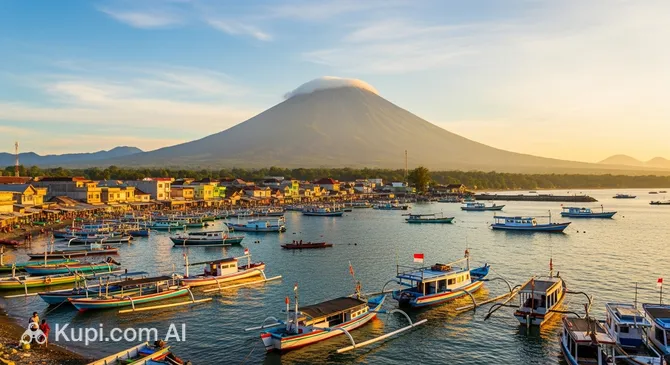
Visitors often use the city as a strategic base to explore nearby attractions, such as the famous traditional whaling village of **Lamalera** located on the southern tip of the island. Within the town itself, the harbor area is a hive of activity where one can watch ferries and fishing boats come and go, while the nearby beaches offer quiet spots to relax. The sunsets here are particularly renowned, painting the sky and the calm waters of the bay in brilliant shades of orange and purple.

Whether you are embarking on a trek up a volcano or simply transiting between islands, Lewoleba offers a friendly atmosphere and essential amenities for your journey. It is a charming stopover that invites you to slow down and appreciate the unique beauty and culture of this remote corner of the archipelago.

Weather Overview

Lewoleba experiences a consistent tropical climate, ensuring warm weather for visitors throughout the year. Average temperatures remain stable, typically ranging between 26°C and 28°C. The warmest period usually occurs around October and November, where daily highs can reach nearly 30°C, while the coolest months of July and August still maintain pleasant averages around 26°C.

The year is divided into distinct wet and dry seasons based on rainfall frequency. The wet season generally spans from December to March, characterized by a high number of rainy days, often reaching up to 28 wet days in a single month. Conversely, the dry season from May to October offers plenty of sunshine, with July and August seeing minimal wet days. For a more detailed breakdown of what to expect during your trip, you can check the guide to the weather in Lewoleba.

Interesting Facts

Beyond the main attractions and the busy harbor, Lewoleba holds fascinating secrets that showcase the unique charm of this part of Indonesia. Here are some intriguing details that reveal the true character of the city and its surroundings.

  • The Volcanic Guardian: The city sits directly in the shadow of Ile Lewotolok (also known as Ile Ape), an active stratovolcano that dominates the skyline. The mountain is not just a scenic backdrop but a spiritual center for locals, who traditionally believe it is the dwelling place of ancestral spirits.

  • A Hand-Pressed Delicacy: A signature snack you will encounter in Lewoleba is Jagung Titi. Unlike typical popcorn, these are corn kernels that are toasted and then painstakingly flattened individually with a stone by hand, a labor-intensive culinary tradition unique to this region.

  • The Hill with a View: Just outside the town center lies Bukit Cinta (Love Hill), a popular local vantage point. It was once a barren hill but has been transformed into a favorite spot for watching the sunset, offering panoramic views over the city, the bay, and the distant islands.

  • A Name Reclaimed: While Lewoleba is the bustling capital today, the island it governs was known on maps for centuries as Lomblen. The official shift to the name Lembata in the late 20th century marked a significant cultural moment, asserting the local identity over the colonial designation.

How to Get There

Reaching Lewoleba, the capital of Lembata Island, is an adventure that typically begins with a flight to one of the major regional hubs in East Nusa Tenggara, followed by a connecting journey by sea or a smaller local plane. For travelers planning their route, you can find detailed information and all ways to reach the city on our dedicated transport page.

The city of Lewoleba relies on airports on neighboring islands for major commercial connections. One of the primary gateways is El Tari Airport (KOE), located in the city of Kupang, approximately 199 km away. As a key transport hub for the province, it handles a significant volume of travelers. Since Kupang is on West Timor, reaching Lewoleba from here requires a connecting flight or a ferry journey rather than a direct drive. Another significant option is Wai Oti Airport (MOF), situated in Maumere on the island of Flores, about 130 km from Lewoleba. While closer in distance, travel from Maumere also involves a ferry crossing or a short flight to the local airstrip on Lembata.

For clarity, here is a summary of the main airports in the wider region:

Airport Name City Passenger Traffic Km from City
El Tari Airport Kupang Large 199.3
Wai Oti Airport Maumere Medium 130.7
Comoro Airport Dili Medium 234.7
H. Hasan Aroeboesman Airport Ende Medium 197.7
Haliwen Airport Atambua Small 182.1

Main Attractions

While Lewoleba serves as the administrative and commercial heart of the island, it is also the perfect jumping-off point for exploring the unique natural and cultural wonders of Lembata. The city and its immediate surroundings offer a mix of scenic viewpoints, relaxing beaches, and access to world-renowned cultural sites.

One of the most popular spots just outside the city center is Bukit Cinta (Love Hill). Located in the Waijarang area, this hilltop vantage point is famous for its panoramic views of the ocean and the neighboring islands of Adonara and Solor. It has become a favorite local destination for watching spectacular sunsets. Visitors can climb the stairs to the top, where a large "LEMBATA" sign stands, making it an iconic spot for photos. The surrounding savannah hills turn lush green during the rainy season and golden brown during the dry season, offering a changing but always beautiful landscape.

At the foot of the hills lies Waijarang Beach, a serene coastal escape known for its fine white sand and calm waters. It is an ideal place for a relaxing afternoon picnic or a refreshing swim. The beach is lined with shady trees, providing natural shelter from the tropical sun. From the shore, you can enjoy a clear view of the majestic Ile Boleng volcano across the strait, adding a dramatic backdrop to the peaceful maritime atmosphere.

Dominating the skyline of Lewoleba is the impressive Ile Lewotolok, also known as Ile Ape. This active stratovolcano is not only a stunning natural landmark but also a site of great cultural importance. Adventure seekers often travel to the villages at its base, such as Jontona, to see traditional houses and learn about the local legends. For those physically fit and accompanied by a guide, trekking up the slopes offers an unforgettable experience, though simply admiring its smoking peak from the city creates a powerful impression of nature's force.

A unique natural phenomenon located right near the Lewoleba harbor is Pulau Siput (Snail Island). This small sandbar island is only accessible and visible during low tide. It is a favorite recreational spot for locals who come to collect sea snails and enjoy the sensation of walking on a temporary island in the middle of the bay. It offers a distinct perspective of the city from the water and is a fun, quick adventure for visitors waiting for their next ferry or flight.

Although situated on the southern coast of the island, the traditional village of Lamalera is the most famous attraction in the regency and is typically visited via a day trip from Lewoleba. Known globally for its ancient tradition of subsistence whaling, the village preserves a way of life that has remained largely unchanged for centuries. Visitors travel here to witness the traditional paledang boats and learn about the deep spiritual connection the community shares with the ocean.

Local Cuisine

The culinary scene in Lewoleba reflects the island's coastal geography and its dry, tropical climate. As a bustling port town, the local diet is heavily centered around fresh seafood caught daily by local fishermen, complemented by corn and tubers which grow well in the region's soil. The food here is known for its freshness, bold spices, and simple yet flavorful preparation methods that highlight the natural taste of the ingredients.

One dish you absolutely cannot miss is Jagung Titi, the signature snack of Lembata. These crispy, flattened corn flakes are made by toasting corn kernels and smashing them flat with a stone. It is more than just food; it is a symbol of local hospitality, typically served to guests alongside a cup of coffee or tea. for a hearty main course, try Ikan Kuah Asam, a fish soup cooked in a clear, yellow broth seasoned with turmeric, tamarind, and fresh basil. The sour and savory flavor is refreshing, especially on a hot day. Often, this is accompanied by Rumpu Rampe, a unique stir-fry made from papaya flowers and leaves, known for its slightly bitter but appetizing taste.

When it comes to beverages, the locals have a strong tradition of drinking Moke, a traditional palm liquor distilled from the Lontar palm. It ranges from a mild, sweet drink to a potent spirit and is often shared during social gatherings. For a non-alcoholic option, the local coffee is robust and aromatic, often enjoyed with a piece of brown sugar or the aforementioned Jagung Titi. Fresh young coconuts are also widely available and provide a perfect way to cool down.

The best way to experience the food culture in Lewoleba is to visit the local warungs (small family-owned eateries) or the night culinary spots near the harbor. As the sun sets, the waterfront area comes alive with smoke rising from charcoal grills, where vendors sell Ikan Bakar (grilled fish) served with spicy sambal and warm rice. The atmosphere is casual and communal, offering tourists a chance to dine under the stars while mingling with friendly locals.

Travel Tips

Visiting Lewoleba offers a raw and authentic Indonesian island experience, but its remote nature requires a bit more preparation than a trip to the more tourist-heavy destinations. These practical tips will help you navigate the local customs and logistics, ensuring your time in the capital of Lembata is comfortable and hassle-free.

  1. Clothing and Gear: The climate is consistently hot and humid, so pack lightweight, breathable fabrics like cotton or linen to stay cool. Since Lembata is culturally conservative, especially in rural villages, bring clothes that cover your shoulders and knees to show respect. Don't forget a universal travel adapter (Type C or F) and sturdy, closed-toe shoes if you plan to trek up the slopes of Ile Lewotolok.
  2. Transportation: Public transport within the city is limited to bemos (minibuses) which follow specific routes, but the most convenient way to get around is by ojek (motorcycle taxi). Ride-hailing apps are generally not available here, so you will need to flag down a driver and negotiate the fare before hopping on. For longer excursions to the south of the island, renting a car with a local driver is highly recommended.
  3. Finances: Cash is absolute king in Lewoleba. While there are a few ATMs (mostly BRI, BNI, or Mandiri) in the town center, they can occasionally run out of money or reject international cards. It is best to withdraw or exchange a sufficient amount of Indonesian Rupiah (IDR) in a major hub like Kupang before arriving, and always carry small denominations for local markets and transport.
  4. Health and Safety: Medical facilities are basic, with a local general hospital (RSUD) available for emergencies, but serious conditions may require evacuation to a larger island. Pharmacies (Apotek) are generally open during the day but closed late at night. Be sure to pack strong insect repellent to protect against mosquitoes and stick strictly to drinking bottled or boiled water to avoid stomach issues.
  5. Communication: English is not widely spoken outside of government offices or tour agencies. It is essential to learn a few basic phrases in Bahasa Indonesia such as "Terima kasih" (Thank you) and "Berapa harganya?" (How much is this?). For internet connectivity, buy a Telkomsel SIM card upon arrival in Indonesia, as other providers often have no signal on Lembata.
  6. Local Etiquette: The people of Lembata are incredibly friendly and welcoming. Always greet locals with a smile and a nod as you pass by. When handing over money, food, or shaking hands, always use your right hand, as the left is considered unclean in local culture. If invited into a local home, remember to remove your shoes at the door.
  7. What to Avoid: Avoid losing your temper or raising your voice in public, as this causes a "loss of face" and is considered very rude. Additionally, refrain from wearing revealing swimwear anywhere other than the beach; walking around the town center shirtless or in a bikini is frowned upon and attracts unwanted attention.
  8. Power and Connectivity: Electricity on the island can be sporadic, with occasional power outages known locally as mati lampu. It is a smart move to bring a high-capacity power bank to keep your phone and camera charged, especially if you are heading out on long day trips to remote villages like Lamalera.

By keeping these simple guidelines in mind, you will be well-equipped to embrace the slow, rhythmic pace of life in Lewoleba. Enjoy the warmth of the locals and the stunning landscapes of Lembata with confidence and respect.

Entertainment & Nightlife

Entertainment in Lewoleba is a humble yet spirited affair that reflects the town's role as a transit hub and a close-knit island community. You will not find sprawling nightclubs or high-end cocktail lounges here; instead, the nightlife is defined by relaxed social gatherings, open-air dining, and the locals' deep love for music and singing. The atmosphere is authentically Indonesian—casual, friendly, and often centered around sharing stories over food and drinks.

The evening typically begins around the Lewoleba Harbor and the waterfront area. As the sun sets, this district transforms into a culinary hotspot where smoke from charcoal grills fills the air. It is the best place to start your night with a feast of fresh seafood, particularly ikan bakar (grilled fish), served at simple tent stalls known as warungs. The vibe here is bustling but laid-back, with travelers and locals mingling on plastic chairs to enjoy the cool sea breeze.

For those looking to continue the night with music and drinks, the local scene revolves almost exclusively around karaoke bars, often referred to as "pubs." These venues are popular hangouts where you can order a cold beer or the local palm spirit, Moke, and sing your heart out. One of the well-known spots is Lomblen Pub and Karaoke, located in the Waikilok area near the Pada traditional market. It opens around 8:00 PM and offers a lively environment for dancing and singing. Another option is Santana Pub and Karaoke on Jalan Raya Pada, which provides a slightly more relaxed setting surrounded by coconut trees, perfect for unwinding after a long day of travel.

If you prefer a non-alcoholic and family-friendly atmosphere, head to Taman Kota Lewoleba (City Park). At night, this public space comes alive with food vendors selling snacks like roasted corn and bright local drinks. It serves as the town's social living room where teenagers, families, and friends gather to chat and enjoy the evening air. The dress code everywhere is casual and modest; shorts and t-shirts are acceptable, but it is polite to avoid overly revealing clothing given the local culture.

Practical advice for a night out in Lewoleba includes carrying enough cash, as credit cards are rarely accepted at night venues. The most common way to get around is by ojek (motorcycle taxi). Since there are no metered taxis or ride-hailing apps, you should agree on a price with the driver before hopping on—usually a small fee for trips within the town. While Lewoleba is generally safe for night walks, street lighting can be sparse away from the main roads, so it is wise to stick to populated areas or use transport if you are unsure of your surroundings.

During the daylight hours, entertainment shifts towards exploring the natural and cultural surroundings. Before the sun goes down, visitors can explore the bustling local markets to see traditional ikat weaving or take short trips to nearby beaches. The town also serves as the gateway for cultural excursions, such as visiting the whaling village of Lamalera or hiking the lower slopes of the volcanoes, offering a stark contrast to the relaxed, music-filled evenings.

Parks & Museums

Lewoleba is a destination where nature and culture are experienced in the open air rather than inside enclosed halls. While the city does not boast large botanical gardens or formal national museums, its green spaces are defined by volcanic landscapes and coastal beauty, and its history is preserved within the living traditions of its people and religious architecture.

Taman Kota Lewoleba (City Park) serves as the central gathering point and the green heart of the town. Located near the waterfront, this modest public square is where the community comes together, especially in the late afternoons. It features open spaces for walking and sitting, often shaded by local trees. It is a great spot for tourists to observe local life, as families bring their children to play and teenagers gather to socialize. During national holidays or local festivals, the park transforms into a venue for events and performances.

For a more expansive natural experience, the area surrounding Bukit Cinta (Love Hill) acts as the city's premier nature park. Although primarily a viewpoint, the surrounding savannah and rolling hills offer a fantastic setting for light trekking and photography. In the rainy season, the landscape turns a vibrant green, resembling a manicured garden sculpted by nature itself. It provides a peaceful escape from the bustle of the harbor, allowing visitors to immerse themselves in the fresh air and panoramic scenery of Lembata.

In terms of museums, Lewoleba relies on its architecture and nearby traditional villages to tell its story. There are no dedicated history museums within the town center, but the Old Catholic Church stands as a significant architectural landmark. Its structure reflects the long-standing influence of Catholic missionaries in East Nusa Tenggara. The building is not only a place of worship but also a custodian of local history, with a design that often blends European influences with local materials, symbolizing the cultural fusion of the region.

Another key cultural site is the Pasar Pada (Pada Market), which functions as a living gallery of the island's trade and crafts. While not a museum in the traditional sense, walking through the market offers a direct look into the material culture of the Lamaholot people. Here, you can see and purchase traditional Ikat weavings—intricate fabrics hand-dyed with natural colors that tell stories of clan identity and social status. Watching the women weave or sell these textiles provides a more authentic cultural education than a static display case ever could.

For an insider experience, seek out the small Taman Baca (Community Reading Gardens) that occasionally pop up in neighborhoods. These community-led initiatives are friendly spaces where locals share books and knowledge. Visiting one is a heartwarming way to interact with the youth and understand the modern educational spirit of the town.

Getting Around

The public transport system in Lewoleba is simple, informal, and perfectly scaled to the size of the town. Unlike major metropolitan areas, there are no metros, trams, trains, or large city buses operating here. Instead, the local transportation network relies heavily on small, adaptable road vehicles that navigate the narrow streets and connect the harbor with residential areas and nearby villages. For visitors, getting around is an authentic experience that requires a bit of interaction with locals rather than relying on automated systems or schedules.

The primary form of shared public transport is the bemo (or mikrolet). These are modified minivans that function as shared taxis following loosely defined routes. They are the closest equivalent to a bus service in the city. Bemos typically congregate at key transport hubs, such as the area near the harbor or the main market, waiting until they are full before departing. They are color-coded or have their destinations painted on the windshield, but the most reliable way to find the right one is simply to ask the driver or a local bystander.

For a more direct and faster option, the ojek (motorcycle taxi) is the undisputed king of the road. You will find ojek drivers waiting at street corners, outside the port, and near the market, often identifiable by their helmets resting on their handlebars or by them calling out "Ojek?" to passersby. This is the most convenient way to reach specific destinations that fall outside the main bemo routes, such as hilltop viewpoints or secluded beaches. In Lewoleba, these are traditional services rather than app-based ride-hailing options, meaning you deal directly with the rider.

The payment system across all modes of transport is exclusively cash. There are no travel cards, magnetic passes, or tap-to-pay terminals. Fares for bemos are fixed and very affordable, usually paid directly to the driver upon exiting. It is essential to carry small denominations of the local currency, as drivers often do not have change for large bills. For ojeks, the fare is not fixed and must be negotiated in advance. It is advisable to ask a local or your hotel staff for the approximate "going rate" for a trip to avoid being overcharged.

Operating hours are dictated by the rhythm of the day rather than a strict timetable. Bemos generally operate from early morning, around 6:00 AM, to support market activity, but they become scarce as the sun sets, often stopping completely by early evening. Ojeks are available later into the night, but it can be harder to find one roaming the streets after dark; having the phone number of a reliable driver can be very useful if you plan to be out late.

For tourists who prefer independence, renting a scooter is a popular alternative. several small guesthouses or rental shops offer motorbikes for a daily fee. This allows for the greatest freedom to explore the coastline at your own pace. However, be aware that road conditions can vary, and traffic, while generally light, can be unpredictable with livestock and pedestrians sharing the way. Walking is also a viable option for the town center itself, as the distance between the harbor, the main market, and many accommodations is relatively short.

Accommodation

Accommodation in Lewoleba is primarily designed to serve practical travelers, business people, and those in transit between islands. The city does not feature international luxury chains or sprawling 5-star resorts. Instead, visitors will find a selection of budget guesthouses (known locally as losmen) and modest mid-range hotels. These establishments generally offer clean, comfortable, and functional amenities, such as air conditioning and private bathrooms, though luxuries like hot water showers or high-speed Wi-Fi may not be standard in every room.

The most convenient area to stay is near the Lewoleba Harbor and the surrounding town center. Staying here places you within walking distance of the ferry terminal, the best local seafood warungs, and essential shops. This central location is ideal for travelers who plan to catch an early boat or explore the city's markets on foot. Some newer establishments are popping up slightly further inland, offering quieter surroundings and views of the distant hills, but they may require a short ojek (motorcycle taxi) ride to reach the main action.

For those seeking a more authentic experience, smaller family-run homestays offer a chance to interact closely with local hosts. These places are often very affordable and provide a warm, welcoming atmosphere where you can learn about daily life on Lembata. While the facilities are basic, the hospitality is often the highlight of the stay.

Booking Tip: Lewoleba is still an off-the-beaten-path destination, and many of its accommodations do not have a strong presence on major international booking platforms. While a few larger hotels may be bookable online, many smaller guesthouses rely on direct phone calls or WhatsApp for reservations. It is often possible to find a room by simply arriving, but if you are visiting during a local festival or the peak travel season (July-August), it is wise to secure your spot in advance.

Price Range and Payment: Prices in Lewoleba are generally very wallet-friendly, with budget rooms starting from very low rates and comfortable mid-range options remaining affordable by international standards. Be aware that credit card machines are rare; cash is king for paying for your room and incidental expenses. Ensure you withdraw enough Indonesian Rupiah (IDR) before settling your bill.

Nearby Cities

For those looking to explore the surroundings, Lewoleba serves as an excellent base for day trips to several interesting nearby locations:

City Population Distance (km)
Kupang 433970 199
Kendari 331013 495
Baubau 152143 331
Maumere 104285 133
Ende 87269 199

While some of these locations may require a ferry crossing or a short flight, they represent the most accessible and rewarding destinations for travelers wishing to expand their journey beyond Lembata Island.

Maumere is the closest major urban hub, located on the neighboring island of Flores. It is widely known for its stunning underwater biodiversity, making it a favorite spot for divers and snorkelers. Beyond the sea, Maumere offers a lively atmosphere with traditional markets where visitors can find exquisite ikat textiles produced by the local Sikka communities.

Kupang, the capital of the East Nusa Tenggara province, offers a more developed urban experience. Situated on West Timor, it is rich in colonial history and serves as a melting pot of cultures in the region. Visitors can explore the Crystal Cave, relax at Lasiana Beach, or visit the museum to learn about the diverse heritage of the archipelago.

Ende offers a unique blend of history and nature. It is historically significant as the place of exile for Indonesia's founding father, Sukarno, where he conceptualized the national philosophy. Additionally, Ende is the primary gateway for visiting the world-famous Mount Kelimutu, known for its striking tri-colored volcanic lakes.

These nearby destinations offer a glimpse into the diverse culture and landscapes of the region.

Shopping & Souvenirs

Shopping in Lewoleba offers a distinct departure from the polished mall experiences found in metropolitan areas. Instead of air-conditioned centers and global chain stores, the retail landscape here is defined by bustling traditional markets and small, family-run kiosks. For visitors, this presents a unique opportunity to engage directly with the local community and discover authentic goods that reflect the rich heritage of this part of Indonesia.

The undisputed highlight for any souvenir hunter is Tenun Ikat, the traditional hand-woven textile of Lembata. These fabrics are deeply woven into the cultural identity of the Lamaholot people, featuring intricate motifs that often signify social status or clan history. The most prized pieces are created using natural dyes made from roots, leaves, and bark, giving them earthy, enduring colors. You can find these exquisite cloths sold directly by weavers at local markets or in specialized art shops within the town, making for a meaningful and lightweight keepsake.

To experience the pulse of daily life, a visit to Pasar Pada is essential. As the primary market in Lewoleba, it is a sensory mix of sights and smells where locals come to buy their daily necessities. Beyond fresh tropical fruits and aromatic spices, this is the best place to purchase Jagung Titi. This signature snack, made from toasted and flattened corn kernels, is a staple of the island and is often packaged in bags that are perfect for travelers to take home as a crunchy, savory gift.

For those interested in the island's maritime bounty, the area near the harbor features the TPI (Fish Auction Place). While buying fresh fish might not be practical for every tourist, vendors nearby often sell high-quality dried seafood products, such as salted fish and anchovies, which are popular local ingredients. These dried goods are easy to transport and offer a taste of the region's coastal flavors long after your trip has ended.

When shopping in Lewoleba, keep in mind that cash is king. Credit cards are rarely accepted outside of a few hotels, so ensure you have sufficient Indonesian Rupiah in smaller denominations. Bargaining is a common practice in the traditional markets; however, it is best approached with a friendly attitude and a smile. Prices are generally modest, so the goal of negotiation is often more about social interaction than significant savings.

Reached the end of the page?

That means the route is fully explored