Support

Bajawa

About

Nestled in the lush central highlands of Flores Island, Bajawa is a charming town that offers a refreshing escape from the tropical heat of the coast. As the capital of the Ngada Regency, it serves as a cultural hub surrounded by misty mountains and active volcanoes. The town is renowned for its laid-back atmosphere, friendly locals, and as a gateway to some of the most authentic traditional villages in the archipelago.

Geographically, the town is situated in the East Nusa Tenggara province of Indonesia, sitting at an altitude of approximately 1,100 meters above sea level. This elevation gifts Bajawa with a cool, spring-like climate that is distinctly different from the humid lowlands. With a population of around 40,000 residents, it maintains a cozy, small-town feel while providing essential amenities for travelers exploring the region.
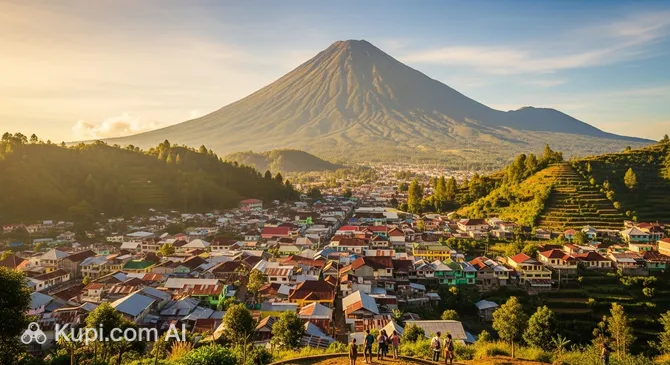
Bajawa. Source: Kupi.Binoculars

The region is deeply rooted in the traditions of the Ngada people, who have maintained their ancestral ways of life for centuries. Visitors interested in the past can learn more about the fascinating history of Bajawa and its surrounding communities, which are famous for their unique megalithic structures and clan houses. The preservation of these cultural elements makes a trip here feel like stepping back in time.

Among the top attractions is the majestic Mount Inerie, a perfect stratovolcano that dominates the skyline and offers challenging treks for outdoor enthusiasts. Just a short drive away lies the Bena Traditional Village, where travelers can witness traditional weaving and marvel at ancient stone altars. After a day of exploration, the nearby natural hot springs, such as those at Malanage, provide a soothing retreat where hot volcanic water mixes with cool river currents.

Whether you are a trekking enthusiast, a culture seeker, or simply looking for a serene mountain getaway, Bajawa welcomes you with open arms. Its unique blend of natural beauty and rich heritage makes it an unmissable stop on any journey across Flores.

Weather Overview

Due to its elevation, Bajawa offers a refreshing break from the tropical heat, with a climate that feels spring-like throughout the year. The average temperatures generally hover between 23°C and 25°C, though nights can feel crisp, especially in July when lows dip to around 19°C. The warmest days typically occur in October, where maximum temperatures can reach nearly 29.4°C.

Travelers should plan their activities around the distinct wet and dry periods. Expect frequent showers from December through March, where rain can occur on up to 30 days per month. Conversely, the dry season peaks from July to September, offering sunny skies and significantly fewer rainy days. You can find more specific forecasts and seasonal advice on our dedicated weather in Bajawa page.

Interesting Facts

Beyond the misty landscapes and traditional villages, Bajawa holds fascinating secrets that offer a deeper glimpse into the life of the Ngada people. Here are some intriguing facts that make this highland town truly unique.

  • A Living Megalithic Culture: Unlike most destinations where megaliths are ancient archaeological ruins, the tradition around Bajawa is still very much alive. In the surrounding villages, locals continue to construct and maintain stone tombs and altars today, using them actively to communicate with ancestors and conduct community rituals.

  • Sacred Boxing Rituals: The region is known for Sagi (or Etu), a traditional form of ceremonial boxing. Far from being a mere sport, these matches are sacred events held during harvest festivals. It is believed that the blood spilled during these bouts serves as an offering to the earth, ensuring fertility for the next planting season.

  • Symbolic Gendered Architecture: The layout of local villages is strictly defined by pairs of shrines representing ancestral spirits. You will always find the Ngadhu, a carved wooden post with a thatched umbrella-like roof representing the male ancestor, paired with the Bhaga, a miniature house structure dedicated to the female ancestor, symbolizing balance within the clan.

  • The "New" Colored Lakes: While the massive volcanoes nearby are ancient, the Wawo Muda crater is surprisingly young. It emerged following a phreatic eruption in 2001, creating small, seasonal colored lakes that have earned it the nickname "Little Kelimutu," referencing the more famous tri-colored lakes on the island.

How to Get There

Reaching this highland sanctuary is an adventure in itself, offering travelers a chance to witness the rugged beauty of Flores Island. While the journey often involves navigating winding mountain roads, the destination is well worth the effort. For a comprehensive look at all available routes and transport options, you can read more about how to get to Bajawa.

The most convenient gateway is the local Bajawa Soa Airport (IATA: BJW), also known simply as Soa Airport. It is a small regional facility that receives flights primarily from Kupang and Labuan Bajo. Located approximately 5 km from the town center, it offers the quickest access to the area. A taxi or shuttle ride from the airport into Bajawa typically takes about 30 minutes, allowing you to settle into your accommodation shortly after landing.

Since flight schedules to Bajawa can be limited or subject to weather conditions, many visitors choose to fly into H. Hasan Aroeboesman Airport (IATA: ENE) in the city of Ende. Situated roughly 78 km away (linear distance), this airport serves as a reliable alternative. From Ende, you can take a bus or hire a private car for the journey to Bajawa. Be prepared for a scenic but winding drive along the Trans-Flores Highway, which typically takes between 3.5 to 4 hours depending on road conditions.

Another significant entry point for tourists exploring the entire island is Komodo Airport (IATA: LBJ) in Labuan Bajo. Although it is located about 123 km away (linear distance), it is the busiest airport in the region and handles the highest volume of tourist traffic. Travelers often land here to visit the Komodo National Park before taking a connecting flight to Bajawa or embarking on an overland tour across Flores.

For clarity, here is a summary of the main airports in the vicinity:

Airport Name City Passenger Traffic Km from City
Komodo Airport Labuan Bajo High 122.7
Wai Oti Airport Maumere Medium 141.7
H. Hasan Aroeboesman Airport Ende Medium 77.6
Waingapu Airport Waingapu Small 118.8
Bajawa Soa Airport Bajawa Small 4.8

There are no railway services available on Flores Island. Transportation between cities is conducted exclusively by road. Visitors typically rely on "travel" (shared minibuses), public buses, or private rental cars to navigate between Bajawa and neighboring towns like Ruteng or Ende.

Main Attractions

Bajawa is a treasure trove for travelers seeking a blend of cultural immersion and natural wonders. The region is best known for its authentic megalithic villages and dramatic volcanic landscapes, offering a unique glimpse into the enduring traditions of the Ngada people. Here are some of the most captivating places to explore during your visit.

Bena Traditional Village is arguably the most famous attraction in the area and a must-visit for cultural enthusiasts. Situated at the base of Mount Inerie, this ancient settlement is renowned for its well-preserved megalithic formations and traditional thatched-roof houses arranged in a U-shape. Visitors can walk among the stone altars and ancestral shrines, known as Ngadhu and Bhaga, while watching local women weave intricate ikat textiles on their porches. It offers a profound connection to the past and a chance to witness a way of life that has remained largely unchanged for centuries.

Dominating the skyline is Mount Inerie, an impressive stratovolcano that serves as a stunning backdrop to Bajawa. For adventurous souls, trekking to the summit is a rewarding challenge. The hike is steep and starts early in the morning, but the effort is paid off with breathtaking panoramic views of the island and the sunrise over the sea of clouds. Even if you prefer not to hike, the mountain's majestic pyramid shape provides excellent photo opportunities from various viewpoints around the town.

For a relaxing experience after a day of trekking, the Malanage Hot Springs offer a unique natural spa. Unlike typical hot springs, this site features a convergence of a hot volcanic spring and a cool river, allowing visitors to find their perfect temperature by moving between the currents. Nestled within a lush forest setting, the emerald-green waters are not only soothing for tired muscles but also incredibly picturesque, making it a favorite spot for both locals and tourists.

Another spectacular vantage point is Wolobobo Hill, often referred to as the "land above the clouds." Located just a short drive from the town center, this hilltop park is famous for its wooden walkways and viewing platforms. It is an ideal spot for watching the sunset, where you can see the silhouette of Mount Inerie and the distant Mount Ebulobo rising through the mist. The serene atmosphere and cool mountain breeze make it a perfect place to unwind and appreciate the rugged beauty of the Flores highlands.

Local Cuisine

The culinary landscape of Bajawa is deeply influenced by its cool highland climate and fertile volcanic soil, resulting in fresh produce and hearty, warming dishes. While the town is small, its gastronomic identity is strong, centered around organic ingredients and traditional preparation methods that have been passed down through generations of the Ngada people.

Undoubtedly, the most famous local product is Bajawa Arabica Coffee. Grown in the surrounding highlands, this coffee is celebrated worldwide for its rich body, low acidity, and distinct notes of chocolate and caramel. You cannot visit Bajawa without sitting in a local warung or cafe to enjoy a freshly brewed cup. It is more than just a drink here; it is a way of life and a source of local pride, often served simply with a side of fried bananas or cassava.

When it comes to savory meals, the star of the region is Se'i, a traditional smoked meat dish that is popular throughout East Nusa Tenggara. While originally made with game meat, today you will typically find Se'i Babi (smoked pork) in Bajawa. The meat is slowly smoked over wood fire for hours, preserving it and infusing it with a distinct aroma, then thinly sliced and stir-fried with spices and vegetables. It is usually served with steaming rice, sautéed papaya leaves or cassava flowers, and a dollop of spicy sambal.

Another staple worth trying is Jagung Bose, a comforting dish made from corn (maize) softened in coconut milk and cooked with red beans. As corn is a major crop in this dry region, locals have developed various ways to prepare it. This creamy stew is often eaten as a substitute for rice and pairs perfectly with salted fish or smoked meat, offering a true taste of the humble yet flavorful local diet.

For those interested in traditional spirits, Moke is the local palm liquor of choice. Distilled from the tapping of lontar palm trees, it holds significant cultural importance and is often used in traditional ceremonies and welcoming rituals. You can find it in varying degrees of potency, from a mild, sweet version to a strong, clear spirit. Sharing a glass of Moke is a common social activity and a gesture of friendship among the locals.

The food culture in Bajawa is unpretentious and community-oriented. You won't find fine dining chains here; instead, the best meals are found in small, family-run warungs and guest houses. For a more immersive experience, visit the local night market or the areas around the town center in the evening. Here, you can sample grilled corn, noodle soups (bakso), and freshly grilled fish while mingling with residents in the crisp mountain air.

Travel Tips

Welcome to Bajawa, where the air is crisp and the cultural roots run deep. To help you navigate this unique highland town and ensure your journey through the Ngada region is as smooth as it is memorable, here are some practical essentials to keep in mind.

  1. Pack for the Chill: Unlike the humid coastal areas of Indonesia, Bajawa sits at a high altitude and can get surprisingly cold, especially in the evenings and early mornings. Be sure to pack a warm jacket, fleece, or layers. You will also need sturdy, comfortable walking shoes for trekking up Mount Inerie or exploring the uneven stone paths of traditional villages like Bena.

  2. Transportation Options: Public transport within the town is limited to local bemos (minibuses), which can be confusing for visitors. Ride-hailing apps are generally not available or reliable here. The best way to get around is to rent a scooter if you are an experienced rider, or hire a car with a local driver for day trips to surrounding attractions. For short distances within town, ojeks (motorcycle taxis) are widely available; negotiate the price before hopping on.

  3. Cash is King: While there are ATMs in Bajawa (primarily BNI, BRI, and Mandiri), they can occasionally run out of money or reject international cards. Many guesthouses, small warungs, and traditional villages do not accept credit cards. It is crucial to carry sufficient Indonesian Rupiah (IDR) in cash, particularly in smaller denominations for entry fees and "donations" required when visiting cultural sites.

  4. Health and Safety: Bajawa is generally very safe, but medical facilities are basic. There are pharmacies (Apotek) in town, but they may close early and have limited stock, so bring your own essential medications. Although the risk is lower in the highlands than on the coast, it is still wise to use mosquito repellent to prevent dengue. Stick to bottled or filtered water to avoid stomach issues.

  5. Staying Connected: English is spoken by hotel staff and guides, but less so by the general population and elderly villagers. Learning a few basic phrases of Bahasa Indonesia, such as terima kasih (thank you) and selamat pagi (good morning), goes a long way. For mobile data, Telkomsel is the most reliable provider in this region; buy a SIM card in a larger city before arriving if possible to ensure immediate connectivity.

  6. Respect Local Customs: The Ngada culture is traditional and conservative. When visiting villages, dress modestly—cover your shoulders and knees. You will often be asked to fill out a guest book and make a voluntary donation upon entering a village. Always ask for permission before taking close-up photos of locals, especially elders, and respect the sacredness of the Ngadhu and Bhaga shrines.

  7. What to Avoid: Do not climb, sit, or step on the megalithic stone altars or tombs found in the center of villages unless explicitly told it is okay. These are ancestral sites, not just ruins. Also, avoid public displays of affection, which are considered inappropriate in this conservative society.

  8. Morning Market Hack: To experience the true pulse of the town, visit the Pasar Bajawa (local market) early in the morning, around 6:00 AM. This is when the produce is freshest, and you can buy local snacks like kue (cakes) or fresh fruits at local prices before the day's tours begin.

By keeping these tips in mind, you will be well-prepared to embrace the slow pace and rich heritage of Bajawa. Enjoy the cool mountain breeze, the warm smiles of the locals, and the unforgettable cup of coffee that awaits you!

Entertainment & Nightlife

Unlike the bustling party scenes found in Bali or Labuan Bajo, the nightlife in Bajawa is tranquil, cozy, and deeply connected to the local culture. Do not expect neon-lit nightclubs or thumping bass until dawn; instead, the evening entertainment here revolves around intimate gatherings, warm conversations, and enjoying the crisp mountain air. The town goes to sleep relatively early, with most venues winding down by 10:00 PM, making it a place to recharge rather than rave.

The hub of social activity for travelers is primarily concentrated along Jalan Ahmad Yani and the surrounding central streets. Here, you will find a selection of family-run restaurants and guesthouses that double as evening hangouts. Popular spots like Lucas Restaurant and Cinnamon Guest House & Resto are favorites among backpackers. These venues offer a relaxed atmosphere where you can swap stories with fellow trekkers, enjoy a cold Bintang beer, or listen to impromptu acoustic guitar sessions performed by friendly locals.

For a more authentic taste of the highlands, seek out the local culinary night scene. The area around the central market transforms into a quiet night market (Pasar Malam) where vendors sell grilled corn, noodle soup (bakso), and fried snacks. This is also the perfect setting to try Moke, the traditional palm liquor. Locals often gather in small groups to share a bottle, and they are usually welcoming to visitors who want to try a sip of this potent local spirit.

When heading out, practical preparation is key. The most important advice is to dress warmly. Temperatures drop significantly at night, so a fleece or light jacket is essential. The streets can be dimly lit, so carrying a flashlight or using your phone's torch is recommended for safety, although the town itself is very safe for walking. Public transport stops running in the evening, so you will likely rely on walking to get back to your accommodation. Taxis are virtually non-existent at night, though you might find a stray ojek (motorcycle taxi) if you are lucky.

Prices for a night out are very affordable. A large beer typically costs standard Indonesian prices, while a hearty meal at a local warung is incredibly cheap. Since the town is small, you can easily walk between dinner and your guesthouse without spending money on transport.

While the nights are for resting and socializing, the daytime in Bajawa is packed with activity. Most visitors spend their days exploring the surrounding natural wonders, trekking up volcanoes, or visiting traditional villages like Bena. There are no cinemas or amusement parks here; the entertainment is purely outdoor and cultural, which explains why everyone is happy to turn in early and prepare for the next day's adventure.

Parks & Museums

Unlike large metropolitan cities filled with manicured botanical gardens and glass-walled galleries, Bajawa’s green spaces and cultural repositories are woven directly into the landscape. The town does not rely on formal institutions to display its heritage or nature; instead, the entire region functions as an open-air sanctuary where misty pine forests serve as parks and ancient villages stand as living museums.

For a relaxing day out in nature, Mangeruda Hot Springs (often referred to as Soa Hot Springs) is a favorite local destination. Located near the airport, this developed recreation area functions like a natural water park fed by the heat of nearby volcanoes. Hot water flows into several pooled areas surrounded by large shade trees, creating a perfect setting for a picnic and a therapeutic soak. Unlike the wilder river springs found elsewhere in the region, Mangeruda offers paved paths and clearer pools, making it an accessible and comfortable spot for families to unwind.

Another serene spot is Manulalu Park, situated on the slopes facing the majestic Mount Inerie. While it is part of a hospitality complex, the grounds are accessible to visitors and function as a beautiful landscaped garden. The area is adorned with colorful highland flowers and manicured lawns, offering a peaceful environment for a leisurely stroll. It provides one of the most photogenic angles of the volcano, making it a favorite location for those looking to enjoy nature without embarking on a strenuous trek.

Nature lovers should also make time for the Ogi Waterfall. Standing over 40 meters high, this cascade is more than just a water feature; the journey to reach it acts as a tour through the region's agricultural heart. A short walk takes visitors through vibrant green rice terraces and bamboo forests, offering a glimpse into the traditional farming systems of Flores. The thunderous roar of the water and the refreshing mist provide a cool retreat from the midday sun.

When it comes to museums, Bajawa defies the traditional definition. You will not find conventional buildings housing artifacts behind glass; rather, the Ngada villages themselves act as "living museums." Luba Village, located just a stone's throw from the more famous Bena, offers a profound and intimate look into the region's history. With fewer crowds, visitors can quietly observe the ancient megalithic stone altars and the traditional clan houses (Sa'o) that have been preserved for centuries. Walking through Luba feels like stepping into a curated exhibit of the past, yet everything you see is part of an active, breathing community.

For those interested in the artistic heritage of the region, the porches of local homes serve as living textile galleries. Throughout the villages, you will see women working on backstrap looms, creating the intricate Ikat weavings that the region is famous for. These textiles are not merely for sale; they are cultural documents that record the motifs and stories of the clans. Observing this process offers a deeper understanding of Ngada culture than any static museum display could provide.

Getting Around

Navigating Bajawa is a straightforward and authentic experience, reflecting the town's small size and laid-back highland atmosphere. Unlike bustling metropolises with complex subway networks or scheduled bus fleets, the public transport system here is informal and relies heavily on local minibuses and motorcycles. Understanding how these local modes of transport work is key to getting around efficiently and interacting with the community.

The primary form of public transportation within the town and to nearby villages is the bemo. These are small, colorful minibuses or modified vans that ply the main streets. There are no official bus stops or fixed timetables; instead, you simply stand by the side of the road and wave your hand when you see one approaching. Bemos typically operate on a loop or designated routes, often displayed on the windshield or shouted by the driver's assistant. If you are unsure of the destination, just call out the name of the place you want to go, and the driver will let you know if they are heading that way.

For a faster and more direct option, ojeks (motorcycle taxis) are widely available at street corners, markets, and near major landmarks. They are the most convenient way to travel short distances, especially if you are heading to a specific guesthouse or a location off the main road. Unlike in larger cities where ride-hailing apps are dominant, ojeks in this region largely operate offline. You will need to approach a driver and negotiate the fare before hopping on, as meters are nonexistent.

The payment system for all local transport is strictly cash-based. There are no travel cards, electronic passes, or mobile payment apps for public transit here. Passengers should carry small denominations of the local currency, as drivers often struggle to change large bills. Fares for bemos are generally fixed and very affordable, while ojek prices vary depending on distance and your bargaining skills. It is customary to pay the driver at the end of the journey.

Tourists seeking more independence often opt for scooter rentals. Several guesthouses and small shops in the town center offer motorbikes for daily rent. This is a popular choice for exploring the surrounding attractions at your own pace. However, be prepared for winding mountain roads and varying terrain. Alternatively, for those traveling in groups or preferring comfort, hiring a private car with a local driver is a common practice for day trips to places like Bena Village or the hot springs.

It is important to note that public transport operates on a "sun-up to sun-down" basis. Bemos generally stop running by late afternoon or early evening, around 6:00 PM. If you plan to stay out for dinner or explore after dark, you will likely need to walk or arrange a private ride in advance. Fortunately, the town center is compact and walkable, allowing you to easily reach most restaurants and markets on foot.

Accommodation

Accommodation in Bajawa reflects the town's humble and authentic character. You will not find sprawling luxury resorts or international 5-star hotel chains here. Instead, the hospitality scene is dominated by family-run guesthouses, homestays, and small budget hotels. These establishments offer a cozy, intimate atmosphere where the owners often interact directly with guests, providing a personal touch that larger hotels lack.

The most convenient place to stay is in the town center, particularly along and around the main thoroughfares like Jalan Ahmad Yani and Jalan El Tari. Staying in this area places you within easy walking distance of the best local warungs (eateries), the night market, and the limited shops available. It also makes arranging transport easier, as bemos and ojeks are readily available on these central streets.

Travelers should be aware that amenities in Bajawa are generally basic compared to tourist hubs like Bali. Due to the cool highland climate, air conditioning is rarely necessary and often unavailable. However, the most critical amenity to check for is hot water. Mornings and evenings can be quite chilly, and not all budget guesthouses have heated showers, so it is worth confirming this before you book.

Booking Tip: While you can often find a room by just showing up during the low season, it is highly recommended to book in advance if you are visiting during the peak months of July and August. This is when the weather is best and local festivals take place, causing the top-rated guesthouses to fill up weeks ahead of time.

In terms of pricing, Bajawa is very affordable, with most options falling into the budget to mid-range categories. While some of the larger guesthouses are listed on major online booking platforms, many smaller, family-owned homestays still rely on direct contact (often via WhatsApp) or walk-ins. Be prepared to pay in cash (IDR), as credit card facilities are rare outside of the few larger establishments.

Nearby Cities

For those looking to explore the surroundings, Bajawa serves as an excellent base for day trips to several interesting nearby locations:

Travelers often combine their stay in the highlands with a visit to Maumere, the largest city on Flores Island. Situated on the northern coast, it is renowned for its excellent diving and snorkeling spots, particularly in the marine gardens of Maumere Bay. The city offers a warmer coastal atmosphere compared to the cool air of Bajawa and serves as a key transport hub for those continuing their journey across the island.

Another significant nearby destination is Ende, located to the southeast. This town holds deep historical value as the place where Sukarno, the first president of Indonesia, was exiled and conceived the national ideology. Beyond its history, Ende offers stunning views of volcanic landscapes and black sand beaches, serving as the gateway for visitors heading towards the famous tri-colored lakes of Kelimutu.

City Population Distance (km)
Kupang 433970 328
Baubau 152143 406
Bima 136492 247
Raba 106101 246
Maumere 104285 139

These nearby destinations offer a glimpse into the diverse culture and landscapes of the region.

Shopping & Souvenirs

Shopping in Bajawa offers a humble yet culturally enriching experience that stands in stark contrast to the commercialized retail scenes of larger Indonesian cities. You will not find high-end luxury brands, sprawling department stores, or duty-free complexes here. Instead, the town specializes in authentic local products that reflect the rich heritage of the Ngada people. The shopping scene is intimate and community-focused, making it the perfect place to find unique, handmade treasures that carry the story of the highlands.

The commercial heart of the town is concentrated along Jalan Ahmad Yani and the surrounding central streets. This area serves as the main thoroughfare where travelers can find a variety of small shophouses, locally known as rukos. These family-owned businesses sell everything from daily necessities and trekking supplies to local snacks. It is a walkable district where you can browse at a leisurely pace, often meeting the shop owners who are happy to chat about their goods.

Travelers should be aware that there are no shopping malls in Bajawa. The town maintains a traditional atmosphere, and the retail landscape is dominated by open-air markets and independent kiosks rather than modern shopping centers. If you are looking for branded clothing or electronics, it is best to purchase these items in larger cities like Kupang or Denpasar before arriving in the highlands.

The most vibrant shopping destination is undoubtedly the Pasar Bajawa (also known as Pasar Inpres or Pasar Bobou). This bustling traditional market is the lifeblood of the local economy. It is a sensory overload of sights and smells, where farmers from the surrounding slopes come to sell fresh organic vegetables, exotic fruits, and spices. For tourists, this is an excellent place to observe daily life and find affordable local goods. The market is liveliest in the early morning, so arriving around 7:00 AM ensures you see it at its peak.

When it comes to souvenirs, Bajawa Arabica Coffee is the absolute must-buy item. Renowned globally for its organic quality and distinct flavor profile with hints of chocolate and vanilla, it is significantly cheaper here than anywhere else. You can buy roasted beans or ground coffee directly from local roasters in town or at the market. Another prized souvenir is Tenun Ikat, the traditional handwoven textile of Flores. While you can buy these fabrics in town, purchasing them directly from weavers in nearby traditional villages ensures authenticity and supports the artisans directly.

Most shops in Bajawa typically operate from around 8:00 AM to 8:00 PM, although smaller stalls may close earlier or take a break during the midday heat. The traditional market starts much earlier, often before sunrise, and winds down by the afternoon. Cash is the only reliable payment method. Credit cards are rarely accepted outside of a few major hotels, and digital payments are not yet widespread in retail shops. Visitors should ensure they withdraw enough Indonesian Rupiah (IDR) from the town's ATMs to cover their shopping needs.

Regarding tax refunds, the Tax-Free scheme for tourists is not available in Bajawa. This service is generally limited to specific registered retailers in major international gateways and large metropolitan areas in Indonesia. Therefore, the price you see is the final price, though polite bargaining is common and expected in the traditional markets.

Reached the end of the page?

That means the route is fully explored