Support

Waingapu

About

Waingapu is the vibrant capital of the East Sumba Regency and the largest town on the captivating island of Sumba. As the primary gateway for travelers arriving by air or sea, it serves as the perfect starting point for exploring the unique culture and rugged landscapes of this region. The town offers a fascinating blend of bustling port life and the laid-back atmosphere characteristic of eastern Indonesia.

Geographically located in the province of East Nusa Tenggara, Waingapu sits along a picturesque coastline that contrasts beautifully with the arid, rolling hills of the interior. With a population of approximately 48,000 residents, it is a lively administrative and commercial hub that still retains a welcoming, small-town charm. The climate here is generally drier than in the western parts of the archipelago, contributing to the distinctive savannah scenery that surrounds the city.
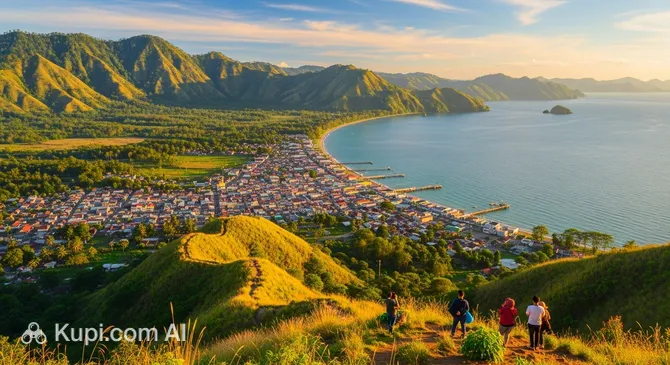
Waingapu. Source: Kupi.Binoculars

The history of Waingapu has long been connected to maritime trade, which has influenced its development as a cultural melting pot. Today, the city is world-renowned for its exquisite Ikat weaving. These intricate, hand-woven textiles are not just souvenirs but are deeply significant cultural artifacts that tell stories of the local heritage through their complex patterns and natural dyes.

Beyond its cultural treasures, Waingapu is the doorstep to some of Sumba's most iconic natural attractions. A short drive from the town center leads to the mesmerizing Wairinding Hill, where layers of grassy slopes turn golden in the dry season and lush green during the rains. Nearby, visitors can also explore the serene Walakiri Beach, famous for its "dancing" mangrove trees that create silhouette masterpieces against the sunset sky.

Whether you are a culture enthusiast eager to learn about traditional weaving or an adventurer ready to traverse the wild savannahs, Waingapu offers a warm introduction to the magic of Sumba. It is a destination that promises authentic experiences and unforgettable memories for every traveler.

Weather Overview

Waingapu experiences a tropical climate defined by consistent warmth and two clearly distinct seasons. The temperatures remain pleasant throughout the year, generally staying between 24°C and 27°C on average. For travelers planning their itinerary, understanding these patterns is key, and you can find more specific details on the weather in Waingapu page.

The year is divided into a wet season and a dry season. From December to March, the region sees significant rainfall, with January and February often recording up to 27 wet days per month. In contrast, the period from May to October is much drier; July through September are particularly arid, with only about 4 wet days per month and virtually no precipitation. Expect warm days year-round with daily highs reaching up to 30°C in October, while the nights can be slightly cooler during the dry season, dropping to around 21°C.

Interesting Facts

Beyond its role as a bustling transit hub, Waingapu harbors a wealth of cultural depth and natural curiosities that often go unnoticed by the casual traveler. Dig a little deeper into this East Nusa Tenggara city to uncover these captivating details.
  • A Living Megalithic Culture: Just a stone's throw from the modern city center, in villages like Prailiu, you can witness one of the few remaining living megalithic cultures on Earth. Massive stone tombs are still intricately carved and erected for the deceased today, reflecting the enduring strength of the local Marapu ancestral religion.

  • The "Dancing" Trees: A short distance from the town lies Walakiri Beach, home to a unique species of dwarf mangrove trees. Their twisted, stunted branches curve in such peculiar ways that, when silhouetted against the sunset, they appear to be frozen in graceful dance poses.

  • Fabric Worth a Fortune: Waingapu is the global epicenter for Tenun Ikat, a textile so complex that a single high-quality piece can take years to complete. Artisans use secret recipes of natural dyes derived from indigo plants and kombu roots to create fabrics that historically served as currency and status symbols for royalty.

  • An "African" Landscape: Unlike the lush, tropical rainforests found elsewhere in the archipelago, the terrain surrounding Waingapu dramatically resembles the savannahs of Africa. During the dry season, the rolling hills turn a stark, golden yellow, creating a rare arid landscape that has become a favorite backdrop for photographers and filmmakers.

How to Get There

Reaching this captivating destination in East Nusa Tenggara is an adventure in itself, with air travel being the most practical and popular option for international and domestic tourists alike. While the island of Sumba feels remote and untouched, it is well-connected to major Indonesian hubs. You can find more about how to get to Waingapu and detailed travel logistics in our dedicated guide.

The most direct entry point is Waingapu Airport (WGP), also locally known as Umbu Mehang Kunda Airport. Conveniently located just 9.2 km from the city center, it serves as the primary gateway for visitors heading specifically to East Sumba. Flights typically connect here from Bali or Kupang. Once you land, the journey to the town center is quick and easy; a taxi or hotel transfer takes approximately 20 to 30 minutes, allowing you to settle in without a long commute.

Another option, particularly for travelers who wish to traverse the entire island, is to fly into Tambolaka Airport (TMC). Situated in the city of Tambolaka in West Sumba, this airport is about 113.7 km away from Waingapu. While it is not in the immediate vicinity, many tourists choose this route to explore the western attractions before driving across the island. The overland trip from Tambolaka to Waingapu takes around 3 to 3.5 hours by car, offering scenic views of the rolling savannahs along the way.

For clarity, here is a summary of the main airports in the region:

Airport Name City Passenger Traffic Km from City
Komodo AirportLabuan BajoHigh136.3
H. Hasan Aroeboesman AirportEndeMedium179.6
Tambolaka AirportTambolakaMedium113.7
Waingapu AirportWaingapuMedium9.2
Bajawa Soa AirportBajawaSmall125.0

Main Attractions

Prailiu Village (Kampung Raja Prailiu)

Located just a few kilometers from the city center, Prailiu is one of the most accessible traditional villages in Sumba and a hub of the island’s royal history. This "King's Village" allows visitors to witness the living Marapu culture firsthand, featuring massive megalithic stone tombs that honor the nobility. It is also a primary center for Ikat weaving; you can watch artisans dyeing and spinning intricate textiles and even try on traditional royal attire for a memorable photo opportunity. It is a perfect cultural introduction before exploring the wilder parts of the island.

Wairinding Hill (Bukit Wairinding)

Often featured in Indonesian films and travel documentaries, Wairinding Hill defines the exotic landscape of East Sumba. This vast expanse of rolling limestone hills offers a dramatic, layered view that changes with the seasons—turning a vibrant lush green during the wet months and a stark, golden yellow in the dry season. It is widely considered one of the best spots for sunset, where the play of light and shadow across the endless curves of the earth creates a mesmerizing, peaceful atmosphere.

Walakiri Beach

While many beaches in Indonesia offer white sand and blue water, Walakiri offers something unique: the "dancing trees." These dwarf mangroves grow in the shallow tidal flats and have twisted, artistic branches that resemble dancers frozen in motion. The beach is best visited at sunset during low tide, when the receding water creates a mirror-like reflection of the trees against the colorful sky. The calm, shallow waters also make it a safe and relaxing spot for families to wade and explore.

Puru Kambera Savannah and Beach

About an hour’s drive from Waingapu, Puru Kambera presents a scene that feels more like the African savannah than a tropical island. The area is famous for its wide, grassy plains that stretch all the way to a pristine white-sand beach. If you are lucky, you may spot herds of wild Sandalwood horses grazing freely against the backdrop of the turquoise sea. The untouched beauty and the sight of horses roaming the coast make this a favorite location for nature lovers and photographers seeking the raw spirit of Sumba.

Tanggedu Waterfall

For those willing to travel a bit further and embark on a trek, Tanggedu Waterfall is often called the "Grand Canyon" of East Sumba. Located roughly 45 kilometers from Waingapu, the journey involves a drive through rugged terrain followed by a hike, but the reward is spectacular. The waterfall cascades through unique rock formations into dazzling blue pools, surrounded by high cliffs. It is an adventurous escape that showcases the dramatic geological features hidden within the island's interior.

Local Cuisine

The culinary scene in Waingapu is a delightful reflection of its coastal geography and the dry, savory landscape of East Sumba. While you generally won't find high-end fine dining here, the town offers an abundance of authentic flavors, characterized by fresh ingredients and bold spices. The food culture is unpretentious and deeply communal, with the best meals often found in modest open-air eateries known as warungs or at bustling night markets.

Given its location as a port city, fresh seafood is the undisputed star of the local menu. A visit to Waingapu is incomplete without feasting on Ikan Bakar (grilled fish), typically served with a side of steamed rice and spicy sambal sauce. The fish is caught daily by local fishermen, ensuring a sweetness and texture that is hard to match. Another savory favorite is Ikan Kuah Asam, a refreshing fish soup with a clear, sour broth flavored with turmeric, tamarind, and basil, perfect for balancing the tropical heat.

For those looking to taste dishes unique to Sumba, look for Manggulu. This traditional delicacy was historically favored by Sumba's warriors for its high energy content. It is a dense, sweet cake made from mashed bananas mixed with peanuts and shaped into small logs wrapped in dried banana leaves. It makes for an excellent snack or a souvenir to take home. To accompany your main meal, try Rumpu Rampe, a stir-fry made from papaya flowers and cassava leaves. Although papaya flowers can be bitter, the locals expertly prepare them with salt and spices to create a savory, flavorful vegetable dish.

The beverage culture in Waingapu is equally distinct. Coffee lovers should not miss Kopi Sumba, a local variety known for its rich aroma and low acidity, often roasted traditionally with ginger or corn. On the stronger side, the region produces a traditional palm spirit often referred to locally as Peci or Moke. This distilled drink plays a significant role in traditional ceremonies and social gatherings, though it is potent and best sampled with caution.

The heart of the city's evening food scene beats at the Old Harbor (Dermaga Lama). As the sun sets, this area transforms into a vibrant Night Market (Pasar Malam). Rows of vendors set up grills, and the air fills with the smoke of roasting seafood. It is the most popular spot for both locals and tourists to mingle, choose their own fresh fish from the cooler, and enjoy a feast by the water under the stars.

Travel Tips

Traveling to Waingapu opens the door to the wild beauty of Sumba, but this rugged island requires a bit more preparation than your typical tourist destination. To help you navigate the local customs and logistics smoothly, here are some essential practical tips for your journey.

  1. Clothing and Gear: The climate in East Sumba is often hotter and drier than other parts of Indonesia. Pack lightweight, breathable clothing, but ensure you have a hat, sunglasses, and high-SPF sunscreen to protect against the intense sun. Sturdy walking shoes or hiking sandals are a must for trekking to waterfalls or climbing hills like Wairinding. If you plan to visit traditional villages, dress modestly; keeping a sarong handy to cover your knees is a respectful gesture.
  2. Transportation: Public transport, known as bemos, operates within the city but can be confusing and irregular for tourists. The best way to explore the surrounding attractions is to rent a car with a local driver. This ensures you don't get lost on unmarked roads and provides a cultural bridge with the locals. Scooter rentals are available for experienced riders, but be aware that road conditions in remote areas can be challenging.
  3. Finances: The local currency is the Indonesian Rupiah (IDR). While Waingapu has reliable ATMs and some hotels accept credit cards, cash is absolute king once you leave the town center. Be sure to withdraw enough cash in the city before heading out on day trips to beaches or villages, as rural areas do not have banking facilities. Tipping is not mandatory but is highly appreciated by drivers and guides.
  4. Health and Safety: Pharmacies (look for signs saying Apotek) are available in the town center, but they may not be open 24/7. It is advisable to bring a basic first-aid kit and any personal medication. Mosquito-borne illnesses can occur, so bring strong insect repellent. Always drink bottled or filtered water, and stay hydrated, as the dry heat can be dehydrating.
  5. Communication: The main language is Bahasa Indonesia, though local Sumbanese dialects are spoken among residents. English is generally understood in hotels and by tour guides, but less so by shopkeepers or villagers. It is highly recommended to buy a Telkomsel SIM card, as it offers the widest coverage in East Nusa Tenggara. Downloading an offline translation app and offline maps is also a smart move.
  6. Local Etiquette: Sumba has a deeply rooted culture based on respect and hierarchy. Always use your right hand for eating, shaking hands, or giving and receiving items; using the left hand is considered impolite. When visiting traditional villages, always ask for permission before taking photos of people, their homes, or rituals. It is customary to fill a guest book and leave a small donation (money or betel nut) when visiting these communities.
  7. What to Avoid: Do not climb, sit, or step on the stone tombs found in villages or around the city. These are sacred resting places for ancestors in the Marapu religion and must be treated with reverence. Additionally, avoid public displays of affection, which are frowned upon in this conservative society.
  8. Stock Up Before You Go: Waingapu is the commercial hub of East Sumba, meaning it is the best place to buy supplies. Before heading out on long excursions to places like Puru Kambera or Tanggedu, visit a local minimarket to stock up on snacks, water, and necessities. Shops in the interior are sparse and may not carry what you need.

With these tips in mind, you are well-equipped to embrace the adventure that awaits in East Sumba. Respecting the local customs and coming prepared will ensure that your experience in Waingapu is not only safe but also deeply rewarding and memorable.

Entertainment & Nightlife

Entertainment in Waingapu is defined by its relaxed, small-town atmosphere rather than a high-energy nightlife scene. Travelers will not find sprawling shopping malls or pulsating nightclubs here. Instead, the town offers a chance to unwind and engage with the local community through modest but authentic experiences, from bustling traditional markets to cultural festivals that showcase the pride of Sumba.

For an evening out, the Old Harbor (Dermaga Lama) is the undisputed social heart of the city. While it is famous for its culinary offerings, it also serves as a communal gathering spot where families, teenagers, and travelers mingle under the stars. The vibe is casual and friendly, perfect for a leisurely stroll or simply sitting by the water to watch the port activity. For those seeking a bit of indoor fun, a few local hotels and dedicated venues offer karaoke, a favorite pastime across Indonesia, where you can sing your heart out alongside enthusiastic locals.

Shopping in Waingapu is an adventure in itself, centered largely on the region's world-class craftsmanship. The Pasar Inpres Matawai is the town’s largest market and a sensory delight. Here, you can wander through narrow aisles filled with the aroma of spices, dried fish, and fresh produce. It is also a prime place to hunt for Tenun Ikat textiles. While buying directly from artisan villages is popular, the market offers a wide variety of sarongs and scarves, allowing you to compare patterns and prices in one place. Don't forget to bargain respectfully; it is part of the interaction.

Cultural events provide the most spectacular entertainment if your visit coincides with the festival season. The highlight of the calendar is often the Sandalwood Horse Parade (Parade Kuda Sandel), typically held around July. During this event, hundreds of the island's famous horses are decorated and paraded through the town, ridden by locals in full traditional costume. This is often accompanied by the Tenun Ikat Festival, turning the city into a vibrant showcase of weaving demonstrations, fashion shows, and traditional dance, offering a deep dive into the heritage of East Sumba.

Parks & Museums

While Waingapu is primarily known as a transit hub and a gateway to wilder landscapes, the city itself offers several green spaces and cultural institutions that provide a deeper understanding of the region's heritage. Visitors taking the time to explore the town center will find modest but meaningful parks and sites that celebrate both the natural beauty and the ancient history of East Sumba.

Taman Sandalwood (Sandalwood Park)

Located in the heart of the city, this park serves as the main recreational area for locals and is named after the famous Sumba horses that are an icon of the island. It acts as a vibrant social hub, particularly in the late afternoon and evening when the air cools down. The park features open green spaces, jogging tracks, and a variety of food stalls offering local snacks, making it an excellent spot to observe daily life and mingle with friendly residents in a relaxed atmosphere.

Bukit Persaudaraan (Brotherhood Hill)

Although technically a natural feature rather than a manicured garden, this hill located just on the outskirts of Waingapu functions as a massive natural park for the city. It offers one of the most accessible panoramic views in the area, overlooking a patchwork of emerald rice fields, meandering rivers, and the distant hills. It is a favorite spot for travelers seeking a quick escape into nature without venturing far from their accommodation, offering a serene setting for sunrise or sunset.

Museum Daerah Dr. (H.C) Oemboe Hina Kapita

For those interested in the ethnographic treasures of the island, this regional museum is a key stop. The collection houses a variety of artifacts that trace the history and culture of East Sumba, including ancient ceramics, traditional weapons, and intricate Ikat textiles. It also preserves items related to the Marapu ancestral religion, providing visitors with essential context before they visit the living traditional villages in the countryside.

Lambanapu Archaeological Site

A short drive from the city center, this open-air site museum offers a fascinating glimpse into the deep past of the Indonesian archipelago. Excavations here have revealed human settlements and burial jars dating back nearly 3,000 years, shedding light on the ancestors of the Sumbanese people and their links to the Austronesian migration. It is a unique educational destination that connects the modern culture of Sumba with its prehistoric roots.

Insider Tip: If you visit the Lambanapu site, try to find a local guide or caretaker who can explain the significance of the "tempayan" (burial jars). Their stories often bridge the gap between scientific archaeology and the local myths that still permeate the island today.

Getting Around

The public transport system in Waingapu is modest and straightforward, reflecting the town's size and laid-back atmosphere. Unlike large metropolises, you will not find subways, trams, or extensive city bus networks here. Instead, the local transportation relies heavily on road-based vehicles, offering a raw and authentic way to navigate the streets. For most visitors, getting around involves a mix of local minibuses, motorcycle taxis, and private rentals.

The backbone of public transit within the city and its immediate suburbs is the bemo (also known locally as mikrolet). These are small, modified vans that function as shared minibuses. They typically follow specific routes, which may be color-coded or have the destination painted on the windshield. Bemos are an affordable way to experience local life, often blasting upbeat music and packed with residents carrying goods to and from the market. There are no designated bus stops; you simply stand by the side of the road and wave your hand to flag one down.

Regarding payment, the system is entirely cash-based. There are no travel cards, passes, or digital ticketing apps for the public bemos. Fares are very low, usually amounting to a few thousand Rupiah for a trip within the town limits. It is essential to carry small change, as drivers may not always have change for large banknotes. You generally pay the driver directly when you reach your destination and exit the vehicle.

For a faster and more direct alternative, ojeks (motorcycle taxis) are ubiquitous throughout Waingapu. You can find ojek drivers waiting at street corners, near the harbor, and outside markets. Since these are informal taxis, there are no meters. You must negotiate and agree on a price with the driver before hopping on. While some ride-hailing apps are beginning to establish a presence in the region, coverage can be sporadic, so relying on traditional ojeks or arranging transport through your accommodation is often more reliable.

For tourists planning to visit the famous hills, waterfalls, and beaches located outside the city center, public transport is not the most practical option. Bemos do not typically travel to remote tourist attractions like Wairinding Hill or Walakiri Beach. Therefore, renting a car with a local driver is the most highly recommended method for exploring the wider region. This allows for flexibility and ensures you can navigate the rural roads safely. Alternatively, adventurous travelers can rent scooters from local guesthouses, but caution is advised due to varying road conditions.

Transport services generally operate during daylight hours. Bemos are most active from early morning until late afternoon. After sunset, public transport becomes scarce, and finding a ride can be difficult. If you plan to be out late for dinner at the Night Market or the Old Harbor, it is wise to arrange a return ride in advance or ensure your hotel is within walking distance.

Accommodation

Accommodation in Waingapu reflects the town's character: practical, welcoming, and unpretentious. As the main transit hub of East Sumba, the city offers a functional range of lodging options suited primarily for adventurers and travelers passing through. You will not find international luxury hotel chains or sprawling five-star resorts here. Instead, the selection is dominated by family-run guesthouses (homestays), budget-friendly hostels, and a handful of comfortable mid-range hotels that provide modern amenities like air conditioning, hot water, and swimming pools.

For most visitors, the most convenient area to stay is the City Center, particularly around the Old Harbor (Dermaga Lama) and the Matawai market district. staying in this vicinity places you within walking distance of the best seafood warungs, the night market, and essential shops. It is also the easiest location for arranging transport, whether you are looking for a driver to take you to the hills or a bemo to get around town. A few boutique resorts are beginning to appear slightly further from the center along the coast, offering quieter atmospheres and sea views for those willing to be a short drive away from the main action.

Booking Tips and Prices

The price range in Waingapu is generally very affordable compared to more developed tourist destinations in Indonesia like Bali. Budget travelers can find basic rooms for very low rates, while the "luxury" end of the market—typically defined here as a clean, spacious room with a pool and breakfast—remains reasonably priced. While major online booking platforms list the larger hotels, many smaller homestays still rely on direct bookings via WhatsApp or phone calls. If you are traveling during the dry season (May to October), which is the peak time for visiting Sumba, it is highly recommended to book your accommodation in advance to secure the best rooms.

Nearby Cities

For those looking to explore the surroundings, Waingapu serves as an excellent base for day trips to several interesting nearby locations. While the city acts as the primary hub, the wider island of Sumba offers distinct towns and regions that provide a deeper look into the local culture and geography, all within reach for a day's adventure. **Melolo** Located approximately 60 kilometers east of Waingapu, Melolo is a small town that serves as the gateway to the renowned weaving villages of the Rende and Pau districts. A visit here allows travelers to witness the creation of authentic Ikat textiles and see traditional houses with high-pitched roofs. The area is also famous for its ancient megalithic tombs, making it a perfect cultural day trip that captures the essence of East Sumba’s heritage. **Waikabubak** For a longer excursion, the town of Waikabubak in West Sumba offers a dramatic change of scenery. Although the drive takes about three to four hours, the journey through the central highlands is spectacular. Waikabubak is surrounded by lush green hills and traditional villages like Tarung, which are situated right in the town center. It provides a cooler climate and a different cultural perspective compared to the coastal heat of Waingapu.
City Population Distance (km)
Lombok 495651 446
Kupang 433970 372
Bima 136492 212
Raba 106101 210
Maumere 104285 245
These nearby destinations offer a glimpse into the diverse culture and landscapes of the region.

Shopping & Souvenirs

Shopping in Waingapu offers a culturally immersive experience rather than a spree in modern high-end boutiques. The city lacks sprawling shopping complexes but makes up for it with vibrant local trading hubs and art shops that showcase the island's rich heritage. It is the primary commercial center of Sumba, making it the best place to source authentic goods, handicrafts, and supplies before venturing into the more remote areas of the island.

The main commercial activity is concentrated in the Matawai district, which functions as the city's downtown area. Here, rows of shophouses line the streets, selling everything from electronics and clothing to daily necessities. A stroll along Jalan Ahmad Yani and the surrounding streets will reveal various local stores, pharmacies, and small grocers that serve the community's needs, offering a glimpse into the daily life of the residents.

Travelers should not expect Western-style shopping malls in Waingapu. There are no large department stores or international brand outlets here. Instead, you will find locally owned "swalayan" (supermarkets) and convenience stores that provide essential items, snacks, and toiletries. These establishments are practical and well-stocked, ensuring you can find almost anything you need for your travels across the island.

The heartbeat of the city's trade is undoubtedly Pasar Inpres Matawai. This sprawling traditional market is where the true spirit of Sumba comes alive. It is divided into sections for fresh produce, spices, dried fish, and household goods. For tourists, the textile section is the highlight, offering a dazzling array of fabrics. It is the perfect place to practice your bargaining skills and interact with friendly local traders in an authentic setting.

The ultimate souvenir from Waingapu is Tenun Ikat, the world-famous handwoven fabric of Sumba known for its intricate motifs and natural dyes. While you can buy these in the market, there are also dedicated art shops and galleries in town that offer high-quality collector pieces. Other excellent keepsakes include bags of Sumba coffee, which is robust and aromatic, and Manggulu, a traditional sweet cake made from bananas and peanuts. For something unique, look for Mamuli jewelry replicas, which represent an ancient Sumbanese symbol of fertility and power.

Regarding logistics, most shops typically open around 8:00 AM and close by 9:00 PM, although the traditional market begins bustling as early as sunrise. Cash is absolute king in Waingapu. While a few larger hotels or specific high-end art shops might accept credit cards, virtually all market vendors, small warungs, and convenience stores require Indonesian Rupiah. It is essential to withdraw sufficient cash from the ATMs in the city center before shopping.

Tax-free shopping and VAT refund services are generally not available in Waingapu. These facilities are typically reserved for major international airports and large luxury retailers in Indonesia's metropolitan hubs like Jakarta or Bali.

Reached the end of the page?

That means the route is fully explored