Support

Kupang

About

Welcome to Kupang, the vibrant capital of the East Nusa Tenggara province. As the largest city and main port on the island of Timor, it serves as a bustling gateway to the eastern regions of Indonesia. Known for its friendly atmosphere and diverse cultural blend, the city offers a unique mix of modern urban life and traditional charm.

Geographically, Kupang is situated on the southwestern tip of Timor Island, overlooking the Savu Sea. The city is home to approximately 433,000 people and enjoys a tropical savanna climate, characterized by distinct wet and dry seasons. Its coastal location provides refreshing sea breezes and stunning ocean views that captivate visitors upon arrival.
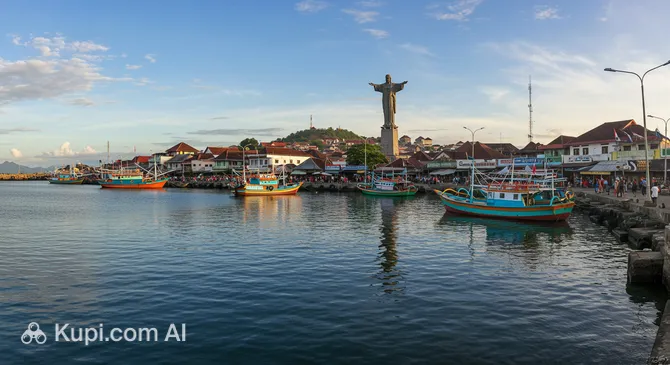
Kupang. Source: Kupi.Binoculars

The city has long been an important trading hub, attracting merchants from around the globe for centuries. Travelers interested in the past can explore the rich history of Kupang, which reveals a fascinating tapestry of colonial influences and local heritage. Remnants of this era can still be seen in the architecture and the layout of the old town.

Tourists will find plenty to discover here, from the serene Lasiana Beach, famous for its picturesque sunsets and palm-lined shores, to the hidden gem known as Crystal Cave (Gua Kristal), where you can swim in exceptionally clear waters. In the evenings, the local night markets come alive, offering a fantastic opportunity to taste fresh seafood and authentic local cuisine.

Whether you are using it as a jumping-off point for further adventures in Nusa Tenggara or staying to soak up the local culture, Kupang is a destination that promises a warm welcome and memorable experiences.
Weather Overview

Travelers visiting this coastal city can expect a tropical climate characterized by consistent warmth and two distinct seasons. Temperatures remain pleasant throughout the year, with average daily highs usually hovering between 28°C and 31°C, while nights stay comfortable with lows rarely dropping below 23°C.

The dry season, running roughly from May to September, offers the most stable conditions for exploration. During these months, rainfall is scarce, with August typically being the driest month featuring just one wet day. This period also brings slightly cooler air, particularly in July, which sees an average temperature of around 26.1°C. Conversely, the wet season from December to March brings frequent precipitation, with January often experiencing up to 30 wet days.

November is generally the warmest month, with an average temperature reaching 28.4°C. Regardless of when you choose to travel, checking the current weather in Kupang is recommended to help you pack appropriate clothing, whether you need sun protection for the dry months or rain gear for the monsoon season.

Interesting Facts

Beyond the main attractions and busy streets, Kupang holds fascinating stories and cultural treasures that often go unnoticed by casual visitors. Here are a few intriguing details about this historic port city that add depth to its character.
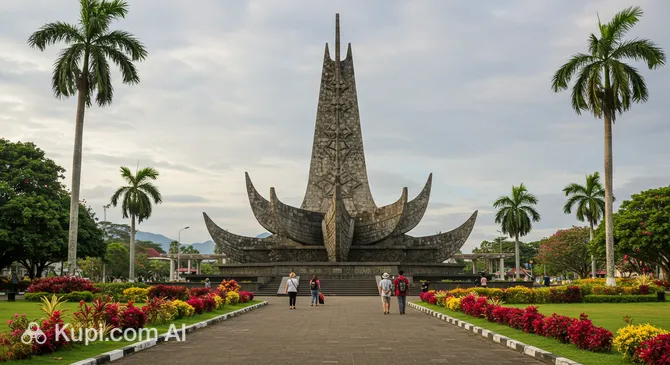
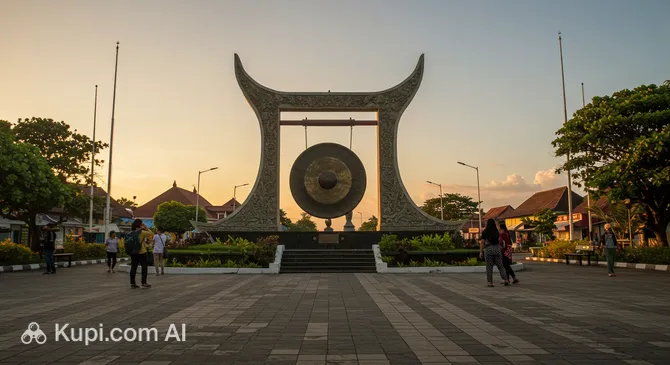
Peace Gong. Source: Kupi.Binoculars
  • A Maritime Survival Legend: Kupang played a pivotal role in one of history's most famous maritime events. In 1789, after the Mutiny on the Bounty, Captain William Bligh navigated a small open boat over 6,000 kilometers across the ocean to reach safety on these very shores, a feat still celebrated in local history.

  • Home of the Sasando: The region is the birthplace of the Sasando, a unique harp-like traditional instrument made from bamboo and dried lontar palm leaves. Its soothing, melodic sound is iconic to East Nusa Tenggara and can often be heard in local ceremonies and hotels.

  • A Symbol of Unity: The city features a prominent Peace Gong located in Nostalgia Park. This monument was established to promote harmony and brotherhood among the diverse religious and ethnic groups in the region.

  • The "Red City" Phenomenon: Towards the end of the year, particularly in November and December, Kupang is bathed in vibrant red hues. This is due to the blooming of Sepe (Flamboyant) trees, which locals affectionately welcome as a natural sign that the festive season is approaching.

How to Get There

Reaching the capital of East Nusa Tenggara is relatively straightforward, as the city serves as a primary transportation hub for the region. While the island location makes overland travel from other major Indonesian islands impossible, the city is well-connected by air and sea. For a comprehensive guide on all available transport options, you can read more about how to get to Kupang and plan your journey accordingly.

The most convenient and common way to arrive is via El Tari Airport (KOE), which is located directly in Kupang. As the main gateway to the city, it handles a significant volume of domestic flights, connecting the island to major hubs like Jakarta, Surabaya, and Bali. The airport is situated approximately 7.1 km from the city center. Travelers can expect a quick and easy transfer to downtown hotels, with the journey by taxi or bus typically taking around 30 minutes depending on traffic.

For those exploring the wider region or crossing overland from the eastern part of Timor Island, you might consider arriving at Haliwen Airport (ABU). However, it is important to note that this airport is located in the city of Atambua, not Kupang. It is approximately 187.5 km away, which translates to a substantial overland journey. A trip from Atambua to Kupang by car or bus takes roughly 5 hours, offering a scenic route through the island's interior for adventurous travelers.

For clarity, here is a summary of the main airports in the vicinity and neighboring regions:

Airport Name City Passenger Traffic Km from City
El Tari Airport Kupang High 7.1
Wai Oti Airport Maumere Medium 227.0
Comoro Airport Dili Medium 277.3
H. Hasan Aroeboesman Airport Ende Medium 259.1
Haliwen Airport Atambua Small 187.5

Since there are no railway services on Timor Island, visitors relying on public transport typically use the extensive network of intercity buses or ferries. The city's port is a major stop for PELNI ships, which provide affordable sea connections to various parts of the Indonesian archipelago.

Main Attractions

Kupang offers a delightful mix of natural beauty, historical sites, and iconic landmarks. The city's coastal location means that many of its top sights are centered around the sea, providing travelers with ample opportunities to enjoy the tropical atmosphere. Here are some of the main attractions you should not miss.

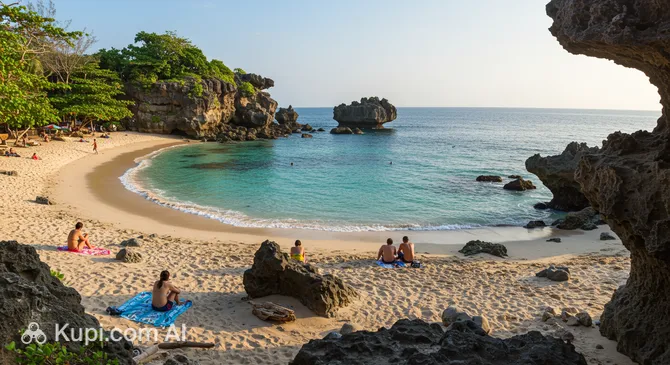
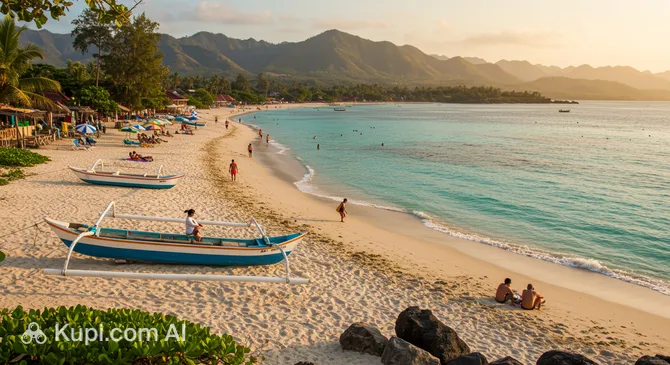
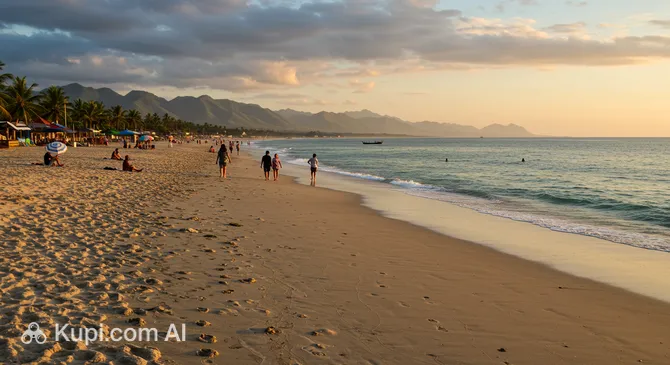
One of the most popular recreational spots in the city is Pasir Panjang Beach. True to its name, which translates to "Long Sand," this beach features a wide stretch of coastline perfect for leisurely strolls and beach sports. The waters here are generally calm, making it a safe place for swimming. It is particularly famous for its spectacular sunsets, drawing crowds every evening to watch the sky turn into a canvas of vibrant oranges and purples.

Pasir Panjang Beach. Source: Kupi.Binoculars

For a blend of history and scenic views, visit Koepan Beach (Pantai Koepan). Located near the old harbor, this area is steeped in the city's maritime past. Visitors can see the remnants of the old pier and colonial-style architecture in the vicinity. As the sun sets, the area comes alive with food stalls serving fresh local seafood, making it a fantastic spot to experience the local culinary culture by the water.

Koepan Beach (Pantai Koepan). Source: Kupi.Binoculars

Another coastal gem is Ketapang Satu Beach, known for its serene atmosphere and unique landscape. The beach is lined with shady trees and features a concrete embankment that serves as a popular hangout spot for locals, especially young couples. It offers an unobstructed view of the horizon, making it one of the best locations in the city to sit back, relax, and enjoy the cooling sea breeze.

Ketapang Satu Beach. Source: Kupi.Binoculars

In the heart of the city, the TIROSA Monument stands as a significant landmark. Located at a major traffic circle, this statue symbolizes the unity of the three major islands in the province: Timor, Rote, and Sabu. It is an imposing structure that represents the hard work and spirit of the local people, serving as a proud welcome to those exploring the capital of East Nusa Tenggara.

TIROSA Monument. Source: Kupi.Binoculars

Local Cuisine

The culinary landscape of Kupang is a delightful reflection of its geography and cultural heritage, offering a distinct flavor profile that sets it apart from other Indonesian regions. The city is renowned for its unique smoking techniques and the abundant use of fresh seafood harvested from the surrounding waters. For food enthusiasts, exploring the local gastronomy is an essential part of the travel experience here.

The absolute star of Kupang's cuisine is Se'i, a traditional smoked meat dish that has gained fame across the country. Typically made from beef or pork, the meat is thinly sliced and smoked using wood from the Kusambi (Schleichera oleosa) tree, which imparts a distinct aroma and reddish hue. It is almost always served with sautéed papaya leaves and Sambal Lu'at, a spicy and tangy chili paste fermented with orange peel and basil. Another staple worth trying is Jagung Bose, a hearty porridge made from corn and kidney beans cooked with coconut milk, often eaten as a substitute for rice.

Given its coastal location, seafood is fresh, plentiful, and affordable. One popular preparation is Ikan Kuah Asam, a fish soup characterized by its clear, sour, and savory broth, usually flavored with turmeric, tomatoes, and lemon basil. It provides a refreshing contrast to the smoky richness of the meat dishes.

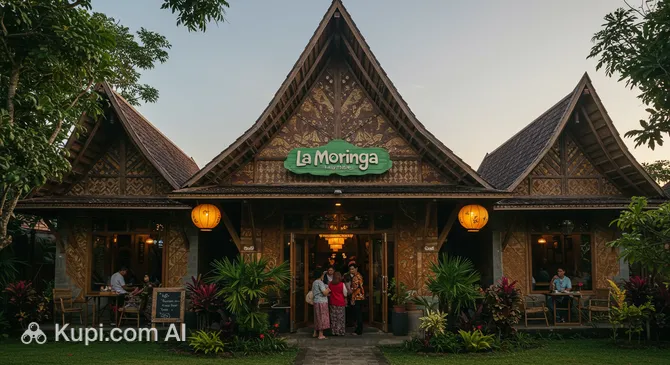
La Moringa. Source: Kupi.Binoculars

When it comes to beverages, the locals have a strong affinity for coffee, but the region is also known for its traditional palm liquor called Moke or Sopi. This distilled spirit is a significant part of local customs and social gatherings. For a non-alcoholic refresher, fresh young coconut water is widely available, as are healthy drinks made from Moringa (Kelor). In fact, Kupang produces high-quality Moringa products, and you can sample delicious Moringa-infused dishes and drinks at La Moringa, a specialized restaurant that celebrates this nutritious superfood.

The food culture in Kupang ranges from humble street stalls to modern dining establishments. As the sun sets, the city comes alive with night markets, particularly the famous seafood market at Kampung Solor. Here, tourists can pick fresh fish, squid, or prawns directly from the ice and have them grilled to perfection on the spot. For those seeking a more contemporary atmosphere to enjoy a drink and a meal, places like Beer and Barrel Kitchen n' Lounge offer a lively setting to unwind after a day of exploration.

Travel Tips

To ensure your journey to the capital of East Nusa Tenggara is as smooth and enjoyable as possible, we have compiled a list of essential travel advice. These practical tips will help you navigate the local customs, climate, and logistics of Kupang with ease.

  1. Clothing and Gear: Given the tropical savanna climate, lightweight and breathable fabrics like cotton or linen are your best friends. The sun can be intense, so bring a wide-brimmed hat, sunglasses, and high-SPF sunscreen. While the city is generally casual, it is respectful to dress modestly when visiting villages or religious sites; avoid overly revealing swimwear outside of beach areas.

  2. Transportation: For a truly local experience, try the bemo (minibus). In Kupang, these are famous for their flashy decorations and loud music, functioning almost like mobile discos. For a more direct and comfortable ride, ride-hailing apps like Grab and Gojek are widely available and reliable. They offer both car and motorbike taxi options at fixed prices, saving you the hassle of negotiation.

  3. Finances: The official currency is the Indonesian Rupiah (IDR). While major hotels and some modern restaurants accept credit cards, cash is king in Kupang. You will need small denominations for bemos, traditional markets, and street food stalls. ATMs are plentiful in the city center, but it is wise to withdraw enough cash before heading to more remote beaches or outer districts.

  4. Health and Safety: Tap water is not potable; always stick to bottled or filtered water to avoid stomach issues. As a tropical destination, mosquitoes can be a nuisance and carry diseases like dengue fever, so applying insect repellent regularly is crucial, especially in the evenings. Pharmacies (Apotek) are easy to find, with chains like Kimia Farma offering reliable service.

  5. Communication: Bahasa Indonesia is the primary language. While staff at major hotels may speak English, it is less common among local drivers and market vendors. Downloading an offline translation app or learning a few basic phrases like terima kasih (thank you) and selamat pagi (good morning) will go a long way. For mobile data, Telkomsel typically offers the strongest coverage in this region.

  6. Local Etiquette: The people of Kupang are known for their friendliness. A smile is the universal greeting here. When handing over money, food, or shaking hands, always use your right hand, as the left is considered unclean in local culture. If you are invited into a local's home, remember to remove your shoes before entering.

  7. What to Avoid: Avoid public displays of anger or shouting, as this causes a "loss of face" and is considered very rude. Also, refrain from touching people on the head, including children, as the head is viewed as the most sacred part of the body in many Eastern cultures.

  8. Sunday Observance: Unlike some other parts of Indonesia, Kupang has a predominantly Christian population. Consequently, Sundays are taken quite seriously; many shops, businesses, and even some restaurants may be closed or open later in the day as locals attend church services. Plan your shopping and errands accordingly.

With these tips in mind, you are well-prepared to embrace the warm hospitality and vibrant energy of the city. Enjoy your adventure in this unique and welcoming corner of the Indonesian archipelago!

Entertainment & Nightlife

Entertainment and Nightlife:

While Kupang may not possess the high-octane party reputation of Bali or Jakarta, its nightlife scene is vibrant, friendly, and rapidly growing. The city comes alive after the sun dips below the horizon, offering a mix of laid-back coastal vibes, bustling night markets, and modern venues where locals and travelers mingle. The atmosphere is generally casual and welcoming, reflecting the warm hospitality of the Timorese people.

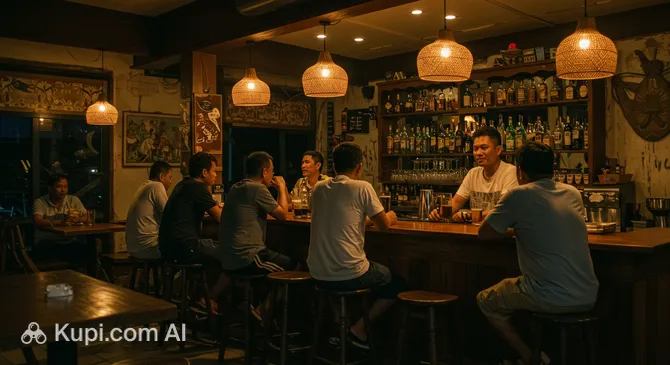
The heart of the evening action is often found along Jalan Timor Raya, the main coastal road. Here, the cool sea breeze sets the tone for a relaxing night out. For those seeking the city's premier entertainment venue, Beer and Barrel Kitchen n' Lounge is the place to be. Located on the waterfront, this spot is famous for its energetic crowd, live music performances ranging from acoustic sets to full bands, and DJ nights on weekends. It serves as a social hub where you can enjoy a wide selection of drinks and Western-Indonesian fusion food in a stylish, open-air setting.

Beer and Barrel Kitchen n' Lounge. Source: Kupi.Binoculars

For a more culinary-focused evening, the Kampung Solor district transforms into a bustling night market (Pasar Malam) every evening. It is the perfect spot to soak up the local culture without a dress code or high price tag. Plastic chairs and tables line the street, and the air is filled with the aroma of grilled seafood. It is bustling until late, usually winding down around midnight. If you prefer a modern dining experience with a sophisticated ambiance, Harper Restaurant Kupang offers an excellent venue for evening cocktails and dinner, providing a comfortable retreat with high-quality service.

Most bars and clubs in Kupang start filling up around 9:00 PM and can stay open until 2:00 AM or 3:00 AM, especially on weekends. The dress code is typically "smart casual"—shorts and t-shirts are acceptable in most open-air places, but closed shoes and long pants are recommended for indoor clubs or hotel bars. Prices are generally affordable compared to western Indonesia; a beer might cost between 35,000 to 50,000 IDR.

Beyond the nightlife, Kupang offers several daytime entertainment options for families and shoppers. Transmart Kupang is a modern lifestyle destination that houses a cinema, a mini amusement park for children, and various retail outlets, making it a great escape from the midday heat. Similarly, Kupang Plaza is one of the city's established shopping centers where you can browse for local goods and electronics.

Safety and Transport: Kupang is considered safe for night walks in busy areas like Jalan Timor Raya or the night markets. However, as with any city, it is advisable to avoid poorly lit, deserted streets late at night. Public transport (bemos) stops running in the evening, so the best way to get around at night is by using ride-hailing apps like Grab or Gojek, or by asking your venue to call a taxi for you.

Parks & Museums

While Kupang is primarily known for its coastal allure and busy port, the city also preserves its heritage and offers inviting green spaces for relaxation. Visitors looking to understand the cultural fabric of East Nusa Tenggara or seeking a break from the beach will find several worthwhile stops that highlight the region's history and natural environment.

For a slice of local life, head to Nostalgia Park (Taman Nostalgia). This central city park is a favorite gathering spot for residents, especially in the late afternoon and on weekends. It features jogging tracks, basketball courts, and numerous food stalls serving local snacks. The park's centerpiece is the Peace Gong, a significant monument dedicated to maintaining harmony and brotherhood in the region. It is an excellent place to observe the daily rhythm of the city and mingle with friendly locals.

Another unique natural area is the Monkey Cave Recreational Park (Taman Wisata Gua Monyet). Situated near the port of Tenau, this park is home to a large population of long-tailed macaques that roam freely among the trees and rocks. Besides the playful monkeys, the site features a natural cave and shaded pathways, offering a cool, green retreat from the tropical heat. It provides a fun, short excursion for nature lovers, though visitors should be mindful of their belongings around the animals.

When it comes to culture, the East Nusa Tenggara State Museum (Museum Negeri NTT) is the premier destination for history buffs. Located on Jalan Raya El Tari, this museum houses a comprehensive collection of artifacts ranging from prehistoric tools and traditional weapons to ceramics and musical instruments. It is particularly renowned for its exhibition of Tenun Ikat, the intricate hand-woven textiles that define the region's artistic identity. A visit here provides deep insight into the diverse ethnic groups inhabiting the archipelagic province.

Travelers interested in colonial history should wander through the Old Town (Kota Tua) area near the river mouth and the old harbor. This district acts as an open-air gallery of the city's past, where you can spot remnants of Dutch colonial architecture and old shophouses. The area retains a nostalgic atmosphere, whispering tales of Kupang's centuries-old role as a bustling trading hub for sandalwood and spices.

For a truly authentic cultural experience, try to visit a local Tenun Ikat weaving workshop. While the museum displays the finished products, seeking out these small home industries—often found in residential neighborhoods—allows you to see the weavers in action. Watching the incredible skill and patience required to create these masterpieces offers a perspective on local artistry that you won't find in a standard guidebook.

Getting Around

Navigating Kupang is an adventure in itself, largely due to its unique and vibrant public transportation culture. Unlike many modern cities dominated by silent trains or standardized buses, the streets here are ruled by Bemos. These are modified minibuses that serve as the primary mode of public transport for locals. In this city, Bemos are not just vehicles; they are mobile art installations, often heavily decorated with flashy decals, colorful accessories, and equipped with powerful sound systems blasting the latest hits. Riding one is an essential part of the local experience.

The Bemo network covers most major routes within the city, connecting residential areas with markets, the harbor, and the city center. There are no fixed timetables, and stops are not always clearly marked. Instead, you simply stand by the side of the road and wave your hand to flag one down. To disembark, you just tell the driver to stop or tap on the roof/window when you reach your destination. They typically operate from early morning, around 06:00 AM, until the early evening, roughly 07:00 PM or 08:00 PM. After this time, finding a Bemo becomes difficult, and you will need to rely on other forms of transport.

Payment for Bemos is strictly cash only. There are no travel cards or digital passes for these minibuses. The fare is very affordable, usually a small fixed amount for a single trip regardless of the distance within the city limits. It is highly recommended to carry small denominations of the local currency, as drivers may not always have change for large bills. You pay the driver or the conductor (known as a kondektur) upon exiting the vehicle.

For a more direct and comfortable journey, or for travel late at night, ride-hailing apps are the most convenient alternative. Services like Grab and Gojek are active in the city, offering both car and motorcycle taxi (ojek) options. These apps provide fixed prices, eliminating the need to haggle, and often allow for cashless payment via connected digital wallets or credit cards. Traditional motorcycle taxis are also available at street corners, but you must negotiate the fare with the driver before hopping on.

Travelers who prefer more independence can opt for vehicle rentals. Renting a motorbike (scooter) is a popular choice for tourists who want to explore the coastline at their own pace. Rental shops are often found near major hotels or can be arranged through your accommodation. While car rentals are available, they often come with a driver, which can be a relaxing way to see the sights without worrying about navigation or local traffic habits. Conventional taxis exist, primarily stationed at the airport and major hotels, but they are generally more expensive than app-based alternatives.

Accommodation

Finding the perfect place to stay in Kupang is relatively easy, as the city offers a growing selection of accommodation options to suit various budgets and preferences. The range generally spans from simple, budget-friendly guesthouses and homestays—often referred to locally as "kos" or "wisma"—to comfortable mid-range business hotels and a few more upscale properties located along the coast. While the city does not have an abundance of 5-star luxury resorts, visitors can still find modern facilities and excellent service.

For most tourists, the most desirable area to stay is along the coastal road, particularly Jalan Timor Raya. This location is not only convenient for accessing the city's main beaches, such as Pasir Panjang, but also offers stunning ocean views and easy access to restaurants and nightlife. Staying near the waterfront allows you to enjoy the fresh sea breeze and spectacular sunsets right from your hotel. Alternatively, the city center near the government offices and the old harbor provides quick access to historical sites and shopping centers.

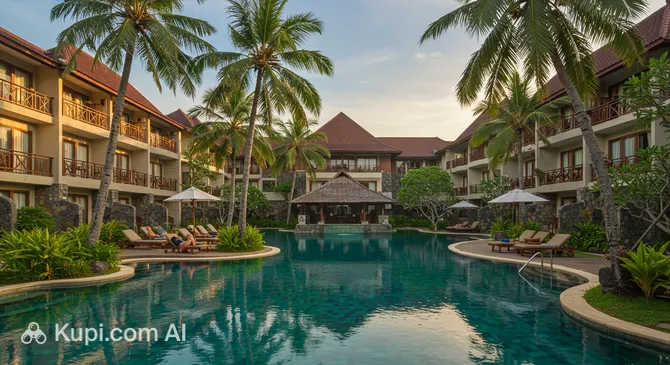
If you are looking for a property that combines comfort with seaside leisure, Kristal Hotel Kupang is a well-known choice among travelers. This resort-style hotel features a swimming pool and direct access to the beach, making it a popular spot for both business travelers and families looking to relax after a day of exploring the island.

Kristal Hotel Kupang. Source: Kupi.Binoculars

Booking and Prices: Accommodation prices in Kupang are generally affordable compared to more tourist-heavy destinations like Bali. Budget travelers can find rooms starting from as low as 150,000 to 250,000 IDR per night, while mid-range and upscale hotels typically range from 500,000 to 1,000,000+ IDR. While walk-ins are possible at smaller guesthouses, it is highly recommended to book in advance, especially during the dry season or if you plan to stay at one of the top-rated hotels. Major online booking platforms and Indonesian travel apps like Traveloka are widely used and often offer the best rates.

Nearby Cities

For those looking to explore the surroundings, Kupang serves as an excellent base for day trips to several interesting nearby locations:

One of the most accessible escapes is the town of Soe, situated in the highlands of South Central Timor. Known for its refreshing, cooler climate—a stark contrast to the coastal heat—Soe offers a chance to explore natural wonders such as the beautiful Oehala Waterfall. The journey itself provides scenic views of the island's interior and opportunities to visit traditional villages.

For beach lovers, Semau Island lies just across the strait and can be reached by a short boat ride. It is a pristine paradise with white sandy beaches and crystal-clear turquoise waters, perfect for snorkeling or simply relaxing in a quiet atmosphere away from the city bustle. It makes for an idyllic day trip for those seeking sun and sea.

While the following cities are located on neighboring islands and might require a short flight or ferry journey rather than a simple drive, they represent the closest major urban centers in the region and are worthy of a visit for those with more time:

City Population Distance (km)
Baubau 152143 528
Bima 136492 567
Raba 106101 565
Maumere 104285 230
Ende 87269 260

These nearby destinations offer a glimpse into the diverse culture and landscapes of the region.

Shopping & Souvenirs

Shopping in Kupang is a delightful exploration of local culture rather than a high-end retail therapy experience. The city offers a modest selection of modern facilities balanced by vibrant traditional markets where the true spirit of Timor shines. Visitors can find everything from daily necessities to exquisite handcrafted goods that reflect the artistic heritage of East Nusa Tenggara.

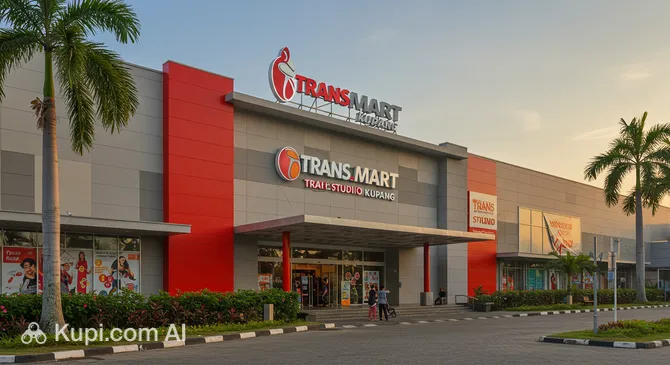
For a modern shopping experience, Transmart Kupang is the city's premier lifestyle destination. It serves as a one-stop complex where you can find a supermarket, department store, and entertainment options, making it a favorite for families looking to escape the heat in air-conditioned comfort. Another well-known spot is Kupang Plaza, one of the older shopping centers in the city. It is particularly popular for electronic goods, mobile phones, and affordable clothing, bustling with activity throughout the day.

Transmart Kupang. Source: Kupi.Binoculars

To experience the local trade, a visit to the traditional markets is a must. Pasar Inpres Naikoten I is the most famous market for tourists, especially those hunting for textiles. Here, you can navigate through narrow alleys filled with colorful fabrics and fresh produce. It is the best place to haggle for goods and interact with local vendors, providing an authentic glimpse into the daily lives of the Kupang people.

The most iconic souvenir to bring home from Kupang is Tenun Ikat, a traditional hand-woven fabric known for its intricate patterns and natural dyes. Each motif often represents a specific region or tribe within East Nusa Tenggara, making it a meaningful collectible. Apart from textiles, the region is famous for fragrant Sandalwood oil (Minyak Cendana) and high-quality Timor honey. For foodies, vacuum-packed Se'i (smoked meat) is a popular gift, though you should check customs regulations if traveling internationally. Miniature Sasando instruments also make for unique cultural keepsakes.

Most modern shops and malls operate from around 10:00 AM to 10:00 PM daily. Traditional markets start much earlier, often at dawn, and are best visited in the morning for the freshest selection and cooler temperatures. While modern malls like Transmart accept credit and debit cards, cash is essential when visiting traditional markets, smaller souvenir shops, or street stalls. ATMs are widely available in the city center to replenish your funds.

While Indonesia has a VAT refund scheme for tourists, it is primarily available at major international gateways and registered luxury retailers in cities like Jakarta or Bali. In Kupang, tax-free shopping is generally not available, and the prices displayed usually include all applicable taxes.

Reached the end of the page?

That means the route is fully explored