Support

Maumere

About

Welcome to Maumere, the largest town on the island of Flores and a vibrant gateway to the wonders of East Nusa Tenggara. Situated along the northern coastline, this bustling port city serves as a crucial hub for travelers exploring the diverse archipelago of Indonesia. With a population of over 100,000 residents, it offers a lively atmosphere where traditional culture meets the daily rhythm of coastal life, making it an excellent starting point for any Flores adventure.
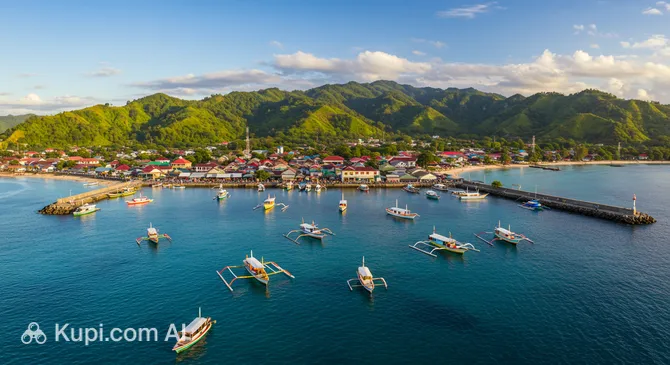
Maumere. Source: Kupi.Binoculars

While the city is often viewed as a transit hub, it possesses a unique charm and cultural depth. Visitors interested in the local heritage can delve into the history of Maumere, which reveals a rich tapestry of colonial influences and indigenous traditions. The region is particularly renowned for its intricate Ikat weaving. In the surrounding villages, you can watch artisans create these stunning textiles using age-old techniques and natural dyes, a testament to the artistic spirit of the Sikka people.

Nature lovers and divers are drawn to the underwater treasures of Maumere Bay, which is home to colorful coral gardens and diverse marine life. For those seeking spiritual serenity and panoramic views, a visit to the hill of Nilo is a must; it hosts a towering statue of Mother Mary that overlooks the city and the sea. Additionally, the pristine white sands of Koka Beach are just a short drive away, offering a perfect tropical escape.

Whether you are beginning an overland journey across the island or seeking to immerse yourself in authentic local customs, Maumere extends a warm and friendly welcome. It is an inviting destination that promises memorable encounters, breathtaking scenery, and a genuine taste of island hospitality.
Weather Overview

Maumere experiences a tropical climate defined by consistent warmth and two distinct seasons. Throughout the year, the temperatures remain remarkably stable, with daily averages generally hovering between 25°C and 27°C. The days are typically warm, with maximum temperatures reaching up to 29.8°C in October, while the nights are mild, rarely dropping below 23°C, making it a comfortable destination for travelers at any time.

The rainfall pattern is the most significant factor to consider when planning a trip. The region has a pronounced dry season from May to October, during which rainfall is minimal; August and September, for example, see almost zero precipitation and very few wet days. In contrast, the wet season from November to April brings frequent showers, with January recording rain on up to 30 days. To help choose the best time for your visit, you can check the detailed forecast and seasonal trends for the weather in Maumere.

Interesting Facts

Beyond the main attractions, Maumere holds many fascinating secrets that reveal the depth of its history and resilience. The city is not just a transit point but a place with unique geological features and deep-rooted traditions that often go unnoticed by the casual observer.

  • A Dive Site Born from Disaster: The massive earthquake of 1992 reshaped the underwater landscape of the bay, creating a famous dive site known simply as "The Crack." This deep fissure in the reef, once a scar of destruction, has been reclaimed by nature and is now teeming with marine life, offering a hauntingly beautiful testimony to the ocean's regenerative power.

  • A Papal Legacy: Maumere is one of the few places in the archipelago to have received a visit from Pope John Paul II. His visit in 1989 was a monumental event for the predominantly Catholic population of Flores, and his legacy is still celebrated with immense pride throughout the Sikka region.

  • Unique Musical Heritage: The area is home to the Gong Waning, a traditional musical ensemble that is distinct from the gamelan orchestras found elsewhere in Indonesia. This rhythmic music, produced by five or six gongs of varying sizes accompanied by drums, is essential for welcoming guests and marking significant cultural rituals.

  • The Symbolism of Moke: The local palm spirit known as Moke serves a purpose far beyond simple refreshment. Distilled from the Lontar palm, it is a vital element of the social fabric in Maumere, used ceremonially to seal agreements, resolve conflicts, and honor ancestors during traditional gatherings.

How to Get There

Reaching this coastal gem in East Nusa Tenggara is relatively straightforward, with air travel being the most convenient and popular option for international and domestic tourists alike. While the journey often involves connecting flights through major Indonesian hubs, the destination is well-served by regional transport. For those planning their itinerary and looking for detailed logistics, you can read more about how to get to Maumere.

The primary entry point is Wai Oti Airport (MOF), also known as Frans Seda Airport. Conveniently located just 3.1 km from the city center, it welcomes daily flights from major hubs like Kupang and Denpasar (Bali). Upon arrival, the short trip into town takes only about 10 to 15 minutes by taxi or local transport, making it the most stress-free option for travelers.

If you are exploring more of the island of Flores, you might consider arriving at H. Hasan Aroeboesman Airport in the neighboring city of Ende. This airport is approximately 65.6 km from Maumere. While it is not in the city itself, the overland journey connects you to Maumere via the Trans-Flores Highway. A taxi or bus ride from Ende typically takes approximately 4 hours, offering a scenic introduction to the island's lush landscapes and winding roads.

For clarity, here is a summary of the main airports in the region:

Airport Name City Passenger Traffic Km from City
El Tari Airport Kupang Large 234.3
Wai Oti Airport Maumere Medium 3.1
H. Hasan Aroeboesman Airport Ende Medium 65.6
Waingapu Airport Waingapu Small 236.7
Bajawa Soa Airport Bajawa Small 135.4

Main Attractions

While Maumere is often a starting point for exploring Flores, the city and its immediate surroundings offer several compelling sites for visitors. From historical landmarks to vibrant local gathering spots, the area provides a glimpse into the rich culture and daily life of the Sikka regency.

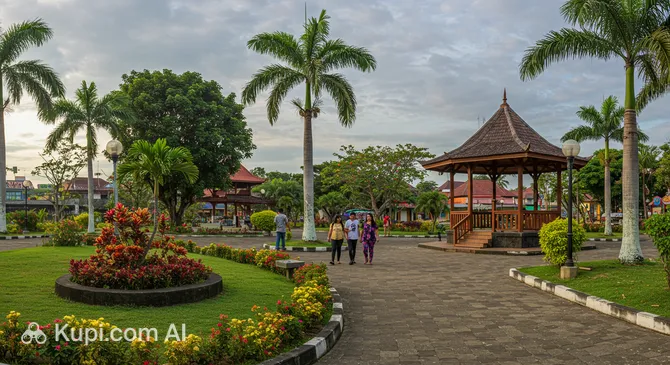
One of the most accessible places to relax within the town is Maumere City Park. Located centrally, this public space serves as a green oasis where locals come to unwind, exercise, and socialize, especially in the late afternoons. It features a statue honoring Frans Seda, a prominent national figure from the region. For tourists, a stroll here offers a chance to observe the authentic rhythm of local life away from the busy port areas.

Maumere City Park. Source: Kupi.Binoculars

For a deep dive into the region's colonial and religious heritage, a visit to the Old Church of Sikka is essential. Located about 20 kilometers south of Maumere in the village of Sikka, this church dates back to the late 19th century. It is an architectural gem that blends European Baroque style with traditional motifs, constructed using local teak wood. The interior is adorned with beautiful ikat patterns painted on the walls, symbolizing the harmonious blend of Catholic faith and indigenous culture.

Travelers interested in unique settlements should explore Wuring Village, a fascinating floating village inhabited primarily by the Bugis and Bajo people. The houses here are built on stilts directly over the sea, creating a distinctive seascape. Walking through the wooden boardwalks allows visitors to witness the maritime lifestyle of these seafaring communities, who have maintained their traditional ways of fishing and living in harmony with the ocean for generations.

Although mentioned as a highlight of the region, Koka Beach deserves special attention for its breathtaking natural beauty. Often considered one of the most beautiful beaches in Flores, it features two distinct bays separated by a small cliff. The contrast between the powdery white sand, the turquoise water, and the lush green hills creates a picture-perfect setting for swimming and photography, making it well worth the short drive from the city center.

Local Cuisine

The culinary scene in Maumere is deeply influenced by its coastal location, making it a paradise for seafood lovers. Fresh catches from the Flores Sea arrive daily, serving as the foundation for the city's most beloved dishes. The food here is characterized by rich spices, fresh herbs, and a delightful balance of savory and sour flavors that reflect the unique palate of East Nusa Tenggara.

One dish you absolutely must try is Ikan Kuah Asam, a refreshing fish soup known for its clear, yellow broth. Seasoned with turmeric, ginger, and fresh basil, its signature sour kick comes from tamarind or belimbing wuluh (vegetable starfruit). It is typically served with steamed rice and a side of Rumpu Rampe, a traditional stir-fry made from papaya flowers and cassava leaves. Although papaya flowers are naturally bitter, locals expertly prepare them to reduce the bitterness, resulting in a savory and healthy accompaniment.

For those looking to sample local beverages, Moke is the definitive drink of the region. This traditional palm spirit, distilled from the Lontar palm, varies in potency and is often shared during social gatherings as a sign of friendship. If you prefer non-alcoholic options, the island is famous for its high-quality Flores coffee. You can easily find strong, aromatic brews in local coffee shops, often served with traditional cakes or fried bananas.

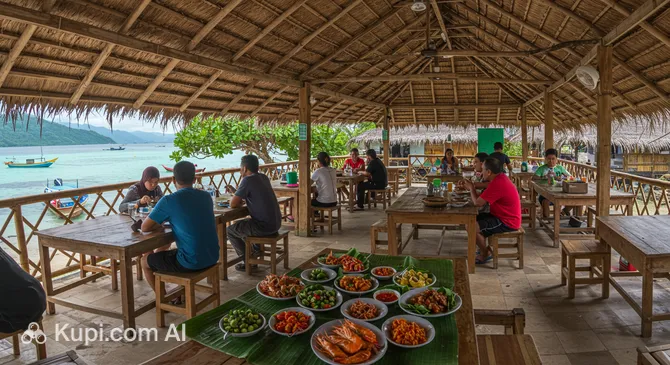
Dining in Maumere is generally a casual and communal affair. The night markets, particularly around the harbor area, come alive after sunset, offering grilled fish (Ikan Bakar) served with spicy sambal directly from street stalls. For a sit-down meal that offers a mix of local and familiar Indonesian flavors, you might visit Warung Suroboyo. Establishments like this are popular among both locals and travelers for providing hearty meals in a relaxed, unpretentious setting.

Warung Suroboyo. Source: Kupi.Binoculars

Another staple of the local diet is Jagung Bose, a hearty corn and bean porridge often cooked with coconut milk. While it originates from the broader region, it is a comforting dish widely available in Maumere. Whether you are eating at a roadside warung or a hotel restaurant, the food here offers a genuine taste of island life, prioritizing fresh ingredients and bold, authentic flavors.

Travel Tips

Visiting Maumere offers a genuine glimpse into the life of Flores, but like many destinations in East Nusa Tenggara, it operates on its own unique rhythm. To help you navigate the city comfortably and make the most of your adventure, here are some practical tips tailored to the local environment and culture.

  1. Clothing and Gear: Given the tropical heat, pack lightweight, breathable fabrics like cotton or linen. While beachwear is fine at the seaside, modest clothing is essential when visiting villages or the city center; cover your shoulders and knees, especially when entering religious sites like the Old Church of Sikka. Comfortable walking sandals are a must, and bringing water shoes is highly recommended to protect your feet from coral when swimming or snorkeling.
  2. Transportation: Public transport consists mainly of bemos (colorful minibuses) and ojeks (motorcycle taxis), which are affordable but can be confusing for first-time visitors. For exploring attractions outside the city, such as Koka Beach or Kelimutu, hiring a private car with a driver is the safest and most convenient option, as the roads can be winding and steep. Ride-hailing apps may have limited availability compared to Java or Bali, so always have a backup plan.
  3. Finances: The official currency is the Indonesian Rupiah (IDR). While there are ATMs in Maumere's town center, they become very scarce as soon as you leave the city limits. Cash is king here; small warungs, local markets, and transport providers generally do not accept cards. It is wise to carry smaller denominations for easier transactions. Tipping is not mandatory but is greatly appreciated by drivers and guides.
  4. Health and Safety: Maumere is generally safe, but standard precautions apply. Avoid drinking tap water; stick to sealed bottled water to prevent stomach issues. As a tropical region, mosquitoes are present, so bring strong insect repellent and consider taking precautions against malaria or dengue, especially if visiting during the wet season. Pharmacies (look for "Apotek") are available in the town center for basic supplies, and the TC Hillers General Hospital is the main medical facility in the area.
  5. Communication: Bahasa Indonesia is the primary language. While staff at major hotels and dive centers usually speak English, it is less common in local markets and rural villages. Learning a few basic phrases like "Terima Kasih" (Thank you) and "Selamat Pagi" (Good morning) will go a long way in breaking the ice. For internet access, purchasing a Telkomsel SIM card is highly recommended, as they offer the most reliable coverage in East Nusa Tenggara.
  6. Local Etiquette: The people of Maumere are incredibly friendly and welcoming. It is polite to smile and nod when making eye contact with locals. Always use your right hand for eating, giving, or receiving items, as the left hand is considered unclean. If you are invited into a local home, remember to remove your shoes before entering.
  7. What to Avoid: Do not walk around the town or enter villages wearing only a bikini or shirtless; this is considered disrespectful in the conservative local culture. Also, avoid public displays of affection, which are frowned upon. When snorkeling or diving, never touch or stand on the coral reefs—preserving the marine ecosystem is crucial for the community.
  8. Sunday Observance: Maumere has a predominantly Catholic population, and religion plays a central role in daily life. On Sundays, the city is very quiet as most residents attend church services. Many shops and businesses may be closed or open later in the day, so plan your shopping or logistical needs accordingly.

By keeping these tips in mind, you will be well-prepared to embrace the laid-back atmosphere and rich traditions of Maumere. Respecting local customs not only ensures a smoother trip but also opens the door to warmer interactions and a deeper connection with the wonderful people of Flores.

Entertainment & Nightlife

Nightlife in Maumere is a distinct departure from the high-energy clubbing scenes found in Bali or Jakarta. Instead of thumping nightclubs and flashy discos, the evening entertainment here is defined by a laid-back, community-centric atmosphere. The city quiets down relatively early, but the hours after sunset are perfect for socializing, enjoying live music, and immersing yourself in the local culinary culture. The vibe is casual and welcoming, with locals often gathering in open spaces to unwind after a day of work.

The heart of the evening action is undoubtedly the harbor area. As dusk falls, the streets near the port transform into a bustling night market. This is where the city feels most alive, with rows of stalls serving fresh seafood and local delicacies. It is a sensory experience where the smell of grilled fish fills the air, and the sound of conversation mixes with the distant hum of boat engines. For travelers, this is the best place to grab a cold drink, sit on a plastic stool, and chat with friendly residents.

For a more relaxed evening stroll, Maumere City Park remains a focal point even after dark. Families and young people often congregate here to enjoy the cool evening breeze, making it a safe and pleasant spot for a night walk. If you prefer a sit-down venue to spend the evening with good food and conversation, Warung Suroboyo is a reliable choice that stays open late, offering a comfortable environment to refuel and relax.

Music is an integral part of entertainment in Flores, and Maumere is no exception. Karaoke is the most popular form of nightlife here. You will find several "Karaoke TV" (KTV) bars and lounges scattered around the town center. These venues range from family-friendly rooms to livelier bars where locals showcase their impressive singing talents. It is a fun, unpretentious way to experience the local joy for life, and visitors are always encouraged to pick up the microphone.

When planning a night out, keep in mind that the dress code is generally casual but modest; shorts and t-shirts are acceptable, but overly revealing attire is best avoided. Prices are very affordable compared to western standards. In terms of safety, the main streets and the harbor area are generally safe for walking, but it is advisable to avoid unlit alleyways. Public transport becomes scarce late at night, so it is best to arrange a taxi or an ojek (motorcycle taxi) through your hotel or a local contact to get back to your accommodation safely.

While the nights are quiet, the daytime offers its own variety of cultural entertainment. Before the sun goes down, visitors can explore local museums such as the Bikon Blewut Museum in nearby Ledalero, which houses a fascinating collection of ethnological artifacts and fossils. Whether exploring history by day or singing karaoke by night, Maumere offers a genuine and heartwarming travel experience.

Parks & Museums

While Maumere is primarily known for its coastal allure, the city and its surroundings offer a surprising depth of cultural and recreational spaces. Visitors looking to explore beyond the beaches will find green sanctuaries that offer respite from the tropical heat, as well as institutions dedicated to preserving the rich heritage of the Sikka region. From hilltop gardens to dedicated cultural centers, these spots provide a window into the artistic and spiritual life of Flores.

For a relaxing break within the town center, Maumere City Park is the most accessible green space. Situated near the port, it serves as a communal living room where residents gather to socialize and enjoy the outdoors. The park is simple but vibrant, often filled with the laughter of children and the chatter of locals in the late afternoon. It is an excellent spot for tourists to sit back, observe the daily rhythm of the city, and enjoy a moment of calm amidst the bustling streets.

A short drive into the hills brings you to Bukit Nilo, a spiritual and natural landmark that functions as a serene park for visitors of all backgrounds. The area is dominated by the majestic statue of Mother Mary of All Nations, but the surrounding manicured gardens and lush vegetation are equally compelling. The site offers a peaceful atmosphere with cool mountain breezes and panoramic views stretching over the forests down to the shimmering sea, making it a perfect location for quiet contemplation or nature photography.

When it comes to museums, the Bikon Blewut Museum is the undisputed cultural treasure of the region. Located on the campus of the St. Paul's Major Seminary in Ledalero, just outside Maumere, it is widely considered one of the best museums in East Nusa Tenggara. The collection is vast and eclectic, featuring everything from Stone Age tools and fossils of extinct flora and fauna to traditional musical instruments and ceremonial masks. It offers a comprehensive narrative of Flores' history, blending geological evolution with the anthropological richness of the local tribes.

Another essential cultural venue is Lepo Lorun, which translates to "Weaving House." While not a traditional museum, it functions as a living gallery and education center dedicated to the art of Ikat weaving. Run by a collective of local women, this space allows visitors to watch the intricate process of dyeing and weaving threads into stunning textiles. It is an immersive experience where you can learn about the symbolic meanings behind the patterns and even try your hand at the loom, providing a direct connection to the artistic soul of the Sikka people.

For those interested in historical architecture, the Old Church of Sikka remains a poignant landmark. Built in the late 19th century, this structure is a masterclass in adapting European design to local materials. The church is constructed entirely from high-quality teak wood, and its interior walls are adorned with traditional local motifs rather than standard religious iconography. It stands as a testament to the long-standing dialogue between indigenous culture and Catholic influence in the region.

To truly understand the local way of life, an early morning visit to Pasar Alok offers an authentic, unpolished experience. This sprawling market is where the region's agricultural bounty is on full display. Wandering through the stalls piled high with spices, dried fish, and colorful vegetables gives you a sensory education in the ingredients that drive the local cuisine, offering a vibrant contrast to the quiet halls of the museums.

Getting Around

Navigating Maumere is an authentic experience that relies heavily on informal and road-based transportation rather than the complex rail or bus networks found in larger metropolitan areas. The city does not have a metro, tram, or large municipal bus system. Instead, the public transport landscape is dominated by bemos (minibuses) and ojeks (motorcycle taxis), which provide affordable and flexible ways to move around the town and reach nearby villages.

Bemos are the backbone of local mobility. These small, often brightly colored vans follow specific routes through the city and to the surrounding districts. They serve as a shared taxi service where passengers can hop on and off at any point along the route. While there are no official stops marked with signs, you can easily catch one by standing on the roadside and waving your hand. They are a great way to travel like a local, often playing loud music and offering a lively glimpse into the community's daily rhythm.

For a more direct and faster option, ojeks are ubiquitous on nearly every street corner. These motorcycle taxis are ideal for short distances or for reaching destinations located in narrow alleys where cars cannot pass. Unlike bemos, which have set paths, an ojek can take you door-to-door. They are particularly useful for solo travelers who want to save time, though they offer less protection from the sun and rain compared to minibuses.

The payment system in Maumere is entirely cash-based. There are no travel cards, electronic passes, or ticketing apps for public transport. When taking a bemo, you simply pay the driver directly upon exiting the vehicle. Fares are generally fixed and very low for trips within the city limits. For ojeks, the price should be negotiated before you get on the bike. It is highly recommended to carry small denominations of the local currency, as drivers often do not have change for large bills.

Tourists seeking more independence often opt for rentals. Renting a scooter is a popular choice for exploring the coastal roads and visiting beaches at your own pace. Several guesthouses and small rental shops in the town center offer motorbikes for daily use. Alternatively, for those planning to visit attractions further afield, such as the volcanic lakes or distant weaving villages, hiring a private car with a driver is the safest and most comfortable solution, allowing you to navigate the winding island roads without stress.

Public transport typically operates from early morning until the early evening. After sunset, the frequency of bemos drops significantly, and by nightfall, they may stop running altogether. If you plan to be out late, ensure you have arranged a ride back to your accommodation in advance or have the contact number of a reliable local driver, as hailing a ride on the street becomes much more difficult after dark.

Accommodation

Accommodation in Maumere caters largely to travelers passing through Flores or those arriving specifically for the region's world-class diving. The options are generally modest and unpretentious, ranging from simple backpacker homestays and budget guesthouses to comfortable mid-range beach resorts. You will not find high-rise luxury international hotel chains here; instead, the hospitality scene is dominated by locally owned establishments and dive resorts that offer a more personal, laid-back island experience.

When choosing where to stay, location is the primary factor to consider. If you are in Maumere for a quick transit—perhaps catching an early flight or ferry—staying in the city center is the most convenient option. Hotels here are functional and located close to Wai Oti Airport, the harbor, and local markets. This area allows for easy access to ATMs, pharmacies, and street food, making it practical for short layovers.

For those planning a longer vacation focused on relaxation or diving, the coastal areas just outside the town are far more appealing. The stretch of coastline to the east of the city, particularly around Waiara, is home to several seaside cottages and bungalows. These properties often feature lush gardens, direct beach access, and on-site dive centers. Staying here offers a peaceful retreat with the sound of the ocean, yet you remain just a short drive away from the city's amenities.

Prices in Maumere are generally very affordable compared to more developed Indonesian destinations like Bali. Budget travelers can find clean rooms with basic amenities for a very low cost, while mid-range resorts offer air conditioning, swimming pools, and breakfast for a reasonable rate. While major online booking platforms work for the larger hotels and resorts, many smaller guesthouses still rely on direct bookings via phone or messaging apps. It is advisable to book in advance if you are visiting during the peak dry season (July to August), as the best beachfront rooms can fill up quickly with dive groups.

Nearby Cities

Maumere's position on the northern coast of Flores makes it a strategic starting point for exploring the wider East Nusa Tenggara region. Whether you are planning an overland journey across the island or looking to hop to neighboring islands, the city offers convenient connections to several key destinations in the archipelago.

The closest major city is Ende, situated just 67 kilometers to the southwest. A drive along the winding Trans-Flores Highway connects these two hubs, offering spectacular views of the island's volcanic terrain. Across the Savu Sea lies Kupang, the provincial capital and a bustling metropolis that serves as the primary gateway to Timor Island.

For travelers extending their journey, other notable cities such as Baubau on Buton Island, as well as Bima and Raba on Sumbawa, are reachable within a reasonable distance. These destinations offer their own unique cultural and natural attractions, making them excellent additions to a longer itinerary.

City Population Distance (km)
Ende 87,269 67
Kupang 433,970 230
Baubau 152,143 347
Bima 136,492 382
Raba 106,101 382

Shopping & Souvenirs

Shopping in Maumere offers a distinctively local experience that contrasts sharply with the glitzy retail therapy found in Jakarta or Bali. The city does not boast high-end luxury boutiques or sprawling international shopping complexes. Instead, the retail scene is grounded in traditional markets, small family-run shops, and local department stores. For tourists, the real treasure lies in the authentic handicrafts and the vibrant atmosphere of the traditional trade centers, where commerce is conducted with a smile and a bit of bargaining.

The main commercial activity is concentrated along the central thoroughfares, particularly Jalan Jenderal Sudirman and the streets surrounding the port area. These bustling strips are lined with rows of shophouses (ruko) selling everything from electronics and clothing to daily necessities. Walking down these streets allows visitors to see the day-to-day commerce of the city, with small kiosks selling phone credit and snacks interspersed among larger hardware and textile shops.

If you are looking for a more modern shopping experience, options are limited but functional. Maumere does not have large western-style malls, but it does have Roxy Maumere, a popular local department store and supermarket. It serves as a one-stop shop for residents, offering air-conditioned comfort where you can purchase toiletries, branded clothing, shoes, and groceries at fixed prices. It is a convenient spot for travelers to restock on supplies or buy simple apparel.

The heartbeat of Maumere's shopping scene is undoubtedly its traditional markets, with Pasar Alok being the most famous and essential stop for any visitor. Located slightly inland from the harbor, this expansive market is the economic hub of the region. While it sells fresh produce and spices, it is most renowned for its dedicated section for textiles. Here, weavers from surrounding villages come to sell their masterpieces directly, making it the best place to find authentic local fabrics without the markup of a souvenir shop.

When it comes to souvenirs, the region is world-famous for Tenun Ikat, a traditional hand-woven fabric. The Sikka regency, where Maumere is located, produces some of the finest Ikat in Indonesia, characterized by intricate geometric patterns and dark, earthy colors derived from natural dyes. Besides textiles, you can bring back packs of robust Flores coffee (Bajawa or local blends), bottles of Moke (the local palm spirit), or cashew nuts, which are another major agricultural product of the island.

Most shops and markets in Maumere operate from around 8:00 AM to 9:00 PM, though traditional markets like Pasar Alok are busiest and most vibrant in the early morning hours. When shopping, especially in markets, cash is king. Credit cards are rarely accepted outside of hotels, major supermarkets like Roxy, or a few upscale restaurants. It is essential to carry sufficient Indonesian Rupiah in smaller denominations. Bargaining is expected in traditional markets and for souvenirs, but always do so politely and with a smile.

Tourists should be aware that the Tax-Free refund scheme (VAT refund) is generally not available in Maumere. The participating retailers for tax refunds are typically found in major international tourist hubs and airports like those in Jakarta or Denpasar. Therefore, any shopping done in Maumere should be considered final, with all local taxes included in the price.

Reached the end of the page?

That means the route is fully explored
