Support

Bima

About

Welcome to Bima, a vibrant city located on the eastern coast of Sumbawa Island. As a significant hub in the West Nusa Tenggara province of Indonesia, Bima offers a unique blend of cultural tradition and coastal charm. With a population of approximately 136,000 residents, it serves as a vital connecting point for travelers exploring the diverse archipelago and provides a genuine glimpse into local life away from the heavy tourist crowds.

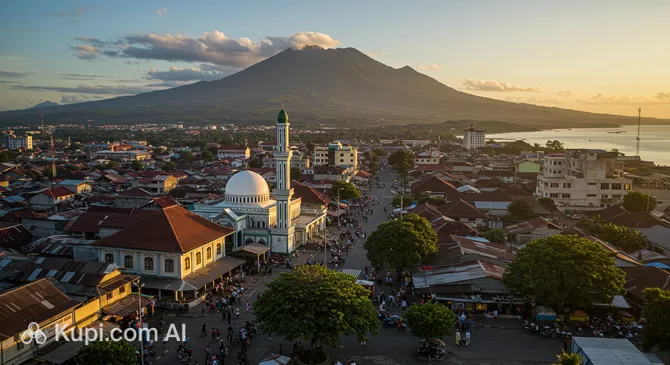
The city is deeply rooted in tradition, once being the seat of the powerful Bima Sultanate. Visitors can delve into the fascinating history of Bima by exploring landmarks that reflect its royal past. The atmosphere here is distinct, characterized by the warm hospitality of the Dou Mbojo people and a rhythm of life influenced by its status as a busy port town nestled against a backdrop of scenic hills and a sweeping bay.

Bima. Source: Kupi.Binoculars

Travelers are often drawn to the Museum Asi Mbojo, the former sultan's palace which now houses royal artifacts, historical weapons, and heirlooms. For those seeking natural beauty, the city acts as a gateway to stunning landscapes, including the nearby Lawata Beach with its iconic rock formations and sunset views. Additionally, the region is famous for its intricate hand-woven textiles known as Tembe Nggoli, which are a testament to the area's rich artistic heritage.

Whether you are passing through on your way to the famous Komodo National Park or staying to explore the local culture, Bima promises an authentic and memorable experience. It is a destination where history and nature meet, inviting you to discover the hidden gems of eastern Sumbawa.

Weather Overview

Bima experiences a tropical climate characterized by consistent warmth throughout the year. The temperatures remain quite stable, with average daily highs generally ranging from 27°C to 29°C, making it a destination suitable for warm-weather activities at any time. To plan your trip effectively, it is helpful to check the detailed weather in Bima before you go, as the rainfall patterns vary significantly between seasons.

The year is distinctively divided into wet and dry periods. From November to March, the city sees a high frequency of rainy days, with January alone averaging around 29 wet days, although the total precipitation volume remains moderate. In contrast, the dry season, spanning from July to September, offers sunny skies and very few wet days, with August being one of the driest months. Expect warm, humid conditions during the rainy season and slightly cooler, drier days during the peak of the dry season.

Interesting Facts

Beyond the main attractions, Bima holds many fascinating secrets that reveal the depth of its cultural heritage. Here are some intriguing facts about this historic port city:
  • The Rimpu Tradition: While the city is known for its textiles, the local women have a unique way of wearing the traditional Tembe Nggoli sarong called "Rimpu." In this centuries-old custom, women drape two sarongs to cover their head and upper body, leaving only the eyes or face visible, a practice that served as a form of modest dress long before modern styles were adopted.

  • Wild Horse Milk Elixir: Bima and the surrounding Sumbawa island are famous for Susu Kuda Liar, or wild horse milk. Unlike cow's milk, this local specialty undergoes a natural fermentation process that gives it a sour taste and allows it to be stored for months without refrigeration, and it is widely believed to have potent medicinal properties.

  • Architectural "Skyscrapers": In the highlands near the city, you can find traditional structures known as Uma Lengge. These towering, A-frame wooden houses consist of three levels—a reception area, a living space, and a granary at the top—and are designed with conical roofs to protect the harvest from pests and the elements.

  • The Pompeii of the East Connection: Bima shares a close historical link with the lost Kingdom of Tambora. The catastrophic eruption of Mount Tambora in 1815, which altered global climate, completely buried the neighboring Tambora civilization, leaving the Bima Sultanate as one of the primary custodians of the region's surviving history and culture.

How to Get There

Reaching this part of West Nusa Tenggara is an exciting part of the journey, offering travelers a chance to see the diverse landscapes of the Indonesian archipelago. For a comprehensive guide on planning your route, you can read more about how to get to Bima, including various transport details. The city is primarily accessible by air, with its own airport serving domestic flights, though overland travel from neighboring regions is also a popular option for the adventurous.

The most direct entry point is Sultan Muhammad Salahuddin Airport (IATA: BMU), which is conveniently located within the Bima regency. It sits just about 10.5 km from the city center, making the transfer quick and easy. A taxi or private transfer from the terminal to downtown Bima typically takes around 35 to 40 minutes. This airport handles a significant amount of regional traffic and connects the city with major hubs like Bali and Lombok.

For those exploring the wider region, Komodo Airport (IATA: LBJ) in Labuan Bajo is a major international gateway nearby. Although it is located approximately 126 km away on the neighboring island of Flores, many travelers fly here to visit the Komodo National Park before taking a ferry or boat crossing to Bima. Another alternative on Sumbawa island itself is Sultan Muhammad Kaharuddin III Airport (IATA: SWQ) in the city of Sumbawa Besar. Located roughly 147 km away in a straight line, this option requires a scenic overland drive of approximately 6 to 7 hours to reach your destination.

For clarity, here is a summary of the main airports in the vicinity:

Airport Name City Passenger Traffic Km from City
Komodo Airport Labuan Bajo High 126.0
Sultan Muhammad Salahuddin Airport Bima Medium 10.5
Tambolaka Airport Tambolaka Medium 118.2
Waingapu Airport Waingapu Small 219.5
Sultan Muhammad Kaharuddin III Airport Sumbawa Besar Small 146.8

Main Attractions

Museum Asi Mbojo is the centerpiece of the city's historical heritage and a must-visit for anyone interested in the region's royal past. Originally built in 1927, this building served as the palace for the Bima Sultanate and showcases a blend of native Bimanese and Dutch architectural styles. Inside, visitors can explore a collection of royal heirlooms, including ancient weaponry, gold crowns, and traditional costumes, offering a deep dive into the cultural evolution of the Dou Mbojo people.

Just a short drive from the city center lies Lawata Beach, a favorite recreational spot for both locals and tourists. The beach is famous for its legendary cave and rock formations that frame the coastline, creating a picturesque setting against the calm waters of Bima Bay. It is an ideal location for a relaxing afternoon walk, where you can watch stunning sunsets transform the sky into vibrant shades of orange and purple while enjoying the gentle sea breeze.

For a truly unique natural phenomenon, travelers should head to Lariti Beach in the Sape district. This destination is renowned for its "parting sea" effect, where a long sandbar emerges during low tide, creating a natural bridge that connects the mainland to a small offshore island. Walking across this sandy path with the ocean on both sides is a memorable experience and provides incredible opportunities for photography.

Another intriguing site is Snake Island (Pulau Ular), located in the Wera district. As the name suggests, this rocky islet is inhabited by hundreds of sea snakes. According to local legend, these snakes are guardians of the island and are generally known to be docile when handled by the local guides. It is a rare and adventurous destination for those looking to see unique wildlife in its natural habitat.

Local Cuisine

The culinary landscape of Bima is a delightful exploration of bold flavors, characterized by a distinct preference for sour and spicy notes. As a coastal city, fresh seafood plays a central role in the local diet, but the region is also famous for its unique meat dishes and preservation techniques. The cuisine here reflects the resourcefulness of the Dou Mbojo people, utilizing abundant local spices and fresh catch from the Flores Sea.

One dish that defines the local palate is Uta Palumara, a savory fish soup that is a staple in many households. Typically made with milkfish or snapper, the broth is rich with turmeric, garlic, and tamarind, creating a refreshing zest that perfectly balances the heat of the chilies. Another delicacy unique to this island is Uta Maju, or preserved deer meat. Since deer are common in Sumbawa, locals process the meat into a savory jerky, which is then fried and served as a flavorful accompaniment to rice.

No meal in Bima is truly complete without a side of Doco, the local version of sambal. The most popular variation is Doco Fo'o, made from shredded young mangoes mixed with red chilies, shallots, and shrimp paste. This condiment provides a crunchy, tangy kick that cuts through the richness of grilled fish or fried meats. For a traditional snack or a substitute for plain rice, travelers should try Timbu, sticky rice cooked with coconut milk inside bamboo stalks, which has a distinct smoky aroma.

When it comes to beverages, the city offers more than just standard tropical juices. A must-try traditional drink is Mina Sarua. This warming concoction is made from a complex blend of spices—including ginger, pepper, and cloves—mixed with rice flour and coconut. It is slightly thick, sweet, and spicy, often consumed in the evening to warm the body and boost immunity. It serves as a comforting alternative to the famous wild horse milk, offering a different taste of local tradition.

The food culture in Bima is unpretentious and deeply community-oriented. You will rarely find high-end fine dining establishments; instead, the most authentic flavors are hidden in small warungs and open-air eateries known as lesehan. In these spots, diners typically sit on woven mats around low tables, enjoying their meals in a relaxed, communal atmosphere. The night markets are also vibrant hubs of activity, where you can sample various street foods freshly prepared before your eyes.

Travel Tips

Visiting Bima offers a genuine immersion into the culture of Sumbawa, but as a destination less frequented by international mass tourism compared to Bali or Lombok, it requires a bit of practical preparation. To help you navigate the city smoothly and respect local customs while enjoying your adventure, here are some essential travel tips.

  1. Dress Modestly and Lightly: Bima is a predominantly Muslim region with conservative values. While the climate is hot and humid, it is respectful to wear loose-fitting clothing that covers your shoulders and knees, especially when exploring the city center or visiting villages. Save your swimwear for the beaches and opt for breathable fabrics like cotton or linen for daily wear. Don't forget a hat and sunglasses for the intense tropical sun.

  2. Navigating Local Transport: The most common way to get around the city is by bemo (public minibuses), which follow specific color-coded routes. They are affordable and offer a real slice of local life, though they can be crowded. For shorter distances, you might see traditional horse-drawn carts known as benhur. Motorcycle taxis (ojeks) are also widely available; always agree on the price before hopping on if the driver is not using a ride-hailing app.

  3. Cash is King: While some hotels and larger stores in Bima may accept credit cards, cash is essential for daily transactions, including dining at local warungs, paying for transport, or shopping at markets. ATMs are available in the city center, but it is wise to carry sufficient Indonesian Rupiah (IDR) in smaller denominations (10,000 to 50,000 notes) for easier change.

  4. Stay Hydrated and Healthy: Tap water is not potable in Indonesia. Always drink bottled or filtered water, and avoid ice cubes in street stalls unless you are sure they are made from treated water. Pharmacies are known as Apotek; look for signs with this word if you need basic medical supplies. Mosquito repellent is a must-have, particularly during the evenings and the rainy season.

  5. Language and Connectivity: English is not widely spoken outside of major hotels or government offices. Learning a few basic phrases in Bahasa Indonesia, such as "Terima kasih" (Thank you) or "Pagi" (Good morning), will go a long way in connecting with the friendly locals. For internet access, purchasing a local SIM card (Telkomsel usually has the best coverage in this region) is highly recommended for maps and translation apps.

  6. Social Etiquette: The people of Bima (Dou Mbojo) are known for their hospitality. When greeting, a smile and a slight nod are polite. Always use your right hand for eating, giving, or receiving items, as the left hand is considered unclean in local culture. Additionally, always remove your footwear before entering a private home or a mosque.

  7. What to Avoid: Public displays of affection (PDA) are frowned upon and considered inappropriate in this conservative society. It is best to maintain a polite distance in public. Also, avoid walking in front of someone who is praying, and ask for permission before taking close-up photos of locals, especially women.

  8. Market Mornings: To experience the city at its most vibrant, visit the traditional markets (pasar) early in the morning, around 6:00 AM to 8:00 AM. This is when the produce is freshest, and the temperature is cooler. It is also the best place to find the famous Tembe Nggoli hand-woven fabrics at local prices—don't be afraid to bargain politely with a smile!

By keeping these practical tips in mind, you will be well-equipped to explore Bima with confidence and ease. Embracing the local rhythm and respecting cultural norms will not only ensure a hassle-free trip but also open doors to warmer interactions and deeper connections with the wonderful people of Sumbawa.

Entertainment & Nightlife

Entertainment and nightlife in Bima differ significantly from the high-energy party scenes found in Bali or Jakarta. Instead of pulsating nightclubs and western-style bars, the city offers a more relaxed, community-focused evening atmosphere. The nightlife here centers around nongkrong—the Indonesian art of hanging out—with locals gathering at open-air eateries, coffee shops, and public parks to socialize, enjoy live acoustic music, and savor delicious food under the stars.

The most bustling area after dark is often along Jalan Soekarno Hatta and the streets surrounding the city center. As the sun sets, these roads come alive with lesehan, traditional street food stalls where diners sit on mats. This is the perfect place to immerse yourself in the local vibe. The atmosphere is casual and family-friendly, so the dress code is modest; leave the beachwear at the hotel and opt for casual pants and shirts to blend in with the local crowd.

For a specific venue to experience the local evening culture, head to Taman Ria. This public space serves as a popular gathering point for residents and offers a lively mix of food vendors and small entertainment options for families. Another excellent spot is the area around Lawata Beach. While primarily a daytime destination, the coastline hosts several cafes and warungs that stay open into the evening, allowing you to enjoy coffee and roasted corn while listening to the sound of the waves. It creates a serene backdrop for a night out.

Most evening venues and markets operate until around 10:00 PM or 11:00 PM, though some coffee shops may stay open slightly longer on weekends. Prices are generally very affordable, with a hearty meal costing only a few dollars. Getting around at night is best done via motorcycle taxis (ojeks) or by arranging a private car through your accommodation, as public bemos stop running early.

In terms of safety, Bima is generally safe for night walks in populated areas like the city center and main food streets. However, the streets can be dimly lit, so it is advisable to stick to busy zones and avoid walking alone in quiet outskirts late at night. Taxis are not always readily available to hail on the street, so having a local contact or using a ride-hailing app (if available) is recommended for a smooth return to your hotel.

Before the sun goes down, daytime entertainment in Bima offers a different kind of charm. While you won't find large amusement parks, the city is rich in cultural experiences. Visitors can explore the historical Museum Asi Mbojo to learn about the Sultanate era or visit the traditional weaving villages in the eastern suburbs to watch artisans create the famous Tembe Nggoli fabrics. These cultural excursions provide a perfect lead-in to a relaxing evening of culinary exploration.

Parks & Museums

While Bima is primarily known as a bustling port city and transit hub, it possesses a collection of green spaces and cultural institutions that offer a deeper look into its heritage and daily life. The city's public areas are often vibrant gathering spots where the community comes together, while its museums serve as custodians of the region's royal history and artistic traditions.

Ama Hami Park is perhaps the most popular open space in the city, located strategically along the edge of Bima Bay. This waterfront promenade is more than just a park; it is the social heart of the city, especially in the late afternoon. Tourists will appreciate the sweeping views of the bay and the distant hills, making it an excellent spot for photography. The park is lined with food stalls and seating areas, allowing visitors to enjoy the cool sea breeze while observing the relaxed pace of local life.

Another significant green area is Taman Ria, a central city park that functions as a recreational hub for families and youth. It offers a break from the urban traffic and serves as a venue for local events and casual sports. For travelers, it provides a convenient place to rest and mingle with friendly locals. The park is often lively in the evenings, reflecting the community-oriented culture of the Dou Mbojo people.

For those interested in history, the Museum Asi Mbojo is the city's premier cultural institution. Housed in the former sultan's palace, the building itself is an architectural landmark, blending European and Bimanese styles. Inside, the museum displays a vast collection of royal artifacts, including the golden crown, traditional weaponry, and ancient manuscripts. It offers a comprehensive narrative of the Bima Sultanate's influence and is essential for understanding the region's past.

Complementing the main palace is the Museum Samparaja, a smaller but equally significant institution. This museum is dedicated to preserving the private collections of the royal family and is renowned for housing ancient lontar palm manuscripts and historical documents. It is a fascinating stop for history buffs and researchers looking to delve deeper into the genealogy and literary heritage of the Bima Sultanate, offering a more intimate glimpse into the royal lineage.

Beyond the museums, the Dana Traha complex is a historical site of great importance. Located on a hill overlooking the city, this royal cemetery is the resting place of several Sultans of Bima. The site is not only historically significant but also offers panoramic views of the city and the surrounding bay. The climb up the hill is rewarded with a serene atmosphere and a unique perspective on the city's layout, making it a worthwhile excursion for those who enjoy combining history with scenic hikes.

For a truly authentic experience, consider visiting the village of Rabadompu, located just outside the city center. While not a museum in the traditional sense, it functions as a living gallery of Bimanese culture. Here, you can watch local women weaving the intricate Tembe Nggoli fabrics on traditional looms on their front porches. It is a rare opportunity to see this ancient craft in practice and interact directly with the artisans who keep the tradition alive.
Getting Around

Navigating Bima is a distinct experience compared to major metropolises, as the city does not possess a modern mass transit network like a metro, tram, or large bus system. Instead, the public transport landscape is dominated by informal, smaller-scale options that are well-suited to the city's compact size. The most ubiquitous form of transport is the bemo, a type of minibus that serves as the backbone of local mobility. These vehicles ply fixed routes across the city and connect the downtown area with outlying districts and neighboring villages.

For shorter distances within residential areas or markets, you will frequently encounter the Benhur, a traditional horse-drawn cart. Unique to this region, the Benhur offers a slower, more scenic way to travel and is particularly useful for carrying goods or navigating narrow streets where motorized vehicles might struggle. Additionally, ojeks (motorcycle taxis) are everywhere, offering the fastest way to weave through traffic. They can be found waiting at street corners, markets, and near the harbor.

The payment system in Bima is entirely cash-based. There are no travel cards, electronic passes, or ticketing machines. Passengers pay the driver directly, usually upon reaching their destination. Fares for bemos are generally fixed and very affordable for locals, but it is advisable for tourists to ask about the price before boarding to avoid confusion. Small denominations of Indonesian Rupiah are essential, as drivers often do not have change for large bills.

Using the transport system requires a bit of local know-how. Bemos do not always have designated bus stops; instead, you can hail them from the side of the road by simply raising your hand. To stop, just alert the driver or tap on the window. Operating hours are somewhat flexible, but generally, public transport starts very early in the morning and tapers off significantly after sunset. By late evening, finding a bemo can be difficult, so plan your return trips accordingly.

For those seeking more comfort or independence, alternatives are available. While ride-hailing apps have a presence in many parts of the archipelago, their availability for cars in Bima can be sporadic compared to larger hubs, though online motorcycle taxis are becoming more common. Renting a car (usually with a driver) is a popular option for tourists wanting to explore the surrounding regency or visit beaches like Lawata and Lariti at their own pace. Scooter rentals are also possible but require a valid international driving license and confidence in navigating local traffic.

Accommodation

Accommodation in Bima is primarily functional and caters largely to business travelers and tourists transiting between Lombok and Flores. The city does not currently offer high-end luxury resorts or international 5-star hotel chains. Instead, visitors will find a selection of comfortable mid-range city hotels, budget-friendly guesthouses, and traditional losmen (inns). These establishments generally provide clean and basic amenities suitable for a short stay, with the warmest hospitality often found in the smaller, family-run homestays.

The most convenient area to stay is the City Center (Pusat Kota). Staying here places you within walking distance of the Museum Asi Mbojo, night markets, and various eateries, making it easy to find food and transport. For those seeking a more scenic environment, the area around Lawata Beach offers accommodations with views of the bay. While slightly removed from the bustle of the downtown markets, this location provides a quieter atmosphere and beautiful sunset vistas over the water.

Regarding costs, Bima is a very affordable destination. Budget options and homestays are widely available, often costing very little per night, while even the best hotels in the city fall into what would be considered a modest price range internationally. Mid-range hotels typically offer air conditioning, Wi-Fi, and breakfast, which are recommended features given the region's tropical heat.

Booking Tip: While major travel apps now list several hotels in Bima, many smaller guesthouses still operate offline. If you are visiting during peak travel seasons, such as the Eid al-Fitr holiday, it is highly advisable to book your room well in advance as occupancy rates spike. For smaller establishments, having cash on hand is essential, as credit card facilities may not always be available.

Nearby Cities

For those looking to explore the surroundings, Bima serves as an excellent base for day trips to several interesting nearby locations:

Located practically adjacent to the city center, Raba is the closest and most accessible destination for a short excursion. Often referred to as the twin town of Bima, it functions as the administrative capital of the regency and offers a slightly cooler atmosphere as the terrain begins to rise. Raba is an ideal gateway for exploring the cultural heart of the region, particularly the nearby highlands of Wawo, where visitors can see the iconic Uma Lengge traditional rice barns in the village of Maria.

Heading east from the city, the port town of Sape is another fascinating spot for a day trip. Although it is a bustling transit point for ferries heading to Flores and Komodo Island, Sape itself has a unique charm characterized by its strong maritime heritage. Visitors can observe traditional Bugis shipbuilders at work along the coast and enjoy fresh seafood at the local harbor markets, witnessing the daily hustle of one of Sumbawa's most important connectors.

City Population Distance (km)
Makassar 1,338,663 373
Lombok 495,651 267
Mataram 408,900 291
Raba 106,101 2
Maumere 104,285 382

These nearby destinations offer a glimpse into the diverse culture and landscapes of the region, ranging from highland traditions to coastal maritime life.

Shopping & Souvenirs

General Overview: Shopping in Bima offers a distinctly authentic experience that contrasts sharply with the glitzy retail scenes of Indonesia's larger metropolitan areas. Rather than high-end luxury brands and sprawling complexes, the city's retail landscape is defined by traditional markets, modest family-run shops, and local boutiques. Visitors will find that the charm of shopping here lies in discovering unique regional handicrafts and interacting with friendly local vendors, making it an excellent destination for cultural souvenirs rather than modern fashion havens.

Main Shopping Areas/Streets: The commercial heartbeat of the city is centered around Jalan Soekarno Hatta and the surrounding streets in the downtown area. This district is lined with rows of shophouses selling everything from electronics and clothing to daily necessities. Walking along these busy roads provides a glimpse into the daily commerce of the locals, with sidewalks often bustling with small stalls and vendors. It is the most convenient place to find general supplies and explore the local retail rhythm.

Shopping Malls: Travelers should be aware that Bima does not possess large, western-style shopping malls or international department store chains. The retail environment is much more modest, consisting primarily of standalone supermarkets and smaller local department stores that cater to residents' practical needs. While you may find air-conditioned mini-markets for basic conveniences, the city is not a destination for mall-crawling or luxury brand hunting.

Markets: The true soul of shopping in Bima is found in its traditional markets. Pasar Raya Bima is the central hub where the vibrancy of the city is on full display. Here, you can wander through narrow aisles filled with fresh tropical fruits, vegetables, spices, and seafood brought in from the coast. For a more specialized experience, smaller morning markets in the neighborhoods offer fresh snacks and a closer look at community life. These markets are not just places to buy goods but are social centers where the local culture thrives.

Souvenirs: The most prized item to bring back from Bima is the Tembe Nggoli, a traditional hand-woven sarong known for its bright colors and intricate geometric patterns. These fabrics are culturally significant and make for beautiful, lightweight gifts. Another unique local specialty is Susu Kuda Liar (wild horse milk), a fermented health drink famous across the archipelago. Additionally, bottles of pure Sumbawa honey and bags of roasted corn or specialized deer jerky (Dendeng Rusa) are popular edible souvenirs that capture the flavors of the island.

Opening Hours and Payment: Most standalone shops and businesses in the city center operate from approximately 8:00 AM to 9:00 PM, though some may close for a break during Friday prayers. Traditional markets are liveliest in the early morning, often starting as early as 5:00 AM and winding down by midday. Cash is essential for almost all transactions. While a few larger stores might accept cards, vendors in markets and smaller shops deal exclusively in Indonesian Rupiah, so it is important to carry sufficient small notes.

Tax-Free: The tax-free refund schemes found in major international airports or large tourist centers in Indonesia are generally not applicable in Bima. The local shops and markets operate on a direct sale basis without the infrastructure for tourist tax refunds. Visitors should expect the listed price (or the bargained price) to be the final amount payable.

Reached the end of the page?

That means the route is fully explored