Support

Praya

About

Praya serves as the bustling capital of the Central Lombok Regency, offering travelers a glimpse into the authentic daily life of the island. As a significant administrative and commercial hub, this city provides a distinct contrast to the coastal resort areas, featuring a lively atmosphere and a welcoming local community.
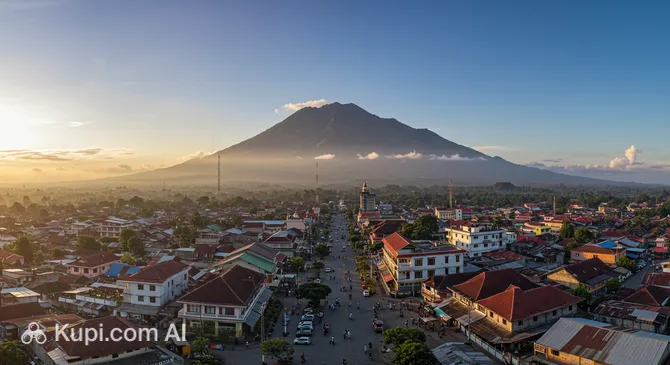
Praya. Source: Kupi.Binoculars

Located in the heart of the West Nusa Tenggara province of Indonesia, the city is geographically positioned inland, surrounded by fertile agricultural plains. With a population of approximately 35,000 residents, it functions as a key connector within the region, especially given its close proximity to the international airport. The climate here is typically tropical, characterized by warm temperatures year-round that support the lush greenery of the surrounding landscapes.

While the city is modernizing, the history of Praya remains rooted in the enduring traditions of the Sasak people. One of the most prominent landmarks in the city is the majestic Masjid Agung Praya (Grand Mosque), which stands as a testament to the region's architectural ambition and spiritual devotion. Its impressive domes and minarets make it a focal point for both locals and visitors exploring the town center.

Beyond its own urban features, the city acts as a strategic gateway to the stunning southern coast of Lombok. Travelers often use it as a convenient base or transit point to reach the famous white sands of Mandalika and Kuta Beach, or to visit nearby traditional weaving villages like Sade and Ende. The local markets also offer a chance to taste authentic regional cuisine, such as the spicy Ayam Taliwang.

Whether you are passing through on your way to the coast or stopping to appreciate the local culture, Praya offers a genuine travel experience. It is an excellent starting point for any adventure across the captivating island of Lombok.
Weather Overview

Praya enjoys a tropical climate characterized by consistent warmth and distinct wet and dry periods. Temperatures remain stable throughout the year, with average daily highs generally staying between 28°C and 31°C. October is typically the warmest month, seeing daily maximums reach around 31.0°C, while July and August are slightly cooler, with nightly lows dipping to approximately 21.8°C.

Rainfall is the primary differentiator between the seasons in this region. The wet season, spanning roughly from November to April, brings frequent precipitation, with months like January and March seeing rain on up to 30 days. In contrast, the dry season from May to October is significantly more arid; August, for example, typically records only about 5 wet days. For more detailed forecasts and seasonal charts, you can consult the guide to weather in Praya.

Overall, visitors can expect warm, humid conditions with frequent showers during the wet season, while the middle of the year offers drier, sunnier weather perfect for outdoor exploration.

Interesting Facts

Beyond the main attractions, Praya holds many fascinating secrets that offer a deeper understanding of Central Lombok. This administrative center is more than just a transit point; it is a city of hidden historical layers and cultural pride.
  • Although Mataram is the provincial capital, Praya is the actual home of the island's main aviation hub, the Zainuddin Abdul Madjid International Airport. Travelers often mistakenly associate the airport with Mataram, but it is located in the Tanak Awu area of Praya, making this city the true gateway for international arrivals to Lombok.

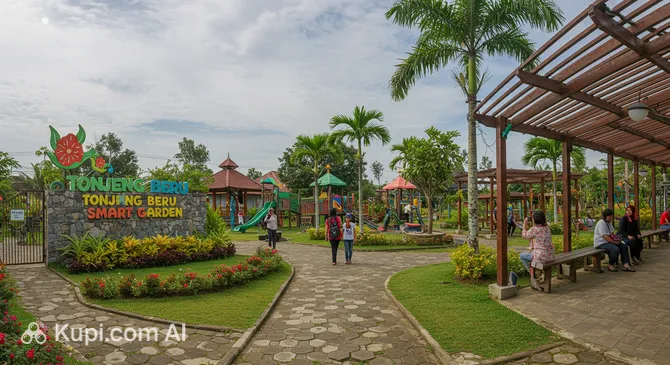
  • The city features a unique blend of history and leisure at the Tonjeng Beru Smart Garden. Originally a water management structure dating back to the Dutch colonial era, this site played a crucial role in irrigating the region's fertile fields before being transformed into a vibrant recreational park for the community.

  • Praya is considered the heartland of the legendary spicy dish known as Nasi Balap Puyung. While available elsewhere, the dish originates from the nearby village of Puyung, and the city serves as the primary culinary destination for foodies seeking the most authentic and fiery version of this Sasak staple.

  • The city's skyline is defined by one of the most imposing religious structures in the province, the Grand Mosque of Praya. Unlike many older mosques, this modern architectural marvel was built on the site of former government offices, symbolizing the central role of faith in the daily life of the local residents.

Tonjeng Beru Smart Garden. Source: Kupi.Binoculars

How to Get There

Reaching this part of Central Lombok is relatively straightforward, thanks to its strategic location and transport infrastructure. Whether you are arriving from international destinations or neighboring islands, the journey is convenient. For a comprehensive overview of all travel options, you can read more about how to get to Praya.

The most direct way to arrive is via Lombok International Airport (IATA: LOP), which is situated within the city of Praya itself. Located just 4.3 km from the main center, it serves as the primary gateway for the entire island. The airport handles a mix of domestic and international flights, making it a bustling hub with medium passenger traffic. A trip from the terminal to the city center by taxi or bus is very convenient, typically taking just a quick drive. Because of its proximity, most travelers choose to fly directly here.

Another significant option for travelers is Ngurah Rai International Airport (IATA: DPS) in Denpasar, located about 123.5 km away on the neighboring island of Bali. As a major international hub with large annual passenger traffic, it offers a wider range of global connections. While it is not in Praya, many visitors fly into Denpasar and then take a short connecting flight to Lombok or a ferry, followed by a scenic drive to the city.

For clarity, here is a summary of the main airports:

Airport Name City Passenger Traffic Km from City
Ngurah Rai International Airport Denpasar Large 123.5
Lombok International Airport Praya Medium 4.3
Sultan Muhammad Salahuddin Airport Bima Small 264.8
Banyuwangi Banyuwangi Small 219.3
Sultan Muhammad Kaharuddin III Airport Sumbawa Besar Small 126.3

Praya does not have a railway station, as Lombok lacks a public train network for passenger travel. Visitors typically rely on road transport, such as rented scooters, private cars, or local buses (bemos), to navigate the area once they arrive on the island.

Main Attractions

While often viewed as a transit hub, Praya offers a selection of interesting sites that reflect the culture and daily life of Central Lombok. The city mixes modern community spaces with spiritual landmarks and scenic nature spots, providing visitors with a pleasant environment to explore before heading to the coast.

One of the most popular recreational areas in the city is the Tonjeng Beru Smart Garden. Situated along the riverbank, this revitalized public space has transformed a former irrigation area into a lively park. It features paved walking paths, seating areas, and lush greenery, making it a favorite spot for locals to jog, relax, or enjoy a quiet afternoon. For tourists, it offers a nice break from the bustle of travel and a chance to see how the local community unwinds.

Dominating the city skyline is the Masjid Agung Praya (Grand Mosque of Praya). This architectural masterpiece is not only a place of worship but also a symbol of the region's pride. With its massive structure, gleaming domes, and towering minarets, it is one of the largest mosques in Lombok. Visitors are often captivated by its modern design and the sense of serenity it brings to the busy town center. It is an excellent location for photography, especially during the golden hours of the day.

Just a short distance from the city center lies the Batujai Dam, a vast reservoir that serves as a crucial water source for the surrounding farmlands. Beyond its utility, the dam has become a scenic destination known for its peaceful atmosphere. It is particularly beautiful at sunset when the sky reflects off the calm waters, creating a picturesque setting. Birdwatchers and nature lovers often visit to observe the local wildlife that thrives around the wetland edges.

In the heart of the town, you will find Alun-Alun Tastura, the central city square. This open green space functions as the civic living room of Praya, hosting various local events and gatherings. Surrounded by trees and monuments, it is a great place to take a stroll, sample local street food from nearby vendors, and observe the authentic rhythm of life in the capital of Central Lombok.

Local Cuisine

The culinary scene in Praya offers a fiery introduction to the authentic flavors of the Sasak people. Known for its bold use of spices and fresh ingredients, the local food culture is distinct from neighboring Bali, with a particular emphasis on chili heat. For travelers who enjoy spicy food, dining in this city is an adventure in itself, ranging from humble street stalls to relaxed family-run establishments.

The absolute must-try dish in this region is Nasi Balap Puyung. Although it originated in the nearby village of Puyung, Praya is considered the heartland for this beloved meal. It typically consists of steamed white rice served with spicy shredded chicken, crispy fried soybeans, and a side of chili sambal. It is often served on a banana leaf, which enhances the aroma. Another regional staple is Ayam Taliwang, a grilled chicken dish marinated in a rich sauce of garlic, chili, and shrimp paste, usually accompanied by Plecing Kangkung (blanched water spinach topped with tomato sambal).

When it comes to beverages, the locals prefer refreshing options to balance the heat of the food. Es Kelapa Muda (young coconut ice) is widely available and perfect for the tropical climate. Coffee culture is also strong here, with traditional Lombok coffee—often served black with grounds settling at the bottom—being a popular choice for socializing in the afternoons.

The dining style in Praya is casual and communal. Many eateries feature lesehan seating, where guests sit on woven mats at low tables, creating a relaxed atmosphere perfect for group meals. In the evenings, the area around the city square and public spaces like the Tonjeng Beru Smart Garden often comes alive with street food vendors selling snacks like grilled corn and sweet martabak, offering a delightful way to experience the local nightlife.

Travel Tips

Visiting Praya offers a unique opportunity to experience the authentic culture of Central Lombok, Indonesia, but it helps to be prepared for the local customs and logistics. Here are some essential tips to ensure your stay in this bustling administrative center is smooth and enjoyable.

  1. Clothing and Gear: Given the tropical climate, lightweight and breathable fabrics like cotton are essential. However, Praya is a conservative city, so it is important to dress modestly by covering your shoulders and knees, especially if you plan to visit the Grand Mosque. Comfortable walking shoes are recommended, as pavements can be uneven.
  2. Transportation: The city is well-connected by road, but public transport (bemos) can be confusing for tourists. The most convenient options are ride-hailing apps like Grab or Gojek, which operate effectively here. For more freedom to explore surrounding areas, renting a scooter is a popular choice, provided you have an international driving permit.
  3. Finances: The local currency is the Indonesian Rupiah (IDR). While credit cards are accepted at hotels and the airport, cash is absolute king in local markets and traditional eateries (warungs). ATMs are widely available in the city center, but always keep small denominations handy for parking fees and small purchases.
  4. Health and Safety: Praya is generally safe, but standard precautions against petty theft should be taken in crowded areas. Pharmacies are known as Apotek and are easy to find in the town center. For medical issues, the RSUD Praya (Regional General Hospital) provides standard care. Remember to drink only bottled or filtered water.
  5. Communication: Bahasa Indonesia is the primary language. While you will find English speakers at the airport and major hotels, it is less common in local shops. Downloading an offline translation app and buying a local SIM card (Telkomsel offers good coverage here) will make navigating daily interactions much easier.
  6. Local Etiquette: The local culture is polite and community-focused. Always use your right hand for eating, paying, or shaking hands, as the left hand is considered unclean. When entering a local home or a mosque, you must remove your shoes. A smile is the universal greeting here and is always appreciated.
  7. What to Avoid: Public displays of affection, such as kissing or hugging, are frowned upon in this conservative region. Additionally, avoid walking in front of someone who is praying, and be respectful during the call to prayer which sounds from the mosques five times a day.
  8. Culinary Caution: Praya is famous for its spicy food, particularly Nasi Balap Puyung. If you are not used to high heat levels, be very careful; even dishes marked "mild" can be quite fiery. It is often wise to ask for the chili sambal on the side (sambal dipisah) to control the spice level yourself.

By keeping these practical points in mind, you will be well-equipped to navigate the city with confidence and respect. Enjoy the warm hospitality and vibrant daily life that make Praya a memorable stop on your journey.

Entertainment & Nightlife

Entertainment and nightlife in Praya offer a distinct contrast to the energetic beach parties found in southern Lombok or the Gili Islands. As an administrative and largely conservative city, the evening scene here is defined by a relaxed, community-focused atmosphere rather than loud nightclubs or disco bars. The "nightlife" revolves around socializing, culinary exploration, and the local tradition of nongkrong (hanging out) in open public spaces and cozy venues.

The heartbeat of the city after dark is undoubtedly the area surrounding Alun-Alun Tastura. This central city square transforms into a vibrant night market as the sun sets. It is the primary gathering spot for families, teenagers, and travelers alike. The perimeter is lined with food stalls and mobile vendors selling everything from grilled corn to spicy satay. The atmosphere is lively yet wholesome, often accompanied by the sounds of laughter and sometimes impromptu acoustic music from local buskers. It is the perfect place to immerse yourself in the authentic rhythm of the city.

Another key destination for evening entertainment is the Tonjeng Beru Smart Garden. While it serves as a park during the day, at night it becomes a beautifully illuminated social hub. The garden's design incorporates lighting features that reflect off the water, creating a pleasant ambiance for evening strolls. Locals flock here to enjoy the cool night air, making it an excellent spot to meet people and observe the local youth culture in a safe, open environment.

For those seeking a drink, it is important to adjust expectations; alcohol is not widely served in Praya due to local customs. Instead, the "bar" scene is replaced by a thriving coffee shop culture. Modern cafes and traditional kedai kopi stay open late, serving local Lombok coffee and non-alcoholic beverages. These venues often feature live acoustic bands on weekends and attract a stylish crowd. The dress code is casual but modest—beachwear is inappropriate for the city center, so opting for long pants and covered shoulders is respectful and recommended.

Practicalities for a night out in Praya are straightforward. The best time to venture out is after the evening prayer (Isya), around 8:00 PM, when the streets are most active. Prices are very affordable compared to tourist hotspots. For transport, ride-hailing apps are the safest and most convenient way to get between your hotel and the city center at night. The city is generally safe for walking in well-lit areas like the square, but solo travelers should stick to the main crowds.

Before the sun goes down, daytime entertainment in Praya is more low-key. Visitors can explore local markets or take short trips to nearby cultural villages. While the city lacks large amusement parks or theaters, the charm lies in its unhurried pace, allowing travelers to recharge before diving into the evening's culinary adventures.

Parks & Museums

Praya may be an administrative capital, but it surprises visitors with its community-focused green spaces and proximity to "living museums" that preserve the island's rich heritage. While you won't find large national museums within the city limits, the surrounding region functions as an open-air gallery of Sasak culture and natural beauty.

The city's premier green space is the Tonjeng Beru Smart Garden. Transformed from a colonial-era irrigation site into a vibrant riverside park, it features landscaped paths and seating areas that offer a refreshing break from the tropical heat. It is a favorite local spot for leisure, particularly atmospheric in the late afternoon.

Another key outdoor area is Alun-Alun Tastura, the central square that serves as the civic heart of Praya. Lined with trees and government buildings, it provides a shady setting for daytime strolls and becomes a lively community gathering place in the evenings. Visitors interested in nature should also venture just outside the city center to the Batujai Dam, a massive reservoir fringed with wetlands that offers a peaceful environment for birdwatching and enjoying panoramic views.

In terms of cultural preservation, the nearby village of Beleka acts as a significant art gallery for the region. Located in East Praya, this village is renowned for its master woodcarvers and craftspeople. Wandering through Beleka feels like visiting an interactive museum where you can watch artisans create intricate sculptures, traditional masks, and furniture using techniques passed down through generations.

While not a conventional building with glass cases, the Sade Traditional Village serves as an essential "living museum" for anyone interested in history. Located a short drive south of Praya, it preserves the ancient architecture of bamboo and thatched-roof houses (bale). Guides explain the unique customs, weaving traditions, and daily rituals that have remained largely unchanged for centuries, offering an immersive educational experience.

For an authentic insider experience, visit the lush agricultural areas surrounding Penujak village. Known primarily for its pottery, the village is set amidst beautiful rice paddies and gardens where you can see the raw clay being harvested and shaped by hand, blending nature and culture into a single experience.

Getting Around

The public transport system in Praya is functional and primarily geared towards the needs of local residents rather than tourists. There is no metro, tram, or train service within the city. Instead, the network relies heavily on road-based transportation, with the Renteng Terminal serving as the main hub for intercity buses and local minibuses. For visitors, navigating this system offers an authentic glimpse into daily life, though it can be less predictable than in major metropolitan areas.

The backbone of local transit is the bemo, a small minibus or van that connects the city center with surrounding villages and districts. These vehicles are typically color-coded—often yellow—and operate on a hail-and-ride basis rather than adhering to strict timetables or fixed stops. To use one, simply stand by the roadside and wave your hand as it approaches. Be aware that bemos usually wait to fill up with passengers before departing from the terminal, so patience is required.

Payment for public transport is strictly cash-based. There are no travel cards or electronic pass systems for the local buses. Fares are very affordable, usually costing just a few thousand of the local currency, but prices are rarely displayed. It is highly recommended to carry small denominations and coins, as drivers often do not have change for large bills. You simply pay the driver or the assistant when you reach your destination.

For a more comfortable and reliable alternative, ride-hailing apps such as Gojek and Grab are widely available and highly popular. These apps allow you to book both cars and motorcycle taxis (ojeks) with fixed prices, eliminating the need to negotiate fares or navigate language barriers. Conventional taxis, particularly the reputable Bluebird fleet, can also be found, mostly congregating around the airport and major commercial centers. They generally use meters, but it is wise to confirm this before starting your journey.

Since the international airport is located within the city limits, the DAMRI bus service is another relevant option for travelers. These modern, air-conditioned buses provide a fixed-schedule link between the airport and other major towns in Lombok. While excellent for arrival and departure, they are not designed for short trips within Praya itself. For total freedom, many tourists opt to rent a scooter. Rental shops are plentiful, but ensure you carry an international driving permit and always wear a helmet. Note that public bemos often stop running by early evening, so plan to use ride-hailing apps or private transport if you are out after dark.

Accommodation

Accommodation in Praya is primarily designed to cater to its role as a strategic transit hub and the administrative capital of Central Lombok. Unlike the sprawling luxury resorts found along the southern coastline, the lodging options here focus on practicality, convenience, and affordability. Travelers can expect a range of choices from simple backpacker homestays and budget guesthouses to modern mid-range hotels that offer essential amenities for a comfortable stay.

There are two main areas where tourists typically choose to stay. The first is the City Center, particularly around the Grand Mosque and the central square. Staying here places you within walking distance of local markets, authentic eateries, and cultural landmarks, making it ideal for those who want to experience the daily rhythm of the city. The second popular area is the Airport Zone (Tanak Awu), located just south of the main town. This area is dotted with transit hotels and guesthouses specifically catering to passengers with early morning departures or late-night arrivals at Lombok International Airport.

For budget-conscious travelers, homestays and small inns (often labeled as "Pondok" or "Wisma") are widely available. These family-run establishments offer a warm welcome and a chance to interact with locals, though amenities may be basic. On the other hand, business travelers and those seeking more comfort can find several modern hotels in the city that provide air-conditioned rooms, hot showers, and reliable Wi-Fi. While Praya itself lacks ultra-luxury 5-star properties, the standard of cleanliness and service in the mid-range sector is generally high.

Booking Tip: If you are planning to stay near the airport for a flight, it is highly recommended to book your room in advance. These transit hotels can fill up quickly, especially during peak travel seasons or when large events are happening at the nearby Mandalika circuit.

Price Range and Booking: The cost of accommodation in Praya is generally very reasonable compared to the tourist hotspots of Kuta or Senggigi. Most options fall into the budget to mid-range price bracket. While major booking platforms work well for the larger hotels and airport accommodation, some smaller local homestays may still operate on a walk-in basis or via direct messaging apps. It is always wise to have some local currency (IDR) on hand for deposits or payments at smaller establishments.

Nearby Cities

For those looking to explore the surroundings, Praya serves as an excellent base for day trips to several interesting nearby locations.

Located just a short drive to the north, Mataram is the vibrant provincial capital and a must-visit for culture enthusiasts. As the historical and administrative center of the island, it is home to significant landmarks such as the Islamic Center and the Mayura Water Palace. Visitors can spend the day exploring its busy markets, shopping for local gold and pearl jewelry, or sampling authentic regional cuisine in its many restaurants.

For a broader experience of the region's natural beauty, the wider area of Lombok offers diverse attractions just minutes from Praya. The southern coast, known for the Mandalika resort area and Kuta Beach, features stunning white sands and world-class surf breaks. Additionally, the nearby traditional villages offer a unique insight into the Sasak way of life, with their distinctive architecture and weaving traditions.

Although situated on the neighboring island of Bali, Denpasar represents a major cultural hub within reach for travelers willing to undertake a longer journey. Known for its rich Hindu heritage, museums, and bustling urban energy, it offers a distinct contrast to the quieter pace of Central Lombok. While further away, it remains a key connection point for those exploring the Indonesian archipelago.

City Population Distance (km)
Denpasar 1,779,122 119
Lombok 495,651 9
Mataram 408,900 26
Jember 298,585 291
Singaraja 234,468 149

These nearby destinations offer a glimpse into the diverse culture and landscapes of the region, allowing travelers to easily expand their itinerary beyond the city limits.

Shopping & Souvenirs

Shopping in Praya offers a distinctively local experience, far removed from the glitzy designer boutiques and sprawling retail complexes found in major metropolitan hubs. As the administrative capital of Central Lombok, the city’s commercial scene focuses primarily on daily necessities, traditional crafts, and regional produce. For visitors, this is an excellent opportunity to explore authentic Indonesian trade, where prices are affordable and the atmosphere is genuinely community-oriented.

The main commercial activity is concentrated along the city's primary arteries, particularly Jalan Jenderal Sudirman and the streets surrounding the Grand Mosque. Here, rows of shophouses (rukos) sell everything from textiles and electronics to household goods. These bustling streets are perfect for a casual walk, allowing you to browse through local fashion outlets and small convenience stores that cater to the needs of the residents.

Travelers looking for large, modern shopping malls might be surprised to find that Praya does not host major international shopping centers. The retail landscape is dominated by smaller department stores and supermarkets. For a full-scale mall experience with cinema complexes and branded international chains, locals and tourists typically make the short drive north to Mataram, the provincial capital. However, Praya does have well-stocked local supermarkets where you can purchase toiletries, snacks, and travel essentials.

The true heart of the city's commerce lies in its traditional markets. The most significant of these is Pasar Renteng (Renteng Market). This massive market complex is the economic pulse of the region, where farmers and traders from across Central Lombok gather. It is a sensory overload of sights and smells, offering piles of fresh tropical fruits, vegetables, spices, and locally caught fish. In the dry goods section, you can find affordable clothing, batik fabrics, and kitchenware. Visiting in the early morning provides the most vibrant experience.

When it comes to souvenirs, Praya and its surroundings are famous for traditional Sasak craftsmanship. The region is a hub for Tenun (handwoven fabric), characterized by intricate patterns and bright colors. While you can find these fabrics in city shops, many visitors head to the nearby village of Sukarara to buy directly from the weavers. Another popular local item is pottery from the neighboring Penujak village. For edible gifts, look for packages of Lombok coffee or local snacks like savory nuts and dried jackfruit.

Standard opening hours for shops in the city center generally run from 9:00 AM to 9:00 PM. Traditional markets, however, operate on a much earlier schedule, often bustling before dawn and winding down by the early afternoon. Payment methods are predominantly cash-based. While modern minimarts and some larger stores may accept credit cards, cash (Indonesian Rupiah) is absolutely essential for transactions at traditional markets, small warungs, and street vendors.

Regarding tax-free shopping, the VAT refund scheme in Indonesia is typically available only at specific registered retailers in major tourist areas and international airports. It is unlikely that small shops in Praya participate in this program. Tourists are advised to check for "Tax Free" signage in larger establishments or save their major duty-free purchases for the airport.

Reached the end of the page?

That means the route is fully explored