Support

Sumbawa Besar

About

Sumbawa Besar is the administrative capital of the Sumbawa Regency and serves as a friendly, laid-back hub for travelers exploring the Lesser Sunda Islands. Located in the West Nusa Tenggara province of Indonesia, this city offers a genuine glimpse into local life, far removed from the heavy tourist crowds found on neighboring islands. With a population of approximately 60,000 residents, it balances the amenities of a town with a relaxed, welcoming atmosphere.

The city is deeply rooted in its royal past, having once been the seat of the Sumbawa Sultanate. Visitors interested in the past can explore the fascinating history of Sumbawa Besar, which is visibly preserved in its landmarks and cultural traditions. The town’s layout and architecture still whisper tales of its time as a significant center of power in the region.

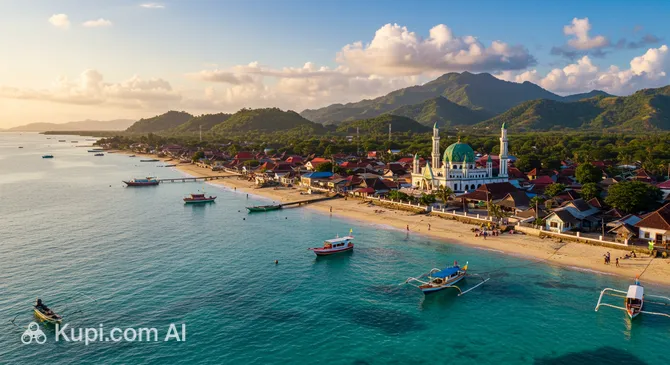
Sumbawa Besar. Source: Kupi.Binoculars

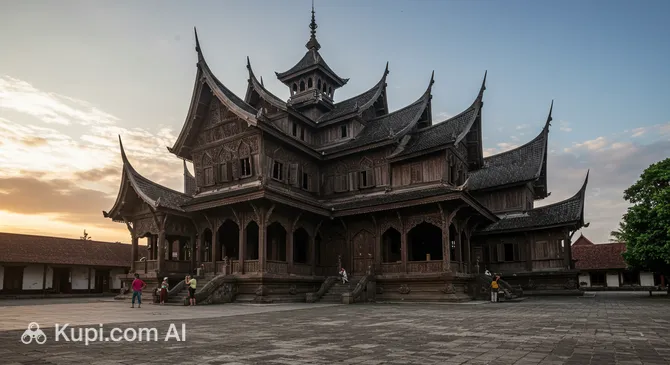
One of the city's most significant attractions is the Dalam Loka, the former Sultan's palace. Built entirely of wood and resting on 99 pillars, this majestic structure is a remarkable example of traditional architecture, constructed without a single nail. It stands as a proud symbol of the region's heritage and is a must-visit for anyone stopping in the city.

Beyond its cultural sites, Sumbawa Besar is the primary gateway to the stunning Moyo Island. Located just off the coast, Moyo is famous for its pristine coral reefs, crystal-clear waters, and the enchanting Mata Jitu Waterfall. Whether you are looking to dive into nature or immerse yourself in the unique culture of the island, Sumbawa Besar provides the perfect starting point for an unforgettable adventure.

Weather Overview

Sumbawa Besar experiences a tropical climate characterized by consistent warmth and two distinct seasons. The temperatures remain fairly stable year-round, typically ranging from lows of around 22°C to highs reaching 31°C. For a more comprehensive breakdown of conditions for your specific travel dates, you can consult the guide to the weather in Sumbawa Besar.

The dry season, running roughly from May through October, offers the most favorable conditions for outdoor activities and island hopping. During these months, precipitation is minimal, with August seeing as few as 2 wet days. July and August are slightly cooler, with average temperatures hovering around 25°C and nighttime lows dipping to nearly 22°C, making for pleasant evenings.

In contrast, the wet season usually spans from November to April. While temperatures remain warm, averaging roughly 26°C, the frequency of wet days increases significantly, peaking in January and March with up to 29 days recording some moisture. October tends to be the hottest month, with average highs climbing to 31.1°C just before the wetter period sets in.

Interesting Facts

Beyond the main attractions, Sumbawa Besar holds many fascinating secrets that offer a deeper understanding of its rich heritage and local lifestyle. These cultural nuances and unique traditions provide a glimpse into the authentic character of the city.
Istana Dalam Loka. Source: Kupi.Binoculars
  • The architectural design of the Istana Dalam Loka is deeply symbolic. While many know it stands on 99 pillars, fewer realize this number was chosen specifically to represent the 99 Names of Allah (Asmaul Husna) in Islamic tradition, reflecting the strong religious devotion of the Sultanate era.

  • Sumbawa Besar is famous for a distinct local beverage called "Susu Kuda Liar," or wild horse milk. Unlike dairy from cows, this milk undergoes natural fermentation, giving it a sour taste and allowing it to be stored for months without refrigeration; locals believe it possesses potent medicinal properties and boosts vitality.

  • The region surrounding the city is the heartland of Barapan Kebo, a traditional buffalo racing festival. Unlike typical races, this event takes place in muddy rice paddies to celebrate the planting season, where jockeys balance on wooden frames called kareng while holding the tails of sprinting buffaloes.

How to Get There

Reaching this charming city is relatively straightforward, thanks to its own airport and connections from major Indonesian hubs. While it is located on an island that retains a remote feel, modern transport links make it accessible for adventurers. For a detailed breakdown of routes and transport options, you can read more about how to get to Sumbawa Besar.

The most convenient entry point is Sultan Muhammad Kaharuddin III Airport (SWQ), situated directly in Sumbawa Besar. It is a small but efficient facility located just 2.5 km from the city center. Travelers arriving here can reach downtown in approximately 25 minutes by taxi or local transport. This airport primarily serves domestic flights, connecting the city with neighboring islands.

For international travelers, the journey often begins at Ngurah Rai International Airport (DPS) in Denpasar, Bali. Located about 250 km away, this major international hub welcomes flights from all over the world. From Bali, visitors can catch a connecting flight to Sumbawa Besar or embark on an overland adventure involving ferries.

Another significant gateway is Lombok International Airport (LOP) in Praya, roughly 130 km from Sumbawa Besar. Many tourists fly into Lombok and then travel overland to the port of Kayangan to catch a ferry to Sumbawa. While the airport is not in the city itself, it serves as a crucial transit point for the region.

For clarity, here is a summary of the main airports:

Airport Name City Passenger Traffic Km from City
Ngurah Rai International Airport Denpasar Very Large 250.4
Lombok International Airport Praya Large 129.9
Sultan Muhammad Salahuddin Airport Bima Medium 138.7
Tambolaka Airport Tambolaka Small 223.6
Sultan Muhammad Kaharuddin III Airport Sumbawa Besar Small 2.5

Sumbawa Besar does not have a railway station, and there are no train services operating on the island of Sumbawa. Visitors relying on public transportation typically utilize the extensive network of inter-city buses and ferries that connect the islands of Nusa Tenggara.

Main Attractions

While Sumbawa Besar is often seen as a transit point, the city and its surroundings possess a quiet charm and several cultural gems that warrant a closer look. From historical royal residences to natural wonders just offshore, the area offers travelers a mix of heritage and outdoor adventure.

The most iconic landmark in the city is the Istana Dalam Loka, or the Old Palace. As one of the largest wooden stilt houses in the world, it serves as a testament to the architectural ingenuity of the Sumbawa Sultanate. Visitors are often captivated by its massive teak structure, which was built without a single iron nail to ensure flexibility during earthquakes. Walking through its expansive halls provides a fascinating window into the region's royal history and traditional craftsmanship.

Another significant historical site is Bala Kuning, also known as the Yellow Palace. Located not far from the city center, this residence is the home of the Sultan’s descendants and functions as a private museum. Inside, tourists can view a collection of royal heirlooms, including ceremonial weapons, golden jewelry, and traditional costumes. It offers a more intimate perspective on the living history of the Sumbawan royalty compared to the grander, uninhabited Old Palace.

For nature lovers, Moyo Island is arguably the highlight of any trip to Sumbawa Besar. Located just a short boat ride from the coast, this marine nature reserve is famous for its pristine coral reefs and the spectacular Mata Jitu Waterfall. The waterfall's turquoise pools and limestone terraces are enchanting, drawing visitors for a refreshing swim in the heart of the jungle. It is a perfect day-trip destination for snorkeling, hiking, and escaping the bustle of the town.

Closer to the city, Kencana Beach offers a relaxing seaside retreat about 15 minutes from downtown. Known for its curved coastline and calm waters, it is a popular spot for both locals and tourists to unwind. The beach features a distinctive wooden pier and traditional gazebos, making it an excellent location for watching the sunset and enjoying the coastal breeze after a day of exploring the historical sites.

Local Cuisine

The culinary landscape of Sumbawa Besar is a vibrant reflection of its coastal geography and cultural heritage. The local cuisine is renowned for its bold, spicy, and sour flavor profiles, heavily relying on fresh seafood caught daily from the surrounding waters. For food enthusiasts, the city offers an authentic gastronomic adventure that remains largely traditional and untouched by mass tourism.

One of the most iconic dishes you must try is Sepat. This unique meal consists of grilled fish served alongside a refreshing, cold sauce made from roasted eggplant, young mango, and tamarind, accompanied by a platter of fresh vegetables and crackers. Another seafood staple is Singang, a rich and savory fish stew cooked with turmeric, tamarind, and kemiri nuts. The yellow gravy is famous for its perfect balance of tanginess and spice, making it an excellent companion for a plate of warm steamed rice.

Meat lovers should look for Gecok, a traditional dish often made from beef or buffalo offal. The meat is sautéed with roasted grated coconut and a complex spice paste, resulting in a nutty, aromatic, and slightly dry curry that is deeply satisfying. This dish highlights the region's reliance on livestock, particularly buffalo, which are central to Sumbawan agriculture.

When it comes to beverages, Sumbawa Besar offers something truly distinctive: Susu Kuda Liar, or wild horse milk. Unlike cow's milk, this local specialty undergoes natural fermentation, giving it a sour taste similar to yogurt or kefir. It is widely consumed for its reputed health benefits rather than as a casual refreshment. For something sweeter, you can try drinks sweetened with the famous Sumbawa Honey, a high-quality white honey produced in the region's forests.

The food culture here is unpretentious and community-focused. You will not find many fine-dining establishments; instead, the best food is found in warungs (small, family-owned eateries) and night markets. These spots offer a relaxed atmosphere where locals gather to eat, often enjoying their meals by hand in the traditional style. Exploring these humble stalls is the best way to experience the genuine hospitality and flavors of the city.

Travel Tips

Welcome to Sumbawa Besar, a captivating gateway where traditional heritage blends seamlessly with a relaxed island atmosphere. To ensure your journey through this culturally rich city is as smooth and respectful as possible, here is a set of practical tips to help you navigate local life with ease.

  1. Dress Modestly and Lightly. Since Sumbawa Besar is located in a tropical region that is predominantly Muslim and socially conservative, choose clothing that is breathable yet modest. Wear loose-fitting cotton or linen fabrics, and ensure your shoulders and knees are covered when walking around the city. Always remove your footwear before entering a mosque or a local’s private home.

  2. Master Local Transport. Public transportation within the city relies heavily on bemos (small, colorful minibuses) and ojeks (motorcycle taxis). Ride-hailing apps may have limited availability compared to Bali or Java. For the most freedom to explore nearby beaches or the countryside, renting a scooter is the most popular option; just ensure you have an international driving permit and always wear a helmet.

  3. Cash is King. While you will find ATMs from major national banks (like BNI, Mandiri, or BRI) in the city center, card payments are rarely accepted at small eateries (warungs), traditional markets, or by transport drivers. It is essential to carry sufficient Indonesian Rupiah (IDR) in cash, preferably in smaller denominations, for your daily expenses.

  4. Prioritize Health and Hydration. The tap water in Sumbawa Besar is not safe for drinking; stick to bottled or boiled water to avoid stomach issues. As this is a tropical destination, carry effective insect repellent to protect against mosquitoes, especially during dawn and dusk. Pharmacies, known locally as Apotek, are available in town for basic medical supplies.

  5. Bridge the Language Gap. English is not widely spoken outside of hotels and tour agencies catering to visitors of Moyo Island. It is highly recommended to download an offline translation app and learn a few basic phrases in Bahasa Indonesia, such as terima kasih (thank you) and selamat pagi (good morning). Locals are incredibly friendly and appreciate the effort.

  6. Mind Your Hands. In local etiquette, the left hand is considered unclean. Always use your right hand for eating, passing money, giving items to others, or shaking hands. If you must use your left hand due to necessity, a polite apology is a gracious gesture.

  7. Respect Social Norms. Avoid public displays of affection, such as kissing or prolonged hugging, as this is considered inappropriate in this conservative society. Additionally, save your swimwear strictly for the beach or pool; walking through town shirtless or in a bikini is frowned upon.

  8. Visit the Markets Early. To experience the true pulse of the city, head to the main market, Pasar Seketeng, in the early morning. It is the best time to observe daily life, buy fresh tropical fruits like mangoes or snake fruit, and purchase a bottle of the famous local honey directly from vendors.

By keeping these practicalities in mind, you will be well-prepared to navigate the charming streets of Sumbawa Besar with confidence. Embrace the slower pace of life, respect the local customs, and enjoy the authentic hospitality that makes this city a unique stop on your Indonesian adventure.

Entertainment & Nightlife

Nightlife in Sumbawa Besar is a reflection of the city’s modest and traditional character. Unlike the bustling party scenes found in Bali or Jakarta, the evening atmosphere here is laid-back, community-focused, and centered around socializing rather than wild partying. There are no nightclubs or discos in the Western sense. Instead, the "nightlife" revolves around nongkrong—the Indonesian art of hanging out with friends at coffee shops, open-air parks, and night markets.

The heart of the city's evening activity is often found around Taman Mangga (Mango Park). Located near the government offices, this public park transforms into a vibrant social hub after sunset. It is a favorite spot for locals, especially families and young people, to gather, enjoy the cool evening breeze, and sample local snacks from the surrounding food stalls. The atmosphere is casual and friendly, making it a safe and authentic place for tourists to observe local life.

For those seeking a place to sit down with a drink and a view, The Hill Cafe is a popular choice. Situated on a hill overlooking the city, it offers a stunning perspective of Sumbawa Besar’s city lights shimmering below. It is an excellent venue for a relaxed evening, offering coffee and light meals in a semi-outdoor setting. Another modern option is the Akaya Rooftop Bar, which provides a more contemporary vibe and is one of the few places where you might find a more upscale dining experience in the evening.

Alcohol availability is limited due to the conservative nature of the region. You will not find bars on every corner; beer and cocktails are typically restricted to hotel bars or specific restaurants catering to tourists. The dress code is universally casual but modest—avoid beachwear when visiting town centers or cafes. Most venues close relatively early, often by 10:00 PM or 11:00 PM, though some coffee shops may stay open a bit longer on weekends.

During the day, entertainment is equally relaxed and culturally rich. The primary attraction is the majestic Istana Dalam Loka, the historic wooden palace of the Sultan, which stands as a testament to the region's royal heritage. For nature enthusiasts, daytime hours are best spent exploring the nearby beaches like Kencana Beach or taking a boat trip to Moyo Island for snorkeling.

Getting around at night requires some planning. Public bemos (minibuses) stop running in the late afternoon, so your best option is an ojek (motorcycle taxi). Ride-hailing apps may work, but availability can be sporadic at night. Always agree on a price before hopping on a local ojek. The city is generally very safe for night walks, particularly in well-lit areas like Jalan Kartini and around the central clock tower, but it is always wise to remain aware of your surroundings.

Parks & Museums

Sumbawa Besar offers a distinct blend of cultural heritage and raw natural beauty, serving as a destination where history enthusiasts and nature lovers can find common ground. While the city itself does not feature extensive botanical gardens, its surrounding landscapes act as vast, open-air parks, and its historical buildings serve as the custodians of the region's royal past.

Key Parks and Green Spaces

The most significant natural area accessible from the city is the Moyo Island Nature Reserve. Located just across the bay, this protected area is a haven for biodiversity, encompassing lush savannas, tropical forests, and untouched coral reefs. It functions as a massive marine and hunting park where visitors can hike through the jungle to find the Mata Jitu Waterfall or dive into the surrounding waters. It is the ultimate green escape for those looking to trade city streets for wild trails.

Within the city limits, Taman Mangga (Mango Park) serves as the primary green lung and social gathering space. Situated near the heart of the town, this park is less about manicured flowerbeds and more about community life. Shaded by large trees, it offers a cool respite from the tropical heat and comes alive in the late afternoon with families strolling and locals enjoying snacks from nearby vendors. It provides a simple, authentic look at the daily recreational life of the residents.

Museums and Galleries

The cultural centerpiece of the city is the Istana Dalam Loka. While technically a former palace, it functions as a living museum of Sumbawan architecture and history. Visitors can walk through its colossal wooden halls, which were designed to flex with earthquakes and cool the interior naturally. The structure itself is the main exhibit, showcasing the sophisticated engineering skills of the Sultanate era without the use of modern nails.

For a closer look at royal artifacts, the Bala Kuning (Yellow Palace) is an essential stop. This residence, still maintained by the Sultan’s family, houses a private collection that serves as a museum of the regalia. Inside, you can view ceremonial weapons, including the sacred kris, as well as gold jewelry, traditional textiles, and photographs that document the lineage and customs of the Sumbawa Sultanate.

Historical and Architectural Sites

Beyond the palaces, the Masjid Agung Nurul Huda stands as a significant architectural landmark. Located near the old palace, this grand mosque reflects the deep Islamic roots of the region. Its design often incorporates traditional elements mixed with modern mosque architecture, serving as a focal point for religious life and a peaceful place for respectful observation of local culture.

Authentic Experiences

For a truly local experience, visit the Kerato area during the planting season to witness Barapan Kebo (buffalo racing). The muddy rice paddies transform into a temporary cultural arena where the energy is palpable, offering a dynamic contrast to the quiet halls of the museums.

Getting Around

Navigating Sumbawa Besar is a straightforward and authentic experience, as the city lacks the complex mass transit systems found in larger metropolises. There are no subways, trams, or large city buses here. Instead, the public transport network relies entirely on small, informal vehicles that weave through the streets, offering a direct glimpse into the local way of life.

The primary mode of public transportation is the bemo, a small minibus or converted van that serves as the city's shared taxi. These vehicles typically follow specific routes, often indicated by a letter or color on the windshield, connecting the city center with outlying neighborhoods and the main market. They do not utilize fixed stops; you simply hail one from the side of the road by waving your hand and tap on the window or roof when you wish to disembark.

For shorter distances or trips into residential alleyways where bemos do not venture, ojeks (motorcycle taxis) are the most convenient option. You will often find drivers waiting at street corners, near the market, or by the airport. Another traditional alternative is the cidomo, a colorful horse-drawn cart. These are particularly popular for carrying heavy goods from the market or for short, leisurely trips around town, adding a nostalgic charm to the streetscape.

The payment system in Sumbawa Besar is entirely cash-based. There are no travel cards, electronic passes, or ticket machines. For bemos, you pay the driver directly upon exiting the vehicle. Fares are generally fixed and very affordable, usually costing just a few thousand Rupiah for a trip within the city limits. For ojeks and cidomos, price negotiation is essential. You must agree on a fare with the driver before the journey begins to avoid misunderstandings later.

Travelers should be aware that public transport here operates on a loose "daylight" schedule. Bemos typically start running early in the morning to accommodate students and market-goers but become scarce by late afternoon, often ceasing operations entirely around 5:00 PM or 6:00 PM. If you need to travel in the evening, you will generally need to rely on a pre-arranged ojek or a private hire, as the streets become much quieter after sunset.

While ride-hailing apps like Gojek or Grab are widely used in other parts of the region, their availability in Sumbawa Besar can be sporadic. Drivers may be few and far between, especially at night. Consequently, many visitors prefer scooter rentals as their primary means of transport. Renting a motorbike offers the freedom to explore the city and nearby coastal areas at your own pace, though it requires a valid international driving permit and confidence in navigating local traffic.

Accommodation

Where to Stay:

Accommodation in Sumbawa Besar is generally functional and modest, reflecting the city's role as a transit hub and administrative center rather than a dedicated luxury tourist destination. Visitors will not find high-rise international chains or sprawling all-inclusive complexes within the town itself. Instead, the options primarily consist of budget-friendly homestays (known locally as losmen), simple guesthouses, and a handful of comfortable mid-range hotels that cater to business travelers and tourists passing through.

For most travelers, the most convenient area to stay is the City Center. Staying here places you within walking distance of local eateries, markets, and key cultural sites like the former Sultan's palace. This area is also practical for transit, as it is just a few minutes' drive from the airport. Hotels in the downtown core are typically straightforward, offering essential amenities like air conditioning and Wi-Fi, making them suitable for short stopovers before heading to Moyo Island or exploring the interior.

If you prefer a quieter atmosphere with a view, consider looking for accommodation along the coastline on the outskirts of the city. There are several seaside properties located near Kencana Beach or along the road leading to the harbor. These establishments often feature bungalow-style rooms and open-air restaurants, providing a more relaxed, resort-like feel compared to the bustle of the town center. While they may require a short taxi or scooter ride to reach downtown, the sea breeze and sunset views offer a pleasant trade-off.

Booking Tips and Prices

Prices in Sumbawa Besar are generally very affordable compared to Bali or Lombok. Budget rooms can be found for very low rates, while even the "luxury" options in town remain in the mid-range price bracket. While the larger hotels are listed on major online booking platforms, many smaller guesthouses and homestays still rely on direct bookings via phone or WhatsApp, or simply accept walk-ins.

It is advisable to book in advance if your visit coincides with major local events, such as the Barapan Kebo (buffalo racing) festival or the peak surfing season, when accommodation can fill up quickly. Additionally, always carry enough cash, as smaller establishments may not have card payment facilities.

Nearby Cities

For those looking to explore the surroundings, Sumbawa Besar serves as an excellent base for day trips to several interesting nearby locations. While the city itself is located on a relatively large island, the neighboring regions and islands offer a change of scenery, ranging from bustling provincial capitals to scenic towns known for their culinary heritage.

City Population Distance (km)
Denpasar 1,779,122 245
Lombok 495,651 123
Mataram 408,900 146
Singaraja 234,468 262
Banjar 203,417 273

Mataram
Located on the neighboring island of Lombok, Mataram is the capital of the West Nusa Tenggara province. While it requires a ferry crossing from the port of Poto Tano to reach, it serves as the region's urban center. Visitors can explore historical sites such as the Mayura Water Palace and Narmada Park, or enjoy the conveniences of modern shopping malls and diverse dining options that are less available in Sumbawa.

Taliwang
Situated in West Sumbawa, the town of Taliwang is a feasible day-trip destination accessible by road. It is famously the birthplace of Ayam Taliwang, a spicy grilled chicken dish that is beloved across Indonesia. Beyond its culinary fame, the town acts as a gateway to the stunning beaches of West Sumbawa, such as Maluk and Sekongkang, which are renowned for their world-class surf breaks and relaxed atmosphere.

Lombok
Just across the Alas Strait, the island of Lombok offers a blend of Sasak culture and spectacular natural beauty. For travelers planning a short visit or onward journey, the eastern coast provides access to pristine beaches and views of the majestic Mount Rinjani. It presents a greener, more mountainous contrast to the drier savanna landscapes often found around Sumbawa Besar.

These nearby destinations offer a glimpse into the diverse culture and landscapes of the region, allowing travelers to experience the broader charm of the Lesser Sunda Islands.

Shopping & Souvenirs

Shopping in Sumbawa Besar offers a distinctively local experience, far removed from the high-end luxury retail found in metropolitan hubs like Jakarta or the tourist-centric boutiques of Bali. Here, commerce revolves around traditional markets, family-run shophouses, and small specialty stores. The city is an excellent place to find authentic regional products that reflect the island's culture and natural resources, making it a rewarding destination for travelers seeking genuine Indonesian souvenirs rather than mass-produced trinkets.

The primary commercial activity in the city is concentrated along Jalan Hasanuddin and Jalan Kartini. These central streets are lined with rows of "ruko" (shophouses) selling everything from electronics and clothing to daily necessities. Walking down these busy thoroughfares provides a glimpse into the town's daily rhythm, where locals purchase their household goods. It is also where you will find smaller convenience stores and pharmacies interspersed with local eateries.

Travelers should be aware that Sumbawa Besar does not have large, Western-style shopping malls or extensive department stores. If you are looking for branded fashion or international chains, you will not find them here. Instead, the "malls" are typically smaller, multi-story local department stores that stock a mix of clothing, shoes, and supermarket items. These establishments are functional and cater primarily to the needs of residents rather than tourists.

For the most vibrant shopping experience, a visit to Pasar Seketeng (Seketeng Market) is essential. As the city's main traditional market, it is a sensory overload of sights, smells, and sounds. Here, vendors pile high fresh tropical fruits, vegetables, spices, and locally caught fish. It is the best place to observe local commerce in action. While it is primarily a food market, you can often find vendors selling simple household items and traditional snacks. Be prepared to bargain, as it is a standard part of the transaction process in traditional markets.

When it comes to souvenirs, Sumbawa Besar is famous for several unique products that make for excellent gifts. Top of the list is Madu Sumbawa (Sumbawa Honey), particularly the rare white honey, which is renowned across Indonesia for its purity and health benefits. Another distinct local product is Minyak Sumbawa, a traditional herbal oil used for massages and treating various ailments. For textile lovers, look for Kre Alang, the region's traditional hand-woven cloth, which features intricate gold or silver threads and motifs unique to the Sumbawan culture.

Most shops in Sumbawa Besar operate from around 8:00 AM or 9:00 AM until 9:00 PM. Traditional markets like Pasar Seketeng start much earlier, often before dawn, and are busiest in the morning. Cash is the primary method of payment throughout the city. While a few larger stores or hotels may accept credit cards, small shops, market vendors, and souvenir stalls deal exclusively in Indonesian Rupiah. Ensure you carry sufficient small denominations to make transactions smoother.

Tax-free shopping or VAT refund schemes for tourists are not available in Sumbawa Besar. The retail infrastructure is geared towards the domestic market, and the administrative facilities for processing tourist tax refunds do not exist in the city. Prices are generally fixed in stores, but negotiation is expected and encouraged in traditional markets and smaller, independent stalls.
Reached the end of the page?

That means the route is fully explored
