Support

Tambolaka

About

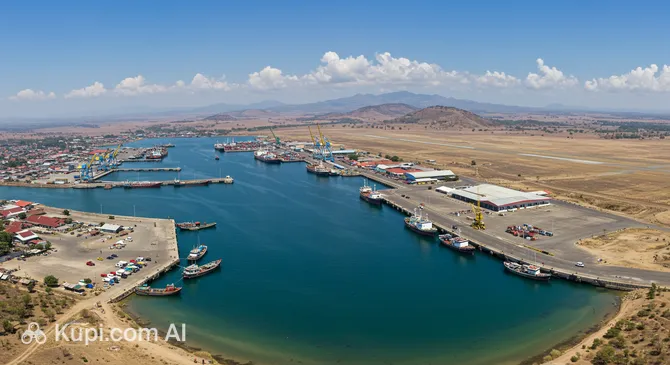
Welcome to Tambolaka, the vibrant capital of the Southwest Sumba Regency and the primary gateway to the western part of Sumba Island. This bustling town offers a unique introduction to the region, blending modern activity with the deep-rooted cultural traditions of the area. Located in the province of East Nusa Tenggara, Indonesia, Tambolaka is a strategic hub where many travelers begin their adventure into the wild and rugged beauty of the island.

Tambolaka. Source: Kupi.Binoculars

With a population of approximately 35,790 residents, the city maintains a lively yet approachable atmosphere. Geographically, it sits on the northwestern tip of Sumba, enjoying a tropical climate that invites exploration throughout the year. While the town is modernized to serve travelers, the history of Tambolaka is intrinsically linked to the ancient heritage of the Sumba people, famous for their megalithic tombs and distinct warrior culture.

Travelers are often drawn here not just for transit, but for the incredible attractions nearby. A short drive from the city center leads to the mesmerizing Weekuri Lake, a saltwater lagoon renowned for its crystal-clear turquoise waters. The area also serves as the perfect base for visiting traditional villages like Ratenggaro, where you can witness iconic high-roofed houses and learn about local customs. Whether you are passing through or staying to explore, Tambolaka promises a warm welcome and an exciting start to your journey.

Weather Overview

Tambolaka experiences a tropical climate characterized by consistent warmth and two distinct seasons. The average temperatures remain stable throughout the year, generally hovering between 25°C and 27°C, making it a warm destination regardless of when you visit. The weather in Tambolaka is most favorable for outdoor activities during the dry months, particularly from July to September, when rainfall is scarce and sunny days are abundant.

Conversely, the wet season runs roughly from December through March, bringing frequent precipitation and higher humidity. January and March are notably the wettest months, often seeing rain on up to 28 days. Despite the rain, the air remains warm, with daytime highs occasionally reaching 29°C in October and November. Travelers planning a trip should pack light, breathable clothing and prepare for potential showers if visiting during the wetter part of the year.

Interesting Facts

Beyond the scenic landscapes and bustling airport, Tambolaka holds fascinating cultural nuances that often surprise first-time visitors. This gateway city is not just a transit point but a living introduction to the unique traditions of Sumba Island.

  • Two Names, One City: Travelers are often confused to find that while the airport and the district are officially named Tambolaka, the town center is locally and widely known as Waitabula. It is common to hear locals use the names interchangeably, with Waitabula often referring specifically to the heart of the town's activity.

  • Living Megalithic Culture: Unlike most places in the world where stone tombs are ancient relics, the area around Tambolaka practices a living megalithic tradition. It is not unusual to see massive stone graves built recently in the front yards of modern houses, serving as a testament to the enduring respect for ancestors in the local Marapu belief system.

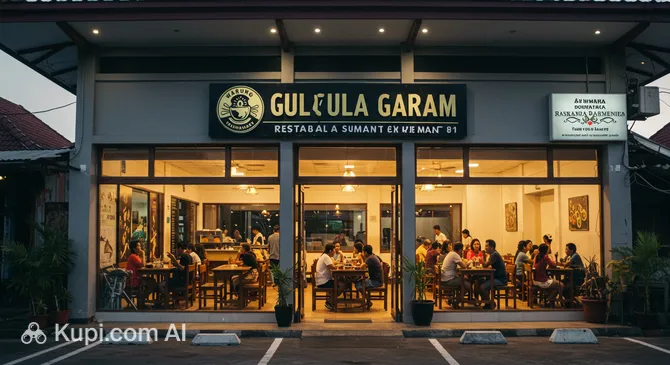
  • A Culinary Crossroads: Despite its remote location, the town offers a surprising mix of flavors that cater to global trekkers. Popular spots like Warung Gula Garam have become legendary among backpackers, serving not just as places to eat but as vital information exchanges where travelers share tips on exploring the wilder western coast.

  • The Pasola Gateway: During February and March, the city transforms into the primary staging ground for the Pasola Festival. While the ritual horseback fighting takes place in nearby villages, Tambolaka buzzes with energy as the entry point for thousands of spectators coming to witness this ancient ceremony believed to ensure a successful harvest.

Warung Gula Garam. Source: Kupi.Binoculars

How to Get There

Reaching the western tip of Sumba Island is a straightforward journey, primarily facilitated by air travel connecting from major Indonesian hubs. While the island feels remote and untouched, modern connections make it accessible for adventurers. For a comprehensive breakdown of routes and travel tips, you can read more about how to get to Tambolaka to plan your arrival perfectly.

The most convenient and direct entry point is Tambolaka Airport (IATA: TMC), located within the city itself. As the primary gateway for the Southwest Sumba Regency, this facility handles a steady stream of travelers, serving as a busy regional hub. Since the airport is situated just 2.3 km from the city center, the transfer is quick and easy; a taxi or bus ride typically takes 5-10 minutes.

Alternatively, travelers planning to explore the entire island might choose to land at Waingapu Airport (IATA: WGP), also known as Umbu Mehang Kunda Airport. It is important to note that this airport is not in Tambolaka but in the city of Waingapu, located on the eastern side of Sumba. The distance is about 123 km, so if you land here, be prepared for a scenic overland journey. The drive to Tambolaka usually takes approximately 4-5 hours, offering a chance to see the island's diverse landscapes along the way.

For clarity, here is a summary of the main airports:

Airport Name City Passenger Traffic Km from City
Komodo Airport Labuan Bajo Large 126.6
Sultan Muhammad Salahuddin Airport Bima Medium 115.5
Tambolaka Airport Tambolaka Medium 2.3
Waingapu Airport Waingapu Small 123.0
Bajawa Soa Airport Bajawa Small 205.1

Main Attractions

While Tambolaka is primarily known as a transportation hub, it serves as the essential launchpad for exploring the rich cultural and natural tapestry of Southwest Sumba. The town itself offers a convenient and welcoming atmosphere for travelers preparing to venture into the more remote areas of the island. Visitors will find that the city provides a comfortable mix of essential services and local charm, making it an ideal base for day trips to the surrounding coastlines and traditional settlements.

Among the specific highlights within the town is the well-regarded Warung Gula Garam. Although technically a restaurant, this venue has established itself as a significant attraction for visitors. Perched on a hill with sweeping views that are particularly stunning at sunset, it offers more than just a meal; it provides a communal space where travelers from around the world gather. The relaxed ambiance and scenic location make it a perfect spot to unwind after a day of exploring the nearby lagoons and villages.

Beyond this popular gathering spot, the streets of Tambolaka—often referred to locally as Waitabula—offer a glimpse into the daily life of the Sumba people. A visit to the local markets reveals a bustling scene filled with colorful textiles and fresh produce, providing an authentic cultural experience right in the city center. Exploring these local hubs allows tourists to engage with the friendly community before heading out to the island's famous megalithic sites.

Local Cuisine

The culinary landscape of Tambolaka offers a delightful exploration of flavors that reflect the dry, rugged terrain of Sumba Island and the broader traditions of East Nusa Tenggara. While you will find plenty of standard Indonesian staples like Nasi Goreng (fried rice) and Bakso (meatball soup), the local diet is distinctively reliant on maize, cassava, and fresh seafood. For a truly authentic experience, visitors should look for dishes that feature these regional ingredients prepared with aromatic spices and coconut milk.

One of the must-try specialties in the region is Se'i, a delicious smoked meat dish that is famous throughout the province. Traditionally made with pork (though beef and chicken versions exist), the meat is thinly sliced and smoked over a wood fire, giving it a unique aroma and tender texture. It is often served with sambal (spicy chili paste) and sautéed papaya flowers known as Rumpu Rampe, which provides a bitter yet savory contrast to the smoky meat. Additionally, due to the city's proximity to the sea, Ikan Bakar (grilled fish) is exceptionally fresh and widely available at local eateries.

When it comes to beverages, coffee lovers are in for a treat. Sumba produces its own robust variety of coffee, often enjoyed black and sweet. For something refreshing to beat the tropical heat, fresh Kelapa Muda (young coconut water) is sold at roadside stalls everywhere. On the stronger side, the island has a traditional palm spirit called Moke or Peci. This locally distilled alcohol plays a significant role in traditional ceremonies and social gatherings, though it is potent and should be tried with caution.

The food culture in Tambolaka is laid-back and communal. Locals often dine at "warungs"—small, family-owned eateries that offer home-cooked meals at affordable prices. For tourists seeking a blend of local ingredients and international comfort, Warung Gula Garam is a standout destination. Known for its welcoming atmosphere and hilltop views, it is an excellent place to sample local flavors while mingling with fellow travelers. In the evenings, the area around the city center comes alive with night market stalls selling grilled corn and sweet snacks, offering a perfect end to a day of exploration.

Travel Tips

Visiting Tambolaka and the surrounding Southwest Sumba region is an adventure that rewards preparation. While the area is incredibly beautiful, it is less developed than Indonesia's main tourist hubs, so knowing a few logistical details beforehand will ensure your journey is smooth and enjoyable.

  1. Clothing and Gear: Sumba is generally hot and humid, so pack lightweight, breathable fabrics like cotton or linen. However, modesty is important in Indonesia; avoid wearing swimwear away from the beach. Since you will likely be trekking to waterfalls or exploring rocky traditional villages, bring sturdy walking sandals or comfortable sneakers. Don't forget a universal travel adapter (Type C/F plugs) and a high-SPF sunscreen, as the tropical sun can be intense.
  2. Transportation: Public transport, such as local "bemos" (minibuses), can be confusing and unreliable for tourists. The most practical way to explore Tambolaka and the wider island is to rent a car with a local driver. The roads can be winding and poorly lit, making self-driving risky for those unfamiliar with the terrain. Motorcycle taxis, known as "ojeks," are available for short trips within the town, but always negotiate the price before hopping on.
  3. Finances: Cash is king in Tambolaka. While there are ATMs (mainly BNI, BRI, and Mandiri) in the town center (Waitabula), they can occasionally be out of service or empty. Credit cards are rarely accepted outside of major hotels or a few specific restaurants like Warung Gula Garam. It is highly advisable to withdraw enough Indonesian Rupiah (IDR) while you are in the city before heading out to more remote coastal areas or villages.
  4. Health and Safety: Sumba is a malaria-endemic zone, so taking precautions is essential. Bring strong insect repellent containing DEET and consider wearing long sleeves in the evenings. Drink only bottled or filtered water to avoid stomach issues. Pharmacies (called "Apotek") are available in the town center for basic supplies, but you should bring any specific prescription medications you need from home.
  5. Communication: English is not widely spoken outside of the airport and high-end resorts. Learning a few basic phrases in Bahasa Indonesia, such as "Terima kasih" (Thank you) and "Selamat pagi" (Good morning), will go a long way. For mobile data, Telkomsel is widely considered the provider with the best coverage in East Nusa Tenggara. It is best to buy a SIM card and register it at a large shop in town or at the airport upon arrival.
  6. Local Etiquette: The local culture is deeply rooted in respect and tradition. When visiting traditional villages ("kampung adat"), you will often be asked to fill out a guest book and leave a voluntary donation; carrying small denominations of cash is useful for this. It is also polite to ask for permission before taking close-up photos of locals or their unique high-roofed houses.
  7. What to Avoid: Do not use your left hand to give or receive objects, money, or food, as it is considered unclean in local culture. Additionally, avoid touching people on the head, including children, as the head is regarded as the most sacred part of the body.
  8. Village Visits Tip: In Sumba, the chewing of "Sirih Pinang" (betel nut) is a major social custom. You might be offered some as a gesture of welcome. While you don't have to chew it if you don't want to, accepting the gesture politely is important. If you visit a traditional house, bringing a small pack of betel nut or cigarettes as a gift for the village elder is a highly appreciated sign of respect.

By keeping these practical tips in mind, you will be well-equipped to navigate the unique cultural and physical landscape of Tambolaka. Embracing the local pace of life and respecting traditions will open doors to genuine interactions and unforgettable experiences in this remarkable corner of Indonesia.

Entertainment & Nightlife

Nightlife in Tambolaka is tranquil and deeply connected to the local culture, offering a stark contrast to the high-energy party scenes found in Bali or Jakarta. The town, locally known as Waitabula, tends to quiet down relatively early, with most shops closing by 9:00 PM. Instead of nightclubs and discos, the evening entertainment revolves around social dining, night markets, and relaxed gatherings at hotel bars or cafes. The atmosphere is laid-back and casual, welcoming travelers to unwind after a day of trekking with good conversation and local flavors.

The heart of the local evening activity can be found at the Pasar Malam (Night Market) near the town center. As the sun sets, this area comes alive with smoke rising from charcoal grills and the chatter of locals. It is the best place to immerse yourself in the community vibe. Here, you can sit on plastic stools and enjoy freshly grilled corn, Martabak (stuffed pancakes), or grilled fish while observing the daily rhythm of Sumba life. The dress code is entirely casual, and the crowd is a friendly mix of families, youth, and curious visitors.

For travelers seeking a more familiar social setting, Warung Gula Garam remains a top choice. Located on a hill with a breezy open-air setup, it transitions from a daytime eatery into a cozy evening hangout. It is one of the few places where you can enjoy a cold beer, listen to music, and swap stories with other backpackers or expatriates. The venue often stays open a bit later than standard local shops, making it a reliable spot for a nightcap.

Another option for evening entertainment is the bar and restaurant area at the Mario Hotel and Cafe near Kita Beach. Popular for its sunset views, it often hosts travelers looking for a quiet drink by the sea. While it is not a "club," the ambiance is serene and perfect for a romantic evening or a peaceful end to the day. Prices in Tambolaka are generally affordable; street food at the market costs very little, while restaurant meals and drinks are moderately priced compared to western standards.

When venturing out at night, safety is generally not a major concern regarding crime, but the physical environment requires caution. Street lighting can be sparse outside the main road, and sidewalks are often uneven. It is advisable to avoid walking long distances alone in the dark, primarily to avoid stray dogs or unseen obstacles. Public transport stops running early, so you should arrange a return ride with a private driver or a trusted "ojek" (motorcycle taxi) beforehand if you plan to stay out late.

During the daylight hours, entertainment in Tambolaka shifts towards cultural and natural exploration rather than modern amusement parks or theaters. The region is a living museum of megalithic traditions. Visitors spend their days exploring traditional villages like Ratenggaro to marvel at the towering thatched-roof houses or swimming in the crystal-clear waters of Weekuri Lake. These natural and cultural sites provide the primary form of engagement, offering a profound connection to the history and beauty of Sumba.

Parks & Museums

Unlike modern metropolises filled with manicured city parks and glass-walled galleries, Tambolaka offers a different kind of cultural and natural immersion. Here, the entire region serves as an open-air museum, where rugged landscapes act as green spaces and traditional villages function as living galleries of history. For travelers, the appeal lies in exploring these authentic sites that seamlessly blend the island's ancient heritage with its stunning natural environment.

While you won't find traditional botanical gardens in the city center, Lendongara Hill (Bukit Lendongara) serves as the area's premier natural park. Located just a short drive from the heart of town, this area is characterized by rolling savannahs that resemble a plush green carpet during the rainy season and turn golden in the dry months. It is a favorite spot for both locals and tourists to enjoy fresh air, panoramic views of the coastline, and spectacular sunsets without the noise of the city. The open, grassy terrain makes it perfect for a peaceful afternoon walk or a picnic with a view.

Another significant natural area that functions as a recreational space is Mananga Aba Beach, also known as Kita Beach. Situated on the northern coast near the city, it offers a pristine stretch of white sand bordered by natural vegetation rather than concrete promenades. It is a tranquil escape where visitors can walk for miles along the shore, enjoying the raw beauty of the Indian Ocean. The absence of heavy development preserves its park-like serenity, making it an ideal place to reconnect with nature.

For culture seekers, the Rumah Budaya Sumba (Sumba Cultural House) is the most important institution in Tambolaka. Founded to preserve the island's rapidly changing traditions, this museum and cultural center houses a vast collection of artifacts, including ancient photographs, musical instruments, and traditional tools. It serves as an educational hub where visitors can learn about the intricate Ikat weaving processes and the spiritual significance of the Marapu religion. The grounds themselves are beautifully designed, featuring traditional Sumbanese architecture that provides context to the exhibits inside.

Beyond formal institutions, the nearby village of Ratenggaro acts as a mesmerizing "living museum." Located about an hour from Tambolaka, it offers an experience that no static gallery can match. Here, visitors walk among towering traditional houses with high-pitched thatched roofs, reaching up to 25 meters. Unlike a staged exhibit, this is a functioning community where ancient megalithic tombs sit alongside living quarters, allowing tourists to witness the continuity of Sumba's unique warrior culture and architectural genius firsthand.

Within the city limits of Tambolaka (Waitabula) itself, history is etched into the streets in the form of Megalithic Tombs. You do not need to go far to see them; massive stone graves often sit prominently in the front yards of modern homes or near public buildings. These sites are not ruins but active places of reverence, showcasing the deep connection the local people maintain with their ancestors. They stand as silent, enduring monuments to the island's spiritual history amidst the bustle of daily town life.

For a truly authentic experience, try to visit Lendongara Hill just before dusk. As the sun dips below the horizon, the rolling hills are bathed in a soft, golden light that creates a magical atmosphere, often accompanied by local children playing or farmers guiding their buffalo home—a perfect, unscripted moment of Sumbanese life.

Getting Around

To navigate Tambolaka and the surrounding wonders of Southwest Sumba, visitors need to plan their transport carefully. Unlike major tourist hubs in Indonesia, this region does not have a comprehensive public transit system or app-based ride-hailing services. The infrastructure is developing, but for now, getting around requires a mix of private arrangements and local negotiation.

The most practical and popular option for travelers is renting a car with a driver. While self-driving is technically possible, it is generally discouraged for those unfamiliar with the island. Roads can be narrow, winding, and often lack clear signage. Furthermore, it is common to encounter livestock—such as buffalo, horses, and goats—wandering freely on the main highways. A local driver not only navigates these hazards safely but also serves as a valuable guide to finding attractions like Weekuri Lake, which are often located down unmarked paths.

For short trips within the town center (locally known as Waitabula), ojeks (motorcycle taxis) are the standard mode of transport. You will see drivers waiting at street corners, near the market, and outside hotels. They are perfect for quick hops to a restaurant or an ATM. Since there are no meters, you must negotiate the fare before getting on. It is helpful to ask your hotel staff for the standard rate to avoid being overcharged.

For a truly local experience, you can use bemos (public minibuses). These colorful, modified vans connect Tambolaka with nearby towns like Waikabubak. They are extremely affordable and offer a great way to interact with residents. However, bemos operate on a "leave when full" basis rather than a fixed schedule, making them time-consuming. They also stick to main roads, so they are not suitable for reaching the coastal tourist sites.

Travelers looking to cross the island to Waingapu often utilize "Travel" services. These are shared SUVs or minivans that function as a shuttle service between major cities. They offer more comfort and speed than bemos, usually picking passengers up directly from their accommodation. This is a reliable and cost-effective alternative to hiring a private car if you simply need to get from one side of Sumba to the other.

Walking is feasible within the immediate market area of Waitabula, where shops and warungs are clustered together. However, due to the tropical heat and the spread-out nature of the town, relying on foot travel is not recommended for anything beyond the city center. Sidewalks can be uneven or non-existent, so staying mobile with a vehicle is the key to enjoying your stay.

Accommodation

Accommodation in Tambolaka caters to a variety of travelers, ranging from adventurous backpackers to those seeking a comfortable retreat. As the main gateway to Southwest Sumba, the city offers a growing selection of lodgings, though the infrastructure is still developing compared to more established Indonesian tourist hubs. Visitors can generally choose between functional city hotels located in the heart of Waitabula and more scenic resorts situated along the nearby coastline.

For those prioritizing convenience and logistics, staying in the city center (Waitabula) is the most practical option. Hotels here are typically mid-range or budget-friendly, offering easy access to Tambolaka Airport, local markets, and dining spots like Warung Gula Garam. These accommodations are ideal for travelers who plan to spend their days exploring the island and need a central base for sleeping and organizing transport. The proximity to the airport is particularly beneficial for those with early morning flights.

Alternatively, travelers looking for relaxation often prefer the coastal areas, such as those near Mananga Aba Beach (Kita Beach). A short drive from the town center, this area features resorts and boutique hotels that offer ocean views, swimming pools, and a quieter atmosphere. These properties are perfect for unwinding after a long day of trekking to waterfalls or traditional villages, allowing guests to enjoy the spectacular Sumba sunsets in a serene environment.

When planning your stay, it is highly recommended to book in advance, especially if you are visiting during the peak season months of July and August or during the famous Pasola Festival in February and March. During these times, the limited number of high-quality rooms can sell out quickly. While major booking platforms list the larger hotels and resorts, many smaller homestays and guesthouses still rely on direct contact or walk-ins, so having a flexible itinerary can be helpful if you are looking for budget options.

Prices in Tambolaka are generally affordable, with budget guesthouses offering basic amenities at very low rates, while mid-range and luxury options provide air conditioning, Wi-Fi, and hot water at prices that are still reasonable by international standards. It is worth noting that while larger hotels accept credit cards, many smaller establishments prefer cash payment in Indonesian Rupiah. Regardless of where you choose to stay, the hospitality in Sumba is warm and welcoming, ensuring a pleasant experience.

Nearby Cities

For those looking to explore the surroundings, Tambolaka serves as an excellent base for day trips to several interesting nearby locations:

One of the most popular day trip destinations is the town of Waikabubak, the capital of West Sumba, located approximately an hour’s drive away. This area is the cultural heart of the island, surrounded by traditional hilltop villages like Tarung and Waitabar. Visitors can wander through these living settlements to see ancient megalithic tombs and the iconic high-roofed houses that define Sumbanese architecture, offering a profound connection to the region's heritage.

For travelers interested in regional connections or a short island-hopping excursion, Bima on the neighboring island of Sumbawa is geographically the closest major city outside of Sumba. Although separated by the Sape Strait, it shares historical ties with the region and offers a glimpse into a different cultural landscape, characterized by its history as a former sultanate. While it requires a flight or ferry crossing, it remains a significant hub in the Lesser Sunda Islands.

City Population Distance (km)
Lombok 495651 332
Mataram 408900 358
Bima 136492 120
Raba 106101 117
Maumere 104285 339

These nearby destinations offer a glimpse into the diverse culture and landscapes of the region.

Shopping & Souvenirs

Shopping in Tambolaka is a far cry from the polished retail experiences of Jakarta or Bali, but it offers something far more authentic: a direct connection to the island's culture and daily life. You will not find sprawling luxury malls or international designer boutiques here. Instead, the shopping scene is dominated by bustling traditional markets, small family-run shops, and local art galleries. For tourists, the primary appeal lies in hunting for unique cultural handicrafts and stocking up on local produce rather than browsing high-street fashion.

The main hub of commercial activity is located in the town center, locally known as Waitabula. The streets here are lined with small shophouses ("ruko") that sell everything from electronics and clothing to groceries and hardware. Walking along the main roads in this district allows you to observe the pulse of the town. This is where locals come to buy their daily necessities, and it is the best place to find convenience stores for any travel supplies you might have forgotten, such as toiletries or snacks.

Regarding shopping malls, travelers should manage their expectations. Tambolaka does not have large, air-conditioned shopping centers with cinemas and food courts. The closest equivalents are medium-sized supermarkets or department stores that offer a fixed-price shopping environment for groceries and basic household goods. These spots are practical for buying bottled water, sunscreen, or snacks, but they are functional rather than recreational destinations.

The true highlight of the shopping experience is the Traditional Market (Pasar). The central market in Waitabula is a sensory explosion of sights, smells, and sounds. It is the best place to immerse yourself in local life. Here, vendors display piles of fresh tropical fruits, vegetables, dried fish, and spices. For the adventurous traveler, wandering through the narrow aisles offers a glimpse into the island's culinary ingredients. It is also a good place to buy inexpensive local textiles or sarongs used for everyday wear.

When it comes to souvenirs, the undisputed treasure of Sumba is the Ikat weaving (Tenun Ikat). These hand-woven fabrics are world-renowned for their intricate designs, natural dyes, and deep cultural significance. While you can find them in the market, higher-quality pieces are often sold in specialized art shops or directly from weavers in nearby villages. Apart from textiles, other popular items to bring home include Sumba coffee, which is robust and flavorful, and locally grown cashew nuts, which are a major agricultural product of the region.

Opening hours in Tambolaka are generally from around 8:00 AM to 8:00 PM or 9:00 PM. Traditional markets start much earlier, often at sunrise, and wind down by the afternoon. Cash is essential for almost all shopping transactions. While a few larger supermarkets or souvenir shops might accept credit cards, the vast majority of vendors, especially in the markets, only deal in Indonesian Rupiah. Ensure you have plenty of small denominations handy for bargaining and small purchases.

Tax-free shopping or VAT refunds are not available in Tambolaka. The tax refund scheme in Indonesia is typically limited to specific registered retailers in major international airports and large tourist hubs like Jakarta and Bali. Therefore, the price you see or negotiate is the final price you pay.
Reached the end of the page?

That means the route is fully explored