Support

Denpasar

About

Denpasar, the bustling capital of Bali, offers a fascinating glimpse into the authentic daily life of the island away from the typical tourist trails. As the administrative and economic hub of this province in Indonesia, the city pulses with energy, blending traditional Balinese culture with modern urban dynamism.

Located in the southern part of the island, Denpasar is home to a significant population of over 1.7 million people. Its tropical climate ensures warm weather year-round, making it a lively destination regardless of the season. While many travelers pass through on their way to beach resorts, the city itself is a treasure trove of cultural experiences awaiting discovery.
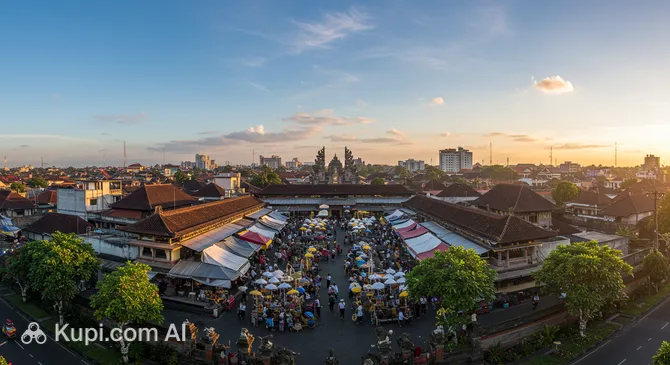
Denpasar. Source: Kupi.Binoculars

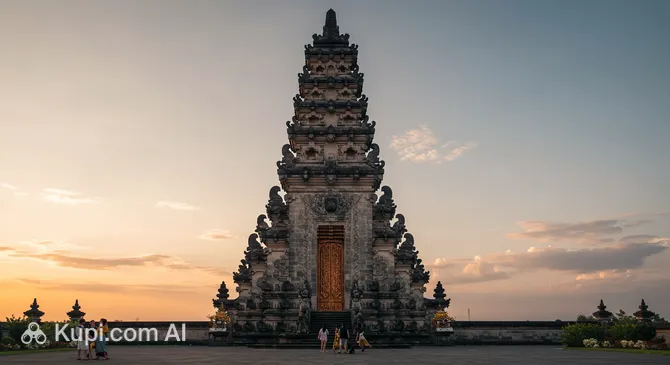
For those interested in the past, the history of Denpasar is rich with stories of royal kingdoms and the struggle for independence. This heritage is proudly displayed in the city's architecture and museums. One of the most significant landmarks is the Bajra Sandhi Monument, a towering structure located in the center of Renon Square that commemorates the Balinese people's fight for freedom.

Religious sites also play a central role in the city's atmosphere. The Pura Jagatnatha, dedicated to the supreme god Sanghyang Widi Wasa, is a must-visit for its intricate stone carvings and spiritual significance. Additionally, the vibrant Pasar Badung market offers a sensory explosion of local sights, sounds, and flavors, providing a perfect opportunity to interact with friendly locals.

Whether you are exploring its historical squares or sampling local street food, Denpasar invites you to discover the true heart of Bali. It is an essential stop for anyone wishing to understand the depth and vibrancy of Balinese society.
Weather Overview

The city enjoys a tropical climate characterized by consistent warmth throughout the year, making it a welcoming destination for sun-seekers. Temperatures remain stable and pleasant, with average daily values typically hovering between 24°C and 27°C. The warmest month is usually April, reaching an average of 26.5°C, while August is slightly cooler, averaging around 24.5°C.

Precipitation patterns play a significant role in the local seasons. Travelers should expect a distinct wet season from November through March, where rainfall is frequent and can occur on up to 29 days in a month. The period from May to October offers a respite with fewer rainy days, though showers are still possible. To plan your activities around the rain, it is helpful to consult the detailed guide to the weather in Denpasar before your trip.

Interesting Facts

Beyond the bustling streets and administrative centers, Denpasar hides cultural gems and curious traditions that often escape the casual observer's eye. Here are a few fascinating insights into the capital of Bali:
  • What's in a Name: The name "Denpasar" literally translates to "North of the Market." This moniker reflects the city's humble origins as a trading hub established just north of the Kumbasari market, which remains a vibrant commercial center today.

  • Architectural Symbolism: The impressive Bajra Sandhi Monument is designed with hidden numerical significance. Its 17 main gates, 8 pillars, and 45-meter height correspond to the date of Indonesian Independence: August 17, 1945.

  • The Kissing Ritual: The Sesetan area of the city hosts a unique festival known as Omed-Omedan, or the Kissing Ritual. Held annually on the day after Nyepi (the Day of Silence), this lively tradition involves youths pulling and kissing each other to ward off bad luck and strengthen community bonds.

  • Guardian of the Center: The Catur Muka Statue, depicting the four-faced god Brahma, stands at the exact center of the city (the zero kilometer point). It faces the four cardinal directions, symbolizing the god's watchful eye over every part of Denpasar.

Bajra Sandhi Monument. Source: Kupi.Binoculars

How to Get There

Reaching the provincial capital is a straightforward process, as it serves as the primary gateway for travelers visiting the island of Bali. Most visitors arrive by air, landing just south of the city center, though overland and sea connections from neighboring islands are also possible. For a comprehensive guide on all transport options, you can read more about how to get to Denpasar.

The most convenient entry point is Ngurah Rai International Airport (IATA: DPS), located directly in Denpasar, approximately 10 km from the city center. This busy hub connects the island to numerous global destinations. A trip by taxi or bus from the terminal to the heart of the city typically takes about 35 minutes, depending on traffic conditions. Alternatively, travelers coming from East Java might use Banyuwangi Airport (IATA: BWX) in the city of Banyuwangi, situated about 104 km away. While it is a viable option, reaching Denpasar from there requires a ferry crossing across the Bali Strait.

For clarity, here is a summary of the main airports:

Airport Name City Passenger Traffic Km from City
Ngurah Rai International Airport Denpasar Large 10.1
Lombok International Airport Praya Medium 117.5
Abdul Rachman Saleh Airport Malang Small 287.2
Banyuwangi Banyuwangi Small 104.0
Sultan Muhammad Kaharuddin III Airport Sumbawa Besar Small 242.9

Main Attractions

Denpasar serves as a perfect launching point for exploring some of Bali's most iconic sights. From serene beaches to majestic temples, the city and its surroundings offer a diverse array of experiences that cater to every type of traveler.

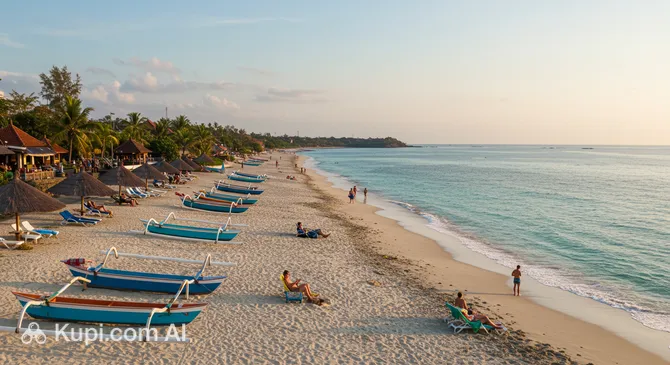
For a relaxing day by the sea, Sanur Beach is a top choice for families and those seeking tranquility. Unlike the heavy surf found elsewhere, the waters here are protected by a reef, creating calm conditions ideal for swimming and leisurely strolls along the paved promenade. It is also renowned as one of the best spots on the island to watch a spectacular sunrise.

Sanur Beach. Source: Kupi.Binoculars

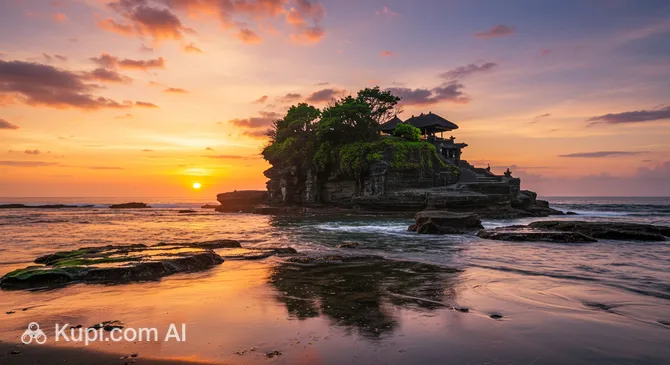
A short journey from the city center brings you to Tanah Lot, arguably the most famous temple in Bali. Perched on a rock formation amidst the crashing waves, this sea temple is a stunning sight, particularly at sunset. Visitors flock here to witness the dramatic silhouette of the shrine against the burning orange sky, making it a photographer's dream.

Tanah Lot. Source: Kupi.Binoculars

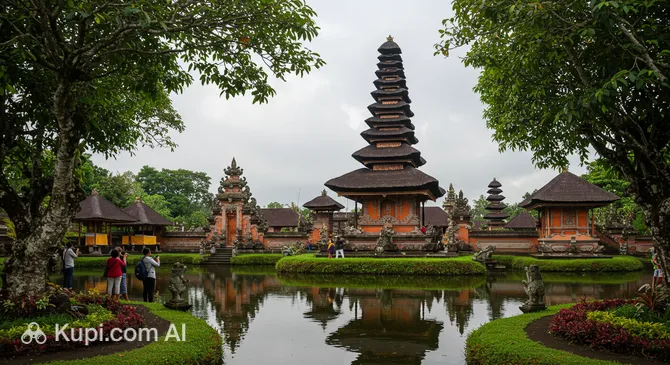
Those interested in history and architecture will find Taman Ayun Temple to be a captivating destination. Recognized as a UNESCO World Heritage site, this former royal temple of the Mengwi Kingdom is celebrated for its beautiful lotus ponds and towering multi-tiered shrines called meru. The expansive gardens provide a peaceful atmosphere for a reflective walk.

Taman Ayun Temple. Source: Kupi.Binoculars

If you are looking for adrenaline and entertainment, Waterbom Bali offers a world-class experience. Consistently voted as one of the best water parks in Asia, it features a vast array of slides ranging from extreme drops to gentle lazy rivers. Set within lush tropical gardens, it is a fantastic place to cool off and enjoy a fun-filled day with friends or family.

Local Cuisine

The culinary landscape of Denpasar is a vibrant reflection of Balinese culture, characterized by rich spices and fresh ingredients. A gastronomic journey here is incomplete without tasting Babi Guling, the island's famous roasted suckling pig. This dish, often served with lawar (spicy mixed vegetables) and steamed rice, offers a perfect balance of crispy skin and succulent meat seasoned with a complex spice paste known as basa genep.

Another signature dish to seek out is Bebek Betutu, which involves slow-cooking duck in banana leaves with aromatic herbs until the meat is incredibly tender. For a delicious local snack, try Sate Lilit, a unique variation of satay made from minced meat—usually fish or chicken—mixed with grated coconut and spices, then wrapped around lemongrass stalks or bamboo skewers rather than the traditional thin sticks.

When it comes to beverages, coffee culture is deeply rooted in the region. You can enjoy a traditional glass of Kopi Bali, often served black and sweet. For a modern twist on the coffee experience, places like Revolver Seminyak have gained a reputation for serving some of the best brews in the area. On the refreshing side, Es Kelapa Muda (young coconut ice) is perfect for hot days, while those curious about local spirits might try Arak, a traditional distilled palm liquor.

The dining scene in and around Denpasar ranges from humble street-side warungs to upscale international venues. Locals often frequent night markets for authentic and affordable bites, where the atmosphere is lively and communal. For travelers looking for a renowned grill experience, Naughty Nuri's Warung Seminyak is a legendary spot famous for its sticky pork ribs and signature drinks, bridging the gap between local flavors and international comfort food.

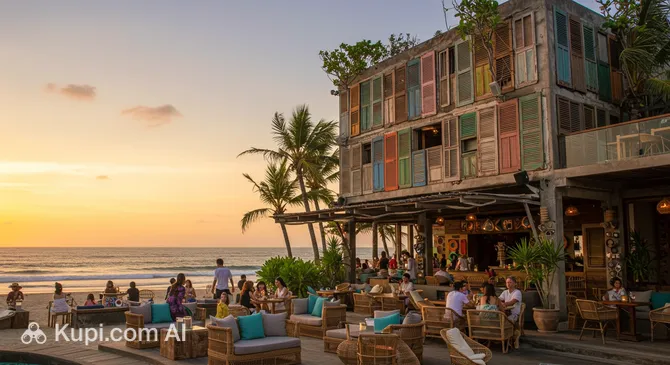
Potato Head Beach Club. Source: Kupi.Binoculars

For a dining experience that combines gastronomy with breathtaking views, the coastal areas offer spectacular options. Potato Head Beach Club is a prime example, where you can enjoy an eclectic menu and creative cocktails while watching the sun dip below the horizon. Whether you prefer a simple meal at a local market or a luxurious dinner by the pool, the food scene here caters to every palate and mood.

Travel Tips

Exploring Denpasar reveals the authentic pulse of the island, distinct from the laid-back vibe of the surrounding resort towns. To ensure your visit to this bustling capital is as smooth and enjoyable as possible, here is a set of practical travel tips to help you navigate the city with ease.

  1. Clothing and Gear: Given the tropical climate, lightweight and breathable fabrics like cotton or linen are essential to stay cool in the humidity. While casual wear is acceptable in most places, visiting religious sites such as the Pura Jagatnatha requires modesty; you must wear a sarong and a sash around your waist. It is also wise to carry a universal travel adapter (type C or F) and wear comfortable walking shoes, as sidewalks can be uneven.

  2. Transportation: Public transport options like the Trans Metro Dewata buses exist, but they can be infrequent and difficult to navigate for newcomers. The most convenient way to get around is by using ride-hailing apps like Gojek or Grab, which offer both car and motorbike taxi services at fixed prices. Blue Bird taxis are also reliable; just insist on using the meter. Renting a scooter is popular but only recommended if you are an experienced driver with an international license, as traffic in Denpasar can be chaotic.

  3. Finances: The official currency is the Indonesian Rupiah (IDR). While malls and modern restaurants accept credit cards, cash is king in traditional markets and small local eateries (warungs). ATMs are widely available throughout the city. Tipping is not strictly mandatory but is appreciated for good service; rounding up the bill or leaving 5-10% is a kind gesture.

  4. Health and Safety: Denpasar is generally safe, but standard precautions against petty theft should be taken in crowded areas like Pasar Badung. Tap water is not potable; always drink bottled or filtered water to avoid "Bali Belly." For medical needs, chain pharmacies like Kimia Farma and Guardian are easy to find, and some locations operate 24/7. In case of an emergency, Sanglah Hospital is the main referral facility in the city.

  5. Communication: The official language is Bahasa Indonesia, though Balinese is widely spoken among locals. English is generally understood in tourism-related businesses, but less so in local residential neighborhoods compared to Kuta or Seminyak. Buying a local SIM card (Telkomsel is reliable) is highly recommended for maps and translation apps; you can purchase one at the airport or official stores, but remember to bring your passport for registration.

  6. Local Etiquette: Balinese culture is deeply rooted in respect. Always use your right hand when giving or receiving money and objects, as the left hand is considered impure. It is also important never to touch someone on the head, even children, as it is regarded as the most sacred part of the body. When entering a local home or certain shops, remember to remove your footwear.

  7. What to Avoid: Be very careful where you step when walking on the streets. You will frequently see canang sari (small palm-leaf offerings) placed on the ground in front of shops and homes. Stepping on them is considered disrespectful. Additionally, avoid raising your voice or showing outward anger in public, as causing someone to "lose face" is a major social faux pas.

  8. Market Insight: To experience the true local lifestyle, visit the traditional markets in the early morning, ideally between 6:00 AM and 9:00 AM. This is when the produce is freshest, and the energy is most vibrant before the midday heat sets in.

By keeping these practical points in mind, you will be well-prepared to immerse yourself in the rich culture and daily life of Denpasar. Embrace the organized chaos, smile often, and enjoy the warm hospitality that makes this city a unique destination.

Entertainment & Nightlife

As the sun sets over Bali, the greater Denpasar area transforms into a vibrant playground that caters to every nocturnal preference. While the administrative center of the city tends to be quieter, the surrounding districts—often considered part of the metropolitan tourist experience—offer some of the most famous nightlife in Southeast Asia. From sophisticated cocktail lounges to energetic beach clubs, the options are endless for those looking to enjoy the island after dark.

The nightlife scene is primarily concentrated in the coastal neighborhoods of Seminyak and Canggu, located just a short drive from the city center. Here, the evening typically begins with sunset drinks at a beach club. A massive and popular destination is Atlas Beach Club, known for its sprawling pool areas, international DJs, and festive atmosphere. It is a place where travelers gather to dance, swim, and socialize well into the night.

Atlas Beach Club. Source: Kupi.Binoculars

For those seeking a unique aesthetic experience, The Iron Fairies Bali offers a magical setting. This venue is renowned for its intricate interior design featuring hand-cast iron figures and a whimsical atmosphere, making it a perfect spot for enjoying live music and artisanal cocktails. If you are looking to continue the party late into the night, the adjacent Atlas Super Club provides a high-energy environment with state-of-the-art sound systems and immersive light shows.

In contrast to the high-tempo beats of the western coast, the Sanur district offers a more laid-back evening vibe. Here, you will find cozy bars and restaurants featuring live acoustic bands and jazz performances. It is an ideal area for families or couples who prefer a relaxing conversation over a drink without the thumping bass of a nightclub.

Before diving into the nightlife, you might spend the late afternoon exploring daytime entertainment options. Shopaholics can visit the Level 21 Mall for a modern shopping experience or browse local crafts at The Keranjang Bali. For a touch of culture, the Setia Darma House of Mask and Puppets offers a fascinating look at Indonesian heritage before the evening festivities begin.

Practical Tips for a Night Out:

  • Dress Code: While beach clubs are casual during the day, many upscale bars and nightclubs enforce a "smart casual" dress code after 7:00 PM. Singlets, alcohol-branded t-shirts, and flip-flops are often not permitted in premier venues.
  • Getting Around: The safest and most convenient way to travel between venues is by using ride-hailing apps like Grab or Gojek. They offer fixed prices and trackable rides. Avoid hailing unmetered taxis on the street late at night.
  • Safety: The main nightlife areas are generally safe and well-populated. However, always keep an eye on your drinks and belongings. Stick to well-lit main roads when walking, and avoid dark alleys or deserted beaches at night.
  • Timing: The party scene usually kicks off around sunset (6:00 PM) for beach clubs, while nightclubs start filling up after 10:00 PM and stay open until the early hours of the morning.

Parks & Museums

While Denpasar is often recognized for its bustling streets and markets, the city and its surroundings also harbor serene green spaces and rich cultural repositories that offer a deeper understanding of Balinese heritage. From lush sanctuaries to galleries preserving ancient traditions, these sites provide a welcome respite from the urban energy and a chance to connect with the island's artistic soul.

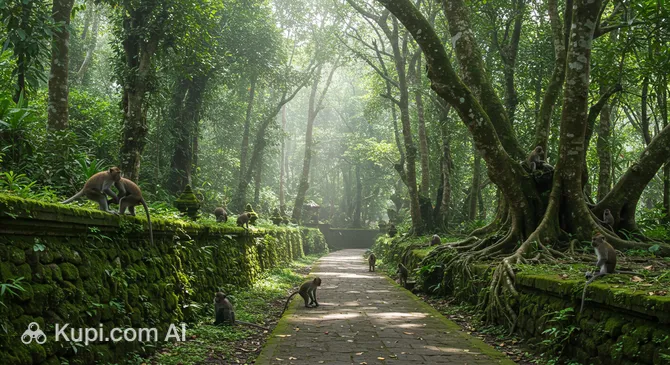
For a breath of fresh air right in the heart of the city, Lumintang Park is a favorite among locals. This civic space features a large fountain and open areas where residents gather for exercise and relaxation, offering tourists a genuine look at everyday life in the capital. A short journey from the urban center leads to the Sacred Monkey Forest Sanctuary. This nature reserve is not only famous for its playful long-tailed macaques but also for its ancient banyan trees and moss-covered temples, creating a mystical atmosphere that blends the natural world with spiritual devotion.

Nature lovers looking for a scenic escape should also consider a visit to Tegenungan Waterfall. Set against a backdrop of dense tropical foliage, this thundering cascade is one of the few waterfalls in Bali that is not situated in the highlands, making it easily accessible for a refreshing dip or a stunning photo opportunity.

Sacred Monkey Forest Sanctuary. Source: Kupi.Binoculars

To delve into the artistic history of the region, the Setia Darma House of Mask and Puppets is an essential stop. This unique museum houses a vast collection of traditional masks and puppets from various Indonesian regions and around the world, preserving the storytelling traditions that are central to the archipelago's culture. Another significant institution is the Bung Karno Museum, which is dedicated to Indonesia's first president. It offers fascinating insights into the nation's struggle for independence and the legacy of its founding father through photographs, manuscripts, and personal artifacts.

Setia Darma House of Mask and Puppets. Source: Kupi.Binoculars

History enthusiasts will appreciate the architectural beauty of the Jro Kuta Royal Palace. As one of the few remaining palaces that open their doors to the public, it allows visitors to wander through traditional courtyards and admire the intricate Balinese masonry that characterized the royal residences of the past.

For families and wildlife admirers, the area offers exceptional animal encounters. The Bali Bird Park is a meticulously landscaped haven home to hundreds of bird species, including the rare Bali Starling. Nearby, the Bali Zoo provides interactive experiences where you can learn about conservation efforts and see exotic animals up close.

Insider Tip: When visiting parks like Lumintang or local squares, try to go in the late afternoon around 5:00 PM. The heat subsides, and the areas come alive with food vendors selling delicious local snacks like grilled corn and sweet martabak, providing a perfect end to your cultural exploration.

Getting Around

Navigating Denpasar requires a bit of patience and a sense of adventure, as the city relies entirely on road-based transportation. Unlike many other major capitals, there is no metro, tram, or train system here. Instead, the public transport network is a mix of modern bus services and traditional minibuses, supplemented heavily by ride-hailing apps and private rentals.

The most convenient public option for visitors is the Trans Metro Dewata (also known as Teman Bus). These distinctive red buses are modern, air-conditioned, and operate on several fixed corridors that connect the city center with key surrounding areas, including the airport and popular tourist districts. Another bus service, Trans Sarbagita, utilizes larger blue buses for longer distances between regencies, though its frequency can be less predictable. Stops for these buses are marked, often with raised platforms or simple signs along the roadside.

For a more traditional local experience, you can try the Bemo (or Angkot). These small, open-windowed minibuses were once the backbone of local transport. They follow specific routes generally indicated by the vehicle's color or a code on the windshield. While they offer a genuine glimpse into daily life, they can be confusing for newcomers as they lack fixed schedules and official stops—you simply wave one down and ring a bell or knock on the window to get off.

The payment system varies significantly depending on your choice of transport. The modern Trans Metro Dewata buses operate on a cashless system. You cannot pay the driver with cash; instead, you must use a prepaid electronic money card (e-money) issued by major banks (such as Flazz, E-Money, TapCash, or Brizzi), which can be purchased at convenience stores like Indomaret or Alfamart. Alternatively, some buses accept payments via QRIS codes using mobile banking apps. A single trip is very affordable, typically costing around 4,400 IDR. Conversely, Bemos strictly operate on cash, and the fare is usually a small, negotiated amount paid directly to the driver upon exiting.

Operating hours for public buses generally run from early morning, around 5:00 AM, until approximately 9:00 PM. However, traffic congestion in Denpasar can be heavy, causing delays and making schedules somewhat fluid. It is advisable not to rely on the last bus of the day, as services may wind down earlier than expected.

Due to the limitations of the public network, most tourists and locals prefer ride-hailing apps. Services like Gojek and Grab are ubiquitous and extremely convenient. You can order a car or, for a faster way to cut through traffic, a motorbike taxi (ojek). The apps provide fixed prices, eliminating the need to haggle. Conventional taxis are also available, with Blue Bird taxis being the most reputable; always ensure the driver uses the taximeter to avoid overcharging.

For those who prefer self-reliance, renting a scooter is a popular alternative. Rental shops are found on nearly every corner. However, this is only recommended for experienced riders with a valid international driving permit, as the traffic flow can be chaotic and unpredictable. For short, scenic trips within heritage zones like the city square, you might also spot traditional horse-drawn carriages known as Dokar, which nowadays serve more as a tourist attraction than a practical mode of commute.

Accommodation

Accommodation in Denpasar caters to a wide spectrum of travelers, ranging from budget-conscious backpackers to those seeking luxurious tranquility. Unlike the purely resort-focused areas of the island, the capital offers a mix of functional city hotels, traditional guesthouses, and serene beachfront properties. The options generally fall into three categories: affordable homestays (often called "kos" or guest houses), mid-range business hotels in the city center, and upscale resorts located primarily along the coast.

For tourists, the location is key to the experience. The Sanur district is arguably the most popular area for visitors, offering direct access to the beach, a relaxed atmosphere, and a pedestrian-friendly promenade. It is ideal for families and couples who want to be close to the sea while remaining within the city's administrative boundaries. Conversely, the Renon and Teuku Umar areas are perfect for those who wish to be in the heart of the action, close to museums, government offices, and authentic local culinary spots.

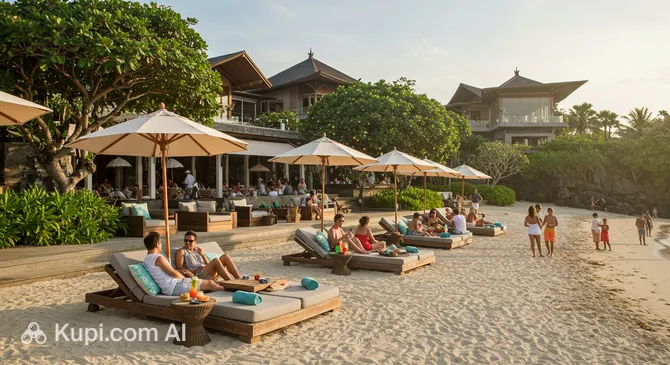
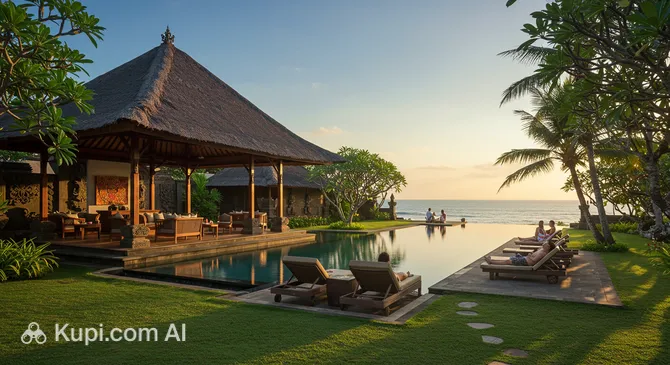
If you are looking for a stay that combines comfort with Balinese hospitality, the coastal areas provide excellent choices. For instance, the Maya Sanur Resort & Spa is a well-known establishment that offers a luxurious escape with direct beach access and modern amenities. Alternatively, travelers focused on wellness and rejuvenation might consider Udara Bali Yoga Detox & Spa, which specializes in retreat-style experiences designed to relax the body and mind.

Maya Sanur Resort & Spa. Source: Kupi.Binoculars

Price ranges in Denpasar are quite competitive compared to the more tourist-heavy southern peninsula. Budget travelers can find clean and comfortable rooms for as little as $15 to $30 USD per night. Mid-range hotels typically range from $40 to $80 USD, while luxury resorts can start from $100 USD and go significantly higher depending on the season and room type. Booking is most conveniently done through major online travel platforms, which often offer better rates than walk-in inquiries.

Booking Tip: While accommodation is generally abundant, the best properties in Sanur can fill up quickly during the peak dry season (June to August) and the end-of-year holiday period. It is highly recommended to book your stay at least a month in advance if you plan to visit during these popular windows to secure your preferred location and rate.

Nearby Cities

For those looking to explore the surroundings, Denpasar serves as an excellent base for day trips to several interesting nearby locations. While the capital itself is bustling, the region offers a mix of historical towns and island getaways that provide a different perspective on Indonesian life.

Located on the northern coast of Bali, Singaraja is a fascinating destination for history enthusiasts. As the former colonial capital, it features wide boulevards and Dutch-influenced architecture that stands in contrast to the south. It is also the gateway to Lovina Beach, famous for its calm waters, black sand, and dolphin-watching excursions.

For a complete change of scenery, a trip to Mataram on the neighboring island of Lombok offers a glimpse into the unique Sasak culture. The city is known for its impressive Islamic heritage and historical sites like the Mayura Water Palace. It serves as a vibrant hub for exploring Lombok’s pristine beaches and traditional weaving villages, offering a quieter alternative to the busy streets of Bali.

City Population Distance (km)
Lombok 495,651 122
Mataram 408,900 98
Jember 298,585 175
Singaraja 234,468 63
Probolinggo 223,159 242

These nearby destinations offer a glimpse into the diverse culture and landscapes of the region, allowing travelers to experience the broader beauty of the archipelago beyond Denpasar.

Shopping & Souvenirs

Shopping:

Shopping in Denpasar is a vibrant adventure that caters to every style and budget, offering a seamless blend of traditional commerce and modern retail therapy. From the chaotic energy of multi-story heritage markets to the air-conditioned comfort of contemporary malls, the city provides a diverse array of venues where you can find everything from handcrafted souvenirs to international fashion brands.

For a truly authentic glimpse into local life, the traditional markets are an unmissable stop. Pasar Badung, the largest market in Bali, is the pulsing heart of the city's trade. Here, vendors sell fresh produce, colorful textiles, and daily necessities in a lively atmosphere that starts before dawn. Just across the river, the Kumbasari Art Market specializes in arts and crafts, making it a convenient spot to hunt for paintings, wood carvings, and woven goods without leaving the city center.

A short drive from the main urban area leads to the famous Sukawati Art Market. Long established as a go-to destination for wholesale handicrafts, this market is renowned for its vast selection of Balinese clothing, including sarongs and beach dresses, as well as traditional paintings and ceremonial items. It is an ideal place to practice your bargaining skills and pick up gifts for friends and family back home.

Travelers seeking a more modern shopping experience will find several well-equipped malls scattered throughout the city. Level 21 Mall is a popular lifestyle hub where locals hang out, offering a mix of fashion outlets, restaurants, and a cinema complex. It provides a comfortable escape from the tropical heat and a chance to browse familiar international and Indonesian brands.

For a unique retail concept, visit The Keranjang Bali. This architectural marvel, designed to look like a giant woven basket, is a "one-stop" destination for souvenirs. Inside, you can find premium local products, from traditional snacks and coffee to modern batik fashion, all presented in a curated, fixed-price environment that simplifies the shopping process.

If you are looking for upscale boutiques and trendy lifestyle stores, the nearby Seminyak area is the place to be. Seminyak Square and its surrounding streets are lined with designer shops, surf outlets, and chic galleries. This district is perfect for fashion-forward travelers looking for high-quality resort wear and unique accessories.

What to Buy:

  • Batik and Ikat: Intricately patterned fabrics that represent Indonesia's textile heritage.
  • Silver Jewelry: Handcrafted pieces, often made in the nearby village of Celuk.
  • Wood Carvings: Detailed statues and masks reflecting Balinese mythology.
  • Kopi Bali: Rich local coffee, including the famous Luwak coffee.
  • Spa Products: Natural soaps, essential oils, and scrubs made from local herbs.

Shopping Tips:

  • Bargaining: In traditional markets like Sukawati and Kumbasari, haggling is part of the culture. Start by offering about half the asking price and negotiate with a smile.
  • Cash vs. Card: While malls and boutiques accept credit cards, cash is essential for traditional markets and street vendors.
  • Best Time to Visit: Morning is the best time for traditional markets to see the freshest produce and avoid the midday heat, while malls are open until late evening (usually 10:00 PM).

Reached the end of the page?

That means the route is fully explored