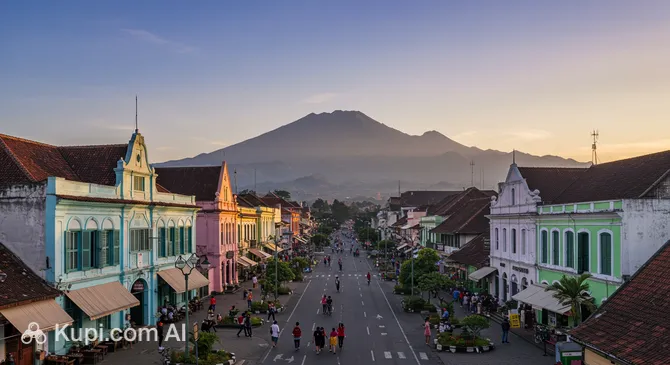
Welcome to Malang, a captivating destination often referred to as the "Paris of East Java." Nestled in the highlands of the East Java province in Indonesia, this city offers a refreshing escape from the tropical heat common in other parts of the archipelago. With its cooler temperatures, relaxed atmosphere, and stunning natural surroundings, Malang has become a favorite retreat for travelers seeking both relaxation and adventure.
Geographically, the city is surrounded by majestic mountains, including the active Mount Semeru and the famous Bromo Tengger Semeru National Park nearby. This unique location not only defines its pleasant climate but also shapes the local lifestyle and agriculture. The region is renowned for its apple orchards and tea plantations, adding a lush touch of greenery to the urban landscape.
Malang. Illustration.
Source: Kupi.com AI
The city's charm is deeply rooted in its past. Walking through the streets, you will notice well-preserved Dutch colonial architecture standing alongside traditional Javanese structures. For those interested in how this cultural blend evolved, diving into the history of Malang reveals fascinating stories of ancient kingdoms and colonial development that have shaped the city's modern identity.
Tourists are often drawn to the vibrant Kampung Warna Warni Jodipan, a former slum transformed into a colorful "Rainbow Village" that is perfect for photography. Additionally, Malang serves as an excellent base for exploring the breathtaking Mount Bromo for sunrise tours or visiting majestic waterfalls like Coban Rondo. Whether you are exploring its colorful streets or using it as a gateway to volcanic adventures, Malang promises an unforgettable experience.
Weather Overview
Thanks to its elevation, Malang enjoys a mild and refreshing climate that is often cooler than the coastal lowlands of East Java. The weather in Malang is characterized by consistent warmth during the day and crisp, comfortable nights, making it a year-round destination for travelers.
Temperatures remain fairly stable throughout the year, with monthly averages ranging from 22.0°C in July to 23.9°C in October. Daytime highs generally peak between 26°C and 28°C, while the coolest evenings occur in the middle of the year, with minimums dropping to around 17.6°C.
Travelers should plan according to the distinct wet and dry periods. The rainy season, particularly from December to March, brings frequent precipitation with up to 30 wet days per month. Conversely, the dry season from July to September is ideal for outdoor adventures, as rainfall becomes scarce, with August seeing as few as 7 wet days.
Average monthly temperature
Average monthly precipitation
Interesting Facts
Beyond its scenic landscapes and colonial charm, Malang holds several unique cultural treasures and historical secrets that often escape the casual observer. From ancient architectural marvels to a distinctive local dialect, the city offers a fascinating layer of depth for those willing to look closer.
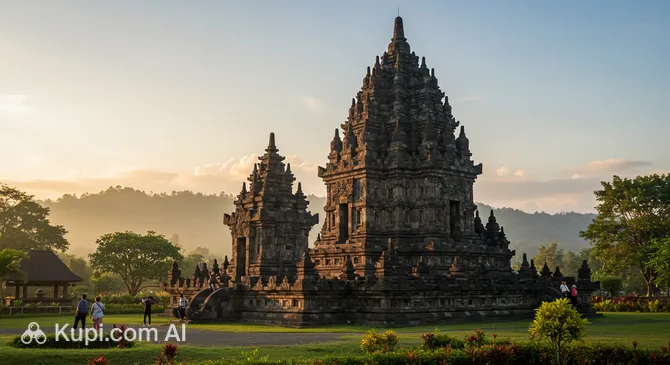
Badut Temple. Illustration.
Source: Kupi.com AI
Traveler photos:
Malang is home to the Badut Temple, which is widely considered the oldest Hindu temple in East Java. Built around 760 AD during the Kanjuruhan Kingdom, this stone structure predates the famous Borobudur and Prambanan temples, offering a glimpse into the region's earliest recorded history.
The locals speak a unique slang known as "Boso Walikan," which involves pronouncing words backwards. For example, "Malang" becomes "Ngalam" and "mas" (brother) becomes "sam." This linguistic quirk originated during the independence struggle as a secret code among freedom fighters to communicate without being understood by colonial forces.
While Indonesia is a tropical nation, Malang is famously known as the "City of Apples." The cooler highland climate allows for the cultivation of green apples, particularly the "Manalagi" variety, making it one of the few places in the archipelago where apple orchards thrive and agrotourism is a major industry.
Directly across the river from the famous Jodipan Colorful Village lies another vibrant community known as "Kampung Biru Arema." This entire neighborhood is painted in a striking shade of blue to honor Arema FC, the beloved local football club, creating a stunning visual contrast between the two settlements separated by the Brantas River.
How to Get There
Reaching this highland city is straightforward, with options ranging from direct flights to overland journeys from neighboring cities. For a comprehensive overview of all transport modes and detailed routes, you can read more about how to get to Malang.
The most convenient entry point for domestic travelers is Abdul Rachman Saleh Airport (MLG), located directly in Malang, just 10 km from the city center. While it is a smaller regional hub, it offers direct access to the area without a long overland transfer. A taxi ride from this airport to the downtown area typically takes around 35 minutes.
For international visitors or those seeking more flight connections, the city of Malang does not have a large international airport. Instead, most travelers fly into Juanda International Airport (SUB) in the city of Surabaya, which is about 67 km from Malang. As a major gateway to East Java, it handles a significant volume of traffic. The journey from Surabaya to Malang by taxi or bus usually takes approximately 2 hours, depending on traffic conditions.
For clarity, here is a summary of the main airports serving the region:
Malang offers a delightful mix of historical charm, natural beauty, and modern entertainment. A great place to start your exploration is Alun-Alun Malang, the city's central square. This leafy park is the heartbeat of the town, shaded by massive banyan trees and surrounded by important landmarks. It is a favorite spot for locals to gather, featuring a large fountain, playgrounds, and plenty of seating, making it perfect for a leisurely stroll or a glimpse into the daily life of the residents.
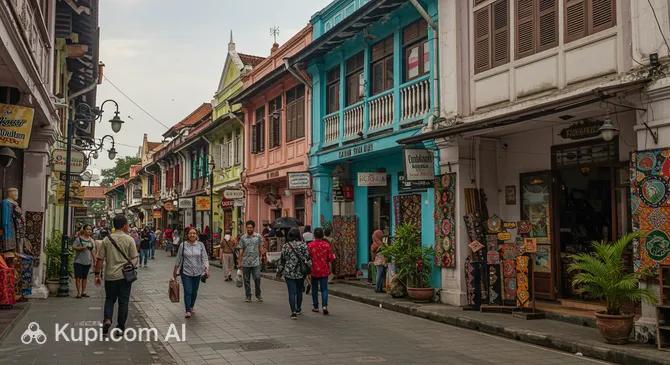
For those who appreciate history and vintage aesthetics, a visit to Kampung Heritage Kajoetangan is a must. This preserved neighborhood transports visitors back in time with its collection of Dutch colonial-era houses and 1950s-style architecture. Walking through its narrow alleys, you will find charming antique shops, retro cafes, and plenty of photogenic corners that capture the nostalgic spirit of Old Malang.
Kampung Heritage Kajoetangan. Illustration.
Source: Kupi.com AI
Traveler photos:
When the sun sets, the city lights up at Malang Night Paradise. This family-friendly attraction is famous for its dazzling lantern displays and illuminated sculptures. Visitors can enjoy the "Magic Journey," a boat ride through themed tunnels, or explore the dinosaur park, which features animated replicas. It provides a magical evening experience that contrasts with the city's historical daytime vibe.
To understand the region's struggle for independence, history buffs should head to the Brawijaya Museum. The museum houses an extensive collection of military artifacts, including weapons, tanks, and uniforms from the revolutionary era. One of its most poignant exhibits is the "Death Railway" carriage, a somber reminder of the tragic events during the occupation, offering a deep educational insight into Indonesia's past.
Local Cuisine
Malang is a paradise for food lovers, particularly famous for its comforting, warm dishes that perfectly complement the city's cool highland climate. The culinary landscape here is a delightful blend of traditional Javanese flavors, Chinese influences, and Dutch colonial legacy. Whether you are dining in a legendary restaurant or grabbing a quick bite from a street cart, the city offers a diverse array of savory and sweet treats that define the taste of East Java.
The undisputed king of local cuisine is Bakso Malang. Unlike standard meatball soups found elsewhere in Indonesia, this version is a hearty feast featuring not just beef meatballs, but also fried wontons, stuffed tofu, and crispy dumplings, all swimming in a savory, clear broth. Another must-try dish is Cwie Mie Malang, a seasoned noodle dish topped with minced chicken and served on a bed of lettuce. It is typically accompanied by a bowl of broth and crispy wonton skin, offering a unique texture and flavor profile distinct from other noodle dishes in the region.
As the sun sets and the air gets chillier, locals flock to street vendors for warming traditional drinks. Wedang Ronde is a favorite, a ginger-based syrup served with chewy glutinous rice balls and peanuts. For something creamier, try Angsle, a warm dessert soup made with coconut milk, bread cubes, pearl sago, and sticky rice. Additionally, as an apple-producing region, Malang is the perfect place to enjoy fresh apple juice or locally processed apple cider.
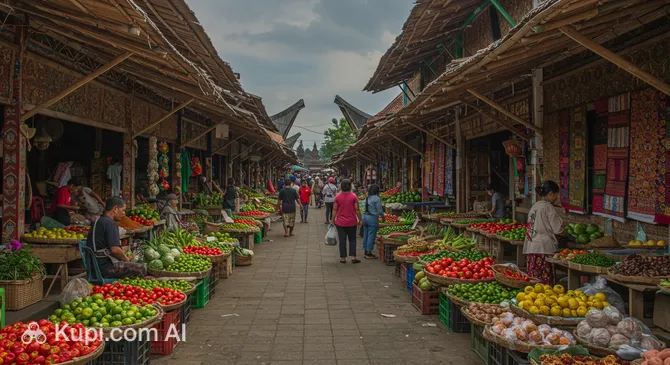
Oro-Oro Dowo Market. Illustration.
Source: Kupi.com AI
Traveler photos:
To truly experience the local food culture, a visit to a traditional market is essential. The historic Oro-Oro Dowo Market is a fantastic spot to explore. Built during the colonial era, this clean and organized market is famous for its wide variety of traditional snacks, known as "jajan pasar," and fresh local ingredients. For coffee enthusiasts, the city has a vibrant cafe scene. You might stop by Jokotole Coffee to sample local brews in a setting that reflects the area's history.
Travel Tips
To ensure your trip to the "Paris of East Java" is as smooth and enjoyable as possible, we have compiled a list of essential practical advice. From navigating the city's unique cooler climate to understanding local customs, these tips will help you explore Malang with confidence and ease.
Clothing and Gear: Unlike the sweltering heat common in other parts of Indonesia, Malang can get surprisingly chilly, especially in the evenings and early mornings. Bring light layers, such as a hoodie or a light jacket, to stay comfortable. Comfortable walking shoes are a must, as the city is best explored on foot, though sidewalks can be uneven. If you plan to visit religious sites, ensure you pack modest clothing that covers your shoulders and knees. Don't forget a universal power adapter (Type C or F) to keep your devices charged.
Transportation: The most iconic way to get around is by Angkot (public minivans), which are painted blue in Malang. They are very cheap, but routes can be confusing for first-time visitors. For a more convenient and hassle-free option, use ride-hailing apps like Gojek or Grab, which offer both car and motorbike taxi services at fixed prices. Renting a car is generally not necessary within the city unless you plan to drive independently to Mount Bromo or the southern beaches.
Finances: The official currency is the Indonesian Rupiah (IDR). While credit cards are accepted in hotels, malls, and modern restaurants, cash is absolute king when dining at local warungs (food stalls) or buying street food like Bakso Malang. ATMs are widely available throughout the city. Tipping is not strictly mandatory, but rounding up the bill or leaving small change is a kind gesture appreciated by service staff.
Health and Safety: Malang is generally a safe city for tourists, but standard precautions against pickpocketing should be taken in crowded areas like markets. Tap water is not drinkable; always stick to bottled or filtered water. For medical needs, look for pharmacies with the sign "Apotek"; chains like K-24 and Kimia Farma are reliable and often open 24 hours a day.
Communication: The main language is Indonesian (Bahasa Indonesia), though locals often speak Javanese. English is widely understood in hotels and tourist spots, but less so in traditional markets. It is highly recommended to buy a local SIM card (Telkomsel has the best coverage) upon arrival for maps and translation apps. Installing WhatsApp is essential, as it is the primary mode of communication for local businesses and drivers.
Local Etiquette: Javanese culture is polite and reserved. Always use your right hand for giving and receiving objects, eating, or shaking hands, as the left hand is considered unclean. When entering someone's home or certain traditional shops, remember to take off your shoes. A friendly smile goes a long way here and is the best way to interact with the welcoming locals.
What to Avoid: Avoid public displays of affection (PDA), such as kissing or excessive hugging, as this is considered inappropriate in the local conservative culture. Also, refrain from touching people (especially children) on the head, as the head is regarded as the most sacred part of the body.
Local Insight: Don't leave without trying the local apples! Malang is famous for its apple orchards, and you will find them sold fresh or processed into chips and drinks everywhere. If you hear locals speaking a strange language, they might be using Boso Walikan, the city's unique slang where words are pronounced backward (e.g., "Malang" becomes "Ngalam"). It’s a fun cultural quirk to listen out for!
By keeping these practical tips in mind, you will be well-prepared to embrace the local lifestyle and enjoy everything this charming highland city has to offer. Have a wonderful and hassle-free journey in Malang!
Entertainment & Nightlife
Entertainment and Nightlife:
While Malang is often celebrated for its relaxed highland atmosphere and historical charm, its nightlife scene is surprisingly vibrant, driven largely by the city's significant student population. Unlike the intense party culture of Bali or Jakarta, the evening vibe here is more laid-back, focusing on social gatherings, live acoustic music, and a thriving coffee shop culture that lasts well into the early hours. The cool weather makes it perfect for outdoor hangouts, and you will find the streets buzzing with energy as soon as the sun goes down.
The epicenter of modern nightlife and youth culture is the Soekarno-Hatta area, locally known as "Suhat." This district is lined with trendy cafes, eateries, and hangout spots that stay open late. For a truly unique local experience, head to the Sudimoro area, often called "Coffee Street," where dozens of coffee shops are packed side-by-side, filled with locals enjoying the famous "ngopi" (coffee drinking) culture. If you prefer a scenic evening stroll, the heritage area around Kayutangan offers a nostalgic ambiance with beautifully lit colonial buildings and street performers.
For those seeking a more energetic night out with music and drinks, the city has several excellent venues. The Nine Club & KTV is a popular destination for party-goers, offering a modern clubbing experience with DJ performances and karaoke facilities. It attracts a mix of locals and visitors looking to dance and unwind in a high-energy setting.
The Nine Club & KTV. Illustration.
Source: Kupi.com AI
Traveler photos:
If you prefer a classic pub atmosphere, Bahari Irish Pub is a long-standing favorite among expatriates and tourists. It offers a cozy, wooden-interior setting where you can enjoy cold beverages, play pool, and listen to live bands playing rock and oldies. For a more sophisticated evening, Djati Lounge provides an elegant space to enjoy cocktails and conversation in a refined environment, perfect for a quieter night out.
Beyond the bars and clubs, Malang offers diverse daytime and evening entertainment options. During the day, families and thrill-seekers can visit Hawai Waterpark, known for its large wave pool and exciting slides. For shopping and catching a movie, Malang Town Square (Matos) is a central hub bustling with activity. Another popular spot for recreation is Brawijaya Edupark, which combines learning and leisure in a park setting.
Practical Nightlife Tips:
Best Time to Go: Friday and Saturday nights are naturally the liveliest, with most venues hosting special events or live bands.
Dress Code: The dress code is generally casual. Jeans and a t-shirt are acceptable in most bars and coffee shops, though you might want to dress up slightly ("smart casual") for clubs like The Nine.
Getting Around: Ride-hailing apps like Gojek and Grab are the safest and most convenient way to travel at night. They are widely available and spare you the hassle of negotiating prices with traditional taxis.
Safety: Malang is safe for night walks, especially in busy areas like Suhat or Kayutangan. However, as with any city, stick to well-lit main roads and avoid deserted alleyways late at night.
Prices: Entertainment here is very affordable compared to Indonesia's larger metropolises. A night out won't break the bank, allowing you to sample various venues.
Parks & Museums
Malang is often celebrated as a "Garden City," a legacy of its colonial planning that prioritized green spaces and leafy boulevards. Beyond its cool climate, the city offers a refreshing array of parks and cultural venues where visitors can unwind and connect with the local heritage. From manicured historical squares to natural recreational areas, the city's green zones provide a perfect counterpoint to its bustling urban energy.
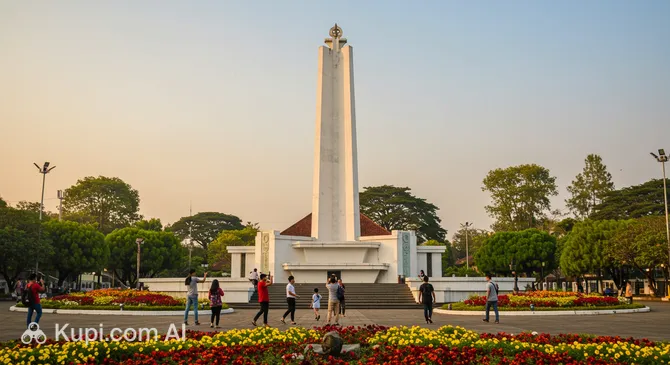
One of the most iconic green spaces is Tugu Square Malang (Alun-Alun Tugu). Located directly in front of the majestic City Hall, this circular park is a symbol of civic pride. At its center stands a monument representing Indonesia's independence, surrounded by a beautiful lotus pond that blooms year-round. It is an enchanting spot for a morning walk or an evening stroll when the monument is illuminated, offering a picturesque setting that blends history with botanical beauty.
Tugu Square Malang. Illustration.
Source: Kupi.com AI
Traveler photos:
For a more immersive natural experience, travelers should visit Wendit Recreational Park. Situated just outside the city center, this park is famous for its natural spring water pools, which local legend claims can grant eternal youth. The area is also home to a friendly troop of long-tailed macaques that roam freely among the trees. It combines swimming, nature walks, and a touch of local mythology, making it a unique destination for families and nature lovers.
Those who appreciate architectural beauty and urban greenery will find Ijen Boulevard fascinating. Often described as an open-air museum, this wide avenue is lined with towering palm trees and magnificent colonial-era houses. It serves as a green corridor through the city, perfect for a leisurely walk to admire the well-preserved Dutch heritage and the organized town planning that defines old Malang.
In terms of culture, the East Java Cultural Park (Taman Krida Budaya Jawa Timur) is a vital hub for preserving the region's artistic traditions. This venue frequently hosts traditional dance performances, wayang (shadow puppet) shows, and art exhibitions. It serves as a living gallery where visitors can witness the richness of Javanese performing arts and gain a deeper understanding of the local cultural identity beyond static museum exhibits.
Malang is also renowned for its religious harmony, best exemplified by two architectural landmarks located near the city center. The Grand Mosque of Malang (Masjid Jami) features a stunning mix of Javanese and Arabic architecture. Just a stone's throw away stands the neo-gothic Malang Cathedral. Their proximity to each other is a celebrated symbol of tolerance and coexistence in the city, and both buildings are well worth admiring for their structural grandeur.
For an authentic local experience, try visiting Singha Merjosari Park in the late afternoon. Less touristy than the central squares, this park is where residents go to jog, exercise, and socialize. It offers a genuine glimpse into the everyday lifestyle of Malang's people, away from the main tourist trail.
Getting Around
Navigating Malang is an adventure in itself, as the city does not rely on a modern metro, tram, or large bus network for daily commuting. Instead, the public transport system is dominated by a vast fleet of blue minivans known locally as Angkot (short for Angkutan Kota). These vehicles serve as the backbone of urban mobility, connecting neighborhoods, markets, and terminals. For a visitor, they offer an authentic and inexpensive way to experience the local rhythm of life.
The Angkot system operates on specific routes, identified by two or three-letter codes displayed on the windshield or the back of the vehicle. For example, a van marked "ADL" travels between Arjosari, Dinoyo, and Landungsari terminals. Unlike buses with fixed schedules and designated stops, Angkots can be flagged down anywhere along their route. To disembark, you simply say "Kiri" (meaning "left") to the driver, indicating you want to pull over to the side of the road.
Payment for these minivans is straightforward but strictly cash-based. There are no electronic travel cards, ticket machines, or validation systems. You pay the driver directly upon exiting the vehicle. Fares are generally fixed for routes within the city limits and are extremely affordable. It is highly advisable to carry small denominations of the local currency, as drivers may not always have change for large bills.
For tourists who find the route codes confusing or prefer more comfort, ride-hailing apps are the most popular alternative. Services like Gojek and Grab are widely available and extremely efficient in Malang. You can order a car (Gocar/GrabCar) or a motorbike taxi (Gojek/GrabBike) through your smartphone. This option eliminates language barriers regarding directions and provides a fixed price before you start your journey, making it a stress-free choice for getting around.
A special feature designed specifically for visitors is the Macito (Malang City Tour) bus. This distinctive, often open-air bus takes passengers on a loop around the city's major landmarks and heritage sites for free. It is a fantastic way to sightsee without the hassle of navigating traffic, though seats can fill up quickly on weekends. You typically need to queue at designated starting points, such as near the City Hall or Alun-Alun.
For short distances within neighborhoods or for a leisurely pace, you might encounter the traditional Becak (cycle rickshaw). While less common for long commutes today, they remain a charming way to travel short distances, particularly around market areas. Unlike the fixed prices of apps or Angkots, the fare for a Becak must be negotiated with the driver before you hop in.
Public transport generally operates from early morning, around 5:00 AM, until late evening, typically winding down by 9:00 PM or 10:00 PM. If you plan to travel late at night, ride-hailing apps or conventional taxis are your best bet. By combining the adventurous spirit of the Angkot with the convenience of modern apps, you can explore every corner of Malang with ease.
Accommodation
Finding the perfect place to stay in Malang is relatively easy, as the city offers a wide spectrum of accommodation options to suit every budget and travel style. Visitors can choose from affordable backpacker hostels and cozy guesthouses (known locally as losmen) to modern mid-range hotels and luxurious resorts. The city is also famous for its heritage hotels housed in colonial-era buildings, providing a nostalgic atmosphere that perfectly complements Malang's historical character.
For those who want to be in the heart of the action, staying near the City Center, particularly around Alun-Alun or Tugu Square, is the most convenient option. This area places you within walking distance of major landmarks, markets, and the train station. Alternatively, the area around Ijen Boulevard offers a more upscale and tranquil environment, lined with beautiful palm trees and colonial architecture, making it ideal for travelers seeking a quieter stay without being too far from the downtown attractions.
Shanaya Resort Malang. Illustration.
Source: Kupi.com AI
Traveler photos:
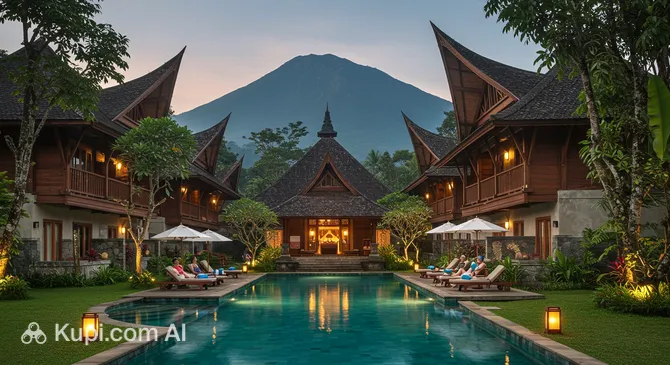
If you prefer a retreat surrounded by nature, you might consider Shanaya Resort Malang. Located slightly away from the bustling city center, this resort offers a peaceful escape with lush greenery and modern amenities, making it a popular choice for families and couples looking to relax in the cool highland air.
In terms of cost, accommodation in Malang is generally very affordable compared to other major tourist destinations in Indonesia. Budget travelers can find comfortable rooms for as little as $10 to $20 USD per night, while mid-range hotels typically range from $30 to $60 USD. Luxury options and private villas are available at higher price points but still offer excellent value. Most properties can be easily booked through major international platforms like Booking.com or Agoda, as well as local Indonesian apps like Traveloka, which often feature competitive deals.
Booking Tip: Malang is a favorite weekend getaway for domestic tourists, especially from nearby Surabaya. Consequently, hotels can fill up quickly on Fridays, Saturdays, and during national holidays. It is highly recommended to book your accommodation at least a few weeks in advance if you plan to visit during these peak times to secure your preferred location and rate.
Nearby Cities
For those looking to explore the surroundings, Malang serves as an excellent base for day trips to several interesting nearby locations:
Just a short journey to the north lies Surabaya, the capital of East Java and Indonesia's second-largest city. Known as the "City of Heroes" for its role in the independence struggle, it offers a bustling metropolitan experience distinct from Malang's relaxed vibe. Visitors can explore the House of Sampoerna museum, tour a real submarine at the Monkasel monument, or enjoy world-class shopping and dining. The city is easily accessible by train or car, making it a convenient option for a full day of urban exploration.
To the west, travelers can visit Kediri, a city steeped in ancient history and Javanese legends. It is perhaps most famous today for the Simpang Lima Gumul Monument, a massive structure that bears a striking resemblance to the Arc de Triomphe in Paris. Beyond this modern landmark, Kediri offers a glimpse into the region's royal past and provides a quieter, more cultural atmosphere compared to the larger coastal cities.
For those heading towards the coast, Probolinggo serves as more than just a gateway to Mount Bromo. This harbor city features attractions like the BeeJay Bakau Resort, a beautiful mangrove forest conservation area with wooden walkways and eco-friendly activities. It is an ideal spot for nature lovers who wish to see the coastal side of East Java without venturing too far from the highlands.
City
Population
Distance
Sonosari
11 807
7 km
Batu
190 184
14 km
Lawang
93 563
17 km
Pasuruan
186 262
46 km
Blitar
132 018
54 km
These nearby destinations offer a glimpse into the diverse culture and landscapes of the region.
Shopping & Souvenirs
Shopping in Malang is a delightful mix of modern convenience and traditional charm. While it may not boast the colossal luxury megamalls found in Jakarta, the city offers a relaxed retail experience where visitors can find everything from international brands to unique local craftsmanship. The prices here are generally more affordable than in larger metropolitan areas, making it an excellent place to hunt for bargains and authentic East Javanese goods.
For a taste of local trade, the area around Pasar Besar serves as the city's main commercial heart. Here, bustling streets are lined with shops selling textiles, clothing, and gold jewelry at competitive prices. Another fascinating district is the Splendid area near the city center, famous for its flower and bird markets. It creates a vibrant atmosphere where tourists can wander through colorful stalls filled with exotic plants and orchids, offering a unique window into local hobbies and lifestyle.
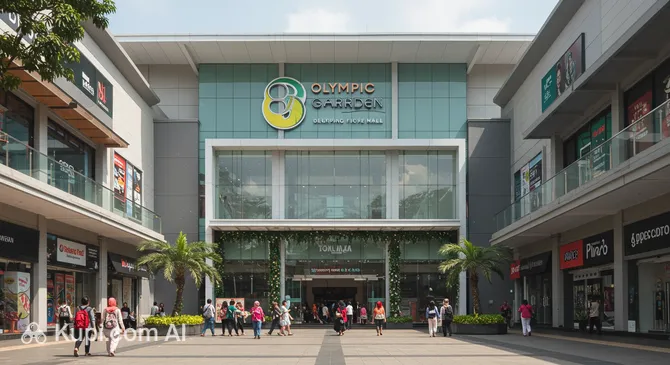
Travelers looking for a modern retail experience will find several well-equipped shopping centers. The Olympic Garden Mall (MOG) is widely considered the premier lifestyle destination in the city. Located near the Gajayana Stadium, it houses a large department store, a supermarket, and numerous fashion outlets, making it a favorite for families. Alternatively, Malang Town Square (Matos) caters to a younger crowd, largely due to its proximity to major universities. It is always buzzing with energy, offering trendy clothing shops, a cinema, and a wide variety of affordable food options.
Olympic Garden Mall. Illustration.
Source: Kupi.com AI
Traveler photos:
Traditional markets are an essential part of the shopping scene here. The historic Oro-Oro Dowo Market is a must-visit for those seeking high-quality local products. Unlike typical wet markets, this colonial-era establishment is renowned for its cleanliness and organization. It is the perfect place to buy traditional snacks, fresh tropical fruits, and local ingredients in a comfortable setting.
When it comes to souvenirs, Malang is synonymous with apples. Visitors should not leave without buying "Keripik Apel" (apple chips) or locally produced apple cider, which are widely available in specialty souvenir shops known as "Pusat Oleh-Oleh." Beyond food, the region is famous for Malangan Batik, which often features motifs of the "Topeng Malangan" (traditional masks) and lotus flowers. For ceramic lovers, the Dinoyo area produces affordable and decorative pottery that makes for great gifts.
Most modern shopping malls operate daily from 10:00 AM to 10:00 PM. Traditional markets start much earlier, often opening at dawn around 5:00 AM and winding down by early afternoon. In terms of payment, major malls and branded stores accept credit cards and digital payments. However, cash is essential when visiting traditional markets, street vendors, or smaller souvenir shops, as electronic payment facilities may be limited.
Regarding tax-free shopping, tourists should be aware that the VAT refund system in Indonesia is primarily operational at major international airports like Soekarno-Hatta in Jakarta or Ngurah Rai in Bali. While the standard Value Added Tax (VAT) is included in the price of goods, the opportunity to claim a refund within Malang itself is very limited, and visitors are advised to check for the "Tax Free" signage at major retailers if they intend to claim a refund upon departure from the country.