Support

Solo

About

Solo, officially known as Surakarta, is a city that deeply resonates with the traditional rhythms of Javanese culture. Often considered the soul of the region, it offers a more relaxed and authentic atmosphere compared to some of its busier neighbors. Located in the province of Central Java, this historic city is a cultural jewel in Indonesia, drawing travelers who seek to immerse themselves in the country's artistic heritage and warm hospitality.

Geographically, the city sits on a fertile plain along the banks of the Bengawan Solo River, flanked by majestic volcanic peaks such as Mount Merapi and Mount Lawu. With a population of approximately 552,000 inhabitants, Solo strikes a perfect balance between a bustling urban center and a charming town rich in local character. The climate is typically tropical, making it a lush and green destination throughout much of the year.
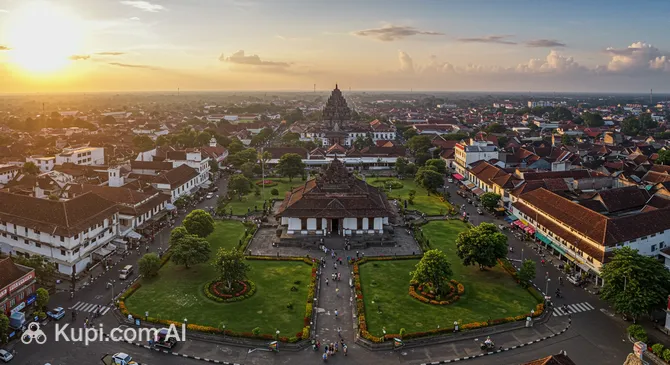
Solo. Source: Kupi.Binoculars

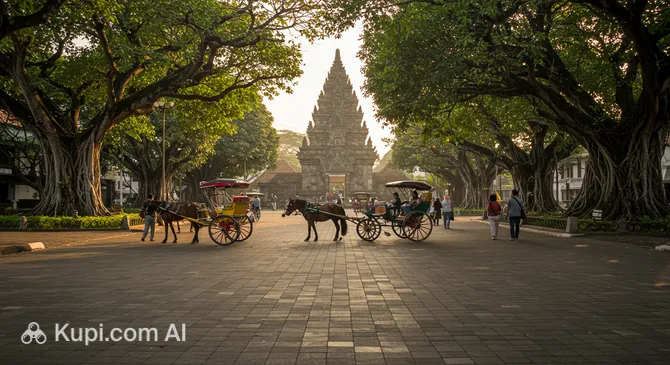
The city is renowned as a guardian of ancient traditions, particularly known for its exquisite Batik textiles, gamelan music, and shadow puppetry. The history of Solo is fascinating and complex, as it remains one of the few places where traditional royal courts still exist. Visitors can witness this regal legacy firsthand at the Kraton Surakarta and the Pura Mangkunegaran, two palaces that showcase stunning architecture and preserve centuries-old customs.

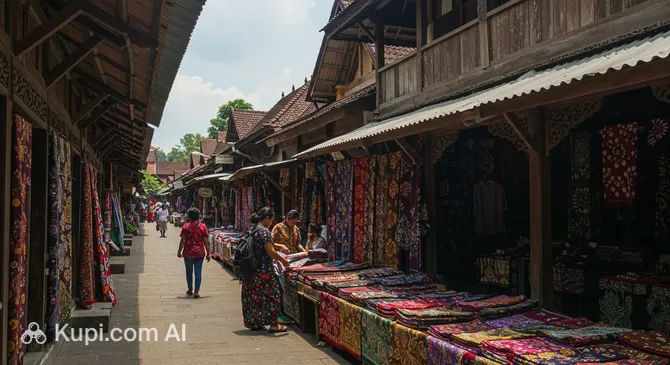
Beyond its royal landmarks, Solo invites exploration of its vibrant markets, such as the famous Pasar Klewer, which is the largest textile market in the region. Whether you are strolling through its historic streets or tasting authentic local dishes at a night market, Solo promises an enchanting experience that captures the true essence of Java. It is a destination that should not be missed by anyone looking for culture and beauty.
Weather Overview

Solo enjoys a tropical climate characterized by consistent warmth and distinct seasonal rainfall patterns throughout the year. Visitors can generally expect pleasant temperatures, with daily averages steadily hovering around 26°C to 27°C. The days are typically warm, with maximum temperatures peaking at approximately 32°C in September and October, while nights remain comfortable with minimums rarely dropping below 21°C.

When planning your trip, it is important to consider the weather in Solo to make the most of your stay. The city experiences a pronounced wet season from November through April, where rain is a frequent occurrence; for instance, January and March can see rain on up to 29 days of the month. In contrast, the months from July to September are significantly drier, with August offering the clearest skies and as few as 3 wet days, making it an excellent time for outdoor activities.

Interesting Facts

Beyond the main attractions, Solo holds many fascinating secrets that reveal the depth of its cultural heritage. Here are some intriguing details that make this Javanese city truly unique.
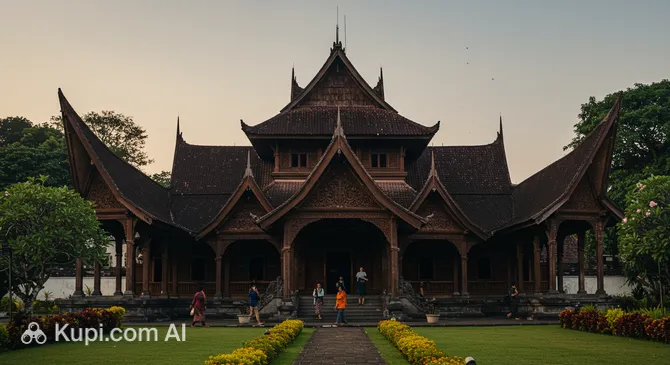
Surakarta Hadiningrat Palace. Source: Kupi.Binoculars
  • The city is home to sacred albino water buffaloes known as Kebo Bule. Belonging to the Surakarta Hadiningrat Palace, these animals are considered royal heirlooms and famously lead the grand parade during the 1 Suro night festival, marking the Javanese New Year.

  • Solo is one of the few places in the world where an active steam train runs directly through the main city street alongside modern traffic. The vintage Sepur Kluthuk Jaladara travels along the tracks on Slamet Riyadi Avenue, offering a nostalgic journey right through the heart of the city.

  • The legendary Indonesian folk song "Bengawan Solo" was inspired by the river that flows through this city. Composed by local musician Gesang Martohartono, the melody gained immense popularity across Asia, particularly in Japan, effectively becoming an international anthem for the region.

  • For textile enthusiasts, the House of Danar Hadi boasts one of the largest private collections of Batik in the world. The museum displays thousands of pieces, some dating back nearly two centuries, illustrating the complex history and evolution of this UNESCO-recognized art form.

How to Get There

Reaching this cultural heart of Java is quite convenient, as the city is well-connected to the rest of the country by air and land. For a detailed breakdown of all transport options and routes, you can read more about how to get to Solo on our dedicated page.

The most direct way to arrive is via Adi Sumarmo International Airport (SOC), which serves the city directly. Located just about 10 km from the center, it offers a quick and easy transfer, with a taxi or bus ride taking approximately 35 minutes depending on traffic. While it is a medium-sized hub, it provides essential domestic links and welcomes over a million passengers annually.

Travelers looking for more flight connections often choose Yogyakarta International Airport (YIA) in the neighboring city of Yogyakarta. Although it is located about 92.5 km from Solo, it is a larger facility with higher passenger traffic, offering more extensive schedules. The journey from the airport to Solo typically takes around 2 hours and 40 minutes by road. Another alternative is Achmad Yani International Airport (SRG) in Semarang, situated roughly 83 km to the north, which involves a transfer time of approximately 2.5 hours.

For clarity, here is a summary of the main airports:

Airport Name City Passenger Traffic Km from City
Yogyakarta International Airport Yogyakarta High 92.5
Achmad Yani International Airport Semarang Medium 82.6
Dhoho International Airport Kediri Medium 126.1
Adi Sumarmo International Airport Solo Medium 10.3
Abdul Rachman Saleh Airport Malang Small 212.1

Beyond air travel, Solo is a major hub for rail transport in Java. The city is easily accessible by train from major cities like Jakarta, Bandung, and Surabaya, offering a scenic and comfortable journey through the Indonesian countryside. Buses and minibuses also provide frequent and budget-friendly connections from surrounding towns and provinces.

Main Attractions

Solo is a city where history breathes through every corner, offering visitors a chance to step back in time and experience the grandeur of Javanese heritage. From royal courts to colonial fortresses, the city's landmarks tell the story of its aristocratic past and cultural depth. Exploring these sites provides a unique window into the traditions that continue to shape the local way of life.

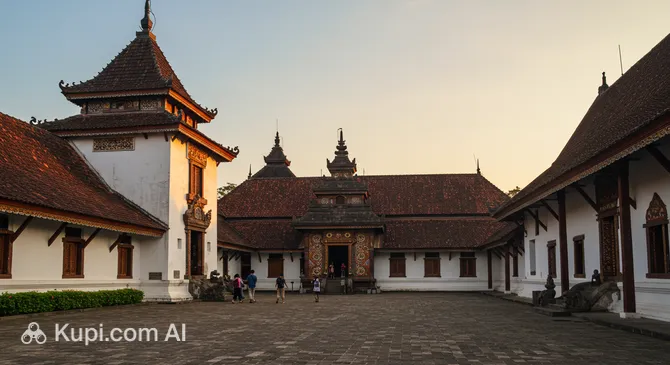
One of the most captivating stops is the Mangkunegaran Palace, a minor royal court established in the 18th century. Unlike the main residence of the Susuhunan, this palace is known for its elegant blend of Javanese and European architectural styles. Visitors can tour the pendopo, an expansive open-air pavilion that is considered one of the largest in the country, and view a remarkable collection of jewelry, silver, and traditional wayang puppets in the museum.

Mangkunegaran Palace. Source: Kupi.Binoculars

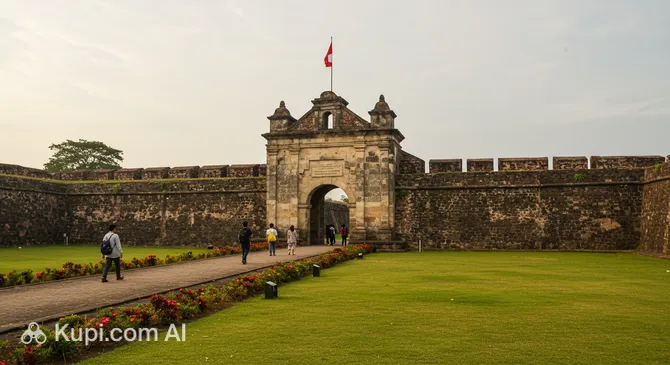
For those interested in the city's colonial past, Fort Vastenburg is a significant historical site. Built by the Dutch East India Company in 1745, this fortress was once used to monitor the local rulers and maintain colonial control. Although it has weathered centuries of change, the remaining walls and structures stand as a stark reminder of the colonial era, often hosting outdoor events and festivals today.

Fort Vastenburg. Source: Kupi.Binoculars

No visit to Solo is complete without exploring its artistic roots at the Kauman Batik Village. Located near the city center, this neighborhood is a labyrinth of narrow alleys where the art of batik making has been passed down through generations. Tourists can wander through the area to watch artisans at work, learn about the intricate processes of dyeing and waxing, and purchase high-quality fabrics directly from the producers.

Another architectural gem is the Great Mosque of the Surakarta Palace, situated just west of the city's northern square. This grand structure is a beautiful example of traditional Javanese mosque architecture, featuring a distinctive three-tiered roof and an open design that invites the cool breeze. It remains an active place of worship and a spiritual focal point for the community, reflecting the deep Islamic heritage of the Mataram Kingdom.

Local Cuisine

Solo is widely regarded as one of the culinary capitals of Java, offering a gastronomic landscape that is as rich and traditional as its history. The local cuisine is famous for its distinctive sweetness, often derived from the generous use of sweet soy sauce (kecap manis) and palm sugar, balanced with savory spices and creamy coconut milk. For food lovers, the city provides an authentic journey through Javanese flavors, ranging from humble street stalls to elegant heritage restaurants.

The most iconic dish that every visitor must try is Nasi Liwet. This savory delicacy consists of rice cooked in coconut milk and chicken broth, giving it a rich and aromatic flavor. It is typically served on a banana leaf and accompanied by squash stew, shredded chicken, boiled egg, and a dollop of thick coconut cream called kumut. It is a staple meal found throughout the city, enjoyed by locals for both breakfast and late-night supper.

Another unique specialty is Selat Solo, often described as a Javanese take on a Western steak. This fusion dish reflects the city's colonial history, featuring braised beef served in a watery, sweet-spiced soy sauce gravy. It is plated with boiled potatoes, carrots, beans, cucumber, lettuce, and a boiled egg, creating a refreshing yet hearty meal. For those who prefer something spicier, Tengkleng—a soup made from goat bones and offal cooked in a thin, spicy coconut milk broth—offers a deep and complex flavor profile loved by adventurous eaters.

When it comes to beverages, Solo is known for its traditional herbal drinks known as Jamu, which are believed to have health benefits. A popular warm drink to enjoy in the cool evenings is Wedang Ronde, a ginger tea served with peanut-filled glutinous rice balls. It is the perfect comfort drink to sip while relaxing after a day of sightseeing.

The food culture in Solo is defined by its vibrant street food scene, particularly the Angkringan culture. These are small pushcarts covered with tarps where customers sit on mats or benches to enjoy small portions of rice (Nasi Kucing) and various grilled skewers. For a more bustling atmosphere, the Ngarsopuro Night Market is a fantastic place to explore. Here, you can sample a wide variety of local snacks and dishes while soaking in the lively urban energy.

Ngarsopuro Night Market. Source: Kupi.Binoculars

For a dining experience that blends culinary delights with creativity, visitors can head to Lokananta Bloc. This revitalized space, historically significant as Indonesia's first recording studio, now hosts modern eateries and creative tenants, offering a cool ambiance to enjoy good food and music. Whether you are eating at a roadside stall or a trendy venue, the culinary spirit of Solo is sure to leave a lasting impression.

Travel Tips

Visiting Solo offers a deep dive into the authentic soul of Java, and a little preparation ensures your journey is as smooth as it is memorable. To help you navigate the city with confidence and respect for local customs, here are some practical tips for your stay.

  1. Clothing and Gear: Due to the tropical climate, lightweight and breathable fabrics like cotton or linen are essential to stay cool. However, modesty is highly valued; always bring clothes that cover your shoulders and knees, such as a sarong or long pants, especially when visiting the Kraton (palace) or religious sites. Don't forget comfortable slip-on shoes, as you will frequently need to remove them when entering homes and certain buildings.
  2. Transportation: Getting around is convenient and affordable. The city operates the Batik Solo Trans (BST) bus system, which is reliable for main routes. For more flexibility, ride-hailing apps like Gojek or Grab are widely used for both car and motorbike taxis. For short distances, try a traditional becak (pedicab), but be sure to negotiate the fare before hopping in.
  3. Finances: The local currency is the Indonesian Rupiah (IDR). While credit cards are accepted in hotels and modern malls, cash is absolute king in traditional markets like Pasar Klewer and at street food stalls (angkringan). ATMs are plentiful, but it is wise to carry small bills for easy transactions. Tipping is not mandatory but rounding up the bill or leaving a small amount is a kind gesture.
  4. Health and Safety: Solo is generally a safe city for tourists, but standard precautions apply; keep an eye on your belongings in crowded areas. Tap water is not potable, so always stick to bottled or filtered water. Pharmacies, known locally as Apotek, are easy to find, and chains like K-24 or Kimia Farma often operate 24 hours a day for minor medical needs.
  5. Communication: The official language is Indonesian (Bahasa Indonesia), though locals often speak Javanese among themselves. English is reasonably understood in hotels and tourist spots, but learning a few phrases like "Terima kasih" (Thank you) or "Pagi" (Good morning) will go a long way. Buying a local SIM card (e.g., Telkomsel) is recommended for reliable data access, which helps with maps and translation apps.
  6. Local Etiquette: Javanese culture is incredibly polite and soft-spoken. Always use your right hand for eating, giving, or receiving items, as the left hand is considered unclean. When greeting people, a smile and a slight nod are customary; handshakes are common but often softer than in the West. It is also polite to slightly bow your head when passing in front of seated elders.
  7. What to Avoid: Avoid public displays of affection, such as kissing or hugging, as this is considered inappropriate in conservative Javanese society. Additionally, never touch someone on the head, including children, as the head is viewed as the most sacred part of the body.
  8. Sunday Morning Highlight: If you are in the city on a Sunday, wake up early for Car Free Day along Jalan Slamet Riyadi. From 6:00 AM to 9:00 AM, the main avenue is closed to traffic and transforms into a massive street festival with food vendors, community exercises, and performances—a perfect way to mingle with the locals.

By keeping these simple guidelines in mind, you will find it easy to connect with the warm and welcoming people of Surakarta. Embrace the slower pace of life here, and enjoy every moment of your cultural adventure in this historic city.

Entertainment & Nightlife

Entertainment in Solo offers a distinct blend of traditional charm and modern leisure, creating a nightlife scene that is more about vibrant social gatherings than intense partying. While the city is generally quieter than Indonesia's metropolitan giants, the evening hours reveal a lively atmosphere where locals and tourists mingle in public squares, cozy bars, and cultural venues. The vibe is predominantly relaxed and welcoming, making it easy to strike up a conversation or simply soak in the local energy.

For a truly unique local experience, the Southern Square of Surakarta, locally known as Alun-Alun Kidul, is the place to be after sunset. This expansive square transforms into a carnival of lights and sounds, famous for its neon-lit pedal cars (odong-odong) that visitors can rent to cycle around the area. It is a bustling district filled with street food vendors selling grilled corn and wedang ronde, perfect for a casual night out with friends or family. The dress code here is entirely casual, and the crowds are a mix of all ages enjoying the cool night air.

Southern Square of Surakarta. Source: Kupi.Binoculars

Those seeking a more modern nightlife experience with cocktails and live music should head towards the Solo Baru area or specific pockets in the city center. Venues like Southgate Bar Solo offer a stylish setting to unwind with a drink and enjoy performances by local bands. If you prefer a more energetic night involving singing and entertainment, PION Executive KTV & Bar is a popular destination for karaoke enthusiasts and party-goers. Most bars and clubs are open until late, typically around 1:00 AM or 2:00 AM, with a smart-casual dress code being the norm for these indoor venues.

Culture lovers should not miss the opportunity to witness a traditional performance at Sriwedari Park. The park is home to the historic Gedung Wayang Orang Sriwedari, where nightly theatrical performances based on the Ramayana and Mahabharata epics take place. It is a captivating way to spend an evening immersed in Javanese art without breaking the bank, as ticket prices are very affordable.

During the daylight hours, the entertainment shifts towards exploration and learning. Families and nature enthusiasts can visit Solo Safari, a revitalized conservation park that offers close encounters with wildlife. For a quieter afternoon, the city's numerous museums, such as the Radya Pustaka Museum, provide fascinating insights into literature and history before the sun goes down.

In terms of safety and logistics, Solo is considered safe for night walks, particularly in busy areas like Slamet Riyadi Avenue and the palace squares. However, standard travel precautions apply. The best time to head out is around 7:00 PM when the air cools down. Getting around at night is convenient with ride-hailing apps like Gojek or Grab, which are reliable and transparent with pricing, sparing you the need to negotiate with traditional taxis. Average prices for food and drinks are significantly lower than in Jakarta or Bali, making a night out in Solo excellent value for money.

Parks & Museums

While Solo is most famous for its royal courts and batik workshops, the city also offers refreshing green spaces and a wealth of museums that delve deeper than the usual tourist trail. Beyond the palace walls, visitors can find serene parks for relaxation and curated galleries that showcase everything from ancient weaponry to contemporary art, providing a well-rounded cultural experience.

For a breath of fresh air right in the city, Monument 45 Banjarsari is a favorite among locals. This expansive park is dominated by a towering monument commemorating the struggle for independence, but today it serves primarily as a vibrant community hub. With its jogging tracks, playgrounds, and shady trees, it is an excellent spot to observe daily life, where families gather and residents exercise in the cool morning air.

Monument 45 Banjarsari. Source: Kupi.Binoculars

Another innovative green space is Tirtonadi Park, located along the banks of the Pepe River. Unlike a traditional garden, this area has been revitalized into an educational water park and public space. It features pedestrian pathways perfect for a leisurely stroll by the water, glass bridges, and learning centers that explain urban water management. It is a modern addition to the city's landscape, offering a quiet escape from the traffic.

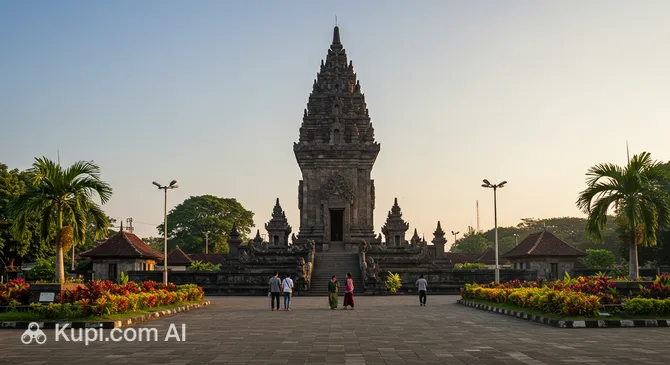
When it comes to museums, Solo takes great pride in its specific cultural heritage. The Keris Nusantara Museum is a must-visit for anyone interested in Javanese mysticism and craftsmanship. Dedicated entirely to the keris (traditional dagger), which is a UNESCO Masterpiece of the Oral and Intangible Heritage of Humanity, the museum displays hundreds of exquisite blades. Visitors can learn about the forging process, the spiritual philosophy behind the weapons, and their role in social status.

Keris Nusantara Museum. Source: Kupi.Binoculars

For a contrast to the ancient traditions, the Tumurun Private Museum offers a stunning collection of modern and contemporary art. Owned by the Lukminto family, this private institution houses works by renowned Indonesian masters as well as international artists. The museum is celebrated for its sleek curation and photogenic installations, though visitors should note that entry usually requires an advance reservation online.

History buffs will appreciate the Djoeang 45 Building, a striking example of colonial architecture that has been converted into a historical site. The building itself is a visual treat, and inside, it narrates the story of the local fight for independence through dioramas and photographs. For a lesser-known gem, head to the Jebres District Smart Park, a community space that blends technology with recreation, often hosting local youth and creative activities.

Getting Around

Navigating Solo is relatively convenient and affordable, thanks to a well-integrated public transport network that serves both the city center and surrounding areas. The backbone of the local system is the Batik Solo Trans (BST), a modern bus rapid transit service. These distinct red and blue buses operate on several corridors, connecting major landmarks, shopping districts, and transport hubs. For narrower streets and residential neighborhoods that the large buses cannot reach, smaller feeder minivans, locally known as Angkot or Feeder BST, provide a seamless connection to the main routes.

A truly unique feature of Solo's transport infrastructure is the active railway track running directly along the main street, Jalan Slamet Riyadi. Here, you can catch the Railbus Batara Kresna, a modern train that shares the road with cars and motorbikes. This service connects Solo to the neighboring town of Wonogiri and offers a scenic and distinctively local travel experience. Additionally, for those planning to visit the nearby city of Yogyakarta, the KRL Commuter Line is a fast, air-conditioned, and reliable electric train service departing from Solo Balapan and Purwosari stations.

The payment system for public transport in Solo has largely shifted to cashless methods, which is important for tourists to note. Cash is generally not accepted on BST buses. Instead, you will need a prepaid electronic money card (e-money) issued by major Indonesian banks, such as Flazz, E-Money, Brizzi, or TapCash. These cards can be easily purchased and topped up at ubiquitous convenience stores like Indomaret or Alfamart. Alternatively, some services accept payments via QR codes using local digital wallet apps, but having a physical card is often the most reliable option for visitors. Fares are extremely affordable, typically consisting of a flat rate regardless of the distance traveled.

Operating hours for the BST buses generally run from early morning, around 5:00 AM, until approximately 9:00 PM. However, it is advisable to check the latest schedules via the "Teman Bus" app or Google Maps, as frequencies can vary. When boarding, you simply tap your card on the reader near the driver. If you are transferring between a feeder and a main bus, ensure you understand the transfer rules, although the flat fare usually makes individual trips very cheap even if paid separately.

For those seeking more flexibility or door-to-door service, ride-hailing apps like Grab and Gojek are immensely popular and widely available. You can order a car or a motorbike taxi (ojek) for a fixed price, eliminating the language barrier and the need to negotiate. Traditional taxis are also available but are less common on the streets than app-based options. For short distances and a touch of nostalgia, try a Becak (pedicab). These three-wheeled vehicles are perfect for leisurely sightseeing through the heritage districts, though you must agree on a price with the driver before hopping in.

Accommodation

Where to Stay:

Accommodation in Solo caters to a wide spectrum of preferences and budgets, reflecting the city's blend of tradition and modernity. Visitors can choose from a variety of options ranging from charming heritage hotels and converted Javanese mansions to modern high-rise chains and budget-friendly guesthouses. The hospitality here is warm and authentic, often providing a more personal experience than what one might find in larger metropolitan areas.

For those who prioritize convenience and accessibility, the city center along Jalan Slamet Riyadi is the most strategic place to stay. This main avenue runs through the heart of Solo and is lined with numerous hotels, restaurants, and shopping centers. Staying here puts you within walking distance of major transport links and attractions like the Sriwedari Park. Alternatively, travelers seeking a more atmospheric experience should consider the historic districts of Kauman or Laweyan. These neighborhoods offer boutique accommodations set within traditional batik villages, allowing guests to immerse themselves in the local culture right from their doorstep.

Another popular area, particularly for business travelers and those seeking modern amenities, is Solo Baru. Although technically just outside the city limits, this developing satellite district functions as a modern extension of Solo. It is home to newer, larger hotel developments and extensive shopping malls like The Park Mall Solo Baru, offering a contemporary lifestyle experience just a short drive from the historical center.

One of the unique highlights of staying in Solo is the opportunity to book a room in a "heritage hotel." These are often historical buildings or former royal residences that have been lovingly restored. They feature traditional Javanese architecture, antique furnishings, and lush tropical gardens, providing a nostalgic journey into the past without sacrificing comfort.

In terms of pricing, Solo is generally very affordable compared to other major Indonesian tourist destinations like Bali or Jakarta. Budget travelers can easily find comfortable homestays (known locally as losmen) or hostels for a very low cost, while mid-range and luxury options remain reasonably priced. Booking is straightforward through major online platforms, but it is highly recommended to reserve your accommodation in advance if you plan to visit during major holidays such as Lebaran (Eid al-Fitr) or the school holiday season, as the city can get quite busy with domestic tourists.

Nearby Cities

For those looking to explore the surroundings, Solo serves as an excellent base for day trips to several interesting nearby locations. Just a short train ride away lies Yogyakarta, often considered the cultural twin of Solo, famous for its lively Malioboro Street and proximity to the magnificent Borobudur and Prambanan temples. To the north, the provincial capital Semarang offers a different vibe with its historic Old Town (Kota Lama) and multicultural heritage, while Pekalongan is a must-visit for textile lovers, renowned worldwide as the "City of Batik" for its colorful coastal designs.

City Population Distance (km)
Semarang 1,621,384 79
Jepara 1,257,912 111
Yogyakarta 422,732 57
Pekalongan 298,386 148
Kediri 252,000 135

These nearby destinations offer a glimpse into the diverse culture and landscapes of the region, allowing travelers to experience the broader tapestry of Central Java beyond the city limits.

Shopping & Souvenirs

Shopping in Solo offers a delightful mix of traditional charm and modern convenience, making it a paradise for those seeking authentic Javanese culture. The city is celebrated as one of the primary centers for Batik production in Indonesia, and visitors will find an abundance of high-quality textiles, intricate handicrafts, and antiques. From bustling traditional markets to air-conditioned malls, the retail landscape caters to every type of traveler, with prices that are generally very reasonable compared to larger metropolitan areas.

For a truly immersive experience, the best place to start is the historic batik districts. The Kauman Batik Village is a labyrinth of narrow alleys where you can buy directly from the artisans' workshops. Here, you can find premium hand-drawn batik (batik tulis) and stamped batik (batik cap) while witnessing the production process firsthand. Another key area is the Laweyan Batik Village, known for its distinct industrial history and beautiful showroom architecture.

Kauman Batik Village. Source: Kupi.Binoculars

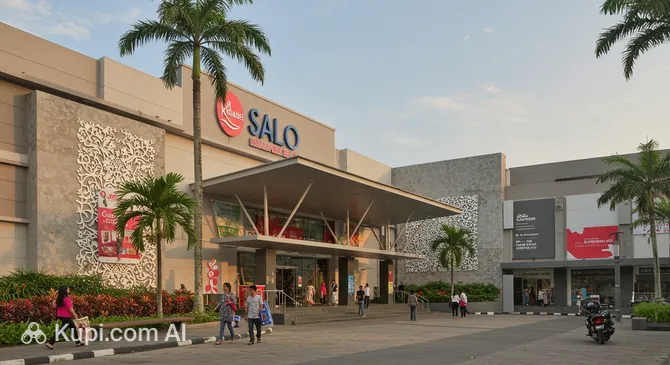
If you prefer a modern shopping environment, the city and its surroundings host several large complexes. The Park Mall Solo Baru is one of the most popular destinations, offering a wide range of international fashion brands, a cinema, and numerous dining options. It serves as a lifestyle hub where you can enjoy a comfortable shopping spree in a contemporary setting.

The Park Mall Solo Baru. Source: Kupi.Binoculars

Traditional markets are the heartbeat of Solo's trade. The legendary Pasar Klewer is the largest textile market in Central Java, packed with stalls selling everything from raw fabrics to ready-to-wear clothes at bargain prices. For those interested in vintage items, Pasar Triwindu is a treasure trove of antiques, selling old coins, gramophones, and Javanese curios. In the evening, the Ngarsopuro Night Market comes alive on weekends, offering a pedestrian-friendly atmosphere filled with local souvenirs, clothing, and street food.

When it comes to souvenirs, Batik is undoubtedly the top choice. Beyond the villages, you can visit extensive galleries like Batik Benang Ratu Heritage, which offers a vast selection of apparel at fixed prices, making it a hassle-free option for tourists. Other popular items to bring home include Wayang (shadow puppets), traditional Javanese masks, and local snacks like Intip (fried rice crust) or Ampyang (ginger and peanut brittle).

Most modern shops and malls in Solo operate daily from around 10:00 AM to 10:00 PM. Traditional markets, however, start much earlier, often opening at 8:00 AM and closing by late afternoon, around 4:00 PM or 5:00 PM. While credit cards and QRIS (digital QR payments) are widely accepted in malls and larger stores, cash is essential when visiting traditional markets or street vendors. ATMs are plentiful, so withdrawing small denominations of Indonesian Rupiah is recommended for these transactions.

Regarding taxes, Indonesia offers a Value Added Tax (VAT) refund scheme for foreign tourists, but it is generally applicable only at registered retailers in major cities or international airports. In Solo, while you may find some high-end stores participating in the tax-free program, it is less common in local boutiques and markets. Always look for the "Tax Free Shopping" signage or ask the staff at the counter if you plan to make a significant purchase.

Reached the end of the page?

That means the route is fully explored