Support

Surabaya

About

As the capital of the East Java province, Surabaya stands as a vibrant metropolis and a vital commercial hub in Indonesia. Often overshadowed by more tourist-centric destinations, this bustling port city offers an authentic glimpse into the nation's urban life, seamlessly blending modern skyscrapers with colonial-era architecture and leafy boulevards. It serves not only as a center of business but also as a gateway to some of the country's most spectacular natural wonders.

The city holds a special place in the hearts of locals as the "City of Heroes" (Kota Pahlawan). The history of Surabaya is deeply intertwined with the country's struggle for independence, a legacy that is proudly celebrated throughout its streets and monuments. Beyond its historical significance, the city acts as a melting pot of Javanese, Chinese, and Arab cultures, creating a unique and diverse social tapestry that fascinates visitors.
Surabaya. Source: Kupi.Binoculars

Geographically situated on the northeastern coast of Java along the Madura Strait, Surabaya is home to a massive population of approximately 6.5 million people. Its strategic location makes it a major maritime gateway for trade and travel in the region. While the climate is typically tropical and warm year-round, the city's carefully maintained parks and the refreshing sea breeze near the coast help balance the urban heat.

Travelers will find plenty to explore, from the impressive Suramadu National Bridge, which connects the city to the island of Madura, to the unique Submarine Monument (Monkasel), a real retired submarine located right in the city center. The city is also a paradise for food lovers, renowned for its savory local dishes like the black beef soup known as Rawon.

Whether you are using it as a starting point for an adventure to Mount Bromo or taking the time to uncover its own hidden gems, Surabaya welcomes travelers with open arms. It is a destination that rewards curiosity, offering a dynamic mix of heritage, commerce, and warm hospitality that makes for a memorable visit.
Weather Overview

Surabaya experiences a tropical climate characterized by consistent warmth and distinct seasonal changes in rainfall. The city remains hot throughout the year, with average temperatures generally hovering between 27°C and 29°C. October tends to be the warmest month, seeing highs of up to 32.6°C, while the coolest nights occur in July, when temperatures can dip to around 24°C.

Travelers should plan their activities according to the wet and dry seasons. The detailed weather in Surabaya indicates a significant rainy period from November to April, where months like January and March can experience precipitation on up to 30 days. In contrast, the dry season from May to October offers much clearer skies; August is particularly dry with typically only 2 wet days recorded. Expect hot, humid days year-round with frequent showers during the monsoon season and dry, sunny conditions in the mid-year months.

Interesting Facts

Beyond the main attractions, Surabaya holds many fascinating secrets that reveal its depth as a cultural and historical powerhouse. From mythical origins to unique architectural marvels, the city offers stories that go far beyond its reputation as a business center.

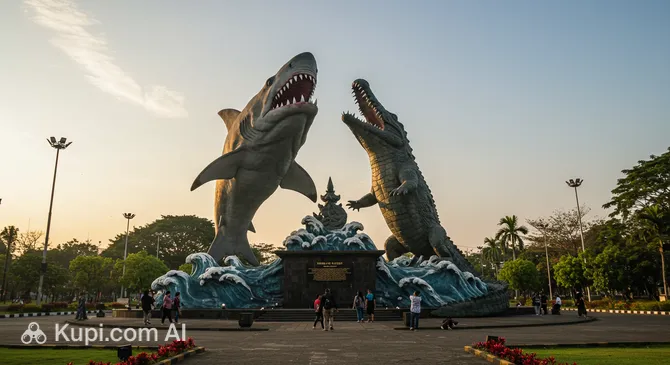
  • The city's name is derived from a local legend depicting a fierce battle between a shark (Suro) and a crocodile (Boyo) for dominance over the area. This mythical struggle is immortalized by the iconic Suro and Boyo Statue, which stands as the ultimate symbol of the metropolis.

  • Surabaya celebrates its diverse heritage with the Muhammad Cheng Hoo Mosque, a religious site that strikingly resembles a Chinese temple. The architecture features a pagoda-style roof and vibrant red and green colors, honoring the famous Chinese Muslim admiral who visited the archipelago centuries ago.

  • Despite being a bustling urban center, the city takes green spaces seriously, with Bungkul Park receiving the Asian Townscape Award from the United Nations. It is recognized internationally not just for its greenery, but for being a fully integrated social hub complete with an amphitheater and Wi-Fi access.

  • The Heroes Monument and November 10th Museum is the city's most prominent landmark, shaped distinctively like an inverted nail. This unique design is said to symbolize the sharp resolve and unwavering spirit of the local people during the historic battle for independence.

Suro and Boyo Statue. Source: Kupi.Binoculars

How to Get There

Reaching the capital of East Java is relatively straightforward, as it serves as a major transportation hub for the entire region. Whether you are arriving from international destinations or other parts of the archipelago, you have several options. For a comprehensive guide on logistics, you can read more about how to get to Surabaya via various modes of transport.

The most convenient and popular entry point is Juanda International Airport (SUB). As the primary gateway to the city, it handles a large volume of passenger traffic and connects to numerous domestic and international destinations. Located approximately 14 km from the city center, the airport is well-connected to the downtown area. A journey by taxi or private car typically takes around 40 minutes, though this can vary during peak traffic hours.

Alternatively, travelers can fly into Abdul Rachman Saleh Airport (MLG), situated in the neighboring city of Malang. While this airport is smaller and primarily serves domestic routes, it is located about 74 km from Surabaya. It can be a viable option if you plan to visit the surrounding highlands before heading to the coast. The drive from this airport to Surabaya generally takes about 2 hours and 10 minutes by taxi or shuttle service.

For clarity, here is a summary of the main airports in the region:

Airport Name City Passenger Traffic Km from City
Juanda International Airport Surabaya Large 14.0
Dhoho International Airport Kediri Medium 104.5
Adi Sumarmo International Airport Solo Medium 222.9
Abdul Rachman Saleh Airport Malang Medium 74.1
Banyuwangi Banyuwangi Small 210.3

Beyond air travel, Surabaya is a key node in Java's railway network. The city is served by major train stations that receive regular executive and economy class trains from Jakarta, Yogyakarta, and Bandung. Intercity buses also provide frequent connections to towns across East Java and Bali, making overland travel a flexible alternative for those exploring the island.

Main Attractions

Surabaya offers a diverse array of attractions that cater to history buffs, nature lovers, and urban explorers alike. While the city is famous for its heroic monuments, it also boasts vibrant cultural districts, modern waterfront hangouts, and impressive engineering marvels. Visitors can easily spend days uncovering the unique character of each neighborhood.

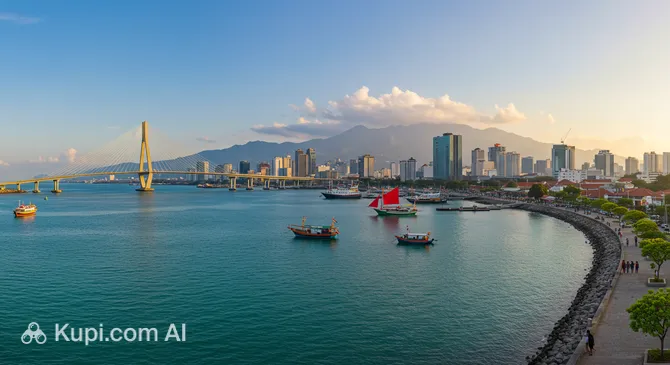
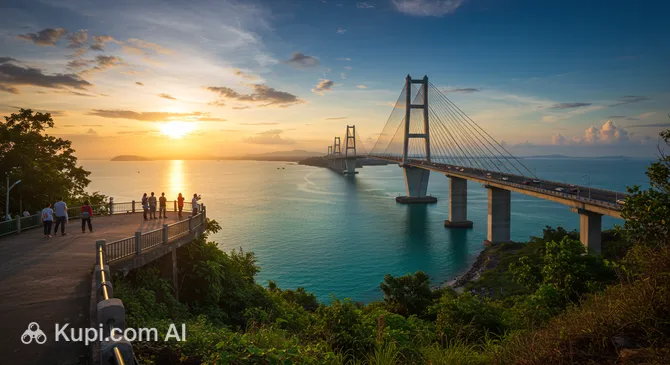
One of the most iconic sights in the region is the Suramadu Viewpoint. This location offers spectacular views of the Suramadu Bridge, the longest bridge in Indonesia, which connects the island of Java to Madura. It is particularly enchanting in the evening when the bridge is illuminated, reflecting shimmering lights onto the water. Tourists often visit to capture stunning photographs and enjoy the sea breeze while admiring this feat of modern engineering.

Suramadu Viewpoint. Source: Kupi.Binoculars

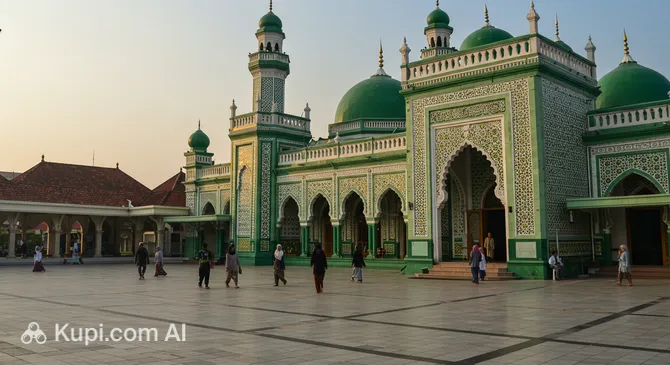
For a deep dive into the city's multicultural heritage, the Sunan Ampel Religious Tourism Area is a must-visit. Located in the Arab Quarter, this bustling district is centered around the tomb of Sunan Ampel, one of the nine saints (Wali Songo) who spread Islam in Java. The area feels like a Middle Eastern souk, filled with the aroma of spices and perfumes, and lined with shops selling dates, textiles, and religious items. It provides a spiritual and sensory experience that contrasts sharply with the modern city center.

Sunan Ampel Religious Tourism Area. Source: Kupi.Binoculars

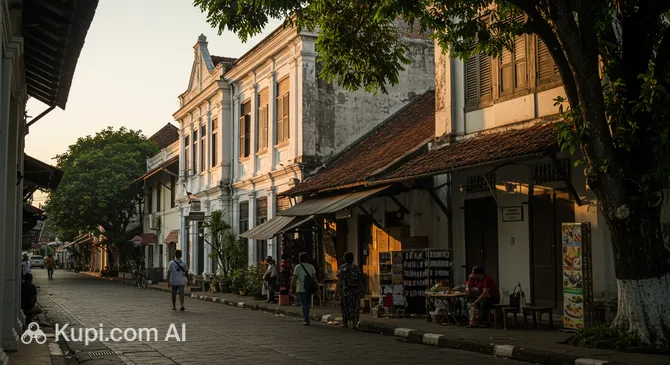
Travelers interested in the colonial past should explore the Old City of Surabaya. This area, particularly around the "Red Bridge" (Jembatan Merah), preserves the atmosphere of the Dutch colonial era with its well-maintained heritage buildings. Walking through these streets offers a window into the city's history as a major trading port, featuring classic European architecture that stands as a testament to its commercial legacy.

Old City of Surabaya. Source: Kupi.Binoculars

For a more modern leisure experience, head to the Surabaya North Quay. Situated at the gapura surya nusantara passenger terminal, this spot allows visitors to watch massive cruise ships dock while enjoying a meal or coffee with an ocean view. It has become a popular hangout for locals and tourists seeking a relaxing atmosphere by the sea, complete with live music and a fresh breeze from the Madura Strait.

Families and those looking for recreation often enjoy Kenjeran Park. Located near the coast, this amusement complex is known for its unique architecture, including a colorful temple and a giant dragon statue facing the ocean. It is a great place for a casual stroll, offering a mix of cultural landmarks and seaside fun that appeals to visitors of all ages.

Local Cuisine

Surabaya's culinary scene is a legendary adventure for the palate, famous for its bold flavors, generous use of spices, and the distinctive savory kick of petis (shrimp paste). The city is rightfully hailed as one of Indonesia's best food destinations. A trip here would be incomplete without tasting Rawon, a rich, dark beef soup that gets its unique black color and nutty flavor from the kluwek nut. It is typically served with rice, bean sprouts, and salted egg, offering a hearty meal that locals enjoy at any time of day.

Another dish that defines the city's gastronomy is Rujak Cingur. This extraordinary salad combines slices of cooked cow snout (cingur), fruits, vegetables, tofu, and tempeh, all smothered in a spicy, savory peanut and shrimp paste sauce. For something lighter yet equally iconic, try Lontong Balap, a dish consisting of rice cakes, lentil cakes, and bean sprouts, bathed in a savory garlic broth and topped with sweet soy sauce.

When it comes to beverages, the locals love their traditional herbal drinks. Es Sinom, a refreshing mix of turmeric and tamarind leaves, is perfect for cooling down in the tropical heat. For a warmer option in the evening, Wedang Angsle offers a comforting bowl of coconut milk with pearls, bread, and ginger. Those looking for a modern atmosphere to enjoy drinks can visit places like Camden Kertajaya Indah, a popular spot for socializing and enjoying the city's nightlife.

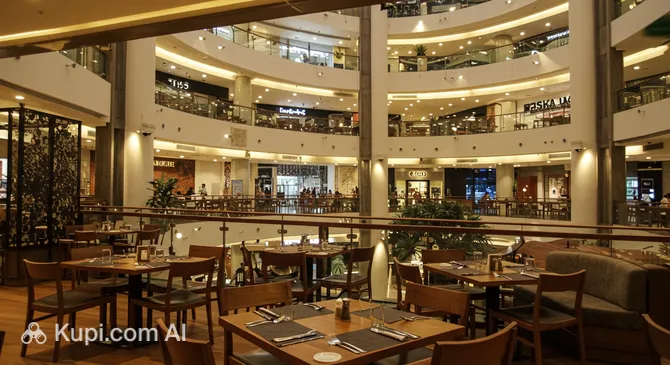
Tunjungan Plaza 5 Restaurant. Source: Kupi.Binoculars

The food culture in Surabaya is a dynamic mix of humble street stalls and upscale dining. You can find some of the best authentic flavors at roadside warungs or night markets, where the aroma of grilling Sate Klopo (coconut-seasoned beef satay) fills the air. Conversely, the city's malls offer excellent culinary experiences in air-conditioned comfort. The Tunjungan Plaza 5 Restaurant area, located within the massive Tunjungan Plaza complex, provides a wide array of local and international options for travelers who want to sample everything in one place.

Travel Tips

Welcome to Surabaya, a bustling metropolis where tradition meets modernity in the heart of East Java. To help you navigate the "City of Heroes" with confidence and ease, here are some practical tips designed to make your journey as smooth and enjoyable as possible.

  1. Clothing and Gear: Surabaya is hot and humid year-round, so pack lightweight, breathable fabrics like cotton or linen to stay cool. While casual wear is acceptable in malls, remember to dress modestly when visiting religious sites or the Arab Quarter; covering shoulders and knees is a sign of respect. Don't forget comfortable walking shoes for exploring, high-SPF sunscreen, and a universal travel adapter (Type C or F) for your electronics.
  2. Transportation: While the city has public options like the Suroboyo Bus, the most convenient way for tourists to get around is by using ride-hailing apps like Gojek or Grab. They offer both car and motorbike taxi (ojek) options at fixed prices, effectively overcoming language barriers. Bluebird taxis are also trustworthy and can be hailed on the street or via their app. Self-driving is generally not recommended due to the heavy and often chaotic traffic.
  3. Finances: The official currency is the Indonesian Rupiah (IDR). While credit cards are widely accepted in hotels, large shopping malls, and upscale restaurants, cash is king for street food stalls, traditional markets, and small convenience stores. ATMs are plentiful throughout the city. Tipping is not strictly mandatory, but rounding up the bill or leaving a small amount (5-10%) is a kind gesture appreciated by service staff.
  4. Health and Safety: Surabaya is generally safe, but standard urban precautions apply; keep an eye on your belongings in crowded areas like markets to avoid pickpocketing. Tap water is not potable, so always drink bottled or filtered water. For minor health issues, look for pharmacies with the sign "Apotek"; chains like K-24 and Guardian are reliable, and many operate 24 hours a day.
  5. Communication: Bahasa Indonesia is the national language, though Javanese is widely spoken locally. English is understood in major hotels and business districts, but less so by street vendors or local drivers. Learning a few phrases like Terima kasih (Thank you) goes a long way. It is highly recommended to buy a local SIM card (Telkomsel has excellent coverage) at the airport or an official store, as you will need your passport for registration to access mobile data.
  6. Local Etiquette: Locals are incredibly friendly and polite, and a smile is the universal greeting. Always use your right hand for eating, giving, or receiving items, as the left hand is considered unclean in local culture. When entering a private home or a mosque, it is customary and often required to remove your footwear.
  7. What to Avoid: Public displays of affection, such as kissing or excessive hugging, are frowned upon in this conservative society and should be avoided. Additionally, never touch anyone, including children, on the head, as it is regarded as the most sacred part of the body.
  8. Local Insight: If you find yourself in the city on a Sunday morning, wake up early for Car Free Day at Taman Bungkul and Jalan Raya Darmo. It is a fantastic way to mingle with locals, enjoy traditional street snacks, and experience the city's vibrant community spirit without the noise of traffic.

By keeping these practicalities in mind, you will be well-prepared to embrace the warmth and energy of Surabaya. Enjoy the delicious food, the rich history, and the welcoming smiles that make this city a truly memorable destination.

Entertainment & Nightlife

While Surabaya is primarily known as a business and industrial hub, its nightlife scene is surprisingly vibrant and diverse, catering to the city's large expatriate community and young urban professionals. As the sun sets, the metropolis transforms, offering everything from sophisticated rooftop lounges and high-energy dance clubs to bustling night markets. The entertainment landscape is concentrated mainly in the city center around Jalan Basuki Rahmat and Jalan Tunjungan, as well as the upscale neighborhoods of West Surabaya.

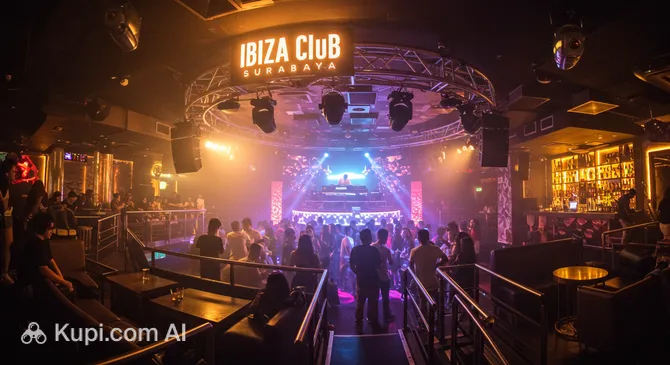
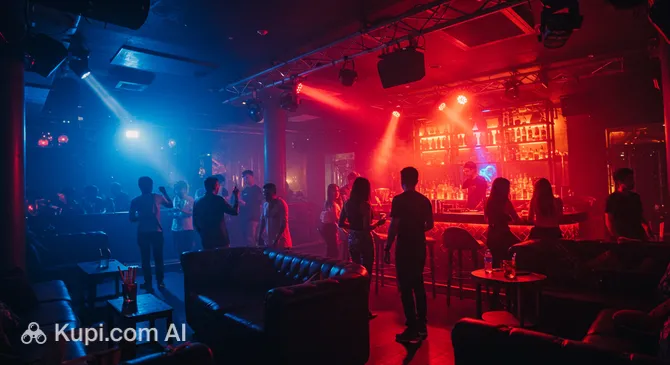
For those seeking a dynamic atmosphere with live DJ sets and a modern crowd, IBIZA Club Surabaya is a popular destination. Located in the heart of the city, this venue is known for its impressive lighting systems and energetic parties that often last until the early hours of the morning. It attracts a stylish clientele, so dressing up is recommended to match the chic ambiance.

IBIZA Club Surabaya. Source: Kupi.Binoculars

Another standout venue that combines dining and entertainment is Hedon Estate. This establishment offers a more versatile experience, functioning as a restaurant and lounge where guests can enjoy live music performances and a wide selection of beverages. It is an excellent choice for travelers who prefer a place where they can converse and relax before the night gets busier. The decor is unique, providing plenty of photo opportunities for visitors.

Hedon Estate. Source: Kupi.Binoculars

Beyond the clubs, Surabaya's nightlife is heavily influenced by its food culture. Night markets and food festivals are common, particularly in the West Surabaya area like the G-Walk in CitraLand, where locals gather to eat and socialize late into the night. For a more local "clubbing" experience, the Jemursari Night Club provides a glimpse into the local entertainment style, often featuring live bands and karaoke facilities which are a staple of Indonesian nightlife.

Practical Tips for Nightlife:

  • Timing: Most bars become lively around 9:00 PM, while clubs typically fill up after 11:00 PM. Venues often stay open until 3:00 AM or 4:00 AM on weekends.
  • Dress Code: The dress code in Surabaya's upscale bars and clubs is generally "smart casual." Men should avoid wearing sandals, shorts, or sleeveless shirts, as many venues enforce strict entry rules.
  • Prices: Expect to pay metropolitan prices in high-end venues. A beer typically costs between IDR 50,000 and IDR 100,000, while cocktails can range from IDR 120,000 upwards.
  • Safety & Transport: The main nightlife districts are generally safe, but it is advisable to remain in well-lit areas. Public transport is scarce at night, so the best way to get around is by using ride-hailing apps like Grab or Gojek, or booking a Bluebird taxi. Avoid walking long distances alone late at night.

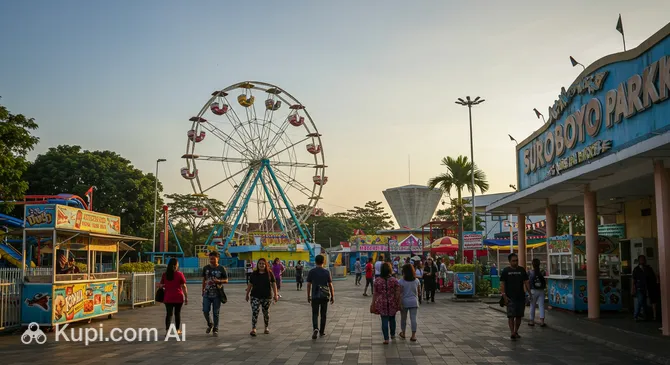
Before the evening festivities begin, the city offers plenty of daytime diversions. Families traveling with children can visit KidZania Surabaya, an interactive education and entertainment center where kids can role-play various professions. For those who prefer outdoor activities, Suroboyo Park provides a pleasant green space to relax and enjoy the local atmosphere near the coast.

Suroboyo Park. Source: Kupi.Binoculars

Parks & Museums

While Surabaya is often recognized for its bustling streets and commercial prowess, the city also dedicates significant space to greenery and cultural preservation. For tourists, exploring the local parks and museums offers a refreshing break from the urban heat and a deeper understanding of the region's storied past. From lush gardens to galleries showcasing the struggle for independence, these spaces provide a quieter, more reflective side of the metropolis.

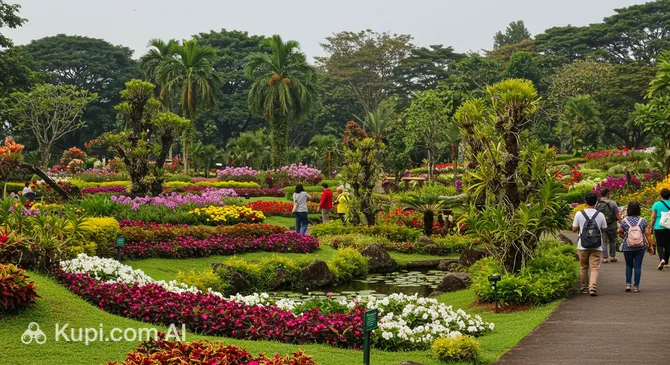
One of the most charming green spaces in the city is Bratang Flora Park. Unlike typical city squares, this park functions as a mini-botanical garden, boasting a wide variety of tropical plants and trees that provide ample shade. It is a favorite among families, not only for its playground facilities but also for the small deer enclosure where visitors can observe the animals up close. The park offers a cool, oxygen-rich environment that feels worlds away from the busy traffic outside.

Bratang Flora Park. Source: Kupi.Binoculars

Another historically significant spot is Apsari Park, located right in the city center across from the Grahadi Governor's Mansion. This park is anchored by a statue of Governor Suryo, the first governor of East Java, and serves as a popular gathering place for young locals in the evenings. Its central location makes it an easy stop for tourists walking through the downtown heritage district, offering a glimpse into the city's colonial-era layout.

For those interested in the nation's history, the Heroes Monument and November 10th Museum is the definitive cultural landmark. While the towering monument is visible from afar, the museum located beneath it is where the real story unfolds. Through detailed dioramas, photographs, and historical artifacts, the museum chronicles the Battle of Surabaya, a pivotal event in the Indonesian National Revolution. It provides essential context for why Surabaya is fiercely proud of its identity as the "City of Heroes."

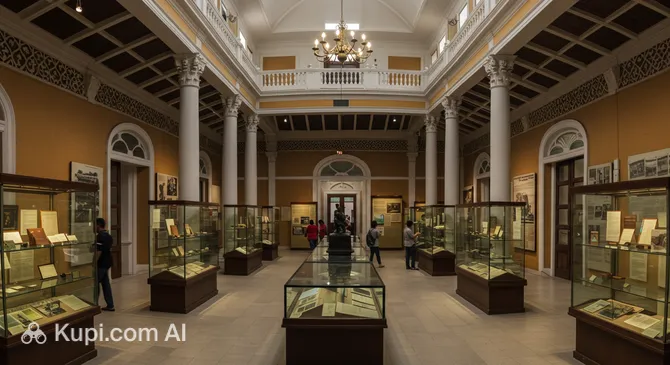
A more specialized but equally fascinating venue is the Surabaya Education Museum. Situated on the riverbank, this museum preserves the history of education in Indonesia, from the pre-colonial era to modern times. Visitors can see vintage classroom setups, old textbooks, and writing tools that demonstrate how learning has evolved over the decades. It is a unique cultural stop that highlights the importance of knowledge in the nation's development.

Surabaya Education Museum. Source: Kupi.Binoculars

Beyond these main sites, history buffs should not miss Soekarno's Birthplace. Tucked away in a modest neighborhood, this house marks the humble beginnings of Indonesia's founding father and first president. For wildlife enthusiasts, the Surabaya Zoo remains a major attraction, known historically as one of the oldest zoos in Southeast Asia, featuring a diverse collection of indigenous fauna including the Komodo dragon.

Insider Tip: If you plan to visit the parks, the best time is early morning around 6:00 AM or late afternoon after 4:00 PM. This allows you to avoid the midday sun and join the locals as they exercise or relax. Additionally, many museums are closed on Mondays, so be sure to check the schedule before heading out.

Getting Around

Navigating Surabaya offers a mix of modern initiatives and traditional experiences. While the city does not currently have a metro or tram system, it relies on a developing network of buses and a vast fleet of minibuses. The most prominent modern public transport option is the Suroboyo Bus. These distinct red buses are air-conditioned, comfortable, and known for their unique eco-friendly concept. Another key service is the Trans Semanggi Suroboyo, which operates on similar routes and standards, providing a reliable way to move between major districts and shopping centers.

For a more local and adventurous experience, tourists can try the Angkot, locally referred to as Lyn or Bemo. These are small minibuses that serve as the backbone of the city's transport for short distances. They are color-coded and marked with letters to indicate their specific routes. While they are affordable and can get you into smaller streets where big buses cannot go, they lack air conditioning and can be confusing for first-time visitors without local assistance. Additionally, the Commuter Line trains connect the city center with suburban areas and neighboring regencies like Sidoarjo and Lamongan, making them a good option for day trips outside the main urban area.

The payment system varies significantly depending on the mode of transport. The Suroboyo Bus gained international fame for accepting plastic bottles as payment to encourage recycling, a feature that is still a unique aspect of the system, though tourists are now encouraged to use electronic payments for convenience. For both Suroboyo Bus and Trans Semanggi, cash is generally not accepted on board; you must use e-money cards (such as Flazz, E-Money, Brizzi, or TapCash) or QRIS digital payments. In contrast, Angkot drivers only accept cash, so it is essential to carry small denominations of Indonesian Rupiah if you plan to use them.

For practical advice, the most crucial tip for tourists is to purchase an e-money card at major convenience stores like Indomaret or Alfamart upon arrival, as these cards are widely used for transport, tolls, and even some shops. Modern buses only stop at designated shelters (Halte), so you cannot hail them from just anywhere. Operating hours typically run from around 05:00 AM to 10:00 PM, but frequencies can vary. It is advisable to use navigation apps to check bus routes, although schedules can sometimes be unpredictable due to traffic conditions.

Given that the public transport network does not cover every street, alternatives are highly popular and often recommended for tourists. Ride-hailing apps like Gojek and Grab are ubiquitous in Surabaya. They offer both motorbike taxis (Ojek) for beating the traffic and car services for comfort. These apps provide fixed prices and eliminate language barriers, making them the most stress-free way to explore. Conventional taxis, particularly the reputable Bluebird fleet, are also widely available and can be hailed on the street or booked via their app.

Accommodation

Surabaya offers a comprehensive range of accommodation options that cater to every type of traveler, from backpackers on a shoestring budget to business executives seeking five-star luxury. As a major commercial hub, the city is well-equipped with modern high-rise hotels, charming boutique guesthouses, and affordable hostels. Whether you prefer the convenience of a city-center apartment or the pampering services of a resort-style establishment, you will find suitable lodgings to match your needs.

For most tourists, the best area to stay is in the City Center (Central Surabaya), particularly around Jalan Tunjungan and Jalan Basuki Rahmat. Staying here places you within walking distance of historical landmarks and major shopping centers like Tunjungan Plaza. Alternatively, West Surabaya is a rapidly developing district known for its upscale residential vibe, modern malls like Pakuwon Mall, and premium golf courses, making it ideal for those who prefer a more luxurious and quiet environment. Travelers with early flights might opt for hotels in the southern part of the city, closer to the airport.

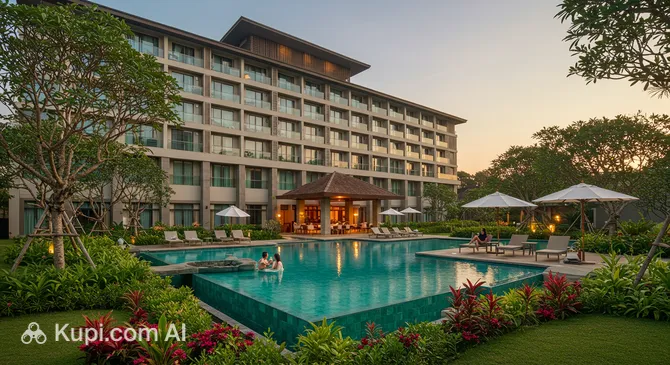
Among the notable establishments in the city, the Bumi Surabaya City Resort stands out as a unique urban oasis. Located in the heart of the downtown area, this hotel is renowned for its lush tropical gardens and classic Javanese elegance, offering a tranquil escape from the bustling streets outside. It is an excellent example of how the city blends business functionality with leisure and traditional hospitality.

Bumi Surabaya City Resort. Source: Kupi.Binoculars

Booking and Prices:

  • Budget: Hostels and budget hotels (RedDoorz or OYO) typically range from IDR 150,000 to IDR 300,000 per night.
  • Mid-Range: Comfortable 3 to 4-star hotels usually cost between IDR 400,000 and IDR 1,000,000.
  • Luxury: High-end 5-star hotels and resorts start from approximately IDR 1,200,000 and can go significantly higher depending on the suite and season.

Travel Tip: While it is often possible to find last-minute deals, it is highly recommended to book your accommodation in advance, especially if you are visiting during the Eid al-Fitr holiday season or New Year's Eve, when occupancy rates skyrocket. Most travelers use online platforms like Traveloka, Tiket.com, Agoda, or Booking.com to secure the best rates and read recent reviews.

Nearby Cities

For those looking to explore the surroundings, Surabaya serves as an excellent base for day trips to several interesting nearby locations. The region of East Java is rich in natural beauty and cultural heritage, offering diverse experiences just a few hours away from the bustling port city.

One of the most popular destinations is Malang, located in the highlands south of Surabaya. Known for its refreshingly cool climate and well-preserved Dutch colonial architecture, it offers a pleasant escape from the coastal heat. Visitors often flock to the colorful Jodipan village or explore the surrounding apple orchards. Another key stop is Probolinggo, which acts as the primary gateway to the majestic Mount Bromo. While the city itself has charm, it is the starting point for sunrise tours to the volcano, one of Indonesia's most iconic natural landmarks. Additionally, Kediri intrigues travelers with its massive Simpang Lima Gumul Monument, a structure that bears a striking resemblance to the Arc de Triomphe in Paris.

City Population Distance (km)
Malang 2,795,209 80
Solo 552,118 216
Jember 298,585 146
Kediri 252,000 104
Probolinggo 223,159 76

These nearby destinations offer a glimpse into the diverse culture and landscapes of the region, making them perfect additions to any travel itinerary in East Java.

Shopping & Souvenirs

Shopping:

Shopping in Surabaya is a delightful mix of modern luxury and traditional charm, reflecting the city's status as a commercial powerhouse. Visitors can find everything from high-end international brands in sprawling air-conditioned complexes to authentic local crafts in bustling marketplaces. Whether you are looking for the latest fashion trends, electronic gadgets, or unique East Java souvenirs, the city offers a diverse retail landscape that caters to all budgets and preferences.

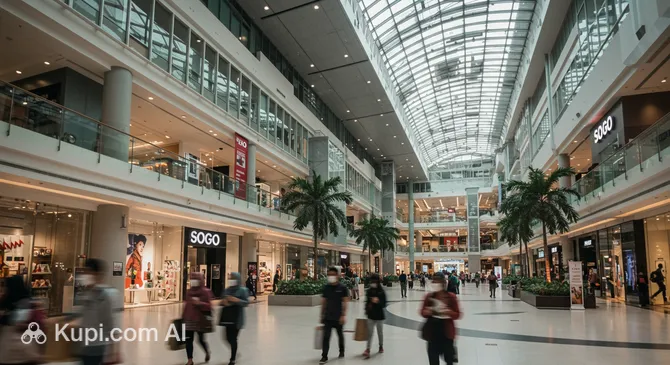
The city is renowned for its massive shopping centers, which serve as lifestyle hubs for locals. The most iconic of these is Tunjungan Plaza, a legendary complex located in the heart of the downtown area. Comprising six interconnected buildings, it is a city within a city, housing countless retail stores, dining options, and entertainment facilities. It is the perfect place to experience the modern side of the metropolis.

Tunjungan Plaza. Source: Kupi.Binoculars

For those exploring the western part of the city, Pakuwon Mall is an unmissable destination. As one of the largest malls in Indonesia, it offers an extensive range of tenants and a spacious, upscale environment. It is particularly known for its impressive convention center and a wide variety of culinary choices, making it a favorite spot for families and shoppers who want to spend the entire day indoors.

Beyond the modern malls, Surabaya's traditional markets offer a more authentic glimpse into local life. Pasar Atom is a legendary market famous among locals, particularly for its Chinese-Indonesian heritage. It is the go-to place for gold jewelry, affordable clothing, and a legendary food court serving local delicacies. Another notable spot is Pasar Genteng, which is the center for electronics and, more importantly for tourists, a hub for purchasing traditional snacks and souvenirs.

When it comes to souvenirs, no trip is complete without buying Batik, particularly fabrics featuring the distinct vibrant colors and motifs of East Java or Madura. Food souvenirs are also extremely popular; look for Lapis Surabaya (a rich layer cake), Almond Crispy Cheese (a thin, crunchy cookie that has become a modern icon of the city), and the famous Sambal Bu Rudy (spicy chili paste). You can also find high-quality leather goods in the Tanggulangin area, just outside the city limits.

Most shopping malls generally operate daily from 10:00 AM to 10:00 PM. While major department stores, malls, and supermarkets accept credit cards (Visa and Mastercard) and digital payments, cash is still king in traditional markets and smaller street shops. It is advisable to carry small denominations of Indonesian Rupiah when visiting places like Pasar Atom or the Sunan Ampel Religious Tourism Area to make transactions smoother.

International tourists visiting Surabaya may be eligible for a Value Added Tax (VAT) refund on goods purchased at participating "Tax Free" stores. To claim this, look for the "VAT Refund for Tourists" signage, spend a minimum amount (usually IDR 500,000 per tax invoice), and present your passport. The refund can be processed at the designated counter at Juanda International Airport before your departure.

Reached the end of the page?

That means the route is fully explored