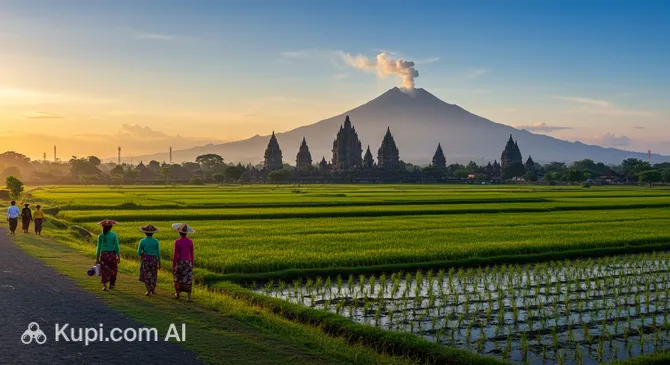
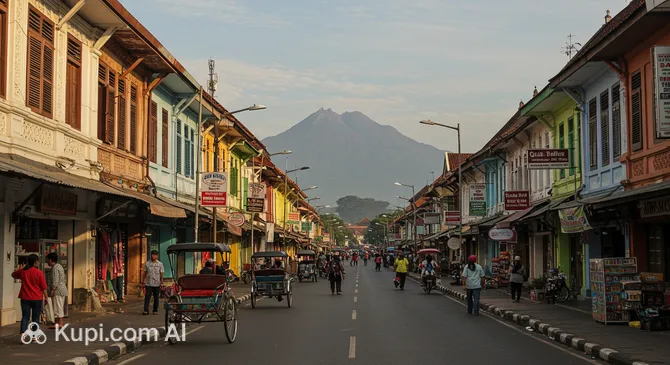
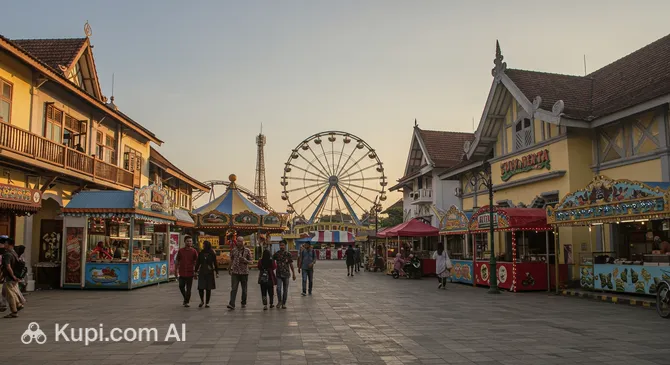
Yogyakarta, often affectionately known as "Jogja," is widely regarded as the cultural soul of Java. This captivating city in Indonesia offers a perfect blend of ancient tradition and modern vibrancy, making it a favorite destination for travelers seeking an authentic experience. It is a place where the past comes alive amidst a bustling, creative atmosphere.
Geographically, the city is situated in the Special Region of Yogyakarta, flanked by the majestic Mount Merapi to the north and the Indian Ocean to the south. With a population of approximately 422,000 residents, it maintains a lively yet welcoming environment. The city is renowned for its dedication to preserving Javanese fine arts, including batik, ballet, music, and wayang puppetry.
Yogyakarta. Illustration.
Source: Kupi.com AI
One cannot speak of this city without acknowledging its royal lineage. The history of Yogyakarta is deeply intertwined with the Sultanate, which still plays a significant role in local society today. The Kraton (Sultan's Palace) remains the center of traditional life and is a must-visit landmark where visitors can witness the living heritage of the Javanese court.
Beyond the palace walls, the city pulses with energy, particularly along the famous Jalan Malioboro. This legendary street is the heartbeat of the city's commerce, lined with vendors selling handicrafts, batik, and delicious local street food. Furthermore, Yogyakarta serves as the primary gateway to the magnificent temples of Borobudur and Prambanan, two of the world's greatest archaeological sites located nearby.
Whether you are exploring ancient ruins, shopping for traditional crafts, or simply enjoying the warm hospitality of the locals, Yogyakarta promises an unforgettable journey. It is a destination that invites you to slow down and truly immerse yourself in the rich tapestry of Javanese culture.
Weather Overview
Yogyakarta experiences a warm, tropical climate throughout the year, with temperatures remaining fairly consistent. Average temperatures generally hover between 24°C and 26°C, with daytime highs reaching up to 29.6°C in April and cooler evenings dipping to around 20.7°C during July and August.
The city's weather is defined by distinct wet and dry periods. The rainy season typically spans from November to April, where you can expect rain on most days; January and March, for instance, record up to 29 wet days. Conversely, the middle of the year brings a drier spell, particularly in July and August, when the number of wet days drops significantly to single digits, making it a popular time for outdoor activities.
For a more detailed breakdown of what to expect during your visit, you can consult the guide to the weather in Yogyakarta. Overall, expect warm days year-round with frequent rainfall in the early and late months of the year, shifting to drier and slightly cooler conditions during the summer months.
Average monthly temperature
Average monthly precipitation
Interesting Facts
Beyond the main attractions, Yogyakarta holds many fascinating secrets that reveal the depth of its spiritual and cultural heritage. From mystical imaginary lines to unique royal traditions, here are some intriguing details about this Javanese gem.
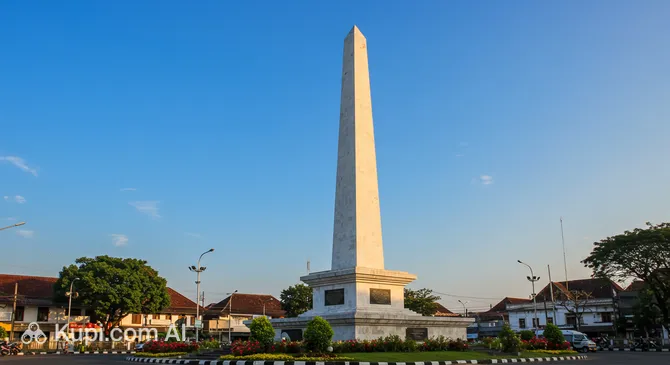
Tugu Yogyakarta. Illustration.
Source: Kupi.com AI
Traveler photos:
The city is designed along a sacred Philosophical Axis, an imaginary line that connects Mount Merapi in the north to the Indian Ocean in the south. This axis passes directly through major landmarks like Tugu Yogyakarta and the Yogyakarta Palace, symbolizing the harmonious balance between nature, humanity, and the divine.
Yogyakarta is the only province in Indonesia that is still governed by a pre-colonial monarchy. The ruling Sultan automatically serves as the governor of the Special Region, a unique status granted in recognition of the Sultanate's pivotal role and support during the country's struggle for independence.
A famous local legend known as Masangin challenges visitors to walk blindfolded between two massive banyan trees in the Southern Alun-Alun (square). Although the path seems wide and simple, many people inexplicably veer off course; it is said that only those with a pure heart can walk straight through and have their wishes granted.
The city served as the temporary capital of the Republic of Indonesia from 1946 to 1949 during the National Revolution against Dutch colonial rule. This era of resilience is celebrated at historical sites near the Yogyakarta Kilometer Zero Point, which remains a vibrant hub for locals and visitors alike.
The name "Yogyakarta" is widely believed to be derived from Ayodhya, the mythical city of King Rama from the Ramayana epic, combined with "Karta," meaning prosperous. Thus, the name essentially translates to "a city that is fit to prosper," reflecting its enduring status as a center of Javanese art and culture.
How to Get There
Reaching this cultural heart of Java is convenient thanks to its well-connected transport network. While many travelers arrive by train to enjoy the scenic landscapes of the island, flying remains the fastest option for those coming from further afield. You can find all ways to reach the city in our detailed transport guide, but below is an overview of the primary airports serving the region.
The main gateway for most visitors is Yogyakarta International Airport (IATA: YIA). Located in the Kulon Progo regency, this modern facility handles the majority of domestic and international flights. It is situated approximately 36 km from the city center. A journey by taxi or bus typically takes around 75 minutes, though the dedicated airport train offers a much faster connection. With an annual passenger traffic of over 4 million, it is a bustling hub equipped with modern amenities.
Alternatively, you can fly into Adi Sumarmo International Airport (IATA: SOC), located in the neighboring city of Solo (Surakarta). Although it is not in Yogyakarta itself, it is only about 53 km away. Travel from this airport to Yogyakarta generally takes around 1 hour and 40 minutes by taxi. It serves as a convenient secondary option, especially if you plan to explore the wider Central Java region.
For those willing to travel a bit further overland, Achmad Yani International Airport (IATA: SRG) in the city of Semarang is another possibility. Located roughly 92 km north of Yogyakarta, the transfer by road takes approximately 2 hours and 40 minutes. This option is often chosen by travelers who wish to visit the northern coast before heading south.
For clarity, here is a summary of the main airports:
Besides air travel, Yogyakarta is a major hub for rail transport in Java. The city is well-served by trains from major cities like Jakarta, Bandung, and Surabaya, with the main station, Tugu Yogyakarta, located conveniently near the famous Malioboro Street. Buses and travel minivans also provide affordable overland connections from surrounding cities.
Main Attractions
Yogyakarta is a treasure trove of historical landmarks and cultural sites, offering visitors a deep dive into the heritage of Java. From royal compounds to bustling market streets, the city's attractions are diverse and deeply rooted in tradition. Here are some of the most captivating places to explore during your stay.
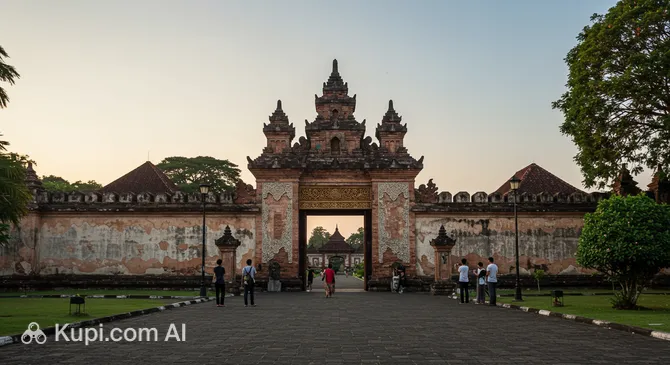
At the very heart of the city lies the Yogyakarta Palace, also known as the Kraton. This grand complex is not just a historical site but the living residence of the Sultan. Visitors can wander through elegant pavilions featuring classical Javanese architecture and observe retainers in traditional dress. It is a fascinating place to learn about the royal family's history and see performances of traditional music and dance.
Yogyakarta Palace. Illustration.
Source: Kupi.com AI
Traveler photos:
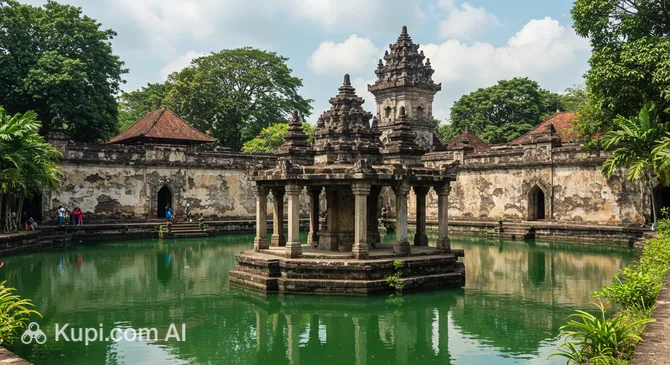
Just a short distance from the Kraton, you will find the enchanting Taman Sari Water Castle. Built in the 18th century as a royal garden and bathing complex for the Sultanate, this site is a maze of pools, canals, and underground tunnels. The architecture is a unique blend of Javanese and Portuguese styles. It is particularly popular for its photogenic blue pools and the mysterious underground mosque, Sumur Gumuling, which offers a unique acoustic experience.
Taman Sari Water Castle. Illustration.
Source: Kupi.com AI
Traveler photos:
For a change of pace, a walk down Malioboro Street is essential for any tourist. This legendary thoroughfare is the city's center of commerce and tourism, alive day and night. The sidewalks are lined with vendors selling everything from batik clothing and handcrafted souvenirs to local street food. It is the perfect spot to soak up the vibrant atmosphere of the city, ride a traditional becak (rickshaw), or listen to street musicians.
Malioboro Street. Illustration.
Source: Kupi.com AI
Traveler photos:
History enthusiasts should not miss the Vredeburg Museum, located near the end of Malioboro Street. Housed in a former Dutch colonial fortress, the museum features a series of dioramas that depict Indonesia's struggle for independence. The well-preserved colonial buildings and the informative displays provide a compelling insight into the nation's past and the city's role in the revolution.
Finally, to immerse yourself further in Javanese arts, visit the Sonobudoyo Museum Unit I. Situated near the North Alun-Alun, this museum holds one of the most complete collections of Javanese artifacts, second only to the National Museum in Jakarta. The exhibits include exquisite wayang puppets, ancient keris daggers, masks, and batik textiles, making it an educational stop for anyone interested in the island's rich artistic heritage.
Local Cuisine
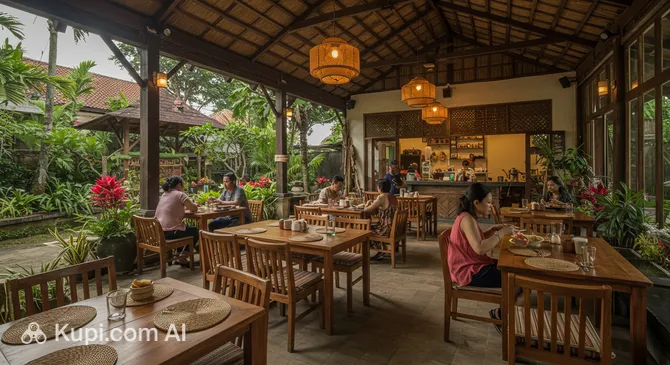
The culinary landscape of Yogyakarta is legendary in Indonesia, known for its distinctively sweet flavor profile and incredibly affordable prices. The city is a paradise for food lovers, offering everything from centuries-old royal recipes to humble street snacks served from pushcarts. Dining here is not just about sustenance; it is a social activity often enjoyed lesehan style, sitting on woven mats along the sidewalks while soaking in the vibrant atmosphere.
The undisputed king of local cuisine is Gudeg. This slow-cooked stew is made from young unripe jackfruit simmered for hours with palm sugar and coconut milk. It is typically served with white rice, chicken, a hard-boiled egg, and krecek (a spicy stew made from cattle skin crackers). The result is a savory-sweet combination that defines the taste of the region. You can find it everywhere, from established restaurants to late-night street stalls.
Another unique dining experience is the culture of the Angkringan. These small, tented pushcarts come alive at night, illuminated by oil lamps or dim lights. They serve Nasi Kucing (Cat Rice)—small portions of rice with a bit of sambal and fish or tempeh wrapped in banana leaves—along with a variety of skewers like quail eggs and intestines. It is a popular way for locals and students to socialize over cheap food and drinks.
For those interested in traditional markets where you can find an array of local snacks, Ngasem Market is a fascinating stop. While historically known as a bird market, the area offers various traditional bites and allows you to witness the daily rhythm of local trade. Exploring such markets provides a genuine taste of the ingredients that shape Javanese cooking.
When it comes to beverages, adventurous coffee lovers should try Kopi Joss. This unique drink consists of black coffee served with a piece of red-hot charcoal plunged directly into the glass, which is believed to lower the acidity and add a distinct smoky flavor. For something non-caffeinated and warming, Wedang Ronde is a favorite evening treat—a ginger syrup soup containing peanut-filled glutinous rice balls.
Tempo Gelato Kaliurang. Illustration.
Source: Kupi.com AI
Traveler photos:
While traditional food dominates, the city also embraces modern culinary trends. After a day of exploring spicy and savory local dishes, many travelers flock to Tempo Gelato Kaliurang. This incredibly popular spot offers a vast array of homemade gelato flavors, ranging from classic chocolate to unique local infusions like lemongrass and ginger, providing a refreshing break from the tropical heat.
Travel Tips
Visiting Yogyakarta is a journey into the heart of Javanese culture, but a few practical preparations can make your trip much smoother and more enjoyable. Here are some essential tips to help you navigate the city like a pro and embrace the local lifestyle with ease.
Clothing and Gear: Due to the tropical climate, pack lightweight, breathable fabrics like cotton or linen to stay cool in the heat and humidity. Comfortable walking shoes are a must for exploring the city and temple grounds. Be mindful of the dress code when visiting religious sites like temples or the Sultan's Palace; you will be expected to dress modestly, covering your shoulders and knees. A sarong or scarf is a versatile accessory to carry for these occasions.
Transportation: The city has a reliable public bus system known as Trans Jogja, which is affordable and air-conditioned, connecting major tourist areas. However, for more flexibility, ride-hailing apps like Gojek and Grab are incredibly popular and convenient; you can book a car or a motorbike taxi (ojek) for a quick ride. While renting a motorbike is common, it is only recommended if you are an experienced rider due to the dense traffic.
Finances: The local currency is the Indonesian Rupiah (IDR). While credit cards are accepted in hotels, malls, and upscale restaurants, cash is king in Yogyakarta. You will need small denominations for street food, traditional markets, and parking fees. ATMs are widely available throughout the city. Tipping is not strictly mandatory but is appreciated for good service, especially for drivers and restaurant staff.
Health and Safety: Yogyakarta is generally safe for tourists, but standard precautions apply; keep an eye on your belongings in crowded areas like Malioboro. Pharmacies (known as Apotek) are easy to find, and chains like K-24 are open 24 hours a day. Do not drink tap water; always opt for bottled or filtered water to avoid stomach issues.
Communication: The official language is Indonesian (Bahasa Indonesia), though many locals also speak Javanese. English is widely spoken in tourist hubs, hotels, and by younger generations, but learning a few basic phrases like "Terima kasih" (Thank you) goes a long way. Buying a local SIM card (e.g., Telkomsel) upon arrival is highly recommended for reliable data access, as Wi-Fi quality can vary.
Local Etiquette: The people of Yogyakarta are known for their politeness and gentle demeanor. A smile is the universal greeting here. When giving or receiving something, eating, or shaking hands, always use your right hand, as the left is considered unclean. It is also polite to remove your shoes before entering someone's home or certain traditional shops.
What to Avoid: Avoid displaying strong negative emotions or getting angry in public, as this causes a "loss of face" for everyone involved and is considered rude. Also, avoid pointing at people or objects with your index finger; instead, gesture with your thumb politely pointing forward.
Shopping Tip: If you plan to shop at street markets, especially on Malioboro Street, bargaining is part of the experience. Vendors expect it, so do not be afraid to negotiate. A good rule of thumb is to start by offering about half the asking price and meeting somewhere in the middle with a smile.
By keeping these practical tips in mind, you will be well-prepared to explore everything this enchanting city has to offer. Relax, smile, and enjoy the warm hospitality that makes Yogyakarta such a special destination.
Entertainment & Nightlife
Entertainment and Nightlife:
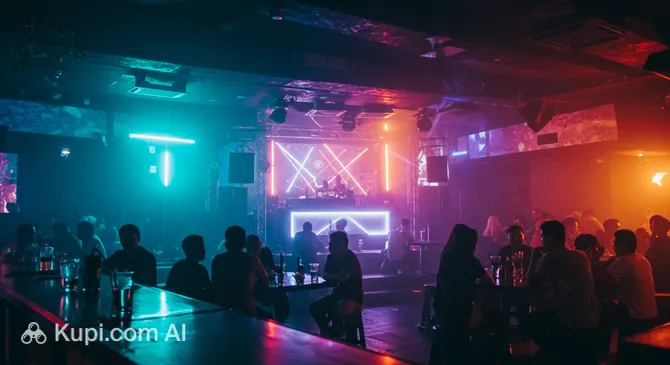
As the sun sets over Mount Merapi, Yogyakarta transforms from a center of ancient tradition into a vibrant hub of modern entertainment. Thanks to its large student population and thriving artistic community, the city offers a nightlife scene that is energetic, diverse, and incredibly affordable. Whether you prefer sipping cocktails in a lounge, singing your heart out at a karaoke club, or enjoying a live band in a creative space, the city has something to offer for every nocturnal traveler.
The nightlife in Yogyakarta is generally concentrated in a few key districts. Prawirotaman is the go-to area for international travelers and backpackers, lined with reggae bars, cafes, and venues hosting live acoustic music. The atmosphere here is laid-back and cosmopolitan. For a more upscale and local experience, head to the Seturan and Demangan areas in the north. These neighborhoods are popular with university students and young professionals, featuring trendy coffee shops that stay open late, nightclubs, and rooftop bars.
Karaoke is a favorite pastime in Indonesia, and Yogyakarta is no exception. It is a fun, social activity perfect for groups. One popular spot to experience this local culture is Happy Puppy Seturan. This family-friendly karaoke venue offers private rooms where you can sing along to a vast selection of international and local songs in comfort. It is a great way to unwind after a day of sightseeing.
Happy Puppy Seturan. Illustration.
Source: Kupi.com AI
Traveler photos:
For those seeking a more relaxed evening with a drink in hand, Bliss Pool and Lounge provides a refreshing escape. Venues like this often feature a chill ambiance, making them ideal for socializing or enjoying a quiet night out. Additionally, the city is home to unique creative hubs like XT Square, which combines culinary delights with arts and crafts, often hosting live performances that showcase the city's creative spirit.
The dress code in Yogyakarta is generally casual. In most bars and live music venues, t-shirts, jeans, and sneakers are perfectly acceptable. However, some upscale clubs in the Seturan area might require slightly smarter attire, such as closed shoes for men. The nightlife typically kicks off around 9:00 PM, with bars staying open until midnight or 1:00 AM, while clubs may go on until the early hours of the morning.
Getting around at night is safe and convenient. The most reliable way to travel between venues is by using ride-hailing apps like Gojek or Grab, which are available 24/7 and eliminate the need to haggle over taxi fares. While the city is generally safe for night walks, particularly in busy areas like Malioboro and Prawirotaman, it is always wise to stay in well-lit areas and avoid walking alone in quiet residential neighborhoods late at night.
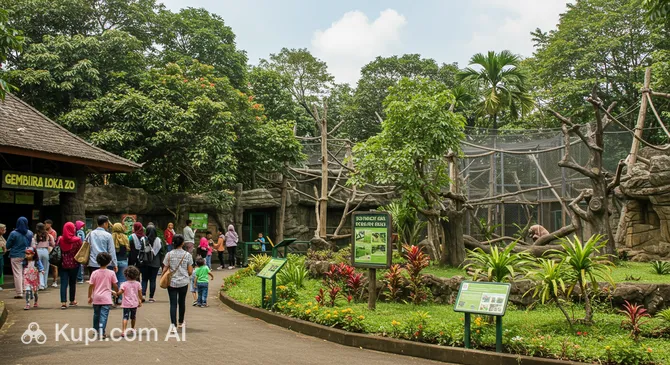
Before the sun goes down, Yogyakarta offers plenty of daytime entertainment options for families and thrill-seekers. You can cool off at Galaxy Waterpark or visit the educational Taman Pintar Yogyakarta, a science park that is perfect for children. For nature lovers, the Gembira Loka Zoo provides a lush, green environment to observe a variety of exotic animals, making it a delightful way to spend the afternoon before the evening festivities begin.
Gembira Loka Zoo. Illustration.
Source: Kupi.com AI
Traveler photos:
Parks & Museums
Beyond its bustling streets and famous temples, Yogyakarta offers a wealth of green spaces and specialized museums that provide a deeper understanding of its heritage. The city’s cultural landscape is dotted with historical parks and galleries that celebrate everything from aviation history to royal traditions, offering visitors a chance to explore the region's diverse identity.
For a unique outdoor experience that comes alive after sunset, Taman Pelangi Yogyakarta is a favorite destination. Located within the grounds of the Monjali monument, this "Garden of Rainbows" is famous for its spectacular display of colorful lampions and lanterns in various shapes and sizes. It is a fantastic spot for families and couples to enjoy a cool evening stroll surrounded by glowing art installations and light features.
Taman Pelangi Yogyakarta. Illustration.
Source: Kupi.com AI
Traveler photos:
Another significant open space is the North Alun-Alun Yogyakarta. This vast grassy square sits directly in front of the Sultan's Palace and has historically served as a gathering place for royal ceremonies and public events. Surrounded by large banyan trees, it remains a culturally important site where visitors can soak in the atmosphere of the old kingdom and witness the daily rhythm of local life near the palace walls.
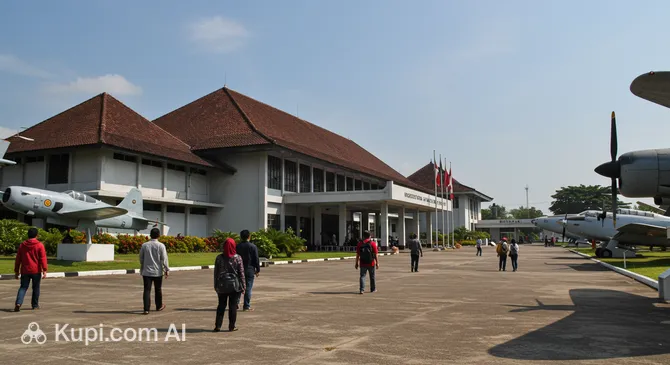
History buffs and aviation enthusiasts should not miss the Indonesian Air Force Museum Dirgantara Mandala. Yogyakarta is considered the birthplace of the Indonesian Air Force, and this extensive museum houses a remarkable collection of aircraft, including World War II planes, jet fighters, and gliders. The exhibits offer a fascinating look into the nation's military history and the struggle for independence from a unique aerial perspective.
Indonesian Air Force Museum Dirgantara Mandala. Illustration.
Source: Kupi.com AI
Traveler photos:
While the main Kraton is widely known, the Pakualaman Palace offers a quieter but equally enchanting glimpse into Javanese court culture. As the seat of the minor principality of Pakualaman, this palace features beautiful colonial-Javanese architecture and a well-preserved museum collection. Visitors can explore the elegant pavilions and view royal heirlooms without the heavy crowds often found at the larger palace.
For an authentic slice of local history, venture to the historic district of Kotagede and visit Pasar Legi Kotagede. This traditional market is one of the oldest in the region and operates on the Javanese calendar cycle. Wandering through its aisles offers a sensory overload of spices, traditional snacks, and local produce, providing an unfiltered look at the enduring commerce traditions of the old Mataram capital.
Getting Around
The public transport system in Yogyakarta is primarily reliant on a bus rapid transit network and a commuter train line, as the city does not have a metro or tram system. The main mode of public transportation within the city is Trans Jogja. These are comfortable, air-conditioned buses that operate on fixed routes connecting major tourist attractions, shopping districts, and transit terminals. Unlike standard city buses, Trans Jogja vehicles can only be boarded and exited at designated elevated shelters, known locally as halte, which are scattered throughout the city.
For payment, the system has largely shifted to cashless transactions. Passengers typically use prepaid electronic money cards issued by major banks, such as E-Money (Mandiri), Flazz (BCA), Brizzi (BRI), or TapCash (BNI). These cards can be purchased and topped up at widespread convenience stores like Indomaret and Alfamart. A single trip on Trans Jogja is very affordable, costing a flat rate of approximately IDR 3,600 regardless of the distance, provided you do not exit the shelter system during transfers.
Travelers planning to explore beyond the city limits, particularly to the neighboring city of Solo (Surakarta), can utilize the KRL Commuter Line. This electric train service is modern, punctual, and clean, offering a scenic and traffic-free way to travel between the two cultural hubs. The payment method for the KRL is similar to the buses, utilizing the same multi-purpose bank cards or specific app-based QR code tickets, making it easy to integrate into your travel plans.
For tourists, navigating the Trans Jogja system is relatively straightforward, but it is important to know that buses generally operate from 5:30 AM to 9:30 PM. When waiting at a shelter, there are usually staff members available to assist with routes and ensure you board the correct bus. It is advisable to check route maps online or at the shelter, as the network covers different loops. Always tap your card at the gate when entering the shelter; usually, no tap-out is required when leaving the bus.
If you prefer more direct and flexible transport, ride-hailing apps are an extremely popular alternative. Services like Gojek and Grab allow you to book both cars and motorbike taxis (ojek) directly from your smartphone with fixed prices. This is often the most efficient way to navigate the city's traffic, especially during rush hours. Conventional taxis are also available, with Bluebird being the most reputable company, known for using meters and providing reliable service.
A unique feature of the city's transport landscape is its traditional vehicles, which serve as both transport and a cultural experience. The three-wheeled pedicab, known as a Becak, is iconic to the region and perfect for short, leisurely trips through narrow lanes. Similarly, the horse-drawn carriages called Andong are frequently found around Malioboro Street. For these traditional modes of transport, prices are not fixed, so it is essential to negotiate and agree on a fare before starting your journey.
Accommodation
Yogyakarta offers a remarkably diverse range of accommodation options to suit every traveler's preference and budget. As a major tourist destination in Java, the city is well-equipped with everything from humble homestays and backpacker hostels to charming boutique hotels and luxurious five-star resorts. Whether you are looking for a cultural immersion in a traditional guesthouse or the modern comforts of an international chain, you will find a welcoming place to stay.
For those who wish to be in the heart of the action, the area surrounding Malioboro Street and the Sosrowijayan neighborhood is the most popular choice. Staying here places you within walking distance of major attractions, shopping centers, and the train station. Alternatively, the Prawirotaman district, located slightly south of the city center, is a favorite among international travelers. Known for its bohemian vibe, this area is lined with art cafes, restaurants, and mid-range hotels, offering a more relaxed atmosphere while still being accessible to the main sights.
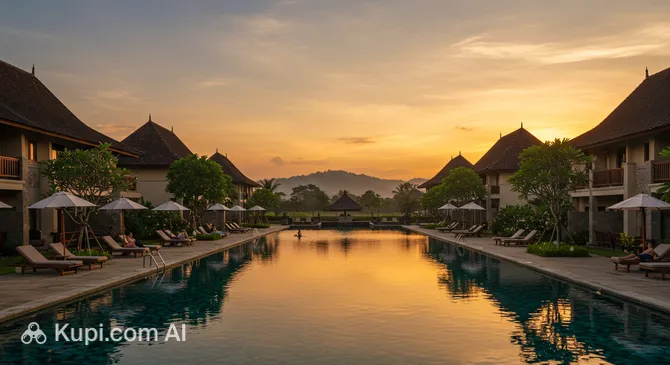
Travelers looking for comfort and convenience near the city center might consider the Alana Hotel & Conference Center Malioboro. It provides modern amenities and easy access to the bustling commercial districts. For a more resort-style experience that feels like a retreat from the urban rush, The Westlake Resort Jogja offers a scenic environment with water features and lush greenery, perfect for relaxation.
The Westlake Resort Jogja. Illustration.
Source: Kupi.com AI
Traveler photos:
Accommodation prices in Yogyakarta are generally very affordable compared to international standards. Budget travelers can find comfortable hostels and guesthouses for a very low cost, while mid-range hotels offer excellent value. Luxury options are available but are still reasonably priced. While walk-in bookings are possible at smaller establishments, it is highly recommended to book in advance, especially during the peak holiday seasons of June-July and December, as popular hotels fill up quickly. Most accommodations can be easily secured through major online booking platforms.
Nearby Cities
Yogyakarta serves as an excellent strategic base for exploring the wider Central Java region. The city is surrounded by destinations that offer diverse experiences, ranging from royal sister cities and colonial ports to centers of traditional craftsmanship. Taking a day trip or an overnight excursion to these nearby towns allows travelers to gain a deeper appreciation of the island's rich cultural tapestry.
The closest and most popular destination is Solo (Surakarta), often described as Yogyakarta's twin sister. Located just an hour away by commuter train, Solo shares a similar royal heritage but possesses a more laid-back, authentic charm. It is a fantastic place to shop for high-quality batik at lower prices and explore the historic Mangkunegaran Palace.
To the north lies Semarang, the provincial capital and a bustling port city. It presents a fascinating contrast to the traditional vibe of the interior, featuring the well-preserved "Kota Lama" (Old Town) with its Dutch colonial architecture. Food enthusiasts will also appreciate Semarang's unique culinary scene, which blends Javanese, Chinese, and European influences.
For those interested in Indonesia's artistic heritage, a visit to Pekalongan is highly recommended. Known as the "World's City of Batik," it is a hub for textile art where you can visit workshops and museums dedicated to the craft. Further northeast is Jepara, famous for its intricate wood carving industry and as the gateway to the tropical paradise of the Karimunjawa islands.
Heading towards the southern coast, Cilacap offers a mix of industrial history and seaside attractions. Visitors can explore the 19th-century Benteng Pendem fortress or relax on the black sand beaches facing the Indian Ocean. Below is a summary of these nearby destinations to help plan your excursions:
Shopping in Yogyakarta is a delightful experience that goes far beyond simple retail therapy; it is a cultural immersion into the artistic heart of Java. The city is renowned for its high-quality traditional crafts, particularly Batik textiles, silver jewelry, and leather goods. Unlike the glitzy high-end fashion capitals, the shopping scene here is defined by vibrant street markets, creative local concept stores, and affordable prices, making it the perfect place to hunt for unique treasures and authentic souvenirs.
The epicenter of retail activity is undoubtedly Malioboro Street. This legendary avenue is bustling from morning until night, with sidewalks lined by hundreds of vendors selling everything from printed Batik shirts and cotton sarongs to handcrafted keychains and sandals. Walking down this street is a rite of passage for every visitor. Behind the street vendors, you will find larger department stores and boutiques offering fixed-price goods, providing a mix of shopping styles in one location.
For those seeking a more modern and creative shopping environment, the city has seen a rise in trendy communal spaces. One such destination is JNM Bloc. Located within the Jogja National Museum complex, this adaptive reuse space hosts a variety of local tenants offering curated merchandise, indie fashion, and artisanal coffee. It represents the youthful, contemporary side of the city's retail landscape, perfect for finding distinctively designed local products.
JNM Bloc. Illustration.
Source: Kupi.com AI
Traveler photos:
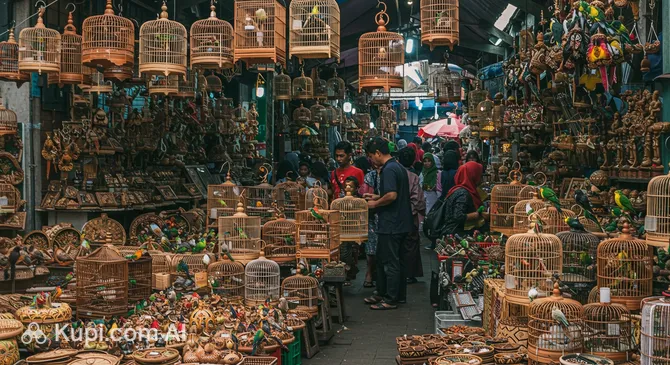
Traditional markets are the soul of the local economy. While the famous Beringharjo Market is the go-to for fabrics and spices, other markets offer specialized experiences. Ngasem Market, historically known as a bird market, has evolved into a cleaner, more organized space where you can find traditional snacks and observe the daily life of the locals. For a glimpse into the past, Pasar Legi Kotagede operates on the Javanese calendar and is a bustling hub for fresh produce and traditional wares in the historic silver district.
Ngasem Market. Illustration.
Source: Kupi.com AI
Traveler photos:
If you happen to visit during the holy month of Ramadan, the Jogokariyan Ramadan Village is a must-visit phenomenon. This seasonal market transforms the streets around the Jogokariyan Mosque into a vibrant culinary and shopping festival, attracting thousands of visitors looking for festive foods and clothing. It is a unique example of community-driven commerce that offers a spirited atmosphere found nowhere else.
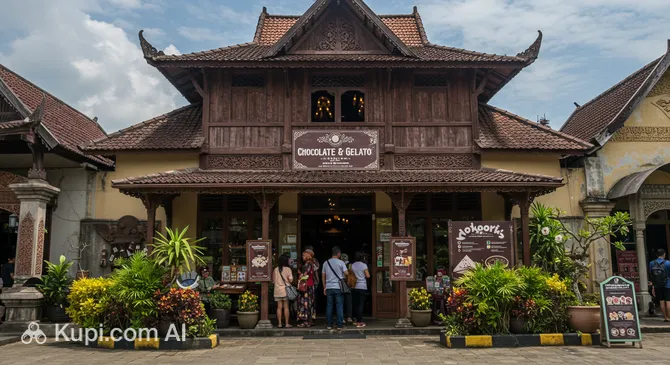
When it comes to souvenirs, Yogyakarta offers plenty of iconic options. Batik is the primary purchase for most, available in both stamped (cap) and hand-drawn (tulis) varieties. For edible gifts, Bakpia (sweet mung bean pastries) are a classic choice. Chocolate lovers should visit the House of Chocolate & Gelato Tirtodipuran, where you can buy locally produced chocolate that highlights Indonesia's high-quality cocoa beans, often mixed with unique local flavors like chili or ginger.
House of Chocolate & Gelato Tirtodipuran. Illustration.
Source: Kupi.com AI
Traveler photos:
Most shops in shopping malls typically operate from 10:00 AM to 10:00 PM. Traditional markets start much earlier, often at dawn, and wind down by the afternoon, though street vendors on Malioboro stay open late into the night. While modern malls and established boutiques accept credit cards, cash is essential for street markets and smaller vendors. Bargaining is expected and encouraged in places like Malioboro; start by offering about half the quoted price and negotiate with a smile to reach a fair deal.
Tourists visiting Indonesia may be eligible for a VAT refund on luxury goods purchased at registered "Tax Refund for Tourists" retailers, provided the transaction meets a minimum amount (usually IDR 500,000 per invoice). Look for the "Tax Free Shopping" signage in stores, and remember to present your passport to claim the tax invoice, which can be processed at the airport upon departure.