Support

Majalengka

About

Welcome to Majalengka, a captivating destination nestled in the province of West Java. Known for its refreshing atmosphere and stunning natural landscapes, this city is rapidly becoming a favorite stop for travelers exploring Indonesia. With a population of approximately 73,000 residents, it offers a more laid-back and authentic experience compared to the bustling metropolises of the region, allowing visitors to immerse themselves in local life.

The city is strategically located near the foot of Mount Ciremai, the highest volcano in West Java, which blesses the area with cool air and fertile soil. While modern developments like the new international airport are shaping its future, the deep-rooted history of Majalengka remains evident in its traditions and community spirit. The geography is characterized by rolling hills, vibrant green rice terraces, and a network of pristine rivers that carve through the lush terrain.
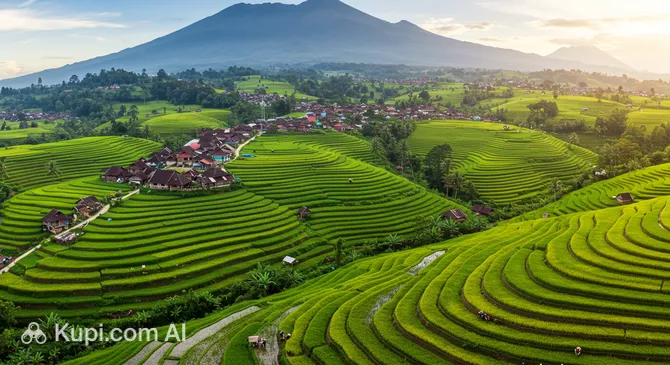
Majalengka. Source: Kupi.Binoculars

Nature lovers will find plenty to admire here. One of the most iconic sights is the Panyaweuyan Terraced Rice Fields, where the emerald slopes create a breathtaking panorama that is particularly magical during sunrise. The area is also famous for its numerous waterfalls, such as Curug Cipeuteuy, which offers a serene spot for relaxation amidst the forest. For those seeking crystal-clear waters, the blue lake of Situ Cipanten is a must-visit destination that showcases the region's aquatic beauty.

Whether you are passing through or planning a dedicated trip, Majalengka promises a refreshing escape into nature. Its blend of scenic vistas, cooler climate, and warm local hospitality makes it a delightful destination for anyone looking to discover the quieter, greener side of West Java.

Weather Overview

Majalengka enjoys a tropical climate characterized by consistent warmth and distinct wet and dry periods. The city generally experiences comfortable average temperatures ranging from 25°C to 27°C throughout the year, with nighttime lows rarely dropping below 21°C. For a more detailed breakdown of seasonal changes and forecasts, you can check the weather in Majalengka to help plan your itinerary.

The region has a pronounced rainy season that typically spans from November to April. During peak months like January and March, visitors should be prepared for frequent precipitation, with data showing rain on up to 30 days a month. Despite the wet conditions, the air remains warm, with average temperatures staying around 25°C to 26°C. This time of year brings out the vibrant green hues of the surrounding rice terraces and landscapes.

In contrast, the dry season from June to September offers clearer skies and significantly fewer wet days. August is notably dry, often recording only about 5 days with rain. As the rain subsides, the heat increases slightly; typical days in September and October can see maximum temperatures reaching up to 31.5°C. Expect warm conditions year-round with a heavy rainy season early in the year and a sunnier, drier period from mid-year onwards.

Interesting Facts

Beyond the main attractions, Majalengka holds many fascinating secrets and unique characteristics that add to its charm. From distinctive weather patterns to unexpected cultural hubs, here are some interesting facts about this West Javanese regency.

  • The Windy City: Majalengka is widely known by the nickname "Kota Angin" or the "Wind City." Residents and visitors often experience unusually strong gusts of wind here, particularly during the dry season. This phenomenon is largely attributed to its geographical location near Mount Ciremai, which channels air currents through the region with notable force.

  • A Hub for Roof Tiles and Clay Art: The district of Jatiwangi in Majalengka is historically famous as the center of the roof tile industry in Indonesia. This heritage has evolved into a unique cultural movement where locals create music using instruments made entirely from clay and terracotta, celebrating their deep connection to the earth.

  • Shallot Terraces Instead of Rice: While the stunning Panyaweuyan Terraces look like traditional rice paddies from a distance, they are actually largely dedicated to growing shallots and scallions. This agricultural choice gives the hillsides a distinct texture and a vibrant shade of green that differs from typical rice fields found elsewhere in the country.

  • Home to the Second Largest Airport: Despite being a relatively quiet region, Majalengka hosts the West Java International Airport (Kertajati). In terms of total area, it is the second-largest airport in the country, designed to serve as a major gateway and relieve air traffic from the capital, marking a significant contrast between modern infrastructure and the area's rural backdrop.

How to Get There

Reaching this scenic region in West Java has become increasingly convenient due to improved infrastructure. Whether you prefer flying directly close to your destination or landing in a major hub and enjoying a road trip, there are several options available. For a detailed overview of all routes and transport methods, you can read more about how to get to Majalengka to plan your journey effectively.

The most direct way to arrive is via the Kertajati International Airport (KJT), also known as West Java International Airport. It is located within the Majalengka regency itself, approximately 22.5 km from the city center. A taxi or bus ride from this airport typically takes around 55 minutes. While it is a modern and spacious facility, flight frequencies can vary, so it is advisable to check schedules in advance.

For those coming from further afield or seeking more flight options, Soekarno-Hatta International Airport (CGK) in Jakarta is the primary gateway to Indonesia. Although it is situated about 190 km away, it handles the vast majority of international traffic. The journey by road from Jakarta to Majalengka can take approximately 5 hours, depending on traffic conditions on the toll road.

Another excellent alternative is Husein Sastranegara Airport (BDO) in the nearby city of Bandung. Located roughly 72 km from Majalengka, this airport offers a good balance of convenience and distance. The drive from Bandung usually takes about 2 hours and 10 minutes, taking you through some of the picturesque landscapes of West Java.

For clarity, here is a summary of the main airports:

Airport Name City Passenger Traffic Km from City
Soekarno-Hatta International Airport Jakarta Very High 190.8
Yogyakarta International Airport Yogyakarta High 233.9
Husein Sastranegara Airport Bandung Medium 72.4
Halim Perdanakusuma Airport Jakarta Medium 160.6
Kertajati International Airport Majalengka Small 22.5

While Majalengka does not have a major railway station in the city center, train travel remains a popular choice for visitors exploring Java. Travelers typically take a train to the Cirebon Station in the neighboring city of Cirebon, which is a major rail hub on the island. From Cirebon, you can easily catch a shuttle bus or taxi to Majalengka, a journey that generally takes between 60 to 90 minutes. Alternatively, some visitors choose to arrive at Bandung Station and continue their trip by road.

Main Attractions

Majalengka is a treasure trove of natural beauty, offering visitors a chance to explore landscapes that range from misty highlands to adrenaline-pumping peaks. While the region is dotted with numerous scenic spots, a few stand out as essential experiences for any traveler looking to capture the essence of this West Javanese regency.

Terasering Panyaweuyan is arguably the most photogenic location in the area. Located in the Argapura district, these hills are carved into magnificent terraces that create a giant green amphitheater. Unlike typical rice paddies, these fields are often planted with shallots and vegetables, giving them a distinct texture and vibrant color. The site is a favorite among photographers, especially at sunrise when the interplay of light, shadow, and morning mist transforms the valley into a mystical landscape.

For a unique geological wonder, a visit to Curug Ibun Pelangi is highly recommended. Often compared to the Green Canyon, this spot features a waterfall cascading between towering, exotic rock cliffs. The name, which translates to "Rainbow Dew," refers to the magical phenomenon where sunlight filters through the canyon walls and hits the mist, creating faint rainbows. It is a serene place to enjoy the sound of rushing water and the cool, enclosed atmosphere of the river valley.

Adventure seekers should head to Paralayang Adventure Land on Mount Panten. This destination is famous for offering paragliding experiences that allow you to soar above the city and enjoy panoramic views of the surrounding lush greenery. Even if you prefer to keep your feet on the ground, the hilltop offers a fantastic vantage point for sunsets and a refreshing breeze, making it a popular hangout spot for locals and tourists alike.

Another captivating stop is Ciboer Pass, which offers a more relaxed way to appreciate the region's scenery. This area is known for its terraced rice fields that frame a perfect view of the majestic Mount Ciremai in the background. It serves as an excellent location to take a break, enjoy a cup of local coffee, and soak in the peaceful rural ambiance that defines the charm of Majalengka.

Local Cuisine

The local cuisine of Majalengka is a delightful reflection of West Javanese (Sundanese) culture, characterized by fresh ingredients, savory spices, and a love for sambal (chili paste). One distinctive feature of the city's gastronomy is its reputation for producing high-quality sweet soy sauce (kecap). This local condiment is legendary in the region and serves as a key ingredient that enhances the flavor profile of many traditional dishes, giving them a unique, sweet-savory balance.

When it comes to must-try dishes, Jalakotek stands out as the city's signature snack. Resembling a pastel, this treat is made from tapioca flour (aci) and filled with seasoned tofu and spices. It has a crispy outer skin with a chewy texture inside, typically served with a sprinkle of chili powder or spicy sauce. Another staple is Nasi Lengko, a humble yet flavorful dish consisting of white rice topped with diced fried tofu, tempeh, fresh cucumber, and bean sprouts, all generous drizzled with peanut sauce and the famous local sweet soy sauce.

Majalengka is also renowned for its exceptional fruits, which are a major part of the local diet. The Gedong Gincu Mango is an icon of the region, famous for its reddish-orange skin and sweet, fragrant flesh. For those with an adventurous palate, the Sinapeul area produces a highly prized variety of Durian, known for its thick, creamy texture and sweet taste, making the city a fantastic destination for fruit lovers.

To accompany your meal, you will find a variety of traditional beverages. Given the region's "Wind City" reputation and cooler highland air, warm drinks like Bandrek or Bajigur are local favorites. These are made from ginger, palm sugar, and coconut milk, offering a soothing way to warm up in the evening. For a non-alcoholic refreshment during the hot days, fresh fruit juices, particularly mango juice, are widely available and incredibly refreshing.

The food culture in Majalengka is authentic and unpretentious. Locals and tourists alike flock to the street food stalls (*warungs*) and night markets, particularly around the city square (Alun-Alun). Here, dining is often a communal experience enjoyed lesehan style—sitting on mats on the ground. This relaxed atmosphere allows visitors to mingle with residents and enjoy affordable, delicious homemade meals right in the heart of the city.

Travel Tips

Visiting Majalengka offers a unique glimpse into the authentic side of West Java, but navigating this developing region requires a bit of local know-how. These practical tips will help you prepare for the climate, culture, and logistics to ensure your journey is smooth and enjoyable.

  1. Clothing and Gear: Given the tropical climate, pack lightweight and breathable fabrics to stay cool during the day. However, since Majalengka is known as the "Wind City" and features higher altitudes, bring a light jacket or windbreaker for breezy evenings and mountain excursions. Dress modestly by covering your shoulders and knees to respect local customs, especially when visiting religious sites or rural villages.

  2. Transportation: Public transport is mostly limited to local minivans known as angkot, which can be tricky for tourists to navigate. The most convenient way to reach scattered waterfalls and rice terraces is to rent a motorbike or hire a private car with a driver. Ride-hailing apps are available in the town center but can be difficult to find in remote areas.

  3. Finances: The official currency is the Indonesian Rupiah (IDR). While modern hotels may accept cards, cash is absolute king here. Be sure to withdraw sufficient funds from ATMs in the city center before heading to nature spots, as entrance fees, street food stalls, and local markets rarely accept digital payments.

  4. Health and Safety: Pharmacies, locally called Apotek, are readily available in the main town area for basic supplies. The region is generally very safe for tourists, but exercise caution on the narrow, winding mountain roads. Always carry mosquito repellent if you plan to hike or visit waterfalls.

  5. Communication: The primary language is Bahasa Indonesia, with Sundanese widely spoken by locals. English is not widely understood outside of major hotels, so downloading an offline translation app is crucial. Buying a local SIM card, preferably Telkomsel for better rural coverage, will help you stay connected.

  6. Local Etiquette: The people of Majalengka are known for their warmth; a smile and a polite nod are appreciated greetings. Always use your right hand for eating, giving, or receiving items, as using the left hand is considered impolite. Additionally, remember to remove your shoes before entering a local home or a mosque.

  7. What to Avoid: Avoid public displays of affection, such as kissing or hugging, as the local culture is conservative. It is also important to never drink tap water; stick to sealed bottled water or boiled water to prevent any health issues.

  8. Timing Your Visits: To experience the famous Panyaweuyan Terraced Rice Fields at their most magical, aim to arrive early in the morning, around 6:00 AM. This is when the lighting is best for photography, the air is crisp, and the crowds are minimal.

By keeping these suggestions in mind, you will be well-equipped to embrace the rustic charm and natural beauty of the region. Enjoy the stunning landscapes and the genuine hospitality that make this hidden gem of West Java so special.

Entertainment & Nightlife

Entertainment in Majalengka is defined by a laid-back and authentic atmosphere rather than a high-energy clubbing scene. As the sun sets, the "Wind City" cools down, and the locals embrace a culture of socializing (nongkrong) at open-air public spaces, culinary night markets, and a growing number of modern coffee shops. The nightlife here is family-friendly and centered around good food, acoustic music, and community gatherings, making it a safe and pleasant experience for visitors.

The heart of the city's evening activity is undoubtedly Alun-Alun Majalengka. Recently renovated with terracotta accents and beautiful fountains, this town square transforms into a vibrant hub after dark. It is the perfect place to mingle with residents, enjoy the cool breeze, and sample local street snacks from the surrounding vendors. Just a short distance away, Jalan KH. Abdul Halim serves as the city's main artery, lined with restaurants, shops, and cafes that stay open late, offering a lively strip for a night walk or a casual dinner.

For a true taste of local nightlife, you must visit Mambo Reborn. Located on Jalan Babakan, this legendary culinary center comes alive particularly on Saturday nights. It is a nostalgic street food market where you can find everything from traditional snacks to modern treats. The atmosphere is bustling and festive, often accompanied by live music performances or community events, making it a favorite spot for young people and families alike to enjoy the weekend.

The cafe culture in Majalengka has boomed in recent years, providing excellent spots for evening relaxation. Tiga Delapan Cafe is one of the most popular hangouts, known for its industrial-modern design and cozy ambiance. It offers a wide range of coffee, mocktails, and light meals, making it a trendy place to unwind. Another notable venue is Buddys Coffee & Grill, which offers a comfortable setting for dinner and conversation. These venues typically operate until around 10:00 PM or 11:00 PM, and the dress code is casual but modest.

During the day, entertainment options focus on family fun and shopping. Yogya Grand Majalengka is the premier shopping destination on the main street, offering a supermarket and department store for those looking to buy necessities or souvenirs. For outdoor recreation, Jembar Waterpark is a local favorite, featuring dinosaur-themed decorations and large pools that provide a refreshing break from the tropical heat.

When exploring Majalengka at night, it is best to use ride-hailing apps like Gojek or Grab, as traditional public transportation (angkot) becomes scarce after sunset. The city is generally very safe for night walks, especially in the busy downtown areas like the Alun-Alun and Jalan KH. Abdul Halim. However, it is always wise to carry cash, as many street food vendors at the night markets do not accept cards.

Parks & Museums

While Majalengka is famous for its terraced hills and waterfalls, the city and its surroundings also offer charming green spaces and historical sites that tell the story of the region's rich past. From modern parks that celebrate the area's aviation future to ancient repositories of local kingdoms, there are several spots where visitors can relax or dive deep into the local culture.

Taman Dirgantara (Aerospace Park) is one of the most distinctive landmarks in the city, located at the Munjul Roundabout. The park is instantly recognizable by the imposing A-4 Skyhawk fighter jet monument that stands at its center, symbolizing the region's growing connection to aviation with the presence of the international airport. It is a favorite spot for locals to jog in the mornings or enjoy the illuminated fountains and lively atmosphere in the evenings.

Another popular community hub is Taman Bagja Raharja. Built on the site of a former police station, this park has been transformed into a modern public space featuring the futuristic Raharja Khoirul Ummah Mosque. With its open green areas, futsal field, and rows of culinary booths, it serves as a perfect place to mingle with residents and enjoy the cool afternoon breeze in the heart of the city.

For history enthusiasts, the Museum Talaga Manggung is an essential stop. Located in the Talaga district, this museum preserves the legacy of the Talaga Manggung Kingdom, which ruled the area from the 14th to the 19th century. The collection includes royal heirlooms, ancient weapons, and gamelan instruments. It is also the site of the sacred "Nyiramkeun" ritual, where these artifacts are ceremonially cleansed, drawing visitors interested in Sundanese traditions.

Closer to the city center, you can visit Gedung Juang, a colonial-era building that houses the Museum Alit Grumala. Although small, this museum offers a fascinating glimpse into the region's history, displaying everything from colonial memorabilia and photos of former regents to prehistoric fossils found in the area. It stands as a testament to the diverse timeline of Majalengka, from ancient times to the struggle for independence.

A unique historical gem worth exploring is the Rumah Adat Panjalin in the Sumberjaya district. Believed to be over 300 years old, this traditional wooden stilt house is one of the oldest remaining structures in West Java. It serves as a silent witness to the spread of Islam in the region and offers a rare look at the architectural ingenuity of the past, having survived centuries without the use of modern nails.

For a truly authentic experience, look out for the vibrant clay art culture in the Jatiwangi district. While not a traditional museum, the area acts as a living gallery where the community celebrates their heritage of roof-tile making through music and terracotta art festivals, offering a creative side of Majalengka that you won't find in guidebooks.

Getting Around

The public transport system in Majalengka is modest and straightforward, relying primarily on road-based vehicles rather than a complex network of trains or metros. As a developing city and regency, it does not have a subway, tram, or city bus system. Instead, the backbone of local mobility is the Angkot (Angkutan Kota), which are colorful public minivans that ply specific routes throughout the town and connecting districts. These minivans are the most authentic way to travel like a local, with different colors or numbers on the windshield indicating their specific destination.

For visitors unfamiliar with the routes, the payment system is strictly cash-based. There are no travel cards, digital passes, or ticket machines for public transport here. You simply pay the driver directly when you reach your destination. Fares are very affordable, typically ranging from IDR 3,000 to IDR 10,000 depending on the distance. It is essential to carry small denominations of Indonesian Rupiah, as drivers often have limited change for large bills.

Using an angkot requires a bit of local know-how. There are no designated bus stops; you can hail a van from the side of the road by simply waving your hand. To disembark, tell the driver "Kiri" (meaning "left" or "pull over") a few moments before you reach your spot. These minivans generally operate from early morning until late afternoon, roughly 5:00 AM to 6:00 PM. Service becomes infrequent or non-existent after sunset, so it is crucial to plan your return journey accordingly if you are out for the day.

For a more convenient and modern alternative, ride-hailing apps such as Gojek and Grab are available, particularly within the Majalengka city center and near the airport. These apps allow you to book both cars and motorcycle taxis (ojol) with fixed prices, eliminating the language barrier and the need to negotiate fares. However, be aware that availability can be scarce if you travel to remote waterfalls or highland areas like the Panyaweuyan terraces.

Traditional motorcycle taxis, known as Ojek Pangkalan, are another common option, usually found waiting at street corners or markets. Unlike the app-based versions, these require price negotiation before the ride begins. They are particularly useful for short trips or reaching areas where cars cannot easily pass. Always agree on a price upfront to avoid misunderstandings later.

Given the scattered nature of Majalengka's natural attractions, many tourists find that renting a motorbike is the most practical solution. Rental services are available in the town center, and having your own vehicle offers the freedom to explore the scenic mountain roads at your own pace. While there are no city bikes or car-sharing schemes, the flexibility of a scooter is perfectly suited to the region's terrain.

A notable feature of the local transport landscape is the DAMRI bus service connected to the West Java International Airport (Kertajati). These modern, air-conditioned buses provide reliable transfers between the airport and Majalengka city, as well as to neighboring cities like Bandung and Cirebon. This is the most structured and comfortable public transport option available in the region, specifically designed to support air travelers.

Accommodation

Accommodation in Majalengka caters primarily to budget-conscious travelers and those seeking authentic local experiences. As a developing tourist destination, the city does not yet boast extensive chains of luxury resorts or five-star international properties. Instead, visitors will find a welcoming selection of clean and comfortable mid-range hotels, budget guesthouses, and traditional homestays that offer excellent value for money.

For those prioritizing convenience and access to amenities, the city center is the best place to base yourself. Staying near Jalan KH. Abdul Halim or the Alun-Alun puts you within walking distance of local restaurants, convenience stores, and the main public transport routes. This area is ideal for business travelers or tourists who want to explore the town's culinary scene after a day of sightseeing.

Travelers looking to immerse themselves in nature should consider staying in the highland districts such as Argapura or Sindangwangi. These areas offer numerous villas and homestays nestled among the rice terraces and hills. Waking up here allows you to enjoy the cool mountain air and stunning panoramic views right from your window, often just a short ride away from major attractions like the Panyaweuyan Terraces.

Another strategic area is the vicinity of the Kertajati International Airport. With the airport's expansion, several transit hotels and comfortable accommodations have sprung up to serve passengers with early flights or late arrivals. These options are modern and practical, ensuring a restful stopover before continuing your journey into West Java.

Booking Tip: While it is often possible to find a room upon arrival during weekdays, it is highly recommended to book your accommodation in advance if you plan to visit during weekends or national holidays, especially around Lebaran (Eid al-Fitr). During these peak times, the limited number of rooms in popular hotels can fill up very quickly.

In terms of pricing, Majalengka is a very affordable destination. Most stays fall into the budget to lower-mid-range category, making it easy to travel without breaking the bank. While international booking platforms are increasingly covering the area, some smaller local homestays may still rely on direct bookings via phone or messaging apps. Checking local Indonesian travel aggregators can often yield the best deals and the widest selection of properties.

Nearby Cities

For those looking to explore the surroundings, Majalengka serves as an excellent base for day trips to several interesting nearby locations:

City Population Distance (km)
Sumedang 1,240,000 33
Cilacap 1,174,964 114
Tasikmalaya 678,027 57
Cimahi 586,580 76
Bandung 432,557 68

One of the most popular destinations for a day trip is Bandung, the vibrant capital of West Java. Located approximately 68 km away, it offers a lively contrast to the rural charm of Majalengka. Visitors flock here to admire the Dutch colonial architecture, shop at the famous factory outlets, and explore the cool highlands of Lembang. The city is also a culinary paradise, offering everything from street food to high-end dining experiences, making it well worth the journey.

Closer to home, Sumedang is a convenient and culturally rich stop just 33 km from the city. It is legendary across the country for its deep-fried tofu, known as Tahu Sumedang, which you must try fresh from the local stalls. Beyond its culinary fame, the town holds historical significance as the seat of the former Sumedang Larang Kingdom, with museums displaying royal heirlooms that offer a deep dive into Sundanese history.

For those interested in traditional crafts and dramatic landscapes, Tasikmalaya is another excellent option. This city is renowned as a center for handicrafts, particularly intricate embroidery and woven wicker goods. Nearby, travelers can visit the active volcano Mount Galunggung or the traditional village of Kampung Naga, which provides a unique insight into a community living in harmony with ancient customs and nature.

These nearby destinations offer a glimpse into the diverse culture and landscapes of the region, allowing travelers to experience the broader beauty of West Java.

Shopping & Souvenirs

Shopping in Majalengka offers a modest yet authentic experience that reflects the local lifestyle of West Java. While the city is not known as a major retail destination like Bandung or Jakarta, it provides a charming mix of modern conveniences and traditional commerce. Visitors can explore bustling local markets, growing modern retail centers, and specialty shops that highlight the region's agricultural and artistic heritage.

The primary hub for shopping activity is centered along Jalan KH. Abdul Halim. As the main thoroughfare of the city, this street is lined with a variety of shophouses (ruko) selling everything from clothing and electronics to daily necessities. Walking along this strip allows tourists to browse local fashion boutiques and small convenience stores while soaking in the lively atmosphere of the town center.

For a more modern shopping experience, Yogya Grand Majalengka is the most prominent destination in the city. Located on the main street, this department store and supermarket complex serves as a one-stop shop for residents and travelers alike. Here, you can find branded clothing, cosmetics, and a well-stocked supermarket for travel essentials. Another popular option is Surya Toserba, a local department store chain that offers a wide range of affordable goods, from fashion to household items.

To truly understand the local culture, a visit to a traditional market is essential. Pasar Cigasong is one of the busiest markets in the area, particularly vibrant in the early hours of the morning. It is the best place to see the abundance of local agriculture, with vendors selling fresh produce, spices, and traditional snacks. The market offers a sensory overload of sights and smells, providing a stark contrast to the air-conditioned aisles of the modern stores.

When it comes to souvenirs, Majalengka has several unique products worth taking home. The region is famous for its Batik Majalengka, which features distinctive motifs inspired by local icons such as the Gedong Gincu mango and the "Wind City" theme. Food souvenirs are also highly popular; you should look for the legendary local sweet soy sauce (kecap), which has a distinct savory-sweet flavor profile. Additionally, if you are visiting during harvest season, a box of fresh Gedong Gincu mangoes is a must-buy treat.

Store opening hours in Majalengka generally follow standard Indonesian practices. Modern shopping centers and department stores typically operate from 10:00 AM to 9:00 PM or 10:00 PM. Traditional markets start much earlier, often bustling by 4:00 AM and winding down around noon. In terms of payment, cash is essential, especially at traditional markets, street stalls, and smaller souvenir shops. While major department stores like Yogya Grand accept credit cards and digital payments (QRIS), it is advisable to carry sufficient Indonesian Rupiah (IDR) for most transactions.

Tourists should note that Majalengka does not offer a tax-free shopping scheme for international visitors. The tax refund system in Indonesia is generally limited to specific registered retailers in major international gateways and tourist hubs like Jakarta and Bali. Therefore, the price you see on the tag is the final price you pay.

Reached the end of the page?

That means the route is fully explored