Support

Bandung

About

Nestled in the highlands of West Java, Bandung is a captivating destination that effortlessly blends natural beauty with urban energy. Often referred to as "Paris van Java" due to its European ambiance and rich culture, this city offers a refreshing escape with its distinctively cool climate. As one of the most popular getaways in Indonesia, it attracts travelers seeking both relaxation and adventure amidst a backdrop of lush volcanic mountains.

Geographically, the city sits in a river basin surrounded by the Parahyangan mountains, which provide a scenic panorama and a pleasant temperature that averages around 23°C (73°F). This mild weather makes exploring the city's vibrant streets and surrounding nature parks a delight throughout the year. While it is a bustling metropolis, the atmosphere remains welcoming and laid-back, making it a favorite for families and solo travelers alike.
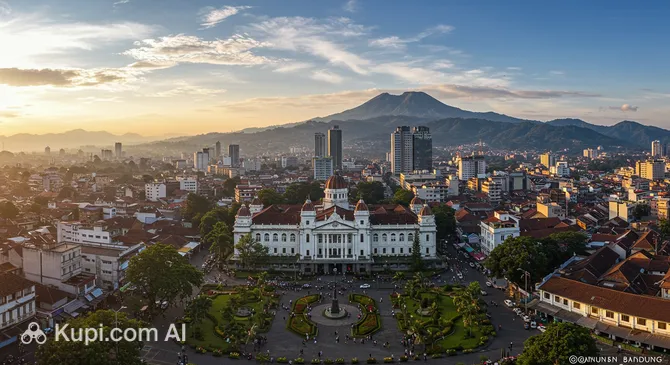
Bandung. Source: Kupi.Binoculars

The city's charm is deeply rooted in its past. Architecture enthusiasts will admire the well-preserved Art Deco buildings that line the streets, serving as a testament to the colonial era. To truly understand the development and cultural significance of this highland capital, exploring the history of Bandung is highly recommended, as it reveals how a small garrison grew into a center of education and style.

Beyond its heritage, Bandung is a haven for nature lovers and shoppers. You can visit the dramatic crater of Tangkuban Perahu, an active volcano just north of the city, or stroll through the picturesque tea plantations in Ciwidey. For those who prefer urban comforts, the city is famous for its factory outlets and a thriving culinary scene that offers everything from traditional Sundanese dishes to modern cafe treats.

Whether you are looking to immerse yourself in local culture, shop for the latest fashion, or simply breathe in the fresh mountain air, Bandung promises an unforgettable experience. It is a destination that invites you to slow down and enjoy the unique rhythm of life in the mountains of Java.
Weather Overview

Thanks to its elevation, the city enjoys a mild and pleasant climate that offers a welcome respite from the typical tropical heat found elsewhere in the region. Temperatures remain remarkably consistent throughout the year, with daily averages generally hovering around 23°C to 24°C. You can expect warm days with highs reaching up to 28°C, while evenings are refreshing, with minimum temperatures occasionally dropping to around 19°C during the cooler months of July and August.

Rainfall is the primary factor to consider when planning your trip, as the region experiences distinct wet and dry periods. The wet season, spanning from November to April, brings frequent showers, with January often seeing rain on up to 30 days of the month. Conversely, the dry season from June to September offers clearer skies and significantly less rainfall, making it the optimal time for outdoor exploration. To choose the best dates for your visit, it is recommended to review the detailed guide to the weather in Bandung.

Interesting Facts

Beyond the cool mountain air and colonial architecture, Bandung holds several fascinating stories that add depth to its charm.
Gedung Sate. Source: Kupi.Binoculars
  • The city is geographically unique because it sits in a vast basin that was once a prehistoric lake; this ancient body of water, known as Lake Bandung, formed millennia ago following the eruption of Mount Sunda.

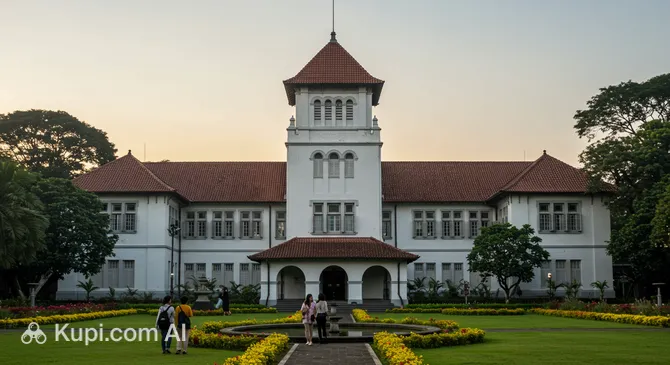
  • The iconic Gedung Sate gets its name from the central pinnacle's ornament, which resembles a satay skewer; local legend says the six items on the skewer symbolize the six million guilders spent on its construction in the 1920s.

  • Bandung played a pivotal role in global diplomacy as the host of the 1955 Asian-African Conference, a historic gathering that took place at the Merdeka Building to promote peace and cooperation among newly independent nations.

  • The Cihampelas district is affectionately known as "Jeans Street," where shoppers near Cihampelas Walk are greeted by larger-than-life statues of superheroes and movie characters decorating the facades of denim shops.

How to Get There

Reaching this highland city is relatively straightforward, with several options available depending on your starting point and travel preferences. You can find all ways to reach the city and plan the most convenient route for your trip. While many visitors arrive via the capital, Jakarta, there are direct flight options that place you right in the heart of the destination.

The most direct entry point is Husein Sastranegara Airport (IATA: BDO), located within Bandung itself. It primarily serves domestic routes and select regional flights, making it a convenient choice if you are connecting from other Indonesian cities or nearby countries. Since the airport is only about 5.2 km from the city center, the transfer is very quick; a taxi or bus ride takes approximately 30 minutes.

For international travelers, the main gateway is often Soekarno-Hatta International Airport (IATA: CGK) in the city of Jakarta. It is the busiest airport in the country and offers extensive global connections. Although it is located about 138 km from Bandung, many tourists choose to land here and continue their journey by shuttle bus or train. The travel time by road can vary significantly due to traffic, but you should estimate around 3 hours and 45 minutes for a taxi ride.

Another emerging option is Kertajati International Airport (IATA: KJT), situated in the city of Majalengka. Designed to serve the West Java region, it is approximately 67 km away from Bandung. A trip from this airport to the city center generally takes about 2 hours by taxi or bus.

For clarity, here is a summary of the main airports:
Airport Name City Passenger Traffic Km from City
Soekarno-Hatta International Airport Jakarta Large 137.9
Yogyakarta International Airport Yogyakarta Medium 290.3
Husein Sastranegara Airport Bandung Medium 5.2
Halim Perdanakusuma Airport Jakarta Medium 107.9
Kertajati International Airport Majalengka Small 67.0

Besides air travel, Bandung is well-connected by an extensive railway and road network. The train journey from Jakarta is famous for its scenic views of lush mountains and tea plantations, offering a relaxing alternative to driving. Additionally, frequent shuttle bus services, known locally as "travel," operate between major cities in Java, providing an affordable and efficient way to reach the city.

Main Attractions

Bandung is a city that effortlessly combines urban excitement with the serenity of nature. From world-class entertainment complexes to scenic highland retreats, the area offers a diverse range of activities. Visitors can explore historical landmarks that shaped global diplomacy or simply enjoy the cool mountain air while sampling local delicacies.

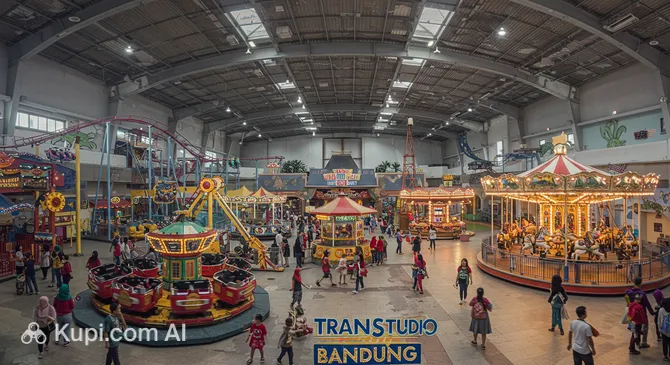
One of the most popular destinations for families and thrill-seekers is Trans Studio Bandung. As one of the largest indoor theme parks in the world, it provides a spectacular array of rides and entertainment protected from the elements. The park features distinct thematic zones, including a Broadway-style district and a fantasy world, offering everything from adrenaline-pumping roller coasters to high-quality live theatrical shows.

Trans Studio Bandung. Source: Kupi.Binoculars

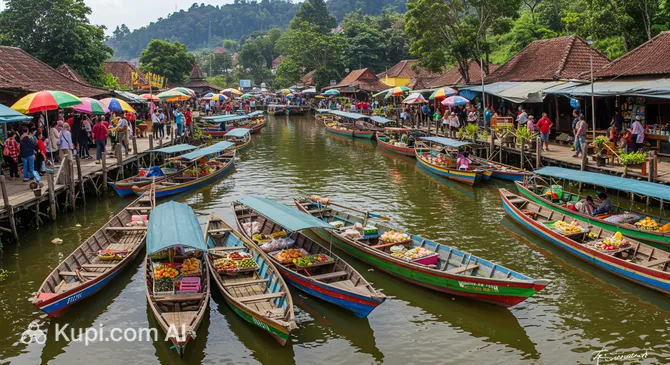
For a refreshing outdoor experience, the Lembang Floating Market in the northern hills is a must-visit. This attraction is centered around a scenic lake where vendors sell a variety of traditional Indonesian snacks and meals directly from their boats. Beyond the unique culinary experience, visitors can explore beautifully landscaped gardens, enjoy water activities, or visit the mini-zoo, making it a perfect spot for relaxation.

Lembang Floating Market. Source: Kupi.Binoculars

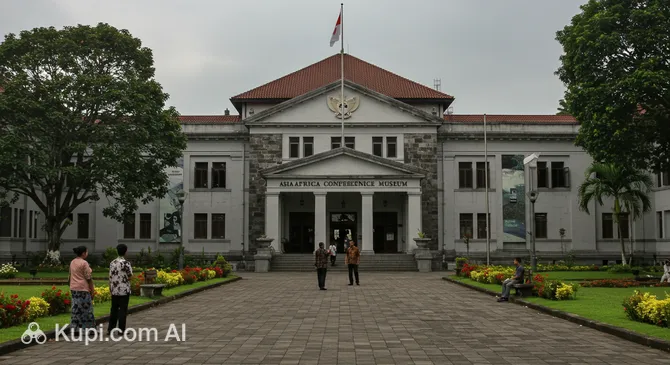
Those interested in the city's rich heritage should visit the Asia-Africa Conference Museum. Located within the historic Merdeka Building, this museum commemorates the pivotal 1955 conference that brought together leaders from Asian and African nations to promote peace and cooperation. The exhibits include original artifacts, photographs, and the preserved main hall, offering a deep dive into a significant moment in modern history.

Asia-Africa Conference Museum. Source: Kupi.Binoculars

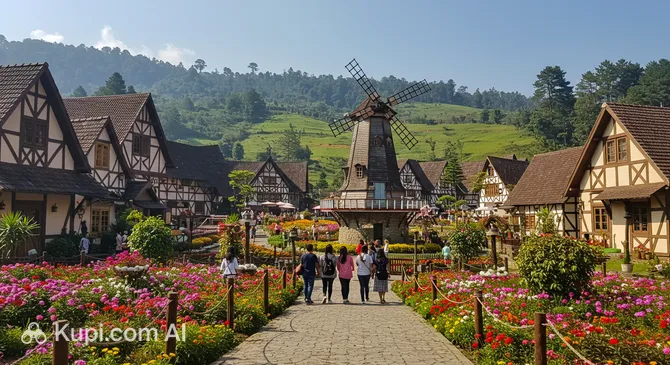
Another highlight in the Lembang area is Farmhouse Lembang, which attracts tourists with its charming European-style atmosphere. Famous for its "Hobbiton" house and Dutch architectural elements, it offers excellent photo opportunities and a whimsical vibe. Guests can interact with farm animals, rent traditional costumes, and enjoy fresh milk, creating a fun and memorable experience for visitors of all ages.

Farmhouse Lembang. Source: Kupi.Binoculars

Local Cuisine

The local cuisine in Bandung is legendary across Indonesia, serving as the heart of Sundanese culinary culture. Food here is characterized by its freshness, vibrant flavors, and the ubiquitous presence of sambal (spicy chili paste) and lalab (fresh raw vegetables). For tourists, the city offers an endless gastronomic adventure, ranging from humble street stalls to sophisticated dining venues, all set against the backdrop of the cool highland air.

One cannot visit the city without trying its most iconic street snacks: Batagor and Siomay. Batagor, an abbreviation for Bakso Tahu Goreng, consists of fried fish dumplings and tofu served with a rich peanut sauce and a splash of sweet soy sauce. Another local favorite is Seblak, a spicy and savory dish made from wet kerupuk (crackers) cooked with aromatic spices, vegetables, and various toppings like chicken feet or sausages. For a heartier meal, look for Mie Kocok, a delicious beef noodle soup with tender kikil (beef tendon) and bean sprouts in a rich broth.

Due to the cool climate, traditional warm drinks are very popular among locals. You should try Bandrek, a sweet and spicy beverage made from ginger, palm sugar, and cinnamon, or Bajigur, which combines coconut milk and palm sugar for a soothing treat. While Indonesia is a predominantly Muslim country, alcohol is available in licensed venues. Visitors looking for a place to enjoy a drink can visit establishments like Oj's Tavern or Afterhour Billiard & Lounge, which offer a lively atmosphere for nightlife.

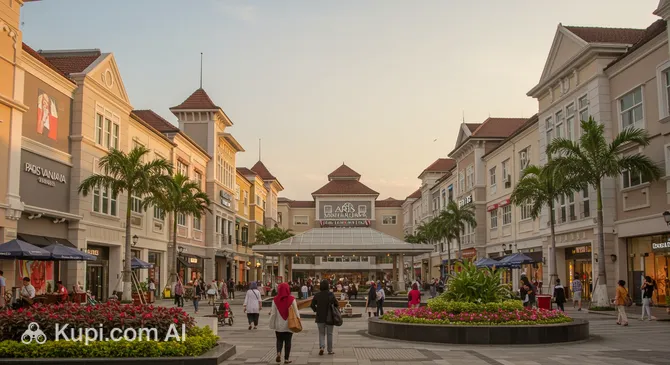
Paris Van Java. Source: Kupi.Binoculars

The food scene in Bandung is incredibly diverse. You can find excellent local dishes at traditional restaurants such as Pasteur Restaurant, which serves authentic flavors in a comfortable setting. For those who prefer a mix of shopping and dining, the Paris Van Java complex is a top destination. This open-air lifestyle center features rows of cafes and restaurants offering everything from traditional Sundanese feasts to international cuisine, making it a perfect spot to relax and people-watch.

Street food culture is also vibrant, especially around areas like the Sudirman Street Day and Night Market. Here, the aroma of grilled satay and frying snacks fills the air, inviting travelers to taste the authentic soul of the city. Whether you are dining in a colonial-style bistro or grabbing a quick bite from a roadside cart, the culinary delights of this highland city are sure to be a highlight of your trip.

Travel Tips

Welcome to Bandung, where the refreshing mountain breeze and vibrant culture create a unique travel experience different from the rest of Indonesia. To help you navigate the "Paris van Java" with ease and confidence, we have compiled a set of practical guidelines to ensure your journey is as smooth as it is memorable.

  1. Clothing and Gear

    Unlike the sweltering heat of Jakarta or Bali, Bandung has a mild highland climate. You should bring a light jacket, sweater, or hoodie, especially for the evenings when temperatures drop. Comfortable walking shoes are essential for exploring the city center or hiking in the nearby volcanic craters. If you plan to visit religious sites, remember to dress modestly, covering your shoulders and knees.

  2. Transportation

    While colorful minivans known as Angkot are the most common form of public transport, their routes can be confusing for first-time visitors. The most convenient way to get around is by using ride-hailing apps like Grab or Gojek, which offer both car and motorbike taxi options at fixed prices. Renting a car is possible, but be prepared for heavy traffic, particularly on weekends.

  3. Finances

    The local currency is the Indonesian Rupiah (IDR). While credit cards are widely accepted in malls, hotels, and upscale restaurants, cash is king when visiting factory outlets, traditional markets, or street food stalls. ATMs are plentiful throughout the city. Tipping is not strictly mandatory but is appreciated for good service; rounding up the bill or leaving a small amount is a common gesture.

  4. Health and Safety

    Bandung is generally a safe city for tourists, but standard precautions against pickpocketing in crowded areas like Jalan Braga apply. Pharmacies, known locally as Apotek (e.g., Kimia Farma or K-24), are easy to find, and many operate 24 hours a day. Always drink bottled or filtered water, as tap water is not safe for direct consumption.

  5. Communication

    The official language is Indonesian (Bahasa Indonesia), though the local ethnic group speaks Sundanese. English is commonly spoken in hotels and major tourist attractions, but less so in local markets or by public transport drivers. It is highly recommended to buy a local SIM card (Telkomsel has good coverage) upon arrival for maps and translation apps, which are incredibly useful.

  6. Local Etiquette

    Sundanese people are known for their politeness and soft-spoken nature. A smile and a slight nod go a long way when greeting locals. When giving or receiving something, eating, or shaking hands, always use your right hand, as the left is considered unclean. If you are invited into a local home or enter a mosque, remember to remove your footwear.

  7. What to Avoid

    Avoid public displays of affection, such as kissing, as this is considered inappropriate in the local culture. Additionally, do not touch anyone on the head, including children, as it is regarded as the most sacred part of the body. Being loud or losing your temper in public is also frowned upon and will not help resolve situations.

  8. Weekend Traffic Tip

    Bandung is a favorite weekend getaway for Jakartans, leading to significant traffic congestion from Friday afternoon through Sunday. If possible, try to visit popular attractions like Lembang or Ciwidey on weekdays to avoid the crowds and long travel times. If you must travel on weekends, start your day very early.

By keeping these tips in mind, you will be well-prepared to embrace the charm and hospitality of this highland city. Enjoy the cool air, the delicious food, and the warm smiles that make a trip to Bandung truly special.

Entertainment & Nightlife

Entertainment and Nightlife:

As the sun sets over the Parahyangan mountains, Bandung transforms from a laid-back cultural hub into a vibrant city with a diverse nightlife scene. Thanks to its large student population and creative community, the evening entertainment here is lively yet relaxed, often centered around live music, cozy hangouts, and social gatherings. The cool highland air makes night exploration particularly pleasant, whether you are hopping between cafes or seeking a more energetic party atmosphere.

The epicenter of the city's nightlife is undoubtedly Jalan Braga. This historic street, lined with preserved colonial buildings, comes alive at night with a mix of nostalgic charm and modern energy. Here, you can find everything from sophisticated jazz lounges to casual bars where locals and tourists mingle. Another key district is Dago (specifically Dago Atas), located in the northern hills. This area is famous for its trendy venues that offer breathtaking views of the glittering city lights below, making it a perfect spot for a romantic dinner or a chilled evening with friends.

Karaoke is a beloved pastime in Indonesia, and Bandung is no exception. It is a popular activity for groups looking to unwind in a private and fun environment. A great place to experience this local favorite is Happy Puppy Karaoke Paskal Hyper Square, which offers modern facilities and a vast song selection. For those who prefer a more competitive yet casual night out, Lucky Shot Billiard Bandung provides a welcoming atmosphere to play pool and enjoy drinks.

For visitors interested in shopping and entertainment combined, the Trans Studio Mall Bandung remains a bustling destination well into the evening, offering late-night cinema screenings and a variety of dining options. When planning your night out, keep in mind that the dress code is generally "smart casual." While most bars are relaxed, upscale clubs may require shoes and trousers for men. Venues typically stay open until 1:00 or 2:00 AM, though some clubs operate later on weekends.

Safety and Transport: Bandung is generally safe for tourists at night, especially in busy areas like Braga and Cihampelas. However, it is advisable to stay on well-lit main streets and avoid walking alone in quiet alleys late at night. Public transport becomes scarce after dark, so the most reliable and safe way to get around is by using ride-hailing apps like Grab or Gojek. Taxis are also available, but booking through an app ensures a fixed price and tracked journey.

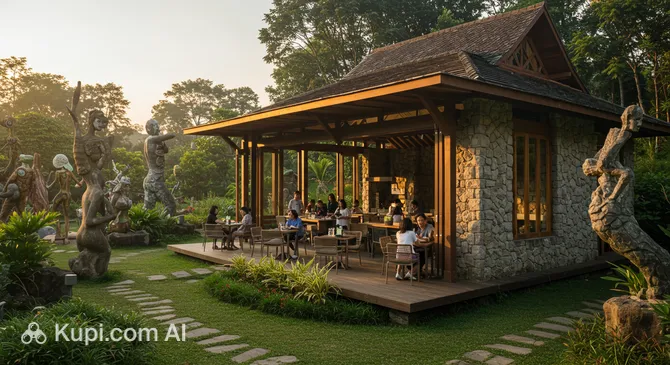
While the nights are exciting, the city also offers enriching daytime entertainment that shouldn't be missed. Culture enthusiasts should visit the Geological Museum, which houses an impressive collection of fossils and minerals, or explore the contemporary works at the NuArt Sculpture Park. These attractions provide a fascinating contrast to the energetic nightlife, rounding out a perfect travel itinerary.

NuArt Sculpture Park. Source: Kupi.Binoculars

Parks & Museums

Bandung is often celebrated as the "City of Flowers" (Kota Kembang), and its dedication to green spaces is evident in the numerous parks and forests that dot the landscape. For travelers looking to escape the urban bustle or dive into the region's natural and scientific history, the city offers a refreshing mix of lush botanical sanctuaries and educational institutions.

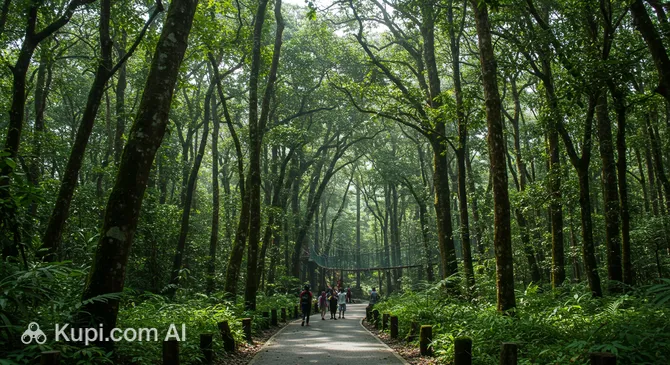
One of the most accessible green lungs in the city is the Babakan Siliwangi Urban Forest. Located just a short distance from the city center near the university district, this area is famous for its "Forest Walk," a two-kilometer wooden skywalk that weaves through the canopy of ancient trees. It provides a unique perspective of the forest from above and serves as a perfect spot for a peaceful morning jog or a leisurely afternoon stroll in the fresh air.

Babakan Siliwangi Urban Forest. Source: Kupi.Binoculars

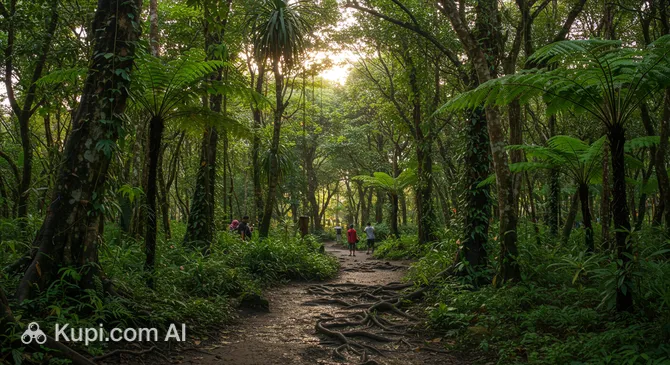
For a more immersive nature experience, head to the Ir. H. Djuanda Forest Park (Taman Hutan Raya). Spanning a vast area in the Dago Pakar region, this conservation park is a haven for biodiversity, featuring towering pine trees and botanical gardens. Beyond its natural beauty, the park holds historical intrigue with the presence of the Japanese Cave (Goa Jepang) and the Dutch Cave (Goa Belanda), both of which were used as military bunkers during the colonial and war eras.

Ir. H. Djuanda Forest Park. Source: Kupi.Binoculars

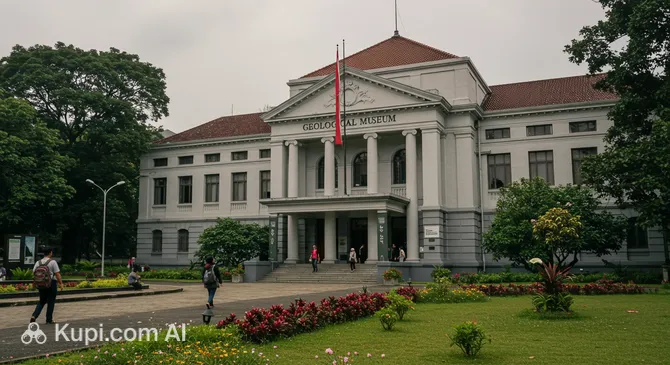
Bandung is also a hub for science and history enthusiasts. The Geological Museum is a standout institution, housed in a heritage Art Deco building. Inside, visitors can explore a comprehensive collection of rocks, minerals, and fossils, including a replica of a T-Rex skeleton and remains of the prehistoric Java Man. It offers a fascinating journey through the geological formation of the Indonesian archipelago and the history of life on Earth.

Geological Museum. Source: Kupi.Binoculars

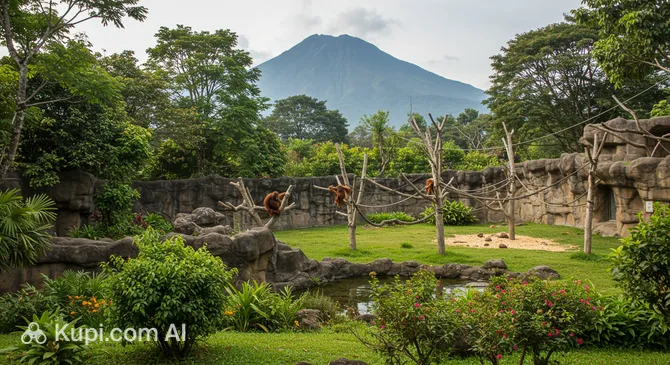
Families traveling with children will find plenty to do at Lembang Park & Zoo. Unlike traditional zoos, this modern facility emphasizes interaction and education in a clean, spacious environment. Visitors can get up close with various exotic birds in the large aviary, enjoy pony rides, or simply relax in the beautifully landscaped gardens that surround the animal exhibits.

Lembang Park & Zoo. Source: Kupi.Binoculars

To round off your exploration of Bandung's outdoor attractions, a visit to Dago Dreampark is highly recommended. Set amidst a cool pine forest, this park is renowned for its creative photo spots, including floating carpets and sky bikes, allowing you to capture memorable moments against a backdrop of stunning highland scenery.

Getting Around

Navigating Bandung offers a unique glimpse into local life, with a public transport system that ranges from traditional minibuses to modern rail connections. While the city does not have a subway or tram network, it relies heavily on a combination of road-based transport and a growing commuter rail system to move its residents and visitors across the bustling highland terrain.

The most ubiquitous form of transport you will encounter is the Angkot (Angkutan Kota). These colorful minivans serve as the backbone of the city's transit, reaching corners that larger buses cannot. Each color represents a specific route—for example, green often serves the northern areas, while blue or pink might cover other districts. They do not have fixed stops; you can hail one from the roadside by raising your hand and ask the driver to stop anywhere along the route by saying "Kiri" (Left). While they offer an authentic local experience, routes can be confusing for newcomers, so having a map app handy is essential.

For a more comfortable and structured journey, you can use the Trans Metro Bandung (TMB) and DAMRI buses. These large, air-conditioned buses operate on main thoroughfares and stop only at designated shelters. They are a reliable option for traveling between major districts. Additionally, the Commuter Line Bandung Raya is a local train service that connects the city center with the eastern and western suburbs. It is particularly useful for avoiding road traffic if you are heading to areas like Padalarang or Cicalengka.

A special feature designed specifically for visitors is the Bandros (Bandung Tour on Bus). These bright, colorful double-decker buses are modeled after old-fashioned trams and offer guided tours around the city's heritage sites and major attractions. Taking a ride on a Bandros is a fun way to get oriented and see the landmarks without the stress of navigating traffic yourself. They typically depart from key locations like Alun-Alun (City Square) or near the Geological Museum.

The payment system varies significantly depending on your mode of travel. Angkots operate strictly on cash; you pay the driver directly upon exiting, so it is crucial to carry small denominations of the local currency. In contrast, TMB buses and commuter trains have moved towards cashless systems. You will need a prepaid electronic money card (such as E-Money, Flazz, Brizzi, or TapCash), which can be purchased and topped up at major convenience store chains like Indomaret or Alfamart. Some buses may also accept payment via QR codes using local digital wallet apps.

For many tourists, the most practical alternative to public transport is the use of ride-hailing apps like Gojek or Grab. These services are extremely popular and allow you to book both cars and motorbikes (ojek) at fixed prices, overcoming language barriers and the uncertainty of routes. If you prefer a conventional taxi, Bluebird taxis are widely available and are known for their reliability and use of meters.

When planning your travel, keep in mind that the city is notorious for its traffic congestion, especially on weekends and during rush hours (typically 7:00–9:00 AM and 4:00–7:00 PM). Most public transport operates from early morning, around 5:00 AM, until about 9:00 PM, though ride-hailing services are available 24/7. Always allow extra travel time, and if you choose to take an Angkot, ask the driver to confirm they pass your destination before you hop in.

Accommodation

Where to Stay:

Accommodation in Bandung caters to every type of traveler, ranging from budget-friendly backpacker hostels to luxurious colonial-style hotels and scenic highland resorts. As a popular weekend getaway, the city has a well-developed hospitality sector that blends modern comfort with traditional Sundanese hospitality. Whether you prefer the convenience of the city center or the tranquility of the mountains, you will find plenty of options to suit your style and budget.

For those who want to be in the heart of the action, the City Center (around Jalan Braga and Asia-Africa) is the best place to stay. This area places you within walking distance of historical landmarks, shopping malls, and the vibrant culinary scene. Alternatively, if you are seeking cooler air and stunning views, the northern districts of Dago and Lembang are highly recommended. These areas are famous for their resorts and villas, offering a peaceful retreat surrounded by pine forests and tea plantations.

Dago Heritage Resort. Source: Kupi.Binoculars

Visitors looking for a premium experience in the highlands often choose properties that combine luxury with nature. A notable example is the Dago Heritage Resort, which offers guests sweeping views of the city and the golf course, providing a perfect mix of relaxation and leisure. Staying in such resorts allows you to enjoy the fresh mountain breeze right from your balcony while being close to major nature parks.

When planning your stay, it is important to note that Bandung gets very busy on weekends and national holidays due to the influx of tourists from Jakarta. It is highly advisable to book your accommodation in advance if you plan to visit during these peak times. Prices are generally affordable compared to international standards; you can find comfortable guesthouses starting from as low as IDR 200,000 per night, while mid-range hotels typically cost between IDR 500,000 and IDR 1,000,000. Booking is easily done through major online travel platforms, which often offer competitive deals.

Nearby Cities

For those looking to explore the surroundings, Bandung serves as an excellent base for day trips to several interesting nearby locations:

One of the most popular destinations is Bogor, often referred to as the "Rain City" due to its frequent showers and lush greenery. It is world-renowned for the magnificent Bogor Botanical Gardens, which house thousands of plant species and surround the historic Presidential Palace. The city offers a perfect blend of history, nature, and a slightly cooler climate that appeals to many travelers.

Located to the east, Sumedang offers a different flavor of West Java. It is famous across the archipelago for its savory fried tofu, known as Tahu Sumedang, which is a must-try culinary delight. Beyond food, the town is rich in history as the seat of the former Sumedang Larang Kingdom, featuring museums that display royal heirlooms and offer insights into the region's aristocratic past.

For those interested in local craftsmanship and tradition, Tasikmalaya is a fascinating choice. Known as the center of Sundanese embroidery and woven bamboo crafts, it is a great place to shop for authentic souvenirs. The area is also the gateway to Kampung Naga, a traditional village located in a valley where residents preserve an ancient way of life without modern electricity, offering a unique cultural experience.

City Population Distance (km)
Sumedang 1,240,000 35
Bogor 1,030,720 97
Tasikmalaya 678,027 82
Cimahi 586,580 9
Sukabumi 320,970 76

These nearby destinations offer a glimpse into the diverse culture and landscapes of the region, making them perfect additions to your travel itinerary.

Shopping & Souvenirs

For many visitors, Bandung is synonymous with shopping. The city has earned a reputation as a fashion capital in Indonesia, attracting crowds from Jakarta and beyond who come to hunt for high-quality clothing, textiles, and leather goods at competitive prices. Whether you are looking for international brands, locally designed outfits, or traditional fabrics, the city offers a diverse retail landscape that ranges from modern lifestyle malls to bustling street markets.

The most iconic feature of the local shopping scene is the abundance of Factory Outlets (FOs). These stores are famous for selling branded export-quality clothing at a fraction of the original cost. The highest concentration of these outlets can be found along Jalan Riau (R.E. Martadinata) and Jalan Dago (Ir. H. Djuanda). A standout location is the Heritage Factory Outlet, which is housed in a beautifully preserved colonial building with massive white pillars. It offers a unique experience where you can browse through racks of fashion items while admiring the historic architecture.

Heritage Factory Outlet. Source: Kupi.Binoculars

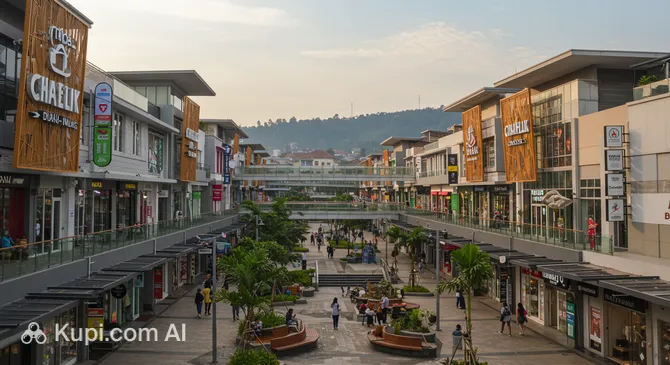
Another legendary shopping district is Cihampelas Street, affectionately known as "Jeans Street." This area is famous for its denim shops, many of which feature eccentric facades decorated with giant statues of superheroes and movie characters. Amidst this vibrant street atmosphere lies Cihampelas Walk (Ciwalk), a modern open-air mall that contrasts with the traditional shops outside. Ciwalk is designed to blend with nature, featuring lush trees and pedestrian-friendly zones, making it a great spot to shop, dine, and relax in the fresh air.

Cihampelas Walk. Source: Kupi.Binoculars

For those who prefer a more luxurious and comprehensive shopping experience, the city boasts several world-class malls. Trans Studio Mall Bandung is a premier destination that combines high-end retail with entertainment. Connected to the famous indoor theme park, this mall features a wide array of international fashion brands, a cinema, and numerous dining options, making it an ideal choice for families who want to spend the entire day in one location.

Trans Studio Mall Bandung. Source: Kupi.Binoculars

Beyond modern fashion, Bandung is a hub for traditional textiles and leather craftsmanship. The Pasar Baru Trade Center is the go-to place for wholesale fabrics, batik, and Muslim fashion, where bargaining is part of the experience. Meanwhile, the Cibaduyut district is renowned for its handmade leather shoes and accessories. Visitors can find durable, high-quality footwear here, and many artisans even offer custom-made shoes, allowing you to take home a truly personalized souvenir from your trip.

Reached the end of the page?

That means the route is fully explored