Support

Semarang

About

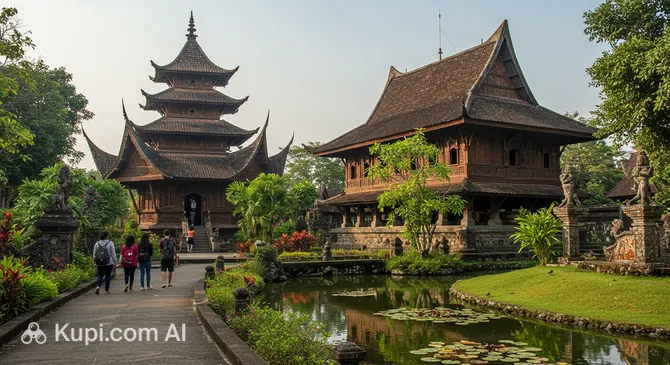
Semarang is a fascinating destination that serves as a vibrant melting pot of Chinese, Dutch, and Javanese cultures. As the capital of the Central Java province, it offers a unique atmosphere where ancient traditions coexist with the hustle and bustle of a modern commercial hub. The city is renowned for its culinary delights, colonial architecture, and warm hospitality, making it an essential stop for travelers exploring the region.
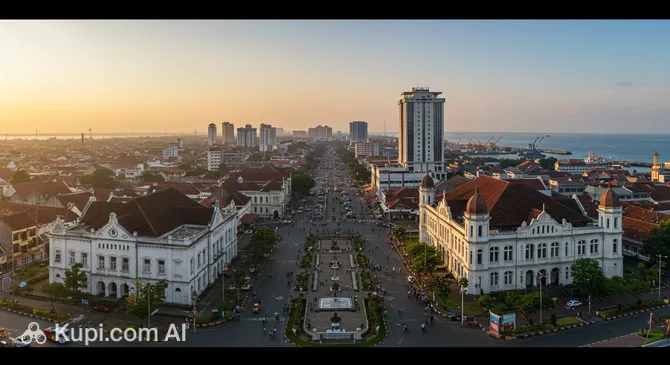
Semarang. Source: Kupi.Binoculars

Located on the northern coast of the island of Java, this sprawling metropolis is home to over 1.6 million people. Its strategic position as a major port city has defined its development for centuries. Visitors to Indonesia will find that Semarang's climate is typically tropical, featuring warm temperatures year-round that are perfect for sightseeing.

The city's past is as colorful as its present. delving into the history of Semarang reveals a rich tapestry woven from its days as a prominent spice trade center and a key Dutch colonial outpost. This heritage is visibly preserved in the city's landmarks, particularly in the Kota Lama (Old Town), often referred to as "Little Netherlands," where well-preserved European-style buildings transport you back in time.

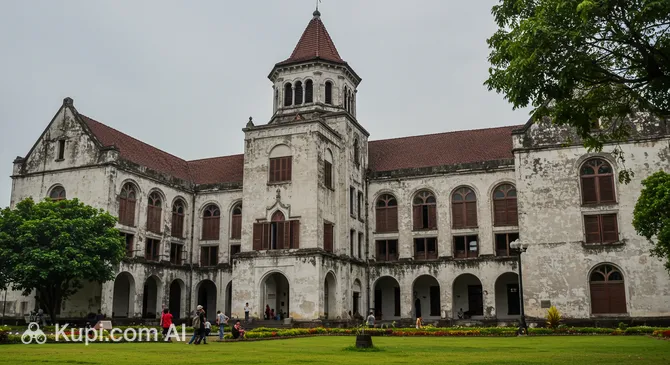
Among the top attractions, Lawang Sewu stands out as an iconic symbol of the city. Known as the "Building of a Thousand Doors," it is famous for its numerous archways and historical significance. Another must-visit site is the majestic Sam Poo Kong temple, the oldest Chinese temple in the city, which celebrates the voyages of the famous Admiral Zheng He. Whether you are exploring architectural wonders or tasting the famous local lumpia (spring rolls), Semarang promises an unforgettable experience for every visitor.
Weather Overview

Semarang enjoys a tropical climate with consistent warmth throughout the year, making it a pleasant destination whenever you choose to visit. The average temperatures remain remarkably stable, generally hovering between 26°C and 27°C. During the warmer months like September and October, daytime highs can reach up to 30.5°C, while the coolest nights in July dip to around 23.5°C.

The city's seasons are defined more by rainfall than by temperature changes. Expect warm, humid days year-round with frequent rain during the wet season and sunny, dry conditions mid-year. The rainy period typically spans from November to April, with January and March seeing precipitation on up to 30 days of the month. In contrast, the dry season from July to September is ideal for outdoor activities, with August recording as few as 5 wet days. For a more detailed breakdown to help you plan your packing, you can check the guide to the weather in Semarang.

Interesting Facts

Beyond the main attractions, Semarang holds many fascinating secrets and cultural quirks that reflect its long history as a port city. From architectural marvels with misleading names to mythical creatures, the city offers plenty of surprises for the curious traveler.
  • The majestic Great Mosque of Central Java features six massive hydraulic umbrellas in its courtyard, a rare architectural detail found in only one other place in the world: the Prophet's Mosque in Medina.

  • Although Lawang Sewu is famously known as the "Building of a Thousand Doors," it does not actually contain that exact number; the name refers to the hundreds of tall, wide windows designed by Dutch architects to keep the interior cool.

  • Semarang has its own mythological creature called the Warak Ngendog, which is part dragon, part goat, and part giraffe; this whimsical mascot symbolizes the harmonious unity of the city's Chinese, Javanese, and Arab communities.

  • The Old Town Semarang was built with such a complex drainage system to manage coastal tides that it further cemented the city's nickname "Little Netherlands," mirroring the water management struggles of the Dutch homeland.

Lawang Sewu. Source: Kupi.Binoculars

How to Get There

Reaching the capital of Central Java is quite convenient, with several options available depending on your starting point. The most direct and popular method is flying, as the city is well-connected to major hubs in Indonesia. You can find more details about how to get to Semarang and plan the best route for your itinerary. The primary gateway is Achmad Yani International Airport (SRG), located directly in Semarang, just 4 km from the city center. As a busy regional hub, it welcomes millions of passengers annually. A taxi or shuttle ride from the airport to the downtown area is very quick, typically taking only about 25 minutes.

If you are exploring the wider region, you might consider flying into a neighboring city. Adi Sumarmo International Airport (SOC) is located in the city of Solo (Surakarta), approximately 69.7 km from Semarang. The overland journey from Solo takes around 2 hours. Another significant option is Yogyakarta International Airport (YIA) in Yogyakarta. While it is further away at roughly 109 km, it is a major facility serving a large volume of travelers. The transfer from Yogyakarta to Semarang generally takes about 3 hours by car or bus.

For clarity, here is a summary of the main airports:
Airport Name City Passenger Traffic Km from City
Yogyakarta International Airport Yogyakarta High 109.0
Achmad Yani International Airport Semarang Medium 4.0
Dhoho International Airport Kediri Medium 190.7
Adi Sumarmo International Airport Solo Medium 69.7
Kertajati International Airport Majalengka Low 251.4

Main Attractions

The city offers a diverse array of landmarks that reflect its multicultural heritage and vibrant community spirit. From ancient temples to colorful neighborhoods, the main sights provide a fascinating journey through time and tradition, ensuring there is something to captivate every traveler.

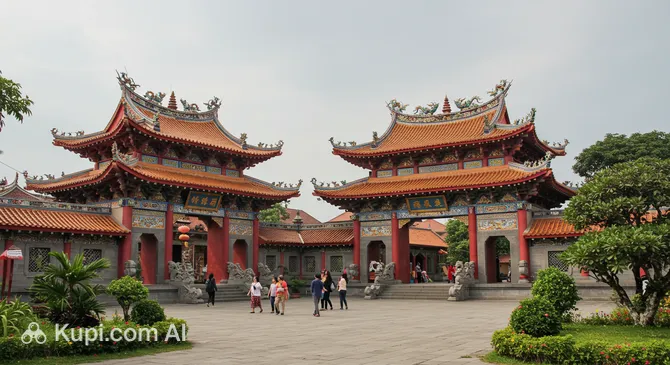
One of the most significant cultural sites is the Sam Poo Kong Temple, also known as Gedung Batu. This historic complex is the oldest Chinese temple in the city and honors the voyages of the legendary Admiral Zheng He. It is interesting to tourists for its unique blend of Chinese and Javanese architectural styles, as well as the mystical atmosphere of its stone caves and grand red pavilions.

Sam Poo Kong Temple. Source: Kupi.Binoculars

For those who appreciate history and colonial architecture, Old Town Semarang is an absolute must-see. Often referred to as "Little Netherlands," this revitalized district features well-preserved 18th-century buildings that once served as the center of the spice trade. Visitors enjoy strolling through the pedestrian-friendly streets, admiring the vintage facades, and soaking in the nostalgic European ambiance.

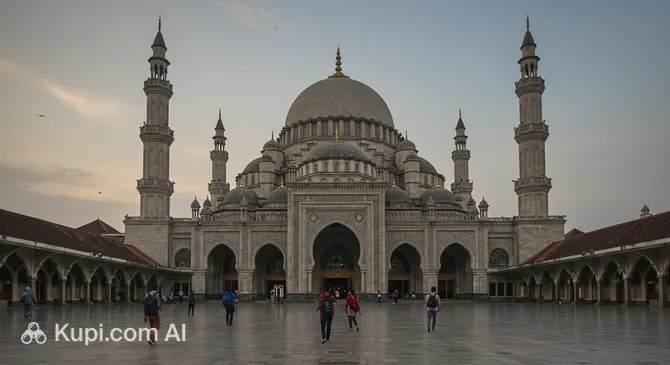
A stunning example of modern religious architecture is the Great Mosque of Central Java. This magnificent structure is famous for its eclectic design, which harmoniously combines Javanese, Roman, and Islamic influences. Tourists are particularly drawn to the Asmaul Husna Tower, which offers panoramic views of the city, and the massive hydraulic umbrellas in the courtyard that resemble those in Medina.

Great Mosque of Central Java. Source: Kupi.Binoculars

For a more whimsical and photogenic experience, the Kalisari Rainbow Village stands out as a vibrant highlight. Formerly a standard residential area, it has been transformed into a dazzling display of color, with hundreds of houses painted in bright, artistic patterns. It is a favorite spot for visitors seeking cheerful photos and a look at the creative resilience of the local community.

Local Cuisine

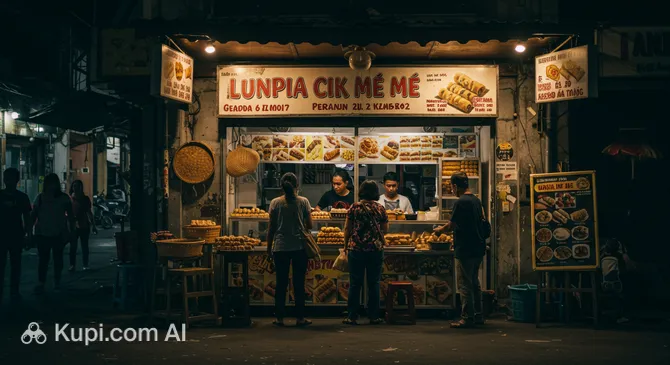
Semarang is a true paradise for food lovers, celebrated for its unique fusion of Javanese spices, Chinese culinary techniques, and Dutch colonial influences. The city is affectionately known as the "City of Lumpia," and tasting this signature dish is an absolute requirement for any visitor. Lumpia Semarang is a savory spring roll filled with bamboo shoots, dried shrimp, and chicken or prawns. It is served either deep-fried or soft, accompanied by a sticky brown sauce, fresh bird's eye chilies, and pickled cucumber. For an authentic experience, you can visit Lunpia Cik Me Me, a legendary establishment that has perfected this recipe over generations.

Lunpia Cik Me Me. Source: Kupi.Binoculars

Beyond its famous spring rolls, the local palate favors dishes that balance savory and sweet flavors. Tahu Gimbal is another must-try specialty, consisting of fried tofu, chopped cabbage, and crispy prawn fritters (bakwan), all drenched in a rich, sweet peanut sauce. Travelers also frequently seek out Bandeng Presto, a pressure-cooked milkfish dish where the bones become soft and edible, making it a popular souvenir to take home. For a comforting meal, Soto Semarang offers a clear, refreshing chicken broth served in a small bowl, perfect for breakfast or a light lunch.

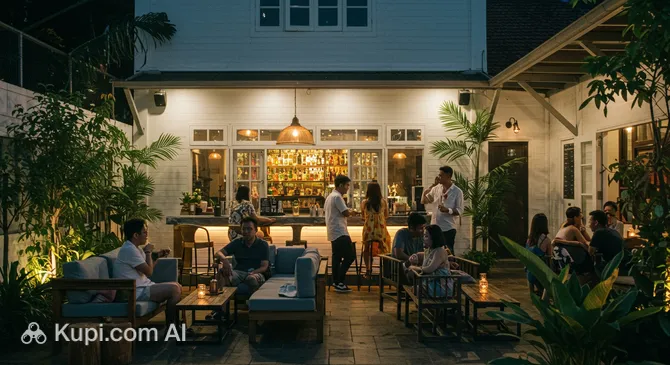
When it comes to beverages, the city offers a refreshing variety. Traditional herbal drinks known as Jamu are widely consumed for their health benefits and refreshing taste. Coffee culture is also growing, with many local shops serving robust Javanese blends. While alcohol is not central to the traditional street food scene, it is readily available in hotels and entertainment venues. Those looking to enjoy a cocktail or a cold beer in a historic atmosphere can head to Borsumy Heritage, a bar located in a restored colonial building that captures the nostalgic charm of the old trade era.

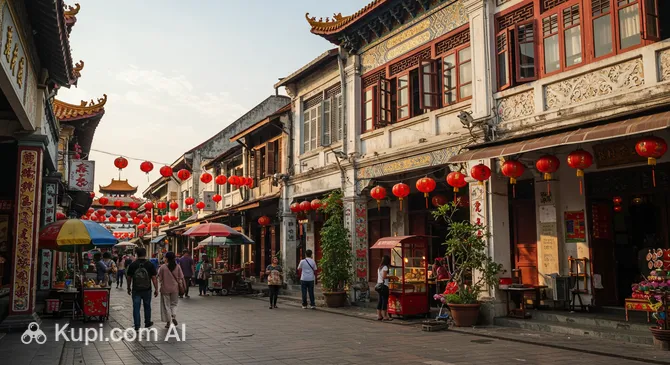
Semarang Chinatown. Source: Kupi.Binoculars

The food culture in Semarang is vibrant and communal, best experienced through its bustling street food stalls known as warungs. The culinary heartbeat of the city is undoubtedly Semarang Chinatown. On weekends, this area transforms into the famous Pasar Semawis night market, a pedestrian-friendly gastronomic festival. Here, tourists and locals mingle under the glow of red lanterns to sample an endless array of grilled seafood, satay, and noodles, making it the perfect place to immerse yourself in the local way of life.

Travel Tips

Welcome to Semarang! To help you navigate this bustling port city with ease and confidence, we have compiled a list of essential insights. These practical tips will ensure your journey through the heart of Central Java is as smooth and enjoyable as possible.

  1. Clothing and Gear: Given the tropical climate, pack lightweight, breathable fabrics like cotton or linen to stay cool. Comfortable walking shoes are a must, especially for exploring the cobblestone streets of the Old Town. If you plan to visit religious sites like the Great Mosque or temples, remember to dress modestly; cover your shoulders and knees to show respect. A universal travel adapter and a portable fan can also be lifesavers in the heat.

  2. Transportation: The most convenient way to get around is by using ride-hailing apps like Gojek or Grab, which offer both car and motorbike taxi options at affordable rates. For a budget-friendly public transport experience, you can use the Trans Semarang Bus Rapid Transit (BRT) system, which connects major areas of the city. Blue Bird taxis are also reliable and can be hailed on the street or booked via their app.

  3. Finances: The local currency is the Indonesian Rupiah (IDR). While credit cards are accepted in hotels, malls, and upscale restaurants, cash is king in Semarang. You will need small denominations for street food vendors, traditional markets, and local transport. ATMs are widely available throughout the city. Tipping is not mandatory but is appreciated; rounding up the bill or leaving a small amount is a kind gesture.

  4. Health and Safety: Semarang is generally safe for tourists, but standard precautions apply. Always drink bottled or filtered water and avoid tap water. Pharmacies, known locally as Apotek (such as K-24 or Guardian), are easy to find and often stock well-known brands. Since it is a tropical area, carrying mosquito repellent is advisable, particularly if you are dining outdoors in the evening.

  5. Communication: The official language is Bahasa Indonesia, though Javanese is also spoken locally. English is widely understood in hotels and major tourist attractions, but learning a few basic phrases like "Terima kasih" (Thank you) will go a long way with locals. For internet access, purchasing a local SIM card (Telkomsel has great coverage) upon arrival is recommended, and WhatsApp is the primary app used for communication.

  6. Local Etiquette: Javanese culture is known for its politeness and gentle demeanor. Always use your right hand for eating, giving, or receiving items, as the left hand is considered unclean. When greeting people, a smile and a slight nod are customary. If you are invited into a local home or entering a mosque, always remove your footwear before stepping inside.

  7. What to Avoid: Avoid public displays of affection, as the local culture is conservative. Also, refrain from touching people on the head, including children, as the head is considered the most sacred part of the body in local tradition.

  8. Additional Tip: If your visit falls on a weekend (Friday to Sunday), plan your dinner around the Pasar Semawis night market in Chinatown. It is the best place to experience the city's legendary street food culture, but arrive early (around 6:00 PM) to beat the crowds and get the freshest options.

By keeping these tips in mind, you will be well-prepared to embrace the warmth and charm of Semarang. Whether you are navigating the historic streets or savoring the local cuisine, a little local knowledge will make your adventure truly unforgettable.

Entertainment & Nightlife

Semarang offers a nightlife scene that is more relaxed than Indonesia's bustling capital but equally enjoyable and diverse. As the sun sets, the city cools down, and locals flock to key districts to unwind. The Simpang Lima area serves as the beating heart of the city's evening activity, where neon-lit bicycles and street food vendors create a festive atmosphere suitable for all ages. For a more nostalgic vibe, the revitalized Old Town Semarang offers atmospheric streets lined with cafes and bistros housed in colonial buildings, perfect for a quiet drink. Meanwhile, the hilly Candi area provides upscale venues with stunning panoramic views of the glittering city lights below.

For those seeking a classic nightlife experience with good music and drinks, the city has several excellent options. The Tavern is a long-standing favorite among both expats and locals. Known for its cozy, pub-style interior and regular live music performances, it is an ideal spot to enjoy a cold beer and hearty food in a welcoming environment. The crowd here is typically a mix of friendly residents and travelers, creating a social and laid-back vibe that makes it easy to strike up a conversation.

The Tavern. Source: Kupi.Binoculars

If you are looking for a more energetic night out, the city's modern bars and entertainment centers await. Red Hare Bar is a popular destination for those who appreciate creative cocktails and a stylish setting. The venue often features DJ sets or live bands, making it a great place to dance or socialize late into the night. Karaoke is also a beloved pastime in Indonesia, and Grand Masterpiece Karaoke offers private rooms with high-quality sound systems, perfect for a fun group activity where you can sing your heart out in comfort.

Red Hare Bar. Source: Kupi.Binoculars

Most nightlife venues in Semarang operate until around 1:00 AM or 2:00 AM, with karaoke joints often staying open later. The dress code is generally smart-casual; while shorts are fine for street markets, most bars and clubs prefer long trousers and closed shoes for men. The city is relatively safe for night walks, especially in busy areas like Simpang Lima. For transportation, it is best to avoid hailing random taxis on the street late at night. Instead, use reliable ride-hailing apps like Gojek or Grab, which are widely available, safe, and offer fixed prices.

Before the night begins, there are plenty of ways to entertain yourself during the day. Families and culture enthusiasts should visit Grand Maerakaca, often described as the "Mini Central Java." This park showcases traditional houses from across the province and offers mangrove treks. Adjacent to it is PRPP Central Java, an exhibition center that hosts fairs and events. Whether exploring cultural parks under the sun or enjoying live music after dark, Semarang ensures your schedule is full of memorable moments.

Grand Maerakaca. Source: Kupi.Binoculars

Parks & Museums

Parks and Museums:

Beyond its bustling commercial centers and historic colonial districts, Semarang offers a refreshing array of green spaces and cultural institutions that provide a deeper look into the city's soul. From manicured gardens that celebrate local arts to galleries showcasing modern creativity, these spots offer a perfect respite for travelers seeking relaxation and inspiration.

One of the city's most vibrant public spaces is Indonesia Kaya Park. Located in the heart of the city near Simpang Lima, this is the first park in Central Java dedicated to culture and education. It features an open-air stage that frequently hosts performing arts events, surrounded by lush greenery and murals depicting Indonesian heritage. At night, the park comes alive with a colorful dancing fountain, making it a favorite gathering spot for families and art enthusiasts alike.

Indonesia Kaya Park. Source: Kupi.Binoculars

For those looking to escape the urban heat and enjoy the coastal breeze, Marina Beach is a popular destination on the northern coast. While it is known for its reclamation land landscape rather than white sands, the area offers a scenic promenade lined with palm trees, perfect for jogging or a leisurely evening stroll. It is arguably the best place in the city to watch the sunset, as the sky turns into a canvas of orange and purple over the Java Sea.

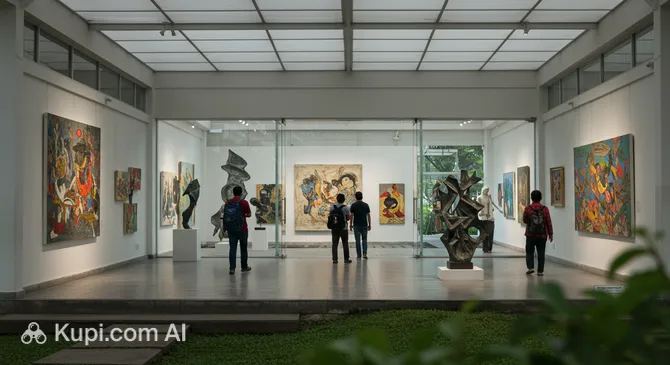
Delving into the artistic side of the city, the Semarang Contemporary Art Gallery is a must-visit for art lovers. Situated within the historic Old Town (Kota Lama), this gallery is housed in a beautifully restored colonial building that contrasts elegantly with the modern works displayed inside. The exhibitions rotate regularly, featuring paintings, sculptures, and installations from talented Indonesian and international artists, offering a sophisticated cultural experience amidst the vintage charm of the district.

Semarang Contemporary Art Gallery. Source: Kupi.Binoculars

For a more whimsical and unique museum experience, tourists can visit the Semarang Doll Palace Museum. This establishment houses an extensive collection of dolls from various parts of the world, showcasing different cultures and eras. It provides a fascinating, albeit slightly quirky, perspective on craftsmanship and tradition that is particularly engaging for collectors and curious travelers.

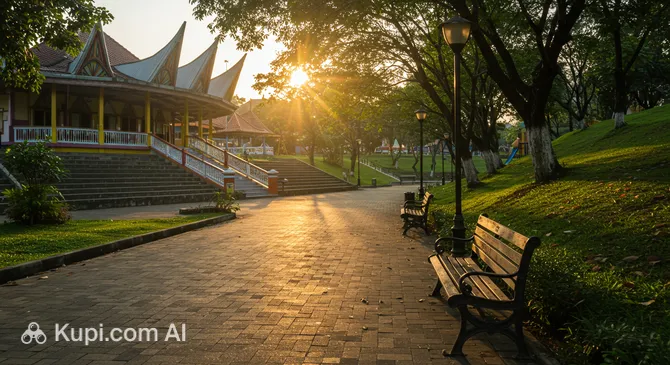
History buffs should not miss the Tugu Muda Monument, a significant historical landmark located at the intersection of five major streets. This stone monument commemorates the heroic five-day battle against Japanese forces in 1945. Surrounded by a well-maintained garden and a reflection pool, it stands directly opposite the famous Lawang Sewu, creating a powerful ensemble of history and memory in the city center.

For a truly authentic local experience, head to the West Flood Canal (Banjir Kanal Barat) in the evening. The riverbanks have been transformed into a beautiful public space with paved walkways and benches. If you visit on a weekend night, you might catch the Semarang Bridge Fountain show, where water jets and colorful lights dance to music, creating a festive atmosphere enjoyed by locals.

Getting Around

Navigating Semarang is relatively straightforward, thanks to a mix of modern public transit and traditional local options. The backbone of the city's public transportation is the Trans Semarang, a Bus Rapid Transit (BRT) system designed to connect major districts, tourist attractions, and the airport. These buses are air-conditioned and operate on designated corridors, making them the most comfortable and reliable choice for tourists. You can identify them by their distinct colors, and they stop exclusively at elevated shelters scattered throughout the city.

For areas not covered by the main bus lines, Angkot (public minibuses) serve as the primary feeder system. These orange or yellow vans ply fixed routes through smaller streets and neighborhoods. While they offer a truly authentic local experience, they can be confusing for first-time visitors as stops are not always clearly marked. To use one, simply wave your hand to hail it from the roadside and tell the driver your destination. Another unique, albeit slower, option is the Becak, a traditional three-wheeled pedicab. These are perfect for short distances within the city center or the Old Town, allowing you to soak in the sights at a leisurely pace.

The payment system varies depending on the mode of transport. Trans Semarang has largely shifted to cashless transactions to streamline the process. You can pay using electronic money cards (such as E-Money, Flazz, Brizzi, or TapCash), which can be purchased and topped up at major convenience stores like Indomaret or Alfamart. Alternatively, payment via QR code using digital wallet apps is widely accepted at the shelters. A single trip is very affordable, typically costing around 3,500 to 4,000 IDR. Conversely, Angkots and Becaks operate almost exclusively on cash. It is essential to carry small denominations of bills when using these services to pay the driver directly upon exiting.

If you prefer more direct and private transportation, ride-hailing apps are extremely popular and efficient. Services like Gojek and Grab allow you to book both cars and motorcycle taxis (known locally as Ojek). The motorcycle taxis are particularly useful for bypassing traffic during rush hours and reaching destinations quickly. Conventional metered taxis are also available, with Blue Bird being the most reputable company; they can be hailed on the street, found at hotel stands, or booked via their own mobile app.

For a seamless experience, keep in mind that the Trans Semarang buses generally operate from 05:30 AM to 05:30 PM, though some major corridors may run slightly later into the evening. Since the bus shelters are staffed, they are the best place to ask for assistance or validate your digital payment. If you are staying in the city for a few days, renting a motorbike is another viable alternative popular among travelers, giving you the freedom to explore at your own rhythm, though you should be prepared for busy traffic conditions.

Accommodation

Where to Stay:

Travelers visiting Semarang will find a diverse range of accommodation options suited to every budget and preference, from backpacker-friendly hostels to luxurious hotels. The city is roughly divided into two main zones for tourists: the bustling Lower City (Kota Bawah) and the tranquil Upper City (Kota Atas). For those who want to be in the center of the action, the Simpang Lima area is the most popular choice, offering unbeatable proximity to shopping malls, government offices, and the famous night market. Alternatively, the hilly Candi area in the Upper City provides a more relaxed atmosphere with cooler air, lush greenery, and stunning panoramic views of the skyline below.

If you are looking for a stay that combines modern amenities with a serene environment, the Oak Tree Emerald Hotel & Conventions is a notable option. It is well-regarded for its resort-style setting that feels like a peaceful retreat from the urban bustle while remaining accessible. Another excellent choice situated right in the commercial heart of the city is the HK Resort Simpang Lima Semarang. Its strategic location places guests within walking distance of major landmarks and entertainment venues, making it ideal for those who prefer to explore on foot.

Oak Tree Emerald Hotel & Conventions. Source: Kupi.Binoculars

Accommodation prices in Semarang are generally very reasonable compared to other major tourist hubs in Indonesia. Budget travelers can find clean and comfortable guesthouses starting at very affordable rates, while mid-range business hotels offer exceptional value for money. Most visitors book their stays through major online travel platforms to secure the best deals. However, a helpful tip for planning your trip is to book well in advance if you are visiting during major national holidays, such as Eid al-Fitr, or long weekends, as the most popular hotels in the city center tend to fill up quickly.

Nearby Cities

For those looking to explore the surroundings, Semarang serves as an excellent base for day trips to several interesting nearby locations:

City Population Distance (km)
Jepara 1,257,912 54
Solo 552,118 79
Yogyakarta 422,732 91
Pekalongan 298,386 82
Tegal 275,789 142

Located just a short distance to the south, Solo (also known as Surakarta) is often considered the cultural twin of Yogyakarta. It is a stronghold of Javanese tradition, boasting two royal palaces and a reputation as a center for batik textiles. Visitors can explore the historic Klewer Market to shop for fabrics or enjoy the city's celebrated culinary scene, which is known for its authentic and affordable local dishes.

Yogyakarta is another major highlight that is accessible for a longer day trip. Recognized as the soul of Javanese culture, it offers a rich array of attractions, from the majestic Sultan's Palace (Kraton) to the bustling Malioboro Street. It is a hub for fine arts, including puppetry and music, providing a deep immersion into the island's heritage.

To the northeast lies Jepara, a coastal town world-renowned for its exquisite wood carving industry. Beyond its artisan workshops, where travelers can see master craftsmen at work, the town features scenic beaches like Bandengan Beach. It offers a unique combination of artistic discovery and seaside relaxation, distinct from the urban energy of the capital.

These nearby destinations offer a glimpse into the diverse culture and landscapes of the region.

Shopping & Souvenirs

Shopping in Semarang offers a delightful blend of modern convenience and traditional charm, catering to a wide range of tastes and budgets. Visitors can explore contemporary shopping centers filled with international brands or dive into bustling local markets that have served the community for decades. The city is particularly famous for its intricate batik textiles and unique culinary souvenirs, making it a rewarding destination for those looking to take a piece of Javanese culture home with them.

The area surrounding Simpang Lima is the undisputed hub of retail activity in the city. As the commercial center, it hosts a concentration of department stores, boutiques, and electronic shops all within walking distance of each other. Tourists will find this district to be a convenient starting point for any shopping spree, offering a lively atmosphere where high-street fashion sits alongside local businesses.

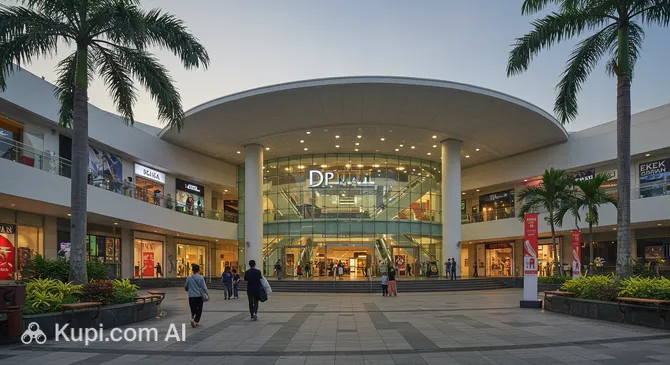
For a comfortable and modern experience, DP Mall is a top choice located on Pemuda Street. It features a sleek design and houses a variety of fashion tenants, a cinema, and numerous dining options, making it a popular hangout spot. Another prominent destination is Queen City Mall Semarang, which provides a comprehensive selection of lifestyle products, entertainment facilities, and a spacious environment perfect for families escaping the midday heat.

DP Mall. Source: Kupi.Binoculars

To experience the authentic local atmosphere, a visit to the traditional markets is essential. The historic Pasar Johar is a landmark in itself, known for its unique architecture and vast selection of goods ranging from fresh produce to affordable textiles. In the evenings, the Semarang Chinatown area offers a different kind of shopping experience. While best known for its night market food, the surrounding heritage shophouses sell traditional Chinese medicines, festive decorations, and unique trinkets that reflect the area's rich history.

When it comes to souvenirs, Semarang Batik is a wonderful option, often characterized by natural motifs and coastal influences that distinguish it from styles in other cities. Culinary gifts are also extremely popular here. Travelers frequently buy Bandeng Presto (pressure-cooked milkfish), which is packaged specifically for travel. Another iconic treat is the spring roll; legendary establishments like Lunpia Cik Me Me offer vacuum-packed versions of their famous lumpia, allowing tourists to bring this savory delight home to friends and family.

Most shopping malls in the city operate daily from 10:00 AM to 10:00 PM. Traditional markets, however, start very early in the morning, often around 4:00 AM, and wind down by early afternoon. While malls and large souvenir shops widely accept credit cards and digital payments, it is essential to carry cash in Indonesian Rupiah when visiting traditional markets or smaller street vendors.

International tourists may be eligible for a VAT refund on luxury goods purchased at registered "Tax Free Shop" retailers. If your purchase meets the minimum value requirement, be sure to ask for a tax invoice and the necessary documents to claim your refund at the airport upon your departure from Indonesia.

Reached the end of the page?

That means the route is fully explored