Support

Kediri

About

Welcome to Kediri, a captivating city nestled in the province of East Java, Indonesia. Known for its harmonious blend of ancient heritage and modern industrial development, this city offers a unique atmosphere that sets it apart from other destinations in the region. Situated near the Brantas River and surrounded by the scenic Mount Wilis and Mount Kelud, Kediri enjoys a lush, tropical setting that appeals to nature lovers and urban explorers alike.

With a population of approximately 252,000 people, the city is a bustling hub of commerce and culture. While it has grown into a modern urban center, the deep history of Kediri remains a vital part of its identity, tracing back to one of the most powerful ancient kingdoms in Javanese history. Visitors can feel the echoes of the past while navigating its lively streets and vibrant markets.

Kediri. Source: Kupi.Binoculars

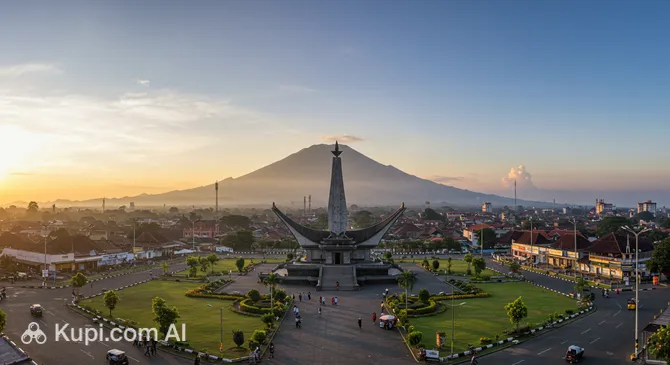
Travelers are often surprised by the city's iconic landmarks, most notably the Simpang Lima Gumul Monument. This striking structure, which bears a resemblance to the Arc de Triomphe in Paris, serves as a popular gathering spot and a symbol of the city's grandeur. For those seeking natural wonders, the nearby Mount Kelud offers breathtaking volcanic landscapes and hot springs, making it a perfect day trip for adventure seekers. Additionally, the city is famous for its culinary delight, Tahu Takwa, a distinct type of yellow tofu that has become a signature local souvenir.

Whether you are interested in exploring ancient caves like Goa Selomangleng or simply want to experience the warmth of Javanese hospitality, Kediri is a destination that deserves a spot on your itinerary. Its mix of historical intrigue, scenic beauty, and local flavor makes it a truly memorable stop for any traveler exploring East Java.

Weather Overview

Kediri enjoys a tropical climate with consistent warmth throughout the year, making it a destination that feels welcoming regardless of the calendar month. Average temperatures remain relatively stable, generally hovering between 24°C and 27°C. For travelers wishing to time their visit perfectly, checking the detailed guide to the weather in Kediri is highly recommended.

The city experiences distinct wet and dry seasons which significantly shape the travel experience. The rainy period typically extends from November to April, with March often seeing rain on nearly every day of the month. In contrast, the dry season from July to September brings clearer skies and very little rainfall, with months like August recording as little as 1mm of precipitation. Expect warm days peaking around 30.6°C in October and slightly cooler, comfortable nights dipping to nearly 20°C during the peak of the dry season.

Interesting Facts

Beyond the main attractions, Kediri holds many fascinating secrets that reveal the depth of its cultural and historical character. From ancient royal prophecies to curious modern legends, the city offers a rich tapestry of stories for those willing to look closer.

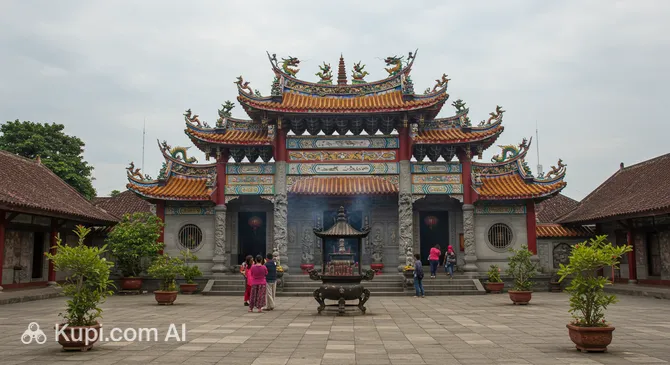
Tjoe Hwie Kiong Temple. Source: Kupi.Binoculars
  • The Presidential Legend: A widely known urban myth suggests that Kediri is a "forbidden" destination for sitting Indonesian presidents. Local folklore claims that a visit to the city could jeopardize a leader's power, a superstition that adds a layer of mystical intrigue to the region's reputation.

  • Home of Prophecies: The city is historically linked to King Jayabaya, a 12th-century ruler of the Kediri Kingdom renowned for his predictions known as the Jangka Jayabaya. His foresight regarding the future of the archipelago is still studied and respected by many in Javanese culture today.

  • A Riverside Gem: The Tjoe Hwie Kiong Temple offers a unique glimpse into the city's diversity. Uniquely situated right on the edge of the Brantas River, this beautifully preserved structure is famous for its intricate dragon sculptures and traditional rituals that are deeply connected to the river's waters.

  • The Kretek City: Kediri is often referred to as Indonesia's "Kretek City" because it houses the headquarters of one of the largest clove cigarette manufacturers in the country. This single industry has played a massive, yet often overlooked, role in developing the city's modern infrastructure and economic stability.

How to Get There

Reaching this charming city in East Java has become increasingly accessible for travelers. Whether you prefer flying or taking a scenic train ride, there are several convenient options to suit your itinerary. For a complete guide on all available transport methods, you can read more about how to get to Kediri on our detailed page.

For those arriving by air, the most direct option is the Dhoho International Airport (DHX), which is located directly in Kediri, approximately 12 km from the city center. This airport significantly reduces travel time compared to landing in other cities. However, international travelers often opt for Juanda International Airport (SUB) in Surabaya, which acts as the primary aviation hub for the region. Located about 99 km away, the journey from Surabaya to Kediri by taxi or shuttle bus typically takes around 2.5 to 3 hours, depending on traffic conditions.

For clarity, here is a summary of the main airports serving the region:

Airport Name City Passenger Traffic Km from City
Juanda International Airport Surabaya Large 99.2
Achmad Yani International Airport Semarang Medium 205.6
Dhoho International Airport Kediri Medium 12.0
Adi Sumarmo International Airport Solo Medium 144.7
Abdul Rachman Saleh Airport Malang Small 77.3

If you prefer overland travel, the railway system offers a comfortable and scenic alternative. Kediri is well-connected to the extensive Javanese railway network. You can take a train directly to the main station in the city center from major hubs like Surabaya, Malang, Yogyakarta, or even Jakarta. The train journey provides a wonderful opportunity to see the lush landscapes of East Java before arriving at your destination.

Main Attractions

Kediri offers a delightful mix of cultural landmarks, vibrant public spaces, and modern facilities that cater to a wide range of interests. From spiritual sites to bustling commercial hubs, the city's attractions provide a deeper look into the daily life and heritage of this East Javanese destination.

Standing as a magnificent symbol of Islamic architecture in the city, the Great Mosque of Kediri is a must-visit for those interested in religious heritage. Its grand minarets and spacious prayer halls offer a serene atmosphere for reflection. Tourists are often drawn to its majestic design, which looks particularly stunning against the backdrop of the city's skyline, making it a perfect spot for photography and cultural appreciation.

Great Mosque of Kediri. Source: Kupi.Binoculars

For a taste of local life, the Kediri Town Square serves as the vibrant heart of the city. It is a bustling gathering place where residents come to relax, exercise, and socialize, especially in the evenings. Visitors will enjoy the lively atmosphere, often accompanied by street food vendors selling local snacks, offering a genuine slice of the everyday culture in East Java.

If you are looking for a green escape within the urban area, Ngronggo Park Kediri provides a refreshing environment. This recreational park is designed with family-friendly facilities and open spaces, making it an ideal location for a leisurely stroll or a morning jog. It is a popular spot for travelers who want to unwind and enjoy some fresh air amidst their sightseeing schedule.

To experience the modern commercial side of the city, a visit to Dhoho Plaza is highly recommended. As one of the prominent shopping centers in Kediri, it offers a variety of retail stores, dining options, and entertainment facilities. It is an interesting stop for tourists who wish to do some shopping or simply cool off indoors while exploring the local retail scene.

Local Cuisine

The culinary landscape of Kediri is a delightful exploration of Javanese flavors, distinguished by its reputation as the "City of Tofu." Gastronomy here is deeply rooted in tradition, with the most iconic local delicacy being Tahu Takwa. Unlike the soft white tofu found elsewhere, this yellow tofu is firm, dense, and savory, acquiring its distinctive color from turmeric. It is not just a dish but a cultural symbol, often bought by visitors in large woven bamboo baskets as a signature souvenir.

Beyond tofu, the city offers savory dishes that define the local palate. One must-try meal is Soto Kediri, specifically the variant known as Soto Tamanan. This chicken soup is characterized by its rich, creamy broth made with coconut milk, giving it a thicker consistency and deeper flavor than the clear soto found in other parts of Java. Another unique specialty is Pecel Punten, where the traditional vegetable salad with peanut sauce (pecel) is served not with rice, but with punten—a savory, sticky rice cake cooked with coconut milk.

For those with a sweet tooth, Getuk Pisang is a favorite traditional snack. While getuk is usually made from cassava, Kediri's version is crafted from bananas. Wrapped in banana leaves and shaped like a cylinder, it has a sweet, slightly tang taste and a soft texture that pairs perfectly with afternoon tea or coffee.

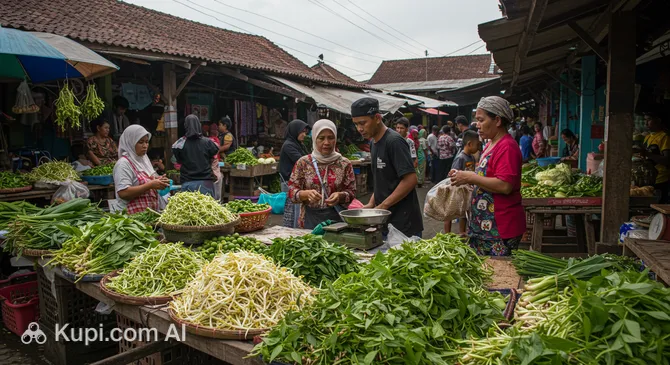
Kecambah (Toge Sayur) Market. Source: Kupi.Binoculars

The food culture in Kediri is vibrant and accessible, ranging from bustling traditional markets to modern eateries. To witness the source of fresh local ingredients, a visit to the Kecambah (Toge Sayur) Market offers a glimpse into the daily trade of vegetables and spices that fuel the city's kitchens. For a more contemporary dining experience, you can stop by RUI Noodle Bar, Chicken Noodles & Dim Sum, which serves hearty bowls and bite-sized delights popular with local youth and families.

When the sun sets, the city comes alive with lesehan culture, particularly along the main thoroughfare, Jalan Dhoho. Here, mats are rolled out on the sidewalks, and diners sit cross-legged to enjoy street food under the night sky. To wash down the spicy and savory meals, locals often enjoy Es Buto Ijo, a refreshing green drink made with coconut, syrup, and condensed milk, or warm herbal beverages like Wedang Ronde to combat the cool evening air.

Travel Tips

To ensure your journey to Kediri is as smooth and enjoyable as possible, we have compiled a list of essential travel advice. Whether you are here to explore the ancient temples or taste the famous local tofu, these practical tips will help you navigate the city with confidence and ease.

  1. Clothing and Gear: Since Kediri has a tropical climate, pack lightweight, breathable fabrics like cotton or linen to stay cool. If you are visiting during the rainy season (November to April), a compact umbrella or raincoat is a must. While the vibe is generally relaxed, it is important to dress modestly, especially when visiting religious sites like the Great Mosque; ensure your shoulders and knees are covered to show respect.

  2. Transportation: The most convenient way for tourists to get around is by using ride-hailing apps like Grab or Gojek, which offer both car and motorbike taxi options at fixed prices. Public minivans (angkot) operate on specific routes but can be confusing for first-time visitors. for short distances, you can try a traditional pedicab (becak), but be sure to negotiate the fare before hopping in.

  3. Finances: The local currency is the Indonesian Rupiah (IDR). While credit cards are accepted in modern establishments like Dhoho Plaza and major hotels, cash is king in traditional markets and street food stalls. ATMs are widely available throughout the city. Tipping is not mandatory, but rounding up the bill or leaving small change is a kind gesture appreciated by service staff.

  4. Health and Safety: Tap water is not safe for drinking; always stick to bottled or filtered water to avoid stomach issues. Pharmacies (Apotek) are easy to find, and chains like K-24 or Kimia Farma often operate 24/7. As in any tropical region, carrying mosquito repellent is advisable, especially if you plan to visit outdoor parks or Mount Kelud.

  5. Communication: The official language is Indonesian (Bahasa Indonesia), though many locals converse in Javanese. English is generally understood in hotels and tourist spots, but less so in traditional markets. Downloading an offline translation app or learning basic phrases like "Terima kasih" (Thank you) will go a long way. Purchasing a local SIM card (Telkomsel or XL Axiata) is recommended for reliable data coverage.

  6. Local Etiquette: Indonesians are known for their friendliness and often greet with a smile. The "right-hand rule" is crucial here: always use your right hand for eating, giving, or receiving items, as the left hand is considered unclean. Additionally, remember to remove your footwear before entering a local home or a mosque.

  7. What to Avoid: Avoid public displays of affection (PDA), such as kissing or excessive hugging, as this is considered culturally inappropriate in this conservative region. Also, try not to touch anyone on the head, including children, as the head is regarded as the most sacred part of the body.

  8. Local Insight: Experience the city like a local by spending an evening on Jalan Dhoho. This street transforms into a culinary haven at night with lesehan dining (sitting on mats on the sidewalk). It is the perfect place to soak up the atmosphere, but remember that shops here might close for a break around sunset for Maghrib prayers before reopening for the night crowd.

By keeping these tips in mind, you will be well-prepared to embrace the warmth and culture of Kediri. We hope your adventure in this charming East Javanese city is filled with wonderful discoveries and memorable experiences!

Entertainment & Nightlife

Entertainment in Kediri leans heavily towards relaxed, social experiences rather than a high-energy clubbing scene. The city comes alive after sunset, but the vibe is characterized by communal gatherings, street food culture, and lively public spaces. Instead of thumping bass and strobe lights, you will find locals enjoying acoustic music, night markets, and the cool evening breeze in open-air venues.

The epicenter of the city's nightlife is undoubtedly Jalan Dhoho. As the shops close for the day, the sidewalks transform into a bustling culinary street known for its lesehan style dining. Here, mats are spread out on the pavement, and people sit cross-legged to enjoy dinner and conversation late into the night. It is the perfect place to immerse yourself in the local atmosphere, with street musicians often providing a live soundtrack to the evening.

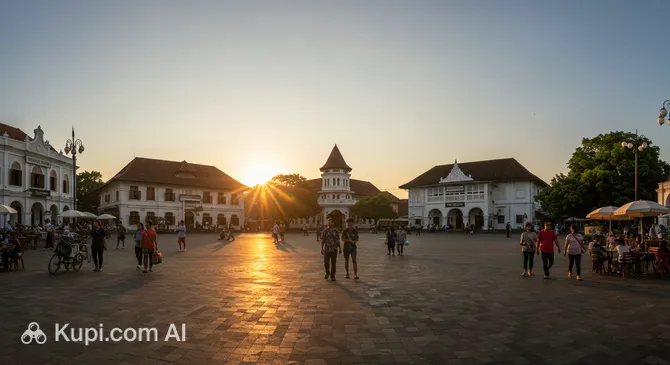
Another major hub for evening activity is the Kediri Town Square (Alun-Alun Kediri). Located in the heart of the city, this square is a magnet for families and young people alike. At night, the area is illuminated by colorful lights, and vendors sell everything from glowing toys to traditional snacks. It is a safe and vibrant spot to take a walk, watch the world go by, and experience the community spirit that defines the city.

Kediri Town Square. Source: Kupi.Binoculars

For those willing to venture a bit further from the city center, the area around the Simpang Lima Gumul Monument offers a festive night market atmosphere. The monument itself is beautifully lit, and the surrounding grounds are filled with food stalls and small amusement rides. It is a popular destination for locals to hang out, take photos, and enjoy the cooler night air.

If you prefer indoor entertainment or a more modern setting, Dhoho Plaza is a key destination. This shopping complex is not just for retail; it often serves as a meeting point for moviegoers and diners. For a casual yet trendy dining experience nearby, you might visit RUI Noodle Bar, Chicken Noodles & Dim Sum, which attracts a younger crowd looking for tasty comfort food in a comfortable setting.

Dhoho Plaza. Source: Kupi.Binoculars

Practical Advice for Nightlife: Most activity in Kediri peaks between 7:00 PM and 10:00 PM, winding down earlier than in larger metropolises like Surabaya. The dress code is almost universally casual; t-shirts, jeans, and modest attire are the norm. Prices are very affordable, with street food costing only a few dollars. The city is generally safe for night walks, especially in crowded areas like Jalan Dhoho and the Town Square. For transportation, it is best to use ride-hailing apps like Grab or Gojek, as traditional taxis can be harder to hail on the street late at night.

While the nights are for socializing, daytime entertainment in Kediri offers a different pace. Visitors can explore cultural history at the Museum Airlangga, which houses artifacts from the ancient Kediri Kingdom, or enjoy family time at local water parks like Gumul Paradise Island. For nature lovers, the daylight hours are best spent exploring the slopes of Mount Kelud or the refreshing greenery of city parks.

Parks & Museums

Kediri seamlessly blends its identity as a modern city with its roots as an ancient royal capital, offering visitors a variety of green spaces and cultural repositories. The city’s parks are not just patches of grass but vibrant community hubs, while its museums provide a gateway into the rich history of the East Javanese kingdoms.

One of the most popular open spaces in the city is Taman Sekartaji. Located in the Mojoroto district, this park stands out with its unique "industrial" design concept that merges raw concrete aesthetics with lush greenery and fish ponds. It is a favorite hangout spot for local students and communities, offering a cool, shaded environment perfect for afternoon discussions or leisurely walks. The park often hosts art performances and small events, making it a lively center of contemporary urban culture in Kediri.

For those who prefer riverside views, Taman Brantas offers a spectacular setting right on the banks of the Brantas River. Situated near the grand Brawijaya Bridge, this park is a haven for active travelers, featuring a dedicated arena for BMX and skateboarding enthusiasts. As the sun sets, the park transforms into a scenic observation point where visitors can watch the river flow beneath the illuminated bridge, enjoying the refreshing breeze that sweeps through the city.

Delving into the region's past, the Museum Airlangga is an essential stop for history buffs. Although modest in size, it houses a significant collection of archaeological artifacts from the Kediri and Majapahit eras. Visitors can admire intricate stone statues (arca) of Hindu deities such as Shiva and Vishnu, as well as ancient inscriptions that tell the stories of the kingdom's golden age. The museum serves as a quiet sanctuary where the artistic and spiritual heritage of ancient Java is carefully preserved.

Located just a stone's throw from the museum is the legendary Goa Selomangleng. While technically a natural cave, it functions as an open-air cultural site of immense importance. Carved into the rocky slopes of Mount Klotok, the cave is believed to have been the meditation site of Dewi Kilisuci, a princess of the Kahuripan Kingdom who renounced her throne. The walls of the cave are adorned with ancient reliefs, offering a tangible connection to the legends that shape the local identity.

Insider Tip: If you are looking for a true "urban forest" experience, seek out Taman Hutan Joyoboyo. This sprawling green area offers dense canopy cover and walking paths that feel miles away from the city traffic, providing a perfect, tranquil escape for a morning jog or a quiet read.

Getting Around

Navigating Kediri is a straightforward experience, though the city does not possess the complex mass transit systems found in larger metropolises. There is no metro, tram, or comprehensive city bus network. Instead, the public transport system relies heavily on road-based vehicles, ranging from traditional minivans to modern ride-hailing services, offering a mix of local charm and practical convenience.

The backbone of local public transportation is the Angkot (short for Angkutan Kota). These are small minivans, typically blue or yellow, that follow specific routes throughout the city. Routes are usually identified by a letter (such as A, B, or F) displayed on the windshield. There are no fixed stops; passengers can hail an angkot simply by waving their hand from the side of the road and can ask the driver to stop anywhere along the route. While they are an authentic way to travel, they can be somewhat confusing for first-time visitors unfamiliar with the specific route codes.

For a slower, more scenic journey, the traditional Becak (pedicab) remains a popular choice for short distances. These three-wheeled vehicles are iconic in the city and offer a relaxed way to explore neighborhoods or travel from a hotel to a nearby market. Since becaks do not use meters, it is essential to negotiate and agree on a fare with the driver before stepping in. This mode of transport is best suited for leisurely sightseeing rather than urgent travel.

In recent years, the city has introduced a free city bus service known as Bus SATRIA. These buses operate on designated loops connecting major public facilities, government offices, and the train station. While the fleet is not large, the buses are air-conditioned and comfortable. However, tourists should check the current schedule and stops locally, as the frequency may vary compared to commercial transport options.

The most convenient and recommended option for tourists is the use of ride-hailing apps like Gojek and Grab. These mobile applications have revolutionized travel in Kediri, bridging the language gap and eliminating the need to haggle. You can order a motorbike taxi (ojek) for a quick solo trip or a private car for groups. The apps provide a fixed price upfront, and payment can be made via cash or the app's digital wallet, making it the most stress-free way to get around.

Regarding payment for traditional transport, cash is king. Angkots and becaks do not accept credit cards or travel passes. The fare for an angkot ride is very affordable, typically a flat rate regardless of the distance, paid directly to the driver upon exiting. It is highly advisable to carry small denominations of the local currency, as drivers may struggle to provide change for large bills.

Operating hours vary by transport type. Angkots generally run from early morning until late afternoon, often becoming scarce after 6:00 PM. In contrast, ride-hailing services operate 24 hours a day, providing reliable transport for evening dinners or late arrivals. For those seeking total independence, motorbike rentals are available at several agencies near the city center, though an international driving permit is usually required.

Practical Tip: If you plan to use an angkot, do not hesitate to ask locals for help. Residents are generally friendly and will happily point you to the correct van letter for your destination. If you prefer walking, the city center around Jalan Dhoho is compact and pedestrian-friendly, allowing you to soak in the atmosphere at your own pace.
Accommodation

Accommodation in Kediri caters to a variety of preferences, ranging from budget-friendly guesthouses to comfortable mid-range hotels. While the city does not have an extensive collection of ultra-luxury resorts found in Bali or Jakarta, it offers clean, modern, and hospitable establishments suitable for business travelers and tourists alike. Visitors can expect to find straightforward city hotels equipped with essential amenities, as well as traditional homestays that offer a more personal touch and a glimpse into local family life.

For the most convenient experience, staying in the city center is highly recommended. The area surrounding Jalan Dhoho is particularly popular because it places you within walking distance of the train station, major shopping centers, and the vibrant night markets. Staying here means you are never far from a good meal or a transport link. Alternatively, if you prefer a quieter environment, there are several reputable hotels located slightly further out, offering views of the Brantas River or easy access to the greener districts near the foot of Mount Klotok.

Booking Tips and Costs: Accommodation prices in Kediri are generally very affordable compared to Indonesia's major tourist hubs. A comfortable room in a mid-range hotel typically costs a fraction of what you would pay in Surabaya. However, availability can tighten during major holidays like Idul Fitri or long weekends. It is advisable to book your room in advance using major online travel platforms, which are widely accepted by local hotels. For budget travelers, "kos-kosan" (boarding houses) or small guesthouses offer extremely low rates, though it is always wise to check if the room includes air conditioning and hot water before confirming your stay.

Nearby Cities

For those looking to explore the surroundings, Kediri serves as an excellent base for day trips to several interesting nearby locations. The region offers a mix of bustling metropolises, cool highland retreats, and cultural hubs, all within a reasonable travel distance.

One of the most popular nearby destinations is Malang. Known for its cool climate and scenic surroundings, it offers a refreshing escape from the tropical heat. Visitors can admire Dutch colonial architecture, explore the colorful Jodipan village, or use the city as a gateway to majestic waterfalls and mountains. It is a favorite spot for nature lovers and those seeking a relaxed atmosphere.

For a more urban experience, Surabaya is the vibrant capital of East Java. As the second-largest city in Indonesia, it is a hub of commerce and history, often called the "City of Heroes." Travelers can explore world-class shopping malls, visit the House of Sampoerna museum, or enjoy the diverse culinary scene that reflects the city's multicultural heritage.

Travelers interested in traditional Javanese culture should consider a trip to Solo (Surakarta). This city is renowned as a center for batik textiles and traditional arts. A visit to the Mangkunegaran Palace offers a glimpse into royal history, while the local markets provide an authentic shopping experience for handicrafts and antiques.

City Population Distance (km)
Surabaya 6,499,000 104
Malang 2,795,209 69
Solo 552,118 135
Yogyakarta 422,732 182
Jember 298,585 189

These nearby destinations offer a glimpse into the diverse culture and landscapes of the region, allowing travelers to easily expand their itinerary beyond Kediri.

Shopping & Souvenirs

Shopping:

Shopping in Kediri offers a delightful mix of traditional charm and modern convenience. While the city is not known as a high-end luxury fashion destination, it excels in providing authentic local experiences. Visitors can explore bustling streets lined with family-owned shops, vibrant traditional markets, and comfortable modern centers. The retail scene here is deeply connected to the local culture, making it an excellent place to hunt for unique regional crafts and culinary specialties rather than international designer brands.

The heartbeat of the city's retail activity is undoubtedly Jalan Dhoho. This legendary street serves as the primary commercial artery where tourists can find almost anything they need. By day, the sidewalks are packed with stores selling clothing, shoes, electronics, and batik fabrics. It is a fantastic place to observe the daily hustle of the locals. As evening approaches, the shops remain open, and the area transitions into a social hub, allowing visitors to combine their shopping spree with a taste of the local street food scene located right on the doorstep.

For those seeking a more contemporary shopping environment with air-conditioning, Dhoho Plaza is the most prominent destination. Situated conveniently near the main shopping street, this mall provides a comfortable respite from the tropical heat. Inside, you will find a department store, a supermarket for daily necessities, and various fashion outlets. It is the go-to spot for travelers who need to restock on travel supplies or prefer a fixed-price retail experience.

To witness the traditional commerce of East Java, a visit to the local markets is essential. The Kecambah (Toge Sayur) Market and other similar traditional markets offer a sensory overload of sights and smells. These are the best places to see the abundance of local agriculture, from fresh tropical fruits to the spices that define Javanese cuisine. While these markets are primarily for food, they offer a genuine glimpse into the local economy that modern malls cannot replicate.

When it comes to souvenirs, Kediri is famous for its culinary gifts, known locally as oleh-oleh. The most iconic item to bring home is Tahu Takwa (Yellow Tofu). The area around Jalan Pattimura and Jalan Yos Sudarso is lined with shops dedicated to this savory delicacy. Another popular edible souvenir is Getuk Pisang, a sweet banana snack wrapped in banana leaves. For non-food items, the city is renowned for Tenun Ikat Bandar Kidul. This traditional woven fabric is crafted in the Bandar Kidul neighborhood, where visitors can buy high-quality textiles directly from the artisans and even watch the intricate weaving process.

Most shops in the city, including those on Jalan Dhoho and the malls, typically operate from around 9:00 AM to 9:00 PM. Traditional markets, however, start much earlier, often before sunrise, and wind down by midday. Regarding payment, cash is essential. While Dhoho Plaza and larger souvenir centers accept credit cards, smaller boutiques, market stalls, and street vendors deal exclusively in Indonesian Rupiah. It is advisable to carry sufficient small notes when exploring the traditional shopping districts.

Reached the end of the page?

That means the route is fully explored