Dili is a city where history and nature are deeply intertwined, offering visitors a mix of poignant cultural institutions and refreshing open spaces. While the city is rapidly modernizing, it retains several green areas that serve as communal living rooms for the locals, alongside museums that solemnly preserve the nation's journey toward independence.
Parks and Natural Areas
One of the most popular green spaces in the capital is Largo de Lecidere. Situated along the waterfront, this shaded promenade is lined with large banyan trees that offer respite from the tropical sun. It is a hub of social activity where families gather for picnics, students study on benches, and joggers enjoy the cool ocean breeze. As evening approaches, the area transforms with street food vendors serving fresh coconuts and grilled corn, making it a perfect spot to observe local life against the backdrop of the sea.
To the west of the city center lies the Tasitolu Peace Park, a significant natural and historical area. Consisting of three saline lakes and surrounding wetlands, it is an important habitat for migratory birds. Beyond its ecological value, Tasitolu holds deep cultural meaning; it was the site of the 1989 papal mass by Pope John Paul II and later celebrated as the location where the restoration of independence was officially declared in 2002. The park offers a vast, open space for walking and is often used for large national events.
Museums and Cultural Galleries
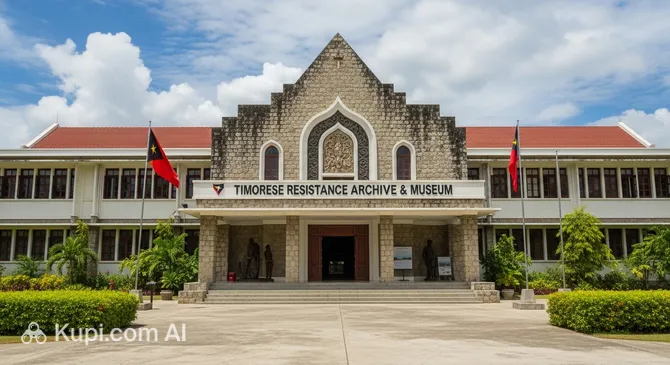
The city's museums are essential for understanding the resilience of the Timorese people. The most prominent institution is the Timorese Resistance Archive & Museum. Housed in a beautifully restored colonial building, this museum provides a comprehensive look at the 24-year struggle for independence. Through a collection of photographs, video footage, and preserved artifacts, it tells the story of the clandestine networks and guerrilla fighters who shaped the nation's destiny. It is a must-visit for anyone wishing to comprehend the modern identity of Timor-Leste.
Another deeply moving site is the Chega! Exhibition, located in the former Balide Prison. The building itself is a historical artifact, having served as a detention center during multiple eras of foreign rule. Today, it has been transformed into a center for peace and reconciliation. The exhibition displays the cells and interrogation rooms largely as they were, accompanied by personal stories and testimonies that highlight the importance of human rights and memory.
For a blend of history and art, the Xanana Gusmão Reading Room serves as a library, cultural center, and museum. It houses a unique collection of geological specimens, archaeological finds, and personal memorabilia from Xanana Gusmão, a key figure in the independence movement. The center also frequently exhibits work by local artists, making it a vibrant space for cultural exchange.
Historical Landmarks
Beyond the museums, Dili's history is etched into its landscape. The Santa Cruz Cemetery is a site of great emotional significance. While it functions as a working cemetery, it is historically pivotal due to the events of November 1991, which drew global attention to the Timorese cause. Visitors often come here to pay their respects and reflect on the sacrifices made by the younger generation.
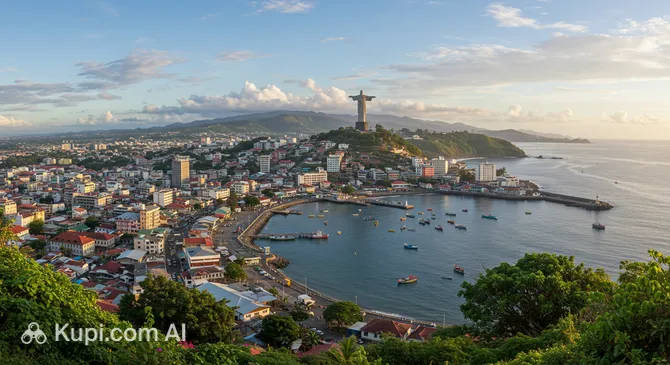
High in the hills overlooking the city stands the Dare Memorial. Dedicated to the shared history between the Timorese people and Australian soldiers during World War II, the site features a museum and a cafe. The memorial is surrounded by lush vegetation and offers one of the best panoramic views of Dili and the coastline, combining historical education with stunning natural scenery.
Insider Tip
For a quieter museum experience that many tourists miss, visit the Archives & Museum of East Timor (AMRT) garden area. While the museum interior is the main draw, the grounds often host small temporary exhibitions or cultural talks. Additionally, if you visit the Dare Memorial, try to go in the late afternoon; the temperature is cooler in the hills, and watching the sunset over the city from the cafe terrace is a magical experience.