Support

Namlea

About

Welcome to Namlea, the bustling capital of the Buru Regency and the primary gateway to the enchanting Buru Island. Situated on the northeastern coast of the island within the Maluku province, this coastal town offers a unique blend of authentic local culture and scenic beauty. As a vital port city in Indonesia, Namlea serves as a lively hub for trade and transportation, welcoming travelers with its warm atmosphere and tropical charm.
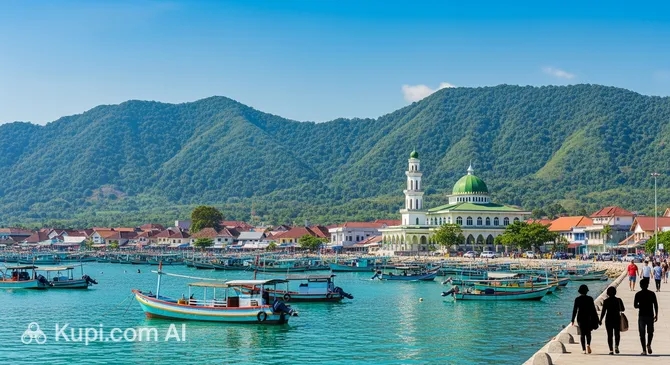
Namlea. Source: Kupi.Binoculars

Geographically, the city is positioned along a picturesque bay, surrounded by rolling hills and lush vegetation typical of the region. With a population of approximately 36,000 residents, it maintains a friendly, small-town vibe while providing essential amenities for visitors. The climate here is tropical, characterized by warm temperatures year-round, making it an inviting destination for those looking to explore the natural wonders of the archipelago.

While the town is known today for its production of high-quality cajuput oil (minyak kayu putih), it also holds significant stories from the past. Travelers can delve deeper into the history of Namlea to understand how this settlement has evolved over time into the administrative center it is today. Beyond its heritage, the area is famous for nearby natural attractions, such as the stunning Jikumerasa Beach with its white sands and clear waters, and the majestic Mount Rana further inland.

Whether you are passing through on your way to explore the legendary Lake Rana or staying to enjoy the local seafood and sunsets by the harbor, Namlea offers a memorable experience. It is an excellent starting point for anyone eager to discover the hidden gems of Maluku.

Weather Overview

Travelers visiting this region can expect a consistent tropical climate with warm temperatures throughout the year. The average daily temperature remains stable, generally fluctuating between 25°C and 27°C. The warmest months, such as November and December, see highs reaching approximately 28.9°C, while the coolest nights in August dip to around 23.8°C, ensuring a comfortable atmosphere for outdoor activities.

Rainfall is a frequent companion in this area, with a high number of wet days recorded across all seasons. To get a detailed forecast for your trip, it is helpful to check the weather in Namlea before packing. The wettest period typically occurs from January to March, where rain is recorded on nearly every day of the month. However, a slightly drier window exists from August to October, when the number of wet days decreases to around 18 per month, potentially offering more clear skies for exploration.

Interesting Facts

Beyond its role as a busy port town, Namlea holds several fascinating secrets that reveal the unique character of Buru Island. From aromatic landscapes to sacred natural wonders, there are surprising details that add depth to a visit here.
  • The Scent of the City: Namlea is widely known as the primary hub for the production of high-quality Minyak Kayu Putih (cajuput oil). The Melaleuca trees used to produce this therapeutic oil grow abundantly in the surrounding dry hills. As a result, visitors often notice the distinct, herbal aroma of distilling oil wafting through the air near local workshops and markets.

  • A Beach of Three Colors: Just a short distance from the city center lies Jikumerasa Beach, which is celebrated by locals for a stunning visual phenomenon. Under the bright midday sun, the water typically displays three clearly defined bands of color: transparent crystal clear near the white sands, vivid turquoise in the middle, and deep sapphire blue further out.

  • Gateway to the Sacred Heart: While Namlea is a coastal settlement, it is the essential starting point for reaching Lake Rana, the largest lake in the Maluku province. Located deep in the island's interior, this massive volcanic crater lake is considered a sacred site by the indigenous tribes, who believe it to be the spiritual birthplace of their ancestors.

How to Get There

Reaching Namlea is an adventure that typically takes travelers through the major transport hubs of the Maluku province. Since the city is located on Buru Island, the journey usually involves a combination of flights and sea travel. To plan your trip effectively, you can read more about how to get to Namlea and the specific routes available.

The city of Namlea does not have its own major international airport listed in the immediate vicinity, so most visitors fly into Pattimura Airport (AMQ) in the city of Ambon. This airport serves as a key regional gateway, handling substantial passenger traffic annually. It is important to note that Ambon is located on a neighboring island, approximately 123 km from Namlea. Consequently, after landing, travelers cannot reach Namlea directly by taxi or bus; instead, they must continue their trip by sea, typically taking a ferry from Ambon to the port of Namlea.

For clarity, here is a summary of the main airports:

Airport Name City Passenger Traffic Km from City
Pattimura Airport Ambon Medium 123.3

Main Attractions

While Namlea is often viewed as a commercial hub, it serves as the perfect base for exploring the diverse landscapes of Buru Island. The city and its surroundings offer a mix of pristine coastlines, scenic viewpoints, and cultural experiences that highlight the region's unique character. Here are some of the most interesting places to visit during your stay.

Jikumerasa Beach is widely considered the crown jewel of tourism near Namlea. Located just a short drive from the city center, this beach is celebrated for its powdery white sand and the stunning clarity of its waters. Visitors are often captivated by the visible gradient of the sea, which shifts from transparent shallows to turquoise and deep blue further out. It is an idyllic spot for swimming, relaxing under the coconut trees, or enjoying the vibrant colors of the sunset.

For those willing to venture further inland, Lake Rana is a spectacular natural wonder accessible from the city. As the largest lake in the Maluku province, it sits at a high altitude surrounded by dense, untouched rainforests. The lake is not only a place of breathtaking beauty but also holds deep spiritual significance for the indigenous people of Buru. The journey to the lake offers an adventurous glimpse into the heart of the island's wilderness.

To get a bird's-eye view of the area, a hike up Tatanggo Hill (Bukit Tatanggo) is highly recommended. Situated conveniently close to the town, this hill offers panoramic vistas of Namlea's cityscape, the bustling harbor, and the sweeping bay. It is a favorite spot among locals for afternoon walks and photography, providing a peaceful escape where you can enjoy the cool breeze and expansive scenery.

Given the region's reputation as a major producer of aromatic oils, a visit to a local Cajuput Oil Distillery is a fascinating cultural activity. The landscape around Namlea is dotted with Melaleuca trees, and travelers can observe the traditional process of distilling the leaves to create the famous Minyak Kayu Putih. It is a unique opportunity to learn about the local economy and purchase authentic, high-quality oil directly from the source.

Local Cuisine

The culinary scene in Namlea offers a distinct taste of the Maluku archipelago, heavily influenced by the abundance of fresh seafood and the island's native crops. Food here is characterized by rich spices, savory broths, and the extensive use of sago, which is a staple carbohydrate in the region. Visitors can expect meals that are simple yet bursting with bold, fresh flavors, often enjoyed in open-air settings that take advantage of the tropical breeze.

One of the most iconic dishes to try is Papeda with Ikan Kuah Kuning. Papeda is a thick, translucent porridge made from sago flour, which has a glue-like texture and a neutral taste. It is traditionally served with Ikan Kuah Kuning, a yellow fish soup seasoned with turmeric, lime, and basil. The sour and savory broth perfectly complements the blandness of the sago, creating a harmonious and hearty meal that is central to the local diet. For those who prefer rice, Hotong is a unique Buru Island specialty worth seeking out; it is a millet-like grain often cooked as a porridge or rice substitute, offering a nutty flavor found nowhere else in Indonesia.

For seafood lovers, Ikan Bakar Colo-Colo is a mandatory experience. Freshly caught fish is grilled over charcoal and served with colo-colo, a spicy and refreshing condiment made from chopped chilies, shallots, tomatoes, lime juice, and sweet soy sauce. The combination of the smoky fish and the sharp, zesty sauce captures the essence of coastal dining in Namlea.

A visit to Namlea is incomplete without tasting the famous Rujak Jikumerasa. Located specifically at Jikumerasa Beach, this fruit salad is legendary among locals and tourists alike. It features slices of tropical fruits like pineapple, papaya, and water apple, drenched in a special spicy peanut sauce. What sets it apart is the use of high-quality local palm sugar and often a hint of nutmeg, giving the sauce a rich, caramel-like depth that balances the heat of the chilies.

The food culture in Namlea is casual and unpretentious. You will not find fine dining establishments here; instead, locals and visitors frequent small family-run eateries known as warungs or enjoy street food at the night market near the Tugu Tani roundabout. The best place to enjoy a snack is undoubtedly by the sea at Jikumerasa, where rows of small stalls serve fresh coconuts and rujak right on the sand, allowing you to dine with a view of the turquoise waters.

Travel Tips

Visiting Namlea offers a genuine glimpse into the life of the Maluku islands, but traveling to this relatively remote regency capital requires a bit more preparation than visiting Indonesia's major tourist hubs. To help you navigate the local customs and logistics smoothly, here are some practical tips to ensure your journey on Buru Island is both comfortable and respectful.

  1. Clothing and Gear: Given the tropical climate, pack lightweight, breathable fabrics like cotton or linen to stay cool. Since rain is frequent, especially from January to March, a sturdy raincoat or poncho is essential. While swimwear is fine for Jikumerasa Beach, you should dress modestly when exploring the town or visiting villages; cover your shoulders and knees to respect local norms. Comfortable walking shoes are a must if you plan to hike up Tatanggo Hill or trek toward Lake Rana.

  2. Transportation: Public transport options like metros or large buses do not exist here. The most common way to get around Namlea is by ojek (motorcycle taxi) or becak (pedicab) for short distances within the town. For exploring the wider island, renting a scooter is the most flexible option, though you should be an experienced rider as road conditions can vary. Ride-hailing apps are generally not available or reliable, so negotiate fares with drivers beforehand.

  3. Finances: Cash is king in Namlea. The Indonesian Rupiah (IDR) is the only currency used, and you should carry sufficient cash for daily expenses, as small warungs (eateries) and markets do not accept cards. There are ATMs available in the town center (typically Bank BRI or BNI), but they can be unreliable or empty, and ATMs are non-existent once you leave the main city area.

  4. Health and Safety: Pharmacies (apotek) are available in the town center, but they may close early in the evening. As Buru Island is in a tropical zone, bringing strong mosquito repellent is crucial to protect against insect-borne illnesses, especially if you venture inland near the forests. Always stick to bottled or boiled water and avoid drinking directly from the tap.

  5. Communication: Bahasa Indonesia is the primary language spoken. English is not widely spoken outside of major government or high-end business interactions, so learning a few basic phrases like terima kasih (thank you) and selamat pagi (good morning) will go a long way. For mobile data, purchase a Telkomsel SIM card before arrival or in town, as it typically offers the best signal coverage on the island.

  6. Local Etiquette: The people of Namlea are known for their friendliness. It is polite to smile and nod when passing locals on the street. Always use your right hand for eating, giving, or receiving items, as the left hand is considered unclean. If you are invited into a local home, remember to remove your shoes at the door.

  7. What to Avoid: Avoid public displays of affection, which are frowned upon in this conservative society. Additionally, do not take photos of locals, especially in rural areas, without asking for permission first; a simple smile and gesture with your camera is usually enough to ask.

  8. Local Souvenir Tip: Don't leave without buying a bottle of authentic Minyak Kayu Putih (cajuput oil). Namlea is famous for it, and you can buy it fresh from local distillers or markets. It is not only a great souvenir but also a practical remedy for insect bites and nausea during your travels.

By keeping these practicalities in mind, you will be well-equipped to embrace the laid-back rhythm of Namlea and connect meaningfully with its welcoming residents. Enjoy the adventure of discovering one of Indonesia's hidden coastal treasures!

Entertainment & Nightlife

Entertainment and nightlife in Namlea offer a relaxed alternative to the energetic party scenes found in major metropolitan areas of Indonesia. The town does not have nightclubs or loud bars; instead, the evening culture is centered around nongkrong—the local custom of socializing, drinking coffee, and enjoying communal meals. The atmosphere is welcoming and family-friendly, providing travelers with a chance to observe the authentic rhythm of life on Buru Island.

The focal point of evening activity is the area surrounding the Tugu Tani (Farmer’s Monument). As the sun sets, this district transforms into a lively center for "Wisata Kuliner Malam" (Night Culinary Tourism). The sidewalks are lined with lesehan stalls, where patrons sit on mats spread on the ground to dine. This area is popular among locals for enjoying grilled seafood, fried rice, and traditional snacks in a casual, open-air setting that typically remains active until late at night.

For those seeking a scenic spot to unwind, Pantai Merah Putih (Red and White Beach) is a favorite gathering place near the city center. Visitors often come here to enjoy the cool ocean breeze and sample local nocturnal delicacies. A must-try combination is Pisang Gepe—grilled pressed bananas served with a sweet brown sugar sauce—paired with Kopi Jahe Kenari, a warming ginger coffee topped with walnuts. The sound of the waves and the warm beverages create a soothing environment for an evening out.

Karaoke is one of the most popular indoor entertainment activities in the region. Venues such as Dinasty Karaoke offer private rooms for groups to enjoy singing, a pastime deeply ingrained in local modern culture. For a quieter evening, coffee shops like Cafe 88 and Retro Cafe provide comfortable spaces to relax, enjoy light meals, and mingle with local residents.

When exploring Namlea at night, it is helpful to know that the town is generally conservative and safe. However, street lighting can be sparse outside the main commercial strips, so staying in populated areas is recommended. Public transportation vans usually stop operating early, making ojeks (motorcycle taxis) the primary mode of transport after dark; always agree on a fare before starting your journey. Additionally, most night vendors and small eateries accept only cash, so carrying sufficient small denomination notes is essential.

Parks & Museums

While Namlea may not abound with traditional indoor museums or manicured botanical gardens, the city itself serves as an open-air gallery of nature and living history. The true "green spaces" here are the rolling savannahs and coastal promenades, while the local culture is best preserved not in glass cases, but in the vibrant daily life of its religious sites, markets, and historical industries.

One of the most defining natural features surrounding the city is the expanse of Savanna Hills. Often compared to the famous "Teletubbies Hills" found elsewhere in Indonesia, these undulating grassy slopes dominate the landscape just outside the urban center. During the rainy season, they transform into a vibrant carpet of emerald green, offering a fantastic area for light trekking and photography. It is a raw, unmanicured natural park that provides a stark, beautiful contrast to the tropical forests found deeper inland.

For a more relaxed recreational experience closer to town, Pantai Merah Putih serves as the city's communal waterfront park. Although known for its culinary scene at night, during the day it functions as a peaceful promenade where families gather to enjoy the sea breeze. The area is lined with trees and offers unobstructed views of the bay, making it an ideal spot for a leisurely afternoon walk or a picnic while watching the local fishing boats drift by.

In terms of cultural landmarks, the Masjid Agung Al-Buruj stands as the architectural and spiritual heart of Namlea. As the grand mosque of the city, its striking dome and minarets are visible from various points in town, symbolizing the strong Islamic heritage of the coastal population. Visitors are often welcomed to admire the exterior architecture, which blends modern Indonesian mosque design with local tropical elements, serving as a testament to the community's faith and artistry.

Since the city lacks a formal history museum, the Traditional Markets of Namlea act as a living exhibition of the island's culture and biodiversity. A walk through these bustling lanes reveals the true essence of Buru Island, from the unique local spices and sago processing tools to the friendly bargaining customs of the traders. It is here that tourists can observe the authentic lifestyle of the Buru people, effectively replacing the need for a curated ethnographic display.

For an authentic insider experience, try to locate the small, informal Mangrove Conservation Areas along the coast near the harbor. These quiet pockets of nature are often overlooked by tourists but offer a serene escape where you can observe coastal birds and the intricate root systems that protect the shoreline, providing a glimpse into the island's vital ecological heritage.

Getting Around

Public transport in Namlea operates on a much smaller, more informal scale compared to major metropolitan hubs. Travelers should not expect to find a metro system, trams, or large city buses here. Instead, the city relies on a network of public minibuses, known locally as Angkots (Angkutan Kota), which serve as the primary mode of shared transportation. These minivans follow specific routes through the main streets and connecting neighborhoods, making them a convenient and authentic way to get around the town center and nearby residential areas.

For shorter distances or trips into narrow lanes where Angkots do not venture, Becaks (pedicabs) and Ojeks (motorcycle taxis) are the most popular options. Becaks offer a leisurely pace and are perfect for carrying groceries or luggage over short distances, allowing you to soak in the street atmosphere. Ojeks are faster and more flexible, capable of weaving through traffic to get you to your destination quickly. They are often found waiting at street corners, near markets, or at the harbor.

The payment system in Namlea is exclusively cash-based. There are no travel cards, digital passes, or tap-to-pay systems available for public transit. Fares for Angkots are generally fixed at a very low rate, while prices for Becaks and Ojeks should be negotiated with the driver before you hop on. It is essential to carry small denominations of the local currency, as drivers often do not have change for large bills. Ride-hailing apps are not widely established or reliable in this region, so traditional face-to-face transactions are the norm.

To use an Angkot, simply wait by the side of the road along a main route and wave your hand when you see one approaching. There are no designated bus stops with timetables; the vans stop on demand. When you reach your destination, say "Kiri" (meaning "left" or "pull over") to signal the driver to stop. Operating hours are generally limited to daylight hours, with service frequency dropping significantly after sunset. If you plan to travel in the evening, it is safer to arrange transport in advance or rely on Ojeks.

For those seeking more independence, renting a scooter or motorbike is a highly recommended alternative. This allows tourists to explore the scenic coastal roads and reach attractions like Jikumerasa Beach at their own pace. Rental shops are typically small, locally-owned businesses, and you may even find guesthouses offering this service. While car rentals are available, they usually come with a driver, which can be a comfortable way to tour the wider island without worrying about navigation.

Accommodation

Accommodation in Namlea primarily consists of functional, budget-friendly hotels and guesthouses known locally as penginapan. Travelers should not expect international luxury chains or sprawling five-star resorts in this regency capital. Instead, the city offers small, family-run establishments and modest mid-range city hotels that provide essential amenities and warm local hospitality, making them suitable for both transit travelers and those planning to explore the wider beauty of Buru Island.

The most convenient area to stay is the City Center, particularly the streets surrounding the harbor and the main market. Staying in this central district places you within walking distance of local eateries (warungs), ATMs, and the main stands for ojeks (motorcycle taxis). For those seeking a more scenic environment, there are limited but growing options near Jikumerasa Beach, offering a quieter atmosphere and immediate access to the sea, although these locations are further from the town's commercial conveniences.

When it comes to booking, it is important to note that the digital infrastructure for tourism here is still developing. Many smaller lodgings in Namlea may not be listed on major international booking platforms. While a few of the larger hotels can be found on Indonesian travel apps, many operate on a walk-in basis or via direct phone reservations. If you are visiting during major holidays or regional government events, it is advisable to try and secure a room in advance; otherwise, finding a place upon arrival is generally quite easy.

Prices in Namlea are typically very affordable, falling squarely into the budget to lower-mid-range categories. In terms of amenities, most standard rooms include air conditioning and private bathrooms, though travelers should be aware that hot water showers are not guaranteed in the cheaper guesthouses. Payment is almost exclusively accepted in cash (Indonesian Rupiah), so it is essential to visit an ATM in the town center before checking in.

Nearby Cities

For those looking to explore the surroundings, Namlea serves as an excellent base for day trips or short visits to several interesting nearby locations. While Buru Island itself offers plenty to see, the connectivity of the archipelago allows travelers to easily reach neighboring islands and regional hubs that showcase the rich diversity of Eastern Indonesia.

Ambon is the most accessible and popular destination for a short visit from Namlea. As the provincial capital and the main transport hub of Maluku, it is reachable by a ferry ride or a short flight. Known as "Ambon Manise" (Sweet Ambon), the city is famous for its musical heritage, historical forts like Fort Victoria, and the stunning Natsepa Beach. It offers a more urban atmosphere compared to Namlea, with vibrant markets and a wider range of culinary delights, making it a perfect spot to experience the pulse of the Moluccas.

For those willing to venture a bit further to explore the historical "Spice Islands," Ternate offers a captivating experience. Although it requires further travel, this city in North Maluku is dominated by the majestic Mount Gamalama volcano and is steeped in history as a former sultanate and center of the clove trade. Visitors can explore ancient Portuguese and Dutch forts, such as Fort Oranje, and enjoy breathtaking views of the neighboring island of Tidore, offering a deep dive into the region's colonial past and natural beauty.

Another exciting option for nature enthusiasts is Sorong. While it is a longer journey, Sorong serves as the gateway to the world-renowned Raja Ampat islands. For travelers extending their trip from Namlea, Sorong provides access to some of the most biodiverse marine environments on the planet. The city itself is a bustling port town where visitors can prepare for diving expeditions or enjoy fresh seafood while overlooking the sea that connects Maluku with Papua.

City Population Distance (km)
Ambon 372249 128
Kendari 331013 515
Sorong 272349 532
Ternate 204215 447
Kotamobagu 120597 535

These nearby destinations offer a glimpse into the diverse culture and landscapes of the region, allowing travelers to experience the unique island-hopping lifestyle of Eastern Indonesia.

Shopping & Souvenirs

Shopping in Namlea offers a distinctively local experience that contrasts sharply with the glitzy malls of Indonesia's metropolitan cities. As a functional port town and the administrative center of the regency, the retail scene here is focused on daily necessities, traditional produce, and the island's signature commodities. For tourists, the charm lies in exploring the authentic markets where commerce is conducted with a friendly smile and a personal touch, rather than in browsing international luxury brands.

The main commercial activity is concentrated in the City Center, particularly along the streets radiating from the harbor and the central market area. This district serves as the town's open-air shopping hub, lined with rows of small shophouses (ruko) selling everything from electronics and clothing to household goods. Walking through these bustling streets allows visitors to soak in the lively atmosphere of daily life on Buru Island.

Travelers should be aware that there are no large, modern shopping malls or department store chains in Namlea. The retail landscape is dominated by independently owned stores and small convenience shops. While you won't find cinema complexes or food courts, there are several mini-markets and local "plazas" that provide basic amenities, toiletries, and snacks, ensuring that visitors can easily find what they need for their stay.

The heart of the local economy beats strongest at the Pasar Inpres Namlea, the city's primary traditional market. This is the best place to witness the region's agricultural bounty. Early in the morning, the market is a sensory overload of fresh fish caught from the Banda Sea, piles of aromatic spices, and locally grown vegetables. It is also an excellent spot to find traditional snacks made from sago, which are a staple of the Maluku diet.

When it comes to souvenirs, there is one item that stands above the rest: Minyak Kayu Putih (Cajuput Oil). Namlea is famous across Indonesia for producing some of the highest quality cajuput oil in the archipelago. You will find it sold everywhere, from the market stalls to specialized shops near the port. It is typically packaged in clear bottles, and buying it here guarantees authenticity and a much lower price than in Jakarta or Bali. Other worthwhile buys include Bagea (savory walnut cookies) and woven crafts made from coconut leaves.

Most shops in Namlea operate from around 8:00 AM to 9:00 PM, though the traditional market is most active in the early morning hours. Payment is almost exclusively in Cash (IDR). Credit cards are rarely accepted outside of perhaps the largest hotels or government-affiliated offices, so it is crucial to carry sufficient Rupiah notes, especially small denominations for market purchases and bargaining.

As Namlea is not a major international tourist destination, tax-free shopping or VAT refund services are not available. The prices here are generally fixed for manufactured goods in stores, but friendly bargaining is expected and welcomed when purchasing fresh produce or souvenirs in the traditional markets.

Nearby cities

Reached the end of the page?

That means the route is fully explored