Support

Labuha

About

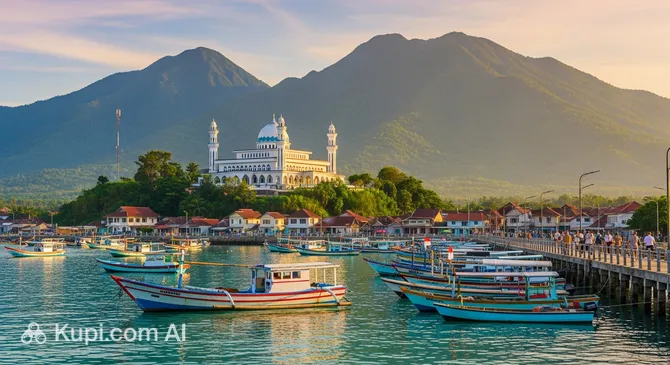
Welcome to Labuha, a captivating town located on the picturesque Bacan Island in the North Maluku province. As the capital of the South Halmahera Regency, this coastal settlement serves as a vital hub for the region, offering a unique blend of bustling local life and serene island atmosphere. Situated in the eastern part of Indonesia, Labuha is surrounded by lush tropical greenery and the sparkling waters of the Molucca Sea, making it a delightful destination for travelers seeking an off-the-beaten-path adventure.

Labuha. Source: Kupi.Binoculars

The town is steeped in heritage, having played a significant role in the region's past trade routes. Visitors can delve into the fascinating history of Labuha by visiting the remnants of the colonial era, such as the historic Fort Barneveld. Originally built by the Portuguese and later expanded by the Dutch, this fortification stands as a silent witness to the spice trade that once shaped the destiny of these islands. The local culture is also heavily influenced by the presence of the Sultanate of Bacan, adding a layer of regal tradition to the community.

Beyond its historical sites, Labuha is famous among gem enthusiasts for the precious Bacan stone, a type of jade-like chrysocolla found on the island. Tourists can explore local markets to see these beautiful stones or simply enjoy a stroll along the vibrant waterfront harbor, where fishing boats dock and daily life unfolds. Whether you are interested in cultural exploration or simply want to experience the warm hospitality of North Maluku, Labuha invites you to discover its hidden charms.

Weather Overview

Labuha experiences a consistent tropical climate characterized by warm and stable temperatures year-round. Situated near the equator, the town does not see drastic seasonal changes, making it a destination where the atmosphere remains relatively predictable regardless of the month. The humidity is typically high, and the lush surroundings thrive under these steady conditions.

Visitors can expect daily temperatures to generally hover between lows of 24°C and highs of around 28°C. Rainfall is a frequent occurrence, with wet days often exceeding 20 days per month throughout the year, although the showers can be brief. To plan your activities and packing list effectively, it is helpful to check the detailed weather in Labuha before your journey.

Interesting Facts

Beyond the main attractions, Labuha holds many fascinating secrets that range from scientific breakthroughs to curious local legends. This quiet town on Bacan Island has played a surprisingly pivotal role in history and natural science, offering stories that few visitors ever hear.

  • A Naturalist's Treasure Trove: The forests surrounding Labuha were a key location for the famous naturalist Alfred Russel Wallace during his exploration of the Malay Archipelago. It was here on Bacan Island that he discovered the magnificent "Golden Birdwing" butterfly and the "Standardwing" Bird of Paradise, the latter of which he famously described as his "greatest discovery."

  • The "Living" Gemstone: The region is famous for the Bacan stone, but few know about its unique reputation as a "living" gem. Local lore and gem enthusiasts claim that these stones can undergo a natural metamorphosis, slowly changing color from dark black or blue to a vibrant, crystal-clear green over time, even after they have been cut and polished.

  • The Legend of "Dutch Tears": One of the local rivers is named Air Mata Belanda (Tears of the Dutch), a title rooted in a peculiar urban legend. According to local folklore, a colonial Dutch family once dropped a precious utensil into the stream; they were so distraught by the loss that their collective weeping supposedly gave the river its sorrowful name.

  • A Primate Oddity: While most islands in Indonesia's Maluku region are known for marsupials and birds, the forests near Labuha are home to a population of Black Macaques. These monkeys were historically introduced from neighboring Sulawesi, making this one of the rare places in the province where you can observe them in the wild.

How to Get There

Reaching Labuha, the capital of South Halmahera, is an exciting journey into the heart of the North Maluku archipelago. While the town is located on Bacan Island, it is well-connected to the wider region through nearby transport hubs and sea routes. For those planning their trip, you can find more about how to get to Labuha and the specific travel logistics required to reach this beautiful coastal destination.

The city of Labuha does not have a major international airport listed in the immediate vicinity, but you can fly into Babullah Airport (TTE) in the city of Ternate, which is the primary gateway to the province. This airport is located approximately 162 km from Labuha. Since Labuha is situated on a separate island, the journey from Ternate involves a subsequent transfer, typically by ferry or speedboat, rather than a direct taxi or bus ride. Travelers should account for this sea crossing when planning their arrival time.

For clarity, here is a summary of the main airport:

Airport Name City Passenger Traffic Km from City
Babullah Airport Ternate Medium 161.7

Main Attractions

One of the most significant historical landmarks in the city is Fort Barneveld. Originally constructed by the Portuguese in the 16th century and later expanded by the Dutch East India Company, this fortification stands as a testament to the region's turbulent history during the spice trade era. Visitors can explore the ancient walls and ramparts, which offer a glimpse into the colonial past while providing excellent views of the surrounding harbor. It is a must-visit site for history enthusiasts keen to understand the strategic importance of Bacan Island in centuries past.

For a deeper dive into the local culture and royal heritage, the Keraton Kesultanan Bacan (Bacan Sultanate Palace) is a key attraction. Located in the heart of the town, this palace serves as the residence of the Sultan of Bacan and stands as a symbol of the island's enduring traditions. While access to the interior may be restricted depending on royal schedules, the exterior architecture and the surrounding complex offer a fascinating look at the cultural identity of North Maluku. It is a place where the legacy of one of the four Moluccan sultanates remains vibrant.

Nature lovers should not miss the opportunity to visit the Mount Sibela Nature Reserve. Dominating the landscape of Bacan Island, this protected area is renowned for its incredible biodiversity. It was here that the famous naturalist Alfred Russel Wallace discovered unique species, including the Golden Birdwing butterfly. The reserve offers trekking opportunities for adventurous travelers, leading through lush rainforests inhabited by rare birds, macaques, and other endemic wildlife, making it a paradise for eco-tourists and birdwatchers.

For a more relaxing experience by the water, Dermaga Biru (Blue Pier) is a popular spot among locals and tourists alike. This scenic waterfront area is perfect for a leisurely afternoon stroll or a refreshing swim in the clear, turquoise waters. The area is particularly lively in the late afternoon, offering a fantastic vantage point for watching the sunset over the Molucca Sea. Nearby, you can often find vendors selling fresh coconuts and local snacks, allowing you to soak in the laid-back island atmosphere.

Local Cuisine

The culinary landscape of Labuha is a delightful reflection of its location in the "Spice Islands" and its proximity to the bountiful Molucca Sea. Food here is characterized by the freshness of its ingredients, particularly seafood, which is often caught just hours before being served. The local palate favors rich, savory flavors enhanced by aromatic spices like nutmeg and cloves, as well as the fiery kick of locally grown chilies. Dining in Labuha is generally a casual affair, with an emphasis on communal meals and authentic home-style cooking found in small eateries rather than upscale restaurants.

One dish you simply must try while visiting North Maluku is Gohu Ikan, often referred to as "Ternate Sashimi." This specialty consists of raw fresh tuna diced and marinated with lime juice, salt, and basil leaves, then doused in hot coconut oil mixed with fried shallots and chilies. The result is a fresh, spicy, and savory treat that perfectly captures the island's flavors. Another staple is Papeda, a glue-like congee made from sago starch. It has a neutral taste on its own but is traditionally paired with Ikan Kuah Kuning, a fish soup rich in turmeric and lime, creating a balanced and hearty meal that locals adore.

When it comes to beverages, the region offers unique warm drinks that are perfect for relaxing evenings. A local favorite is Air Guraka, a traditional ginger tea brewed with palm sugar and often sprinkled with crunchy Kenari nuts (Java almonds). It is known for its warming properties and sweet, nutty finish. Coffee lovers should look for Kopi Dabe, a spiced coffee infused with herbs and spices like cinnamon and cloves, reflecting the region's heritage as a historic spice trade center. For something cooling during the hot days, fresh young coconut water is widely available along the coast.

To experience the true food culture of Labuha, head to the bustling area around the harbor or the local markets. As the sun sets, the waterfront often comes alive with street food vendors and small warungs (food stalls) grilling fresh fish, known as Ikan Bakar. These are typically served with Dabu-dabu, a spicy condiment made from chopped tomatoes, chilies, shallots, and lime juice. Eating at these open-air spots not only offers the most authentic tastes but also provides a chance to mingle with friendly locals and enjoy the sea breeze.

Travel Tips

Planning a trip to Labuha requires a bit of local know-how, as this charming town on Bacan Island operates at a different pace than Indonesia's major tourist hubs. To help you navigate your journey smoothly and respectfully, here are some practical tips to keep in mind.

  1. Clothing and Gear: Due to the warm and humid tropical climate, lightweight and breathable fabrics like cotton or linen are ideal. However, North Maluku is a conservative region, so it is important to dress modestly; both men and women should cover their shoulders and knees when walking around town. Don't forget to pack a durable raincoat or umbrella, as sudden showers are common, and bring comfortable walking shoes for exploring historical sites like Fort Barneveld.
  2. Transportation: There is no mass public transit system in Labuha. The most convenient way to get around is by using an Ojek (motorcycle taxi) or a Bentor (motorized rickshaw). These are widely available and affordable, but you must negotiate and agree on the fare with the driver before hopping on, as they do not use meters.
  3. Finances: Cash is widely preferred over cards, which are rarely accepted outside of a few hotels. While there are ATMs in the town center (typically BRI, BNI, or Bank Maluku), they can occasionally be offline or out of cash. It is highly advisable to withdraw sufficient Indonesian Rupiah (IDR) in a larger city like Ternate before you arrive and to carry small bills for markets and transport.
  4. Health and Safety: Labuha is a safe town, but standard tropical precautions apply. Mosquitoes can be active, especially at dusk, so carrying a strong insect repellent is essential. Pharmacies, known as Apotek, are available for basic needs, but stock may be limited. Always drink sealed bottled water rather than tap water to avoid stomach issues.
  5. Communication: English is not widely spoken among the general population. Downloading an offline translation app or learning a few basic phrases in Bahasa Indonesia—such as "Terima Kasih" (Thank you) and "Pagi" (Good morning)—will go a long way in connecting with locals. For mobile data, a Telkomsel SIM card generally provides the best coverage on Bacan Island.
  6. Local Etiquette: The local culture is deeply rooted in tradition and religion. Always use your right hand for eating, shaking hands, or passing money, as the left hand is considered unclean. It is also polite to smile and nod when making eye contact with strangers, and you should always remove your footwear before entering a local home or a mosque.
  7. What to Avoid: Avoid walking through the town in swimwear or overly revealing clothes; save that attire strictly for the beach or swimming spots. Additionally, public displays of affection are culturally inappropriate and should be avoided to prevent offending the local community.
  8. Island Logistics: Be prepared for "Jam Karet" or "rubber time." Schedules for ferries, shops, and meetings can be flexible and relaxed. If a boat departs later than scheduled or a shop takes a midday break, patience and a sense of humor are your best travel companions.

By keeping these practical tips in mind, you will be well-prepared to immerse yourself in the authentic lifestyle of Labuha. Embrace the slower pace, respect the local customs, and enjoy the warm hospitality that makes this part of North Maluku so special.

Entertainment & Nightlife

Nightlife in Labuha offers a stark contrast to the neon-lit bustling party scenes found in Bali or Jakarta. Here, the evening entertainment is authentically local, relaxed, and centered around community interaction rather than loud music or dance clubs. As the sun sets, the town cools down, and residents flock to the streets to socialize, making it the perfect time for visitors to immerse themselves in the "santai" (relaxed) lifestyle of North Maluku. The atmosphere is family-friendly and conservative, so travelers should not expect western-style bars or nightclubs, but rather a vibrant street culture fueled by conversation, coffee, and culinary delights.

The heart of the evening action is undoubtedly the Swering Labuha (Waterfront Promenade). This reclaimed coastal area transforms into a lively social hub after dark. Rows of small stalls and food carts line the pavement, offering plastic tables and chairs where you can sit by the water's edge. It is the best place to mingle with locals, watch the fishing boats bob in the harbor, and enjoy the cool sea breeze. The crowd here is diverse, ranging from teenagers hanging out to families enjoying a late dinner. The dress code is casual but modest; t-shirts and long pants are the norm.

Another key spot for night owls is the area surrounding Zero Point Labuha (Titik Nol). Located in the town center, this landmark serves as a popular meeting point. In the evenings, the surrounding streets come alive with vendors selling "Terang Bulan" (sweet pancakes) and grilled snacks. It is an excellent location to try the local favorite beverage, Saraba, a warm, spicy ginger drink often mixed with milk and palm sugar, which is the local alternative to alcohol for a night out. Since alcohol is not widely served in public venues due to local customs, these coffee and ginger drink stalls act as the primary "bars" of the town.

For a more bustling market experience, head to the Labuha Market area near the port. At night, the daytime stalls give way to grilled fish vendors. Here, you can select fresh seafood straight from the cooler and have it grilled over coconut husks while you wait. The prices are incredibly affordable, with a full meal costing only a fraction of what you would pay in a resort. The best time to head out is around 8:00 PM when the air is coolest and the streets are most active. Most venues wind down by midnight, so early evenings are the peak time for entertainment.

Regarding safety, Labuha is generally very safe for night walks, even for solo travelers. Violent crime is rare, but the streets can be dimly lit in certain sections, so it is wise to stick to the main illuminated areas like the Swering. Sidewalks can be uneven, so watch your step. If you need to get back to your accommodation, the primary mode of transport is the Ojek (motorcycle taxi) or Bentor (motorized rickshaw). They don't have meters or apps, so simply flag one down and agree on the price—usually between 5,000 to 10,000 IDR for short trips within town—before you hop on.

While the nights are for socializing, daytime entertainment in Labuha is less about commercial facilities and more about nature and culture. You won't find large amusement parks, cinemas, or shopping malls here. Instead, daytime leisure focuses on exploring the traditional markets, visiting the historic Fort Barneveld, or taking boat trips to nearby uninhabited islets for snorkeling. For those seeking a cultural experience, the local museum near the Sultan's palace offers a modest but interesting glimpse into the region's history, providing a quiet educational escape during the heat of the day.
Parks & Museums

While Labuha may not be filled with manicured city parks or vast modern museum complexes, it offers a distinct charm where the entire town feels like a living exhibit of nature and history. The green spaces here are wild and lush, often merging seamlessly with the surrounding rainforests, while the cultural heritage is preserved not in glass cases, but within the walls of ancient forts and royal residences. For visitors, exploring these areas provides a genuine connection to the island's storied past and its vibrant ecological present.

Mount Sibela Nature Reserve is the most significant natural area near the city and a must-visit for nature enthusiasts. Dominating the landscape of Bacan Island, this protected reserve is a biodiversity hotspot famously explored by the naturalist Alfred Russel Wallace. It is home to the majestic "Golden Birdwing" butterfly and the endemic Wallace's Standardwing bird. While it is more of a wild trekking destination than a city park, its lower slopes offer accessible green escapes where visitors can immerse themselves in the dense tropical flora that defines this part of Indonesia.

For a more relaxed experience within the town limits, the Labuha Waterfront (Swering) functions as the city's central public park. This reclaimed coastal promenade is where the community gathers to enjoy the cool sea breeze and spectacular sunsets over the Molucca Sea. It is a paved, open-air space perfect for jogging or a leisurely evening stroll. Another unique green spot is the Banyan Tree Grove located near the government offices (Kantor Bupati). This area is shaded by massive, ancient banyan trees with hanging roots, creating a mystical atmosphere. If you are lucky, you might spot a troop of Black Macaques playing in the branches, as they frequently visit this part of town from the nearby forests.

In terms of cultural heritage, Fort Barneveld stands as the premier historical site in Labuha. Built by the Portuguese and later held by the Dutch, this fortification offers an open-air museum experience. Although it is largely in ruins, the structure remains a powerful symbol of the spice trade era. Visitors can walk along the remaining ramparts and explore the old bastions. There are no ticket booths or audio guides; instead, the site offers a raw, tangible connection to history, allowing you to touch the centuries-old stones and imagine the merchant ships that once anchored in the harbor below.

The Keraton Kesultanan Bacan (Bacan Sultanate Palace) is another key cultural landmark that serves as a custodian of local history. While it is a private royal residence and not a public museum in the traditional sense, the exterior and the palace grounds are a focal point for cultural tourism. The architecture features a distinctive colonial style with a wide veranda. A highlight for many visitors is the massive chunk of raw Bacan stone displayed in the palace yard. This semi-precious gemstone is iconic to the island, and seeing such a large specimen in its raw form provides a fascinating insight into the region's geological fame.

For an authentic local experience, look for the small Cultural Collection often kept at the local Tourism Office (Dinas Pariwisata). While not a full-scale museum, the office sometimes displays a modest selection of artifacts, traditional textiles, and historical photographs of the Bacan Sultanate. It is a hidden gem for those who want to dig deeper into the ethnographic history of the island. Staff are usually eager to share stories about the local customs and the enduring traditions of the Bacan people.

Getting Around

Public transport in Labuha operates on a very different scale compared to major metropolitan areas. There is no metro, tram, or large municipal bus system in the city. Instead, the transportation network is informal, decentralized, and relies heavily on small, privately owned vehicles. For visitors, this means getting around is less about checking schedules and maps, and more about interacting with local drivers. The town is relatively compact, making it easy to navigate once you understand the local modes of transit.

The most popular and iconic form of transport in Labuha is the Bentor (a portmanteau of "Becak" and "Motor"). These are motorized rickshaws consisting of a motorcycle attached to a covered seating cabin in the front. They are colorful, ubiquitous, and serve as the town's primary taxi service. Bentors are perfect for short to medium distances, protecting passengers from the sun and rain while allowing for a breezy ride. For solo travelers looking for a faster option, Ojeks (motorcycle taxis) are also widely available at street corners and can navigate narrower paths that larger vehicles cannot reach.

When it comes to payment, cash is the only accepted method. There are no travel cards, tap-to-pay systems, or ticketing machines. Ride-hailing apps that are popular elsewhere are generally not active or reliable in this region. Prices are affordable but are not fixed by a meter. A typical short trip within the town center might cost between 5,000 to 10,000 IDR, while longer journeys to the outskirts will cost more. It is essential to carry small denominations of Indonesian Rupiah, as drivers often do not have change for large bills.

Practical advice for tourists using this system centers on negotiation. You must agree on the fare with the driver before you get into the vehicle or hop on the bike. If you are unsure of the standard rate, ask your hotel receptionist or a local beforehand to avoid being overcharged. Transport is most readily available during daylight hours, from early morning until sunset. While you can still find Bentors in the evening, especially around the waterfront and market areas, their frequency drops significantly after 9:00 PM.

For those who prefer more independence or comfort, alternatives like car rentals are available, but they typically function as "car charters" with a driver included. You can usually arrange these through your accommodation. Self-drive car rentals are rare and not recommended due to the lack of formal insurance and signage. However, because the central area of Labuha is quite small, walking is a viable and pleasant alternative for exploring the harbor, markets, and nearby historical sites, provided you can handle the tropical heat.

A unique feature of the local "transport system" is the reliance on water connectivity. Since Labuha is located on an island, speedboats and longboats act as the equivalent of inter-city trains or buses. The harbor is a bustling transit hub where public speedboats depart for Ternate and neighboring islands. These boats operate on a schedule, usually departing in the morning, and tickets can be purchased directly at the harbor counters. Understanding this maritime link is crucial for any traveler planning to explore beyond the town limits.

Accommodation

Accommodation in Labuha is characterized by its modest charm and practicality, catering primarily to local business travelers, government officials, and adventurous tourists. Visitors should not expect sprawling international luxury resorts or five-star hotel chains. Instead, the town offers a selection of comfortable mid-range hotels, simple guesthouses (known locally as penginapan), and budget-friendly inns. These establishments generally provide clean and essential amenities, such as air conditioning and private bathrooms, ensuring a restful stay after a day of exploring Bacan Island.

The most convenient area to stay is within the town center, particularly near the waterfront and the bustling market district. Staying here places you within walking distance of the "Swering" promenade for evening food and entertainment, as well as the harbor for island-hopping boats. Another popular area is the Mandaong village district, located just a short drive from the main commercial center. This area is slightly quieter and is home to some of the town's larger and more established properties, making it a favorite for visitors seeking a bit more space and tranquility.

For those looking for reliable comfort, Hotel Buana Lipu is one of the most well-known establishments in the area. Often used for government functions and events, it offers a standard of service and facilities that is considered among the best in town. Another reputable option is Hotel Grand Majang, which is appreciated by travelers for its strategic location and decent amenities. While these hotels may be basic by international standards, they are known for their warm hospitality and serve as excellent bases for your North Maluku adventures.

When it comes to booking, it is important to note that many of Labuha's accommodations do not have a strong presence on major global booking platforms like Booking.com or Agoda. While some may appear on Indonesian travel apps like Traveloka or Tiket.com, it is often most effective to book directly via phone or WhatsApp if you can find the contact numbers. For peak travel times or if you are visiting during a local government event, securing your room in advance is highly recommended, as the best options can fill up quickly.

Price-wise, Labuha is a very affordable destination. Most stays fall into the budget to mid-range category, with nightly rates typically offering excellent value for money. Payment is predominantly cash-based, especially in smaller guesthouses, so it is wise to have sufficient Indonesian Rupiah on hand upon arrival. Be prepared for a "sharia-compliant" atmosphere in some family-run inns, where couples may occasionally be asked to show proof of marriage, although this is less common in the larger hotels.

Nearby Cities

While Labuha offers a serene escape on Bacan Island, it also serves as a stepping stone to some of Eastern Indonesia's most historically and culturally significant destinations. Reaching these neighboring hubs often involves a scenic boat ride or a short connecting flight, adding a sense of adventure to the journey. The region is defined by its volcanic landscapes, spice trade heritage, and rich marine biodiversity.

The closest major urban center is Ternate, a city dominated by the imposing Gamalama volcano. Historically known as one of the world's premier clove producers, it is packed with colonial-era fortifications like Fort Oranje and the Sultan's Palace, making it an essential stop for history buffs before or after visiting Labuha. Further north across the sea lies Manado, the capital of North Sulawesi. Famous for its spicy cuisine and as the gateway to the Bunaken National Marine Park, it offers a more bustling, modern city experience compared to the quiet charm of Bacan.

For those interested in continuing their exploration of the Moluccas, Ambon is another key destination. Known as the "City of Music," it boasts beautiful beaches like Natsepa and significant historical sites such as Fort Victoria. Each of these cities provides a unique contrast to Labuha, allowing travelers to piece together the diverse tapestry of the archipelago.

City Population Distance (km)
Manado 461,636 375
Ambon 372,249 342
Bitung 218,520 343
Ternate 204,215 158
Kotamobagu 120,597 382

These nearby locations not only serve as transit points but also offer their own distinct attractions, from the port city of Bitung with its access to the Lembeh Strait to the highland charm of Kotamobagu.

Shopping & Souvenirs

Shopping in Labuha offers a distinctively authentic experience that contrasts sharply with the glitzy retail therapy found in metropolitan cities. Instead of high-end fashion boutiques and sprawling complexes, visitors will find a commercial scene driven by traditional trade, local craftsmanship, and daily necessities. The town is a treasure trove for those interested in regional specialties, particularly gemstones and spices, providing a genuine glimpse into the economic life of Bacan Island.

The main commercial activity is concentrated around the Harbor Area and the streets immediately radiating from it. This district serves as the town's economic engine, lined with rows of "Ruko" (shophouses) that sell everything from electronics and clothing to household goods. Walking along these bustling streets allows tourists to browse small, family-run stores where the owners are often friendly and willing to chat, even if there is a language barrier.

Travelers should be aware that there are no modern shopping malls or department stores in Labuha. The retail landscape is devoid of international franchises and cinema complexes. Instead, the "mall" experience is replaced by smaller convenience stores and local supermarkets that stock essential items. For visitors, this lack of commercialization is part of the town's charm, encouraging a deeper engagement with local businesses rather than global chains.

The heartbeat of the local shopping scene is undoubtedly the Pasar Labuha (Labuha Market). This traditional market is a sensory explosion of sights, smells, and sounds. In the morning, it acts as a wet market where fishermen sell the catch of the day—often tuna and skipjack—alongside farmers selling fresh vegetables, sago, and tropical fruits. It is also a great place to find affordable clothing, sarongs, and textiles. Exploring the market provides an unfiltered look at the local culture and is the best place to find fresh, inexpensive snacks.

When it comes to souvenirs, the undisputed star of Labuha is the Bacan Stone (Batu Bacan). This semi-precious gemstone, often jade-like in appearance, is famous across Indonesia and highly sought after by collectors. You can find specialized gem shops and stalls near the market and town center selling loose stones or finished jewelry set in silver or titanium. Apart from gems, the island is historically known as a spice producer; bringing home bags of locally harvested nutmeg or cloves makes for a fragrant and historically significant gift. Processed food items like Smoked Fish (Ikan Asar) and Bagea (sago cookies) are also popular choices.

Most shops in Labuha open around 8:00 AM and close by 9:00 PM, though the traditional market is active as early as dawn and winds down by midday. Some food stalls and small kiosks remain open later into the night. Cash is king in Labuha. Credit cards are rarely accepted outside of a few major hotels or perhaps the largest electronics store. Visitors should ensure they have sufficient Indonesian Rupiah (IDR) withdrawn from an ATM, as smaller vendors and market stall owners will not have card machines.

Tax-free shopping and VAT refund schemes are not available in Labuha. The town operates on a local economy scale, and such tourist facilities are generally restricted to Indonesia's international airports and major luxury retailers in Jakarta or Bali. Prices here are generally fixed in stores, but bargaining is expected and welcomed in the traditional markets and with gemstone sellers.

Nearby cities

Reached the end of the page?

That means the route is fully explored