Support

Maba

About

Welcome to Maba, the charming capital of the East Halmahera Regency. Nestled on the eastern coast of Halmahera Island, this town offers a peaceful atmosphere far removed from the bustle of major tourist hubs. It serves as a gateway to the untouched natural beauty of the North Maluku province, inviting travelers to discover a region defined by pristine beaches, lush forests, and a warm, local community. With a population of approximately 12,560 residents, Maba retains a small-town feel where authentic island life can be experienced firsthand.

Geographically, the town is situated in a tropical zone, characterized by a humid climate that supports the dense greenery surrounding the area. As you plan your journey to this remote corner of Indonesia, prepare for an adventure that combines coastal serenity with rich cultural heritage. The town's location on the "K-shaped" island of Halmahera makes it a strategic point for exploring the wider region, including the scenic Buli Bay.

While Maba is today known for its tranquility and mining activities, it holds a significant place in the region's past. The local area was once a strategic base during the era of the Sultanate of Tidore, particularly during the struggles led by Sultan Nuku. To learn more about the fascinating events that shaped this town, you can delve into the history of Maba, which offers insights into its role in the spice trade and colonial resistance.
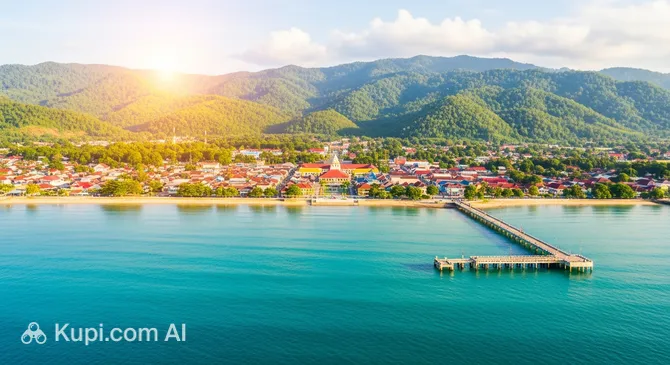
Maba. Source: Kupi.Binoculars

For nature enthusiasts, Maba and its surroundings offer several breathtaking spots. One of the highlights is Jara Jara Beach (Pantai Jara Jara), a secluded paradise known for its soft white sands and elegant scenery, perfect for those seeking solitude. Another must-visit destination is Buli Bay (Teluk Buli), where you can hire a speedboat to explore small islands like Pulau Paniki. This island is not only famous for its crystal-clear waters and coral reefs but also for the bats (paniki) that inhabit the area, adding a unique twist to your island-hopping experience.

If you prefer a relaxing evening within the town itself, Taman Woyogula is a popular city park located in the Soa Gimalaha area. It is a favorite gathering spot for locals and offers a pleasant environment to unwind after a day of exploration. Whether you are diving into the underwater wonders of the nearby bays or simply enjoying the sunset from the coast, Maba welcomes you to experience the hidden "emerald" of East Halmahera.

Weather Overview

Travelers visiting this region should prepare for a consistent tropical climate with very little fluctuation throughout the year. The weather in Maba is characterized by steady warmth, with average temperatures hovering between 25°C and 27°C. Daily highs typically reach around 29°C, while nights remain comfortable with minimum temperatures rarely dropping below 23°C.

Rainfall is a constant companion in this area, regardless of the season. The data indicates an extremely high frequency of precipitation, with 26 to 30 wet days recorded every month of the year. Although the total monthly accumulation is relatively low, ranging from 7mm to 12mm, the consistency of wet days suggests that visitors can expect frequent, likely light, showers almost daily. Expect warm conditions year-round with a very high chance of rain on any given day.

Interesting Facts

Beyond the main attractions and daily life, Maba holds several fascinating details that reveal its unique character and history to the curious traveler.

  • The Meaning of Paniki: One of the popular nearby excursions is to Pulau Paniki. The name is not a coincidence; "Paniki" literally translates to "bat" in the local North Maluku dialects. The island lives up to its name, serving as a habitat for colonies of fruit bats that can often be seen hanging from the trees or flying at dusk.

  • A Hidden Industrial Giant: Despite its serene atmosphere and relatively small population of around 12,560, Maba sits at the heart of one of Indonesia's most significant mineral regions. The earth beneath East Halmahera is rich in nickel, creating a unique dynamic where a quiet administrative town coexists with a major mining industry that drives the local economy.

  • Strategic Historical Waters: The waters of Buli Bay, which Maba overlooks, were historically significant during the spice trade eras. Local lore and history suggest that the complex coastline of East Halmahera served as a strategic maneuvering ground for the fleets of the Sultanate of Tidore, particularly during the resistance movements led by the famous Sultan Nuku in the late 18th century.

  • Part of the Wallacea Zone: Maba is located within the Wallacea transition zone, a biogeographical region that separates Asian and Australian fauna. This means the surrounding forests are home to a distinct mix of wildlife, including endemic species of birds and marsupials like the Cuscus, which are not found in the western parts of the archipelago.

How to Get There

Reaching the remote and serene town of Maba requires a bit of planning, as it is located in the East Halmahera Regency, away from the country's busiest transit hubs. Most travelers combine air travel with local transport to reach this destination. For a comprehensive guide on all available routes and transport options, you can read more about how to get to Maba.

The city of Maba does not have its own major commercial airport, but you can fly into Babullah Airport (TTE) in the city of Ternate, which is located approximately 102 km from Maba. This is the primary gateway for the North Maluku province, handling a significant volume of travelers. With an annual passenger traffic of around 860,000, it is a bustling regional hub connecting the islands. The journey from Ternate to Maba is an adventure in itself; due to the archipelagic geography, the trip typically takes several hours and usually involves a combination of a ferry crossing to Halmahera Island followed by an overland drive.

For clarity, here is a summary of the main airport nearby:

Airport Name City Passenger Traffic Km from City
Babullah Airport Ternate Medium 102.3

There are no railway services available in Maba or on the island of Halmahera. Public transport within the region relies heavily on road vehicles and sea vessels. Visitors generally arrange for private cars, rental vehicles, or local shared transport to navigate between the coastal towns and the interior of the regency.

Main Attractions

While the most famous spots in Maba are well-documented, the true charm of this region lies in the experiences found off the beaten path. Visitors willing to explore beyond the standard guidebooks will discover that the town serves as a gateway to immersive activities, from navigating dense mangrove forests to experiencing the authentic daily rhythm of the local trade.

For a genuine taste of local culture, a visit to the traditional morning market is highly recommended. Unlike tourist-centric shopping areas, the markets in Maba are bustling hubs where fishermen bring in their fresh catch from the Halmahera Sea. Wandering through the stalls offers a sensory experience filled with the aroma of exotic spices and the sight of vibrant tropical fruits. It is the perfect place to interact with friendly residents and sample local snacks, such as processed sago delicacies, which are a staple in Indonesia's eastern islands.

Nature lovers should look toward the coastlines that are not designated as swimming beaches. The region surrounding Maba is rich in mangrove ecosystems. Hiring a small local boat to navigate the calm, winding waterways between the mangrove roots offers a serene alternative to open sea travel. These areas are teeming with birdlife and provide excellent opportunities for photography and eco-tourism, allowing you to observe the complex biodiversity of North Maluku up close.

Recreational fishing is another major draw for those visiting East Halmahera. The waters of Buli Bay and the deeper seas beyond are abundant with marine life, including tuna and trevally. Instead of visiting a specific island, many travelers choose to charter a local fishing boat for a day trip. This allows for a customized adventure where you can drop a line in deep waters or simply cruise along the rugged coastline to find your own private sandbar for a midday picnic.

Finally, the underwater world here extends far beyond the known spots. Snorkeling enthusiasts can find pristine coral gardens just off the shores of the smaller, unnamed islets scattered throughout the bay. With visibility often being exceptional, these untouched reefs offer a colorful display of soft corals and reef fish, providing a peaceful diving or snorkeling experience completely free from crowds.

Local Cuisine

The culinary landscape of Maba offers a delightful exploration of North Maluku’s authentic flavors, heavily influenced by its coastal location and the abundance of fresh marine life. As a town situated on the edge of the sea, the local diet revolves around the daily catch, resulting in seafood dishes that are incredibly fresh and rich in taste. The cuisine here is characterized by the use of aromatic spices, particularly cloves and nutmeg, which are native to the region, as well as the staple carbohydrate of the eastern islands: sago.

One of the most celebrated dishes you must try in the region is Gohu Ikan. Often referred to as "Ternate sashimi," this delicacy consists of raw fresh tuna diced and marinated with salt, lime juice, and chopped chili. It is then mixed with fragrant basil leaves and crunchy, sautéed kenari nuts (local almonds), creating a texture that is both tender and crisp. Another staple is Papeda, a glue-like porridge made from sago starch. While it has a bland taste on its own, it is traditionally served with Ikan Kuah Kuning, a savory yellow fish soup seasoned with turmeric and lime, creating a perfect balance of sour and savory notes.

When it comes to beverages, the locals have a fondness for warming drinks that contrast with the tropical heat. A signature drink of North Maluku is Air Guraka. This traditional ginger tea is brewed with palm sugar and often sprinkled with floating kenari nuts, offering a sweet, spicy, and nutty flavor profile that is especially comforting in the evening. For coffee lovers, Kopi Dabe is a unique local variety infused with spices such as ginger, cinnamon, and cloves, reflecting the spice heritage of the islands.

The dining culture in Maba is unpretentious and community-oriented. You will not find high-end luxury restaurants here; instead, the best food is found in small, family-run establishments known as warungs or at open-air stalls near the harbor and market areas. These spots offer a genuine atmosphere where you can dine alongside residents. In the evenings, street food vendors often set up grills serving fresh Ikan Bakar (grilled fish) served with spicy dabu-dabu salsa, providing a simple yet unforgettable gastronomic experience under the stars.

Travel Tips

Planning a trip to Maba requires a bit of foresight due to its secluded nature and authentic island atmosphere. These practical tips are designed to help you navigate the local customs and logistics, ensuring a smooth and enjoyable experience in East Halmahera.

  1. Clothing and Gear: Given the hot and humid tropical climate, pack lightweight, breathable fabrics like cotton or linen. Since rain is frequent throughout the year, a durable raincoat or poncho is essential gear. While beachwear is fine for the islands, remember to dress modestly when walking around town or visiting villages; covering your shoulders and knees is a sign of respect.
  2. Transportation: Public transport options like buses or trains do not exist here, and ride-hailing apps are generally unavailable. The most common way to get around is by ojek (motorcycle taxi). Always agree on the fare before starting your journey. For longer exploration, arranging a private car rental with a driver through your accommodation is the most reliable option.
  3. Finances: The local currency is the Indonesian Rupiah (IDR), and cash is absolute king in Maba. While there may be a few ATMs (typically Mandiri or BNI) in the town center, they can occasionally be out of service or out of cash. It is highly recommended to withdraw sufficient funds in Ternate before traveling here, as credit cards are rarely accepted at local eateries or shops.
  4. Health and Safety: Maba is generally a very safe and peaceful town, but you should take precautions against tropical mosquitoes; bring high-quality insect repellent and wear long sleeves in the evenings. Pharmacies (apotek) are available but may not be open 24/7, so carry a basic first-aid kit and any necessary prescription medications with you.
  5. Communication: English is not widely spoken outside of major government or tourism circles. Learning a few basic phrases in Bahasa Indonesia, such as terima kasih (thank you) and selamat pagi (good morning), will go a long way. For connectivity, purchase a Telkomsel SIM card in a larger city like Ternate, as other providers may have limited or no signal in this region.
  6. Local Etiquette: The people of North Maluku are incredibly friendly and welcoming. It is polite to smile and nod when passing locals on the street. Always use your right hand for eating, giving, or receiving items, as the left hand is considered unclean. If invited into a local home, remember to remove your shoes at the door.
  7. What to Avoid: Avoid wearing revealing clothing such as bikinis or shirtless attire within the town limits, as this can be seen as disrespectful to the local conservative culture. Save your swimwear for the secluded beaches and islands like Pulau Paniki.
  8. Additional Tip: Be prepared for the "island time" pace of life. Shops and markets may close early in the evening or for midday breaks. It is also wise to carry a power bank, as electricity outages can occur in remote areas, though they are usually temporary.

By keeping these practicalities in mind, you can focus on soaking up the natural beauty and warm hospitality that make Maba special. A little preparation ensures that your adventure in this hidden gem is as relaxing as it is memorable.

Entertainment & Nightlife

Travelers arriving in Maba expecting a bustling nightlife scene similar to Bali or Jakarta will find a completely different rhythm here. As a small administrative town with a conservative culture, Maba does not have a district filled with nightclubs, discos, or western-style bars. Instead, the "nightlife" is defined by a relaxed, community-centric atmosphere where socializing happens over cups of coffee rather than cocktails. The evening entertainment is low-key, authentic, and centered around connecting with the locals in open-air settings.

The heart of evening activity in Maba is undeniably the local coffee culture. As the sun sets, residents gather at small roadside stalls known as warung kopi or kedai. These venues are the social hubs of the town, staying open late into the night. The atmosphere is casual and friendly, with people playing chess, discussing local news, or simply enjoying the cool night breeze. For visitors, this is the best way to experience the local lifestyle. You won't need a dress code; casual modest attire (t-shirts and long pants) is perfect for fitting in.

While dedicated bars are scarce due to local customs, Karaoke is a popular form of entertainment, particularly given the town's proximity to mining operations. You may find family karaoke venues or lounges attached to the few hotels in the region. These spots offer a place to sing and enjoy light refreshments in a private, air-conditioned setting. It is worth noting that alcohol is not widely served in public spaces; most establishments serve soft drinks, fresh juices, and the local ginger tea, Sarabba or Guraka.

If you are looking for specific places to enjoy the evening, the following spots are the main centers of activity:

  • Taman Woyogula: This city park transforms in the evening into a vibrant gathering spot. Families and young people come here to sit on the grass, enjoy snacks from nearby cart vendors, and watch the sunset over the bay. It is the closest thing Maba has to a town square and is bustling with energy on weekends.
  • Maba Port Area: The waterfront near the harbor is another excellent place for a night walk. The sea breeze makes it a pleasant escape from the daytime heat. You will often find grilled corn vendors and small pop-up stalls serving instant noodles and coffee to those waiting for boats or just hanging out.

For those seeking a late-night meal, the culinary scene remains active. Street food vendors line the main roads near the government office complex, offering Nasi Kuning (yellow rice) or Martabak (stuffed pancakes) well into the night. Prices are incredibly affordable, with a full meal and drink rarely costing more than 30,000 to 50,000 IDR.

Safety and Transport: Maba is a very safe town for night walks, with violent crime being virtually non-existent. However, street lighting can be sporadic in areas further from the center, so carrying a flashlight or using your phone light is advisable. Public transport stops running early, so if your accommodation is far from the center, you should arrange a ride with a local Ojek (motorcycle taxi) driver beforehand or ask your hotel to organize transport.

Regarding daytime entertainment, Maba lacks commercial facilities like movie theaters, large shopping malls, or amusement parks. The "entertainment" here is organic and outdoors. Visitors spend their days exploring the natural surroundings or visiting the Traditional Market, which serves as a living museum of local trade and culture. For a cultural experience, you can ask locals about any upcoming festivals or community events, which often feature traditional dances and music, providing a colorful glimpse into the heritage of East Halmahera.

Parks & Museums

While Maba is primarily known as a quiet administrative hub and a gateway to mining regions, it offers a refreshing escape into nature rather than a tour of grand monuments. The city's public spaces are designed for community gathering, while the surrounding wilderness serves as a vast, open-air gallery of biodiversity. Visitors here will not find manicured botanical gardens or sprawling museum complexes; instead, they will discover authentic green spaces and a cultural heritage that lives in the daily practices of its people.

The most prominent green space within the town limits is Taman Woyogula. Located in the Soa Gimalaha area, this park has recently been revitalized to serve as the city's main recreational landmark. It acts as the social heart of Maba, where families gather in the late afternoon to enjoy the cooling sea breeze. For tourists, it offers a perfect vantage point to observe local life and catch a stunning sunset over the water. The park features paved walkways and seating areas, making it a comfortable spot for a casual evening stroll after a day of exploring the rugged coast.

Just beyond the town's immediate borders lies a far wilder natural treasure: the Aketajawe-Lolobata National Park. Although it spans a vast area of Halmahera, the East Halmahera section is a critical sanctuary for the island's unique wildlife. This park is a "must-visit" for nature lovers and birdwatchers, as it is one of the few places on Earth where you can spot the Wallace's Standardwing (Semioptera wallacii), a bird of paradise endemic to the region. The park is a rugged expanse of rainforest that offers a stark, beautiful contrast to the coastal scenery of Maba, presenting a challenging but rewarding adventure for eco-tourists.

In terms of formal cultural institutions, Maba does not currently possess a dedicated history museum or art gallery. The region's history is instead preserved through oral traditions and the living culture of its communities. The villages of East Halmahera themselves act as living museums. A visit to the older settlements nearby reveals traditional wooden architecture and a way of life that has remained largely unchanged for generations. Travelers interested in anthropology will find the region fascinating due to the presence of the Togutil (O'Hongana Manyawa) people, a semi-nomadic indigenous group who inhabit the interior forests, representing a profound connection to the land's ancient past.

For a glimpse into the architectural development of the city, the East Halmahera Regent's Office Complex (Kantor Bupati) stands as a significant modern landmark. While not a tourist site in the traditional sense, its grand design reflects the aspirations of this young regency. Situated on a hill, the complex offers panoramic views of Maba and Buli Bay, making it a worthwhile stop for those looking to capture a sweeping photograph of the town and its lush, green surroundings.

Insider Tip: For a truly authentic experience, skip the search for souvenir shops and head to the Soa Gimalaha waterfront near Taman Woyogula at dusk. This is when the town comes alive, and you can often find local fishermen docking their small boats. It is the best time to strike up a conversation with residents and perhaps hear firsthand stories about the local folklore and the "guardian spirits" of the nearby islands.

Getting Around

Navigating Maba is a straightforward experience, distinct from the complex transit networks found in large metropolitan areas. As a small administrative town in a remote region, there is no metro, tram, or large municipal bus system. Instead, public transport here is informal, community-driven, and relies heavily on smaller vehicles adapted to the local terrain. For visitors, this means getting around is less about checking schedules and more about interacting with local drivers.

The most ubiquitous form of transport in the city is the Ojek, or motorcycle taxi. These are the lifeblood of local mobility, capable of navigating both paved main roads and narrower village paths. You can easily spot ojeks waiting at strategic locations such as the harbor, market entrances, and near government offices. They do not have meters or a booking app; instead, they operate on a negotiated fare system. They are the fastest and most convenient way to travel short distances within the town or to reach nearby scenic spots.

For travel between Maba and neighboring districts, such as the commercial hub of Buli, shared minibuses known locally as Mikrolet or Angkot are the primary option. These vehicles typically follow specific routes but do not adhere to a strict timetable. In true local fashion, they usually depart only when all seats are occupied. This requires a bit of patience, but it offers an authentic and affordable way to travel alongside residents. You can flag them down along the main road or find them waiting at the central terminal area near the market.

Given the coastal geography of the region, water transport is an essential extension of the public transit system. Speedboats and wooden longboats serve as water taxis connecting Maba to nearby islands and isolated coastal settlements that are difficult to reach by land. These boats usually operate from the main port. For popular routes, there is often a fixed per-person rate, but for custom trips to uninhabited islands or specific beaches, you will need to charter the entire vessel.

The payment system across all modes of transport is exclusively cash. Travel cards, contactless payments, and mobile transport apps are not in use here. Fares are generally low, but it is crucial to carry small denominations of the local currency, as drivers often struggle to provide change for large bills. For a standard ojek ride within the town, the price is modest, while inter-city minibus fares are fixed but slightly higher. Always confirm the price with the driver before starting your journey to avoid misunderstandings upon arrival.

For tourists, the best advice is to start your day early. Public transport options, particularly minibuses and boats, are most frequent in the morning and tend to taper off significantly by late afternoon. If you plan to return to town after sunset, ensure you have arranged a return trip with a driver beforehand, as finding a ride on the spot can be difficult at night. Walking is also a viable and pleasant alternative for exploring the town center, as distances between key landmarks like the government complex and the waterfront are relatively short.

If you prefer more comfort or independence, car rental with a driver is the primary alternative to public transport. Self-drive car rentals are rare and not recommended due to the lack of signage and variable road conditions. Hiring a car with a local driver can usually be arranged through your accommodation or by asking around at the harbor. This option provides the flexibility to explore the region at your own pace without relying on the "wait until full" departure system of the public minibuses.

Accommodation

Accommodation in Maba reflects the town's character as a quiet administrative center and a developing gateway to East Halmahera. Travelers should manage their expectations, as the hospitality sector here is geared more toward visiting government officials and business travelers connected to the mining industry than toward mass tourism. You will not find international luxury hotel chains or sprawling all-inclusive resorts. Instead, the town offers a modest selection of small hotels, guesthouses (known locally as penginapan), and homestays that provide clean, comfortable, and basic amenities suitable for a short stay.

The available lodging options are generally concentrated in two main areas. The first is the town center, particularly around the government office complex (Kantor Bupati). Staying here offers convenient access to administrative buildings and the main city park, Taman Woyogula. The second popular area is near the harbor, which is ideal for those planning to take early morning boats to the nearby islands or Buli Bay. These locations are practical, keeping you close to the few dining establishments and markets available in the city.

Most accommodations in Maba fall into the budget to mid-range categories. Facilities typically include air conditioning and private bathrooms, though hot water showers may not be standard in all lower-priced guesthouses. Wi-Fi availability can be sporadic, often depending on the mobile network signal, so it is wise to have your own mobile data plan as a backup. The atmosphere in these establishments is usually family-oriented and friendly, offering a more personal glimpse into local hospitality than a standard hotel experience.

Booking Tip: One of the unique challenges of visiting Maba is that very few local properties are listed on major international booking platforms. Reservations are often made the "old-fashioned" way—by phone or simply by walking in upon arrival. If you are traveling during a government event or a busy period for the mining companies, rooms can fill up quickly. It is highly recommended to ask your local contact or driver to help secure a room before you arrive.

Regarding costs, staying in Maba is generally very affordable. Prices for a standard room typically range from 250,000 to 500,000 IDR per night. Payment is almost exclusively in cash. Credit card terminals are rare, and online payments are not widely accepted at the front desk, so ensure you withdraw sufficient funds in Ternate or at the local ATM before checking in.

Nearby Cities

For those looking to explore the surroundings, Maba serves as an excellent base for day trips to several interesting nearby locations, ranging from bustling regional hubs to scenic coastal towns.

The most prominent destination within reach is Ternate. Although it requires a journey involving a ferry crossing and overland travel, it is the historical and economic heart of North Maluku. Ternate is famous for its deep-rooted history as a powerful spice sultanate. Visitors can explore colonial-era fortifications like Fort Oranje, marvel at the imposing cone of Mount Gamalama, and enjoy the vibrant city atmosphere that contrasts with the quietude of Maba. It serves as the primary gateway to the region and offers a wealth of cultural and culinary experiences.

Closer to Maba, the town of Buli offers a more accessible day trip option. As the commercial center of East Halmahera, Buli is livelier than the administrative capital and hosts the main port and market activities. It is an excellent place to witness the daily trade of the regency, sample fresh seafood at local warungs, and arrange boat trips to the surrounding islets of Buli Bay. The drive between Maba and Buli takes you through scenic landscapes, making it a pleasant short excursion.

City Population Distance (km)
Manado 461636 394
Sorong 272349 372
Bitung 218520 355
Ternate 204215 104
Kotamobagu 120597 442

These nearby destinations offer a glimpse into the diverse culture and landscapes of the region, from the historic spice islands to the bustling trade centers of the archipelago.

Shopping & Souvenirs

Shopping in Maba offers a distinctively authentic experience that stands in stark contrast to the commercialized retail scenes of major tourist destinations. As a small administrative town and the capital of the East Halmahera Regency, the shopping landscape here is modest and functional, catering primarily to the daily needs of the local population. Visitors will not find high-end luxury boutiques or sprawling department stores; instead, the town provides a glimpse into the traditional trade practices of North Maluku, where personal interaction and community commerce take precedence over branded retail.

The main commercial activity is concentrated along the primary thoroughfares that connect the government office complex to the harbor area. These streets are lined with small, family-owned shophouses known as Ruko (Rumah Toko). Here, travelers can find general stores selling basic necessities, small electronics, and clothing. These shops are the lifeline of the town, offering everything from toiletries to mobile phone credit, often serving as social spots where locals catch up on daily news.

It is important to manage expectations regarding large-scale retail: there are no shopping malls in Maba. The town lacks the modern shopping centers found in larger Indonesian cities. For residents, a trip to the nearest mall involves a significant journey to the city of Ternate or even further afield to Manado. Consequently, shopping here is about discovering local goods rather than browsing international fashion brands.

The true heartbeat of the local economy is the Traditional Market (Pasar Rakyat), located near the waterfront. This is the most interesting spot for visitors to explore. It is a vibrant hub where fishermen sell their fresh catch and farmers bring in produce from the interior of Halmahera. Beyond fresh food, the market is an excellent place to observe local life. You can find vendors selling traditional kitchen tools, colorful local fabrics, and an array of spices that define the region's history.

When it comes to souvenirs, Maba and the wider North Maluku province are famous for specific local treasures. The most sought-after items are gemstones, particularly the renowned "Batu Bacan." Although the mines are located on Bacan Island, these high-quality stones are traded throughout the province, and you may find polished stones or jewelry settings in local jewelry shops. Additionally, food souvenirs are popular, such as Kenari nuts (local almonds), which are abundant in the region, and Bagea, a traditional cookie made from sago and spices that pairs perfectly with coffee.

Practicalities for shopping in Maba are straightforward but require preparation. Cash is the only accepted payment method in almost all establishments, from the market stalls to the larger shophouses. Credit cards and digital wallets are virtually non-existent in the retail sector here. Store hours are generally from 8:00 AM to 5:00 PM, though the traditional market is busiest and best visited in the early morning, often winding down by midday. Bargaining is common and expected in the market for fresh produce, but prices in the fixed-price shophouses are usually non-negotiable.

Regarding tax refunds, tourists should be aware that the Tax-Free shopping schemes found in Indonesia's major international airports and luxury malls do not apply in Maba. The local economy operates informally, and there are no participating merchants for VAT refund programs in this remote part of the archipelago.

Nearby cities

Reached the end of the page?

That means the route is fully explored