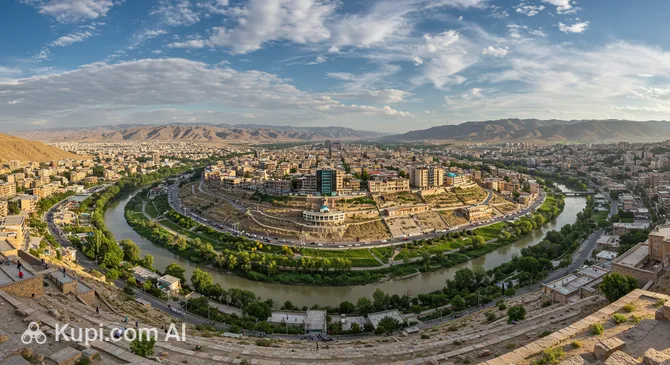
Shopping in Shahr-e Kord is not a pursuit of global brands, but a fascinating immersion into the culture and daily life of the locals. Since the city is not a major tourist megacity, you won't find huge malls with luxury boutiques here. Instead, it is the ideal place to find authentic handcrafted goods, high-quality products, and unique souvenirs reflecting the traditions of the Bakhtiari nomadic tribes. Trading here is done at a measured pace, and chatting with sellers often becomes a pleasant experience in itself.
The main commercial artery of the city is Kashani Street. Life here is bustling from morning until late at night. Shops for clothing, shoes, electronics, and jewelry line the wide sidewalks. This is the modern part of the city where locals love to stroll. It is also worth visiting Saadi Street, where many shops with home goods and traditional sweets are concentrated. A walk through these areas will allow you not only to make purchases but also to feel the rhythm of modern life in a provincial center.
Although Iran is famous for its bazaars, modern trading formats are also developing. Shahr-e Kord has several shopping centers, the most famous being the Setareh Shahr Commercial Complex. This is a multi-story building housing clothing, cosmetics, and accessory shops under one roof. People come here for more comfortable shopping and to visit the food court. Another popular spot is the Milad complex, offering a similar range of mid-priced goods.
The heart of local trade is rightfully the Traditional Bazaar of Shahr-e Kord. It is located in the old part of the city, near the religious shrines. It is a colorful place filled with the aroma of spices, the sound of coppersmiths' hammers, and the vibrant colors of fabrics. Here you can find everything from the freshest vegetables and mountain herbs to copperware and clothing. The bazaar is the best place to see the real life of the city without embellishment and to try your hand at the art of bargaining, which is not just appropriate here but essential.
The choice of souvenirs in Shahr-e Kord is unique thanks to the region's craft traditions. First and foremost, look for felt products ("namad"). The city is considered the national center for this craft: they make incredibly warm vests, hats, and rugs with intricate patterns here. The region is also famous for its carpets and kilims with characteristic Bakhtiari geometric ornaments. For edible souvenirs, be sure to buy local almonds and walnuts—they are considered some of the best in the country—as well as honey from mountain apiaries and the traditional "Gaz" sweet.
When planning your shopping trip, keep the local working hours in mind. Most shops open around 9:00 AM and work until 1:00 PM – 2:00 PM. After this, there is a break (siesta), and trading resumes only at 4:00 PM or 5:00 PM, continuing until late evening (9:00 PM – 10:00 PM). On Fridays (the day off), many shops, especially in the bazaar, may be closed or operate on a reduced schedule. Payment is made exclusively in local currency (Rials), but prices are often quoted in "Tomans" (1 Toman = 10 Rials). International bank cards are not accepted, so always have a sufficient supply of cash on hand.
The Tax-Free system (VAT refund) for foreign tourists does not exist in Shahr-e Kord, as in most provincial cities in the country. Shop prices already include all taxes, and there is no procedure for a refund upon leaving the country for purchases made here. However, the cost of goods, especially handicrafts and food products, is significantly lower here than in major tourist centers, which in itself makes shopping advantageous.