Support

Montecatini Terme

Attractions

About

Montecatini Terme is a true gem of Tuscany, an enchanting town nestled in the picturesque Valdinievole valley between Florence and Pisa, in the very heart of Italy. It is comfortably situated at the foot of hills covered with evergreen olive groves and slender cypresses, creating a peaceful and soothing atmosphere.
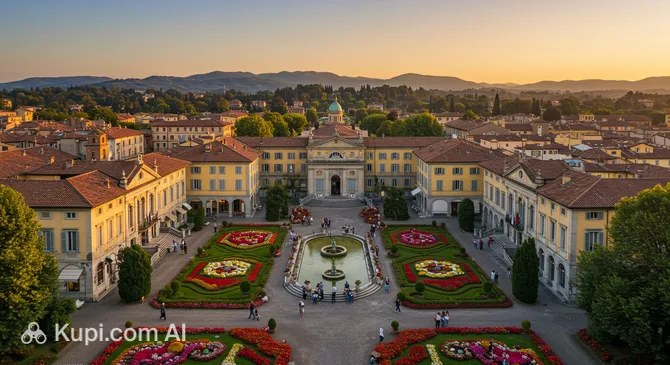
Montecatini Terme. Illustration.
Source: Kupi.com AI

With a population of around 20,540 people, Montecatini Terme is rightfully considered one of the largest and most famous thermal resorts not only in Tuscany but in the entire country. This compact town, covering an area of only about 17 square kilometers, is famous for its healing waters and centuries-old traditions of hospitality, attracting travelers from all over the world.

The town's special charm lies in its historic part – Montecatini Alto, which rises picturesquely on a hill, offering breathtaking panoramic views of the surrounding landscapes. Guests can enjoy strolls through magnificent green parks, admire the exquisite Art Nouveau architecture that adorns many buildings, and, of course, indulge in the famous thermal treatments that have made the town world-renowned.

The atmosphere of Montecatini Terme is permeated with tranquility and Tuscan hospitality. Here, it is easy to forget the hustle and bustle of city life while enjoying leisurely walks and fine dining in local cafes and restaurants. This town is an ideal place for those seeking harmony of body and soul, who appreciate Italian culture and dream of experiencing the authentic Tuscany.

You can find more interesting facts on the history of Montecatini Terme page.
Weather Overview

The weather in Montecatini Terme is characterized by warm summers and mild but wetter winters. Summer months, especially July and August, will delight you with an average temperature of about 23°C, with maximums reaching 28-29°C. Precipitation in summer is minimal, averaging 1-2 mm per month. In winter, from December to February, the average temperature hovers around 5-6°C, while night temperatures can drop to 1-2°C. Winter months are also rainier, with precipitation around 3-5 mm and 10-15 rainy days per month. Spring and autumn are transitional seasons with moderate temperatures and changeable weather.

Overall, expect a warm, sunny summer with rare rain and a cool, wetter winter. For more detailed information, see the detailed forecast: Climate in Montecatini Terme.

Average monthly temperature

Average monthly precipitation

Interesting Facts

Beyond its famous thermal spas, Montecatini Terme holds many surprising stories and little-known details that make it even more attractive to curious travelers.

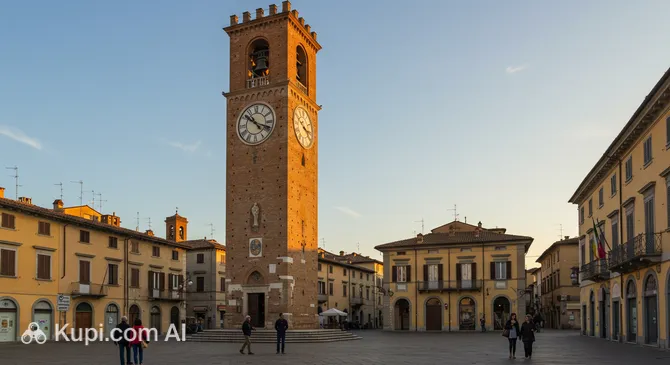
Clock Tower. Illustration.
Source: Kupi.com AI

Traveler photos:

  • Healing Water with Royal History: The thermal springs of Montecatini Terme have been famous for their medicinal properties since the 16th century. According to legend, the water is particularly beneficial for the liver and digestive system, and even European monarchs and aristocrats used to come here to improve their health.

  • Two Faces of the City and a Journey Through Time: Montecatini Terme is divided into two parts: the modern resort center and the historic Montecatini Alto, located on a hill. You can reach the old town, where the ancient Clock Tower stands, via a funicular that is over a hundred years old—a true immersion into the atmosphere of the Belle Époque.

  • Inspiration for Maestro Puccini: The famous Italian composer Giacomo Puccini was a frequent guest and a big fan of Montecatini Terme. He drew inspiration here, and today you can find a monument in his honor and enjoy music festivals that continue the town's cultural traditions.

  • The Town's "Walk of Fame": Montecatini Terme has its own unique "Walk of Fame," where famous figures from the worlds of art and culture who visited the resort have left their handprints. It serves as a chronicle of the town's illustrious guests.

How to Get There

There are several ways to reach the resort town of Montecatini Terme, located in the heart of Tuscany, Italy. The most popular options are flying into one of the nearest international airports followed by a transfer, or traveling by train. The town is also easily accessible by car.

Traveling to Montecatini Terme by air is convenient thanks to several airports located within a reasonable distance. The nearest and most significant ones are: Florence Peretola Airport (FLR), also known as Amerigo Vespucci Airport, located in Florence, approximately 35.4 km from Montecatini Terme. This is a medium-sized international airport. A taxi or bus ride from here to the resort will take about 1 hour and 15 minutes. Another popular option is Pisa International Airport (PSA), named after Galileo Galilei. It is located in Pisa, about 37.8 km from Montecatini Terme, and is a larger transportation hub. The journey to Montecatini Terme by taxi or bus takes about 1 hour and 20 minutes. You can also consider flying into Guglielmo Marconi Airport (BLQ) in Bologna. This is a large international airport located about 83.5 km away. A transfer from here to Montecatini Terme will take more time, approximately 2 hours and 25 minutes, but this airport offers a wide selection of international flights.

For convenience, here is summary information on the main airports used to reach Montecatini Terme:

AirportPassenger trafficDistance
Firenze-Peretola Airport3.5 mln35 km
Pisa International Airport5.5 mln38 km
Guglielmo Marconi Airport10.8 mln84 km
Luigi Ridolfi134 000110 km
Marina di Campo Airport13 107132 km

Rail transport is also a convenient way to get to Montecatini Terme. Although the town itself has two railway stations (Montecatini Centro and Montecatini Terme-Monsummano) serving regional routes, travelers from further away often arrive at larger hub stations in neighboring cities. The key station for the region is Florence Santa Maria Novella Station (ZMS), located in the center of Florence, about 39.7 km from Montecatini Terme. This is one of Italy's largest stations. From here, you can reach Montecatini Terme by taxi or bus in about 1 hour and 20 minutes, or take frequent regional trains (travel time around 50 minutes). Another important transport hub is Bologna Centrale (IBT) station in Bologna, located about 83 km away. From this major station, Montecatini Terme can be reached by taxi or bus in approximately 2 hours and 25 minutes. Alternatively, you can take a high-speed train from Bologna to Florence and then switch to a regional train to Montecatini Terme.

Here is information on some of the major railway stations used to reach Montecatini Terme:

StationPassenger trafficDistance
Firenze Santa Maria Novella Station59 mln40 km
Firenze Campo di Marte Railway Station1.8 mln42 km
La Spezia Centrale Station7 mln81 km
Bologna Centrale Station58 mln83 km
Reggio Emilia AV Mediopadana Station1.7 mln94 km

Additionally, Montecatini Terme is easily accessible by car. The town is located near the A11 motorway (Florence – Pisa North), ensuring convenient access. Traveling by car offers freedom of movement and the chance to explore the picturesque Tuscan countryside at your own pace.

Main Attractions

Montecatini Terme, a charming resort town in the heart of Tuscany, is famous not only for its healing thermal springs but also for a number of interesting attractions that will make your stay unforgettable. Everyone will find something to enjoy here, from relaxing walks in the parks to exploring historical corners.

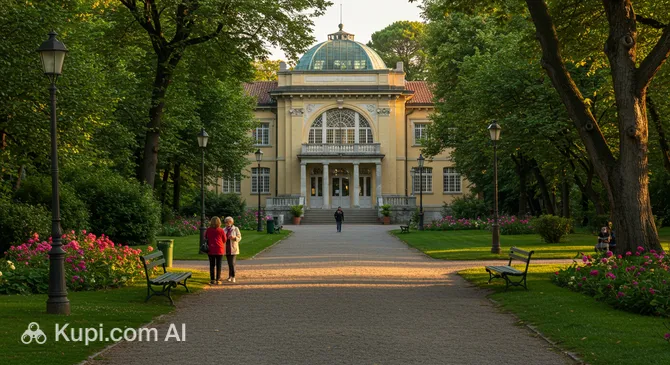
One of the town's main highlights is undoubtedly Terme Park. This is a vast green area home to famous thermal complexes such as Tettuccio, Excelsior, and Regina. A walk along its well-kept alleys, among fountains and sculptures, is a true pleasure. The park is the perfect place to relax and enjoy the atmosphere of peace and well-being that this famous Italian resort offers.

Thermal Park. Illustration.
Source: Kupi.com AI

Traveler photos:

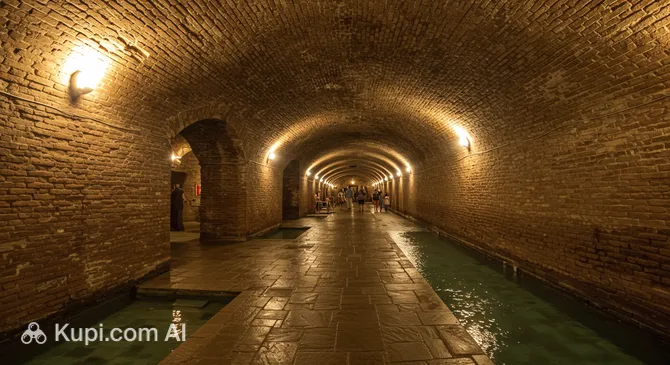
For those seeking adventure and interested in natural beauty, Maona Cave (Grotta Maona) is a must-visit. This natural karst cave, located near the town center, offers a fascinating journey into a mysterious underground world. During the tour, you can admire impressive stalactites and stalagmites created by nature over thousands of years. It is a unique experience that will add bright impressions to your trip.

Maona Cave. Illustration.
Source: Kupi.com AI

Traveler photos:

To enjoy magnificent panoramic views of Montecatini Terme and the surrounding Tuscan hills, be sure to head up to the Clock Tower (Torre dell'Orologio). This medieval tower is located in the old part of the town, Montecatini Alto, which can be reached by a charming funicular that has been operating since the end of the 19th century. Climbing the tower rewards you with breathtaking landscapes and the opportunity to take stunning photographs.

Clock Tower. Illustration.
Source: Kupi.com AI

Traveler photos:

Local Cuisine

Montecatini Terme is a true paradise for connoisseurs of exquisite Tuscan cuisine. This resort town offers guests not just a meal, but an entire gastronomic journey based on the freshest local products and centuries-old culinary traditions. Here, you can fully enjoy the authentic flavors of the region, which are famous for their simplicity and simultaneous sophistication.

Classic Tuscan dishes are a must-try. Among the first courses, the thick and fragrant tomato and bread soup "pappa al pomodoro" and the hearty vegetable and bread soup "ribollita" stand out—both perfect for a cool evening. The undisputed king of meat dishes is the famous "bistecca alla fiorentina" (Florentine steak), made from high-quality beef. Also, don't miss the chance to enjoy fresh handmade pasta, risotto with seasonal ingredients like seafood or mushrooms, and, of course, local delicacies such as extra virgin olive oil, pecorino cheeses, and aromatic truffles.

Meals in Montecatini Terme are perfectly complemented by local beverages. Tuscany is famous for its wines, so be sure to order a bottle of the famous Chianti or a refreshing Vernaccia. As a digestif or just to get acquainted with local traditions, try the homemade herbal liqueurs often served after a hearty dinner. Non-alcoholic drinks are represented by freshly squeezed juices and mineral water from local springs.

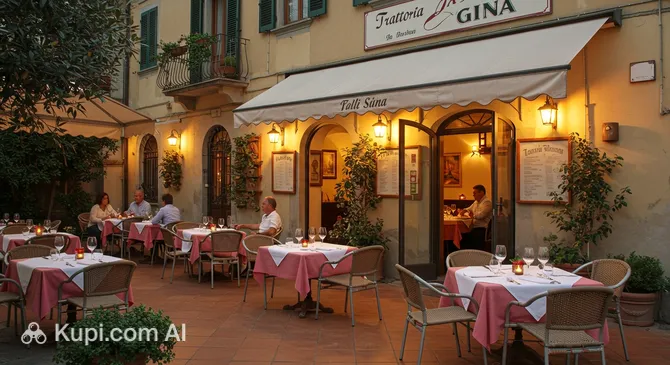
The food culture in Montecatini Terme centers around small trattorias and family restaurants where dishes are prepared according to recipes passed down through generations. It is in such establishments that you can feel the true spirit of Italian hospitality. For example, to try authentic local cuisine, you can visit Trattoria Da Gina. Farmers' markets are also popular, where you can buy fresh vegetables, fruits, cheeses, and deli meats directly from the producers. The town's gastronomic scene is lively and diverse, offering both traditional dishes and modern interpretations of Tuscan classics.

Trattoria Da Gina. Illustration.
Source: Kupi.com AI

Traveler photos:

Montecatini Terme regularly hosts gastronomic festivals dedicated to local cuisine, wine, and olive oil. Participating in such an event is a great opportunity to discover the region's best dishes, talk to local chefs, and fully immerse yourself in the atmosphere of a Tuscan food celebration.

Travel Tips

Welcome to Montecatini Terme, an enchanting thermal resort in the heart of Tuscany! To make your trip as comfortable and enjoyable as possible, we have prepared a few practical tips. They will help you better navigate the area and enjoy all the delights of this unique town.

  1. Clothing and Essentials: The climate in Montecatini Terme is Mediterranean. In summer (June-August), bring light clothing made from natural fabrics, a hat, sunglasses, and sunscreen. In spring and autumn, the weather is changeable, so layered clothing, including a light jacket or sweater, will come in handy. It can be cool in winter, so don't forget warm clothes. Be sure to bring comfortable shoes for walking around the town and parks. If you plan to visit churches, remember the dress code: shoulders and knees should be covered. Don't forget a plug adapter (types F and L are used in Italy).

  2. Transport: Montecatini Terme is a small town, and its central part is pleasant to explore on foot. Local buses can be used for getting around. Be sure to take a ride on the historic funicular to Montecatini Alto—it's both transport and an attraction. Taxis are available but can be expensive. Renting a car makes sense if you plan to actively explore the Tuscan countryside, but keep in mind that parking in the town center can be difficult.

  3. Finances: The official currency in Italy is the Euro (EUR). You can exchange money at banks or exchange offices, but it is more profitable to withdraw cash from ATMs, which are widely available. Credit and debit cards (Visa, Mastercard) are accepted in most hotels, restaurants, and shops. However, it is always useful to have some cash on hand for small purchases, markets, or in smaller establishments. Tipping in Italy is not always mandatory, as a service charge ("coperto") is often included in the bill, but it is customary to leave 5-10% of the bill for good service.

  4. Health and Safety: Pharmacies (Farmacia) are easy to find by the green cross; the schedule of duty pharmacies is usually posted on the doors. If you need medical assistance, contact your hotel reception or look for the "Guardia Medica Turistica" (tourist medical service, if available during the season). Don't forget to take out medical insurance before your trip. Montecatini Terme is considered a safe town. Observe standard precautions: keep an eye on your belongings in crowded places and do not leave valuables unattended.

  5. Communication: The official language is Italian. In tourist areas, hotels, and restaurants, many people speak English, but knowing a few basic Italian phrases (e.g., "Buongiorno" – Good day, "Grazie" – Thank you, "Scusi" – Excuse me) will be very helpful and win over the locals. A SIM card from a local operator can be purchased at mobile stores. Wi-Fi is available in most hotels, cafes, and some public areas. As for mobile apps, standard map services, online translators, and booking apps (e.g., Trenitalia for trains or local bus apps) can be useful for navigation and planning trips in Italy and the Tuscany region. There are few specialized apps strictly necessary for navigating Montecatini Terme itself since the town is compact, but you can check for official regional tourism apps or those of specific thermal complexes.

  6. Local Etiquette: Italians value politeness. It is customary to say hello when entering a shop or cafe ("Buongiorno" in the morning and afternoon, "Buonasera" in the evening). "Ciao" is a more informal greeting. Try not to be loud in public places. When visiting thermal complexes, follow the established rules. For dinner in restaurants, especially higher-end ones, smart casual attire is appropriate.

  7. What to Avoid: Try not to plan important errands or shopping during the siesta (roughly from 1:00 PM to 4:00 PM), when many shops and institutions may be closed. Avoid criticizing local traditions or comparing them negatively with the customs of your home country.

  8. Special Tip for Montecatini Terme: Be sure to set aside time to visit the historic thermal complexes, such as Tettuccio or Excelsior, even if you don't plan to undergo treatments. Their architecture and atmosphere are impressive. Also, many spa treatments require an appointment, especially during the high season—take care of this in advance.

We hope these tips make your stay in Montecatini Terme even more pleasant and carefree. Enjoy the healing waters, beautiful architecture, and the unique atmosphere of this Tuscan resort!

Entertainment & Nightlife

Evening in Montecatini Terme offers its guests an elegant and relaxed atmosphere, perfect for ending a day spent at the famous thermal spas. While you won't find noisy mega-clubs here, you can enjoy high-quality relaxation in stylish bars, cozy restaurants, and occasionally at live music concerts.

The town's main nightlife is concentrated along the central streets, such as Viale Verdi, Corso Matteotti, and Corso Roma, as well as around the main square, Piazza del Popolo. Numerous venues with pleasant music and summer terraces are located here, where you can enjoy a cocktail or a glass of local wine. The atmosphere is usually sophisticated and calm, attracting both tourists and locals looking for pleasant conversation. The dress code in most places is smart casual, encouraging comfortable relaxation.

The Hop Store. Illustration.
Source: Kupi.com AI

Traveler photos:

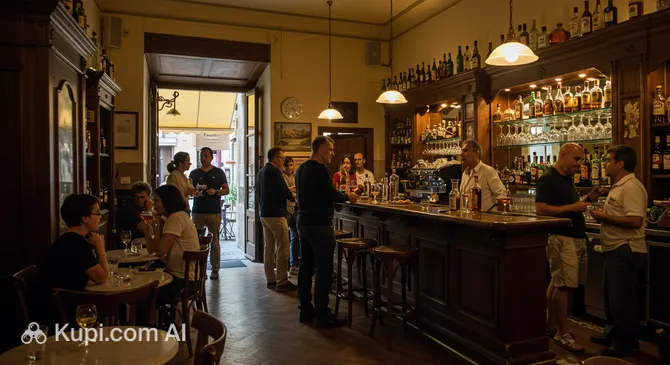
Among the popular spots for an evening out is The Hop Store bar, where you can enjoy a wide selection of drinks in a friendly setting. For a dinner that flows into the late evening, Trattoria Da Gina, known for its excellent cuisine, is a great choice. Although there are few large nightclubs in Montecatini Terme, some hotels and lounge bars offer musical evenings and opportunities to dance. An Italian evening often begins with an aperitivo around 6:00 PM – 7:00 PM, followed by dinner, with bars filling up closer to midnight and staying open until late.

Prices in Montecatini Terme establishments are generally moderate, though they may be higher in the bars of prestigious hotels. Getting around the town center is convenient on foot. For trips to more distant areas or returning to your hotel late at night, it is recommended to use taxi services. You can call a car through the hotel reception or find one at designated taxi stands.

Montecatini Terme is generally a safe town, especially its tourist center. However, as with any destination, standard precautions should be taken: keep an eye on personal belongings and avoid poorly lit, deserted streets late at night. Walking along the main streets in the evening is usually comfortable and safe.

During the day, Montecatini Terme also offers plenty of entertainment. Of course, the main attractions are the thermal complexes. Additionally, you can stroll through the picturesque Terme Park, take the funicular up to the historic Montecatini Alto for magnificent views, or spend time shopping, for example, at the Montecatini Shopping Center. The town also has theaters and concert halls where various events are held periodically.

Parks & Museums

Montecatini Terme is not only a famous resort with healing waters but also a town offering pleasant walks through green parks and a chance to explore an interesting cultural heritage. Here, you can enjoy the tranquility of nature and discover local artistic and historical treasures.

The heart of the town's green zones is undoubtedly Terme Park. This vast and well-maintained park surrounds many of the thermal complexes, creating an atmosphere of peace and relaxation. It is ideal for leisurely strolls, morning jogs, or simply resting on a bench in the shade of ancient trees. Various events and concerts are often held here, bringing the space to life. Another significant green area is the historic Pineta (pine grove), offering coolness and silence—a perfect place for those seeking solitude with nature.

Thermal Park. Illustration.
Source: Kupi.com AI

Traveler photos:

For lovers of art and history, Montecatini Terme also has interesting places to offer. While the town is not famous for a large number of traditional museums, its cultural wealth is reflected in its architecture and specialized galleries. It's worth visiting MO.C.A. (Montecatini Contemporary Art), a contemporary art gallery located in the Town Hall building. The exhibitions here change frequently, presenting works by both Italian and international artists. The town itself can be considered an open-air museum thanks to the magnificent examples of Liberty-style (Italian Art Nouveau) architecture, most prominently seen in the thermal buildings like Terme Tettuccio and Terme Excelsior.

Among the historical landmarks, the Clock Tower, located in the old town of Montecatini Alto, stands out. By heading up to it, you can not only touch medieval history but also enjoy panoramic views of the surroundings. Not far from the town is a unique natural site—Maona Cave, the largest karst cave in the region, offering fascinating tours through its chambers filled with stalactites and stalagmites.

Clock Tower. Illustration.
Source: Kupi.com AI

Traveler photos:

Maona Cave. Illustration.
Source: Kupi.com AI

Traveler photos:

For an authentic experience, we recommend taking the funicular up to Montecatini Alto—an ancient hilltop village. Here, away from the bustle of the lower town, you can wander through narrow streets, sit in a cozy cafe on Piazza Giusti, and feel the spirit of old Tuscany. Also, explore the lesser-known gardens and squares scattered throughout the town; they can be a pleasant discovery for quiet relaxation.

Getting Around

Public transport in Montecatini Terme is quite convenient for moving around the town as well as for trips to nearby settlements. The main form of public transport here is the bus. They connect different districts of the town and the railway station with the main tourist areas and thermal complexes. The route network allows you to reach most points of interest without much difficulty.

One of the main "transport" attractions of Montecatini Terme is the historic funicular, which connects the lower part of town with the historic center of Montecatini Alto, located on a hill. This trip is an exciting adventure in itself, offering beautiful views. The funicular runs on a schedule that may change depending on the season, so it is recommended to check it in advance.

The fare payment system for buses is standard for many Italian cities. Tickets (biglietti) must be purchased in advance at tobacco shops (Tabaccheria, marked with a "T"), newsstands (Edicola), or sometimes in bars. Buying a ticket directly from the driver, if that option is available, usually costs more. After entering the bus, the ticket must be validated in a special machine—without this, it is considered invalid, and you risk a fine if checked. There are single tickets, and sometimes passes for a longer period or multiple trips are available, which can be advantageous for active transport users.

Buses usually run from early morning until evening, but the frequency of service may decrease on weekends and holidays, as well as in the evening. It is recommended to check the schedules at stops or on the local transport company's website. For funicular trips, tickets are purchased at its stations.

As an alternative to public transport in Montecatini Terme, you can use taxi services. Taxi stands are usually located at the railway station and in central points of the town. Given the compact size of the resort itself, many distances can easily be covered on foot while enjoying a walk along the well-kept streets. Additionally, bicycles can be rented at some hotels or rental points, providing a great way for a leisurely exploration of the town and its surroundings.

Accommodation

In Montecatini Terme, the famous resort town of Italy, travelers will find a wide range of accommodation options to suit every taste and budget. There are luxury hotels with a full range of spa services, as well as more affordable mid-range hotels, cozy family-run bed and breakfasts (B&Bs), and self-catering apartments. Many hotels take pride in their history and traditions of hospitality, offering guests comfort and quality service.

Tourist favorites include areas located in the immediate vicinity of the famous thermal complexes, such as Terme Tettuccio or Terme Excelsior, as well as along the main promenade streets like Viale Verdi or Corso Matteotti. Staying here provides easy access not only to medical treatments but also to numerous shops, restaurants, and green spaces, such as the picturesque Terme Park. While specific famous hotels are not listed in this context, the town abounds with options ranging from grand hotels with a century of history to modern boutique hotels.

Thermal Park. Illustration.
Source: Kupi.com AI

Traveler photos:

The price range for accommodation in Montecatini Terme varies from budget options to luxury offers, making it possible to find the perfect choice for every traveler. For booking, you can use popular online platforms or contact the chosen hotel directly. Given the resort's popularity, especially during high season (spring and autumn), it is recommended to book your accommodation in advance to ensure the best choice and prices.

Nearby Cities

For those looking to explore the surrounding area, Montecatini Terme serves as an excellent starting point for day trips to several interesting nearby locations:

CityPopulationDistance
Monsummano Terme21 1413 km
Borgo a Buggiano8 7723 km
Serravalle Pistoiese11 6895 km
Ponte Buggianese8 9195 km
Pescia19 5847 km

These nearby destinations provide insight into the diverse culture and landscapes of Italy. For instance, a trip to Pistoia will charm you with its medieval architecture and the magnificent Piazza del Duomo. Meanwhile, Lucca, famous for its fully preserved Renaissance walls that you can walk or cycle along, offers a unique atmosphere and picturesque streets. When planning your day trips, you can easily reach these and other towns to enjoy their unique vibes, historical landmarks, and local cuisine.

Shopping & Souvenirs

Montecatini Terme, known for its healing thermal springs, offers guests not only wellness but also pleasant shopping opportunities. While the town is not a major fashion hub, you can find high-quality Italian goods, elegant boutiques, and interesting souvenirs here. The main focus is on clothing, footwear, accessories, as well as products related to thermal themes and Tuscan traditions.

The main artery for shopping enthusiasts in Montecatini Terme is undoubtedly Corso Matteotti. This lively street is lined with a variety of shops: from boutiques of famous Italian brands and local designers to shoe stores, jewelry, and perfumery. A stroll along Corso Matteotti is a chance to leisurely choose your purchases while enjoying the atmosphere of an elegant resort. Another important street is Viale Verdi, where you can also find attractive window displays and cozy cafes for a break between shopping rounds.

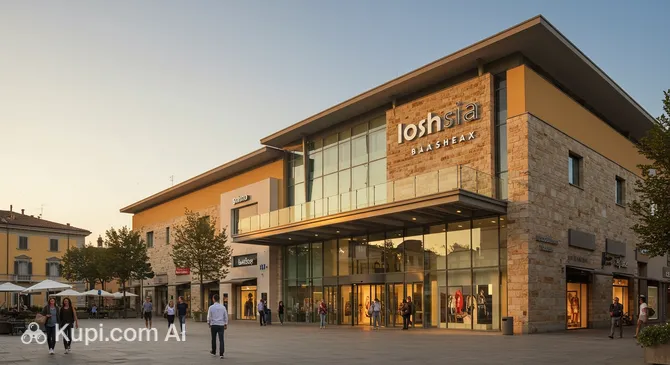
For those who prefer to do all their shopping in one place, Montecatini Terme has the Montecatini Shopping Center. Here, under one roof, you will find clothing stores, accessories, household goods, and electronics, as well as various services. It is a convenient place to look for a variety of items without having to travel across the whole town.

Montecatini Shopping Center. Illustration.
Source: Kupi.com AI

Traveler photos:

Local markets add a special atmosphere to shopping in Montecatini Terme. Usually on Thursdays (it's worth checking the local schedule), a large weekly market takes place in town. You can find everything here: from fresh local produce, cheeses, and deli meats to clothing, shoes, bags, household goods, and souvenirs at attractive prices. This is a great place to feel the local flavor and buy something authentic.

When leaving Montecatini Terme, consider bringing home souvenirs that reflect its character and the spirit of Italy. Look for cosmetics and bath salts based on thermal water—a useful and thematic gift. Also popular are leather goods (bags, wallets, belts), ceramics with Tuscan motifs, local wines (such as those from the Chianti region), and premium olive oil. Small boutiques may offer unique jewelry or accessories from local artisans.

Shops in Montecatini Terme, as in many Italian towns, usually operate with a lunch break (siesta). Typical working hours are from 9:00-10:00 AM to 1:00 PM and from 3:30-4:00 PM to 7:30-8:00 PM. On Sundays, many shops may be closed, especially in the morning, or work on a reduced schedule. Large stores and tourist shops may have more flexible hours. Most establishments accept both cash (Euro) and credit cards (Visa, MasterCard). It is preferable to have cash at markets.

Tourists who are not residents of the European Union can take advantage of the Tax Free refund system when making purchases over a certain amount (usually from 155 Euro on a single receipt in participating stores). To do this, you must ask the seller for a special Tax Free form at the time of purchase. By presenting this form along with the purchases and the receipt at customs when leaving the EU, you can receive a refund of a portion of the VAT paid.

Nearby cities

Reached the end of the page?

That means the route is fully explored