Support

Potenza

About

Potenza is not just the administrative center of the Basilicata region, but a city with a unique character often referred to as the "vertical city." Perched on a picturesque mountain ridge of the Apennines, it is the highest regional capital that Italy can boast. Here, modern rhythms of life harmoniously intertwine with the leisurely pace of the provincial South, creating a special atmosphere of comfort and tranquility.
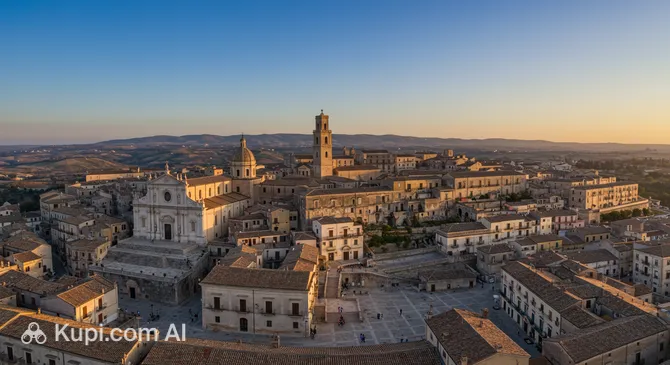
Potenza. Illustration.
Source: Kupi.com AI

Due to its location at an altitude of over 800 meters above sea level, the climate here differs from the typical coastal heat: summers in Potenza are pleasant and fresh, while winters can be quite cool and even snowy. With a population of about 67,000, the city maintains an intimate feel while possessing a well-developed infrastructure that ensures a comfortable stay for tourists.

The rich history of Potenza has left its mark on the city's architectural appearance despite the destructive earthquakes of the past. Strolling through the historic center, it is worth visiting the majestic Cathedral of San Gerardo, rebuilt in the 18th century, and seeing the Guevara Tower—the surviving part of an ancient castle. Special attention should be paid to the Musmeci Bridge—a unique concrete engineering feat that has become a symbol of the city's modern architecture and a gateway to its historic core.

Potenza will be a great discovery for travelers seeking authentic experiences far from the overcrowded tourist routes. Come here to leisurely wander the steep stairs and alleys, enjoy panoramic views of the Basento Valley, and discover the mountainous heart of southern Italian hospitality.
Weather Overview

Due to its high-altitude location, the climate in Potenza is noticeably different from Italy's coastal regions: it is generally fresher and cooler here. Winters in the city are mild but bracing, with an average temperature of about +5...+6°C, and at night the air can cool down to +1°C. Spring arrives gradually, warming the air from +7°C in March to a comfortable +15°C by May; however, during this period, you should be prepared for frequent rain—precipitation falls approximately 13–14 days per month.

Summer is the most favorable time to travel. In July and August, warm and sunny weather in Potenza sets in: average temperatures stay around +23°C, and during the day the thermometer often rises to +29°C. This is the driest season, especially July, when the number of rainy days is minimal. In autumn, the warmth persists into September (+19°C), but by November it cools down to +10°C and high humidity returns.

Expect a warm summer with rare rains and cool winters with regular precipitation, so when planning a trip in the off-season, be sure to bring an umbrella and warm clothes.

Average monthly temperature

Average monthly precipitation

Interesting Facts

Beyond its main attractions, Potenza holds many fascinating secrets that make this city truly unique. Here are a few facts that will help you look at the administrative center of the Basilicata region from a new perspective.
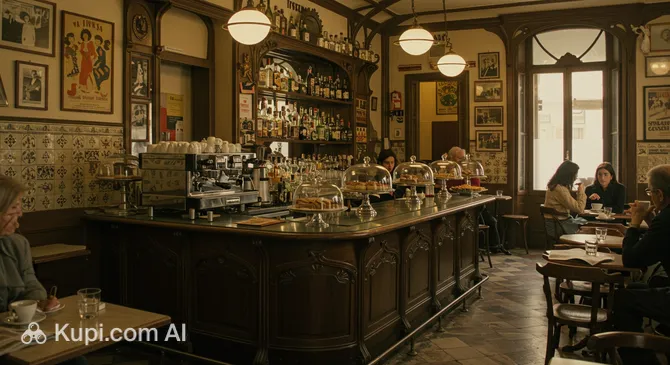
Pretoria Caffè. Illustration.
Source: Kupi.com AI

Traveler photos:

  • A Record-Breaking Escalator System. Potenza possesses one of the longest public escalator systems in Europe. This large-scale network of mechanized stairs is not just a convenience, but a necessity for the "vertical city." It connects modern neighborhoods with the historic center, allowing residents to navigate steep slopes without using cars.

  • The Legendary "Parade of the Turks." Every year on May 29, the city celebrates the "Sfilata dei Turchi." This colorful costume procession is dedicated to the city's patron saint, San Gerardo. According to legend, it was his miraculous intervention that helped the residents expel Turkish invaders, although historians still debate the real historical background of this legend.

  • An Open-Air "Living Room." The main street of the historic center, Via Pretoria, is known among locals as the "city's living room." In the evenings, it fills with people taking a traditional promenade. Life bustles here, and cozy establishments like Pretoria Café become focal points for those wishing to discuss the news over a cup of coffee or an aperitif.

  • A Name That Defines Destiny. The city's name translates from Italian as "strength" or "power." This name proved prophetic: over the centuries, Potenza has repeatedly suffered from devastating earthquakes, but each time it has been rebuilt, demonstrating the incredible resilience of its residents' spirit.

How to Get There

Potenza is located in the heart of the Basilicata region, nestled in the picturesque Apennine Mountains. Due to the high-altitude terrain, it does not have its own airport; however, there are good connections to major transport hubs in Southern Italy. To plan your optimal route, we recommend exploring all the ways to get to the city, including bus and rail connections.

For travelers who prefer flying, it is most convenient to use the airports of neighboring regions. The nearest major hub is Bari Palese Airport (IATA: BRI), located in the city of Bari. There is no airport in Potenza itself, so you will have to travel about 98 km from Bari. The journey by taxi or rental car takes about 1 hour and 30 minutes, and direct bus services are also available.

Another popular option is the international Naples Capodichino Airport (IATA: NAP). It is located in Naples, about 131 km from Potenza. This is the largest airport in southern Italy with a huge number of flights. The drive from here to Potenza takes about 2 hours. It is also worth mentioning the small Pontecagnano Airport (IATA: QSR) in Salerno: it is the closest at 76 km, but it serves significantly fewer flights.

For clarity, here is a summary of the main airports through which you can reach the region:

AirportPassenger trafficDistance
Pontecagnano400 00076 km
Gino Lisa60 44791 km
Palese Airport6.5 mln98 km
Naples International Airport12.7 mln131 km
Brindisi - Salento Airport3.0 mln181 km

If you prefer rail transport, it is important to note that high-speed trains usually arrive at major coastal cities, from which you need to transfer to regional lines or buses to Potenza. One of the key hubs is the Napoli Centrale station (IATA: INP) in Naples. There is no high-speed rail station in Potenza itself, but you can travel to Naples (132 km from Potenza) and then transfer to a local train or bus. The travel time from Naples station to Potenza is about 2–2.5 hours.

An alternative is the Bari Centrale station (IATA: BAU) in Bari, located 104 km away. This is an important transport hub on the Adriatic coast that receives many trains. From here, there is also a regular connection to Potenza. For those traveling from the Tyrrhenian Sea side, the Salerno Railway Station in Salerno, which is only 88 km from the destination, can be a convenient transfer point.

Below is information about the nearest major railway stations serving as gateways to the region:

StationPassenger trafficDistance
Salerno Railway Station6 mln87 km
Bari Centrale Station14 mln104 km
Napoli Afragola High-Speed Railway Station12 mln129 km
Mergellina Railway Station6.2 mln132 km
Naples Centrale Station50 mln132 km

Main Attractions

Potenza is a city that reveals itself in the details. Here, majestic architecture sits side-by-side with cozy spots where you can feel the true taste of life in the Basilicata region. A walk through the city would be incomplete without visiting key historical sites and gastronomic landmarks that have long been part of the local culture.

One of the city's main cultural treasures is the National Archaeological Museum (Museo Archeologico Nazionale), located in the historic Palazzo Loffredo. It bears the name of Dinu Adameșteanu, the first superintendent of antiquities in Basilicata. The museum's exhibition offers a fascinating journey into the past, featuring unique artifacts that tell the story of the ancient Lucanians and Greek settlers. It is the perfect place for those who want to gain a deeper understanding of the region's history before the Roman conquest.

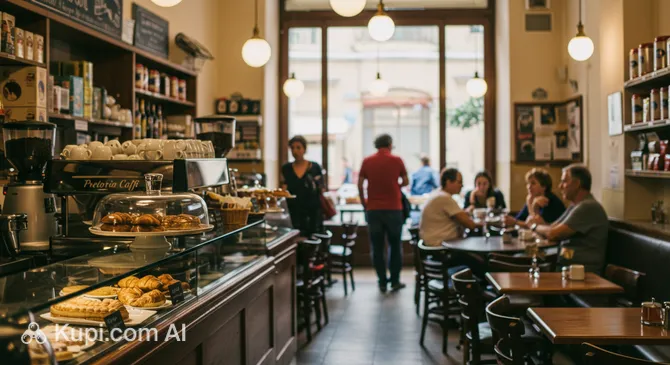
Milanese Pastry Shop. Illustration.
Source: Kupi.com AI

Traveler photos:

After diving into history, it's worth taking a break to enjoy the sweet side of Italian life. Locals and tourists alike often stop by the Milanese Pastry Shop. Despite the name, this place is permeated with southern hospitality. Here, you can try traditional desserts and pastries that perfectly complement a cup of strong espresso. It’s more than just a café; it’s a point of attraction for those who value quality and atmosphere.

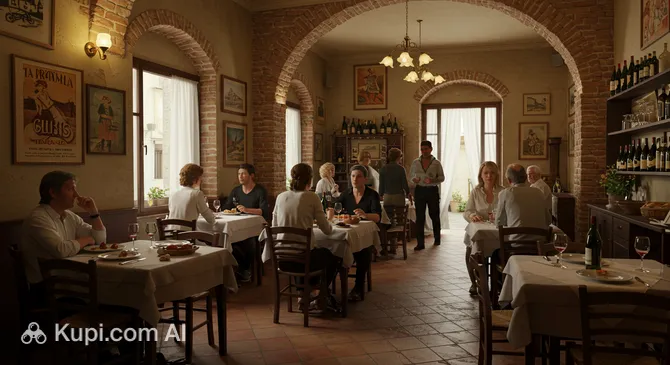
To fully experience Potenza's culinary traditions, we recommend visiting the restaurant La Primula. This establishment is famous for its focus on local products and recipes. Here, you will be offered dishes that reveal the character of local cuisine: rich flavors, simple yet high-quality ingredients, and, of course, the famous "crusco" peppers. Dinner here will be a perfect conclusion to an eventful day.

La Primula. Illustration.
Source: Kupi.com AI

Traveler photos:

Also, while walking through the historic center, it is impossible to miss the Torre Guevara. This is the only surviving part of an ancient castle that once dominated the city. Today, the tower serves as a reminder of Potenza's medieval past and is often used as a venue for exhibitions and cultural events. From here, picturesque views open up, allowing you to appreciate the beauty of the "vertical city" from a new perspective.

Local Cuisine

Potenza's gastronomy is a vibrant reflection of the soul of the Basilicata region, often called "cucina povera" or "peasant cooking." However, behind this modest name lies a wealth of flavors based on fresh farm products, aromatic herbs, and centuries-old traditions. Local dishes are hearty and spicy, which is perfect for the city's mountain climate.

The main symbol of local cuisine is the peperone crusco—a sweet red pepper dried until crunchy, which is added almost everywhere: from appetizers to desserts. Be sure to try strascinati—a type of homemade pasta usually served with meat ragout or breadcrumbs sautéed with pepper. Meat lovers will enjoy lucanica—a traditional pork sausage with fennel seeds, a recipe dating back to Roman times. Also popular is baccalà a ciauredda—cod stewed with tomatoes, onions, and olives.

No meal in Potenza is complete without a glass of excellent wine. The pride of the region is the rich red wine Aglianico del Vulture, which pairs perfectly with meat dishes and aged cheeses. As a digestif after a hearty meal, locals prefer the herbal liqueur Amaro Lucano, the recipe for which has been kept a closely guarded secret since the late 19th century.

The food culture in the city tends toward leisure and coziness. The culture of "food on the go" or street fast food is not as developed here; instead, residents prefer to spend time in family-run trattorias and osterias. If you want to try authentic dishes in the right atmosphere, it's worth visiting the restaurant La Primula. In such places, traditions are honored and dishes are prepared according to recipes passed down through generations, allowing tourists to experience the true taste of the "vertical city."

Travel Tips

Welcome to the "vertical city"! To ensure your trip to Potenza is as comfortable as possible and leaves only pleasant memories, we have gathered several important recommendations. Given the high-altitude location and specific layout of this city, preparing for your trip has its nuances that set it apart from a typical beach vacation.

  1. Clothing and Seasonality. Although this is sunny Italy, Potenza is located at an altitude of over 800 meters, so it is always cooler here than on the coast. Even in summer, be sure to bring a windbreaker or sweater for the evenings. A traveler's main attribute here is comfortable, broken-in flat shoes (sneakers or boots), as you will be doing a lot of walking on stairs and sloping streets.

  2. Transport System. A unique feature of the city is the public escalator system connecting the lower districts with the historic center. This is the most convenient and free way for pedestrians to move around, saving energy on ascents. Buses run regularly, but they are less convenient in the center. Renting a car is only worth it for trips into the province; within the city, it's more of a hassle due to narrow streets and a shortage of parking.

  3. Financial Matters. The official currency is the Euro. Most restaurants and shops accept cards, but for small expenses (coffee, souvenirs, transit tickets), always have cash with you, especially coins. Tipping is not mandatory, as the service charge (coperto) is often already included in the bill, but leaving 1–2 euros as a thank you is considered good manners.

  4. Health and Safety. Potenza is a calm and safe city with a low crime rate. Pharmacies are marked with a green cross sign; if a pharmacy is closed, the address of the nearest duty pharmacy (Farmacia di turno) is usually posted on the door. Water from public drinking fountains is clean and safe to drink, so feel free to refill your bottles.

  5. Communication and Language. The main language of communication is Italian. Staff in hotels and major restaurants speak English, but it may be more difficult to communicate in small shops. We recommend learning a few basic phrases: Buongiorno (Good day) and Grazie (Thank you)—this goes a long way with the locals. Wi-Fi is available almost everywhere, but for reliable communication, it's better to buy a local SIM card at operator stores in the center (passport required).

  6. Local Etiquette. Life here flows at a leisurely pace. Remember the siesta: many shops and institutions close for a lunch break from approximately 13:30 to 16:30. During this time, the city goes quiet. It is customary to say hello when entering a shop or café and to wish someone a good day when leaving.

  7. What to Avoid. Do not underestimate the mountain sun and wind: even in cool weather, you can get sunburned, so use sunscreen. Also, avoid loud behavior and inappropriate clothing (short shorts, bare shoulders) when visiting active churches, of which there are many in the city.

  8. Useful Tip. Pay attention to the escalator schedule. They do not run 24/7 (usually closing late at night, around 22:00–23:00, though times can vary). If you stay in the historic center late and live in the lower part of town, you will either have to call a taxi or make a long descent on foot.

Potenza charms with its leisurely pace and fresh mountain air. By following these simple practical tips, you can easily blend into the rhythm of local life, avoid minor inconveniences, and focus on exploring the rich history and culture of the Basilicata region.

Entertainment & Nightlife

Entertainment and nightlife in Potenza have their own unique southern flavor. Here, you won't find noisy metropolis-style raves, but you will immerse yourself in an atmosphere of warm friendly socializing, street walks, and cozy venues. The city's evening life is inextricably linked to the presence of students from the University of Basilicata, who set the pace and fill the streets with energy, especially on weekends.

The epicenter of nightlife is the historic center, specifically the city's main artery, Via Pretoria. At dusk, it turns into one large stage for the traditional Italian promenade. Locals come out here to see and be seen, meet acquaintances, and move from bar to bar. The dress code here is democratic "smart casual": Italians love to dress with taste, but without excessive pomposity.

It is customary to start the evening with an aperitif. One of the popular places to feel the pulse of the city is Pretoria Café. During the day it operates as a classic coffee shop, and in the evening it transforms into a lively bar with music and cocktails. This is an excellent starting point: you can order a spritz, try some snacks, and watch the crowd. If you are looking for a place for an elegant dinner that smoothly transitions into a night out, you should book a table at La Primula, where an excellent wine list and cozy atmosphere encourage long conversations.

For lovers of a more quiet and refined pastime, the Milanese Pastry Shop is ideal. Despite its "sweet" name, this is a "bar" category establishment where you can enjoy not only desserts but also high-quality drinks in a respectable atmosphere. Most bars and pubs in the center are open until 1:00 or 2:00 AM, and the average price of a cocktail varies from 5 to 8 euros, which is significantly cheaper than in Rome or Milan.

In terms of safety, Potenza is a very calm city. You can walk through the lit historic center (Via Pretoria and adjacent squares) without fear even late at night. However, it is worth considering a transportation nuance: the city's famous escalators close quite early (usually by midnight), so if your hotel is in the lower part of the city, plan your return in advance. At night, it is better to call a taxi by phone or via an app, as hailing a car on the street is not common here, and walking down dark stairs can be tiring and uncomfortable.

As for daytime entertainment, the city's cultural life revolves around the Francesco Stabile Theater—a 19th-century architectural gem and a smaller copy of Naples' San Carlo. Opera productions and concerts are held here. During the day, it is also pleasant to walk through Montereale Park, which offers breathtaking views, or peek into small art galleries that periodically open in the old palazzos of the center.

Parks & Museums

Despite its reputation as a "stone" city with dense buildings, Potenza knows how to surprise travelers with its cozy green oases and rich cultural program. Here, nature is harmoniously integrated into the urban landscape, while museum halls hold evidence of the Basilicata region's centuries-old history, offering guests intellectual relaxation away from the noise.

The main green gem of the city is undoubtedly Montereale Park (Parco di Montereale). Located on top of a hill near the historic center, it serves as a favorite walking spot for locals. Tourists are drawn here not only by the shady alleys providing relief from the summer heat but also by the breathtaking panorama: the park's observation decks offer a magnificent view of the Basento River valley and the surrounding mountains. It is the perfect spot to appreciate the scale and beauty of the landscape.

Another corner of tranquility in the heart of the city is the Villa del Prefetto. This historic garden, adjacent to the Government Palace, is an example of elegant landscape design with neat flower beds, ancient trees, and graceful sculptures. It is often called Potenza's "secret garden," where you can relax in silence, enjoying an atmosphere of aristocratic comfort right in the middle of the city's hustle and bustle.

To dive into the cultural context, it is worth visiting the Dinu Adameșteanu National Archaeological Museum. It is located in the restored Palazzo Loffredo and is considered one of the most important museums in the region. The exhibition tells the story of ancient Lucania in detail, showcasing unique finds from the Iron Age to the Roman period. Of particular interest are the collections of ceramics and jewelry, which allow one to imagine the daily life of ancient settlers.

Connoisseurs of fine art will find the Provincial Pinacotheca (Pinacoteca Provinciale) interesting. Its halls contain paintings reflecting the artistic traditions of southern Italy in the 19th and 20th centuries. Here you can get acquainted with the works of local masters whose canvases are imbued with love for their homeland, and also see temporary exhibitions of contemporary art often held within the gallery walls.

Insider Tip: If you find yourself in Montereale Park closer to sunset, be sure to find a bench facing west. At this time, the sun paints the valley and the famous Musmeci Bridge in golden hues, creating perhaps the most photogenic landscape in all of Potenza, which not all guidebooks mention.

Getting Around

Getting around Potenza is a unique experience due to the unusual terrain of this "vertical city." The transport system here is designed to make life as easy as possible for travelers and locals who must constantly move between the lower part of the city in the valley and the historic center on the hilltop.

The main feature and most convenient mode of transport is the public escalator system (Scale Mobili). Potenza boasts one of the longest networks of mechanized stairs in Europe. This is a kind of "vertical metro" connecting park-and-ride lots and residential neighborhoods below with the city center. The most famous hub is the Santa Lucia Bridge (Ponte Santa Lucia). Riding the escalators is generally free, making them an ideal choice for tourists who want to save their strength while ascending.

The primary ground transport consists of city buses. The route network covers all districts, including those where the escalators do not reach. Buses connect the Potenza Centrale railway station, the university campus, and the hospital with the main transport hubs. Intervals range from 20 to 40 minutes, though it's worth noting that services become less frequent in the evening and on weekends.

The city also operates a surface metro (Metropolitana di superficie). In fact, it is an urban train running on railway tracks and connecting key stations: Potenza Centrale, Potenza Superiore, Università, and others. This is a great way to quickly get from one part of the city to another, bypassing street traffic, especially during peak hours.

To pay for travel on buses and the urban train, you must purchase a ticket. These can be bought at tobacco kiosks (look for the sign with a white "T" on a blue or black background), newsstands, and sometimes in bars. There are single tickets valid for a certain period (usually 90 minutes) and day passes. It is crucial to validate your ticket in special machines upon entering the bus or at the station to avoid a fine during inspections.

If you prefer individual transport, taxis are at your service. It is important to remember that in Potenza, it is not common to hail a car with a wave of the hand on the street. Taxis must be found at special ranks (for example, at the station or in Piazza Matteotti) or called by phone. Car-sharing and bike rentals are poorly developed in the city due to the difficult terrain, so walking combined with escalators remains the best way to explore the center.

Tourists in rental cars should be careful: the historic center is protected by limited traffic zones (ZTL), where entry is allowed only for residents. The best strategy is to leave your car at one of the large parking lots in the lower city and take the escalator up, enjoying the views without the hassle of parking.

Accommodation

Where to stay:

Potenza offers travelers a decent choice of accommodation, which, however, differs from the variety found in large tourist metropolises. You won't find huge resort chains or ultra-luxury five-star hotels here. The bulk of the hotel stock consists of cozy mid-range hotels (3–4 stars), small family-run Bed & Breakfasts, and apartments. This format of accommodation allows for a deeper immersion into the local atmosphere and a chance to experience the famous southern hospitality.

When choosing an area to stay, it is important to consider the city's unique "vertical" structure. The most popular and atmospheric area is the historic center (Centro Storico), located at the top of the hill along Via Pretoria. By staying here, you will be within walking distance of the main attractions, restaurants, and evening life. This is an ideal option for those traveling on foot who want to be in the center of the action.

An alternative option is accommodation in the lower part of the city or in modern districts. This choice is often made by tourists traveling by car, as it is much easier to find parking and more convenient to reach the highways. Also at the bottom, near the railway station, there are several practical hotels convenient for transit travelers. Thanks to the escalator system, you can get from here to the historic center quite quickly.

The price range in Potenza will be a pleasant surprise: the cost of living here is generally lower than in Italy's popular tourist cities. Most options fall into the budget and mid-price segments. It is best to book accommodation through popular online platforms. Special attention should be paid to early booking if your trip falls at the end of May, when the city hosts a large-scale festival in honor of its patron, San Gerardo—during these days, demand for hotels rises sharply.

Nearby Cities

For those who want to explore the surrounding area, Potenza serves as an excellent starting point for day trips to several interesting nearby locations. The city's convenient location makes it easy to reach the gems of the neighboring Puglia and Campania regions, each possessing its own unique charm.

The absolute favorite for a short trip is Matera. This city, known worldwide for its ancient cave districts "Sassi" (Sassi di Matera), is just an hour's drive away. A walk through its stone labyrinths, which are UNESCO World Heritage sites, will transport you to a completely different era. It is a place with an incredible cinematic atmosphere that simply cannot be missed.

Food and history lovers should visit the city of Altamura. It is famous for its unique bread (Pane di Altamura), which has been granted Protected Designation of Origin (DOP) status—the only one of its kind in Europe. In addition to culinary delights, the city impresses with a majestic cathedral built by order of Emperor Frederick II and a cozy historic center perfect for wandering through narrow streets.

Another interesting destination is Gravina in Puglia. This city is located on the edge of a deep ravine and offers stunning landscapes. Its main attraction is the impressive arched aqueduct bridge spanning the canyon, which frequently appears in films. Gravina is also known for its "underground city" with churches and tunnels carved into the tufa rock.

CityPopulationDistance
Avigliano11 35013 km
Sala Consilina12 63632 km
Rionero in Vulture13 23634 km
Venosa11 73236 km
Melfi17 87842 km

These nearby destinations provide an insight into the diverse culture and landscapes of the region, complementing the experience of visiting Basilicata with new colors and flavors.

Shopping & Souvenirs

Shopping in Potenza is an opportunity to combine business with pleasure: walk through historic streets and purchase unique goods that are hard to find in other regions of Italy. Unlike Milan or Rome, you won't find endless rows of high-fashion boutiques here; instead, the city is famous for its craft shops, stores with high-quality local footwear, and, of course, gourmet boutiques. Shopping here is a way to touch the authentic culture of the Basilicata region.

The heart of the city's commercial life is the historic center and its main artery—Via Pretoria. This pedestrian zone, which locals call the "city's living room," is dotted with small clothing stores, jewelry shops, and souvenir kiosks. Strolling here, you can find both well-known mass-market brands and elegant family-style boutiques. For those looking for more modern and spacious retail areas, it's worth heading down to the lower part of the city, to the Via del Gallitello area, where electronics stores, sporting goods, and large outlets are concentrated.

If you prefer an "all-in-one" format, pay attention to the shopping centers located mainly on the outskirts or in the nearest suburbs. One of the popular places for large-scale shopping is Polo Acquisti Lucania (located in the neighboring municipality of Tito, a few minutes' drive away). This is a large complex with many clothing and shoe stores, household goods, and a large supermarket where it is convenient to buy groceries before departure.

The special flavor of the South can be felt at local markets. Street bazaars are regularly held in Potenza, where farmers from the surrounding villages sell the freshest products. Here you should look for seasonal fruits, vegetables, homemade cheeses, and sausages. This is not just a place of trade, but a real theater of life where it is customary to socialize, sample products, and bargain.

The main question for a tourist: what to bring back? The calling card of Potenza and all of Basilicata are gastronomic souvenirs. First and foremost is Peperone Crusco—sweet crunchy pepper sold both whole and in powder form. Be sure to buy a bottle of Aglianico del Vulture red wine or a local liqueur. Those with a sweet tooth should stop by places like the Milanese Pastry Shop to purchase traditional pastries or handmade candies in beautiful packaging as gifts for loved ones.

When planning your shopping, remember the traditional working schedule. Most small shops in the center close for siesta: they work from approximately 09:00 to 13:00 and reopen only around 16:30 or 17:00, staying open until 20:00. Large shopping centers usually work without a break until late evening. On Sundays and Monday mornings, many private shops may be closed.

Regarding payment, Visa and Mastercard are accepted almost everywhere; however, for purchases at the market or in small souvenir kiosks, it is better to have cash euros. Tourists from non-EU countries can take advantage of the Tax Free system when purchasing goods for an amount exceeding the legally established minimum in stores with a special sticker. Don't forget to ask for a special receipt and tax refund form for customs when you fly out.

Nearby cities

Reached the end of the page?

That means the route is fully explored