Support

Hokuto

About

Hokuto is a picturesque city nestled in the northern part of Yamanashi Prefecture, in the heart of Honshu Island in Japan. Surrounded by the majestic Japanese Alps, the city sits on the Kiyosato Plateau, which provides exceptionally fresh and clean air. Thanks to its elevated position, it offers stunning panoramic views of mountain ranges, alpine meadows, and dense forests, making Hokuto a true paradise for nature lovers and those seeking a peaceful retreat.
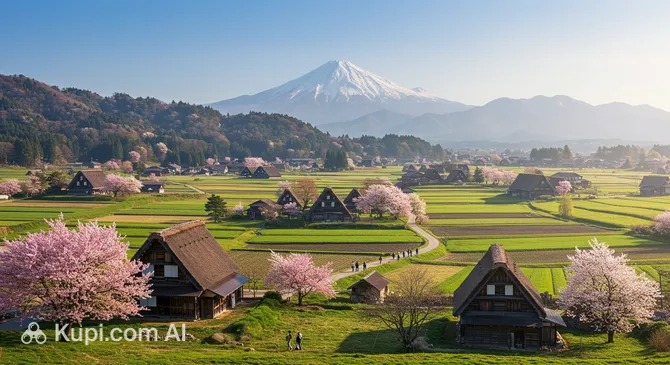
Hokuto. Illustration.
Source: Kupi.com AI

With a population of about 45,000, Hokuto remains an intimate and cozy destination, preserving the atmosphere of a traditional Japanese province. The city is known for its steady pace of life, the hospitality of its residents, and an attention to detail in everything from architecture to gastronomy. Hokuto is one of the key municipalities in Yamanashi and serves as an excellent starting point for exploring the Kiyosato region and its surroundings.

The main highlight of Hokuto is its unique blend of natural and cultural attractions. Here, you can stroll through alpine meadows, embark on scenic hiking routes, visit museums and galleries, and then relax in traditional Japanese onsen baths. The city is especially popular with outdoor enthusiasts: mountain trails, ski resorts, and pristine rivers attract tourists year-round. Among the notable sites are the Kiyosato Museum of Art and the Suntory Hakushu Distillery, where you can learn about local whisky production.

Hokuto exudes a wonderful harmony: modern resorts and art installations sit alongside ancient temples, and farmers' markets neighbor cozy cafes. It is a place where you can experience authentic Japanese tranquility, be inspired by nature, and discover the genuine culture of the Yamanashi region. A visit to Hokuto will give you unforgettable memories and allow you to rest both body and soul.

You can find more interesting facts on the history of Hokuto page.
Weather Overview

The weather in Hokuto is characterized by pronounced seasonal fluctuations, offering various conditions for travelers throughout the year. To plan your trip in the best way, it's worth familiarizing yourself with the typical weather conditions for each month.

In Hokuto, summer, especially in July and August, is warm, with average temperatures around 21-22°C and maximum values reaching 25-26°C. Winters, from December to February, are quite cold, with average temperatures below zero (about -1.7°C in January) and minimum temperatures dropping to -5.1°C. Spring and autumn offer milder temperatures. Precipitation is distributed throughout the year, with the highest amount in the summer months (for example, 8 mm in July, occurring over 19 rainy days) and the least in winter (2 mm in January and December). Expect a warm summer with occasional rain and cold, drier winters.

For detailed information on average temperatures, precipitation, and the number of rainy days for each month, we recommend visiting the Hokuto Climate page.

Average monthly temperature

Average monthly precipitation

Interesting Facts

Hokuto, nestled comfortably in Yamanashi Prefecture, is not just about picturesque landscapes and fresh mountain air. The city holds many surprising stories and unique places that not all travelers are aware of.

  • Hokuto is home to one of Japan's oldest and most famous cherry blossoms—the Yamataka Jindai Zakura. According to various estimates, the age of this tree exceeds two thousand years! Every year during the blooming season, thousands of nature lovers gather here to admire this living monument of history.

  • The city is famous for the Suntory Hakushu Distillery, where one of Japan's most renowned whiskies is produced. The distillery is located amidst dense forests, and the pure mountain water used in production gives the drink its distinctive flavor.

  • Hokuto is often called the "city of alpine meadows." It is home to Sun Meadows Kiyosato Highland Park, a unique mountain park that turns into a blooming garden in summer and becomes a popular spot for skiing and snowboarding in winter. The local slopes offer a magnificent view of Mount Fuji.

  • Contemporary art thrives in Hokuto. For example, Moegi no Mura is an entire art cluster featuring galleries, workshops, and cozy coffee shops. It hosts craft festivals, ceramic exhibitions, and creative workshops that attract artists from all over Japan.

How to Get There

You can reach the picturesque city of Hokuto in Yamanashi Prefecture in various ways, enjoying views of Japanese nature along the way. Most travelers choose a combination of air travel to major hubs and a trip by train or bus. You can find out more about how to get to Hokuto by studying all available routes and choosing the one most convenient for you.

Hokuto itself does not have its own airport, so the main flow of tourists arrives via the air gateways of Tokyo or neighboring prefectures. One of the most convenient options is Haneda (IATA: HND), located in Tokyo. This major international hub is approximately 125 km from Hokuto. From the airport, you can reach the city by train or bus, with the journey taking about 2.5–3 hours, including transfers.

Another popular entry point is Narita International Airport (IATA: NRT), also serving Tokyo but located slightly further away—about 177 km from Hokuto. Many international flights arrive here. The journey from Narita to Hokuto takes about 3–4 hours by express train (for example, the Narita Express to Shinjuku, followed by a transfer to the Chuo Line).

If you are traveling on domestic flights or wish to fly closer to the mountains, consider Matsumoto Airport (IATA: MMJ) in the city of Matsumoto. It is only 62.6 km from Hokuto, making it the closest airport. However, it is a small regional hub with a limited number of flights. A trip by car or taxi from there will take a little over an hour.

For convenience, here is a summary of information for the main airports:

AirportPassenger trafficDistance
Matsumoto Airport112 61863 km
Shizuoka Airport691 274111 km
Haneda Airport85.7 mln125 km
Toyama Airport736 740147 km
Nagoya Airport735 000148 km

Rail travel is the most popular and scenic way to get to Hokuto, especially from Tokyo. The main railway artery is the JR Chuo Line. Limited Express "Azusa" trains depart from Shinjuku Station in Tokyo and take passengers directly to Kobuchizawa Station, which is the main transport gateway to Hokuto. The journey takes about 2 hours and passes through beautiful mountain areas. From Kobuchizawa Station, you can transfer to the local JR Koumi Line, known as the highest railway line in Japan, to reach other parts of the city, such as Kiyosato.

In addition to trains, Hokuto can be reached by intercity buses departing from the Busta Shinjuku terminal in Tokyo. Buses follow the Chuo Expressway and make stops in the Kobuchizawa area and other parts of the city. This is often a more budget-friendly option compared to the train, taking approximately 2.5–3 hours depending on traffic.

Main Attractions

Hokuto, located in the scenic Yamanashi Prefecture, offers tourists a variety of opportunities for relaxation and immersion into Japanese culture and nature. Among its many interesting spots, several key attractions are a must-visit.

One of the hallmarks of Hokuto is the Suntory Hakushu Distillery. Situated amidst dense forests and near the pure water sources of the Southern Japanese Alps, it attracts whisky connoisseurs from all over the world. Visitors can not only learn about the production process of the famous Hakushu Japanese single malt whisky but also enjoy a tasting and take in the beauty of the surrounding nature during a tour of the grounds.

For family vacations and fans of the famous story about the girl from the Alps, Heidi's Village is the perfect destination. This charming spot recreates the atmosphere of the Swiss village described in Johanna Spyri's book. Guests can enjoy magnificent flower gardens, which are especially beautiful in spring and summer, themed exhibitions, recreated alpine cottages, and a chance to fully immerse themselves in the world of the beloved heroine.

Nature lovers and outdoor enthusiasts should head to the Kiyosato Highlands. This popular resort area at the foot of the Yatsugatake Mountains offers breathtaking panoramic views, numerous farms with fresh dairy products (be sure to try the local ice cream!), art museums like the Kiyosato Museum of Photographic Arts, and an extensive network of trails for hiking and fresh-air walks.

Moegi-no-Mura Village is another wonderful place for leisurely strolls and discovering local crafts and culture. This cozy village brings together several handmade souvenir shops, original cafes, restaurants, and the famous "Hall of Halls" Music Box Museum, where you can hear the sounds of antique instruments. In the summer, it also hosts the renowned outdoor ballet festival, Field Ballet Kiyosato, attracting many art lovers.

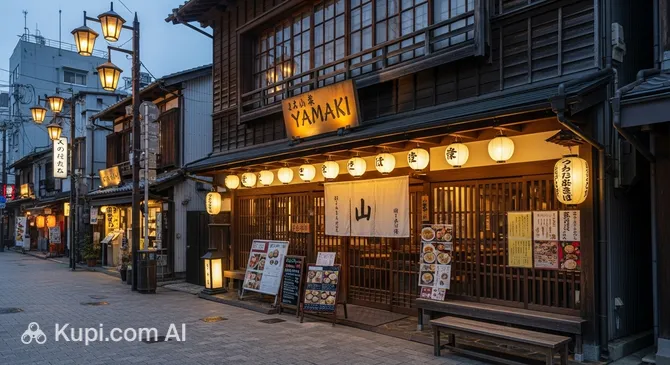
To get acquainted with the local cuisine and the gastronomic traditions of the region, you can visit the Yamaki restaurant. This establishment offers guests a chance to taste dishes characteristic of Yamanashi Prefecture, prepared with fresh local ingredients, and enjoy a welcoming Japanese atmosphere. It is an excellent place to take a break during a busy sightseeing program and try something new and authentic.

Yamaki. Illustration.
Source: Kupi.com AI

Traveler photos:

Local Cuisine

The gastronomy of Hokuto is a true immersion into the world of fresh alpine products and unique local recipes. The city's culinary pride is rightfully centered on dishes made from tender local beef and the freshest vegetables grown on the region's fertile farms. If you want to experience the true taste of Hokuto, be sure to try the signature "Kiyosato Burger"—a juicy burger made from Yamanashi beef, complemented by homemade buns and seasonal vegetables. It can often be found at farmers' markets and in cozy cafes.

Equally deserving of attention are dishes made from freshwater fish caught in the crystal-clear mountain rivers surrounding Hokuto. And for dairy lovers, this is a true paradise: the local farms of Kiyosato are famous for their excellent quality and environmental standards, offering delicious cheeses, yogurts, and, of course, ice cream. Especially popular is ice cream with the addition of fresh local fruits—the perfect dessert on a warm day.

Yamaki. Illustration.
Source: Kupi.com AI

Traveler photos:

Among the drinks in Hokuto, excellent local wine and the famous Hakushu whisky stand out, which enthusiasts can taste directly at the distillery. In small bars and restaurants, such as Yamaki, you will be offered original cocktails based on local ingredients. For those who prefer non-alcoholic drinks, homemade lemonades and refreshing seasonal fruit juices can always be found at the farmers' markets.

The food culture in Hokuto is closely linked to nature and seasonality. Locals and tourists alike enjoy visiting farmers' markets, where you can not only buy fresh produce but also try street food. The city is also known for its gastronomic festivals, especially the autumn harvest festival. Such events feature tastings, workshops on cooking traditional dishes from game, wild mushrooms, and seasonal vegetables, as well as farmers' markets. This is a wonderful opportunity to get to know the culinary diversity of Hokuto and experience its hospitality.

Travel Tips

Planning a trip to the charming city of Hokuto? To make your journey through this picturesque corner of Japan as comfortable and memorable as possible, we have prepared some practical tips. They will help you better navigate on the spot and avoid common mistakes.

  1. Clothing and footwear for the season:

    The climate in Hokuto and Yamanashi Prefecture features four distinct seasons. In summer (June-August), choose light, breathable clothing, sunscreen, and a hat. In spring (March-May) and autumn (September-November), layering and comfortable waterproof shoes for nature walks will come in handy—the weather can be changeable. In winter (December-February), you cannot do without a warm jacket, hat, gloves, and a scarf, especially if you plan trips to the mountains where snow may lie. Be sure to bring comfortable shoes for long walks, as you will be doing a lot of walking while exploring the surroundings. Don't forget an adapter for electronics (Japan uses type A and B sockets). When visiting temples and shrines, choose modest clothing that covers shoulders and knees; also be prepared to remove your shoes before entering some premises.

  2. Transport nuances:

    For the best experience of the beauty of Hokuto and its surroundings, including the natural parks and scenic valleys of Yamanashi Prefecture, renting a car is highly recommended. This will give you freedom of movement and allow you to reach places not served by public transport. Remember that driving in Japan is on the left, and you will need an international driving permit. Local trains (e.g., JR lines) and buses run within the city and between some settlements, but their schedules may not always be convenient for a tourist with a tight schedule. Taxis are available but are considered a fairly expensive mode of transport for frequent trips.

  3. Financial guide:

    The official currency is the Japanese yen (JPY, ¥). Although credit and debit cards (Visa, Mastercard) are accepted in many hotels, large shops, and restaurants, cash remains extremely important, especially in smaller establishments, local markets, and when paying admission fees for some attractions in Hokuto and its surroundings. It is recommended to exchange some money upon arrival at the airport or at banks in major cities. ATMs that accept international cards can most often be found in post offices (Japan Post Bank) and 7-Eleven convenience stores. Tipping is not practiced in Japan—high-quality service is considered the norm and is already included in the price.

  4. Health and safety:

    Japan is one of the safest countries in the world, and Hokuto, being a peaceful city, is no exception. Follow standard precautions: watch your belongings in crowded places and do not leave them unattended. Pharmacies (look for the "薬" - kusuri sign) are available in the city, but pharmacists do not always speak English, so it is useful to have a small basic first-aid kit with you. Be sure to take out travel insurance that covers medical expenses. If you plan on mountain hiking or walking on nature trails, inform someone of your route and be prepared for possible weather changes.

  5. Language barrier and connectivity:

    The official language is Japanese. In Hokuto, as in many cities in Japan outside the major tourist centers, the level of English proficiency among the local population may be limited. Learn a few basic Japanese phrases: "konnichiwa" (hello), "arigato" (thank you), "sumimasen" (excuse me/sorry), "hai" (yes), "iie" (no). For ease of communication and navigation, we recommend purchasing a tourist SIM card or renting a pocket Wi-Fi router upon arrival at the airport or in advance online. Popular apps like Google Maps (for navigation and transport schedules) and Google Translate will be your indispensable helpers.

  6. Respect for local customs:

    Japanese people highly value politeness, harmony, and respect for tradition. When greeting someone, a slight bow is sufficient; handshakes are not as common. In public places, especially on transport (trains, buses), try to speak quietly and not disturb others; loud phone conversations are discouraged. An important aspect of etiquette—remove your shoes before entering private homes, traditional Japanese inns (ryokans), temples, and some restaurants (usually a special area is provided for this). There are also certain etiquette rules when using chopsticks (for example, do not stick them vertically into rice and do not pass food with chopsticks to another person).

  7. What to avoid:

    To ensure your trip to Hokuto goes smoothly and without misunderstandings, avoid loud conversations and boisterous behavior in public places, especially on transport and in onsens (hot springs), where silence is valued. It is not common to eat or drink while walking on the street; it's better to find a suitable place for this. Pay close attention to waste sorting rules: in Japan, this is taken very seriously. If you are unsure how to correctly sort waste, it is better to ask or find the relevant information.

  8. Special tip for Hokuto:

    Hokuto is famous for its magnificent nature, crystal-clear water (thanks to which famous distilleries producing whisky and sake, as well as mineral springs, are located here), and proximity to the Japanese Alps and Yatsugatake Mountains. Don't miss the chance to explore local natural beauties, go hiking on one of the many trails, or visit local onsens (hot springs)—this is a great way to relax and get to know an important part of Japanese culture. Also, be sure to try the fresh local products that Yamanashi Prefecture is famous for, such as seasonal fruits (peaches, grapes) and vegetables.

We hope these tips make your stay in Hokuto even more pleasant and fulfilling. This city and its surroundings are full of discoveries, so feel free to head out for adventure, armed with our recommendations! We wish you an unforgettable journey!

Entertainment & Nightlife

Evening in Hokuto offers guests a calm and cozy experience rather than a loud club scene. This city in Yamanashi Prefecture invites you to take leisurely walks and enjoy pleasant dinners at local establishments. Instead of neon-lit districts with night clubs, you will find an atmosphere of hospitality and the opportunity to enjoy high-quality local cuisine.

Nightlife in Hokuto is mainly centered around restaurants and perhaps small, cozy bars or izakayas where you can sample local drinks and snacks. If you are looking for a place for dinner, consider the Yamaki restaurant, which is well-known for its cuisine. In general, establishments here cater to a more relaxed audience that appreciates good food and pleasant conversation. Many restaurants offer dishes made from fresh local ingredients, which is a signature of the region. Most places stay open until late evening but not until the early morning hours typical of large metropolises. There is usually no specific dress code; neat casual style is appreciated.

Yamaki. Illustration.
Source: Kupi.com AI

Traveler photos:

Since Hokuto is a small city, the active nightlife found in major cities with numerous clubs is not as pronounced here. Evening entertainment most often involves visiting restaurants that offer both Japanese and international cuisine. It is recommended to check the opening hours of the places you are interested in beforehand, especially on weekdays. Average prices in restaurants can vary but generally remain accessible.

For getting around the city in the evening, you can use a taxi. Ordering a taxi is usually not a problem; you can ask a restaurant or hotel to call one for you. Hokuto, like most cities in Japan, is considered a safe place; however, standard precautions during night walks are always appropriate. It is best to stick to well-lit streets and central areas.

As for daytime entertainment, Hokuto and its surroundings offer many options for interesting pastimes. You can visit local museums to learn about the culture and history of the region, stroll through picturesque parks, or explore the natural attractions that Yamanashi Prefecture is famous for. Outdoor enthusiasts will also find plenty to do here, especially if the trip takes place during the warmer months.

Parks & Museums

The city of Hokuto, located in the picturesque Yamanashi Prefecture, offers its guests both wonderful opportunities for outdoor recreation and interesting cultural sites that allow for a closer look at the art and history of the region.

Nature lovers should pay attention to the Kiyosato Highlands (Kiyosato Kogen). This is a popular holiday destination known for its fresh mountain air, pastoral landscapes with farms, and opportunities for active pastimes such as hiking and visiting theme parks. Here, you can enjoy magnificent views of the surrounding mountains, including the Southern Japanese Alps. Another notable natural spot is the Ojiro Valley. It attracts visitors with its crystal-clear river, picturesque waterfalls, and well-maintained hiking trails, offering a peaceful retreat away from the city bustle.

Among the cultural attractions of Hokuto, several interesting museums stand out. For example, the Nakamura Keith Haring Collection is an unexpected and vibrant place dedicated to the works of the famous American pop-art artist. The museum presents an extensive collection of his works and will be of interest to fans of contemporary art. For those interested in photography, a visit to the Kiyosato Museum of Photographic Arts is recommended, which often exhibits works by young and talented photographers, as well as recognized masters. You can also find the Hirayama Ikuo Silk Road Museum in the region, which features works by the famous Japanese artist inspired by his travels along the historical Silk Road.

In addition to organized parks and museums, while strolling through various districts of Hokuto and its surroundings, you can encounter charming examples of traditional Japanese architecture, small local temples, and shrines that add flavor and allow you to feel more deeply the atmosphere of this corner of Japan.

For a more authentic experience, stop by the small craft shops or cozy cafes in the Kiyosato area, where you can find unique handmade souvenirs and try local delicacies. Sometimes the most memorable discoveries await you away from the main tourist routes.

Getting Around

Getting around Hokuto and its surroundings is possible using public transport, which is mainly represented by buses and trains. For a city of this size, these modes of transport are the most common and convenient. Bus routes connect different districts of Hokuto and also allow you to reach nearby settlements. Trains provide connections to more distant cities and regions.

The fare payment system in Hokuto is quite simple. Bus tickets are most often purchased directly from the driver upon boarding or exiting, depending on the payment system of the specific route (sometimes you need to take a ticket upon entry and pay upon exit according to the distance traveled). Tickets may also be sold at machines at major bus stations. The bus fare usually depends on the distance of the trip. Train tickets are purchased at railway stations at ticket offices or special ticket machines. It is very likely that popular Japanese rechargeable transport cards (IC cards) such as Suica or Pasmo can be used in the region, which significantly simplify the payment process and eliminate the need to buy a cash ticket every time. It is recommended to clarify this information upon arrival.

Tourists planning to use public transport actively in Hokuto should familiarize themselves with the schedule in advance. It can be found at bus stops, railway stations, or in tourist information centers. Public transport usually starts running in the early morning and ends late in the evening; however, service intervals may be increased in the evening hours and on weekends. When boarding a bus where payment is made upon exit, do not forget to take a ticket, if provided, for the correct calculation of the fare.

In addition to buses and trains, alternative ways of moving around exist in Hokuto. Taxis can be found at stands near railway stations or called by phone. This is a more expensive but comfortable option, especially for trips with luggage or at night. For a leisurely introduction to the city and its picturesque surroundings, you can consider renting a bicycle. Bicycle rental points may be located near tourist attractions or hotels.

Although Hokuto does not have any unique historical transport systems, such as an old metro or cable cars, the existing public transport network copes well with its tasks, ensuring convenient movement for residents and guests of the city. This makes it easy to explore not only Hokuto itself but also the beautiful natural landscapes of Yamanashi Prefecture.

Accommodation

In the city of Hokuto, travelers will find a variety of accommodation options to suit different preferences and budgets. Choices range from traditional Japanese inns (ryokans), offering a unique cultural experience, and cozy guest houses (minshuku), to more familiar hotels of various star ratings. Apartment rentals or entire houses are also available, which can be convenient for families or large groups seeking more space and independence.

When choosing a place to stay in Hokuto, it is worth considering your plans. Some areas may be more convenient for accessing natural attractions, such as the Yatsugatake Mountains or scenic valleys, while others may offer better transport accessibility or proximity to local restaurants and shops. Central parts of the city or areas near key transport hubs are usually popular with tourists.

To ensure you get the best choice and prices, especially if your trip coincides with the peak tourist season (for example, during cherry blossom season or autumn foliage), it is recommended to book accommodation in advance. The most common booking methods are international online platforms, as well as official hotel websites or travel agencies. Sometimes direct booking can offer better terms or special service packages.

The price range for accommodation in Hokuto is quite wide. You can find budget options, such as hostel beds or rooms in small guest houses, as well as mid-range hotels offering a good balance of price and quality. For those seeking luxury and exclusive service, there are high-end ryokans or resort hotels with a full range of services, including onsens (hot springs) and exquisite cuisine.

Nearby Cities

For those looking to explore the surrounding area, Hokuto serves as an excellent starting point for day trips to several interesting nearby locations:

CityPopulationDistance
Nirasaki28 8968 km
Kai75 33715 km
Kofu187 14418 km
Minami Alps69 64219 km
Fujikawa14 00424 km

These nearby destinations provide a glimpse into the diverse culture and landscapes of the region.

Shopping & Souvenirs

Shopping in Hokuto offers tourists the chance to purchase unique local goods and souvenirs that reflect the nature and culture of Yamanashi Prefecture. The city is not a major fashion or electronics hub, but it is famous for its agricultural products, craft items, and goods related to outdoor activities, given its location at the foot of the Japanese Alps.

In Hokuto, there are no clearly defined centralized shopping streets like in big cities. Shops are generally spread throughout the city. Small retail outlets can be found near railway stations such as Kobuchizawa or Nagasaka, as well as along main roads. Interesting shops with local products are often found at tourist sites or farms on the outskirts of the city.

There are few large modern shopping centers in Hokuto. Shopping here is more oriented toward small specialized shops, local markets, and department stores where you can find daily necessities, food products, and some souvenirs. Look out for "michi-no-eki" (roadside stations), which often offer a wide selection of local products and handmade items.

Markets play an important role in the commercial life of Hokuto, especially food markets. Given the region's agricultural specialization, you can find the freshest seasonal fruits (peaches, grapes, plums), vegetables, mushrooms, as well as local rice and other products. Some farmers' markets operate on weekends or during certain seasons, offering products directly from producers.

From Hokuto, it is worth bringing back local delicacies: famous wine from Yamanashi Prefecture, sake, fruit jams, juices, and preserves. Koshu Inden leather goods are popular—a traditional Yamanashi craft featuring lacquered patterns on deerskin. You can also find handmade ceramics, textiles, and wooden products inspired by the region's nature. Outdoor enthusiasts will appreciate the high-quality gear and souvenirs with the symbols of the local mountains.

Most shops in Hokuto are open approximately from 10:00 to 19:00 or 20:00. Small private shops may have individual schedules and a day off (often Wednesday or Thursday). Cash (Japanese yen) is accepted for payment, and in larger stores and tourist areas, credit cards are accepted. It is preferable to have cash on hand at markets and in small shops.

For foreign tourists in Japan, a tax return system (Tax Free) is in place. Look for shops with the corresponding "Tax-Free Shop" logo. Usually, to process a tax refund (8% or 10% depending on the product category), you need to make a purchase for a certain amount (most often from 5,000 yen excluding tax) in one store within one day and present your passport at the checkout or a special service desk.

Reached the end of the page?

That means the route is fully explored
