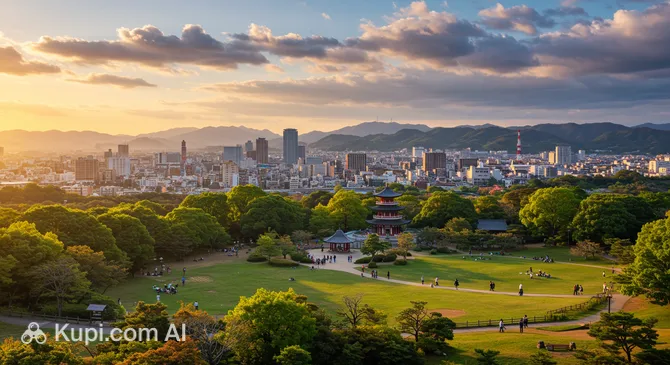
Located in the heart of Gunma Prefecture, the city of Isesaki is a harmonious blend of industrial rhythm and cozy Japanese tranquility. Situated in Japan, this city has long developed as an important center of the textile industry, which has left a special mark on its appearance and way of life. Despite its status as an industrial hub, Isesaki retains the charm of suburban Japan with its clean streets and abundant green spaces.
Geographically, the city stretches across a plain, with the Akagi mountains rising majestically on the horizon. With a population of about 210,000, Isesaki is considered a "Special City" with significant autonomy. The climate here is typical of the country's inland regions—with distinct seasons that allow residents and visitors to fully enjoy the blooming azaleas in spring and the coolness of pine groves during the quieter months.
Isesaki. Illustration.
Source: Kupi.com AI
If you look into the history of the city, you can learn that it originally emerged as a settlement around the Sakai clan castle during the Edo period. Although the ancient fortifications have not survived to this day, the memory of the past lives on in the traditions of high-quality silk production, which once made the region famous throughout the country. Today, Isesaki attracts travelers not so much with noisy tourist attractions, but with the authentic atmosphere of everyday Japanese life.
Visiting Isesaki is an excellent chance to see modern Japan beyond the usual metropolises. We invite you to stroll through its well-kept parks, taste local delicacies, and feel the hospitality of a city that is proud of its heritage and looks confidently into the future.
Weather Overview
The climate in Isesaki is continental, which is typical for the inland regions of Honshu island. The city is known for its temperature contrasts: hot, humid summers and fairly cold, dry winters. If you are planning a visit, it is helpful to study the city's climate in advance to choose the right wardrobe.
The summer months, especially July and August, can be a real challenge due to high humidity and temperatures often exceeding +30°C. It is worth remembering that a national heat record was recorded right here. Winter, however, brings clear skies and coolness: in January, the average temperature is about +2.5°C, with light frosts down to -1.5°C possible at night. Precipitation is unevenly distributed: most of it falls during the summer period as rain, while winter remains predominantly dry and sunny.
The best times to visit Isesaki are considered to be spring and autumn. April and May please with comfortable warmth (about +12°C...+17°C) and blooming azaleas, while October and November bring pleasant coolness and the golden colors of autumn. During these periods, precipitation is moderate, and the mild wind from the Akagi mountains makes walks in city parks as pleasant as possible.
Average monthly temperature
Average monthly precipitation
Interesting Facts
Silk Heritage: Isesaki is historically famous for the production of unique high-quality "Isesaki Meisen" silk, which was used to make stylish kimonos in the first half of the 20th century.
Record Heat: In 2020, the city made headlines by recording a temperature of +41.8°C—one of the highest temperature readings in Japan's recorded meteorological history.
Floral Symbol: The official flower of the city is the azalea, and lush garden displays are held annually in local parks in honor of this plant.
Chrysanthemum Mountain: On the slopes of Mount Minegishi, the city's highest point (just 168 meters), about 20,000 spherical chrysanthemums are planted, turning it into a giant carpet of flowers.
Special Status: Since 2007, Isesaki has officially held the status of a "Special City" (Tokureishi), emphasizing its importance to the regional economy of Gunma Prefecture.
How to Get There
The transport accessibility of Isesaki makes it a convenient destination for those exploring the inland regions of Japan. The main link to other regions is the railway network, providing stable connections with major transport hubs. Detailed information about routes and schedules can be found on the page describing how to get to the city.
The nearest international air hubs are located in Tokyo—these are Narita and Haneda airports. The journey from them to Isesaki by train or car usually takes 2 to 3 hours. Despite the absence of its own airport within the city limits, a developed network of express trains allows tourists to easily plan a trip from the capital.
The city's central transport hub is the Isesaki railway station, served by the JR Ryōmō Line and the private Tobu Isesaki Line. A trip from Tokyo by train takes about an hour and a half. For those who prefer traveling by car, a convenient option is to use the Kan-etsu Expressway, which leads directly to the city interchange.
Station
Passenger traffic
Distance
Takasaki Station
18
17 km
Ōmiya Station
15
59 km
Nakasato Station
7
67 km
Hachiōji Station
16
74 km
Akabane Station
16
76 km
Main Attractions
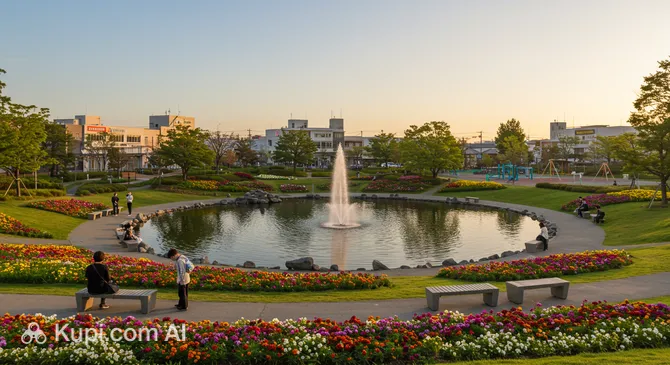
Although the city is primarily known as a residential and industrial center, Isesaki has several places that deserve travelers' attention. One of the most popular locations for family vacations is Isesaki City Mirai Park. This is a modern space with playgrounds and walking areas where locals often gather to spend time outdoors.
Isesaki City Future Park. Illustration.
Source: Kupi.com AI
Traveler photos:
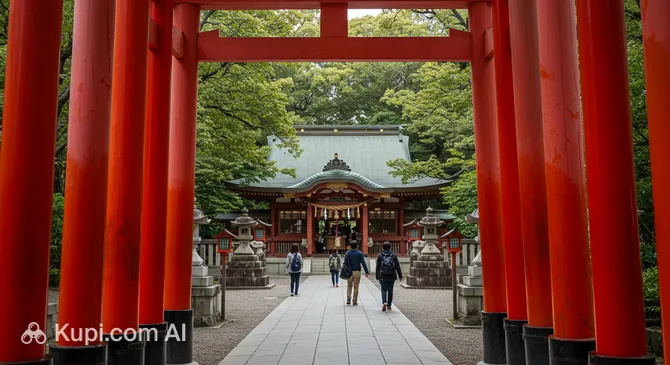
For those seeking spiritual solitude and a touch of tradition, the Isesaki Shrine is a must-visit. This place is steeped in the atmosphere of old Japan; here you can see classical temple architecture and feel the peace characteristic of Shinto shrines. The shrine is an important cultural landmark for the citizens and a venue for seasonal festivals.
Isesaki Shrine. Illustration.
Source: Kupi.com AI
Traveler photos:
Fans of active recreation and water fun should check out the Luvriver Unuki Aqua Park. It is an excellent choice for visiting on hot summer days when extreme temperatures drive people to seek coolness by the water. Additionally, it is worth paying attention to the natural beauty in the vicinity of Mount Minegishi, where in autumn the slopes are decorated with thousands of blooming chrysanthemums, creating picturesque landscapes for walks.
Local Cuisine
The gastronomic scene of Isesaki is an honest tale of Gunma Prefecture traditions, where simple and hearty dishes are valued. In local establishments, you will definitely encounter variations of ramen and freshly prepared onigiri. The food culture here is closely linked to the city's rhythm: most popular restaurants are concentrated around the central station and in large shopping complexes, where residents dine during breaks from their daily tasks.
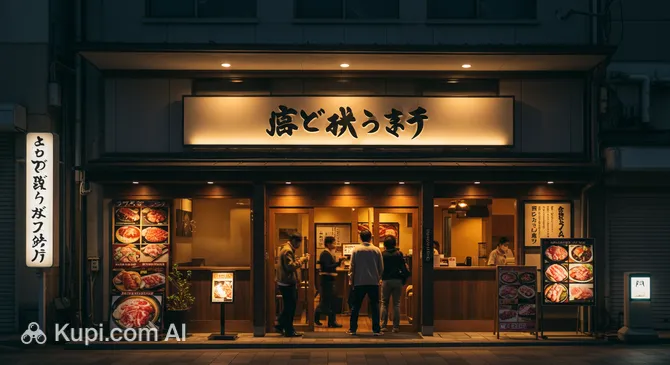
For meat delicacy lovers, Nikunotomoshibi Isesaki (Main Branch) will be a true discovery. This establishment specializes in high-quality meat and offers guests an authentic Japanese barbecue or steak experience in a cozy setting. If you are looking for something more traditional and home-style, it is worth stopping by the Yamako restaurant, which serves dishes made from seasonal local products.
Nikunotomoshihi Isesaki Main Branch. Illustration.
Source: Kupi.com AI
Traveler photos:
Don't forget to try local snacks, which are often sold at small markets or in souvenir shops at the stations. As for drinks, in Isesaki, as in all of Japan, high-quality green tea is revered, while in the evenings, local beer and sake from neighboring prefecture breweries are popular in local bars. A gastronomic journey through Isesaki does not claim to be haute cuisine, but it wins you over with its sincerity and the genuine, deep flavor of the region.
Travel Tips
Preparing for a trip to Isesaki will help you spend your time with maximum comfort and avoid minor inconveniences. Here are some practical tips that will be useful for every tourist planning a visit to this cozy corner of Gunma Prefecture.
Clothing and Seasonality: In summer, Isesaki can be extremely hot (temperatures can exceed +40°C), so bring light clothing and hats. In winter, it is dry and cool; a warm jacket will be needed. When visiting shrines, stick to a modest style of dress.
Transport Nuances: The main way to get around is by JR trains. Keep in mind that during peak hours (7:00–9:00 and 17:00–19:00), the cars are very crowded. For trips to the suburbs, it is convenient to use a taxi or a rented car.
Finances and Cards: Although Japan is gradually moving towards cashless payments, there are still many places in Isesaki that accept only cash. Always have yen with you for payments in small cafes and shops. You can withdraw money at ATMs in 7-Eleven convenience stores.
Health in the Heat: If your visit falls in July or August, drink plenty of water and try not to be in the open sun at noon. Pharmacies are easy to find by the sign 薬 (kusuri).
Language Barrier: English is not widely spoken in the city. It is useful to have an offline translator with you and know basic phrases: "Arigato" (thank you) and "Sumimasen" (excuse me/sorry).
Local Etiquette: Japanese people greatly value silence on public transport—switch your phone to silent mode. When entering private homes or some traditional establishments, be sure to remove your shoes.
What to Avoid: Do not leave tips in restaurants or taxis—this can confuse or even offend the staff, as it is not customary in Japan. Also, you should not smoke while walking on busy streets; there are specially designated areas for this.
Following these simple rules will make your trip to Isesaki pleasant and allow you to focus on exploring the local culture and atmosphere.
Entertainment & Nightlife
Nightlife in Isesaki differs from the neon lights of Tokyo or Osaka; it is more intimate and oriented towards locals. The main activity after sunset is concentrated around the railway station and central blocks, where you can find cozy izakayas and karaoke bars. A relaxed atmosphere prevails here, and establishments stay open until late evening, offering guests traditional snacks and drinks.
One of the notable places for evening relaxation is Bedford Cafe. This spot attracts the public with its stylish setting and quality menu, making it a great point to start the evening or end the day quietly with friends. The city also hosts seasonal festivals, such as the cherry blossom celebration in the City Forest Park, where evening festivities under the open sky become the main entertainment for all ages.
Daytime entertainment in Isesaki is mostly related to relaxing in parks and visiting shopping centers. Safety in the city is at a very high level, allowing for walks at any time of day without unnecessary worries. If you crave more vibrant nightlife adventures with dance floors and clubs, you can always take a train and reach the neighboring city of Maebashi in 30–40 minutes or the capital in an hour and a half.
Parks & Museums
Isesaki is rightfully proud of its green spaces, which serve as true oases of tranquility for its residents. One of the most picturesque places is the Isesaki City Forest Park. It is especially beautiful in early spring when the Kawazu-zakura blooms here, attracting hanami enthusiasts from all over the city. The park is equipped with convenient paths and picnic areas, making it an ideal place for a leisurely weekend.
Another important point on the city map is Isesaki City Mirai Park (also known as Shimino-no-Mori). This modern space is oriented towards active recreation: it features excellent play areas for children and open spaces for sports. The park is designed to be comfortable at any time of year, and the abundance of trees helps to better endure the summer heat by creating natural shade.
Isesaki City Future Park. Illustration.
Source: Kupi.com AI
Traveler photos:
Although Isesaki is not a city of large museums, culture lovers can find interesting exhibitions in local community centers. Often they are dedicated to the region's main pride—silk production. Here you can see ancient weavers' tools and samples of the famous "Isesaki Meisen" fabric. It is also worth mentioning the Luvriver Unuki Aqua Park, which, although an entertainment facility, is harmoniously integrated into the landscape and offers great opportunities for water-based relaxation.
Getting Around
The public transport system in Isesaki is simple and efficient, providing residents and visitors with convenient movement both within the city and beyond. The foundation of the transport framework is the railways. Isesaki Station is a key hub where JR lines and the private Tobu branch intersect. This allows for direct travel to neighboring prefecture cities and provides a link to Tokyo.
Intra-city connection is supported by a network of bus routes. Buses link the railway station with distant residential areas, industrial zones, and popular parks. A bus trip to most significant sites within the city takes about 15–20 minutes. It should be noted that during peak hours (morning and evening), transport can be crowded, and traffic jams typical of developing suburban centers sometimes occur on the roads.
For paying fares, it is most convenient to use contactless transport cards (such as Suica or Pasmo), which work on trains and most buses. If you plan to move around the area a lot, consider renting a bicycle—Isesaki's flat terrain is ideal for cycling. Taxis are also easy to call via mobile apps or find at the rank near the station, providing a convenient option for evening trips or when carrying heavy luggage.
Accommodation
The hotel infrastructure in Isesaki is mainly oriented towards business travelers and transit tourists, which determines the nature of most offers. The bulk of the accommodation consists of classic Japanese business hotels, which are known for their compactness, impeccable cleanliness, and the presence of all necessary amenities for a short stay. Many of them are conveniently located in the immediate vicinity of the railway station, facilitating movement around the city.
For those planning a longer visit or preferring a home-like setting, apartments and flats for short-term rent are available in residential areas. This is a great option for families or groups of friends who want to live in the atmosphere of a typical Japanese suburb. There are virtually no luxury resort hotels in Isesaki itself, but the city offers a decent selection of quality mid-range housing at quite reasonable prices.
When planning a trip, especially during national holidays or the spring cherry blossom season, it is recommended to book accommodation in advance. Popular online booking platforms cover most local hotels. If you are looking for the optimal combination of price and convenience, choose options in the city center—this will place you within walking distance of restaurants and transport hubs.
Nearby Cities
The city of Isesaki is a wonderful starting point for exploring Gunma Prefecture and neighboring regions. Thanks to the developed railway connection, tourists can easily plan day trips to nearby cities, each of which possesses its own unique character and set of attractions.
Just a few kilometers away is Tamamura, a quiet town perfect for leisurely strolls. It is also worth paying attention to Honjo and Fujioka, which offer travelers a chance to get acquainted with local architecture and natural beauty. If you are looking for more active recreation, you can head to the city of Midori, known for its picturesque parks, or visit Kamisato.
For those ready for slightly longer trips, the prefecture capital Maebashi is just a 30-minute ride away, and bustling Tokyo can be reached in an hour and a half. Exploring the surroundings of Isesaki will allow you to see the real, non-touristy Japan and enjoy the diversity of its regional culture.
Shopping & Souvenirs
Shopping in Isesaki is primarily about practicality and accessibility. The city does not claim to be a fashion capital but offers excellent opportunities for purchasing quality Japanese goods. Main commercial activity is concentrated around the railway station and along major city thoroughfares, where large shopping centers and supermarkets are located. Here you can find everything from modern clothing of popular brands to electronics and home goods.
Special attention should be paid to souvenirs related to the city's history. Even though large factories are a thing of the past, specialized shops still offer exquisite silk products—scarves, wallets, and accessories made in traditional techniques. Local snacks and sweets, often decorated with images of the city's symbols—the azalea or pine—are also popular. Such gifts will be a great reminder of a trip to Gunma Prefecture.
For everyday purchases and getting to know the local assortment, check out the shopping complexes such as those in the immediate vicinity of JR Isesaki Station. Shops usually operate from 10:00 to 20:00 or 21:00. Most large outlets accept international bank cards, and Tax Free systems are often available in chain stores for foreign tourists upon presentation of a passport. For shopping in small stalls or at local markets, it is better to have some cash yen on hand.