Shimogamo is more than just a district; it is a true embodiment of Japanese history and spirituality, nestled in the northern part of the ancient city of Kyoto. It is situated in a picturesque location where the Takano River merges with the Kamo River, forming the Kamogawa River. This area is considered one of the most significant cultural centers of Japan, where pristine nature, centuries-old traditions, and a peaceful atmosphere harmoniously intertwine, inviting you to slow down and savor every moment.
While administratively part of Kyoto, Shimogamo retains a charm and tranquility not often found in major metropolises. The population of this part of the city is approximately 20,500 people, which helps maintain an intimate atmosphere where every corner breathes history. The climate here, as in Kyoto as a whole, is temperate with four distinct seasons: blooming spring, hot and humid summer, colorful autumn, and cool winter.
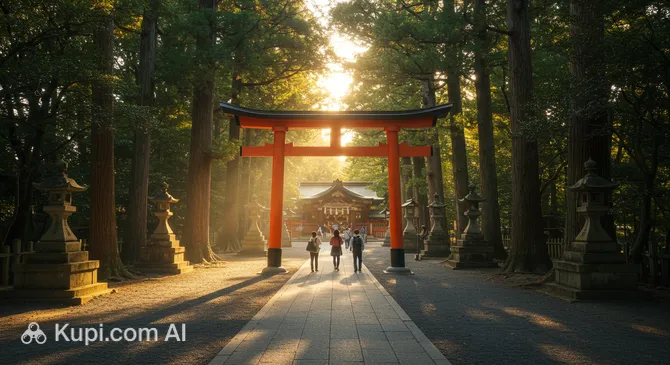
The crown jewel of Shimogamo is undoubtedly the Shimogamo Shrine (Shimogamo-jinja), one of the oldest and most revered Shinto shrines in the country, listed as a UNESCO World Heritage site. This sacred place, surrounded by the ancient Tadasu-no-mori forest, attracts not only pilgrims but also tourists from all over the world wishing to witness ancient rituals and living Japanese traditions. Tadasu-no-mori forest is a unique natural attraction in its own right, offering cool shade in the summer heat and mesmerizing visitors with a riot of colors in the autumn.
Shimogamo is an ideal destination for those seeking harmony, inspiration, and a unique experience of immersion in Japanese culture. A visit to this area is like a journey back in time, where every stone and tree tells its own amazing story, revealing a treasure trove of architectural masterpieces, religious traditions, and natural beauty.
You can find more interesting facts on the Shimogamo city history page.