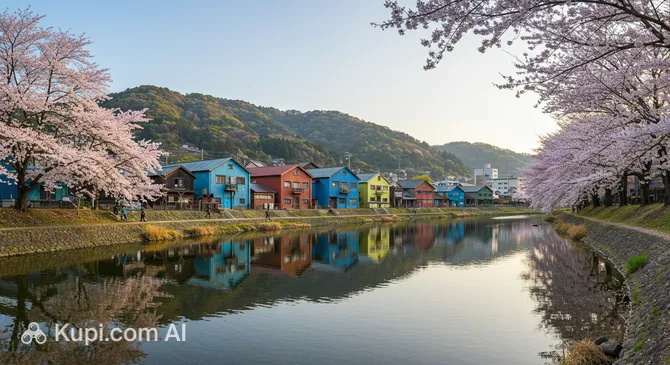
Located in the heart of Niigata Prefecture on the island of Honshu, Tsubame is a fascinating blend of industrial prowess and provincial Japanese charm. This city in Japan, with a population of about 76,590 people, is widely known as the "metalworking capital," where centuries-old blacksmithing traditions harmoniously coexist with modern technology. Surrounded by picturesque rice fields and majestic mountains, it offers travelers a chance to see authentic Japanese provincial life, untouched by mass tourism.
Tsubame. Illustration.
Source: Kupi.com AI
The city's geographical position in the central part of the prefecture makes it an important regional hub. Tsubame is famous for its rich historical heritage, which dates back to the Edo period. It was during this time that the crafts began to flourish, turning the settlement into a global center for the production of high-quality cutlery and knives. Today, the city produces nearly 80% of all Japanese scissors and a significant portion of silverware, making it a must-visit for anyone who appreciates quality tools and design.
The atmosphere of Tsubame is permeated with tranquility and creativity. Strolling through its narrow streets, you may stumble upon ancient workshops where the ring of hammers can still be heard, or visit modern showrooms. For tourists, Tsubame offers a unique experience: from participating in engraving workshops to meditative walks in the shade of temples. It is an ideal destination for those seeking inspiration in traditional crafts and wishing to enjoy the harmony of nature and human labor.
Weather Overview
The climate in Tsubame is classified as humid monsoon, which is characteristic of the entire Sea of Japan coast in Niigata Prefecture. The city features distinct seasons: summers are warm and humid with August highs around 30°C, while winters are snowy and quite cold. Heavy snowfall is a hallmark of the region; in January and February, the snow cover can reach a significant height, and minimum temperatures drop to 0°C or below.
Precipitation is distributed fairly evenly throughout the year, but peaks during the winter months and the summer rainy season in July. The most comfortable times to visit are considered spring (April-May) and autumn (October-November). During these periods, the city's climate is most favorable for walking: air temperatures range between a pleasant 15-20°C, and nature delights the eye with cherry blossoms or crimson maples.
In winter, despite the cold, the city takes on a special charm thanks to its fairytale snowscapes, but tourists should account for frequent cloud cover and high humidity. The average wind speed is about 2-3 m/s, which does not cause much discomfort but requires windproof clothing during the cold season.
Average monthly temperature
Average monthly precipitation
Interesting Facts
"Capital of Scissors": Tsubame produces about 80% of all scissors in Japan. Metal forging traditions in this region have been continuously developing for over 300 years.
Name Symbolism: The city's name translates from Japanese as "swallow" (tsubame). This bird symbolizes grace and speed, and its image adorns the city emblem and local brand logos.
UNESCO Cultural Heritage: Some unique manual metal forging and engraving techniques preserved in Tsubame are officially recognized as intangible cultural heritage properties.
History of Unification: Tsubame received city status relatively recently—on March 31, 1954, following the merger of four towns: Tsubame, Teppeiji, Kukunosu, and Higashiteppeiji.
Space Spoons: Local craftsmen are proud that cutlery from Tsubame has been used at Nobel Prize banquets, and some specialized tools have even been supplied for the aerospace industry.
How to Get There
Tsubame's transport accessibility makes it a convenient destination for travelers starting their journey from major metropolises. The main way to reach the city is by using high-speed trains. If you are planning a trip, be sure to check out the detailed information on how to get to Tsubame as quickly as possible.
The nearest major air hub is Niigata Airport (KIJ), located about 40 kilometers away. It handles domestic flights from Tokyo, Osaka, and Sapporo. From the airport, you can reach the center of Tsubame by taxi or bus in about 50 minutes. There are few direct international connections to the airport, so tourists often choose a flight to Narita or Haneda followed by a train transfer.
Railway travel is the most popular option. The JR Joetsu Shinkansen high-speed express will take you from Tokyo to Niigata or Nagaoka Station in less than two hours, after which you must transfer to the local JR Shinetsu line to Tsubame-Sanjo Station. This station is a key transport hub, conveniently connecting the industrial zone and residential neighborhoods.
Station
Passenger traffic
Distance
Niigata Station
14
31 km
Fukushima Station
16
139 km
Yamagata Station
11
142 km
Takasaki Station
18
150 km
Amarume Station
10
158 km
Main Attractions
The main magnet for visitors is the Tsubame Industrial Culture Museum. Here, you can not only trace the evolution of blacksmithing over the last 300 years but also see the creation process of famous knives and scissors with your own eyes. The museum's interactive zones allow tourists to try their hand as a craftsman, for example, by participating in workshops on engraving silver or copper products.
For those who want to immerse themselves in the atmosphere of old Japan, a visit to the historic Babajo district is highly recommended. This area has preserved the appearance of the Edo period with its traditional smithies and low wooden buildings. A walk here allows you to feel the spirit of the past and see how generations of artisans lived and worked, laying the foundation for the city's current prosperity.
Spiritual peace can be found at Tennoji Temple. This quiet sanctuary, surrounded by lush greenery, offers magnificent views of the surrounding mountains and valleys. If you prefer active outdoor recreation, check out the nature trails of Mount Yahiko. Hiking in this area is especially beautiful during the cherry blossom season in spring and the vibrant foliage transformation in autumn, when the mountains are painted in fiery orange and golden hues.
Local Cuisine
Tsubame's culinary scene is closely linked to the traditions of Niigata Prefecture, which is famous for the country's best rice and purest water. Be sure to try Tsubame Ramen—a local variation of the popular dish, featuring a thick, rich seafood-based broth with added seabura (pork back fat), which helps keep the noodles hot in the region's cold climate.
Another local specialty is Tsubame Udon. These are thick wheat noodles often served in simple but cozy eateries located at the factories. Proximity to the Sea of Japan guarantees the freshness of seafood: sushi and sashimi with local tuna or salmon are of excellent quality here. For a drink, choose local sake from Niigata breweries (for example, the Kubokimi variety), which is prized for its smooth and clean taste.
The food culture in the city is quite traditional. Locals often dine in small family-run restaurants or canteens at craft centers, where a friendly and home-like atmosphere prevails. For dessert, try mochi—rice cakes with seasonal fillings—and visit one of the tea ceremonies held at the city's cultural centers for anyone wishing to touch ancient traditions.
Travel Tips
Preparing for a trip to Tsubame requires attention to detail to ensure your journey goes as smoothly as possible and brings only positive emotions. These practical tips will help you navigate the local life and culture.
Clothing and Gear: In summer, bring light clothes made of natural fabrics, and in winter, high-quality warm clothing. Niigata Prefecture is famous for heavy snowfall, so waterproof footwear with good tread is essential in the cold season.
Transport Cards: For convenience, purchase a Suica or Pasmo card. This will save you from having to buy paper tickets at machines for every train or bus ride.
Finances: Despite the technological advancement, small shops and workshops still prefer cash. Always carry a supply of yen for small purchases and payments in traditional restaurants.
Communication: English is not widely spoken in Tsubame, so download an offline translator in advance. Free Wi-Fi is available at train stations and major hotels, but for walking around, it's better to rent a Pocket Wi-Fi or buy a local SIM card.
Workshop Bookings: Popular forging or engraving classes in museums and factories are best booked 1-2 weeks before your visit via the tourist office or company websites.
Etiquette: Silence and politeness are valued in Japan. Avoid loud phone conversations on public transport and always greet masters with a small bow when entering their workshops.
What to Avoid: Do not enter residential areas of old quarters too deeply without an invitation—respect the privacy of the citizens. Also, remember that it is not customary to leave tips in restaurants or taxis in Japan.
Budget: Tsubame is a relatively inexpensive city for tourists. The main expenses will be on transport and purchasing high-quality metal products, which are well worth the money.
Observing these simple rules will allow you to feel like a welcome guest and fully enjoy the hospitality of this craft-making region.
Entertainment & Nightlife
Entertainment in Tsubame is of a quiet and traditional nature, catering to culture enthusiasts and families. The highlight of the city's calendar is the Tsubame Sanjo Sai festival, held annually in October. This vibrant celebration with parades, traditional music, and dances concludes with grand fireworks that attract visitors from all over the region.
The nightlife here does not feature boisterous parties like in Tokyo, but offers the cozy atmosphere of local bars and izakayas. Establishments where you can try local sake and sing karaoke are concentrated around Tsubame-Sanjo Station. In summer, the city often hosts matsuri festivals, where residents perform Bon Odori dances right in the streets to the sound of national instruments.
For those looking for evening relaxation after sightseeing, local onsens (thermal springs) located on the outskirts of the city are an excellent option. Visiting these baths is an important part of Japanese relaxation culture, allowing you to recharge. Daytime leisure can be complemented by a trip to bowling centers or visits to craft centers, where evening demonstrations of engraving skills are often held.
Parks & Museums
To understand the city's cultural code, a visit to the Tsubame Sanjo Industrial Culture Museum is essential. This is not just an exhibition space, but a living craft center with unique collections of tools and cutlery. Special attention should be paid to the scissors museum, which features over a thousand types of this everyday object that has been elevated to an art form in Tsubame.
The city's natural beauty is revealed in Tsubame Park. This extensive green area becomes especially popular in spring when hundreds of cherry blossoms bloom. The park is perfect for leisurely walks and picnics. For more active tourists, a visit to the park at Mount Yahiko is an excellent choice—hiking trails leading to the peaks start here, offering panoramic views of the rice fields and the Sea of Japan.
The Traditional Crafts Museum is equally interesting. Unlike large industrial exhibitions, the focus here is on fine manual work, such as copper and silver engraving. Visitors can watch craftsmen at work in real-time and see how true masterpieces of decorative art are born from shapeless metal. The gardens at Tennoji Temple also deserve attention as an example of masterful Japanese landscape design.
Getting Around
The public transport system in Tsubame is designed for convenient travel between industrial zones and residential neighborhoods. The backbone is formed by JR trains (Shinetsu Main Line and Yahiko Line), which connect Tsubame with neighboring major cities like Niigata (approx. 20-30 minutes travel time) and Nagaoka (approx. 15-20 minutes).
A network of buses operates within the city, with routes starting from Tsubame-Sanjo Station. They cover key attractions and craft centers. Fares depend on the distance and can be paid in cash upon exiting or using contactless IC cards (such as Suica or Pasmo), which significantly simplify travel. Transport operating hours are usually limited to the period from 6:00 to 23:00.
For more freedom of movement around the city, renting a bicycle is an excellent option. Rental points are located right at the railway stations, and the city's flat terrain makes cycling easy and pleasant. Taxis in Tsubame are available and reliable, but they are more economical for short distances. To plan precise routes and schedules, it is recommended to use the Hyperdia app or Google Maps.
Accommodation
Accommodation in Tsubame is mainly geared towards business travelers and cultural tourists. The most convenient area to stay is around Tsubame-Sanjo Station. This area is home to modern mid-range business hotels, such as Super Hotel Tsubame, which offer comfortable rooms and often have their own small onsens (hot springs) for guests to relax in.
For those seeking an authentic Japanese experience, ryokans—traditional inns with tatami floors and exquisite kaiseki dinners—can be found on the outskirts of the city and closer to the mountains. Staying in a ryokan allows you to fully immerse yourself in local culture and enjoy the famous Japanese hospitality, omotenashi. Budget travelers can find affordable mini-hotels in the Sanjo area, with prices starting from 5,000 yen per night.
During major festivals, such as the Tsubame Sanjo Sai in October, it is recommended to book accommodation in advance as demand increases significantly. The general price range in the city is quite affordable compared to major metropolises, and most hotels can be easily booked through international systems or official company websites.
Nearby Cities
Thanks to its location, Tsubame serves as an excellent starting point for exploring the central part of Niigata Prefecture. The region offers many interesting destinations that are perfect for day trips to discover the natural and cultural riches of Honshu.
Just a 15-minute train ride away is the city of Nagaoka, famous for its grand fireworks festivals and historical museums. If you crave sea air and the lively atmosphere of a port city, head to Niigata itself—there you will find colorful fish markets and modern waterfronts. For nature lovers, a visit to Sanjo is a must; it is located right next door and shares the region's craft fame with Tsubame.
Exploring the surroundings of Tsubame allows you to see many facets of Japan: from quiet rice terraces to industrial giants. The convenient railway connection between cities makes such trips easy and effortless for tourists of all ages.
Shopping & Souvenirs
Shopping in Tsubame is primarily an opportunity to purchase metal products that are world-renowned for their quality and durability. The main shopping area is Sanjo, where numerous factory outlets and stores are located. At the Tsubame Factory Outlet, you can find a huge selection of knives, scissors, and kitchen utensils at manufacturer prices, making it a mandatory stop for culinary enthusiasts.
As unique souvenirs, tourists often choose handmade cutlery, engraved copper teapots, and titanium products. These items are not only beautiful but also symbolize the skill of local blacksmiths. Specialized shops near Tsubame-Sanjo Station offer gift sets that make an excellent memento of the trip.
Shops in the city usually operate from 10:00 to 19:00. Major retail outlets and outlets accept international credit cards, and a Tax-Free system is often available for foreign tourists, allowing for an on-the-spot tax refund. If you are looking for something more traditional, check out the local food markets where you can buy the famous Niigata rice and local sweets.