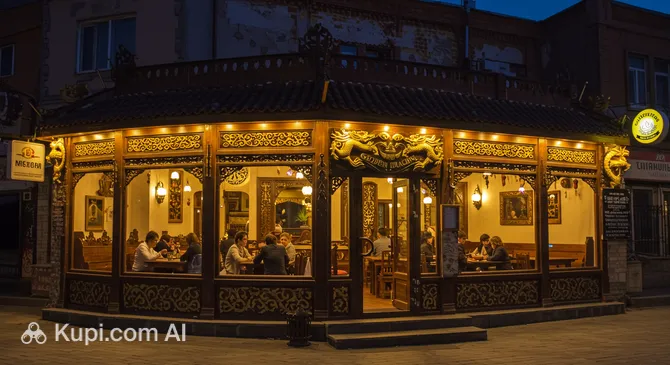
Welcome to Ekibastuz, a city that stands as a testament to industrial might and engineering ambition in the heart of the Central Asian steppes. Located in the Pavlodar Region of Kazakhstan, this urban center is far removed from the typical tourist trail, yet it offers a fascinating glimpse into the country's energy sector. With a population of approximately 160,000 people, Ekibastuz is a vital hub known primarily for its massive coal reserves and power generation capabilities.
The story of the city began in the late 19th century when a local prospector discovered coal deposits near two salt lakes, marking the spot with two lumps of salt—hence the name "Ekibastuz," which translates to "two heads of salt." To learn more about how a small settlement transformed into a major industrial powerhouse, you can explore the history of Ekibastuz. The local climate is sharply continental, characterized by cold winters and warm summers, typical of the vast Kazakh steppe.
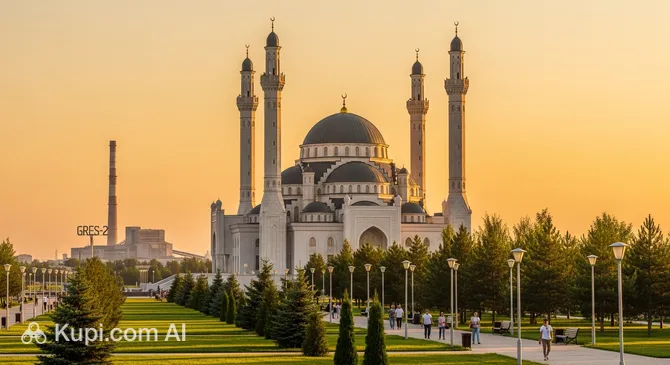
For travelers interested in industrial tourism, Ekibastuz boasts some truly record-breaking features. It is home to the Bogatyr coal mine, recognized as one of the largest open-pit coal mines in the world. Another striking landmark is the GRES-2 Power Station, famous for having the tallest flue gas stack on the planet, which pierces the skyline at an impressive height. These colossal structures attract photographers and engineering enthusiasts eager to witness the sheer scale of human construction.
While it may not be a traditional resort destination, Ekibastuz offers a unique atmosphere for those looking to understand the industrial backbone of the region. Whether you are passing through the Pavlodar Region or have a specific interest in Soviet-era industrial heritage, a visit here provides a distinct and memorable perspective on the modern development of the steppe.