Support

Zhezkazgan

About

Zhezkazgan is a distinctive city located in the heart of Kazakhstan, offering a unique blend of industrial heritage and vast steppe landscapes. Often referred to as the copper capital of the country, this city plays a vital role in the region's economy and serves as an administrative center for the Ulytau Region.

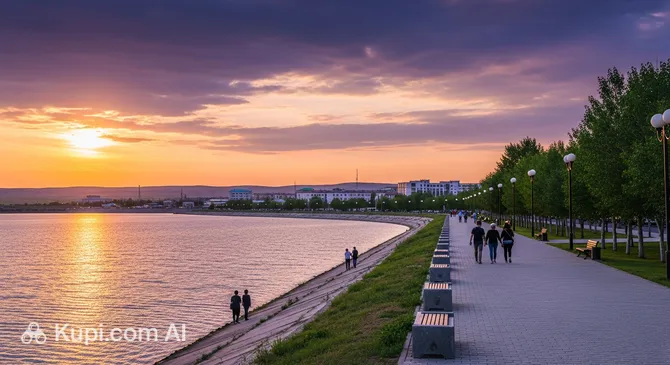
Zhezkazgan. Source: Kupi.Binoculars

Situated on the banks of the picturesque Kengir Reservoir, the city is home to approximately 90,000 residents. The local climate is continental, characterized by warm summers and cold winters, which is typical for the Central Asian steppe. While the modern city was developed intensively in the mid-20th century, the history of Zhezkazgan is deeply rooted in ancient mining traditions, as the name itself translates to "place where copper is dug."

One of the most fascinating aspects of Zhezkazgan is its close connection to space exploration. The surrounding steppe serves as the primary landing zone for Soyuz spacecraft returning from orbit, and the city often welcomes cosmonauts back to Earth. Visitors can see monuments dedicated to space conquerors, such as the Stele of Cosmonauts, or use the city as a gateway to the majestic Ulytau Mountains, which are considered the historical and spiritual cradle of the nation.

For travelers seeking destinations off the beaten path, Zhezkazgan offers an intriguing atmosphere where industrial might meets the endless horizon. It is an excellent starting point for exploring the rugged beauty of the region and experiencing the authentic spirit of the steppe.

Weather Overview

Zhezkazgan experiences a sharp continental climate, characterized by distinct contrasts between the seasons. Winters are typically freezing, with average temperatures in January hovering around -11.8°C and nightly lows dropping to -16.0°C. Conversely, the summer months bring significant heat, with July being the warmest time of the year, averaging 24.8°C and seeing highs up to 31.6°C.

Precipitation is notably scarce throughout the year, keeping the region quite arid even during the transitional seasons. Generally, travelers should expect warm, dry summers and cold winters with very little rainfall. For a more detailed breakdown of conditions by month, you can consult the guide to the weather in Zhezkazgan.

Interesting Facts

Beyond the main attractions, Zhezkazgan holds many fascinating secrets that reveal its pivotal role in both ancient history and modern exploration. The city is not just an industrial hub but a place where legends of the steppe meet the stars.

  • A Living Tribute to Space: While many know the region as a landing site, few are aware of the touching tradition maintained by returning space crews. Upon their safe return to Earth, cosmonauts plant trees on the Boulevard of Cosmonauts, creating a growing, living monument where each tree represents a successful mission and a safe homecoming.

  • Royal Resting Place: The steppe surrounding the city is historically significant as the final resting place of Jochi Khan, the eldest son of Genghis Khan. His mausoleum, located nearby, is a stunning example of medieval architecture and marks the area as the ancestral cradle of the Kazakh khans.

  • Ancient Metallurgists: Although the city itself was developed in the 20th century, the area's relationship with metalworking dates back much further. Archaeological evidence indicates that copper mining and smelting were practiced here as early as the Bronze Age, making it one of the oldest metallurgical centers in the world.

  • The Heart of the Country: Zhezkazgan is located remarkably close to the geographical center of Kazakhstan. This unique positioning has historically made the Ulytau region a symbolic heartland for the nation, serving as a gathering place for nomadic tribes and a center for political unity throughout the centuries.

How to Get There

Reaching this industrial and historical center in the Ulytau Region is relatively straightforward, with options for both air and rail travel. For a comprehensive guide on planning your journey, you can read more about how to get to Zhezkazgan and choose the route that best suits your itinerary.

The primary gateway for air travelers is Zhezkazgan Airport (IATA: DZN). Located approximately 9.9 km from the city center, it serves as a crucial link for the region. A taxi or bus ride from the terminal to the downtown area is a short drive, typically taking about 15 minutes. As a regional hub, it handles a moderate volume of passenger traffic, offering regular connections to major cities within Kazakhstan.

For clarity, here is a summary of the main airports:

Airport Name City Passenger Traffic Km from City
Zhezkazgan AirportZhezkazganMedium9.9

Traveling by train is another reliable way to arrive. The city is served by the Zhezkazgan Railway Station, which is conveniently situated just 2.1 km from the center. This close proximity ensures a quick transfer, with a taxi ride taking only a few minutes. The station is a significant transport node, welcoming a steady flow of visitors and locals alike.

Below is a list of railway stations in the vicinity:

Station City Passenger Traffic Km to Center
Zhezkazgan Railway StationZhezkazganMedium2.1
Karazhal Railway StationKarazhalSmall237.2
Arkalyk Railway StationArkalykSmall278.4
Kyzylzhar Railway StationZhairem155.1
Zhomart StationZhairem202.1

Main Attractions

Zhezkazgan is a city where ancient history meets the modern era of space exploration. While it is known primarily as an industrial center, it offers several unique landmarks that reflect its diverse heritage, from the age of the Silk Road to the landing of Soyuz capsules. Below are the most significant places to visit in and around the city.

Zhezkazgan Historical and Archaeological Museum is the best starting point for any visitor. This museum offers a comprehensive look into the region's past, featuring exhibits on the ancient Bronze Age metallurgy that gave the city its name. A special section is dedicated to space exploration, displaying artifacts such as parts of spacecraft, space suits, and personal items gifted by cosmonauts who landed in the surrounding steppes. It provides a fascinating context to the city's role as a "space harbor."

One of the city's most symbolic locations is the Boulevard of Cosmonauts. Following a tradition established decades ago, cosmonauts returning from their missions plant a pine tree here before departing for Moscow or Astana. Walking down this alley allows tourists to see living monuments dedicated to famous space explorers. Nearby, you can find the Monument to the Conquerors of Space, a striking structure that celebrates human achievements in orbit.

For those seeking nature and relaxation within the city limits, the Kengir Reservoir is the primary destination. Created in 1952, this vast artificial lake serves as a refreshing oasis in the arid steppe. In the summer, it is a popular spot for swimming, fishing, and picnicking. The promenade along the reservoir offers beautiful views, especially at sunset, making it a favorite place for evening strolls among locals and visitors alike.

Although located just outside the city, the Mausoleum of Jochi Khan is arguably the most important historical attraction in the Ulytau region. Dedicated to the eldest son of Genghis Khan, this 13th-century architectural masterpiece is a sacred site for the Kazakh people. Its blue-domed structure stands majestically in the open steppe, offering a profound connection to the era of the Golden Horde and the nomadic history of Central Asia.

Local Cuisine

Local Cuisine:

The culinary culture of Zhezkazgan is deeply rooted in the traditions of the Kazakh people, offering hearty and flavorful dishes perfect for the steppe climate. Meat is the centerpiece of the local diet, with beshmarmak being the most iconic meal. This dish, consisting of boiled meat served over thin pasta sheets, is traditionally enjoyed with family and guests, symbolizing hospitality and respect.

Dairy products are also a staple in the Ulytau Region. Visitors should try kumis (fermented mare's milk) or shubat (fermented camel's milk), both of which are renowned for their refreshing taste and health benefits. These drinks are often accompanied by baursaks, delicious golden fried dough balls that are served at almost every meal.

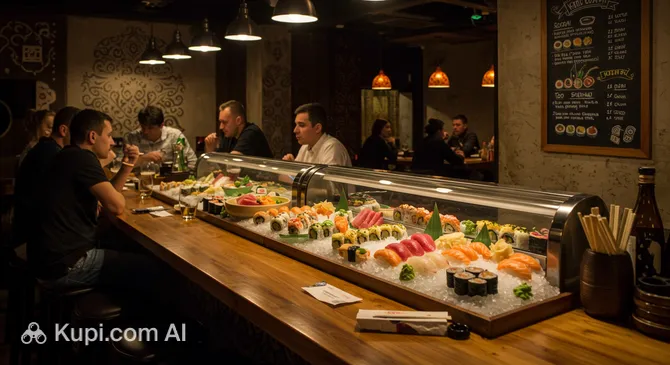
While traditional cuisine dominates, the city offers modern dining options for those seeking variety. A notable spot is Love Sushi, which provides a relaxed atmosphere and a menu featuring Japanese dishes. It is a popular venue for both locals and tourists looking to unwind and enjoy a different flavor profile in the heart of the city.

Love Sushi. Source: Kupi.Binoculars

Dining in Zhezkazgan is generally a casual and welcoming affair. Whether you are eating in a traditional yurt-style restaurant or a modern cafe, you can expect generous portions and warm service. Tea drinking is an essential ritual here, so be prepared to enjoy several cups of hot tea with sweets and dried fruits as part of your culinary experience.

Travel Tips

Visiting Zhezkazgan offers a rare glimpse into the industrial heartland and spiritual roots of the Ulytau Region, but its remote location requires a bit of preparation. To help you navigate the "Copper Capital" and its surrounding steppe with ease, here are some practical travel tips to ensure a smooth journey.

  1. Clothing and Gear: The climate here is sharply continental, so packing depends entirely on the season. For winter visits, heavy thermal clothing, insulated boots, and windproof jackets are essential to survive temperatures below -20°C. In summer, lightweight, breathable fabrics are best, but always bring a hat and sunglasses for protection against the intense steppe sun. If you plan to visit the Jochi Khan Mausoleum or other sacred sites, dress modestly; women should bring a scarf to cover their heads, and shorts are generally not appropriate for either gender at these locations.
  2. Transportation: Within Zhezkazgan, the city center is compact enough for walking, but for longer distances, taxis are the most convenient option. Ride-hailing apps like Yandex Go or inDrive are widely used in Kazakhstan and offer affordable rates compared to hailing a cab off the street. Public buses are available but can be crowded and confusing for non-locals. If you intend to explore the distant historical sites in the Ulytau mountains, hiring a local driver with an SUV is highly recommended, as the steppe roads can be rough.
  3. Finances: The local currency is the Kazakhstani Tenge (KZT). While credit cards (Visa and Mastercard) are accepted in major supermarkets, hotels, and modern restaurants like Love Sushi, cash is still king in smaller shops, bazaars, and public transport. ATMs are plentiful in the city center. It is wise to carry small denominations for taxi drivers or market vendors who may not have change. Tipping is not mandatory but is appreciated; leaving about 10% in cafes is a standard gesture.
  4. Health and Safety: Zhezkazgan is generally a safe city for tourists, but standard precautions apply. Avoid walking alone in poorly lit areas on the outskirts at night. Pharmacies, marked as Darykhana (green cross), are easy to find, though few operate 24/7. It is advisable to drink bottled water rather than tap water to avoid any stomach issues. If you are hiking in the steppe during late spring or early summer, be wary of ticks and wear long trousers.
  5. Communication: Russian is the primary language of interethnic communication, while Kazakh is the state language. English is not widely spoken outside of high-end hotels, so having a translation app (like Google Translate) downloaded for offline use is crucial. You can easily purchase a local SIM card (Beeline, Kcell, or Tele2) at the airport or mobile shops in the city center to stay connected with reliable 4G internet.
  6. Local Etiquette: Hospitality is a core part of the culture. If you are invited into a local home, you must take off your shoes at the entrance. Greeting elders with respect is important; a handshake is common among men, while a polite nod or verbal greeting works for mixed company. It is customary to accept at least a cup of tea if offered, as refusing can be seen as impolite.
  7. What to Avoid: Do not show disrespect towards monuments, especially those dedicated to WWII veterans or cosmonauts, as these hold deep significance for the locals. Also, avoid raising your voice or displaying aggressive behavior in public places, as the local culture values calmness and restraint.
  8. Steppe Weather Awareness: A specific tip for this region is to be prepared for sudden winds. The open steppe surrounding the city means that wind speeds can pick up quickly, kicking up dust in the summer or creating biting wind chill in the winter. Always carry a light windbreaker or scarf, even on days that look calm in the morning.

With these practical insights, you are well-equipped to explore the unique blend of history and modernity that defines Zhezkazgan. Embrace the warm hospitality of the locals and enjoy your adventure through the vast and beautiful landscapes of Central Kazakhstan.

Entertainment & Nightlife

Zhezkazgan offers a nightlife scene that is more about cozy socializing than raucous partying. As a relatively small industrial city, it does not have a sprawling nightlife district with rows of nightclubs. Instead, the evening entertainment culture revolves around "resto-bars"—establishments that function as restaurants during the day and transform into lively lounge bars with music and dancing after dark. The city center, particularly along the main boulevards, is where you will find the highest concentration of these venues.

One of the popular spots for both locals and visitors is Love Sushi. While the name suggests a purely culinary focus, this venue often embodies the local lounge culture, offering a relaxed atmosphere where guests can enjoy cocktails, hookahs, and music late into the evening. It is a great place to start the night, offering a blend of modern decor and a vibrant crowd. For those who enjoy singing, karaoke is a beloved pastime in Zhezkazgan. Several karaoke clubs operate in the city, providing private rooms or main halls where you can sing your heart out until the early morning hours.

For a more culturally immersive evening, travelers should check the schedule at the Serke Kozhamkulov Music and Drama Theater. This venue is the cultural heart of the city, staging performances that range from classical Kazakh plays to modern dramas. It offers a sophisticated alternative to the bar scene and is a wonderful way to experience local artistry. In the warmer months, the nightlife extends outdoors to the Kengir Reservoir embankment. It is a bustling area in the evenings where families, couples, and groups of friends gather for sunset walks, creating a safe and communal atmosphere.

Regarding practicalities, the dress code in Zhezkazgan is generally casual, though "smart casual" is appreciated in nightclubs and upscale lounges. Prices are quite affordable compared to the capital, with an average evening out costing significantly less than in Almaty or Astana. The nightlife usually winds down around 2:00 AM or 3:00 AM, although some karaoke bars may stay open later on weekends.

Safety is generally not a major concern in the central well-lit areas, but it is advisable to avoid unlit outskirts late at night. Public transport stops running early, so getting around at night requires a taxi. Apps like Yandex Go or inDrive are the safest and most convenient ways to book a ride, ensuring you have a fixed price and a tracked route.

During the day, entertainment options focus on the city's heritage. Visitors can explore the Zhezkazgan Historical and Archaeological Museum to learn about the region's mining history and space connections, or visit the nearby parks for a leisurely afternoon before the evening activities begin.

Parks & Museums

While Zhezkazgan is primarily known as an industrial powerhouse, the city offers several green spaces and cultural institutions that provide a welcome respite from the steppe climate and a deeper look into the region's heritage. The city’s layout, influenced by Soviet urban planning, incorporates wide avenues and recreational zones designed for the leisure of its workers and residents.

Victory Park (Park Pobedy) is one of the most prominent green areas in the city. Dedicated to the memory of soldiers who fought in the Second World War, this park serves as a solemn yet peaceful place for reflection. It features an Eternal Flame and monuments honoring local heroes. The park is well-maintained with paved paths lined by trees, which offer essential shade during the hot summer months. It is a popular spot for locals to take evening strolls, and the atmosphere is typically quiet and respectful.

Another key recreational area is the park zone along the Kengir Reservoir. While the reservoir itself is a major attraction, the adjacent green spaces and the embankment function as the city's main waterfront park. Here, visitors can find walking promenades and simple recreational facilities. In the summer, this area becomes the center of outdoor life, where the breeze from the water cools the air, making it an ideal location for picnics and watching the sunset over the vast horizon.

For culture enthusiasts, the Zhezkazgan Historical and Archaeological Museum remains the premier institution. Beyond the archaeological and space exhibits mentioned elsewhere, the museum houses an impressive Mineralogy Hall. Given the city's status as the "Copper Capital," this collection is particularly significant, showcasing rare ores, semi-precious stones, and copper samples extracted from local mines. The museum also features an Ethnography Hall, which displays a beautifully furnished Kazakh yurt, traditional jewelry, and national costumes, offering tourists a vivid picture of nomadic life in the Ulytau region.

Architecturally, the city is dominated by the Palace of Culture of Metallurgists. This grand building is a classic example of mid-20th-century architecture, featuring imposing columns and intricate details. It serves as the cultural heart of the community, hosting concerts, public gatherings, and festive events. The square in front of the Palace is often used for city celebrations and is a great spot to admire the monumental style that characterizes the city's center.

An authentic experience for visitors is to explore Alash Khan Avenue. This central thoroughfare connects many of the city's landmarks and is lined with smaller squares and monuments, including tributes to the first builders of the city. A walk down this avenue provides a genuine feel for the daily rhythm of Zhezkazgan, away from the specific tourist sites, allowing you to observe the unique blend of Soviet legacy and modern Kazakh identity.

Getting Around

The public transport system in Zhezkazgan is straightforward and functional, primarily designed to serve the daily needs of local residents. Given the city's compact size and population, there is no complex infrastructure like a metro, tram, or trolleybus network. Instead, the city relies entirely on a system of buses and minibuses that connect residential neighborhoods with the city center, industrial zones, and major transport hubs like the railway station.

Buses are the backbone of urban mobility here. The fleet includes standard city buses and smaller vans, often referred to as marshrutkas. These vehicles follow specific numbered routes that cover most key locations, including the Kengir Reservoir embankment and the main administrative buildings. Route information is typically displayed in the front window, usually in Cyrillic, so having a translation app or a map handy is beneficial for navigation.

The payment system is simple and traditional. There are no complex zone maps or travel passes to worry about. The fare is fixed and very affordable, typically costing around 80 to 100 tenge per ride. Payment is generally made in cash directly to the driver or a conductor upon boarding or exiting. While cash remains the most common method, the use of QR code payments via local banking apps (such as Kaspi) is becoming increasingly available on many routes. It is highly recommended to carry small denominations of the local currency, as drivers may not always have change for large banknotes.

Tourists should be aware of the operating hours. Public transport starts running early in the morning, often around 6:00 AM, to accommodate shift workers. However, service frequency drops significantly in the evening, and buses may stop running altogether by 8:00 PM or 9:00 PM. If you plan to stay out late dining or exploring the nightlife, you should not rely on the bus to get back to your accommodation.

For navigation, the most practical advice is to download the 2GIS app. This application is essential for travel in the region, offering detailed offline maps and accurate information on bus stops and routes. It allows you to plan your journey from point A to point B without needing to speak the local language.

Due to the limited evening hours of buses, taxis are the primary alternative and are widely used by both locals and visitors. Ride-hailing apps like Yandex Go and inDrive operate in Zhezkazgan, offering a safe and convenient way to travel. These apps provide fixed pricing, which eliminates the need to haggle, and allow you to pay via a linked card or cash. Fares are inexpensive by international standards, making taxis a very attractive option for getting around quickly and comfortably.

Car-sharing and bike-rental systems are not developed in the city as part of the public transport network. While you might find bicycle rentals for leisure in parks or near the reservoir during the summer, they are intended for recreation rather than commuting. For most tourists, a combination of walking within the center and using affordable taxis for longer distances is the most efficient way to explore the city.

Accommodation

Accommodation in Zhezkazgan reflects its status as an industrial and administrative hub rather than a mass tourism destination. The options are generally practical and functional, catering largely to business travelers and those visiting for specific events like space launches. Visitors will primarily find mid-range hotels, renovated Soviet-era guesthouses, and a growing number of private apartment rentals. Luxury resorts or high-end international chains are not present, but the available lodgings offer decent comfort and essential amenities.

The most convenient area to stay is the city center, particularly near Alash Khan Avenue or Peace Square. Staying in this central district places you within walking distance of key attractions like the Historical Museum, the Drama Theater, and various dining spots. For those visiting during the summer, looking for accommodation closer to the Kengir Reservoir can be a pleasant alternative, offering cooler air and scenic views, though it may require a short taxi ride to reach the main administrative and shopping areas.

In terms of pricing, Zhezkazgan is quite affordable compared to Kazakhstan's larger cities like Almaty or Astana. Most options fall into the budget to mid-range category. A standard hotel room typically costs significantly less here, making it an economical stopover. While credit cards are accepted at larger hotels, smaller guesthouses or apartment owners may prefer cash payments in the local currency (Tenge).

Booking in advance is highly recommended, not necessarily due to tourist crowds, but because the supply of quality rooms is limited. During specific periods, such as when a Soyuz spacecraft landing is scheduled or during major mining conferences, hotels can fill up quickly with delegations and journalists. While major international booking platforms list some local hotels, many travelers find that renting a private apartment through local classifieds or map services offers better value and more modern conditions.

Nearby Cities

For those looking to explore the surroundings, Zhezkazgan serves as an excellent base for day trips to several interesting nearby locations:

Satpayev is the closest neighbor, located just about 20 kilometers away. Often considered a twin city to Zhezkazgan, it shares a deep connection to the mining industry. A short drive allows visitors to see another facet of the region's industrial identity and experience the daily life of this satellite community. It is easily accessible by taxi or local bus, making it the most convenient option for a quick excursion.

For a more historical and scenic adventure, a trip to the Ulytau Mountains and the village of Ulytau is highly recommended. Situated approximately 130 kilometers north, this area is the spiritual heart of the nation. It serves as an open-air museum featuring ancient petroglyphs, the Stone of All Religions, and the majestic landscapes that have hosted nomadic gatherings for centuries. While it requires a longer drive, the cultural significance and natural beauty make it a worthwhile day trip.

City Population Distance (km)
Astana 1,078,362 462
Karagandy 497,777 456
Kyzylorda 300,000 369
Temirtau 185,082 460
Sarkan 76,919 63

These nearby destinations offer a glimpse into the diverse culture and landscapes of the region, ranging from industrial hubs to sacred historical sites.

Shopping & Souvenirs

Shopping in Zhezkazgan offers a functional and authentic experience that reflects the city's status as an industrial hub rather than a fashion capital. While you will not find high-end luxury boutiques or sprawling international outlets, the city provides a decent selection of modern shopping centers, local stores, and traditional bazaars. Visitors can find everything from daily essentials and electronics to unique local handicrafts that celebrate the region's nomadic heritage and copper-mining history.

The primary destination for a stroll and window shopping is Alash Khan Avenue. As the central artery of the city, this wide boulevard is lined with a variety of smaller shops, pharmacies, and convenience stores. Walking along this avenue allows you to observe the daily life of the locals while browsing for clothing, books, and household goods. It is the most vibrant part of the city, especially in the evenings when the streetlights illuminate the Soviet-era architecture.

For a more modern retail experience, Yessen City is the most popular choice among residents and visitors. This shopping and entertainment complex serves as a community hub, featuring a range of clothing stores, a cinema, and a food court. It is a great place to find branded apparel or simply escape the steppe weather in a comfortable, climate-controlled environment. Another notable location is the Tovary Dlya Doma (Goods for Home) center, which offers a diverse mix of products ranging from electronics to souvenirs, making it a practical stop for travelers needing supplies.

To truly understand the local culture, a visit to the Central Bazaar on Nekrasov Street is essential. This bustling market is where the heart of the city beats, filled with the aromas of fresh bread, spices, and seasonal fruits. Here, you can purchase fresh farm products from the surrounding villages, including dairy staples like kumis and kurt (dried cheese balls). It is also a good place to find affordable clothing and observe the lively trade atmosphere typical of Central Asian markets.

When it comes to souvenirs, Zhezkazgan has a few specific treasures. Given its title as the "Copper Capital," items made from copper and local minerals are particularly meaningful keepsakes. You can also look for traditional Kazakh felt products, such as slippers or miniature yurts, which are lightweight and easy to pack. For edible gifts, boxes of Rakhat chocolate are a classic choice, known throughout the country for their high quality. The shop Edem is often recommended for visitors looking for specific local gifts and cultural items.

Most shops in Zhezkazgan operate from 10:00 AM to 8:00 PM, while the bazaars tend to open earlier, around 9:00 AM, and close by late afternoon. Modern shopping centers like Yessen City may stay open until 10:00 PM. Payment methods vary by location; while supermarkets and malls readily accept credit cards (Visa and Mastercard), cash is still the preferred method at the Central Bazaar and smaller street kiosks. It is advisable to carry some Kazakhstani Tenge in smaller denominations for easier transactions in these traditional settings.

Tax-free shopping services are generally not available in Zhezkazgan, as the system is primarily limited to major international hubs in Kazakhstan. Tourists should expect to pay the standard shelf price, which is inclusive of VAT.
Nearby cities

Reached the end of the page?

That means the route is fully explored