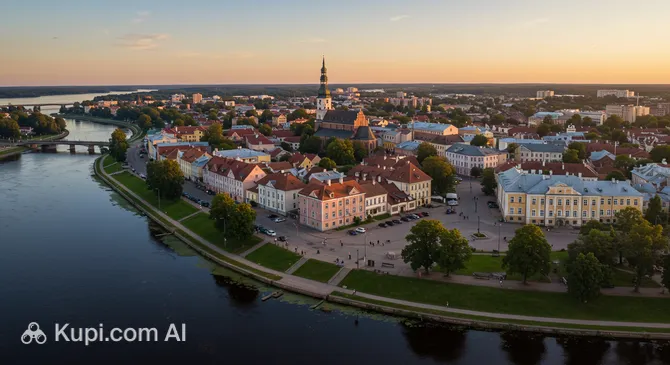
Daugavpils is not just the second-largest city in Latvia, but also the true heart of the colorful Latgale region. Nestled along the picturesque banks of the majestic Daugava River, the city charms travelers with its peaceful rhythm and a special, almost home-like atmosphere.
Daugavpils. Illustration.
Source: Kupi.com AI
As an important administrative and cultural center, the city is home to more than 80,000 people. Its geographical location near the borders has made Daugavpils a unique crossroads of cultures, where ancient traditions and modernity intertwine in a fascinating way. This is a place where every stone breathes the past, and the multifaceted history of Daugavpils has left its mark on every neighborhood.
The city has a strong identity shaped by its architectural treasures. Tourists are consistently drawn to the Daugavpils Fortress—a monumental 19th-century structure that impresses with its scale. Equally interesting are walks through the historical center, where you can find buildings in the unique Latgalian Baroque style and enjoy the coziness of ancient streets.
If you are looking for a place where you can feel the authentic spirit of the region and enjoy leisurely strolls among green parks, Daugavpils is an excellent choice. Every guest ready to discover new horizons and immerse themselves in a distinctive culture is welcome here.
Weather Overview
The climate in this region is moderate, with clearly defined seasons, allowing you to plan your trip at any time of year depending on your preferences. Summer here is usually mild and comfortable: in July and August, the average temperature stays around 18°C, and on warm days, the air heats up to 22°C. This is an ideal time for sightseeing, though an umbrella might come in handy—rains occur quite often during the summer months (up to 15 rainy days in July).
Winter brings coolness and an atmosphere of tranquility. In January and February, the thermometer drops to an average of -2...-5°C, creating conditions for snowy walks, although December can be quite overcast. Spring and autumn are characterized by smooth transitions: May is already pleasantly warm (around 12°C), and September retains the pleasant freshness of the "velvet season" with an average temperature of 13.5°C.
To choose the best dates for your visit and prepare the right wardrobe, we recommend checking what weather in Daugavpils is expected during your trip in advance. In general, expect a warm summer with occasional rain and fairly cold winters with precipitation.
Average monthly temperature
Average monthly precipitation
Interesting Facts
Beyond its main attractions, Daugavpils holds many fascinating secrets and unique records that surprise even seasoned travelers. Here are a few facts that will help you look at this city from a new perspective:
The city is home to the only early 19th-century fortress in Northern Europe that has been preserved almost without changes. This grandiose fortification is impressive in its scale and is considered one of the largest complexes of its kind on the continent.
Daugavpils boasts a unique location known as Church Hill. Here, within a short distance of each other, stand churches of four different denominations: Orthodox, Old Believer, Catholic, and Lutheran, symbolizing the city's centuries-old tolerance and cultural diversity.
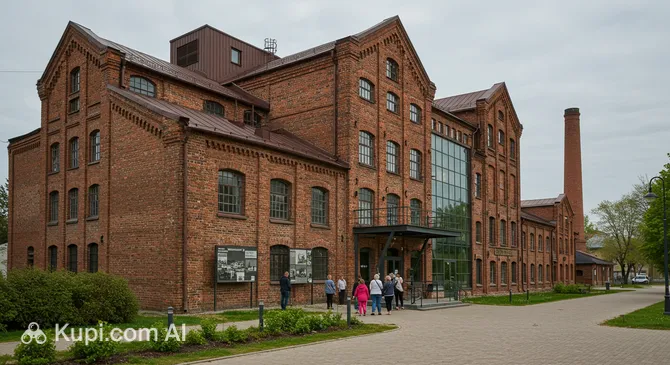
The Daugavpils Shot Factory operates here, famous for the oldest lead shot tower in Europe. It is a real working industrial monument where production is carried out using historical technologies that have remained unchanged for decades.
The city's main promenade, Rīgas Street, was the first pedestrian street in all of Latvia. It is lined with buildings featuring magnificent facades that create a unique atmosphere for leisurely strolls.
Daugavpils Lead Shot Factory. Illustration.
Source: Kupi.com AI
Traveler photos:
How to Get There
When planning a trip to Latgale, it is worth considering your route in advance, as the city itself does not have passenger air service. However, its convenient geographical location makes it easy to reach via the transport hubs of neighboring cities and countries. You can find out more details about how to get to Daugavpils by exploring various logistics options.
The most popular option for tourists remains flying into the Latvian capital. Riga International Airport (RIX) is the region's largest air hub, receiving flights from all over the world. It is located approximately 197 km from Daugavpils. The journey from the airport by bus or car takes about 3–3.5 hours. This is the most reliable and predictable route, requiring no additional border crossings after arriving in the country.
Travelers often choose a route through Lithuania, which can be even faster by car. Vilnius International Airport (VNO) is located only 160 km from the city. The transfer takes about 2.5–3 hours. It is also worth considering Kaunas Airport (KUN), which is slightly further away (186 km) but often offers great deals on low-cost flights.
Below is information about the main airports located within accessible distance of the city:
Regarding rail connections, it is important to take into account the geographical and administrative characteristics of the region. The nearest stations from the list below (for example, Postavy and Hlybokaye) are located in neighboring Belarus. This means that a route through them would require crossing a state border and passing through customs procedures. Therefore, they are not recommended as convenient points for a quick taxi transfer; these stations are provided in the table for reference only as geographically close locations.
Station
Passenger traffic
Distance
Miory Railway Station
—
73 km
Sharkovshchina Station
50 000
82 km
Pastavy Railway Station
150 000
87 km
Voropaievo Station
50 000
92 km
Hlybokaye Railway Station
150 000
110 km
Main Attractions
Daugavpils is a city where history harmoniously intertwines with modern art and unique local traditions. A walk through its streets will offer many discoveries, from massive fortifications to cozy green oases. Here are a few places that are definitely worth including in your itinerary.
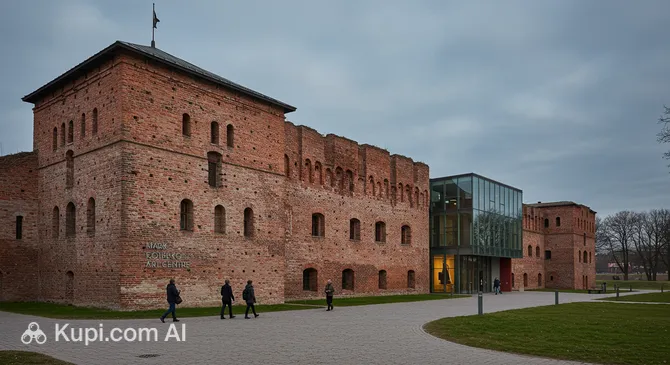
The undisputed cultural landmark of the city is the Mark Rothko Art Centre. Located in the historical Arsenal building within the Daugavpils Fortress, this art center is the only place in Eastern Europe where you can see original paintings by the world-famous abstract expressionist, who was born in this city. In addition to the permanent Rothko exhibition, the center regularly hosts exhibitions by contemporary artists, making it a focal point for art lovers from around the world.
Mark Rothko Art Centre. Illustration.
Source: Kupi.com AI
Traveler photos:
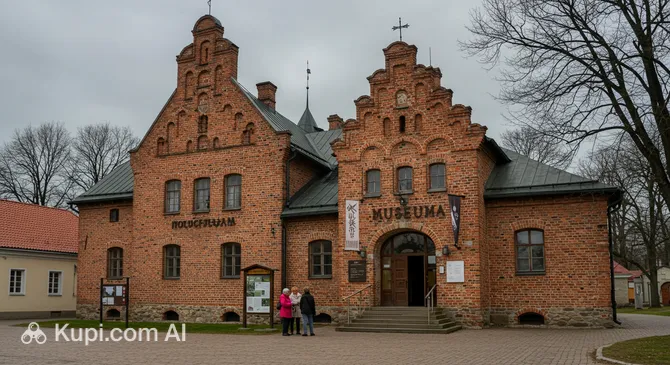
To dive deeper into the flavor of the Latgale region, we recommend visiting the Shmakovka Museum. This is more than just an exhibition about a traditional strong drink; it is a modern interactive space that tells the story of the region's culinary heritage and history. Here, you will learn about production technologies, see antique equipment, and, of course, appreciate the local traditions of hospitality.
Shmakovka Museum. Illustration.
Source: Kupi.com AI
Traveler photos:
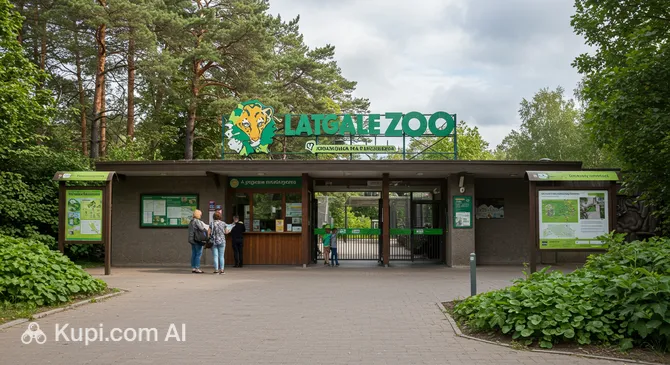
For those traveling with family or who simply love nature, the Latgale Zoo will be a real discovery. This wonderfully cozy place features an artificial jungle inhabited by exotic animals: from funny meerkats and monkeys to crocodiles and turtles. The zoo is famous for its caring attitude toward its residents and its educational programs, and its compact size allows you to see the entire exhibition without getting tired.
Latgale Zoo. Illustration.
Source: Kupi.com AI
Traveler photos:
If you want to take a break from the city bustle, head to Dubrovin Park. This is the "green heart" of Daugavpils, located near the historical center. The park is perfect for leisurely walks: here you can admire the fountain, sit in the shade of centuries-old trees, and enjoy the calm atmosphere. In the evenings, the park is beautifully illuminated, creating a romantic mood.
Local Cuisine
The cuisine of Daugavpils is a colorful mix of the culinary traditions of Latvians, Poles, Russians, and Belarusians. The city's gastronomic palette is rich and diverse: here, hearty Latgalian peasant dishes are prepared with the same success as modern European treats.
The potato is rightfully considered the king of the local table. Travelers should definitely try potato zrazy with meat or mushroom filling—a dish that is perfectly warming and filling. Be sure to try authentic Latgalian bread, known for its dense texture and special aroma, and for dessert, order homemade pies with curd or seasonal berries.
Thanks to the proximity of the Daugava River and numerous lakes, fish is often found on the menu. Smoked bream or pike makes an excellent addition to a meal. If you want to purchase fresh farm products, such as homemade cheeses, sausages, or pickles, head to the DITTON Shopping Center. Here, in a lively bazaar atmosphere, you can find the most delicious local delicacies.
Speaking of drinks, it is impossible not to mention the region's main brand—shmakovka. This traditional strong spirit is part of Latgale's cultural heritage. You can learn more about its production secrets and consumption culture by visiting the Shmakovka Museum, and many local establishments offer tastings of various varieties.
For a pleasant dinner, Daugavpils has many worthy spots. The Odessa Mamma restaurant is famous for its hospitality and generous portions, creating a truly soulful atmosphere. And those looking for an unusual setting should stop by Artilērijas pagrabi (Artillery Cellars)—an establishment located in historical premises where the interior allows you to literally touch the past.
Travel Tips
Daugavpils is a hospitable and open city, but as with any trip, knowing local nuances will make your visit much more comfortable and pleasant. We have gathered the most important recommendations to help you easily find your way and feel confident in any situation.
Clothing and Comfort. The weather in Latgale can be changeable, so the principle of layering is your best friend in any season. Be sure to bring comfortable flat shoes: many attractions, including the famous Fortress, are paved with cobblestones or have dirt paths. Keep an umbrella or raincoat handy even in summer.
Transport Accessibility. Getting around the city is very convenient by tram—this is not just transport, but a true calling card of Daugavpils. The route network covers almost all important areas. Tickets can be bought at press kiosks or from the conductor (in some trams). To call a taxi, it is better to use popular mobile apps (such as Bolt); it is more reliable and often cheaper than hailing a car on the street.
Financial Matters. The currency of Latvia is the Euro (€). Bank cards are accepted almost everywhere: in hotels, restaurants, and supermarkets. However, you will need cash when visiting markets, small souvenir shops, or for buying public transport tickets. A tip of 5–10% of the bill is considered good etiquette if you liked the service.
Language and Communication. The official language is Latvian, and all official signs will be in it. However, Daugavpils is unique because the absolute majority of local residents speak Russian fluently, so you certainly won't encounter a language barrier here. English is popular among young people and those working in the tourism sector.
Health and Safety. Daugavpils is a calm and safe city. The single emergency number is 112. Pharmacies (look for the Aptieka sign) are common, but few are open 24/7, so it's better to pack a personal first-aid kit in advance. Drinking tap water is not recommended; it is better to buy bottled water.
Local Etiquette. Residents of the city value politeness and restraint. It is customary to say hello when entering small shops or cafes. In public transport and museums, try to keep noise levels down and give up seats to the elderly.
What to Avoid. Consuming alcohol in public places (parks, squares, on the street) is strictly prohibited—this carries a fine, and the police monitor this closely. Also, do not cross the street in the wrong place or on a red light, even if there are no cars nearby.
Useful Advice. If you want to bring home something truly authentic, visit the local markets in the morning. There you can find the freshest products from Latgale farmers: homemade cheese, honey, and bread, which make excellent culinary souvenirs.
Following these simple rules will allow you to avoid domestic trifles and focus entirely on the beauty and atmosphere of Daugavpils. We wish you bright impressions and a warm welcome in the heart of Latgale!
Entertainment & Nightlife
Entertainment and nightlife in Daugavpils differ from the noisy bustle of the capital, Riga. Here you won't find massive raves or endless club districts; instead, the city offers a cozy, soulful atmosphere for evening relaxation. The nightlife is concentrated mainly in the historical center and has its own unique charm, perfect for leisurely conversations over a cocktail or dancing with friends.
The epicenter of evening activity is rightfully the pedestrian Rīgas Street (Rīgas iela) and its surrounding blocks. It is here, among the beautifully lit building facades, that popular cafes and bars are located, many of which stay open late. In summer, life spills out onto open terraces where you can enjoy the warm air and live music, which often plays on weekends.
If you are looking for a place with a unique historical atmosphere, be sure to visit Artilērijas pagrabi (Artillery Cellars). This establishment is located in the very heart of the Daugavpils Fortress. Authentic brick vaults, dim lighting, and a wide selection of drinks create a special mood here, allowing you to literally touch history while enjoying modern comfort.
For a more youthful and casual setting, the bar-club Ezītis miglā (Hedgehog in the Fog) is a great fit. This is a popular meeting spot for students and creative people, known for its affordable prices, tasty burgers, and diverse cocktail menu. Theme parties are often held here, and there is always a friendly buzz.
Fans of classic entertainment centers should check out the Klondaika network. This is a versatile venue where you can not only have a drink and dance but also play billiards or darts. The establishment stays open until morning, making it a popular choice for those who don't want to end the evening too early.
Practical tips for tourists:
Dress Code and Entry: Most venues in Daugavpils have a casual style. Strict dress codes are rare, but a neat appearance is required. Security at club entrances is generally reasonable as long as guests behave appropriately.
Opening Hours: Bars are usually open until midnight or 2:00 AM on weekdays, while on Friday and Saturday, the fun can continue until 4:00–5:00 AM.
Safety and Transport: The city center and the Fortress area are considered safe for evening walks, as the streets are well-lit and patrolled. However, to return to your hotel at night—especially if you are staying in residential districts—it is recommended to call a taxi via mobile apps (such as Bolt); it is fast, inexpensive, and reliable.
The daytime cultural program in the city is equally rich. Art lovers should visit the Daugavpils Theatre—the oldest professional theater in Latvia, which stages performances in several languages. You can also spend time in cinemas or stroll through the picturesque parks, which often become venues for city festivals and open-air concerts.
Parks & Museums
Daugavpils harmoniously combines a rich industrial heritage with cozy green zones, offering tourists excellent opportunities for both educational leisure and quiet relaxation in nature. The city is rightfully proud of its well-maintained gardens, where you can escape the hustle and bustle, and its museum sites that hold the unique stories of the region.
Among the green oases, Dubrovin Park holds a special place. This is the oldest and perhaps the most beloved park by residents, created in the 19th century on the initiative of the city mayor, Pavel Dubrovin. Tourists are drawn here by the romantic atmosphere, the magnificent light fountain, and the chance to walk in the shade of rare tree species. It is an ideal place for those who want to feel the aristocratic spirit of the old city.
For those who prefer an active lifestyle, Central Park is an excellent choice. This modern space, located near the Ice Palace, is known for its Alley of Benches and the unusual "Tree of Love" art object. Also worth noting is Esplanade Park—a unique 4-hectare eco-zone. Here, bike paths, a skate park, and nature trails through marshland coexist harmoniously, allowing you to observe biodiversity right within the city limits.
Daugavpils' cultural program is equally intense. The main focal point for art lovers is the Mark Rothko Art Centre. Located in the historical Arsenal building inside the fortress, this multifunctional hub offers an immersion into the world of abstract expressionism. The contrast between the rugged walls of the bastion and the vibrant canvases of the world-famous artist creates a unique impression.
History and technology enthusiasts should visit the Daugavpils Shot Factory. This is the only tourist object of its kind in Northern Europe where a historical lead shot tower has been preserved. Here you can not only learn about industrial development in the 19th century but also see the casting process with your own eyes, which is carried out using ancient technologies.
Insider Tip: For an unusual experience, take a walk along the protective ramparts of the Daugavpils Fortress. From their height, you can enjoy a panoramic view of the city and its surroundings, while the ancient gates and casemates create the feeling of a historical film set. For a family visit, we also recommend stopping by the Latgale Zoo, which features a wonderfully warm tropical forest atmosphere.
Getting Around
The public transport system in Daugavpils is compact, convenient, and intuitive, even for first-time visitors. The core of urban mobility consists of trams and buses, whose route network covers both the historical center and distant residential areas. Thanks to the city's small size, trips rarely take much time, and the service intervals on main routes are quite comfortable.
The tram is a true symbol and the most popular form of transport in the city. Daugavpils is one of the few cities in the region that has preserved and actively developed its tram network. There are several lines connecting the center with key points: the railway station, the "Khimia" district, and the famous Fortress. The fleet of cars is diverse: from nostalgic old models to modern low-floor trains. A tram ride here is often perceived by tourists as a mini-excursion in itself.
The bus network complements the trams and allows you to reach corners where rails have not been laid. Buses run strictly according to a schedule, which can be found at stops or on online maps (such as Google Maps or specialized local apps). This is a reliable way to get to the outskirts or specific locations if your route goes beyond the central streets.
Fare payment in Daugavpils is as simple as possible for tourists. Unlike in the capital, you don't necessarily have to look for kiosks to buy electronic cards beforehand. The most common method is buying a ticket for cash directly inside the vehicle. Trams usually have conductors who will come to you, while on buses, the driver takes the payment upon entry. The fare is very affordable and costs less than one euro. We recommend always having some small change, as large bills may cause issues with change.
If you prefer comfort and speed, taxi services work excellently in the city. The most popular and convenient app is Bolt, which allows you to see the trip cost in advance and pay with a linked card. Taxi prices in Daugavpils are significantly lower than in the capital, so a trip from your hotel to a restaurant or the station won't break your budget. Car-sharing and bike rentals are less developed, but during the warm season, you can find rental points for bicycles or electric scooters in the park areas and the center.
Public transport starts operating early in the morning, around 5:30 AM, and finishes service around midnight. If you are planning late-night walks, it is better to count on a taxi. It is important to remember that schedules on weekends and holidays may differ from weekdays, so it is worth checking the current timetable online before your trip.
Accommodation
The choice of accommodation in Daugavpils will pleasantly surprise travelers with its variety and affordable prices, which are generally lower than in the capital. The city offers options for every taste and budget: from cozy family guesthouses and modern apartments to classic 3-4 star hotels. While there are no massive chain resort complexes, there is a wide range of small boutique hotels, often located in restored historical buildings, which adds a special charm to your stay.
The most popular and convenient area for tourists remains the historical Center. By staying here, you will be within walking distance of the main transport hubs, the Rīgas pedestrian street, and picturesque green areas such as Dubrovin Park. This is an ideal location for those who want to have restaurants, shops, and main attractions at their fingertips without spending time on long commutes.
For lovers of peace and an ancient atmosphere, the Daugavpils Fortress area can be an interesting option. Living in close proximity to 19th-century bastions and iconic landmarks like the Mark Rothko Art Centre is a unique historical immersion. However, keep in mind that the infrastructure (supermarkets, evening entertainment) here is slightly more limited than in the city center.
Booking Tip: Although Daugavpils is not as crowded with tourists as Riga, the demand for accommodation rises sharply during the summer season and during major city festivals (such as City Festival or Speedway competitions). We recommend booking rooms in advance—at least 2–3 weeks before your trip—to guarantee the best value for your money.
The price range varies from budget (hostels and inexpensive apartments) to mid-range. Luxury suites are rare here, but the level of comfort in the city's best hotels is quite high. Booking is available through popular international online platforms, though many local guesthouses also take direct bookings by phone or through their websites, sometimes offering more favorable terms.
Nearby Cities
For those who want to explore the surroundings, Daugavpils serves as an excellent starting point for day trips to several interesting nearby locations:
Just an hour's drive away is Rēzekne—a city often called the "heart of Latgale." It is situated on seven hills and wonderfully combines ruined castle structures with ultra-modern architecture, a prime example of which is the GORS concert hall. It is the cultural center of the region, where you can dive deeper into Latgalian traditions.
History buffs should visit Jēkabpils, located on both banks of the Daugava. The main attraction here is Krustpils Castle—one of the best-preserved medieval castles in Latvia, which now houses a history museum. A walk along the dam by the river offers peace and beautiful views.
Although Cēsis is a bit further away, it certainly deserves attention as one of the most picturesque towns in the country. Its medieval castle and romantic park create a unique ancient atmosphere, making the city an ideal place for those who want to touch the legends of the Livonian Order.
City
Population
Distance
Zarasai
6 051
25 km
Visaginas
19 586
33 km
Kraslava
7 289
39 km
Braslav
9 427
41 km
Preili
6 161
47 km
These nearby destinations allow you to get a sense of the diverse culture and landscapes of the region.
Shopping & Souvenirs
Shopping in Daugavpils is a pleasant and effortless activity that perfectly complements your cultural program. The city doesn't claim to be a fashion capital with huge outlets, but you can find everything you need: from high-quality European clothing brands to unique works by local artisans. The city's compactness allows you to visit the main shopping spots without spending much time on travel, and prices are often more affordable than in Riga.
The city's main shopping artery is rightfully Rīgas Street (Rīgas iela). This is a lively pedestrian promenade lined with numerous small shops, clothing and shoe boutiques, bookstores, and jewelry salons. A walk here is an opportunity to combine shopping with viewing early 20th-century architecture, and in between, you can relax in one of the cozy coffee shops.
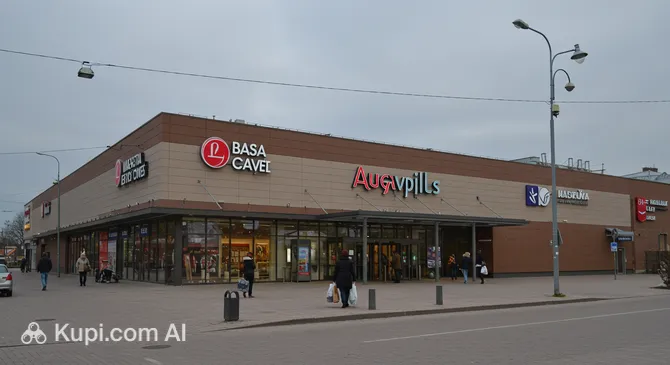
A major draw for shopping enthusiasts is the DITTON Shopping Center. This is the largest shopping complex in the city center, bringing together hundreds of stores, entertainment areas, and food courts under one roof. Here you can find popular mass-market brands as well as specialized departments for home goods and electronics.
DITTON Shopping Centre. Illustration.
Source: Kupi.com AI
Traveler photos:
A unique feature of Daugavpils is that the boundaries between a modern shopping center and a traditional bazaar are often blurred. Within the DITTON complex, the famous Green Market operates. This is a place with a special atmosphere that is worth visiting for the gastronomic experience. Here, local farmers offer fresh vegetables, fruits, homemade cheeses, smoked meats, and fish. If you want to taste the real flavor of Latgale, this is the place to go.
Popular souvenirs from Daugavpils often include items reflecting the region's soul. First and foremost, look for Latgalian ceramics—clay pots, vases, and mugs with characteristic glazes, famous for their durability and original design. Linen products, amber jewelry, and handmade knitwear are also popular. An excellent gastronomic gift would be a bottle of local spirits or a box of chocolates from the famous Latvian factory Laima.
Most large shopping centers and supermarkets are open daily from 9:00 or 10:00 AM to 9:00 PM. Small private shops, especially on Rīgas Street, usually close earlier—around 6:00 PM or 7:00 PM—and may have shorter hours or be closed on Sundays. Payment by bank cards (Visa, MasterCard) is accepted almost everywhere, though it is better to have some cash in Euros for purchases at the market or in small souvenir kiosks.
Tourists residing outside the European Union can use the Tax Free system. If your purchase amount in one store exceeds the set minimum (usually around 44 euros), you can request a special check to refund part of the value-added tax when leaving the EU. Look for Global Blue or Tax Free Shopping stickers on store windows and at cash registers.