Support

Al Bayda

About

Al Bayda is a captivating city nestled in the lush highlands of the Jebel Akhdar district. Known for its surprisingly green landscapes and cooler atmosphere, it offers a refreshing contrast to the arid deserts often associated with Libyan Arab Jamahiriya. As one of the major cities in the region, with a population of approximately 250,000, it serves as a vibrant commercial and educational hub.

The city's unique geographical location on the "Green Mountain" plateau provides a pleasant Mediterranean climate. Winters here can be cool enough to bring snow, a rare sight in this part of the world, while summers remain mild. This favorable weather supports rich vegetation and forests, creating a scenic backdrop for visitors.
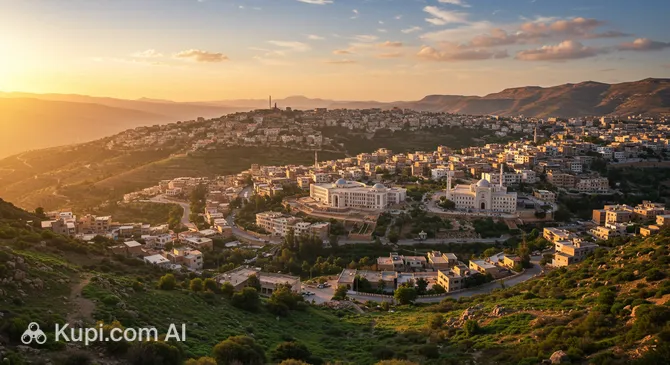
Al Bayda. Source: Kupi.Binoculars

Travelers interested in the past will find much to appreciate here. The history of Al Bayda is deeply intertwined with the Senussi movement and the Italian colonial era, traces of which can still be seen in the city's layout and architecture. It was once considered a potential capital, highlighting its strategic and political importance over the decades.

Among the top attractions is the prestigious Omar Al-Mukhtar University, which boasts a beautiful campus and serves as a cultural landmark. The city is also the perfect gateway to the nearby ancient Greek city of Cyrene, a UNESCO World Heritage site located just a short distance away. Nature lovers will enjoy exploring the surrounding valleys and the scenic roads of the Jebel Akhdar.

Al Bayda offers a unique blend of history, culture, and natural beauty. It is an inviting destination for those looking to explore a different side of North Africa, promising memorable views and a welcoming local atmosphere.

Weather Overview

Al Bayda enjoys a mild Mediterranean climate, largely influenced by its elevation in the Jebel Akhdar region. The summers are generally warm and dry, making it a comfortable escape from the intense heat found elsewhere in the country. From June to September, average temperatures hover between 23°C and 26°C, with August peaking at highs around 29.1°C and virtually no rainfall.

In contrast, the winter months bring cooler temperatures and regular precipitation. January and February are the coldest times of the year, with average temperatures dropping to around 12.5°C and lows near 10°C. This is also the wettest period, with rain occurring on up to 13 days in January. For a more detailed breakdown of seasonal trends, you can check the weather in Al Bayda to help plan your visit.

Spring and autumn offer moderate conditions, though October marks the return of rainy days after the dry summer. Overall, travelers can expect warm, sunny summers and cool, damp winters, which contribute to the region's distinctive lush greenery.

Interesting Facts

Beyond its reputation as a lush mountain retreat, Al Bayda holds fascinating secrets that surprise many visitors. From its unique climate to its pivotal role in the nation's political history, this city is full of unexpected stories waiting to be discovered.

  • The City of Snow: While Libyan Arab Jamahiriya is often associated with arid deserts, Al Bayda defies this stereotype. Due to its high elevation in the Jebel Akhdar, it is one of the few places in the country that experiences snowfall during winter. This rare weather phenomenon has earned it the local nickname "The City of Snow," offering a stark and beautiful contrast to the typical North African climate.

  • The Capital That Almost Was: In the 1950s, during the Kingdom era, Al Bayda was meticulously planned and constructed to become the new administrative capital of the country. Although the capital was never officially moved from Tripoli, the city still boasts impressive government buildings and infrastructure designed for that grand purpose, serving as a testament to its historical political significance.

  • Named After a White Beacon: The name "Al Bayda" translates to "The White One" in Arabic. It is derived from a historic 19th-century zawiya (religious school) built by the Senussi movement on a high hill. The building was painted a brilliant white, making it a visible landmark for travelers from miles away, eventually lending its name to the entire growing city.

  • Ancient Roots as Balagrae: Modern Al Bayda stands on the site of the ancient city of Balagrae. In antiquity, this settlement was a significant location, serving as a health resort known for its temple dedicated to Asclepius, the Greek god of medicine. Traces of this rich past can still be found, linking the modern city to the classical world of the nearby Cyrene.

How to Get There

Planning a trip to the Green Mountain region requires some preparation, as transport options are specific to the area. For a complete overview of routes and travel advice, you can read more about how to get to Al Bayda on our detailed page.

The most direct entry point is La Braq Airport (LAQ), which serves the city locally. Located approximately 20.3 km from the center, it is a smaller regional hub. A taxi ride from this airport to the heart of the city typically takes less than an hour, making it the most convenient option for travelers who prefer to minimize ground travel time.

For more international connections, many visitors choose to fly into Benina International (BEN). However, it is important to note that this airport is located in the city of Benghazi, about 157.5 km away from Al Bayda. While it handles significantly more passenger traffic, the transfer requires a longer journey by road. Expect a drive of several hours by taxi or private transfer to reach your destination from Benghazi.

For clarity, here is a summary of the main airports:

Airport Name City Passenger Traffic Km from City
Benina International Benghazi High 157.5
La Braq Airport Al Bayda Low 20.3

Main Attractions

One of the most significant historical sites located directly within the city is the Sanctuary of Balagrae. As the modern city sits atop the ancient settlement of Balagrae, visitors can discover the ruins of the Temple of Asclepius, the Greek god of healing. These archaeological remains offer a fascinating glimpse into the region's classical past, reminding travelers that this area was once a bustling health resort and a vital part of the Pentapolis.

For a look at the city's modern cultural significance, the Omar Al-Mukhtar University stands out as a major landmark. It is one of the premier educational institutions in the region and features distinctive architecture that dominates the cityscape. The campus and its surroundings are vibrant hubs of activity, reflecting the city's role as an intellectual center in the Green Mountain region.

Nature and engineering enthusiasts should not miss the Wadi al-Kuf Bridge, located just a short drive west of Al Bayda. Spanning the deep, forested gorge of the Wadi al-Kuf, this massive concrete cable-stayed bridge is an impressive feat of engineering and one of the highest of its kind in Africa. It offers breathtaking panoramic views of the lush valleys below, making it a perfect spot for photography and appreciating the unique "Green Mountain" landscape.

The city center itself is worth exploring for its colonial-era architecture. Planned in the 1950s to potentially serve as the national capital, Al Bayda features broad streets and government buildings that reflect the style of that period. Among these historical structures is the former Royal Palace, which stands as a testament to the city's political heritage during the Kingdom of Libya era.

Local Cuisine

The culinary scene in Al Bayda is a delightful journey through the flavors of the Jebel Akhdar. Thanks to the fertile lands surrounding the city, local dishes are prepared with fresh ingredients, including high-quality olive oil, seasonal fruits, and aromatic herbs. The food here is a hearty blend of traditional Bedouin recipes and distinct Mediterranean influences, creating a unique gastronomic experience that reflects the region's history and geography.

One dish that stands out as a true staple is Bazeen. This traditional meal consists of a solid, unleavened barley dough served in the center of a plate, surrounded by a rich tomato-based sauce, mutton, and sometimes hard-boiled eggs. It is a communal dish, typically eaten by hand, and serves as a symbol of Libyan hospitality. Another local favorite is Mbakbaka (or Imbakbaka), a spicy pasta stew cooked directly in the sauce with meat, chickpeas, and spices. This dish perfectly illustrates the local adaptation of Italian cuisine, making it a comforting and flavorful option for lunch or dinner.

For meat lovers, the region offers exceptional grilled dishes. Usban, a traditional sausage stuffed with rice, herbs, and chopped meat, is a celebrated delicacy often prepared for special occasions. The cooler climate of the Green Mountain region also supports the production of excellent honey and dairy products, which often feature in local breakfasts or desserts.

When it comes to beverages, tea culture is paramount in Al Bayda. Libyan tea is brewed strong, thick, and very sweet, often served in small glasses with a layer of foam on top. A unique local tradition involves topping the hot tea with roasted peanuts or almonds, adding a savory crunch to the sweet drink. Coffee is also widely enjoyed, usually served strong and black in the Arabic or Turkish style. Travelers should be aware that alcohol is strictly prohibited throughout the country, so dining venues offer only non-alcoholic drinks, including fresh fruit juices and mineral water.

The food culture in Al Bayda is centered around generosity and gathering. While there are restaurants offering grilled meats, rotisserie chicken, and international staples, the most authentic flavors are often found in smaller, family-run establishments. Street food is also a convenient option, with vendors selling fresh sandwiches like shawarma or falafel. For a taste of local produce, a visit to the city's markets is highly recommended, where you can sample the fresh fruits and famous honey harvested from the surrounding mountains.

Travel Tips

Welcome to Al Bayda, a city that offers a refreshing departure from the typical desert experience with its lush landscapes and cooler highland climate. To help you navigate this unique part of the Jebel Akhdar region smoothly and respectfully, we have compiled a set of essential practical tips for your journey.

  1. Clothing and Gear: Due to the city's elevation, the weather here is significantly cooler than in the rest of Libyan Arab Jamahiriya. In winter, you will definitely need a warm coat, gloves, and sturdy shoes, as temperatures drop and snow is possible. In summer, light but modest clothing is appropriate; ensure your shoulders and knees are covered to respect local customs. A headscarf for women is necessary when visiting religious sites.

  2. Transportation: Public transport options like metros or trams do not exist here. The most common way to get around is by taxi or private car. Shared taxis (microbuses) run along specific routes, but for a tourist, a private taxi is more convenient. Always negotiate and agree on the fare before starting your journey, as meters are rarely used. Renting a car is possible but requires confidence in navigating local traffic habits.

  3. Finances: The local economy is heavily cash-based. The currency is the Libyan Dinar (LYD). International credit cards are virtually useless in shops and restaurants, and ATMs often do not accept foreign cards or may be out of service. It is crucial to bring sufficient hard currency (USD or EUR) in cash and exchange it at local exchange bureaus or markets upon arrival.

  4. Health and Safety: Pharmacies are widely available and usually marked with a green cross; many stay open late or offer 24-hour services. It is strictly advised to drink bottled water rather than tap water. regarding safety, Al Bayda is generally welcoming, but you should avoid walking alone in poorly lit areas at night and always keep your identification documents with you.

  5. Communication: The primary language is Arabic. While some younger people or university students may speak basic English, it is not widely spoken in daily commerce. Learning a few phrases like Salam Alaykum (Peace be upon you) and Shukran (Thank you) will go a long way. For internet access, purchasing a local SIM card from providers like Libyana or Al-Madar is recommended for reliable data coverage.

  6. Local Etiquette: Libyans are known for their hospitality. If you are invited for tea, it is polite to accept. When greeting people, a handshake is common among men, but men should wait for a woman to extend her hand first. Always use your right hand for eating, passing items, or shaking hands, as the left hand is considered unclean in local culture.

  7. What to Avoid: strictly avoid any involvement with alcohol or drugs, as they are completely illegal and socially taboo. Additionally, never take photographs of government buildings, military checkpoints, or police stations, as this is prohibited and can lead to serious legal trouble. Always ask for permission before photographing locals.

  8. Enjoy the "Green Mountain": Take advantage of the city's unique geography. Unlike other parts of the country, Al Bayda is perfect for picnics in the surrounding forests. Locals love spending Fridays (the weekend) outdoors, so joining in this relaxed tradition is a great way to experience the authentic atmosphere of the region.

By keeping these practical points in mind, you can focus on enjoying the stunning natural beauty and rich history of Al Bayda. The city's distinct character and friendly inhabitants ensure that your visit will be a memorable and culturally enriching experience.

Entertainment & Nightlife

Nightlife in Al Bayda offers a distinct and culturally immersive experience that differs significantly from the club-centric scenes found in many other parts of the world. As is the case throughout Libyan Arab Jamahiriya, the city observes strict dry laws, meaning alcohol is prohibited and there are no western-style nightclubs or bars. Instead, the evening entertainment focuses on social gatherings, lively conversations, and culinary delights. The atmosphere is welcoming and relaxed, centered around late-night cafes, family-friendly restaurants, and vibrant market streets where locals gather to unwind after dusk.

The heart of the city's evening activity can often be found in the bustling City Center and the areas surrounding the university. Here, the streets come alive with people enjoying the cool mountain air. The social scene is dominated by traditional coffee houses and modern cafes, which serve as the primary meeting spots for friends and colleagues. These venues typically stay open late, often until midnight or 1:00 AM, especially during the summer months or Ramadan. The vibe is casual but respectful; visitors should adhere to a modest dress code, covering shoulders and knees, to blend in comfortably with the local crowd.

For a taste of the local social life, you can visit Cafe Ashbelia. It is widely regarded as one of the best spots in town for its clean environment and spacious seating. It is a popular place to watch football matches and enjoy a strong Libyan coffee or a sweet mint tea. Another favorite among locals for a late evening meal is Happy Chicken, a well-known restaurant that bustles with activity and offers a variety of hearty dishes perfect for ending the day. If you are in the mood for international flavors, the Istanbul Restaurant is another frequent stop for residents seeking good food in a lively setting.

When planning your evening, keep in mind that the best time to head out is after the evening prayer (Maghrib), when the city cools down and the streets fill with energy. Prices are generally very affordable compared to international standards, but be sure to carry cash, as credit cards are rarely accepted. Getting around at night is best done via private taxis. It is advisable to have your hotel or restaurant call one for you, or to use a trusted driver, rather than hailing random cars on the street.

Safety in Al Bayda is generally good within the main populated areas, but it is wise to stay on well-lit main streets and avoid wandering into quiet outskirts alone late at night. While the city is hospitable, sticking to the busy city center ensures a secure and enjoyable experience. For daytime entertainment before your evening begins, the region offers rich cultural experiences, including visits to the nearby ancient ruins of Cyrene or a relaxing walk through the lush landscapes of the Jebel Akhdar, which provide a stunning natural contrast to the city's urban energy.

Parks & Museums

Al Bayda is widely celebrated as the "Green City" of the region, offering a refreshing mix of lush landscapes and deep-rooted heritage. Unlike many other destinations in the country, the city's appeal lies largely in its natural surroundings and its status as a gateway to ancient history, making it a perfect spot for travelers seeking both relaxation and cultural enrichment.

Wadi al-Kuf National Park is undoubtedly the premier natural attraction in the vicinity. Located just a short drive west of the city, this protected area is famous for its dense Mediterranean vegetation, including Aleppo pines and cypress trees. It serves as a sanctuary for local wildlife and offers a cool, shaded environment that is rare in North Africa. Visitors flock here to see the breathtaking views of the gorge and to enjoy the fresh mountain air, making it an ideal location for nature photography and hiking.

Within the city and its immediate outskirts, the Jebel Akhdar Forests provide a sprawling natural playground. These wooded areas are integral to the local lifestyle, serving as popular spots for family picnics, especially on Fridays. The greenery here is vibrant and persistent, offering a peaceful retreat where tourists can witness the unique "Green Mountain" ecosystem up close. The rolling hills and seasonal wildflowers in spring create a picturesque setting that feels worlds away from the desert.

While Al Bayda does not have many large indoor museums, the Sanctuary of Balagrae functions as a fascinating open-air museum. Located in the Al-Zahra district of the modern city, this archaeological site contains the ruins of the Temple of Asclepius. It offers a direct link to the city's ancient past as a health resort during the Greek and Roman periods. Walking among these ruins allows visitors to trace the footsteps of pilgrims who once came here seeking healing, providing a tangible connection to history without the need for glass display cases.

For those interested in architectural heritage, the Former Royal Palace of King Idris is a significant landmark. Although access to the interior may be restricted depending on current local regulations, the building's exterior is a prime example of the era's dignified architecture. It stands as a silent witness to the time when Al Bayda was being prepared to be the capital of the kingdom, offering a glimpse into the political ambitions of the mid-20th century.

Another architectural highlight is the Old Parliament Building. Constructed with the grandeur befitting a potential capital, this structure showcases a blend of modern and Islamic design elements. It remains one of the city's most recognizable edifices and is interesting for tourists who appreciate urban planning and political history. The surrounding government district features wide boulevards and organized layouts that differ significantly from older, more organic North African city centers.

For a truly authentic experience, try to visit the local honey markets on the outskirts of the city. The Jebel Akhdar region is renowned for its high-quality honey, produced from the diverse mountain flora. Visiting these stalls not only allows you to taste a local delicacy but also gives you a chance to interact with local farmers and learn about the beekeeping traditions that have sustained the area for generations.

Getting Around

The public transport system in Al Bayda differs significantly from the structured networks found in many international cities. There is no metro, tram, or large-scale municipal bus service operating on a fixed schedule. Instead, the city relies on an informal, road-based network primarily composed of privately operated vehicles. For tourists, this means adapting to a system that is flexible and demand-driven rather than one governed by strict timetables and official maps.

The most widely used form of collective transport is the minibus or shared taxi. These vehicles, often white minivans, ply specific routes connecting the city center with residential neighborhoods and key landmarks like the university. They do not have designated stops with signage; instead, they pick up and drop off passengers at well-known intersections or landmarks. These minibuses typically wait at a starting point until they are full before departing, so patience is sometimes required.

Payment in Al Bayda is exclusively cash-based. There are no electronic travel cards, transport apps, or pre-purchased tickets. Fares for shared minibuses are generally fixed and very affordable. You pay the driver directly, either when you board or upon reaching your destination. It is highly recommended to carry small denominations of the local currency, as drivers often struggle to make change for large banknotes.

For visitors unfamiliar with the local routes, private taxis are the most practical and comfortable alternative. These can be hailed on the street or arranged by your accommodation. Unlike the shared minibuses, private taxis provide door-to-door service. However, taximeters are rarely used. It is standard practice to hail a taxi and negotiate the price with the driver before getting in. Agreeing on a fare upfront is essential to ensure a smooth journey and avoid disputes upon arrival.

While car rentals are available for those wishing to explore the wider region, driving within the city requires caution due to local traffic habits. For short distances within the central districts, walking is a pleasant option, especially given the city's generally cooler climate compared to other parts of the region. However, for any travel beyond the immediate downtown area, relying on taxis remains the most efficient choice for tourists.

Accommodation

Accommodation options in Al Bayda are generally modest and functional, catering primarily to domestic travelers, visiting officials, and those exploring the Jebel Akhdar region. Unlike major international tourist hubs, the city does not feature global luxury hotel chains. Instead, visitors will find a selection of locally run establishments, ranging from older, state-built hotels with a touch of history to newer, smaller private hotels and furnished apartments.

For most tourists, the most convenient area to stay is the city center. staying downtown places you within walking distance of local markets, restaurants, and key landmarks like the university. This central location also makes it easier to find taxis for day trips to the surrounding nature reserves or the ancient ruins of Cyrene. There are also some accommodation options on the outskirts, which offer quieter surroundings and views of the Green Mountain landscape, though you will need a vehicle to get around.

Furnished apartments and "aparthotels" are a popular alternative to traditional hotel rooms, especially for families or groups planning a longer stay. These rentals often provide more space and kitchen facilities, allowing for a more home-like experience. They are widely available and can be a cost-effective choice compared to the few larger hotels in the city.

Booking Tips: The hospitality sector in Al Bayda operates quite traditionally. Major international booking websites often list very few, if any, properties in the city. The most reliable way to secure a room is often through direct contact via phone or by finding a place upon arrival, although this carries some risk during peak local holidays. It is highly recommended to have a local contact or guide help you make arrangements in advance.

Regarding costs and payment, prices are generally reasonable and fall into the budget to mid-range category by international standards. It is crucial to remember that cash is king. Credit cards are almost never accepted for accommodation payments, so travelers must ensure they have enough Libyan Dinars on hand to cover their entire stay. Be prepared to pay for your room upfront upon check-in.

Nearby Cities

Al Bayda serves as a strategic gateway to the eastern region of Libyan Arab Jamahiriya, nestled within the scenic Jebel Akhdar highlands. Its central location on the plateau allows for convenient travel to several major coastal and inland cities. Whether you are planning a day trip to the coast or moving on to the country's larger metropolitan hubs, the road network offers scenic drives through mountains and valleys.

Below is a list of the most prominent cities located within a reasonable driving distance from Al Bayda, along with their population and distance:

City Population Distance (km)
Derna 127,974 84
Al Marj 169,540 90
Benghazi 631,555 172
Tobruk 135,832 219
Ajdabiya 416,000 265

Derna is the closest major city to the east, located approximately 84 km away. It is renowned for its picturesque location where the Jebel Akhdar mountains meet the Mediterranean Sea. The drive to Derna is particularly scenic, winding through lush landscapes before descending to the coast. Historically, it has been an important cultural center and offers a distinct coastal atmosphere compared to the highland vibe of Al Bayda.

Traveling west, you will reach Al Marj, situated about 90 km away. This city sits in a fertile basin and is famous for its agricultural production. It is built on the site of the ancient city of Barca, which was once a dominant power in the region. Today, Al Marj is known for its orderly town planning and its role as a commercial hub for the surrounding farming communities.

Further west lies Benghazi, the second-largest city in the country and a vital economic center. At a distance of 172 km, it connects Al Bayda to the wider world via its international airport and large port. Benghazi offers a mix of historical architecture, bustling markets, and a lively urban coastline, making it a key destination for travelers moving through the region.

To the east, near the Egyptian border, is Tobruk. Although it is a longer journey of around 219 km, the city is historically significant, particularly for its role in World War II. It possesses a deep natural harbor and serves as a major commercial port. Visitors interested in history often travel here to see the various war cemeteries and memorials dedicated to the soldiers who fought in the desert campaigns.

Shopping & Souvenirs

Shopping in Al Bayda offers an authentic glimpse into the daily life of the Green Mountain region. Unlike the glitzy commercial hubs found in some international capitals, the retail experience here is grounded in tradition and local culture. Visitors will find a mix of bustling open-air markets, small family-run boutiques, and modern shopping centers, all of which provide a friendly and relaxed atmosphere for browsing.

The primary commercial activity is concentrated in the City Center. This area serves as the heartbeat of the town, where the main streets are lined with a variety of shops selling everything from clothing and footwear to electronics and household goods. Walking through these busy districts allows tourists to mingle with locals and experience the city's vibrant energy, particularly in the late afternoon and evening.

While Al Bayda does not host massive, sprawling mega-malls typical of Western cities, it features several smaller shopping complexes and arcades. These indoor venues offer a more modern retail environment where you can find fashion items, accessories, and cosmetics. They are popular gathering spots for families and young people, especially during the cooler evening hours.

For a truly immersive experience, the local markets (souqs) are unmissable. The city's fresh produce market is a feast for the senses, showcasing the agricultural bounty of the fertile Jebel Akhdar region. Here, vendors display colorful arrays of seasonal fruits, vegetables, and aromatic herbs. It is also the best place to find locally produced food items that define the region's gastronomy.

When it comes to souvenirs, the most prized item to bring back from Al Bayda is local honey. The region is famous for its high-quality apiculture, with honey produced from wild mountain flowers and herbs like thyme. Other excellent gifts include bottles of premium olive oil, which is a staple of the local diet, and traditional herbal teas. For those interested in handicrafts, you might find traditional Libyan clothing or simple leather goods in the older parts of the market.

Opening hours in Al Bayda generally follow a split schedule. Shops typically open around 9:00 AM or 10:00 AM, close for an afternoon break during the hottest part of the day (roughly 2:00 PM to 4:00 PM), and then reopen until late at night, often staying busy until 10:00 PM or 11:00 PM. On Fridays, which is the main weekend day, most shops remain closed in the morning and open only in the late afternoon or evening.

Regarding payment, cash is king. Credit cards are rarely accepted in standard shops, markets, or cafes. Visitors should ensure they have sufficient Libyan Dinars (LYD) on hand for all purchases. Tax-free shopping or VAT refund schemes for tourists are not currently available in the city, so the price you see or negotiate is the final price you pay.

Nearby cities

Reached the end of the page?

That means the route is fully explored