Support

Benghazi

About

Benghazi is a captivating port city located on the shores of the Mediterranean Sea, serving as a vital economic and cultural hub in North Africa. As the second-largest city in Libya, it boasts a unique atmosphere that blends maritime traditions with a rich heritage. The city is often referred to as the capital of the Cyrenaica region, offering a distinct character that differs from the western parts of the country.

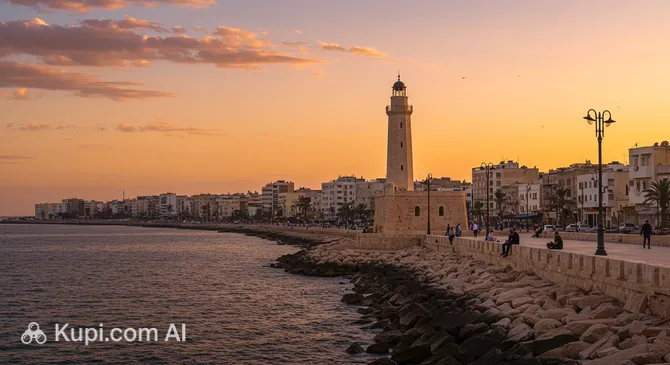
Benghazi. Source: Kupi.Binoculars

Geographically, the city sits on the edge of the Gulf of Sidra, benefiting from a pleasant Mediterranean climate characterized by warm summers and mild winters. This favorable weather makes it an attractive destination for those who enjoy coastal breezes and sunny days. With a population of approximately 630,000 residents, Benghazi is a bustling metropolis where modern life coexists with traditional customs.

The history of Benghazi is extensive and fascinating, tracing its roots back to the ancient Greek settlement of Euesperides. Today, visitors can explore various facets of this legacy, although the city is also celebrated for its scenic waterfront. The Corniche is a popular spot for leisurely strolls, offering beautiful views of the sea and the iconic Benghazi Lighthouse, which stands as a symbol of the city's enduring maritime spirit.

Travelers are drawn to the city's lively markets and the warm hospitality of its people. Whether you are interested in exploring historical narratives or simply soaking up the local culture by the sea, Benghazi offers a memorable experience. It is a place where the desert meets the waves, inviting adventurers to discover its many hidden gems.

Weather Overview

The city enjoys a classic Mediterranean climate, making it a pleasant destination for most of the year. Visitors can generally expect warm, dry summers and mild winters with occasional rainfall. For a detailed forecast and monthly breakdown, you can check the current weather in Benghazi to plan your trip accordingly.

Summer in Benghazi is characterized by sunshine and warmth, with August being the hottest month, averaging around 27.7°C and reaching highs of 31.0°C. From June through August, rain is virtually non-existent, ensuring clear skies for outdoor activities. The transitional months of April, May, and October offer comfortable temperatures ranging from approximately 19°C to 23°C, perfect for exploring the city.

Winters are cooler but remain relatively mild compared to European standards. January and February are typically the coldest months, with average temperatures hovering around 14°C and lows dipping to near 11.5°C. This is also the wettest period of the year; January sees about 11 days with some precipitation, although the overall rainfall volume remains quite low.

Interesting Facts

Beyond the main attractions, Benghazi holds many fascinating secrets that connect its modern identity to ancient legends. These intriguing details reveal a city deeply rooted in history, where every corner has a story to tell.
  • Mythological Connections: Ancient accounts often link the fertile lands around the original settlement of Euesperides to the mythical Garden of the Hesperides. Legends suggest that this region was the fabled location where the golden apples, guarded by nymphs and a dragon, were hidden in Greek mythology.

  • A Name Rooted in Faith: The city's modern name is derived from a pious benefactor and holy man named Sidi Ghazi. His tomb, located on a promontory overlooking the sea, became a significant landmark, eventually leading the settlement to be known as "Bani Ghazi," honoring his spiritual legacy.

  • The Shifting City: The original Greek city was not located exactly where the modern center stands today. Due to the silting of the lagoons that served as the ancient harbor, the settlement was relocated and refounded as Berenice in the 3rd century BC, moving closer to the open sea to preserve its vital maritime trade.

  • Nature and History Combined: Benghazi is home to a unique recreational landmark known as Al-Bosco. This expansive park and zoological garden is distinctive for integrating natural landscapes with ancient archaeological ruins, allowing visitors to enjoy wildlife and history in a single setting.

How to Get There

Reaching this coastal city is an essential part of your travel planning, and most visitors choose to arrive by air. For a comprehensive overview of all transport options and routes, you can read more about how to get to Benghazi before you depart.

The most convenient entry point is Benina International (IATA: BEN), which serves as the main aviation hub for the region. As a major international airport with significant passenger traffic, it connects the city to various destinations. It is located approximately 17.4 km from the center of Benghazi. The journey from the terminal to the downtown area typically takes about 45 minutes by taxi or bus, making it a quick and accessible option for travelers.

Alternatively, travelers might consider La Braq Airport (IATA: LAQ), although it requires a much longer ground transfer. This airport is not located in Benghazi itself but in the city of Al Bayda, which is about 191.5 km away. Due to the distance, a taxi or bus ride from Al Bayda to Benghazi can take approximately 5 hours. It is a smaller regional hub with less traffic compared to Benina, but it serves as a viable alternative for specific itineraries.

For clarity, here is a summary of the main airports:

Airport Name City Passenger Traffic Km from City
Benina International Benghazi High 17.4
La Braq Airport Al Bayda Medium 191.5

Main Attractions

Benghazi offers a compelling mix of Mediterranean charm and historical depth, making it a fascinating destination for those looking to explore the cultural heritage of North Africa. The city’s attractions range from bustling traditional markets to serene coastal promenades, each telling a different part of the region's story. While the city is modernizing, it retains a strong connection to its past, evident in its landmarks and archaeological sites.

One of the most beloved spots in the city is The Corniche. This scenic waterfront promenade stretches along the Mediterranean coast and serves as the social heart of Benghazi. It is the perfect place for a leisurely evening stroll, where locals and visitors alike gather to enjoy the cooling sea breeze and watch the sunset over the water. The atmosphere here is lively yet relaxed, offering a genuine glimpse into the daily life of the city’s residents against a backdrop of azure waters.

For a deep dive into local culture and commerce, a visit to Souq al-Jareed is essential. This traditional market is a sensory experience, filled with the aroma of spices and the vibrant colors of textiles and local crafts. Walking through its narrow alleys, tourists can shop for authentic Libyan goods, from handmade garments to intricate jewelry. It is not just a shopping destination but a living museum of trade and tradition that has thrived for generations.

History enthusiasts should explore the site of Euesperides, the ancient Greek city upon which modern Benghazi was founded. Located on the outskirts of the city center, these archaeological remains offer a window into antiquity, dating back to the 6th century BC. While time has weathered the stones, the site remains a significant testament to the region's importance in the ancient Mediterranean world, connecting the modern city to the legends of the past.

Standing guard over the coast is the iconic Benghazi Lighthouse. Located near the Corniche, this historic structure is one of the most recognizable symbols of the city. Built during the Italian era, it has guided mariners for decades and remains a favorite subject for photographers. its distinctive architecture and commanding position by the sea make it a must-see landmark that captures the maritime spirit of Benghazi.

Local Cuisine

The culinary landscape of Benghazi is a flavorful reflection of its history, blending traditional North African staples with distinct Mediterranean influences. Thanks to its coastal location, the local cuisine is characterized by the use of fresh ingredients, aromatic spices, and a particular love for seafood. Visitors will find that food here is hearty, often spicy, and deeply rooted in family traditions, offering a warm welcome to anyone eager to explore Libyan flavors.

One of the most iconic dishes to try is Mbakbaka (or Imbakbaka), which perfectly illustrates the Italian influence on Libyan cooking. This one-pot pasta dish is cooked directly in a rich, spicy tomato sauce with chickpeas, herbs, and typically chicken or lamb. Unlike Italian pasta, the sauce is much soupier and heavily spiced with turmeric and cayenne pepper. Another staple is Couscous, often prepared with lamb, pumpkin, and onions, serving as the centerpiece for Friday family gatherings and special occasions.

For a truly authentic experience, adventurous eaters should seek out Bazeen. This traditional dish consists of a hard, dome-shaped barley dough served in the center of a large bowl, surrounded by a thick tomato-based stew and meat. It is traditionally eaten by hand and is a symbol of Libyan hospitality. Given Benghazi's status as a port city, fresh seafood is also abundant; grilled fish, calamari, and shrimp are widely available and are usually seasoned simply with lemon, garlic, and cumin to highlight their natural freshness.

When it comes to beverages, the local culture revolves around tea and coffee rather than alcohol, which is not available in the city due to local laws. Libyan Tea is a central part of social life; it is a strong, sweet green tea that is boiled until it achieves a dark, amber color. It is uniquely served with a thick, frothy foam on top and is frequently accompanied by roasted peanuts or almonds floating in the glass. Arabic coffee is also popular, often served strong and spiced with cardamom.

The dining culture in Benghazi ranges from casual street food stalls to family-run restaurants. Street food is a great way to grab a quick and delicious bite, with sandwiches filled with spicy liver or shawarma being local favorites. Cafes play a significant role in the city's social fabric, serving as gathering spots where locals spend hours chatting over tea. For tourists, these establishments offer a relaxed atmosphere to observe daily life and enjoy the city's renowned hospitality.

Travel Tips

Visiting Benghazi offers a unique glimpse into Libyan culture, but like any destination in the region, it requires a bit of practical preparation to ensure a smooth journey. Here are some essential tips to help you navigate the city with confidence and respect for local customs.

  1. Clothing and Gear: Modesty is highly valued in local society. Men should generally wear long trousers, while women should opt for loose-fitting clothing that covers the arms and legs. A headscarf is essential for women if visiting religious sites. Since summers are hot, bring breathable fabrics, but pack a light jacket for cooler winter evenings. A universal travel adapter is useful, as outlets typically support Type C or L plugs.

  2. Transportation: Public transportation, primarily consisting of shared minivans, can be complex for visitors to navigate without local knowledge. The most reliable and convenient way to get around is by hiring a private taxi. It is advisable to agree on the fare before starting your journey. While car rentals are available, local driving habits can be chaotic, so a taxi is generally a more stress-free option.

  3. Finances: The local currency is the Libyan Dinar (LYD). Benghazi is predominantly a cash-based economy, and international credit cards are rarely accepted outside of a few major hotels. It is crucial to carry sufficient cash (USD or EUR) to exchange at banks or official exchange offices upon arrival. ATMs may not always be reliable for foreign cards, so having hard currency is vital.

  4. Health and Safety: It is highly recommended to drink bottled water rather than tap water to avoid any stomach issues. Pharmacies are widely available for basic needs, but carrying a personal medical kit is wise. In terms of safety, stick to well-lit, populated areas and avoid walking alone at night. Always keep a copy of your passport and visa with you.

  5. Communication: Arabic is the official language, and English proficiency varies, often being limited to younger generations or business contexts. Learning a few basic phrases like "As-salamu alaykum" (Peace be upon you) and "Shukran" (Thank you) will go a long way in breaking the ice. Purchasing a local SIM card from providers like Libyana is recommended for reliable internet access and maps.

  6. Local Etiquette: Libyans are known for their warm hospitality. When greeting someone of the same gender, a handshake is common, but wait for a woman to extend her hand first if you are a man. Always use your right hand for eating, greeting, or passing items to others, as the left hand is traditionally considered unclean.

  7. What to Avoid: Alcohol is strictly prohibited by law throughout the country; do not attempt to bring it with you or ask for it in restaurants. Additionally, be extremely cautious with photography. Strictly avoid taking photos of government buildings, military checkpoints, or security personnel, as this is forbidden and can lead to serious misunderstandings.

  8. Friday Schedule: Remember that Friday is the holy day in Islamic culture. Most shops, businesses, and markets in Benghazi will be closed or have very limited hours, especially during prayer times around noon. It is best to plan your shopping and major sightseeing for other days of the week.

By keeping these practicalities in mind, you can focus on enjoying the rich history and genuine hospitality that Benghazi has to offer. A little respect for local traditions ensures a welcoming experience and helps you create positive memories in this historic Mediterranean city.

Entertainment & Nightlife

Entertainment and nightlife in Benghazi offer a distinct cultural experience that differs significantly from Western norms. Due to the strict prohibition of alcohol throughout Libya, you will not find traditional nightclubs, pubs, or cocktail bars here. Instead, the city's "nightlife" revolves around a vibrant social scene centered on late-night cafes, tea houses, and dining establishments. The atmosphere is lively and communal, with friends and families gathering to enjoy conversation, aromatic coffee, and the coastal breeze well into the early hours of the morning.

The heart of evening activity is undoubtedly the Corniche. As the sun sets, this waterfront promenade transforms into a bustling social hub. It is the perfect place to witness the local custom of the evening promenade, where people of all ages walk, chat, and enjoy street food. Along this stretch, you will find numerous seaside kiosks and cafes serving the famous Libyan tea with foam and peanuts. The mood is relaxed and welcoming, making it an excellent spot for visitors to mingle with locals in a safe, open-air environment.

For a more urban vibe, head to Dubai Street (Sharaa Dubai). This thoroughfare is known for its bright lights, modern shops, and a high concentration of restaurants and cafes. It is particularly busy in the evenings when residents come out to shop and eat. The street is lined with venues ranging from fast food to traditional Libyan eateries. It is a great area to try local sweets or enjoy a water pipe (shisha), which is a popular pastime for men in the dedicated sections of cafes.

If you are looking for specific venues to experience the local social scene, the Tibesti Hotel in the city center is a major landmark. Its lobby and restaurants often serve as a meeting point for business travelers and locals alike, offering a more upscale environment for evening coffee or dinner. Another popular type of venue are the "coffee bars" found throughout the Al-Keish district, which function as the local equivalent of pubs—places to watch football matches, drink strong espresso, and socialize loudly and passionately.

Practical advice for enjoying a night out in Benghazi includes being mindful of the dress code; smart-casual and modest attire is expected at all times. Most venues stay open very late, often until 1:00 AM or 2:00 AM, especially during the summer. Prices are generally affordable, with a pot of tea or a coffee costing just a few dinars. In terms of safety, while the main districts like the Corniche and Dubai Street are generally safe for walking, it is advisable to avoid unlit or deserted areas. The best way to get around at night is by using a private taxi or a trusted car service rather than hailing random cars.

While the evenings are for socializing, daytime entertainment in Benghazi offers a mix of history and leisure. Visitors can explore the local markets for traditional crafts or visit the Benghazi Zoo (located within the Al-Bosco park), which is a favorite for families. Although many museums have faced challenges in recent years, the architecture of the city, including the historic squares and the exteriors of Italian-era buildings, provides a fascinating backdrop for daytime exploration before the city comes alive at night.

Parks & Museums

Benghazi offers a distinct blend of Mediterranean natural beauty and profound historical depth, inviting visitors to explore its breezy waterfronts, green sanctuaries, and architectural landmarks that whisper tales of the past. While the city is a bustling economic hub, it also preserves spaces for relaxation and cultural reflection, ranging from lush parks to ancient archaeological remnants.

Al-Bosco (Benghazi Zoo and Park) is perhaps the most famous green space in the city and a favorite destination for families. This extensive park functions as both a zoological garden and a recreational area, characterized by its dense pine forests and varied Mediterranean flora. It offers a refreshing escape from the urban heat, providing shaded pathways for walking and dedicated picnic spots where locals gather on weekends. For tourists, it is an excellent place to observe local social life in a relaxed, natural setting.

Another significant natural feature is the 23rd of July Lake, a central lagoon that connects the city to the sea. The area surrounding the lake serves as a vital lung for the city, offering open spaces that are popular for evening strolls and birdwatching. In addition to the lagoon, the city's coastline is dotted with numerous beach clubs and public stretches of sand. These coastal areas are integral to the local lifestyle, offering visitors a chance to swim in the Mediterranean or simply enjoy the sea view with a cooling breeze.

For those interested in history and culture, the Ancient City of Euesperides is a site of immense importance. Located on the northern edge of the salt marsh at the center of the Benghazi promontory, these archaeological remains date back to the Greek period of the 6th century BC. Although it is an open-air site rather than a traditional building, it serves as a "living museum" where visitors can see the foundations of the original settlement that gave birth to the modern city. It is a fascinating spot for archaeology enthusiasts to trace the layers of civilization that have shaped the region.

The Qasr al-Manar stands as a monumental piece of Benghazi's architectural heritage. Originally built during the Italian colonial era and later serving as a royal palace, this building is historically significant as the place where Libya's independence was announced in 1951. While access to the interior can vary, the structure itself is a powerful symbol of the nation's history. Its imposing facade and central location make it a key stop for anyone wishing to understand the political and cultural evolution of the city.

Among the city's most striking historical landmarks is the Benghazi Cathedral. Located in the downtown area, this massive structure is renowned for its two large domes and Italian neo-classical design. Although it has not functioned as a church for many years, its architectural grandeur remains a defining feature of the city skyline. It serves as a silent witness to the colonial past and offers a unique photo opportunity for those appreciating historic architecture.

For an authentic experience, look for the smaller, often overlooked Ottoman-era mosques tucked away in the older districts. The Atiq Mosque, for instance, is one of the oldest in the city and features a simpler, more traditional architectural style compared to the grand colonial buildings. Visiting the exterior of these sites provides a glimpse into the spiritual continuity of Benghazi and offers a stark, beautiful contrast to the modern concrete developments.

Getting Around

The public transport system in Benghazi is primarily road-based and operates quite differently from the structured networks found in many European cities. There is no metro, tram, or passenger rail service currently available. Instead, the city relies heavily on a decentralized network of privately operated minibuses and shared taxis. These vehicles serve as the backbone of local commuting, covering various routes that connect the city center with residential suburbs and key districts.

For adventurous travelers, the most common form of public transit is the microbus. These vans run on fixed but often unmarked routes, and there are no official timetables or designated bus stops. To catch a bus, you simply stand by the side of the road and wave to the driver as the vehicle approaches. While this system is highly efficient for locals who know the city well, it can be challenging for visitors due to the lack of signage and English-language information.

Payment for public transport is exclusively in cash. There are no travel cards, electronic passes, or mobile ticketing apps for the bus network. Passengers pay the driver directly, typically upon entering the vehicle. Fares are extremely affordable, usually costing just a few Libyan Dinars. It is highly recommended to carry small change and coins, as drivers may not always have sufficient funds to break large banknotes.

Given the informal nature of the bus system, most tourists find private taxis to be the most practical and comfortable alternative. Taxis are abundant and can be easily hailed on the street throughout the day. They offer the distinct advantage of door-to-door service and air conditioning, which is essential during the hot summer months. Since taximeters are rarely used, it is standard practice to negotiate and agree on the fare with the driver before getting into the car to avoid any misunderstandings.

Regarding alternatives, car rental services are available for those who prefer independence, though navigating local traffic requires patience and a high level of alertness due to the chaotic driving style. While walking is a pleasant option along the scenic Corniche or within specific neighborhoods, the city's layout is quite spread out, making motorized transport necessary for reaching most attractions. Ride-hailing apps are beginning to appear in the market, but traditional street-hailing remains the most reliable method for getting around.

Accommodation

Finding accommodation in Benghazi requires a slightly different approach compared to other Mediterranean destinations. The city's hospitality sector primarily caters to business travelers, diplomats, and domestic visitors rather than mass tourism. As a result, the range of options is concentrated heavily on mid-range to upscale hotels designed for professional stays, with fewer options in the budget hostel or backpacker category. Visitors will typically find reliable service and comfortable amenities, though the variety of international chains is limited.

The most convenient area for tourists to stay is the City Center, particularly near the waterfront and the Corniche. Staying here places you within walking distance of major landmarks, such as the historical souqs and the seaside promenade. This central district offers the most vibrancy, allowing easy access to cafes and shops. Alternatively, the Al-Keish and Al-Fuwayhat districts offer a quieter, more residential atmosphere, though they are further from the main historical attractions and require transportation to get around.

Prominent local hotels often serve as social landmarks in themselves. For instance, the Tibesti Hotel, located centrally overlooking the lake and the city, is one of the most recognizable buildings in Benghazi. It often functions as a meeting point for international visitors and offers a higher standard of facilities. While online booking platforms are beginning to list properties in the city, many well-regarded local hotels and serviced apartments still rely on direct bookings or arrangements made through local travel agencies.

Booking Tip: It is highly recommended to book your accommodation well in advance, especially if you are visiting for business or during a local conference. Since online availability can sometimes be outdated, it is often a good idea to confirm your reservation via a phone call or email directly to the hotel reception before you travel to ensure your room is secured.

Regarding costs and payment, prices generally range from moderate to high, particularly for secure and well-serviced establishments. Budget options exist but may lack consistent amenities. A crucial detail for travelers is the payment method: cash is king in Benghazi. International credit cards are rarely accepted at hotel front desks, so you must arrive with sufficient cash (in Libyan Dinars, or USD/EUR to exchange) to cover your entire stay.

Nearby Cities

Benghazi serves as a strategic gateway to the eastern region of Libya, historically known as Cyrenaica. Travelers looking to expand their itinerary beyond the city limits will find several significant urban centers within driving distance. These destinations offer a mix of agricultural landscapes, coastal views, and historical depth, providing a broader perspective on the local culture and geography outside the metropolis.

The closest major town is Al Marj, situated in an upland valley and renowned for its fertile soil and agricultural heritage. Further east, the road leads to the Green Mountain (Jebel Akhdar) region, where cities like Al Bayda offer a cooler climate and lush scenery unique to this part of North Africa. For those undertaking a longer journey along the coast, the historic port city of Tobruk lies near the eastern border, serving as another vital maritime hub.

Here is a list of major cities in the vicinity, ordered by their proximity to Benghazi:

City Name Distance (km) Population
Al Marj 82 169,540
Ajdabiya 152 416,000
Al Bayda 172 250,000
Derna 251 127,974
Tobruk 364 135,832

Travel to these locations is typically undertaken by private car or shared taxi. While distances may seem moderate, travel times can vary depending on road conditions, so it is advisable to plan day trips carefully and start early.

Shopping & Souvenirs

Shopping in Benghazi offers a fascinating blend of the old and the new, reflecting the city's status as a commercial crossroads. Visitors can expect a transition from the aromatic, narrow alleys of traditional souqs to the bright lights of modern commercial streets. While it may not be a global fashion capital, the city provides a genuine North African trading experience where bargaining is an art form and locally crafted goods take center stage over mass-produced international brands.

For a modern retail experience, Dubai Street (Sharaa Dubai) is the city's most vibrant commercial artery. It is lined with a multitude of shops selling everything from fashion and footwear to electronics and accessories. The atmosphere here is particularly lively in the evenings when the neon lights illuminate the street and families come out to browse. Another key area is Venice Street (Sharaa Venice), which is known for its upscale boutiques, furniture stores, and trendy cafes, offering a more contemporary shopping environment suited for leisurely walking.

While traditional street shopping dominates, the city has seen the development of indoor shopping centers. Benghazi Mall is one of the notable modern complexes where visitors can find a variety of retail outlets under one roof, along with food courts and entertainment facilities. These malls provide a comfortable, air-conditioned escape from the midday heat and are popular destinations for families looking for a mix of shopping and leisure.

The true soul of Benghazi's commerce, however, lies in its traditional markets. Souq al-Jareed is the most famous and historic market in the city, an essential stop for any tourist. Here, you can wander through stalls overflowing with colorful fabrics, traditional garments, and household goods. For those interested in precious metals, the Gold Market (Souq al-Dahab) is renowned throughout the region. Libyan gold is of high purity and quality, and the intricate designs found here make for a dazzling display of local craftsmanship.

When looking for souvenirs to take home, traditional jewelry is a top choice due to the city's strong goldsmithing tradition. Beyond gold, visitors often purchase Bukhoor (traditional incense) and local perfumes, which are widely used in Libyan homes. Hand-woven textiles, embroidered traditional clothing, and leather goods are also excellent keepsakes. For a taste of the region, boxes of high-quality dates or locally blended spices make for practical and authentic gifts.

Understanding local business hours is crucial for a successful shopping trip. Most shops open around 9:00 or 10:00 AM but typically close for a long afternoon break (siesta) from approximately 1:30 PM to 4:00 PM. Business resumes in the late afternoon and continues well into the night, often until 10:00 PM or later. On Fridays, which is the weekly holy day, most markets and shops remain closed until the late afternoon or evening.

Payment methods in Benghazi are overwhelmingly cash-based. While some high-end hotels or modern malls might accept cards, the vast majority of shops, especially in the souqs, deal exclusively in Libyan Dinars. It is essential to carry sufficient cash with you. Tax-free shopping or VAT refund schemes for tourists are not currently a standard feature in Libya, so the price you negotiate is the final price you pay.
Nearby cities

Reached the end of the page?

That means the route is fully explored