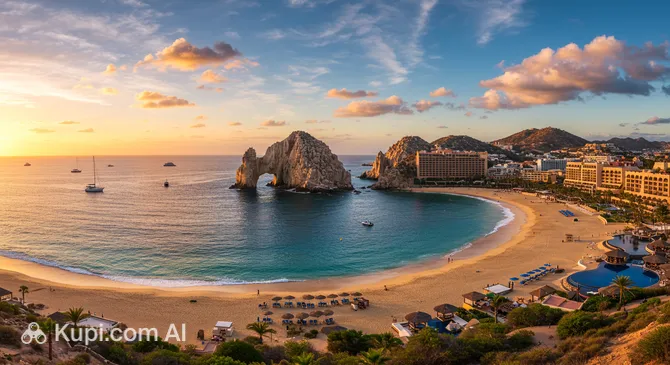
Cabo San Lucas is a vibrant and dynamic resort city located at the southern tip of the Baja California peninsula in Mexico. It is famous for its stunning landscapes where the desert meets the sea, luxury hotels, and a lively atmosphere that attracts travelers from all over the world.
The city is situated in a unique location where the Pacific Ocean merges with the Sea of Cortez, creating extraordinary conditions for relaxation and water sports. The climate here is desert-like, with over 300 sunny days a year, making Cabo San Lucas an ideal year-round destination. The city's population is around 68,000 people, but it increases significantly during the tourist season.
Cabo San Lucas. Illustration.
Source: Kupi.com AI
One of the main landmarks of Cabo San Lucas is the famous El Arco (The Arch) rock formation, rising majestically at Land's End. Equally popular is Medano Beach – the city's main swimming beach, known for its calm waters and numerous bars and restaurants. Outdoor enthusiasts will appreciate the world-class sport fishing opportunities and whale watching during the winter months.
Cabo San Lucas offers a diverse range of experiences: from relaxing on golden beaches and enjoying gourmet cuisine to thrilling adventures and a vibrant nightlife. This Mexican paradise will undoubtedly leave you with unforgettable memories and a desire to return.
In Cabo San Lucas, you can expect predominantly warm and sunny weather throughout the year. The average annual temperature ranges from a pleasant 20°C in the winter months (January-February) to a hot 27-28°C in the summer months (July-August). Expect a hot summer with a small amount of rainfall, especially in August and September, when there can be up to 11-12 rainy days, and a warm, very dry winter when precipitation is virtually non-existent.
For more detailed information on weather conditions by month, including water temperature and sun hours, we recommend visiting the Cabo San Lucas Climate page.
Average monthly temperature
Average monthly precipitation
Interesting Facts
Beyond its famous beaches and lively atmosphere, Cabo San Lucas holds many surprising stories and lesser-known facts. Here are just a few that will add some spice to your understanding of this sunny corner of Mexico:
Underwater Sand Waterfalls: Just off the coast of Cabo San Lucas, there is a unique natural phenomenon known as "sand falls." These underwater cascades of sand were first documented by the famous explorer Jacques Cousteau and are a mesmerizing sight for divers.
Pirate Past: In the 16th and 17th centuries, Cabo's secluded bays served as a refuge for English and Dutch pirates who tracked and looted Spanish galleons laden with treasures sailing from the Philippines to New Spain. It is said that some famous corsairs visited these waters.
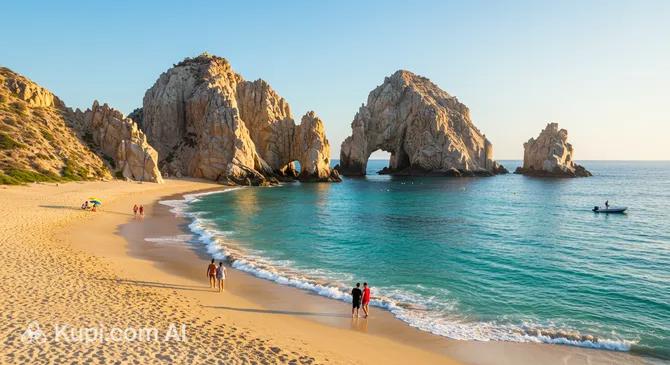
Two Beaches – Two Elements: The famous Lover's Beach (Playa del Amor) offers calm waters for swimming on the Sea of Cortez side, while just a few steps away, through a passage in the rocks, lies Divorce Beach (Playa del Divorcio) with its turbulent Pacific waves, where swimming can be dangerous.
The "Edge of the Earth" You Can Walk Under (Sometimes!): The symbol of the city, the majestic Arch of Cabo San Lucas (El Arco), marks the spot where the Pacific Ocean meets the Sea of Cortez. Once every few years, tides and currents wash up enough sand to form a temporary beach under the arch that you can walk across – a rare and unpredictable phenomenon.
Hollywood Stars' Hideaway Before the Tourism Boom: Long before Cabo San Lucas became a world-class tourist destination, it was a favorite secluded getaway for Hollywood celebrities of the mid-20th century, such as Bing Crosby and John Wayne. They were drawn here by the magnificent sport fishing and the chance to escape the public eye.
Lover's Beach. Illustration.
Source: Kupi.com AI
Traveler photos:
How to Get There
The most convenient way to reach Cabo San Lucas is by air, as the city and the surrounding region are served by several airports. There is no rail connection to Cabo San Lucas.
The primary and most convenient way to get to Cabo San Lucas is to fly into Los Cabos International Airport(SJD). Although the airport is physically located in the neighboring town of San José del Cabo, it is only 34.7 km from Cabo San Lucas. It is a large and modern international hub serving the vast majority of tourists arriving in this popular resort area of Mexico. A trip by taxi, shuttle, or rental car to your hotel in Cabo San Lucas will take approximately 1 hour to 1 hour 15 minutes, depending on traffic.
An alternative option is La Paz International Airport(LAP), located in the city of La Paz, the capital of the state of Baja California Sur, about 138 km north of Cabo San Lucas. This airport is smaller in size and passenger traffic compared to Los Cabos Airport but also handles both international and domestic flights. The journey from La Paz to Cabo San Lucas by car or bus will take significantly longer, about 3.5 to 4 hours. This option might be convenient if you plan to visit La Paz as part of your trip.
For clarity, here is summary information on the main airports serving Cabo San Lucas:
In addition to air travel, Cabo San Lucas can also be reached by land if you are traveling by car along the scenic roads of the Baja California peninsula. Furthermore, the city is a popular port of call for many cruise ships, offering another way to arrive in this sunny corner of Mexico.
Main Attractions
Cabo San Lucas is ready to surprise you not only with sunny beaches but also with iconic landmarks, each telling its own story. When heading to this Mexican paradise, be sure to include the following attractions in your list to make your journey truly complete.
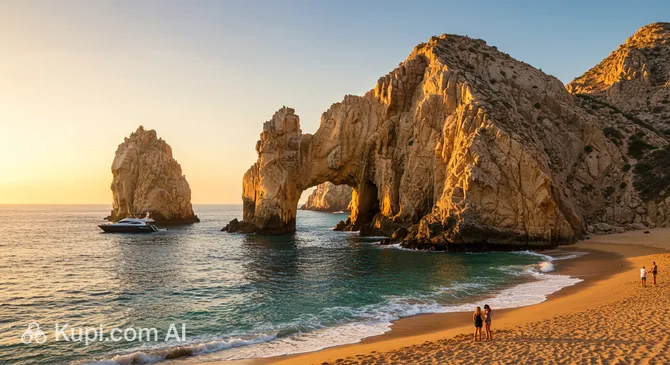
The hallmark of Cabo San Lucas, the famous Arch of Cabo San Lucas, also known as El Arco or "Land's End," is an impressive rock formation created by nature at the meeting point of the Pacific Ocean and the Sea of Cortez. It is not just a beautiful rock, but a symbol of the city and a highly popular spot for photos, especially at sunset. Boat tours regularly head to the Arch, during which you can also observe colonies of sea lions that have made the neighboring rocks their home.
The Arch of Cabo San Lucas. Illustration.
Source: Kupi.com AI
Traveler photos:
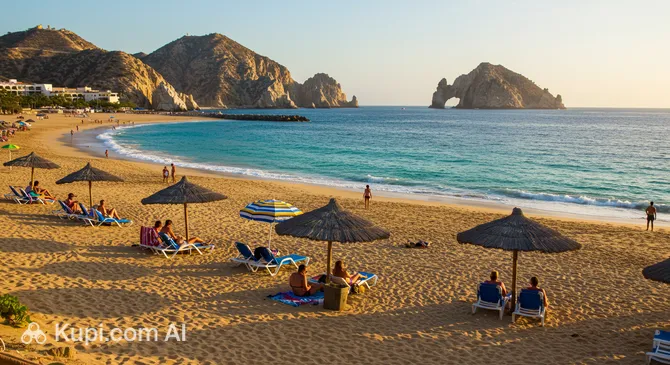
Medano Beach is the heart of beach life in Cabo San Lucas and the city's main swimming beach. Its long stretch of sand and relatively calm, clear waters make it an ideal place for swimming, sunbathing, and water sports such as kayaking and paddleboarding. Along the beach, there are many lively restaurants, beach clubs, and bars where you can enjoy local cuisine and refreshing drinks while gazing at the ocean expanses.
Medano Beach. Illustration.
Source: Kupi.com AI
Traveler photos:
One of the most romantic and picturesque spots is Lover's Beach (Playa del Amor), snugly located near the Arch. This small beach with golden sand is washed by the calm waters of the Sea of Cortez, making it a wonderful place for swimming and snorkeling. Interestingly, just a few steps away, on the other side of the rocky promontory, lies Divorce Beach (Playa del Divorcio) with its turbulent Pacific waves. These contrasting beaches can be reached by water taxi, which is an adventure in itself.
Lover's Beach. Illustration.
Source: Kupi.com AI
Traveler photos:
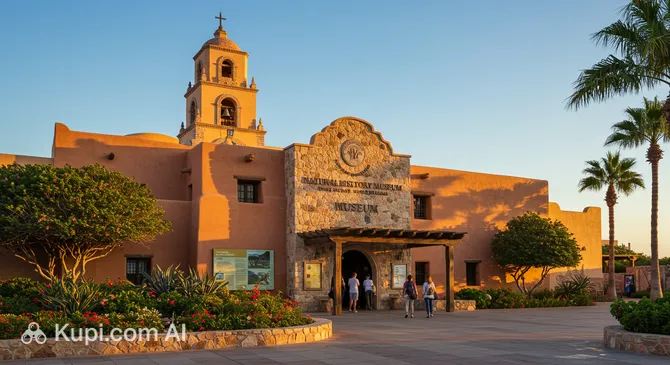
If you want to take a break from the sun and sand and delve into the region's history and nature, visit the Cabo San Lucas Natural History Museum. This small but informative museum tells the story of the geological formation of the Baja California peninsula, its paleontological finds, ancient cultures, and unique biodiversity. It is a great way to learn more about the rich heritage of this amazing corner of Mexico.
Natural History Museum of Cabo San Lucas. Illustration.
Source: Kupi.com AI
Traveler photos:
Local Cuisine
The gastronomy of Cabo San Lucas is a true feast for lovers of fresh seafood and vibrant Mexican flavors. Located on the coast, the city offers an incredible variety of dishes where the gifts of the Pacific Ocean and the Sea of Cortez play the starring role. The cuisine here is a harmonious blend of traditional Mexico recipes with the influence of the Baja Med style, which combines Mexican ingredients with Mediterranean cooking techniques.
Be sure to try the famous tacos de pescado – fish tacos, usually battered and fried until crispy and served in a corn or flour tortilla with fresh cabbage, salsa, and lime. Another iconic dish is ceviche, where finely chopped raw fish or seafood is marinated in lime juice with onions, tomatoes, cilantro, and chili peppers. Don't miss the chance to taste almejas chocolatas – "chocolate" clams, named for the color of their shell, which are often grilled or baked directly on hot stones.
As for drinks, Mexico is famous for its tequila and mezcal, and Cabo San Lucas is no exception. Enjoy a classic margarita or try variations with exotic fruits. Among refreshing non-alcoholic drinks, aguas frescas are popular – natural waters made from fruit, flowers (such as hibiscus – "jamaica"), or grains (like rice-based horchata), as well as freshly squeezed juices. Of course, cold Mexican beer is always available.
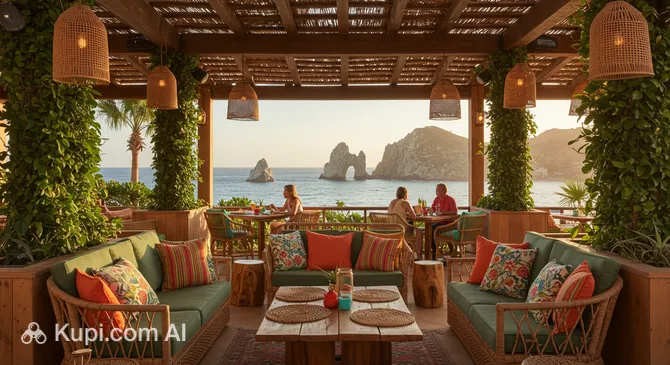
The dining culture in Cabo San Lucas is very diverse. You will find everything from luxury restaurants with exquisite cuisine and magnificent ocean views to more casual establishments. Locals and tourists alike love to grab a bite at the numerous taquerías, which serve authentic tacos and other street foods. Many restaurants, such as Organi-k, focus on using fresh, local, and organic products, making the gastronomic experience even more memorable. Dining by the ocean while enjoying the fresh catch of the day is an essential part of a Cabo vacation.
Organic. Illustration.
Source: Kupi.com AI
Traveler photos:
The culinary scene of Cabo San Lucas is a brilliant mix of freshness, tradition, and modern trends. From simple but incredibly tasty street tacos to gourmet dishes in fine dining restaurants – everyone will find something to their taste here to make their journey even more fulfilling and delicious.
Travel Tips
Welcome to sunny Cabo San Lucas! To make your trip to this paradise in Mexico as comfortable and fulfilling as possible, we have prepared some practical tips. Knowing these nuances will help you navigate the city with ease and fully enjoy its unique atmosphere.
Clothing and Essentials:Cabo San Lucas enjoys warm and sunny weather almost year-round. The core of your wardrobe should consist of light, breathable clothing made from natural fabrics – cotton and linen are ideal. Don't forget several swimsuits, shorts, t-shirts, and sundresses. For evening strolls or sitting by the ocean, a light sweater or wrap may come in handy. A hat, sunglasses, and sunscreen with high SPF are essential – the Mexican sun is very intense. Comfortable footwear, such as sandals, flip-flops for the beach, and light sneakers for excursions, will make your holiday more comfortable. Some restaurants and nightclubs may have a dress code requiring more formal attire. To charge your gadgets, you may need an adapter for American outlets (Type A and B).
Transport: The central tourist part of Cabo San Lucas, especially the Marina and Medano Beach area, is quite compact and walkable. For longer trips, such as to neighboring San José del Cabo or along the tourist corridor, you can use local public buses (often called "colectivos" or "rutas del desierto") – this is the most economical option. Taxis are readily available, but it is important to agree on the fare in advance, as meters are rarely used. Ride-hailing apps like Uber also operate, although their availability may be limited in some zones. Renting a car gives you the freedom to explore the surroundings, but keep in mind that parking in the city center can be paid and finding a free spot can be difficult. For short boat trips, such as to the famous Arch, water taxis are popular.
Finance: The official currency of Mexico is the Mexican peso (MXN). US dollars (USD) are also accepted in many tourist establishments, but the exchange rate may not be the best, and you will likely receive change in pesos. It is recommended to exchange currency at banks or official exchange offices (casas de cambio) rather than at the airport or hotel. Credit and debit cards (mostly Visa and MasterCard) are widely accepted in hotels, restaurants, and large stores. However, it is always useful to have some cash pesos on hand for small purchases at markets, public transport fares, and tips. ATMs are easy to find, but for security reasons, it's better to use those located in bank branches or large shopping centers. An approximate daily budget (excluding accommodation) can range from $50-70 USD per person for a budget approach to $150-200+ USD for a more comfortable stay. Tipping (propina) is common practice: usually 10-15% of the bill in restaurants (sometimes it's already included, so check), as well as small amounts for porters, housekeepers, and guides.
Health and Safety: Pharmacies (farmacias) in Cabo San Lucas are common, and some are open 24 hours. In case medical assistance is needed, clinics and hospitals are available to tourists; ensure your medical insurance is valid in Mexico before your trip. It is extremely important to drink only bottled water, including for brushing your teeth. Cabo San Lucas is considered a relatively safe resort, especially in the main tourist zones. However, as with any popular tourist destination, reasonable precautions should be taken: do not leave valuables unattended on the beach, avoid displaying expensive jewelry, and do not walk alone in poorly lit or deserted areas at night. Be mindful of strong ocean currents on some beaches, especially on the Pacific side (for example, Divorce Beach).
Communication: The official language is Spanish. In the tourism industry (hotels, restaurants, shops), many staff members speak English. Nevertheless, knowing a few basic phrases in Spanish, such as "Hola" (Hello), "Gracias" (Thank you), "Por favor" (Please), and "¿Cuánto cuesta?" (How much does it cost?), will be very useful and warmly received by locals. For convenience and to save on mobile roaming, you can purchase a local SIM card (e.g., from Telcel or AT&T Mexico) at supermarkets or mobile stores. Free Wi-Fi is available in most hotels, cafes, and restaurants. Useful apps include maps (like Google Maps), an online translator, and taxi-hailing apps.
Local Etiquette: Mexicans are known for their friendliness and hospitality. A simple "Hola" is appropriate in almost any situation. When addressing strangers, it is customary to use "Señor" (for a man), "Señora" (for a married or adult woman), or "Señorita" (for a young woman). In communication, patience and politeness are valued. A smile and patience will help you make a connection. If you want to take photos of locals, be sure to ask for their permission. In public places, try to behave with restraint and respect for those around you.
What to Avoid: It is strictly not recommended to drink tap water – this can lead to digestive issues. Also, do not underestimate the intensity of the local sun: to avoid sunburn or heatstroke, try not to be under direct sunlight during peak hours (usually from 11:00 AM to 4:00 PM) without proper protection (clothing, hat, sunscreen).
Extra Tip: If your trip to Cabo San Lucas falls between December and April, do not miss the unique opportunity to go on a humpback whale watching tour. During this time, these majestic marine mammals migrate to the warm waters of the Sea of Cortez to breed, and seeing them in their natural habitat is a truly unforgettable and moving sight!
We hope these tips help you better prepare for your trip and get the most out of every day spent in Cabo San Lucas. We wish you wonderful experiences and an unforgettable holiday in this sunny Mexican paradise!
Entertainment & Nightlife
Cabo San Lucas is known not only for its sunny beaches and stunning landscapes but also for its vibrant nightlife, which attracts party-goers from around the globe. When the sun dips below the horizon, the city transforms, offering a multitude of options for those seeking fun until the early morning hours. From trendy clubs to cozy bars with live music – everyone will find entertainment to their liking here to make their holiday in Mexico truly unforgettable.
The main concentration of nightlife venues is in Downtown Cabo, especially along Lázaro Cárdenas Boulevard and its adjacent streets, such as Calle Zaragoza and Calle Hidalgo. This area literally comes alive after sunset, filled with the sounds of music, laughter, and neon signs. The Medano Beach area is also popular, where many beach clubs continue to operate after dark, offering parties right on the sand under the stars.
The choice of venues in Cabo San Lucas is enormous: from major nightclubs with famous DJs, impressive light shows, and spacious dance floors holding hundreds of people, to more intimate bars with live music (rock, Latin, reggae), where you can enjoy a signature cocktail in a relaxed or, conversely, high-energy setting. Many establishments offer themed parties, happy hour specials, and live performances. The crowd here is very diverse – from energetic youth to affluent tourists seeking an exclusive experience. The dress code varies: beach bars are usually smart casual, while some prestigious clubs may require more elegant attire (for example, no shorts or flip-flops for men). Most clubs start filling up closer to 11:00 PM or midnight and stay open until 3:00 or 4:00 AM, and some even later, especially during peak season.
While Cabo has many famous nightclubs and bars whose names and popularity may change, you can always find something interesting while strolling through the center. For a quieter evening or to start the night, consider dinner at one of the numerous restaurants. For instance, places like Organi-k offer exquisite cuisine and a pleasant atmosphere for a late dinner before heading out to dance. It's best to check on-site with hotel concierges or look at recent online reviews for the latest information on the hottest spots, DJ schedules, and special events.
When planning your nighttime entertainment, consider a few practical tips. The best time to visit clubs is after 11:00 PM, especially on Fridays and Saturdays. Drink prices in popular spots can be quite high, especially for imported alcohol; look out for special offers. As for transport, it is strongly recommended to use official taxis or trusted ride-hailing services at night. Try to avoid catching private cars on the street. Agree on the fare in advance, as meters are not always used. Walking in well-lit central areas at night is generally safe, but always stay alert, stick with a group, and avoid deserted or poorly lit streets. Keep your valuables in a secure place.
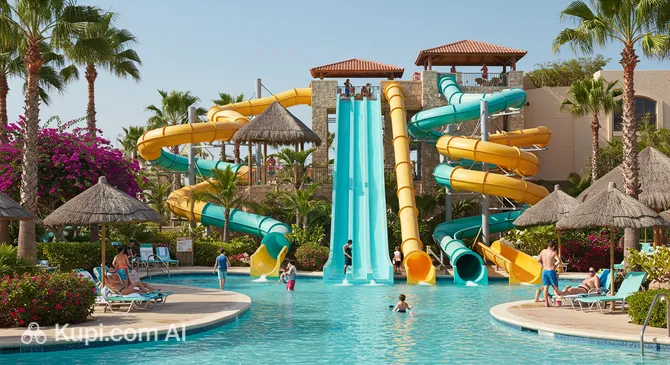
By day, Cabo San Lucas also offers plenty of entertainment. You can visit the Cabo San Lucas Natural History Museum to learn more about the region, or spend time with the whole family at one of the water parks, such as the Riu Palace Baja California Water Park. Shopping enthusiasts will appreciate places like the Puerto Paraiso Shopping Mall or the boutiques on Luxury Avenue. Of course, don't forget the famous beaches like Medano Beach or the secluded Lover's Beach, which offer a completely different, relaxed atmosphere during the day.
Riu Palace Baja California Water Park. Illustration.
Source: Kupi.com AI
Traveler photos:
Parks & Museums
Cabo San Lucas is not only about world-famous beaches and vibrant nightlife but also a place where you can connect with the nature and culture of the region. The city offers several interesting locations for those who want to vary their holiday with educational tours and quiet walks.
While Cabo San Lucas does not abound in traditional urban parks in the classical sense, its magnificent beaches serve as the primary natural zones for rest and relaxation. The jewel is Medano Beach – the most popular and one of the few safe swimming beaches in the city. Here you can not only sunbathe and swim in relatively calm waters but also enjoy various water sports or relax in one of the many beach clubs and restaurants. No less famous and incredibly photogenic is Lover's Beach, snugly situated at the base of the famous Arch. This secluded spot with golden sand can only be reached by boat and is perfect for romantic walks and snorkeling. Interestingly, right next to it, on the other side of the rocky cape, lies its "opposite" – Divorce Beach (Playa del Divorcio) with more turbulent Pacific waves.
To learn about the rich history and unique nature of the Baja California peninsula, it is worth visiting the Cabo San Lucas Natural History Museum. Its exhibits tell in detail about the geological formation of the region, its paleontological finds, diverse flora and fauna, as well as the ancient cultures that inhabited these lands. It is a great place to gain a deeper understanding of the environment and history of this amazing corner of Mexico. Art lovers should also take a stroll through the city center and the Marina district, where small art galleries showcasing the work of Mexican artists and artisans can be found.
Pavilion of the Republic. Illustration.
Source: Kupi.com AI
Traveler photos:
The main historical and natural symbol of Cabo San Lucas is, undoubtedly, the majestic Arch of Cabo San Lucas, also known as "El Arco" or "Land's End." This impressive rock formation, created by the forces of nature at the junction of the Pacific Ocean and the Sea of Cortez, attracts tourists from all over the world and is a must-visit for photos, especially at sunset. Another site that may catch the eye of curious tourists is the Pavilion of the Republic (Pabellón de la República). Such pavilions are often dedicated to important aspects of national or local identity and may offer interesting exhibits or simply serve as a significant architectural element of the city.
If you are looking for a more secluded beach experience away from the main hustle and bustle, consider Empacadora Beach. It is usually less crowded than the popular Medano and offers a calm atmosphere for relaxation and enjoying the sun. As an insider tip: don't miss the opportunity to visit local markets (mercados), where you can find authentic handmade souvenirs, fresh fruit, and feel the real flavor of everyday life in Mexico.
Playa Empacadora. Illustration.
Source: Kupi.com AI
Traveler photos:
Getting Around
Getting around Cabo San Lucas and its surroundings is quite simple, thanks to several modes of transport catering to both locals and tourists. While the city is fairly compact, especially the central part and the marina, for longer trips or to reach secluded beaches, you will find local transport options useful.
The main form of public transport in Cabo San Lucas is buses. Locals often call them "colectivos" or "rutas." There is a popular bus line called "Ruta del Desierto" that connects Cabo San Lucas with the neighboring town of San José del Cabo and Los Cabos International Airport. This is the most economical way to travel between these points. Fares are usually paid in cash directly to the driver upon boarding; it is recommended to have small bills in Mexican pesos. Buses run along main roads, and although stops are not always clearly marked, you can signal the driver to stop.
Taxis are another common way to get around Cabo San Lucas. They are easy to find at hotels, in tourist zones, and in the city center. Before starting your trip, it is strongly recommended to agree on the fare, as not all taxis are equipped with meters, or drivers may choose not to use them, especially with tourists. Taxis are convenient for door-to-door trips but are significantly more expensive than the bus.
A special mode of transport that is also a popular activity is water taxis. These are indispensable if you want to visit the famous El Arco rock arch, Lover's Beach (Playa del Amor), or Divorce Beach (Playa del Divorcio). Water taxis depart from the Cabo San Lucas marina and offer not only a transfer but also a chance to enjoy views of the coastline from the water.
Among alternative ways to get around, walking is worth noting, especially in the city center and along the marina, where many restaurants, shops, and bars are concentrated. Ride-hailing services (such as Uber or DiDi) may also be available in Cabo San Lucas, but their availability and operating rules are best checked on-site, as the situation can change. For those who prefer more independence, there is the possibility of renting cars, scooters, or bicycles.
Tourists should know that for paying for public transport and taxis, it is best to have cash in Mexican pesos. Public transport operating hours usually cover the day and evening, but exact schedules, especially for local buses, can be flexible. Don't hesitate to ask for directions or clarify routes with hotel staff or locals – they are generally friendly and ready to help.
Accommodation
Cabo San Lucas offers a wide range of accommodation options to suit the needs and budget of any traveler. Here you will find everything: from world-class luxury resorts and stylish boutique hotels to more affordable mid-range hotels, cozy guesthouses, and budget hostels. Renting apartments and villas is also popular, especially for families or large groups seeking more privacy and home comforts.
When choosing a place to stay, it is worth paying attention to several key areas. Medano Beach is an ideal choice for those who want to be in the center of the action, close to safe swimming beaches and numerous restaurants and bars. The central part of the city, especially the area around the marina, is convenient for access to shops, nightlife, and excursion points. For those seeking a quieter and more exclusive holiday, hotels and resorts located along the Tourist Corridor (Corredor Turístico), stretching between Cabo San Lucas and San José del Cabo, are suitable, where golf courses and spas can often be found. Among the famous resort hotels, one might mention Esperanza, which offers luxury accommodation and a high level of service.
Esperanza. Illustration.
Source: Kupi.com AI
Traveler photos:
The price range for accommodation in Cabo San Lucas varies from budget to luxury. During peak season, which usually falls in the winter months and spring break, prices can be significantly higher, so it is recommended to book accommodation in advance to ensure the best choice and more favorable rates. Most hotels and apartments can be booked through popular online platforms such as Booking.com, Expedia, Airbnb, or directly on the hotels' websites. Direct booking can sometimes offer additional bonuses or better terms.
Nearby Cities
For those who wish to explore the surroundings, Cabo San Lucas serves as an excellent starting point for discovering other interesting places on the Baja California Sur peninsula. Although many of the nearest major cities are a significant distance away, some trips can provide unforgettable experiences.
The most suitable option for a day trip from Cabo San Lucas is La Paz, the charming capital of the state of Baja California Sur. The drive to La Paz (about 144 km) takes approximately 2-2.5 hours by car and passes through picturesque desert landscapes. La Paz offers a quieter and more authentic Mexican atmosphere compared to bustling Cabo San Lucas. Main attractions include the beautiful Malecon waterfront, perfect for leisurely strolls, especially at sunset, as well as the historical center with the Cathedral of Our Lady of La Paz. Boat tours also depart from here to the famous Espiritu Santo Island, a UNESCO World Heritage site, where you can go snorkeling or diving with friendly sea lions and admire pristine beaches. Another interesting place for a shorter trip is the town of Todos Santos, located on the Pacific coast about an hour's drive north of Cabo San Lucas. This "Magic Town" (Pueblo Mágico) attracts visitors with its colonial architecture, numerous art galleries, and the famous (though legendary) Hotel California.
Below is information about some other cities in the region. Please note that most of them, with the exception of La Paz, are located at a great distance or on the mainland of Mexico. Visiting them as part of a day trip from Cabo San Lucas would be difficult and require more careful planning, such as a flight or a long ferry crossing, and is better suited for multi-day excursions.
When planning your trip, always consider the distance, travel time, and available modes of transport to choose the best option for you and get the most out of exploring the areas around Cabo San Lucas.
Shopping & Souvenirs
Cabo San Lucas is not just magnificent beaches and vibrant nightlife, but also an excellent place for shopping. The city offers diverse shopping opportunities, from luxury boutiques and modern shopping centers to authentic Mexican markets and small souvenir shops. Here you can find both world-famous brands and unique items from local artisans that will serve as a wonderful reminder of your trip to Mexico.
The main shopping areas in Cabo San Lucas are the Marina district and the adjacent central streets. Along the Marina waterfront, there are many shops offering jewelry, clothing, accessories, cigars, and, of course, souvenirs. Strolling along Lázaro Cárdenas Boulevard and neighboring streets, you will find clothing stores, pharmacies, small supermarkets, and stalls with local goods. The atmosphere here is more lively and casual.
For those who prefer shopping in comfort under one roof, there are several shopping centers in Cabo San Lucas. One of the most popular is the Puerto Paraiso Shopping Mall, located right by the Marina. This is a large complex with a wide selection of clothing, footwear, accessories, and cosmetics stores, as well as a cinema, restaurants, and entertainment zones. If you are looking for premium goods, check out Luxury Avenue Boutique Mall, which is located next to Puerto Paraiso and offers boutiques of world-renowned luxury brands.
Puerto Paraiso Mall. Illustration.
Source: Kupi.com AI
Traveler photos:
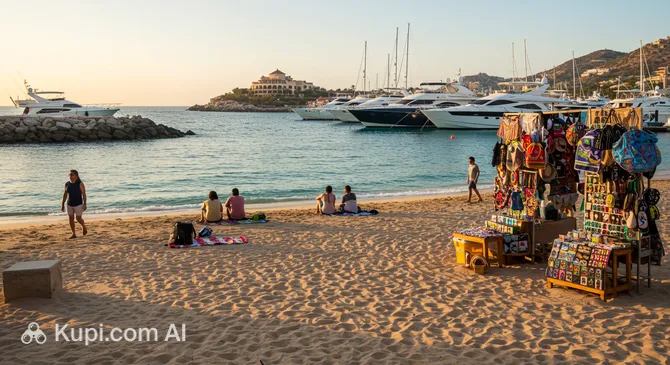
While there are no large traditional markets in Cabo San Lucas like in some other Mexican cities, you can find small craft markets and shops selling handmade items. These spots are often found near beaches or in tourist zones. Here you can purchase ceramics, textiles, jewelry, and other souvenirs directly from the artisans or small vendors. Don't hesitate to haggle, especially in small markets – it's part of the local culture.
Luxury Avenue. Illustration.
Source: Kupi.com AI
Traveler photos:
From Cabo San Lucas, it's worth bringing back traditional Mexican souvenirs. Of course, there are tequila and mezcal – the choice is enormous, from popular brands to exclusive varieties. Silver items are popular, especially those made in the style of the famous masters from Taxco. Bright Talavera ceramics, painted plates, cups, and tiles will decorate any interior. Pay attention to textiles: colorful sarapes (cloaks), embroidered blouses and dresses, and sombreros. You can also find quality leather goods, woven baskets, and various jewelry made from shells and semi-precious stones.
Shops in Cabo San Lucas are usually open from 10:00-11:00 AM until 8:00-10:00 PM, especially in tourist areas and shopping centers. Some small shops may close for a siesta in the middle of the day, but this is becoming less common in resort towns. The official currency is the Mexican peso (MXN). Most shops, restaurants, and hotels accept credit cards (Visa, MasterCard, American Express). US dollars are also often accepted, especially in tourist spots, but the exchange rate may not be the most favorable, and change will likely be given in pesos. For purchases in markets and small shops, it is better to have cash pesos with you.
Foreign tourists in Mexico can take advantage of the Value Added Tax (IVA) refund system on certain goods purchased in stores participating in the Tax Free program. This usually applies to purchases over a certain minimum amount. To process a refund, you must obtain a special receipt (factura) at the store and present it along with the goods and your passport at a special point at the airport before departure. It is recommended to check the details and conditions of the program directly in stores or at tourist information centers, as rules can change.