Support

Pachuca

About

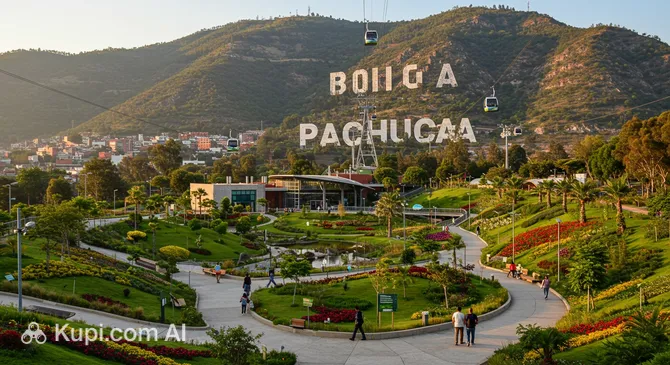
Pachuca, known as "The Beautiful Windy City" (La Bella Airosa) due to its characteristic winds, is a vibrant city and the heart of the State of Hidalgo in Mexico. Located approximately 96 kilometers north of Mexico City, the city is nestled among the scenic hills of the Central Highlands at an altitude of about 2,400 meters above sea level. This geographical location provides it with a temperate climate and fresh mountain air. Pachuca has a population of about 297,000, making it an important administrative and cultural center for the region.
Pachuca. Illustration.
Source: Kupi.com AI

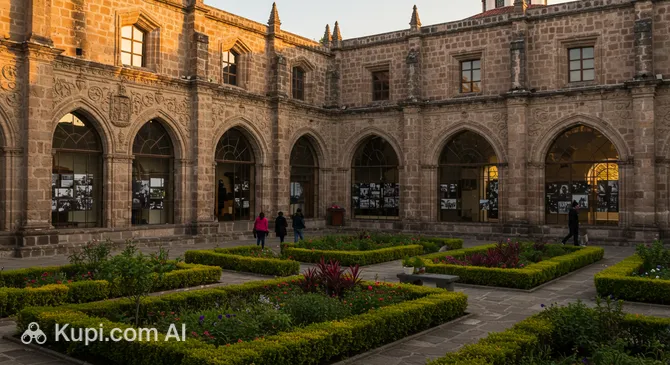
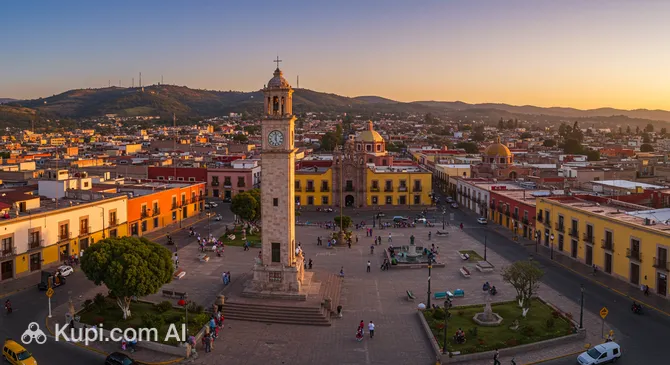
The city is famous for its rich mining heritage, traces of which are still visible today. One of the main attractions is the Reloj Monumental clock tower, which has become the symbol of Pachuca. The historical center is also worth exploring, with its colonial architecture and narrow streets that preserve the atmosphere of past centuries. Equally interesting are the numerous churches, such as the Church and Former Convent of San Francisco (Templo y Exconvento de San Francisco), which is one of the city's oldest buildings and houses a photography museum.

Pachuca offers a unique blend of history, culture, and modern life. Here, you can wander through colorful markets, visit fascinating museums like the Mining Museum, or simply enjoy the hospitality of the local people. If you want to experience an authentic Mexican provincial city full of charm and history, Pachuca will be a delightful discovery for you.

You can find more interesting facts on the history of Pachuca page.
Weather Overview

In Pachuca, you can expect a generally temperate climate. Spring, especially the months from March to May, is the warmest period, when average temperatures hover around 17-20°C, with highs reaching up to 26-27°C. Summer, from June to September, is characterized by higher rainfall, while average temperatures stay around 17-18°C. The winter months, from December to February, are quite cool and dry, with average temperatures around 13-15°C.

Overall, expect a warm summer with occasional rain and cool, dry winters. For more detailed information on weather conditions and trip planning, you can read the full description on the Climate of Pachuca page.

Average monthly temperature

Average monthly precipitation

Interesting Facts

In addition to its famous silver mines and passion for football, Pachuca holds many curious secrets and surprising stories. Here are just a few facts that will give you a new perspective on this Mexican city:

Football Hall of Fame Museum. Illustration.
Source: Kupi.com AI

Traveler photos:

  • The name of the city, "Pachuca," is often linked to its rich history of precious metal mining, translated as "place of silver and gold." However, according to one version from the Nahuatl language, it may mean "place of much hay" or "narrow place," adding mystery to its origins.

  • The city's symbol, the Monumental Clock (Reloj Monumental), not only adorns the central square but also has a "relative" in London! The mechanism for this clock was manufactured at the same English factory as the famous Big Ben.

  • Pachuca is the true cradle of Mexican football. One of the oldest football clubs in the country and all of Latin America was founded here. Today, the passion for football lives on at the Estadio Hidalgo (Pachuca CF Stadium), and the history of great victories is preserved at the Football Hall of Fame and Museum and the International Football Hall of Fame.

  • The city is home to the INAH National Photography Library, one of the largest and most significant in Latin America. Its archives contain over a million photographs, serving as an invaluable visual chronicle of Mexico's history.

How to Get There

When planning a trip to the capital of the state of Hidalgo, it is important to think about your route in advance. You can learn more about how to get to Pachuca by studying all available options, but the main way for most tourists to reach the city remains flying into neighboring metropolises followed by a transfer by bus or car.

Pachuca itself does not have an airport with regular passenger flights, but you can fly into Felipe Ángeles International Airport (IATA: NLU) in Mexico City (Zumpango area), which is only about 47 km from Pachuca. This is the nearest major aviation hub. The journey from here by taxi or rental car takes about 1 hour and 30 minutes, depending on traffic.

Another popular option is the country's main gateway, Benito Juárez International Airport (IATA: MEX), also located in Mexico City, approximately 81 km from Pachuca. This is the largest hub with a vast number of international flights. Traveling from this airport to Pachuca by bus or taxi takes approximately 2 hours and 20 minutes.

For your convenience, here is a summary of the main airports located relatively close to the city:

AirportPassenger trafficDistance
Felipe Angeles International Airport6.3 mln47 km
Benito Juarez International Airport45.4 mln81 km
Huejotzingo Airport790 931112 km
Toluca International Airport1.7 mln120 km
Queretaro Intercontinental Airport2.1 mln160 km

Regarding rail transport, there is currently no regular passenger service to the city of Pachuca. Railways in this region are primarily used for freight. Therefore, tourists are advised to rely on road transport.

The most common way to get to Pachuca from airports or other cities is by bus or car. The city is connected to Mexico City by an excellent modern highway, and buses depart from the Mexico City North Bus Terminal (Central del Norte) very frequently, almost every 10-15 minutes. Traveling by comfortable bus is a reliable and budget-friendly way to travel through this region.

Main Attractions

Pachuca, the capital of the State of Hidalgo, offers tourists a variety of attractions ranging from museums to nature parks. Known for its rich mining history and passion for football, this city is ready to surprise its visitors.

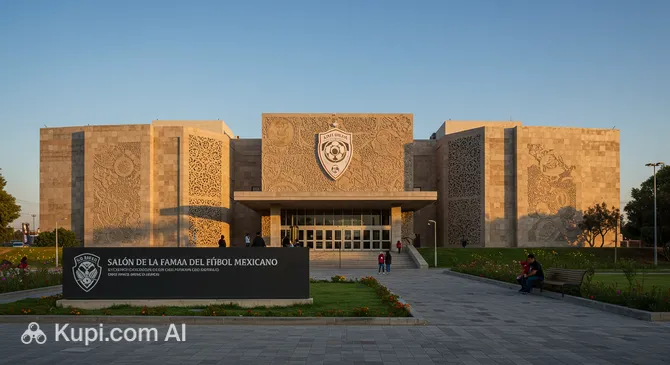
One of the most iconic landmarks is the Football Hall of Fame and Museum. This modern building is dedicated to the history of Mexican and world football. Here, you can see trophies, photographs, and personal belongings of famous players, alongside interactive exhibits that will appeal not only to avid fans but to anyone wanting to experience Mexico's sporting culture.

Football Hall of Fame Museum. Illustration.
Source: Kupi.com AI

Traveler photos:

For art and history lovers, the INAH National Photography Library (Fototeca Nacional) is a must-visit. This institution houses one of the largest photography collections in Latin America, with millions of images documenting Mexico's history and culture from the 19th century to the present day. Visitors can explore temporary exhibitions and unique archival materials.

National Photo Library (Fototeca Nacional) of INAH. Illustration.
Source: Kupi.com AI

Traveler photos:

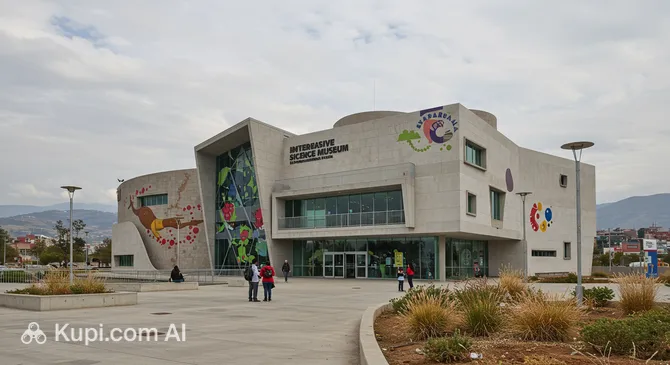
If you are traveling with children or simply enjoy interactive displays, you will love the El Rehilete Museum. This science and technology museum offers engaging exhibits covering various fields of knowledge, from astronomy to paleontology. You can conduct experiments and learn new things in a playful way. The site also features a planetarium and a botanical garden.

El Rehilete Museum. Illustration.
Source: Kupi.com AI

Traveler photos:

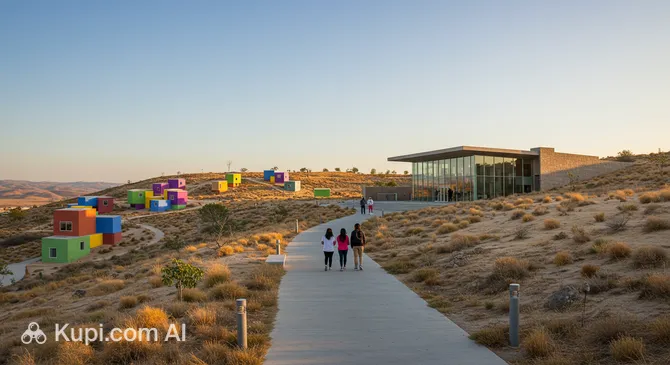
Nature and outdoor enthusiasts should head to Cubitos Ecological Park. This expansive park offers hiking and cycling trails, picnic areas, and observation decks with beautiful views of the city and its surroundings. It is a great place to escape the city bustle and enjoy some fresh air.

Cubitos Ecological Park. Illustration.
Source: Kupi.com AI

Traveler photos:

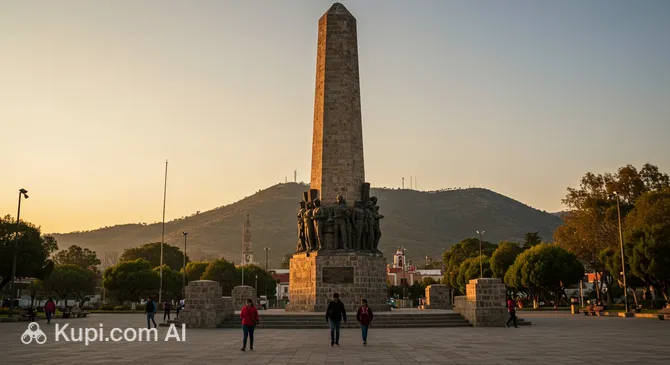
Another notable site is the Monument to the Boy Heroes (Niños Héroes), dedicated to the young cadets who defended Chapultepec Castle. This monument serves as an important symbol of patriotism and commemorates significant events in the country's history.

Local Cuisine

The gastronomic scene in Pachuca is a fascinating journey where ancient indigenous recipes and European culinary traditions, brought here at different times, intertwine. The city is famous for its authentic cuisine, which can surprise even the most discerning gourmet. The hallmark of local gastronomy is undoubtedly the paste – a hearty pastry whose recipe was brought by British miners in the 19th century. Originally made with a simple filling of potato and meat, today pastes are prepared with an incredible variety of flavors – from classic savory to sweet fruit fillings.

In addition to pastes, you should definitely try barbacoa – tender meat that is slow-cooked for hours in an earthen oven, giving it a unique aroma and juiciness. This dish can often be found at bustling local markets. Of course, no introduction to Mexican cuisine is complete without tacos, and in Pachuca, they are prepared with a wide variety of fillings, using fresh corn, beans, vegetables, and, of course, spicy salsas. Those with a sweet tooth will enjoy desserts based on agave and cane sugar.

Regarding drinks, in Pachuca, as in the rest of the state of Hidalgo, you should pay attention to pulque – a traditional fermented drink made from agave sap, which has an ancient history. Refreshing aguas frescas (fruit-infused waters) made from local fruits are also popular, along with various types of Mexican beer and tequila.

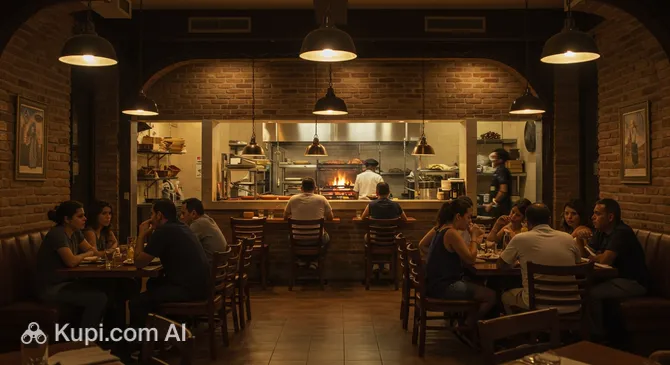
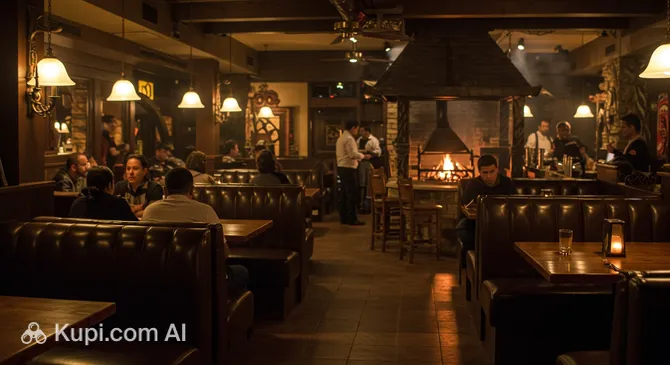
Dining culture in Pachuca is very democratic. You can enjoy authentic dishes at numerous street stalls and small family cafes, or in the more formal setting of restaurants. Farmer's markets are especially popular, where a festive atmosphere prevails, and you can not only buy fresh produce, homemade cheeses, and spices but also sample local delicacies right at the counter. For those seeking a more refined dinner, the city offers interesting establishments, such as Singular Cocina de Brasa, where you can experience a modern interpretation of local culinary traditions.

Singular Cocina de Brasa. Illustration.
Source: Kupi.com AI

Traveler photos:

The gastronomic features of Pachuca attract tourists with their diversity and authenticity. Tasting pastes and barbacoa is a mandatory part of the program for every visitor to the city. Vibrant street food, lively markets, and the chance to try dishes prepared according to old recipes make a culinary journey through Pachuca unforgettable. The city is also known for its gastronomic festivals, which turn it into a true paradise for foodies, bringing together the best chefs and lovers of delicious food.

Travel Tips

Welcome to Pachuca, "The Beautiful Windy City" and the cradle of Mexican football! To ensure your trip through this interesting city in the state of Hidalgo goes smoothly and leaves only pleasant impressions, we have prepared some practical tips.

  1. Clothing and essentials:

    The climate in Pachuca is temperate, but the city is known for its winds, which is why it is called "La Bella Airosa" (The Beautiful Windy City). We recommend bringing clothing that can be layered: t-shirts, sweaters, and a light jacket or windbreaker, especially for evenings and early mornings. Be sure to bring comfortable shoes for walking around the city and its surroundings. Don't forget sunscreen and a hat. You may need an adapter for electronic devices (types A and B sockets are used in Mexico). When visiting churches, choose modest clothing that covers shoulders and knees.

  2. Getting around town:

    It's convenient to get around Pachuca using public transport, mainly buses and shuttle taxis ("combis" or "colectivos"). Taxis are also available; always agree on the price beforehand or ensure the meter is running. Popular ride-hailing apps may work, but it's worth checking their availability upon arrival. Renting a car can be useful if you plan to explore the state of Hidalgo, but it's usually not necessary for getting around the city itself, and driving might be unfamiliar for a tourist.

  3. Finances:

    The local currency is the Mexican Peso (MXN). You can exchange money at banks or exchange offices ("casas de cambio"). Credit and debit cards (Visa, MasterCard) are accepted in many hotels, restaurants, and large stores, but it is always useful to have some cash on hand for small purchases, markets, and transport fares. ATMs are widely available. Tipping in Mexico is common practice: restaurants usually expect 10-15% of the bill.

  4. Health and Safety:

    Pharmacies ("farmacias") are easy to find; some are open 24 hours or have a doctor available for minor consultations. If serious medical help is needed, contact hospitals ("hospitales") or clinics ("clínicas"); it is highly recommended to have travel insurance. As in any city, stay alert: watch your belongings and avoid poorly lit or deserted streets after dark. Central areas of Pachuca are generally safe during the day. Drink bottled water.

  5. Communication:

    The official language is Spanish. English may be understood in tourist areas, but knowing a few basic phrases in Spanish will significantly ease your stay and will be appreciated by locals. Try learning: "Hola" (Hello), "Gracias" (Thank you), "Por favor" (Please), "¿Cuánto cuesta?" (How much does it cost?). A local SIM card can be purchased at mobile shops or OXXO convenience stores. Wi-Fi is available in most hotels and many cafes.

  6. Local Etiquette:

    Mexicans are generally very friendly and polite. A handshake is the standard greeting. Use "Buenos días" (Good morning), "Buenas tardes" (Good afternoon/evening), and "Buenas noches" (Good night). Showing respect for local customs and traditions is always welcome. When addressing strangers or elders, use the respectful forms "señor" (sir) or "señora" (ma'am).

  7. Things to Avoid:

    Try not to display expensive jewelry or large amounts of money in public. Also, avoid photographing people without their prior permission. It is best not to engage in discussions on sensitive political topics unless your interlocutor initiates the conversation.

  8. A Pachuca Specialty:

    Be sure to try the local "pastes" – these are pastries similar to Cornish pasties, a legacy of the English miners who worked here in the 19th century. There are many fillings, from traditional potato and meat to sweet ones. This is a true gastronomic symbol of Pachuca!

We hope these tips help you better prepare for your trip and get the most enjoyment out of your stay in Pachuca. We wish you an unforgettable journey through this unique Mexican city!

Entertainment & Nightlife

Pachuca, the capital of the state of Hidalgo, offers its guests not only a rich history and culture but also a fairly active nightlife. After dark, the city transforms, offering many opportunities for those seeking entertainment after sunset. You can find venues for every taste, from lively nightclubs to cozy bars and restaurants with live music.

The main nightlife hubs in Pachuca are the Zona Plateada district and Everardo Márquez Boulevard, as well as several streets in the historical center. This is where most of the popular bars, clubs, and restaurants are concentrated. The atmosphere in these places is usually lively, especially on weekends. The crowd is quite diverse, ranging from local university students to young professionals and tourists. Most venues stay open until late at night or early morning, particularly on Fridays and Saturdays. The dress code is generally casual or smart-casual, though some of the more fashionable clubs might require a more dressed-up look.

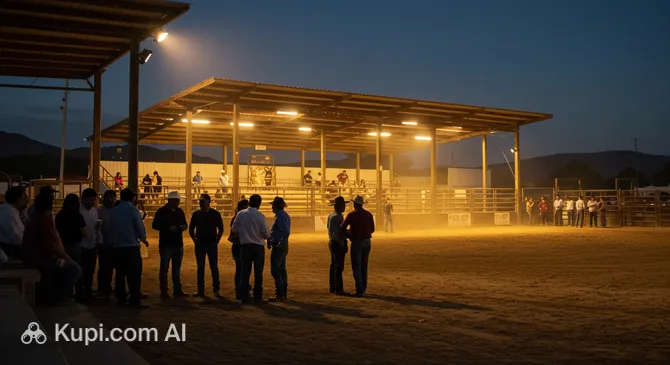
Among the popular spots for evening relaxation, several venues stand out. If you're in the mood for dancing until dawn, check out the Storm West nightclub, known for its energetic atmosphere and modern music.

Western Storm. Illustration.
Source: Kupi.com AI

Traveler photos:

For a quieter evening with friends, El Lugar del Bife is an excellent choice, where you can enjoy fine drinks and pleasant conversation. Another interesting spot is Drunk Factory Snacks & Bar, which offers a wide selection of snacks and cocktails in an informal setting.

El Lugar del Bife. Illustration.
Source: Kupi.com AI

Traveler photos:

When planning a night out, it's best to head to the venues after 10:00 PM - 11:00 PM, when they begin to fill up. Prices in Pachuca's bars and clubs are generally moderate but can vary depending on the level of the establishment. For getting around the city at night, it's most convenient to use taxis or popular ride-hailing apps. It is recommended to call a taxi through official services or apps, especially late at night.

Regarding safety, as in any city, you should take standard precautions: avoid poorly lit and deserted streets, keep an eye on your belongings, and never leave your drinks unattended. Generally, the areas with active nightlife are considered relatively safe, but vigilance never hurts.

During the day, Pachuca also offers plenty of interest. Visitors can explore various museums, such as the Castle of Dragons Miniature Museum or the Football Hall of Fame and Museum, stroll through city parks, or explore the historical center with its colonial architecture. Thus, Pachuca is capable of providing a diverse experience both day and night.

Parks & Museums

Pachuca, a city with a rich history and culture, offers its guests not only an introduction to architectural heritage but also the opportunity to relax in green zones and immerse themselves in a world of knowledge in its diverse museums. Here, everyone will find something to their liking, whether it's a quiet stroll through a park or a fascinating journey through the pages of history.

For lovers of nature and fresh air, Pachuca has several wonderful spots. Louis Pasteur Municipal Park is a true green oasis in the city center, an ideal place for leisurely walks and a break from the urban bustle. If you're looking for more active recreation and beautiful views, head to Cubitos Ecological Park, where you can enjoy nature and panoramic views of the city. For family outings, the Bioparque Convivencia Pachuca is excellent, where you can see various species of animals and plants.

Biopark Convivencia Pachuca. Illustration.
Source: Kupi.com AI

Traveler photos:

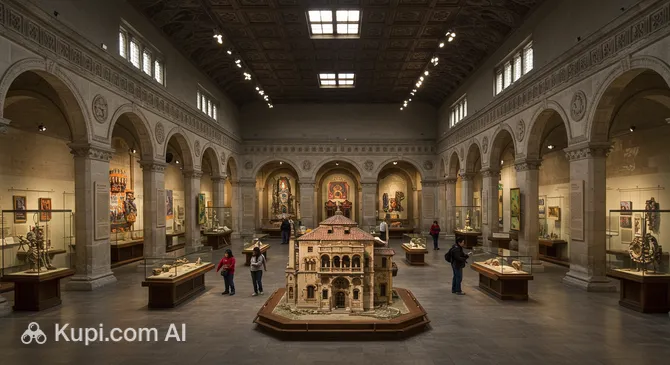
Pachuca's cultural life is equally vibrant. One of the most unusual places is the Castle of Dragons Miniature Museum, which displays amazing miniature compositions that can capture the imagination of both children and adults. Given Mexico's passion for football, it's no surprise that Pachuca is home to the International Football Hall of Fame, a must-visit for all fans of the sport. Here, you can learn about the history of football and its legends. Another iconic site is the INAH National Photography Library, which holds a rich collection of historical photographs telling the story of Mexico.

Miniatures Museum Dragon Castle. Illustration.
Source: Kupi.com AI

Traveler photos:

While walking through the city, take note of the historical monuments. The Monument to the Boy Heroes commemorates important pages of the country's history. The architectural character of the city is largely shaped by Madero Street with its colorful buildings, which is pleasant to stroll along, feeling the spirit of old Pachuca.

Monument to the Boy Heroes. Illustration.
Source: Kupi.com AI

Traveler photos:

To truly feel the atmosphere of Pachuca, don't limit yourself to just the central streets. Peek into local markets, where you can try authentic dishes and buy handmade souvenirs. It is also worth noticing the many small chapels and churches scattered throughout the city, each with its own unique story.

Getting Around

Public transport in Pachuca offers several ways to get around the city, the main one being the Tuzobús rapid bus system. It is complemented by traditional city buses and numerous shuttle taxis, known in Mexico as "combis" (colectivos) or "peseros."

Tuzobús is a modern BRT (Bus Rapid Transit) system that runs along dedicated lanes and has clearly marked stations along the main city arteries. It is the most convenient and predictable form of public transport for tourists. Fares for Tuzobús are paid using a special rechargeable electronic card. The card itself usually costs about 20-30 Mexican pesos and can be purchased and topped up at machines in the system's stations or at authorized sales points. A single trip on Tuzobús costs approximately 10-12 Mexican pesos. The card must be tapped against a validator when entering the station or directly on the bus.

In addition to Tuzobús, regular city buses and "combis" are widely available in Pachuca. The fare for these is usually slightly cheaper, around 8-10 Mexican pesos. In these types of transport, payment is generally made in cash directly to the driver upon boarding. Routes and stops for these buses and "combis" may not always be obvious to newcomers, as they often do not have strictly fixed stopping points outside of main streets; they can often be stopped simply by raising your hand.

Tourists planning to use public transport in Pachuca are advised to familiarize themselves with the Tuzobús route map available at stations in advance. While Pachuca may not have widely used specific local mobile apps for real-time transport tracking or payment, popular map services like Google Maps or Moovit can help in planning routes. For travel on other buses or "combis," it is useful to clarify the direction with locals or the driver. Public transport usually starts early in the morning and finishes late in the evening, but exact schedules can vary depending on the route and day of the week. As in any large city, it is wise to be attentive to your personal belongings, especially during peak hours.

As an alternative to public transport in Pachuca, you can always use taxi services. It is recommended to choose official taxis or use verified mobile ride-hailing apps if they are popular in the city. A taxi ride will be more expensive but provides greater comfort, especially if you are traveling with luggage or heading to remote areas. Bicycle rentals and car-sharing are less common as primary means of transport for tourists in Pachuca.

Accommodation

When planning a trip to Pachuca, you will find a variety of accommodation options to suit different preferences and budgets. The city offers everything from low-cost hostels and guesthouses for budget travelers to comfortable mid-range hotels. Apartments and short-term rental homes are also available, which can be a convenient option for families or long stays.

For tourists, the most convenient areas to stay are the central part of the city, where many historical attractions, restaurants, and shops are concentrated, as well as areas adjacent to main transport hubs. For example, staying near sites such as the Football Hall of Fame and Museum or the Castle of Dragons Miniature Museum will make it easy to reach interesting locations. Choosing accommodation in these zones ensures easy access to Pachuca's cultural life.

Miniatures Museum Dragon Castle. Illustration.
Source: Kupi.com AI

Traveler photos:

As for prices, you can find options for any wallet in Pachuca, from budget to mid-range segments. There are fewer luxury resorts here; the focus is on more affordable and practical accommodation. It is recommended to book your accommodation in advance, especially if your trip coincides with major local events or the peak tourist season. The most popular booking methods are international online platforms and, in some cases, contacting the hotel directly. This will allow you to compare prices and choose the most suitable option for your trip to Pachuca.

Nearby Cities

For those looking to explore the surrounding area, Pachuca serves as an excellent starting point for day trips to several interesting nearby locations:

CityPopulationDistance
Mineral del Monte14 64010 km
San Agustin Tlaxiaca27 11813 km
Epazoyucan11 52216 km
Zapotlan de Juarez16 49318 km
Huasca de Ocampo15 20122 km

For example, Zempoala attracts travelers with its impressive Father Tembleque Aqueduct, a UNESCO World Heritage site, as well as its archaeological zone with pre-Hispanic structures. Meanwhile, Actopan is famous for its monumental 16th-century Augustinian monastery, which is also a World Heritage site and is striking for its architecture and frescoes. A trip to Tizayuca might be interesting for those who want to see a more modern Mexican city and its local life.

These nearby destinations offer various opportunities to experience the culture and natural beauty of the region, complementing your journey to Pachuca. Each of these trips will allow you to dive deeper into the atmosphere of central Mexico and discover something new.

Shopping & Souvenirs

Shopping in Pachuca offers tourists a variety of opportunities, from modern shopping centers to traditional Mexican markets. The city isn't famous for unique world-class goods, but you can find high-quality items from local artisans, clothing, shoes, and, of course, souvenirs reflecting the culture of the Hidalgo region and Mexico as a whole.

For those who prefer walking along busy shopping streets, the central areas of the city are worth exploring. For instance, Madero Street and its surrounding blocks offer a mix of small boutiques, souvenir shops, and stores with everyday goods. Here, you can feel the local color and find interesting items.

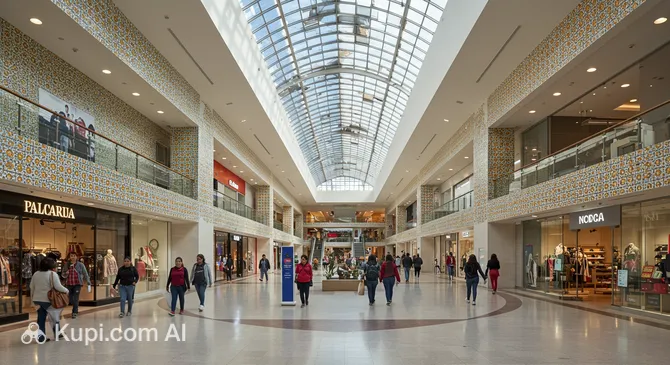
If you are looking for a more modern shopping format, there are several large shopping centers in Pachuca. One of the most popular is Galerías Pachuca, which features many well-known clothing and electronics brands, along with a food court and entertainment areas. Another noteworthy mall is the Vía Dorada Shopping Center, offering a good selection of shops and services.

Galerías Pachuca. Illustration.
Source: Kupi.com AI

Traveler photos:

An integral part of the Mexican shopping experience is the market (mercado). In Pachuca, as in many Mexican cities, you can find traditional markets selling fresh fruits, vegetables, local delicacies, and spices, as well as handmade crafts, textiles, and inexpensive clothing. Visiting such a market is a great opportunity to immerse yourself in the local atmosphere and purchase authentic goods.

As souvenirs from Pachuca, you can bring back ceramics, textiles with traditional patterns, leather goods, and sweets made from local fruits or chili peppers. Given the city's passion for football (it's home to the Football Hall of Fame and Museum and the International Football Hall of Fame), football-themed souvenirs are also very popular.

Most shops in Pachuca open around 10:00 AM and work until 7:00 PM - 8:00 PM, while shopping centers usually close later, around 9:00 PM - 10:00 PM. Credit and debit cards are accepted in large stores and shopping centers, but it's preferable to have cash (Mexican pesos) at markets and in small shops. In Mexico, there is a VAT (IVA) refund system for tourists on certain categories of goods. Check the possibility of a Tax-Free application in stores when making purchases.

Reached the end of the page?

That means the route is fully explored