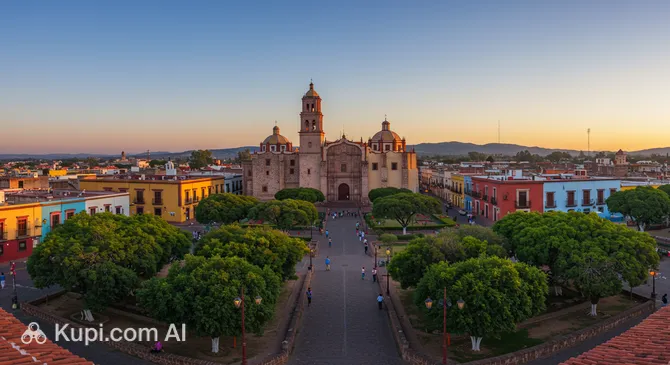
San Juan del Río is a stunning blend of colonial heritage and modern life, located in the picturesque state of Querétaro, Mexico. Home to approximately 301,000 people, the city is considered the oldest colonial settlement in the state. Founded in 1531 on the banks of the San Juan River, it still preserves an atmosphere of authentic history, for which it was awarded the honorary status of Pueblo Mágico ("Magical Town").
San Juan del Rio. Illustration.
Source: Kupi.com AI
The city's geographical location made it a key point on the "Silver Route" (Camino Real de Tierra Adentro), leading to its inclusion in the UNESCO World Heritage list. Tourists are drawn here not only by the city's rich history but also by its status as an industrial center specializing in the mining of noble opals. Strolling through the center, you can feel the grandeur of past centuries embodied in stone bridges and ancient churches.
Be sure to visit the central plazas and famous craft shops where artisans offer unique items. San Juan del Río invites travelers to immerse themselves in the peaceful atmosphere of a historic province, enjoy authentic cuisine, and discover the hospitality of central Mexico.
Weather Overview
The climate in San Juan del Río is typical of the central highland regions of Mexico: moderate weather prevails with a clear distinction between the dry and wet seasons. The location in the river valley ensures good airflow, making walks through the city comfortable for most of the year.
A typical summer in the city is warm, with average daytime temperatures around 25–29°C. Most precipitation falls between June and September, often as short but heavy afternoon downpours. Winters are dry and sunny: during the day, the air warms up to 21–23°C, but nights can be quite chilly, with temperatures dropping to 7–9°C. Detailed information about the weather in the city by month can be found on specialized forecast pages.
The most favorable time to visit is considered to be the spring months (March–May), when the weather is dry and sunny, as well as October and November, when nature still remains green after the rainy season and the daytime heat subsides to maximum comfort levels.
Average monthly temperature
Average monthly precipitation
Interesting Facts
The city is rightfully considered the Mexican capital of opals. Local jewelers, especially the famous Cabrera dynasty, have achieved incredible mastery in cutting these semi-precious stones, which are exported worldwide.
It is home to the one-of-a-kind Museum of Death (Museo de la Muerte). Located in the old Santa Veracruz cemetery building, it tells the story of how the perception of death has evolved in Mexican culture, from indigenous rituals to Spanish traditions.
The Bridge of History over the San Juan River is so important that it is often called the "key to the treasures of the North." In colonial times, it was impossible to transport cargo from the silver mines to the nation's capital without crossing this bridge.
The La Cruz archaeological zone preserves evidence of the people who settled here long before the arrival of the Spanish—the first structures date back to 500 BC, making the city one of the oldest inhabited places in the region.
How to Get There
San Juan del Río holds a strategically advantageous position as a vital transportation hub between central Mexico and the northern states. Located on Federal Highway 57, the city is easily accessible by both public and private transport. You can learn more about how to get to this historical center by reviewing the main routes below.
The nearest air hub is Querétaro International Airport (QRO), located approximately 40–60 minutes from the city center. The most convenient way to reach the city from the airport is by taxi or pre-booked transfer. Direct bus services connect the city with the state capital—Transportes Amealcenses buses depart from Querétaro every 15 minutes, with a travel time of about 50 minutes.
From Mexico City, the trip by intercity bus takes between 3 and 4 hours, depending on traffic leaving the metropolis. If you are traveling by car, follow the modern highway, but keep in mind that congestion is possible during peak hours near the river crossing in central San Juan del Río.
Station
Passenger traffic
Distance
2
49 km
Buenavista Station
7
136 km
Buenavista Station
7
136 km
Main Attractions
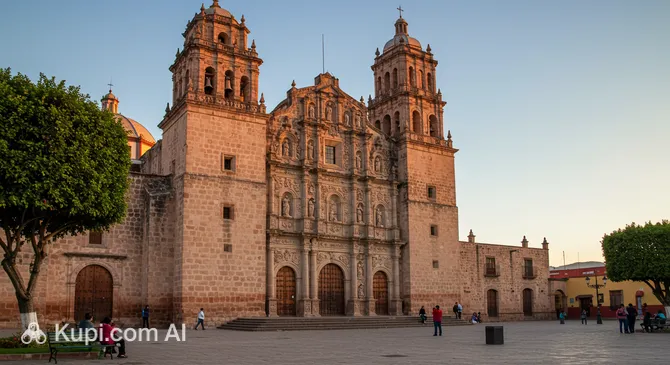
One of the most majestic landmarks is the Parish of Saint John the Baptist. Located on the main square, it serves as the heart of the city. The church impresses with its colonial architecture and stands as a reminder of the region's deep spiritual traditions.
Parish of Saint John the Baptist. Illustration.
Source: Kupi.com AI
Traveler photos:
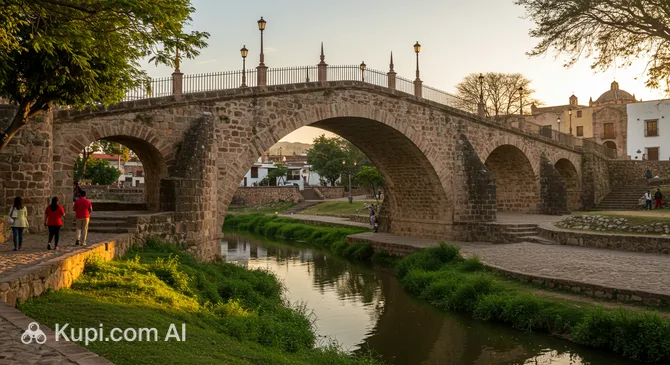
No less significant is the legendary Bridge of History. Spanning the San Juan River on Benito Juárez Avenue, this bridge was known as the "Throat of the Interior" during the colonial era. It was a strategically important customs point on the famous silver route and remains a symbol of the engineering skill of past centuries.
Bridge of History. Illustration.
Source: Kupi.com AI
Traveler photos:
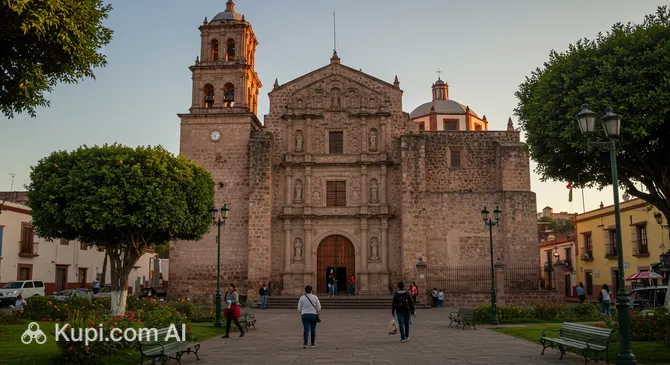
For lovers of religious art, the Parish of Santo Domingo is of particular interest, standing out with its austere yet refined facade. Beyond the churches, the La Cruz archaeological zone (Cerro de la Cruz) is well worth a visit, featuring square temples and circular structures dating back to 500 BC.
Parish of Santo Domingo. Illustration.
Source: Kupi.com AI
Traveler photos:
Local Cuisine
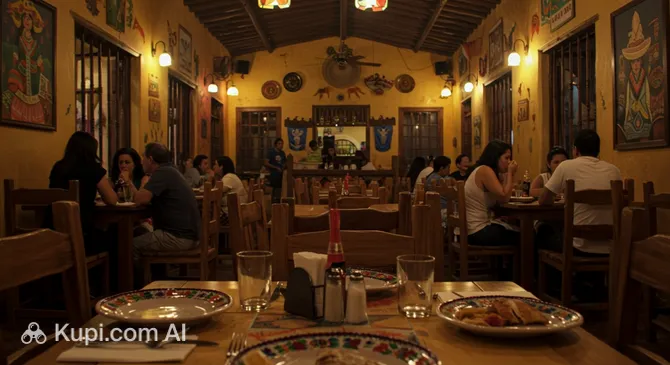
The gastronomy of San Juan del Río is closely linked to the culinary traditions of the Bajío region. Hearty and aromatic food is highly valued here. Be sure to try the meat tacos and traditional enchiladas, which are prepared according to old recipes in local taverns. Due to the proximity of the river, freshly prepared fish can be found on the menus of some establishments.
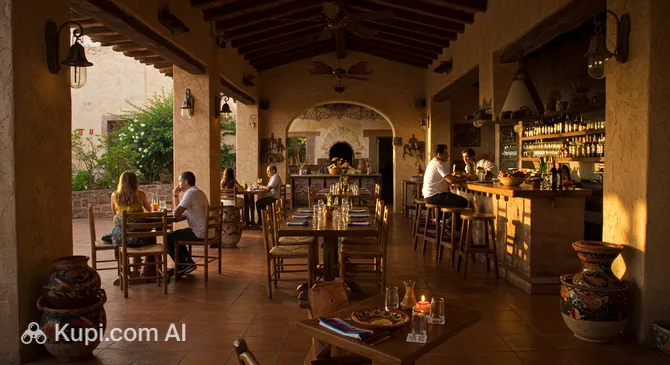
For a substantial lunch in a pleasant setting, local restaurants are an excellent choice. For example, El Corral de la Vaca is famous for its meat dishes and traditional Mexican atmosphere. If you are looking for a place with great food and a cozy interior, it is worth checking out Campo Bravo, which is popular with both locals and visitors alike.
El Corral de la Vaca. Illustration.
Source: Kupi.com AI
Traveler photos:
Craft beverage lovers should look for products from the Cerveceria Primus brewery, which has become a true source of pride for the city. Traditional drinks from central Mexico are often served to complement the meal. You can also get a true taste of the city at the food courts of modern shopping centers, which offer a wide variety of high-quality Mexican fast food.
Campo Bravo. Illustration.
Source: Kupi.com AI
Traveler photos:
Travel Tips
A trip to San Juan del Río will provide you with many pleasant experiences if you consider a few practical points from experienced travelers in advance.
Clothing and Essentials: Choose comfortable shoes, as the streets in the historical center are paved with stone. The climate is moderate: it can be hot during the day, but evenings can be cool, so a light jacket or sweater won't hurt even in summer. When visiting active churches, it is recommended to cover your shoulders and knees.
Transport: Within the city, it is most convenient to get around on foot or by taxi. For trips to neighboring cities, use the buses, which run very frequently and are inexpensive.
Finances: The official currency is the Mexican Peso (MXN). Cards are accepted in hotels and large stores, but for markets and buying souvenirs (especially opals), it is better to have cash. ATMs are located primarily in the center and in shopping malls.
Health and Safety: The city is considered safe for tourists, especially in the central part during the day. Avoid walking in the outskirts at night. Drink only bottled water and maintain hygiene when buying street food.
Communication: The primary language is Spanish. Basic English may be understood in tourist areas, but knowing a few phrases in Spanish ("Hola", "Gracias") will be very helpful. It is recommended to download an offline translator in advance.
Local Etiquette: Mexicans are very polite. Greet people when entering a shop or restaurant. A smile and a calm tone are the best ways to resolve any issue.
What to Avoid: You should not photograph local residents (especially members of indigenous groups) without their consent. Also, avoid topics related to politics and social issues in conversations with strangers.
Extra Tip: Visit the Cabrera jewelry workshops to see the opal processing—this is a unique experience available to few.
Enjoy your journey to this hospitable and history-filled corner of Mexico!
Entertainment & Nightlife
The entertainment scene in San Juan del Río is primarily focused on relaxed family vacations and experiencing local culture. During the day, a popular spot for active leisure is the Ejidal San Pedro Water Park, where visitors can cool off in the pools and enjoy the outdoors. For those who prefer shopping and modern entertainment, the shopping complexes with cinemas and lounge areas are an excellent choice.
San Pedro Ejidal Water Park. Illustration.
Source: Kupi.com AI
Traveler photos:
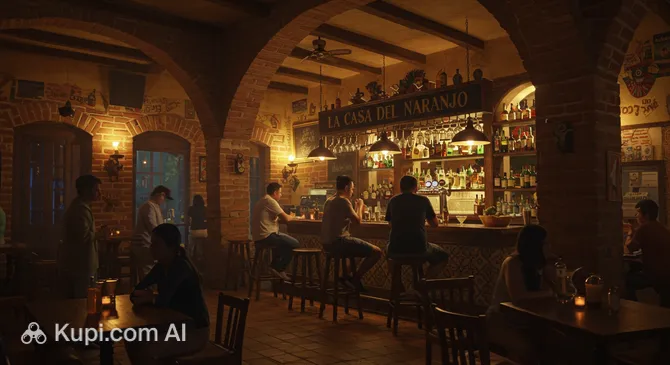
The city's evening life is centered around the cozy restaurants and bars in the downtown area. If you're looking for an informal setting, check out Red Wings—a popular spot among young people and fans of light snacks. For a more sophisticated dinner with a local touch, La Casa Del Naranjo Restaurant is perfect, offering the atmosphere of the old city and excellent service.
La Casa Del Naranjo Restaurant. Illustration.
Source: Kupi.com AI
Traveler photos:
Fans of craft beverages should definitely visit the local Cerveceria Primus brewery, which is famous for its craft beer and hospitality. For those seeking vibrant nightlife and dancing until dawn, locals often recommend heading to nearby Querétaro (just a 40-minute trip), as San Juan del Río itself maintains its status as a quiet and respectable provincial center. The highlight of the year remains the City Fair at the end of June, when the streets fill with music, processions, and carnival rides.
Parks & Museums
The cultural life of San Juan del Río is inextricably linked to its historical past. One of the most interesting sites is the Portal del Diezmo—a restored colonial-era building that today serves as a cultural center for exhibitions, concerts, and creative meetings. It attracts tourists with its architectural elegance and inner courtyards.
A unique place that is definitely worth a visit is the Museum of the Nativity (Museo del Nacimiento). Its collection features a huge number of nativity scenes from all over the world, made from a wide variety of materials. Visitors note the extraordinary detail of the exhibits and the museum's soulful atmosphere. Also not to be missed is the Museum of Death, located on the grounds of an ancient cemetery, which offers a deep look into Mexican burial rites.
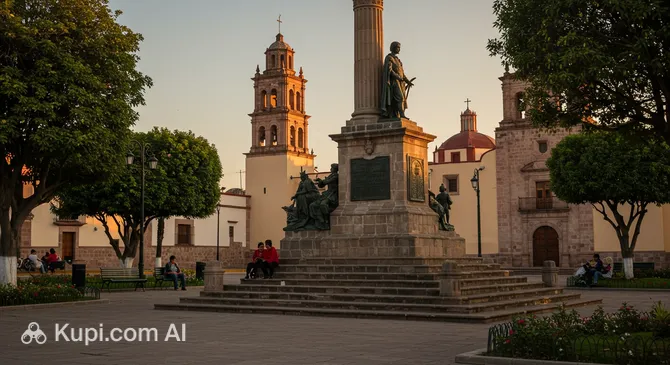
For outdoor walks, the area around the Benito Juárez Monument is excellent, as are the banks of the San Juan River, where walking zones have been established. Although there are no giant park complexes in the city, cozy squares in the center and the proximity of the La Cruz archaeological zone provide plenty of spots for nature relaxation combined with history.
Benito Juárez Monument. Illustration.
Source: Kupi.com AI
Traveler photos:
Getting Around
The transport system in San Juan del Río is quite simple, which is typical for cities of this size. The main form of internal travel is local buses and minibuses. They connect residential areas with the center and shopping zones. Fares are usually paid in cash to the driver, so tourists are recommended to always carry small coins.
The central historical part of the city is very compact and is best explored on foot. This allows you to closely examine the ancient architecture and peek into cozy courtyards. If you need to reach outlying districts or shopping centers quickly, a taxi is the best option. You can hail one on the street or use mobile apps that operate in the region.
An important feature of the city is its role as a transit hub. Intercity buses depart very frequently, especially toward Querétaro. During peak hours, it is worth considering potential traffic jams on central streets, particularly near the historical bridge, as the narrow colonial streets don't always handle modern traffic flow well.
Accommodation
For tourists deciding to stay in San Juan del Río, the city offers a decent selection of accommodation options, primarily targeting the mid-range and budget segments. The most popular area to stay is the historical center (Centro), where you can find cozy colonial-style hotels within walking distance of the main attractions.
Small family-run inns and apartments for long-term rent prevail here. While there are almost no luxury five-star resorts in the city itself, the existing hotels compensate with genuine Mexican hospitality and authentic surroundings. For those traveling for business or in transit, modern chain hotels are available along the main highways.
If you are planning a trip in June during the City Fair or the feast of Saint John the Baptist, it is recommended to book accommodation in advance, as the city attracts many visitors from neighboring regions. Prices remain quite affordable compared to Mexico's popular resort zones.
Nearby Cities
San Juan del Río serves as an excellent starting point for exploring the picturesque surroundings of the state of Querétaro. Just 17 kilometers away is the charming town of Tequisquiapan, known for its thermal springs, cozy streets, and wine and cheese festivals. It is an ideal place for a leisurely stroll and for buying high-quality wicker crafts.
Fans of authentic culture should head to Amealco, located 28 kilometers away. This city is famous for its traditional handmade dolls and unique architecture. Also of interest for a short trip is Ezequiel Montes, from where it is easy to reach the famous Peña de Bernal monolith.
City
Population
Distance
La Trinidad
83 111
14 km
Tequisquiapan
29 799
17 km
Polotitlan
13 851
26 km
Amealco
56 457
28 km
Ezequiel Montes
14 053
31 km
For those seeking more grand experiences, the state capital—the magnificent city of Querétaro—is only a 40–50 minute bus ride away. Exploring these nearby towns will allow you to feel the multifaceted nature of the Mexican province and discover the hidden gems of the Bajío region.
Shopping & Souvenirs
Shopping in San Juan del Río is an engaging activity that combines modern shopping complexes and traditional craft shops. The city is world-famous for its opals, so jewelry featuring these stones is the best purchase to make here. Look for specialized shops in the historical center, where masters offer both raw minerals and exquisite silver pieces.
For those who prefer a more familiar shopping format, the Galerías San Juan del Río shopping center is the main destination. This modern space features popular brands, a large Liverpool department store, and an extensive food court. Another convenient option is Plaza Paseo del Río, which offers a wide selection of shops and services.
Galerias San Juan del Río. Illustration.
Source: Kupi.com AI
Traveler photos:
As souvenirs from the city, traditional Mexican tiles and hand-embroidered textiles are also worth bringing back. Shops in the city center are typically open from 10:00 to 20:00, while major malls stay open until 21:00 or 22:00. Most places accept bank cards, but it is better to have cash pesos for local markets and small shops.