Support

Cabeza Olmeca

About

Imagine a massive basalt monolith, gazing out across the centuries with imperturbable calm. The Olmec Head (Cabeza Olmeca) is one of the most recognizable symbols of ancient Mesoamerican culture, located in the state of Veracruz. This impressive monument is part of a series of colossal stone sculptures created by the masters of the Olmec civilization—the region's oldest advanced culture, often called the "mother" of all subsequent civilizations in Mexico.
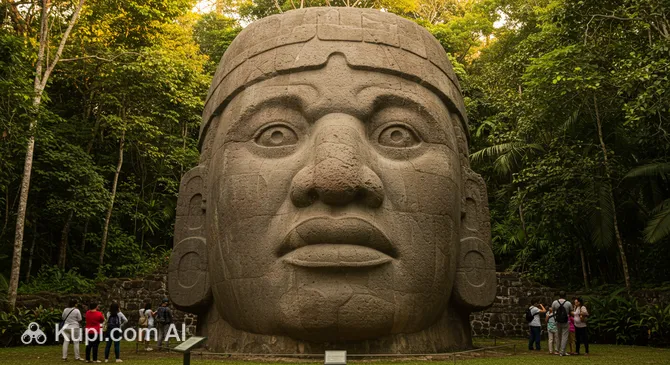
Olmec Head. Source: Kupi.com AI

The sculpture is striking for its realistic features: a flat nose, full lips, and a specific headgear resembling a helmet. The height of such heads can reach several meters, and they can weigh many tons. The fact that ancient sculptors were able to create such detailed portraits from hard basalt without the use of metal tools still commands the admiration of researchers and travelers alike.

Today, this historical monument stands right by the road, making it an accessible and extremely interesting site to visit. Boasting a high rating among tourists, Cabeza Olmeca serves as a reminder of a highly developed society with extensive trade routes and a rich spiritual heritage that flourished long before the arrival of Europeans.

Contacts

For those planning their own route, the exact coordinates and address of this majestic ancient monument will come in handy.

Address Carr. Xalapa Veracruz 441, Francisco Villa, 91960 Veracruz, Ver., Mexico
Google Maps Open in Maps

What to Do

The main reason to visit Cabeza Olmeca is the opportunity to touch ancient history. You can get a close look at the skill of ancient stone carvers, study the texture of the basalt, and the characteristic facial features that scholars believe belonged to actual Olmec rulers. This place is ideal for thoughtful contemplation and reflection on how the first civilizations of the Americas developed.

For photography enthusiasts, this monument provides a magnificent backdrop. The scale of the massive stone head allows for impressive shots that will enhance any travel blog or family album. Many travelers make a special stop here during their trips through the region to capture this symbol of the power and authority of ancient chiefs.

A peaceful atmosphere reigns around the monument, complemented by views of the tropical nature of Veracruz state. In the evening, the sculpture is illuminated, giving the face of the ancient ruler a dramatic and even slightly mystical appearance. This is an excellent opportunity to combine educational interest with pleasant outdoor relaxation among the green hills near the Gulf of Mexico coast.

Getting There

The Cabeza Olmeca attraction is extremely conveniently located for travelers by car. It sits right by the Carr. Xalapa Veracruz 441 road in the Francisco Villa district. If you are driving along the Xalapa-Veracruz highway (Mexico 140D), the giant head is hard to miss—it is clearly visible from the highway, making it an ideal point for a quick stop on the way from Veracruz to Xalapa. The drive from the city center takes approximately 20–30 minutes.

If you prefer public transport, you can use the intercity buses running the Veracruz — Xalapa route. They make stops nearby, after which you only need to take a short walk to the monument. From Veracruz International Airport (VER), it is most convenient to take a taxi, which takes about 30–40 minutes.

For those traveling by private or rental car, there is a parking area provided next to the road. The site is open, allowing tourists to feel safe and comfortably inspect the object at any time of day.

History & Facts

The Olmecs are rightfully considered the first complex civilization of Mesoamerica, flourishing between 1500 and 400 BC in the territories of present-day Veracruz and Tabasco states. The Olmec Head is part of the legacy of the so-called "rubber people" (as the Aztecs called them). These colossal sculptures were carved from giant basalt boulders transported from the Sierra de los Tuxtlas mountains. Given the weight of the stone and the lack of wheeled transport in ancient cultures, this transportation was a true feat of engineering and labor organization.

Historians believe that these monuments are portraits of powerful rulers or chiefs. Each of the heads found (ten were discovered in San Lorenzo alone) possesses individual facial features and a unique helmet-like headgear. Scholars suggest these may have been posthumous monuments symbolizing the continuity of dynasties and the divine power of leaders.

Ancient Olmec centers, such as San Lorenzo and La Venta, were the cradle for many Mesoamerican traditions: writing, the calendar, the ritual ball game, and trade networks covering vast territories all developed here. Although the decline of the civilization was caused by environmental changes and shifting river courses, their art, embodied in the Cabeza Olmeca, has maintained its power through the millennia, becoming the foundation for the Mayan and Aztec cultures.

Time Needed

A visit to the Olmec Head won't take much of your time, as it is a single monument located outdoors. Usually, 30–60 minutes is enough for tourists to carefully examine the details of the ancient sculpture, feel its scale, and take commemorative photos.

If you decide to not just limit yourself to looking at the head but also take a short walk around the area to enjoy the local scenery, budget about 1.5 hours for your visit. This is plenty of time for a leisurely encounter with the site as part of your road trip through the region.

Working Hours

The Cabeza Olmeca attraction is available for viewing at any time convenient for you. Thanks to its open-air location, it has no strict visiting hours, allowing tourists to plan a visit either early in the morning or late at night.

Official site hours: daily and round-the-clock (24 hours). You can come here on Monday, Saturday, or any other day of the week — access to the stone head is always open to everyone.

Nearby

The monument's location makes it easy to combine your visit with other interesting sites in the vicinity. Exploring the Veracruz region can significantly enrich your experience, offering both amusement parks and the amazing aquariums for which this port city is famous.

Attraction Name Distance (km)
Flexzone Veracruz 2.7
Reino Mágico 3.2
Bahia Reef 4.5
Acuario Tecnomarine 4.6
Jesús Acuario 5.2
Acuario El Dorado 5.7
Acuarium de Veracruz 5.8
Xtreme Park Veracruz 6.0
Aqua Mundo 6.0
El acuario 6.7

Reached the end of the page?

That means the route is fully explored