Support

National Museum of Pakistan

About

The National Museum of Pakistan, located in the vibrant city of Karachi, is the country's primary state museum and one of its most important cultural centers. It is a place where visitors can immerse themselves in the region's rich and multifaceted heritage, tracing its history from ancient times to the present day.
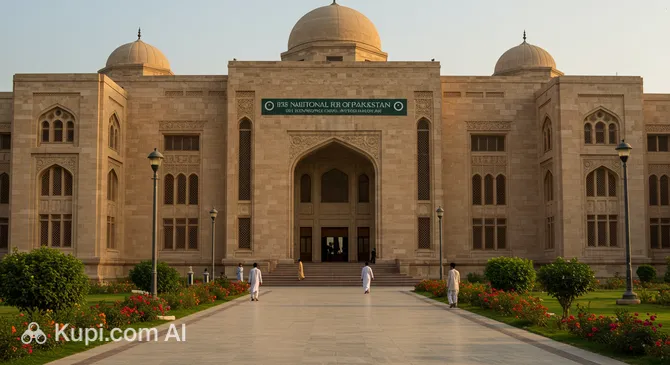
National Museum of Pakistan. Illustration.
Source: Kupi.com AI

Traveler photos:

Founded on April 17, 1950, the museum was originally housed in Frere Hall, succeeding the former Victoria Museum. However, due to the growth of the collection and the need for a more modern space, the National Museum of Pakistan moved in 1970 to a purpose-built building on Dr. Ziauddin Ahmed Road, where it remains today.

The museum's collection is truly impressive in its diversity and covers a wide range of exhibits. It features artifacts related to the region's ancient history, including finds from the Indus Valley civilization, exquisite examples of Islamic art, items reflecting the culture and daily life of Pakistan's various peoples, and materials dedicated to the political history of the state's formation. A visit to the National Museum of Pakistan is a unique opportunity to touch the soul of the country and better understand its historical path and cultural diversity.

Contacts

When planning your visit to the National Museum of Pakistan, we recommend checking the current opening hours and ticket prices. Since direct contact details like phone numbers or email addresses are not always publicly available, it is best to look for the museum's official website or visit local tourist information centers in Karachi. The museum is located at: Dr. Ziauddin Ahmed Road, Karachi, Pakistan.

How to contactContact
AddressShahrah-e-Kemal Ataturk, Saddar Karachi, 75500, Pakistan
Phone number+92 21 99212840

What to Do

The National Museum of Pakistan in Karachi offers visitors a unique opportunity to immerse themselves in the country's rich history and culture. One of the highlights of the collection is the Quranic manuscript collection, which includes around 300 copies, 52 of which are extremely rare manuscripts. A stroll through the museum's halls is a journey through the centuries, allowing you to connect with the origins of civilization and trace the development of the Pakistani state.

The museum features eleven thematic galleries, each revealing a specific aspect of Pakistan's heritage. Visitors can start their journey with exhibitions dedicated to the ancient Indus Valley Civilization, see the majestic Gandhara sculptures, and admire the elegance of Islamic art and the intricacy of miniature paintings. Artifacts from famous archaeological sites such as Mohenjo-Daro and Harappa are on display, testifying to the high level of development of ancient cultures in this region.

In addition to works of art, the museum features an extensive collection of ancient coins that tell the story of the region's economic and trade relations throughout various eras. An important place is held by documents and exhibits illustrating the key stages of Pakistan's emergence as an independent state. For those who want to understand the culture and daily life of the country's peoples more deeply, the ethnological gallery is of particular interest. It brings together items reflecting the traditions, crafts, and daily lives of Pakistan's various ethnic groups.

Getting There

Getting to the National Museum of Pakistan is quite simple, as it is situated in the heart of Karachi on Dr. Ziauddin Ahmed Road. This central location ensures convenient accessibility from any part of the city. You can take a taxi for a quick trip to the museum or choose one of the many public transport routes that pass close to the city's main thoroughfares and business center.

If you prefer walking and are staying in the Old City area or near McLeod Road, you can reach the museum on foot while enjoying the sights of Karachi along the way. For travelers arriving from other cities in Pakistan or from abroad, the best option is to take a taxi directly from the airport or railway station, or rent a car for more freedom of movement. This allows you to reach the National Museum of Pakistan directly without unnecessary transfers.

Nearest city: Karachi

History & Facts

The National Museum of Pakistan in Karachi has a rich history closely intertwined with the history of the country itself. It was established in 1950, shortly after Pakistan gained independence, to replace the former Victoria Museum. Initially, the exhibits were housed in the historic Frere Hall—a magnificent 19th-century architectural landmark built in 1865. This gave the young museum a unique atmosphere, connecting it with the city's colonial past.

However, as the collection grew over time, the need for a more spacious and modern facility arose. In 1970, the National Museum of Pakistan moved to a new building specifically constructed for its needs. This move was a major milestone in its development, allowing for a significant expansion of exhibition space and the display of a larger number of artifacts telling the story of the country's history and culture.

Since its inception, a special museum council has worked tirelessly to expand its holdings. Thanks to the efforts of this council, the collection is constantly enriched with new works of art, antiques, and other valuable exhibits. Today, the National Museum of Pakistan is one of the country's most important cultural centers, housing unique materials that span a vast timeline—from the ancient civilizations that existed on the territory of Pakistan to the present day.

Thus, the National Museum of Pakistan serves not just as a repository of antiquities, but as a key institution documenting and preserving the multifaceted history and cultural heritage of the nation. It plays a vital role in shaping national identity, giving both Pakistanis and visitors the opportunity to connect with the origins of the civilizations that flourished on this land and trace the development of Pakistan over millennia.

Time Needed

When planning a visit to the National Museum of Pakistan in Karachi, you should keep in mind that it takes some time to fully explore its rich collections. On average, to see the main exhibitions and get a general overview of the history and culture of Pakistan presented in the museum, it is recommended to set aside 2 to 3 hours.

This time is usually enough to walk through the galleries at a leisurely pace and see the most significant artifacts and exhibits reflecting various eras—from the ancient Indus Valley civilizations to later periods. The museum boasts an extensive collection, including archaeological finds, manuscripts, coins, sculptures, and works of art, so this timeframe will provide a fairly comprehensive impression.

Of course, if you have a deep interest in specific historical periods or types of art on display, your visit may take longer. However, for most tourists, 2-3 hours is the optimal amount of time to get to know this important cultural site.

Working Hours

When planning a visit to the National Museum of Pakistan in Karachi, it is important to check the current opening hours in advance. As exact opening hours can change, it is highly recommended to check the museum's official website or contact the administration directly before your visit. This will help you get the most up-to-date information on the schedule and learn about any special events or temporary closures.

Generally, major national museums are open to visitors year-round, except for certain public holidays. As for the need to book tickets in advance, this may depend on the season and current museum policy. To avoid inconvenience, especially if you are traveling during peak tourist season or planning a group visit, it is best to clarify this in advance through the official resources of the National Museum of Pakistan.

DayOpening hours
Monday10:00 – 17:00
Tuesday10:00 – 17:00
WednesdayClosed
Thursday10:00 – 17:00
Friday10:00 – 17:00
Saturday10:00 – 17:00
Sunday10:00 – 17:00

Nearby

A visit to the National Museum of Pakistan in Karachi is just the beginning of a fascinating journey through the city's cultural and historical heritage. Exploring the museum's surroundings will allow you to dive deeper into the atmosphere of this vibrant metropolis and discover other interesting sites located in the immediate vicinity.

By expanding your itinerary, you can gain a more complete understanding of Karachi, its diversity, and its unique characteristics. Near the museum, you will find both historical landmarks and modern cultural centers, each adding bright colors to your travel experience.

NameDistance
Avari Towers Restaurant1.4 km
Frere Hall1.6 km
Magnifi Science Centre1.7 km
State Bank Museum & Art Gallery1.9 km
Three Swords Monument2.6 km
Mazar-e-Quaid3.4 km
Damascus Restaurant3.5 km

Have you reached the end of the page?

So the route has been studied inside and out